Chaco Ramen
Our verdict
Chaco Ramen on Crown Street sits within Darlinghurst's compact strip of neighbourhood-driven dining, where Japanese ramen has found a firm foothold alongside the suburb's broader Asian food culture. It is a reasonable first stop for anyone working through the Crown Street dining corridor.

Pearl is the En Primeur Club membership app — saves, bookings, and concierge access live there. Same editors, same standards.
- Address
- 238 Crown St, Darlinghurst NSW 2010, Australia
- Phone
- +61 2 9007 8352
- Hours
- Daily 11:30 AM–2:30 PM, 5:30–8:30 PM
- Website
- chacoramen.com.au
- Directions
- Get directions
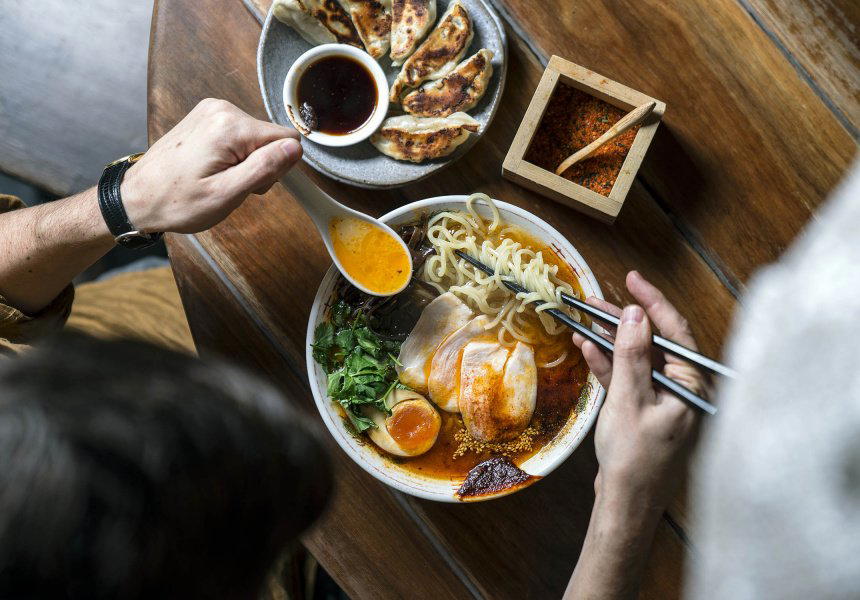
Crown Street and the Ramen Question
Darlinghurst's Crown Street has long functioned as one of Sydney's more reliable corridors for casual but considered eating. The strip runs from the Oxford Street end down through Surry Hills, and the density of independent operators along it means that any new or established format gets judged against immediate neighbours rather than against the city at large. Ramen sits in a particular position within that context: it is a format that rewards repetition, where regulars calibrate their order over months rather than choosing once from a menu. Venues that hold Crown Street foot traffic tend to do so not through novelty but through consistency.
Chaco Ramen, at 238 Crown Street, occupies that corridor and faces those expectations directly. The surrounding dining options cover a wide spread — from the neighbourhood Italian at Lucio Pizzeria to the pork-focused counter at Mr Crackles, and the Vietnamese rooms at Phamish and the award-recognised Red Lantern. In that company, a ramen specialist occupies a distinct lane: it is format-committed in a way that most of its neighbours are not, which carries both clarity of purpose and the pressure of depth.
The Ramen Format in an Australian Context
Ramen arrived in Australian cities through a recognisable trajectory. The early wave was dominated by fast-casual operators targeting student density and lunch traffic. The second wave, which began consolidating in Sydney and Melbourne through the 2010s, saw smaller operators bring closer attention to broth construction, noodle sourcing, and topping discipline. That shift mirrors what happened in Tokyo's own internal ramen culture over the preceding decades, where the move from high-volume chain formats to specialist shops — some with fewer than twenty seats, redefined what the format could communicate.
What distinguishes the serious end of the format from the casual end is usually the broth, specifically, how long it has been developing and whether the toppings are prepared in-house or assembled from commodity supply chains.
What Positions Chaco Within That Set
Chaco Ramen's positioning within Darlinghurst's dining scene reflects the suburb's broader character: it is a neighbourhood that rewards operators who commit to a specific point of view rather than spreading across multiple formats. The Crown Street location places it within walking distance of the Oxford Street bar culture and the residential density of Paddington and Surry Hills, which means the customer base includes both the after-work crowd and the Saturday-lunch regulars who approach the bowl as a weekly ritual rather than an occasional event.
Within Sydney's ramen category more broadly, the operators who have maintained longevity tend to share certain structural traits: a constrained menu that forces depth on fewer items, a broth programme that takes priority over decorative add-ons, and a dining room format that prioritises throughput without sacrificing the time needed to eat properly. Chaco operates within this framework. The format encourages repeat visits, and repeat visits are the primary mechanism through which a ramen specialist builds its local standing.
For a fuller picture of where Chaco sits relative to the wider Darlinghurst dining options, the EP Club Darlinghurst restaurants guide maps the neighbourhood's current operators across cuisine types and price tiers. Nearby, Bar Reggio anchors the Italian-leaning end of the street's casual dining options.
The Broader Australian Table
Placing Chaco Ramen in its national context requires acknowledging how far the Australian restaurant scene has moved at its upper end. Venues like Attica in Melbourne, Brae in Birregurra, and Rockpool in Sydney operate at a tier where the conversation is about fine dining at an international level. Further afield, places like Botanic in Adelaide, Hentley Farm in Seppeltsfield, and Laura at Pt Leo Estate in Merricks reflect a wider regionalism in serious Australian dining. Coastal operators like Pipit in Pottsville and Provenance in Beechworth show how that ambition extends well beyond the capital cities. Even in the resort tier, Lizard Island Resort and waterfront destinations like Ormeggio at The Spit in Mosman represent a strand of the market where setting does significant work alongside food.
Chaco operates well below that register, which is not a criticism. The neighbourhood ramen specialist and the tasting-menu destination are answering different questions. Internationally, the distance between a focused ramen house and the precision seafood cooking of Le Bernardin in New York City or the collaborative format of Lazy Bear in San Francisco is not just a matter of price, it is a fundamentally different relationship between kitchen and guest. What the ramen format offers that tasting menus do not is accessibility and repetition: the ability to return frequently and to build familiarity with a single, refined product over time.
Planning Your Visit
Chaco Ramen's Crown Street address puts it in one of Darlinghurst's most walkable sections, accessible from the 380 bus route along Oxford Street and within reasonable distance of Kings Cross and Central stations. The neighbourhood tends to fill quickly on Friday and Saturday evenings, when Crown Street draws from across the inner suburbs, so mid-week visits or early evening timing typically means shorter waits. As specific booking methods, hours, and current pricing were not available at time of writing, checking directly via the venue's current listings or platforms serving the Crown Street corridor is the most reliable approach before visiting.
Frequently asked questions
What part of town is Chaco Ramen in?
Chaco Ramen is located at 238 Crown St, Darlinghurst NSW 2010, Australia, Darlinghurst.
Where exactly is Chaco Ramen located, and how do you get there?
Chaco Ramen is at 238 Crown St, Darlinghurst NSW 2010, in the heart of one of Sydney's most walkable inner-suburb dining strips. The 380 bus along Oxford Street provides direct access, and the venue sits within easy reach of both Kings Cross and Surry Hills on foot. Street parking on Crown Street is available but limited during peak evening hours.
What's the must-try dish at Chaco Ramen?
Chaco Ramen operates as a ramen specialist on Crown Street, Darlinghurst, so the broth-based bowls are the structural core of the menu.
What's the best way to book Chaco Ramen?
Casual ramen formats along the Crown Street strip commonly operate on a walk-in basis, so arriving outside peak dinner service — before 6pm or after 8:30pm on weeknights — is a practical approach.
What makes Chaco Ramen worth seeking out?
On a Darlinghurst strip where operators often spread across multiple cuisines and formats, a focused ramen specialist holds a clearly defined position. Crown Street has a track record of sustaining venues that commit to a single discipline, and a dedicated ramen counter fits that pattern. The address at 238 Crown St places it within one of Sydney's most walkable inner-suburb dining corridors.
Can Chaco Ramen accommodate dietary restrictions?
Traditional ramen broths are typically built on pork, chicken, or seafood stocks, which limits straightforward options for vegetarians and vegans unless the kitchen maintains a separate base.
Is Chaco Ramen good value for money?
Confirmed pricing data for Chaco Ramen is not available at time of writing. As a general reference, neighbourhood ramen specialists in inner-Sydney suburbs like Darlinghurst typically sit in the $18–$28 per bowl range, positioning them comfortably within casual dining rather than the higher spend of formal Japanese restaurants elsewhere in the city.
Cost Snapshot
Comparable venues nearby, for context on price, style, and recognition.
| Venue | Cuisine | Price | Notes |
|---|---|---|---|
| Chaco RamenThis venue — the venue you are viewing | Modern Japanese Ramen | $20–30 | Not listed |
| Phamish Vietnamese Restaurant | Authentic Vietnamese | $20–30 | Darlinghurst, Authentic Vietnamese |
| Sushi on Stanley | Casual Japanese Sushi | $20–30 | Darlinghurst, Casual Japanese Sushi |
| Lucio Pizzeria | Authentic Neapolitan Pizza | $20–30 | Darlinghurst, Authentic Neapolitan Pizza |
| Mr Crackles | Crispy Pork Crackling Rolls | Not listed | Darlinghurst, Crispy Pork Crackling Rolls |
| Surly's American Tavern | American BBQ | Not listed | Surry Hills, American BBQ |
Continue exploring
More in Darlinghurst
Restaurants in Darlinghurst
Browse all →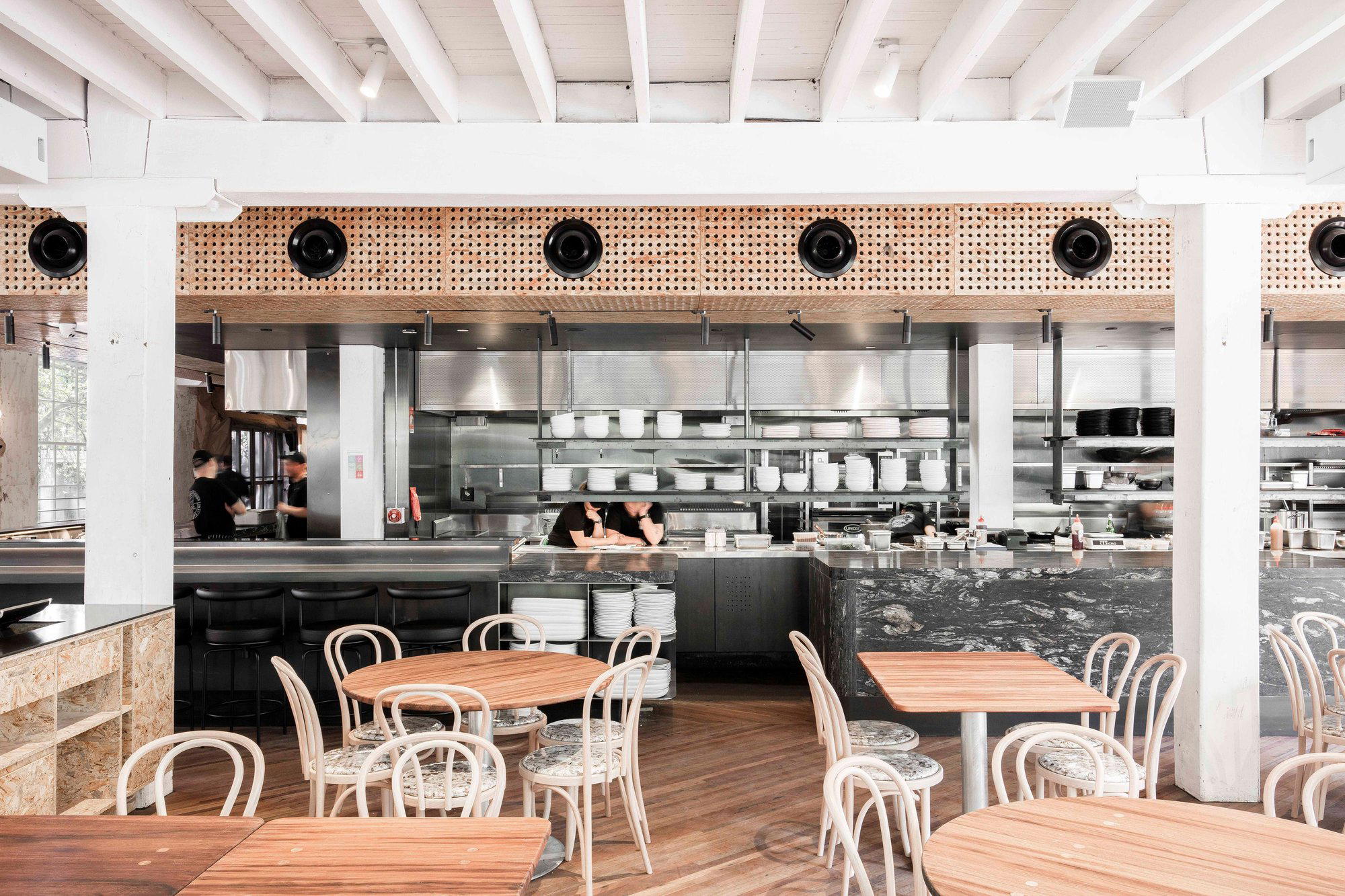
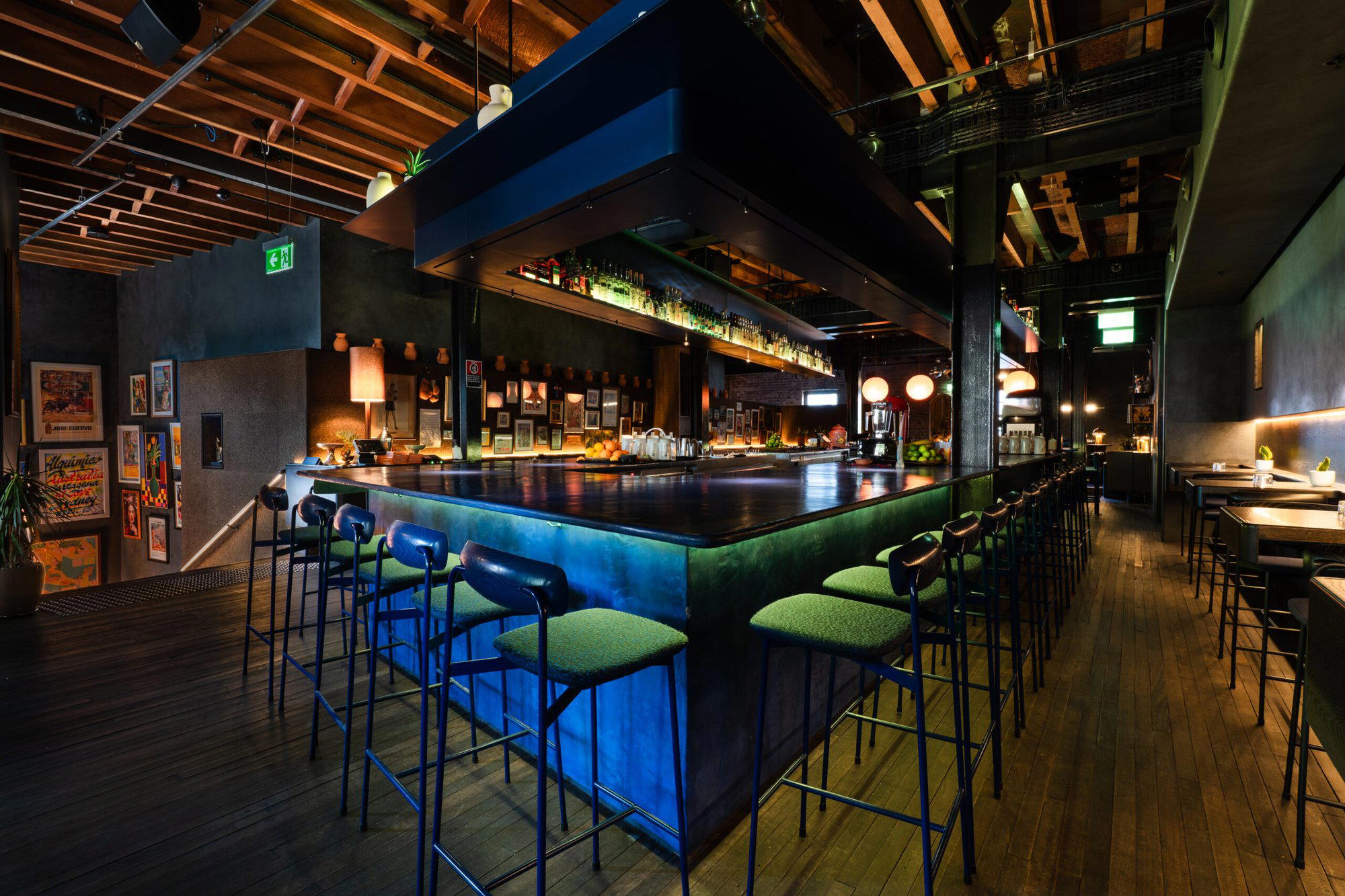
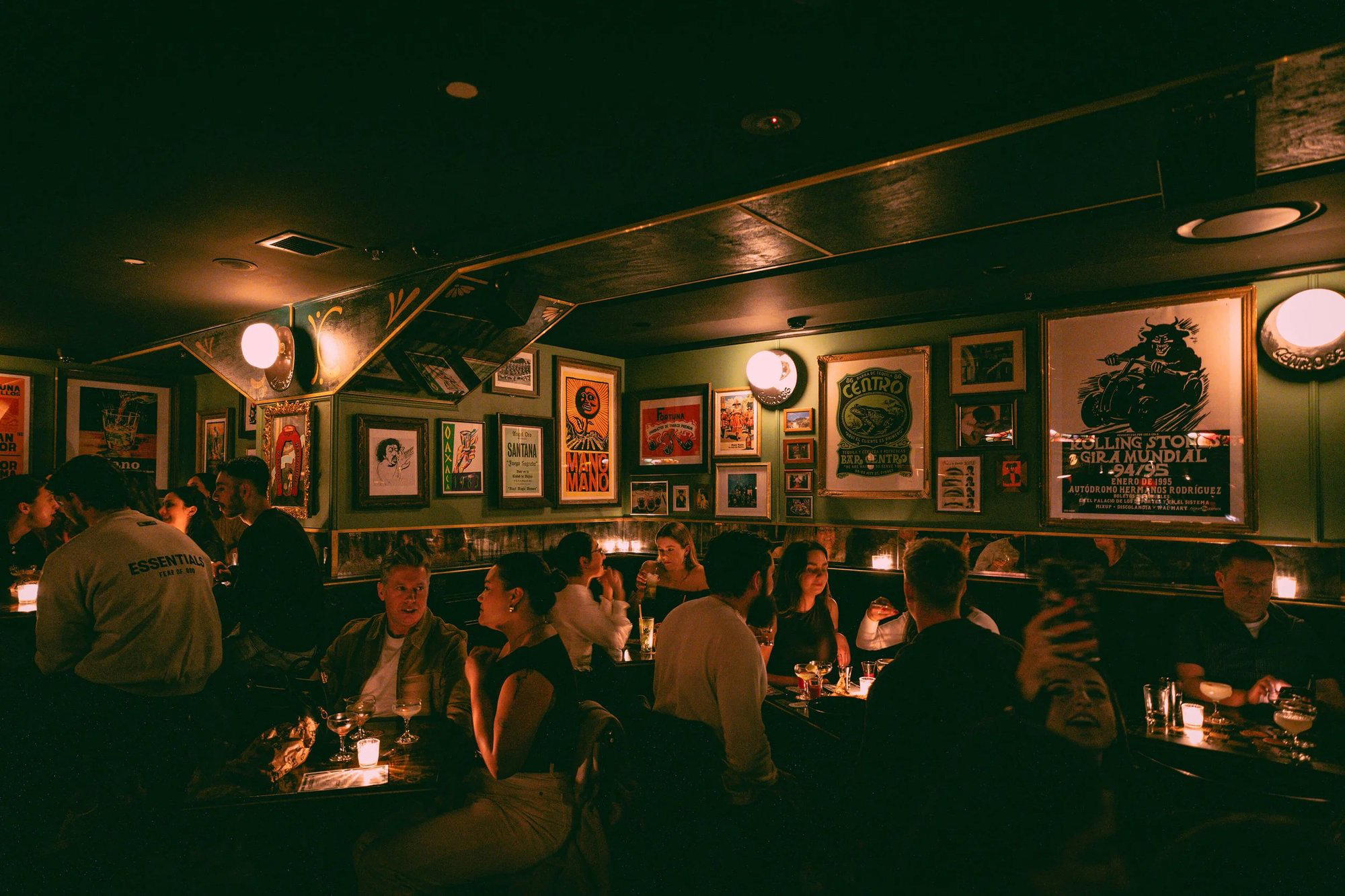
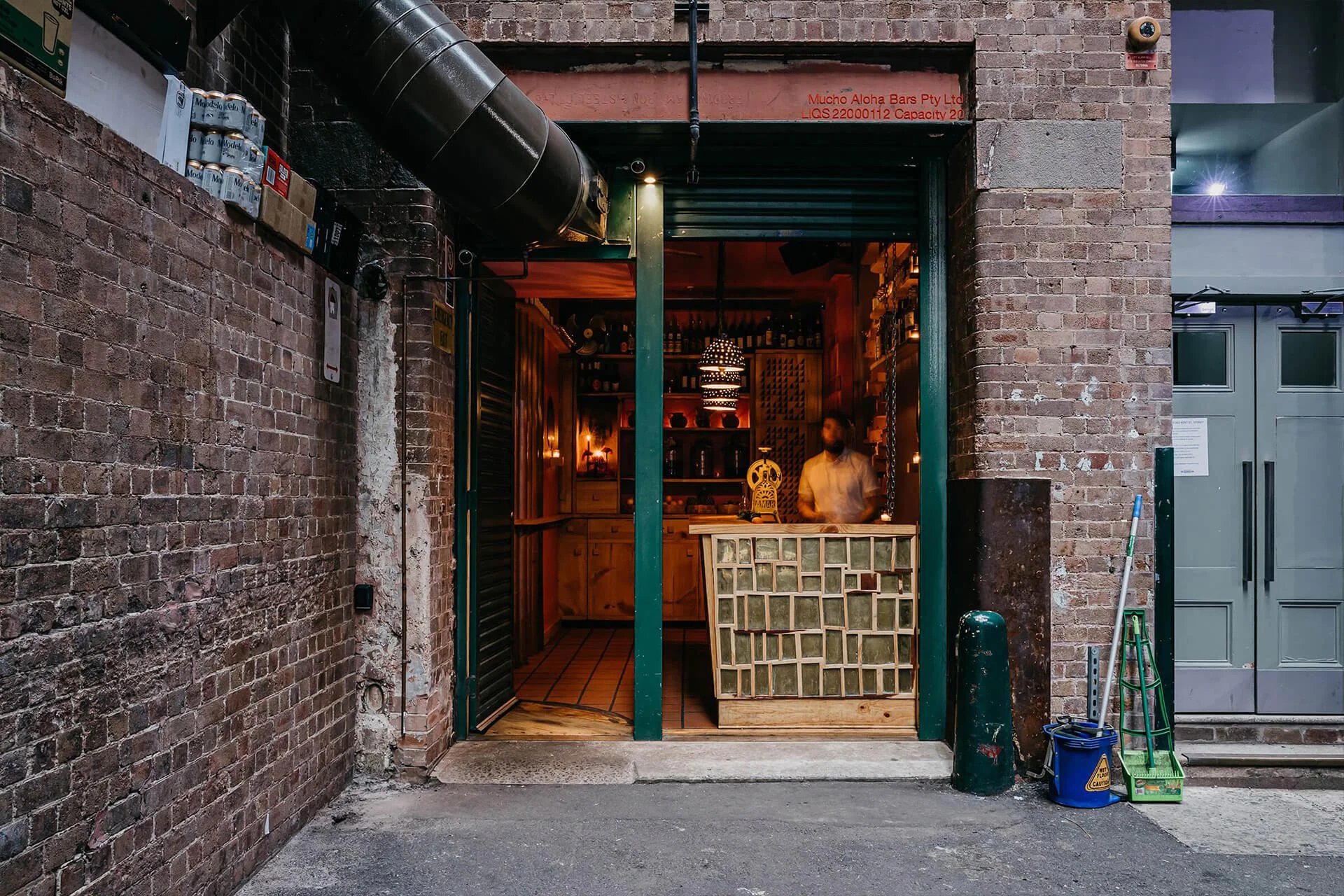
Bars in Darlinghurst
Browse all →
Hotels in Darlinghurst
Browse all →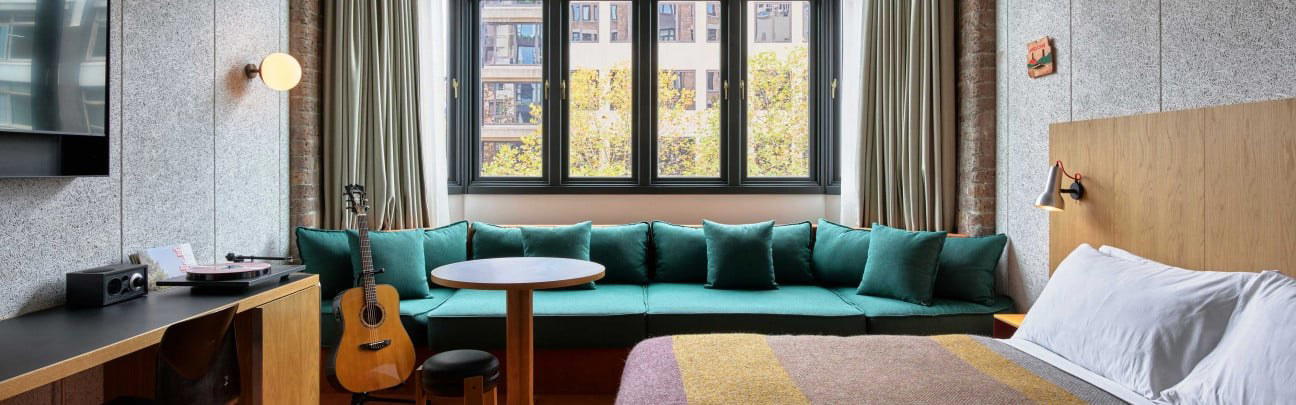
Wineries in Darlinghurst
Browse all →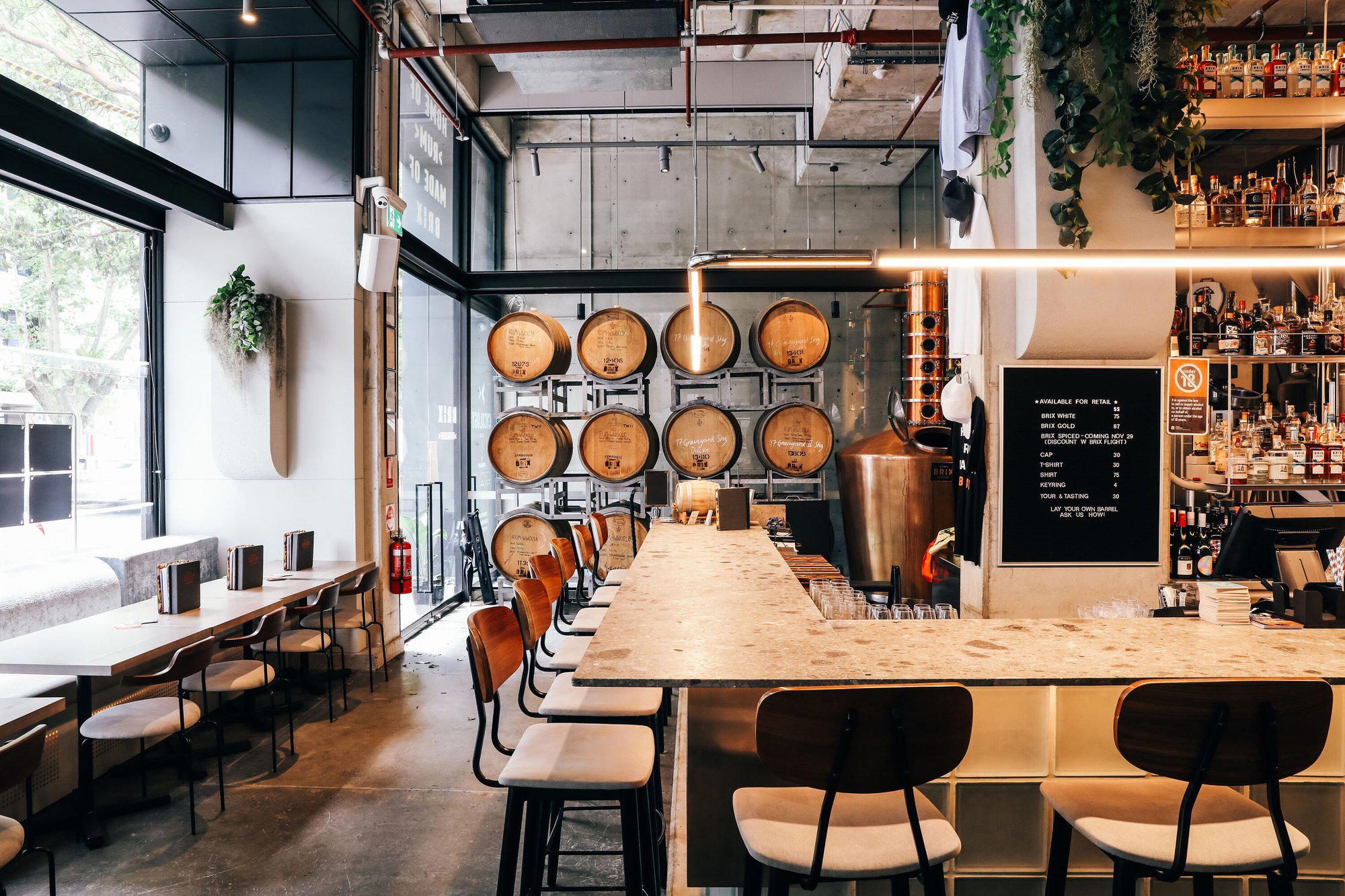

Details
- Intimate
- Cozy
- Trendy
- Modern
- Casual Hangout
- Date Night
- After Work
- Open Kitchen
- Sake Program
- A La Carte
Current opening hours
- Monday
- 11:30 AM–2:30 PM, 5:30–8:30 PM
- Tuesday
- 11:30 AM–2:30 PM, 5:30–8:30 PM
- Wednesday
- 11:30 AM–2:30 PM, 5:30–8:30 PM
- Thursday
- 11:30 AM–2:30 PM, 5:30–8:30 PM
- Friday
- 11:30 AM–2:30 PM, 5:30–8:30 PM
- Saturday
- 11:30 AM–2:30 PM, 5:30–8:30 PM
- Sunday
- 11:30 AM–2:30 PM, 5:30–8:30 PM
Hours can change for holidays and private events. Last verified .
Intimate space with natural timbers, earthy shades, fanciful droplights casting a warm glow, and an exposed kitchen.