Cha Kee

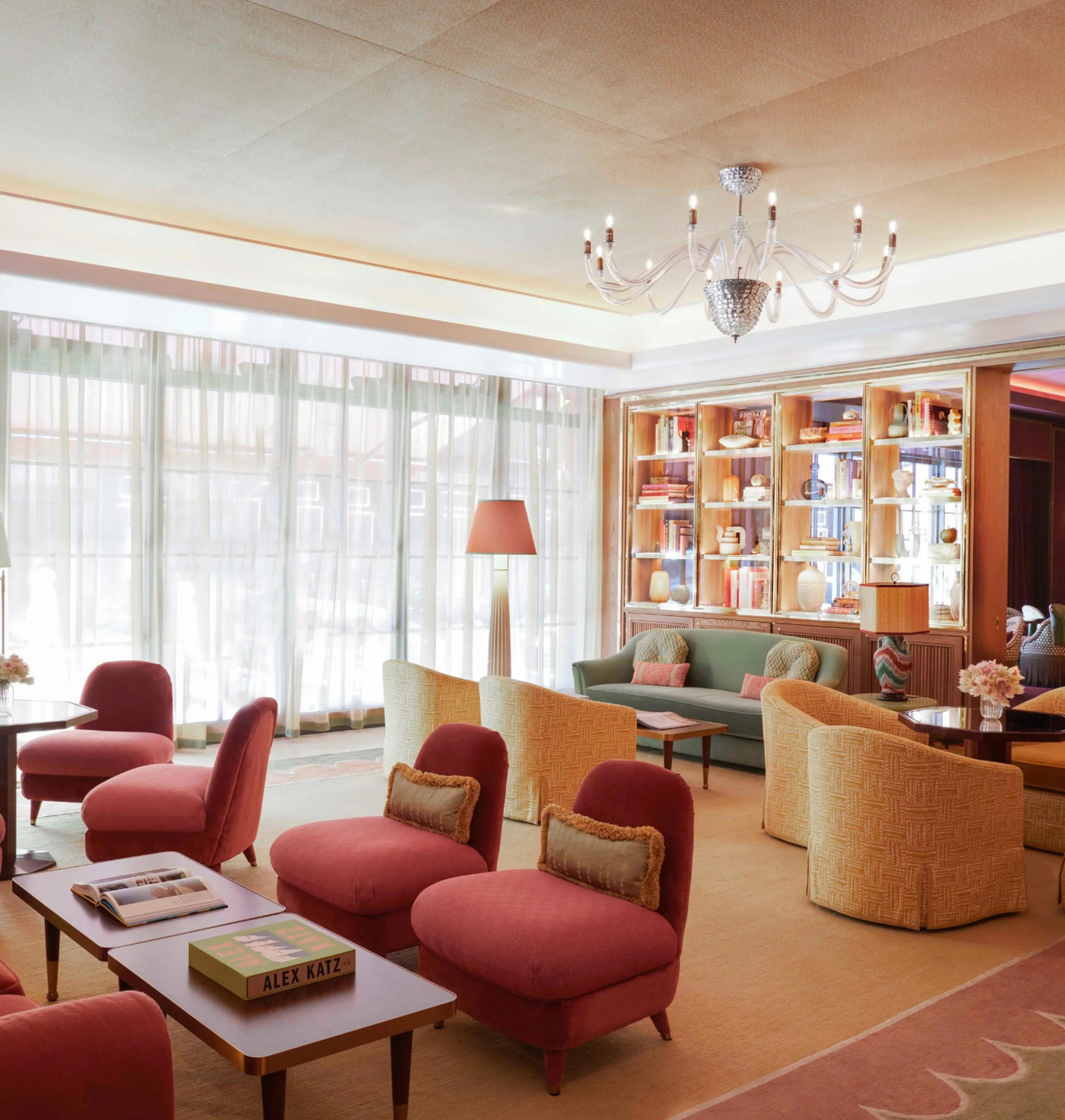
On Mott Street in the heart of Chinatown, Cha Kee runs a Japanese-Chinese crossover menu in a room that reads modern and slightly eclectic, think gilded light fixtures over an open kitchen, banquette seating along the wall, and a bar up front that draws its own crowd. The price point sits well below Manhattan's Michelin tier, with group-friendly tables and a mocktail program given serious attention alongside the food.
Pearl is the En Primeur Club membership app — saves, bookings, and concierge access live there. Same editors, same standards.
- Address
- 43 Mott St, New York, NY 10013
- Phone
- (212) 577-2888
- Website
- cha-chan-tang.com
- Directions
- Get directions
 Saves & bookings on Pearl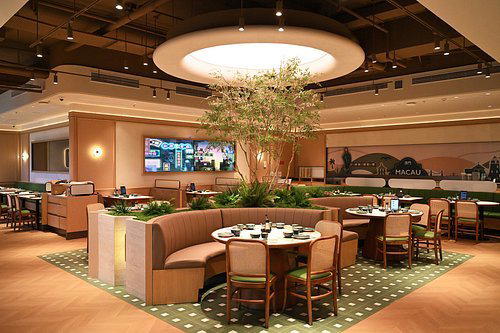
Mott Street, Where the Kitchen Is Always Visible
Chinatown's main artery has always been a street of contrasts: old-school roast-meat counters alongside newer, genre-bending rooms that don't map neatly onto one culinary tradition. Cha Kee, at 43 Mott Street, belongs to the latter category. Walk in and the room announces itself through light, with gilded fixtures illuminating an open kitchen at the back, while the bar up front operates as a distinct social zone for guests who aren't committed to a full sit-down. A banquette runs the left wall; long communal tables occupy the center. The layout reads intentionally for groups, and the eclectic, modern-leaning décor sits at a distance from both the red-lantern nostalgia of older Chinatown rooms and the spare minimalism of the Japanese-influenced dining rooms that have proliferated in lower Manhattan over the past decade.
The kitchen works with Japanese and Chinese techniques simultaneously, which puts Cha Kee in a small but growing cohort of New York restaurants that treat the two culinary traditions as genuinely complementary rather than as a marketing hook. The Chinatown address does real framing work here: this is not a neutral midtown room offering "pan-Asian" as a compromise category. The neighborhood has its own culinary authority, and the cooking at Cha Kee uses that context.
How the Meal Moves: From Bar to Table
The structure of a meal at the restaurant follows the room's own logic. At the front bar, the mocktail program gets the same menu space as its alcoholic counterparts, an unusual weighting that signals an intention to build the non-drinking experience as a complete arc, not an afterthought. For guests moving to the back tables, the progression shifts to the kitchen's output from the open line.
From there, the menu builds through a vocabulary of familiar forms made less predictable by the dual culinary register. Soy-braised romaine, finished with pumpkin seeds, operates as a vegetable course that draws on Chinese braising technique while presenting with the restrained plating logic of Japanese cuisine. Dan dan noodles enriched by a poached egg take a Sichuan baseline and layer it with a richness that softens the dish's usual heat-forward sharpness. These are plates that reward attention across the meal's arc rather than dishes built for a single dominant note.
The family-style format encourages the table to build its own sequencing, lighter vegetable plates before richer noodle or protein dishes, with the kitchen's output calibrated to work across both registers. In this, the restaurant sits within a broader New York pattern: family-style sharing formats have become the default grammar for mid-tier Asian dining in the city, allowing kitchens to move multiple techniques across a single meal without the rigidity of a prix-fixe sequence.
Where Cha Kee Sits in the New York Picture
New York's Asian dining scene operates across an unusually wide price and format spectrum. At the leading end, rooms like Atomix (two Michelin stars, modern Korean tasting menu at $$$$) and the city's most expensive Japanese counters represent one version of what serious Asian-influenced cooking looks like in Manhattan. That tier prices against Le Bernardin, Eleven Madison Park, and other $$$$-bracket rooms where the credential conversation is largely about awards and technique.
The restaurant operates in a different tier entirely. At $$, it prices alongside Chinatown's established casual rooms rather than against destination dining. For comparative context across the EP Club network, the crossover Asian approach also appears at taku in Cologne and Jun's in Dubai, both of which operate at higher price brackets and with more formal service structures, useful reference points for understanding how this culinary register can stretch across format and market.
Domestically, the contrast is equally clarifying. The tasting-format restaurants that define the American premium tier, Alinea in Chicago, The French Laundry in Napa, Single Thread Farm in Healdsburg, Lazy Bear in San Francisco, Providence in Los Angeles, and Emeril's in New Orleans, share almost no format or price overlap with a Mott Street family-style room. The restaurant is not competing in that register. What it offers is a specific kind of Chinatown dining: modern enough to feel intentional, accessible enough to be genuinely local, and technically grounded enough that the kitchen's dual-tradition approach reads as knowledge rather than novelty.
Within lower Manhattan's own dining options, comparison against nearby Chinatown and Nolita rooms is more useful than any cross-city benchmark. 53 and Chick Chick represent different points in the neighborhood's range, and
Planning Your Visit
The kitchen runs the Japanese-Influenced Cantonese menu. The room is on Mott Street in the core of Chinatown. The $$ price range places it well below the city's destination-dining tier, making it a realistic option for repeat visits.
| Detail | The restaurant | Atomix | Eleven Madison Park |
|---|---|---|---|
| Price tier | $$ | $$$$ | $$$$ |
| Cuisine | Japanese-Chinese crossover | Modern Korean | French / Vegan |
| Format | Family-style, à la carte | Tasting menu | Tasting menu |
| Awards | Not awarded | Michelin 2 Stars | Michelin 3 Stars |
| Booking | Walk-ins likely viable | Advance reservation required | Advance reservation required |
| Group seating | Long communal tables, banquette | Counter and table | Formal tables |
Pricing, Compared
Comparable venues nearby, for context on price, style, and recognition.
| Venue | Cuisine | Price | Awards | Notes |
|---|---|---|---|---|
| Cha KeeThis venue — the venue you are viewing | Asian | $$ | Michelin Plate | Not listed |
| East Buffet | Not listed | $$ | Not listed | Flushing-Willets Point, Cantonese Dim Sum |
| Ho Foods | East Village, Taiwanese Beef Noodle Soup | $$ | Not listed | Not listed |
| Mission Chinese Food | Not listed | $$ | Not listed | Chinatown-Two Bridges, Sichuan Fusion Chinese |
| White Bear | Not listed | $ | Not listed | Flushing-Willets Point, Chinese Dumplings |
| Wo Hop | Not listed | $ | Not listed | Chinatown-Two Bridges, Classic Cantonese-American Chinatown |
Recognition history
Dated appearances from independent guides and award organizations, with the underlying list record or original source where available.
Michelin Plate
Michelin
Continue exploring
More in New York City
Restaurants in New York City
Browse all →
Bars in New York City
Browse all →
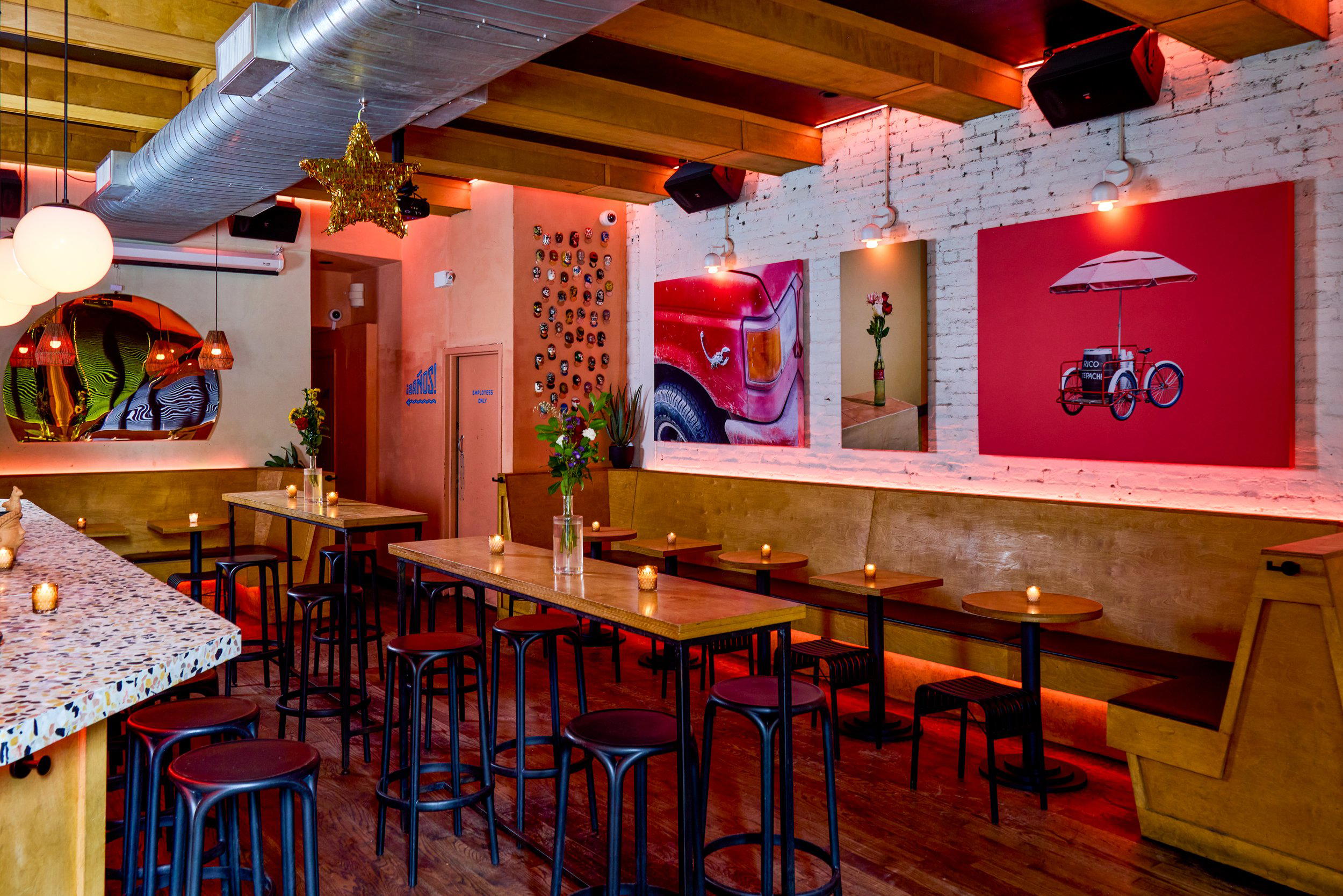
Hotels in New York City
Browse all →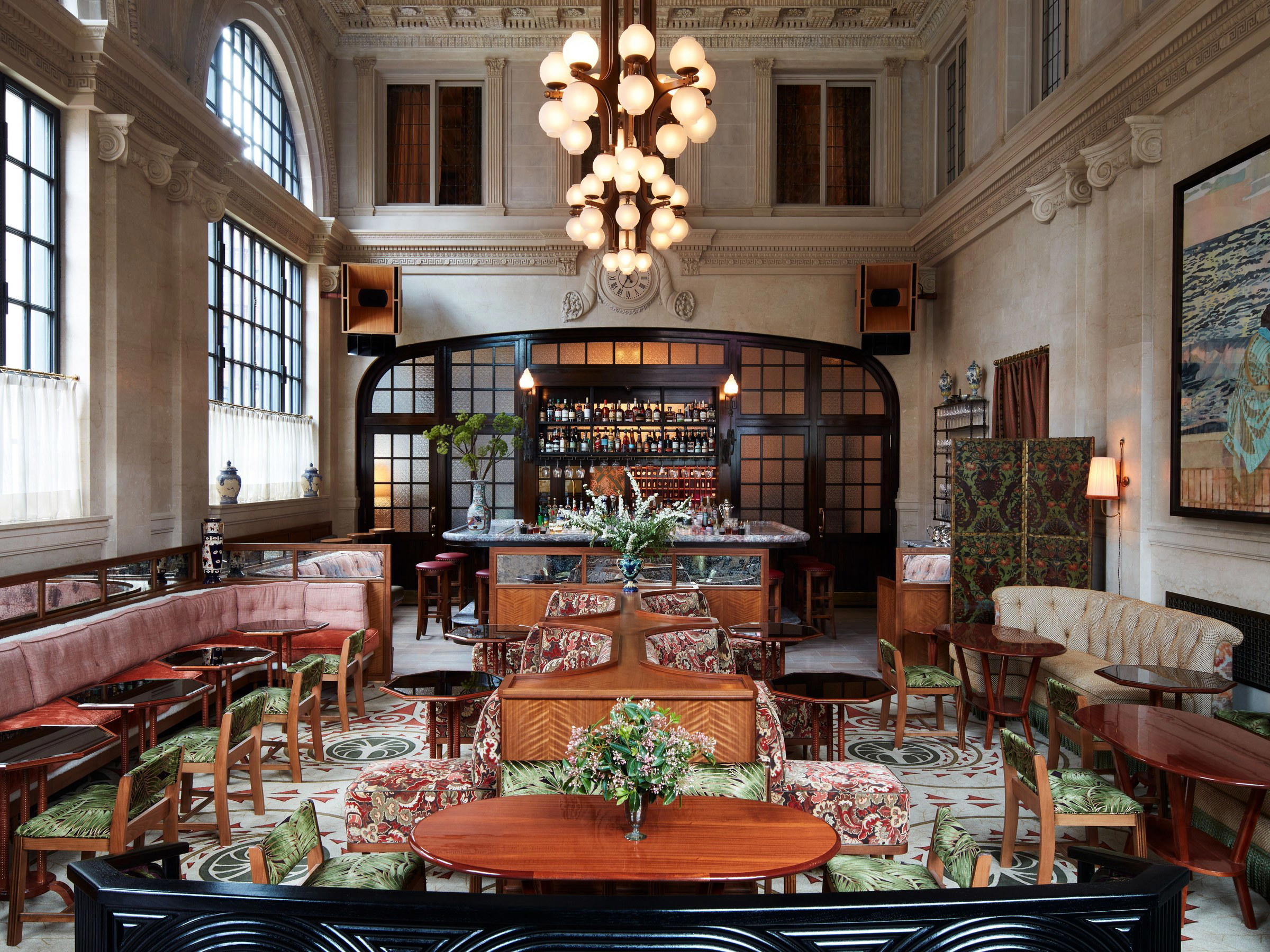

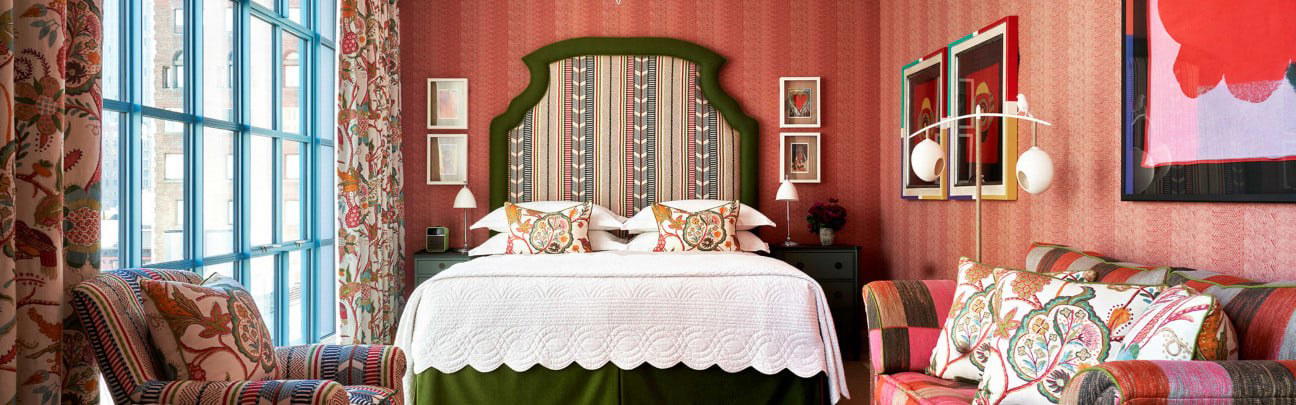




At a Glance
- Modern
- Cozy
- Trendy
- Casual Hangout
- Group Dining
- Family
- Open Kitchen
- Standalone
- Zero Proof
Current opening hours
- Monday
- 8 AM–10 PM
- Tuesday
- 8 AM–10 PM
- Wednesday
- 8 AM–10 PM
- Thursday
- 8 AM–10 PM
- Friday
- 8 AM–10 PM
- Saturday
- 8 AM–10 PM
- Sunday
- 8 AM–10 PM
Hours can change for holidays and private events. Last verified .
Sleek, minimalist interior with clean lines and modern design touches; subtle lighting and muted color palettes create a stylish yet inviting atmosphere that feels both current and timeless.