Ceviche Project
On a residential stretch of Hyperion Avenue in Silver Lake, Ceviche Project operates in a register that most Los Angeles dining rooms don't attempt: intimate, focused, and built around Peruvian-inflected acid cookery. The format rewards repeat visitors who understand that the real menu lives between what's printed and what's possible. A strong entry point into LA's smaller, credential-driven dining tier.
Pearl is the En Primeur Club membership app — saves, bookings, and concierge access live there. Same editors, same standards.
- Address
- 2524 1/2 Hyperion Ave, Los Angeles, CA 90027
- Phone
- +13235226744
- Website
- cevicheproject.com
- Directions
- Get directions
 Saves & bookings on Pearl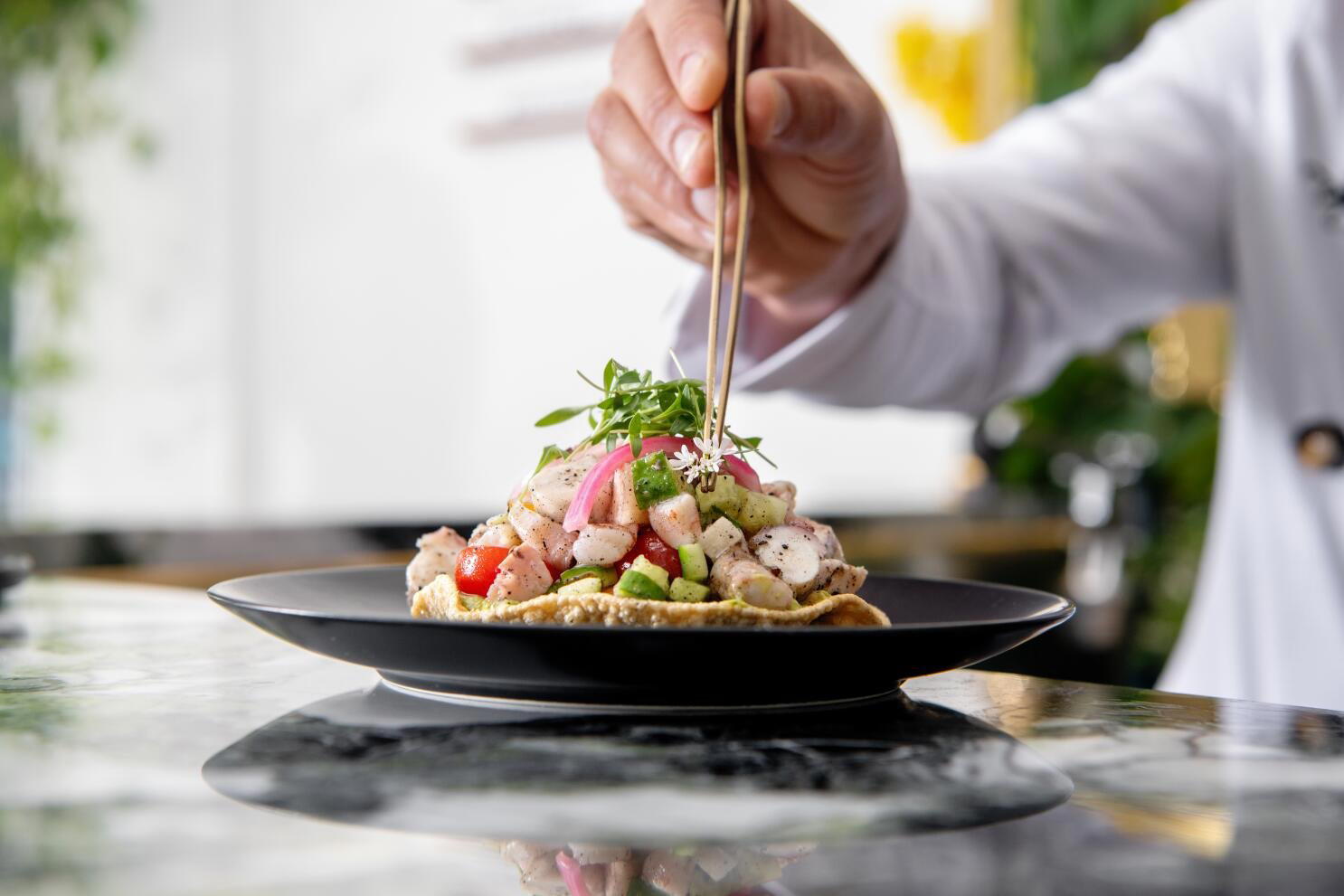
Silver Lake's Acid Counter
Ceviche Project is a restaurant at 2524 1/2 Hyperion Ave in Silver Lake, Los Angeles, serving Modern Mexican Cevicheria with a price tier of 3 and a recommended reservation policy. Hyperion Avenue in Silver Lake doesn't announce itself as a dining destination the way Melrose or Beverly Boulevard might. The block at 2524½ is residential in scale, the kind of address where the half-number signals a converted space rather than a purpose-built restaurant. That physical context is not incidental to how Ceviche Project operates. Los Angeles has developed a recognizable tier of small, format-specific dining rooms, Kato, Hayato, Somni, where the address is modest, the capacity constrained, and the cooking demanding. Ceviche Project belongs to that tier by disposition, even if its price point differs from its Michelin-decorated neighbors.
The Cookery Tradition Behind the Name
Ceviche as a category has a rigorous technical foundation that is easy to obscure beneath casual lime-and-cilantro shorthand. At its most precise, the leche de tigre, the curing liquid, functions as both a marinade and a sauce, calibrated for acidity, fat, and aromatics in ratios that determine whether the protein firms, softens, or transforms. Peruvian ceviche in particular draws on a longer tradition than the Mexican coastal versions that dominate American menus: it carries Japanese nikkei influence (in the precision of the cuts), Andean chili complexity (in the aji amarillo and rocoto base notes), and a citrus discipline that distinguishes it from the sweeter, tomato-adjacent preparations common in southern Mexico. A restaurant that organizes its entire identity around this single category is making a specific argument, that the form contains enough depth to sustain serious attention across an entire meal. That argument is credible. What distinguishes operations in this space is whether the kitchen treats ceviche as a platform for technical range or reduces it to a signature dish repeated with minor variation.
What Regulars Come Back For
The regulars' relationship with a focused restaurant of this type tends to crystallize around a few specific discoveries: a preparation they didn't order the first time, a pairing that the printed menu doesn't explicitly recommend, or a seasonal shift that most first-time visitors miss because they arrived without a frame of reference. Silver Lake's dining regulars are an attentive cohort, the neighborhood has enough small operators doing precise, category-specific work that the local audience has developed the vocabulary to match. In that context, the return visit to the restaurant typically carries more information than the first: what the kitchen's range looks like across different proteins, how the acid structure shifts with different chili combinations, whether the leche de tigre changes character with fattier fish versus leaner cuts.
This is the dynamic that defines the more compelling small-format restaurants across Los Angeles's dining tier. Providence, at the formal end of the city's seafood spectrum, rewards return visitors with a different kind of depth, the omakase format and the sommelier's relationship with regulars. The restaurant operates with less ceremony, but the underlying principle is similar: the venue's real range becomes legible only after the first or second visit establishes a baseline.
Los Angeles and the Case for Focused Formats
The city's dining conversation tends to orbit its Michelin-starred rooms: Hayato's two-star kaiseki, Kato's New Taiwanese counter, the tasting-menu operations that require months of planning. Those rooms are part of a recognizable international circuit that connects Los Angeles to comparable formats in New York (Atomix, Le Bernardin), Chicago (Alinea), and the Bay Area (Lazy Bear, Single Thread Farm). But Los Angeles also sustains a category of dining rooms that operate outside the tasting-menu economy: smaller, more accessible, defined by a specific culinary argument rather than a multi-course format and a prix-fixe price. The restaurant is that kind of operation. Its competitive set is not Osteria Mozza or Somni. It's the city's other focused-format rooms where the proposition is: one cuisine tradition, executed with enough seriousness to justify repetition.
That positioning has parallels in other cities. The Peruvian tradition specifically has produced serious restaurant culture across South America, parts of Europe, and increasingly in major American cities, often operating at a different register than the tasting-menu circuit but with comparable technical specificity. Understanding the restaurant means understanding where it sits in that tradition, not as a casual cevichería, but as a kitchen using the category as a lens for something more considered.
The Neighborhood as Context
Silver Lake is worth understanding as a dining environment on its own terms. It sits between Echo Park and Los Feliz in a corridor that has accumulated a particular kind of small-format, owner-operated restaurant culture over the past decade, the kind that tends to precede rather than follow the Michelin inspector's attention. The area's food-attentive population supports operations that would struggle in higher-rent districts where the economics demand faster table turns and broader appeal. That environment is part of what allows a place like Ceviche Project to exist at the scale and specificity it does. The address on Hyperion Avenue is less a limitation than a structural condition that enables the format.
For visitors exploring Los Angeles more broadly, Silver Lake connects naturally to the city's other small-format dining across a range of cuisine traditions.
Planning Your Visit
Know Before You Go
- Address: 2524½ Hyperion Ave, Los Angeles, CA 90027 (Silver Lake)
- Neighborhood: Silver Lake, between Echo Park and Los Feliz
- Format: Small-format, category-focused dining room; Peruvian-inflected ceviche cookery
- Pricing: Price range not confirmed at time of publication
- Parking: Street parking on Hyperion; the neighborhood is walkable from Silver Lake's main corridors
- Nearby: Silver Lake Reservoir, Sunset Junction, and a cluster of independent food and drink operators along Hyperion and Sunset
A Lean Comparison
Comparable venues nearby, for context on price, style, and recognition.
| Venue | Cuisine | Price | Notes |
|---|---|---|---|
| Ceviche ProjectThis venue — the venue you are viewing | Silver Lake, Modern Mexican Cevicheria | $$$ | Not listed |
| LINDEN | Not listed | $$$ | Hollywood Studio District, Contemporary Caribbean Fusion |
| Jane | Highland Park, Classic American Seafood | $$$ | Not listed |
| Moreton Fig | University Park, Farm-to-Table American | $$$ | Not listed |
| Inn of the Seventh Ray | Topanga, Organic New American | $$$ | Not listed |
| MainRo | Not listed | $$$ | Yucca Corridor, Modern Japanese-French-Vietnamese Fusion Supper Club |
Continue exploring
More in Los Angeles
Restaurants in Los Angeles
Browse all →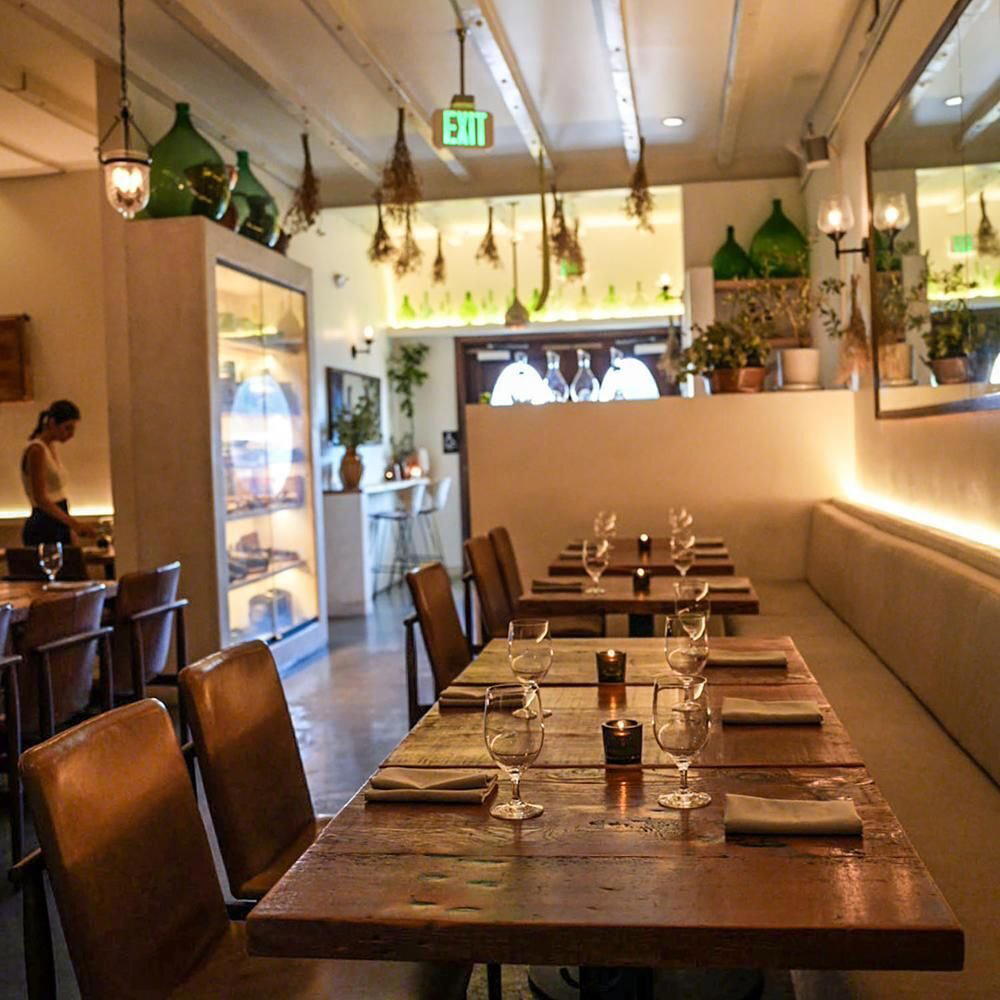
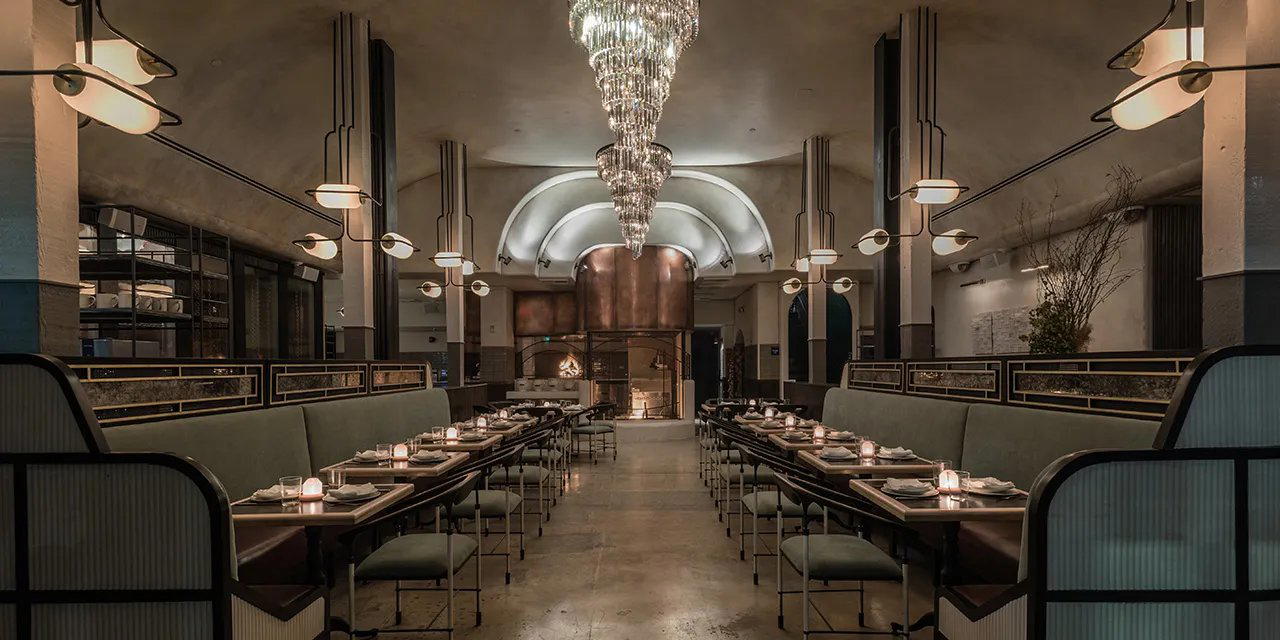
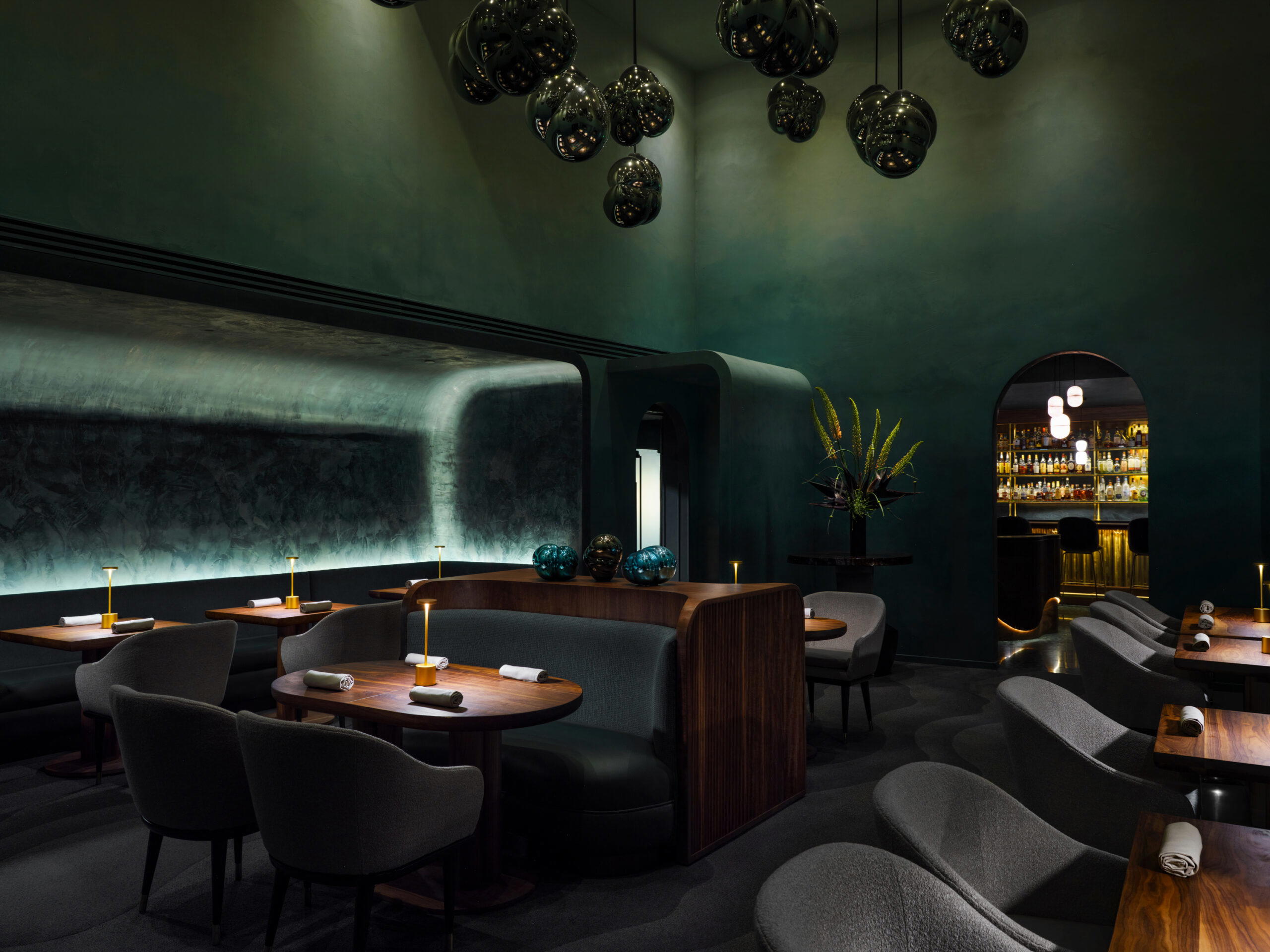
Bars in Los Angeles
Browse all →
Hotels in Los Angeles
Browse all →
Wineries in Los Angeles
Browse all →
At a Glance
- Intimate
- Trendy
- Lively
- Elegant
- Date Night
- Special Occasion
- Open Kitchen
- Natural Wine
- Craft Cocktails
Current opening hours
- Monday
- Closed
- Tuesday
- 4–9 PM
- Wednesday
- 4–9 PM
- Thursday
- 4–9 PM
- Friday
- 4–9 PM
- Saturday
- 4–9 PM
- Sunday
- Closed
Hours can change for holidays and private events. Last verified .
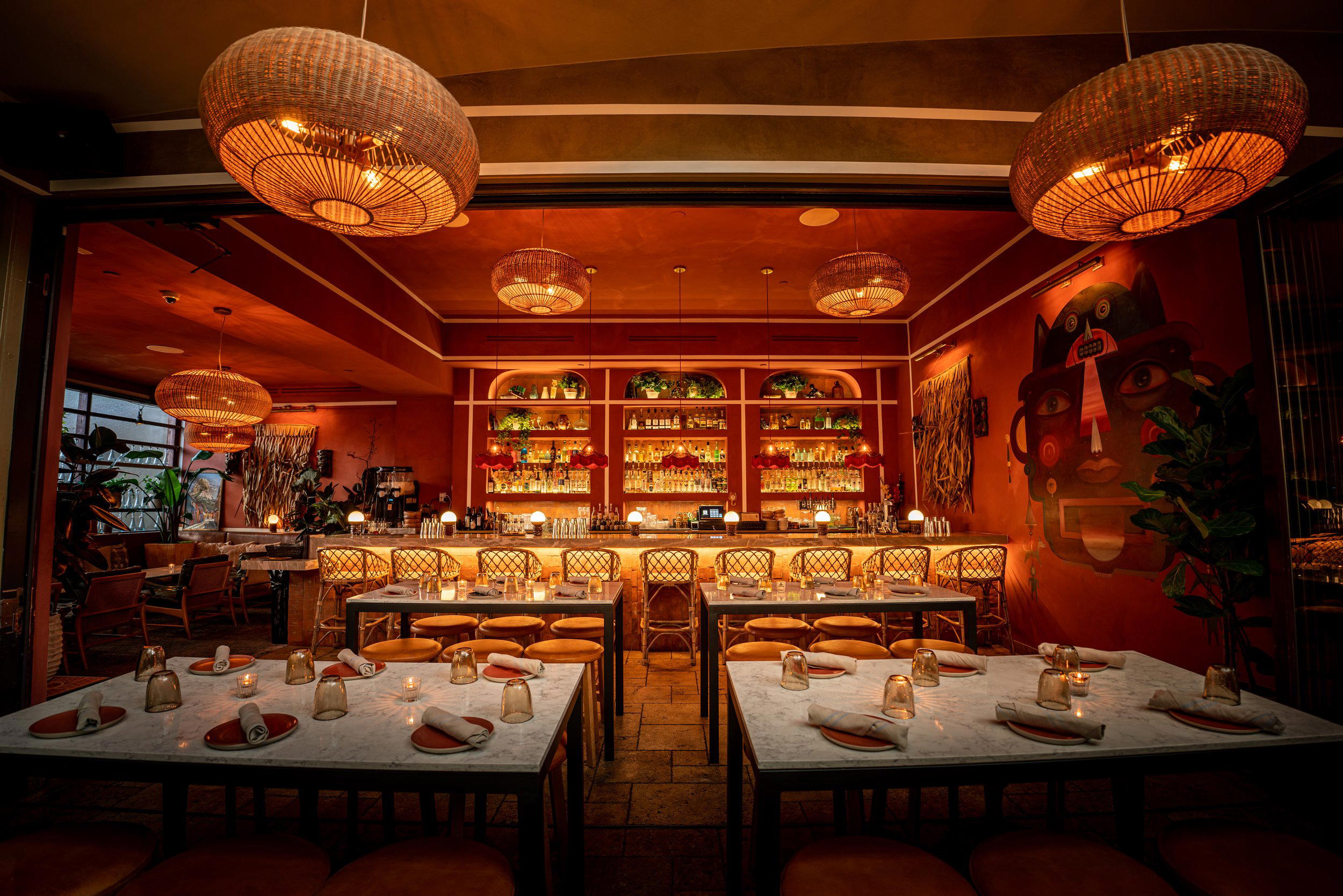
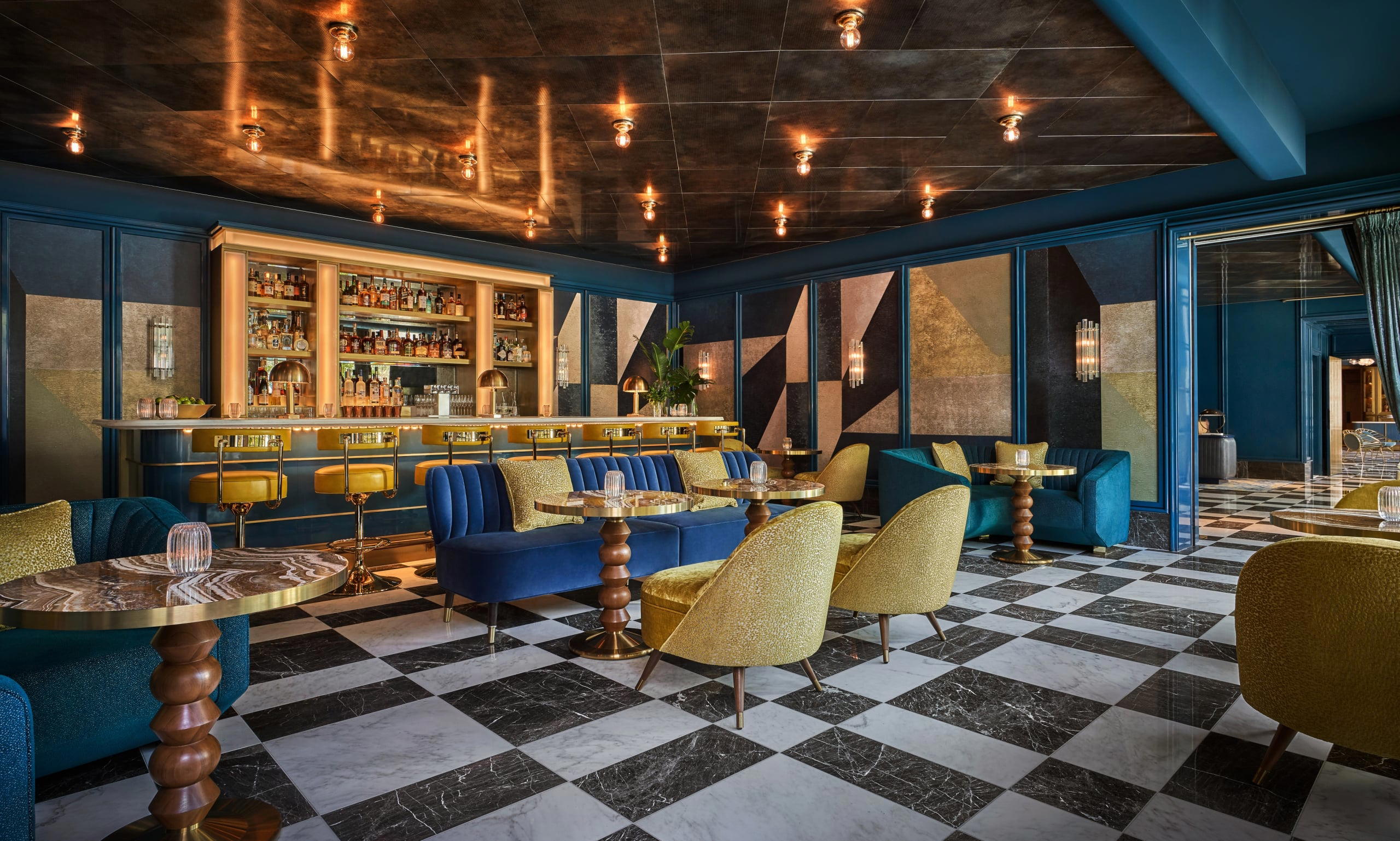
Intimate and lively with green-and-white marble bar, brass accents, gold mirrors, fresh seafood on ice, and calypso/cumbia music creating a sexy tropical vibe.