C'est La Vie
C'est La Vie occupies a position on South Coast Highway where Laguna Beach's French-inflected dining tradition meets the California coast's broader push toward conscious sourcing. Among the city's restaurant options spanning omakase counters, Italian trattorias, and Belgian bistros, it represents a quieter, European-influenced register with direct ties to the town's arts-colony identity.
Pearl is the En Primeur Club membership app — saves, bookings, and concierge access live there. Same editors, same standards.
- Address
- 373 S Coast Hwy, Laguna Beach, CA 92651
- Phone
- +19494975100
- Website
- cestlavierestaurant.com
- Directions
- Get directions
 Saves & bookings on Pearl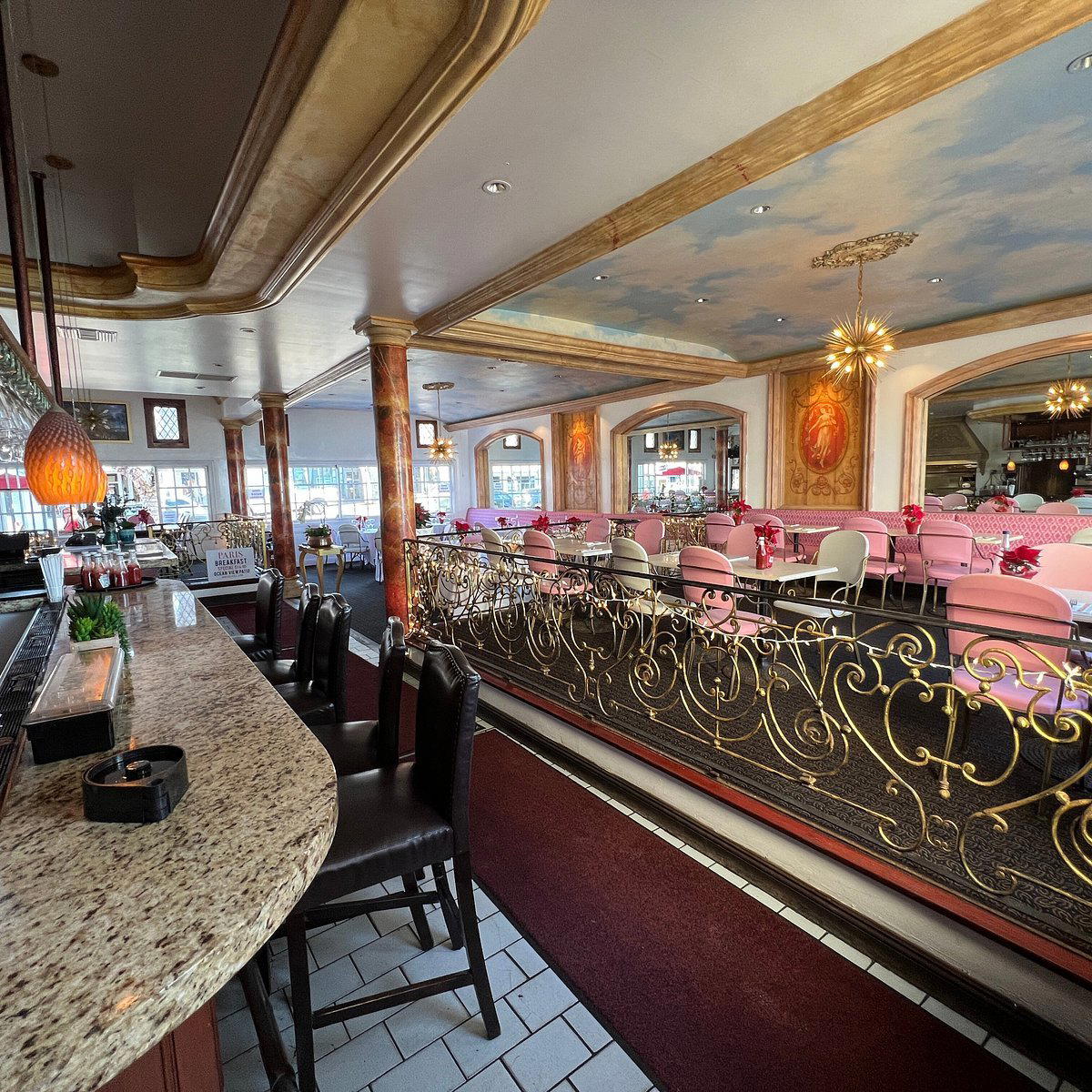
Where South Coast Highway Meets a French Sensibility
Laguna Beach's dining scene has always operated at an unusual intersection: a small coastal city with a genuine arts-colony history, a resident population that skews both affluent and aesthetically opinionated, and a tourist draw strong enough to sustain variety well beyond what most California beach towns can support. Along South Coast Highway, that variety plays out in concentrated form. Within a short stretch, you encounter omakase counters at the premium tier (see R|O-Rebel Omakase), Italian-focused rooms like Alessa, the Belgian warmth of Brussels Bistro, and the California-inflected format of 230 Forest Avenue. C'est La Vie at 373 S Coast Hwy occupies a different register within this cluster: French in name and sensibility, shaped by the coastal California light that falls through its windows and the broader conversation about what dining looks like in a city hemmed between hillside and ocean.
Approaching along the highway, the coastal geography asserts itself before the restaurant does. Laguna's topography compresses everything: the ocean is never far from view, the salt air is a constant, and the sense that land and water are in negotiation shapes how the town's better kitchens think about ingredients. It is this context that gives a French-named restaurant on a California coastal highway its particular logic. The name signals an attitude as much as a culinary passport: an acceptance of where things are, and a commitment to working with what the place provides.
French Lineage, California Sourcing Ethic
Across the American fine dining circuit, the sustainability conversation has moved from margin to center. Kitchens from Blue Hill at Stone Barns in Tarrytown to Single Thread Farm in Healdsburg have built their entire identities around closed-loop sourcing and agricultural transparency. In Los Angeles, Providence has made sustainable seafood sourcing a defining credential for over a decade. Further north, Smyth in Chicago and Lazy Bear in San Francisco treat provenance as a structural part of menu design rather than a footnote. What these places share is a shift in editorial authority from technique alone toward the full chain of decisions that brings ingredients to the table.
Laguna Beach sits in a region where that ethic has particular geographic logic. Southern California's agricultural zones, the Pacific fisheries off the Orange County coast, and the strong network of farmers' markets that supply kitchens across the region give a conscientious restaurant real sourcing options. A French-coded kitchen in this setting has a specific opportunity: to bring classical European discipline in preparation and proportion to ingredients that carry a meaningful local story. The tension between a cuisine tradition built in landlocked European kitchens and the marine abundance of the Southern California coast is, when handled well, productive. It pushes kitchens toward precision about what they are actually cooking rather than defaulting to imported assumptions about what French food requires.
Nationally, the restaurants generating sustained critical attention in this space share a common approach: ethical sourcing is embedded in menu structure, not announced in marketing copy. The French Laundry in Napa has long maintained its own kitchen garden. Atelier Moessmer Norbert Niederkofler in Brunico has made hyper-regional sourcing the structural foundation of its tasting format. Addison in San Diego, the only California restaurant outside Los Angeles or the Bay Area to hold multiple Michelin stars, demonstrates that Southern California's food culture can sustain serious fine dining ambition. C'est La Vie operates in a different tier and format, but the regional conversation it enters is shaped by these reference points.
What the Name Signals About the Room
The French phrase the restaurant takes as its name carries a specific weight in an American dining context. It implies acceptance of impermanence, a willingness to let things be what they are rather than forcing them into a predetermined shape. Applied to a coastal California kitchen, it suggests seasonal flexibility: menus that follow what is available rather than what a fixed identity demands. That orientation, if maintained in practice, aligns naturally with a low-waste, high-rotation sourcing model. Seasonal gaps in supply are not worked around with imports; they become occasions for the kitchen to pivot.
Along South Coast Highway, this philosophical posture sits alongside neighbours with more fixed identities. Broadway by Amar Santana brings a clear Spanish-American fine dining signature to the street. The Japanese precision of R|O-Rebel Omakase operates at the highest price tier in the city. C'est La Vie's French register positions it in a different competitive set: one where the comparison is less about technical ambition and more about coherence of identity across sourcing, preparation, and room atmosphere.
The Broader Context: Ethical Sourcing in American Fine Dining
The sustainability conversation in American restaurants has reached a point where one interesting question is no longer whether a kitchen cares about sourcing, but how that care is structured into the guest experience. At Le Bernardin in New York City, sustainable seafood has been a documented commitment for years. Atomix in New York City treats ingredient transparency as part of its editorial voice, weaving provenance into the narrative that accompanies each course. Emeril's in New Orleans built early relationships with Louisiana producers that shaped its sourcing before farm-to-table became a standard term. The Inn at Little Washington maintains its own extensive gardens. These are not isolated positions; they represent a structural shift in how the American dining establishment defines quality.
For a French-named restaurant on a California coastal highway, the opportunity is to bring that shift into a more accessible register. Not every restaurant with an ethical sourcing ethos operates at the Michelin tier. The more distributed version of this story plays out in mid-market rooms that make daily decisions about what to order, what to waste, and what to let go when the season changes. That version of the sustainability story is, in many ways, the more consequential one: it reaches more tables and requires more operational discipline precisely because it operates without the budget margin that upper-tier kitchens can deploy.
Planning a Visit
C'est La Vie is located at 373 S Coast Hwy in Laguna Beach, within walking distance of the city's main gallery district and the coastal access points that define the town's rhythm. Laguna Beach's restaurant corridor is compact enough that an evening can move between pre-dinner drinks and dinner without requiring a car. The restaurant is recommended for reservations, and planning ahead is sensible during busier summer periods. Shoulder season, particularly spring and early autumn, offers the same coastal setting with meaningfully less competition for tables across the neighbourhood's restaurant stock.
A Lean Comparison
Comparable venues nearby, for context on price, style, and recognition.
| Venue | Cuisine | Price | Notes |
|---|---|---|---|
| C'est La VieThis venue — the venue you are viewing | Downtown Laguna Beach, California French | $$$ | Not listed |
| Brussels Bistro | Not listed | $$$ | Downtown Laguna Beach, Belgian Bistro with French Flair |
| Dizz's As Is | Not listed | $$ | Laguna Beach, Classic French-Italian Steakhouse |
| Ocean at Main | Main Beach, California Coastal | $$$ | Not listed |
| Fin Sushi & Sake | Downtown Laguna, Oceanview Sushi & Sake | $$$ | Not listed |
| Splashes | Laguna Beach, Coastal Seafood | $$$$ | Not listed |
Continue exploring
More in Laguna Beach
Restaurants in Laguna Beach
Browse all →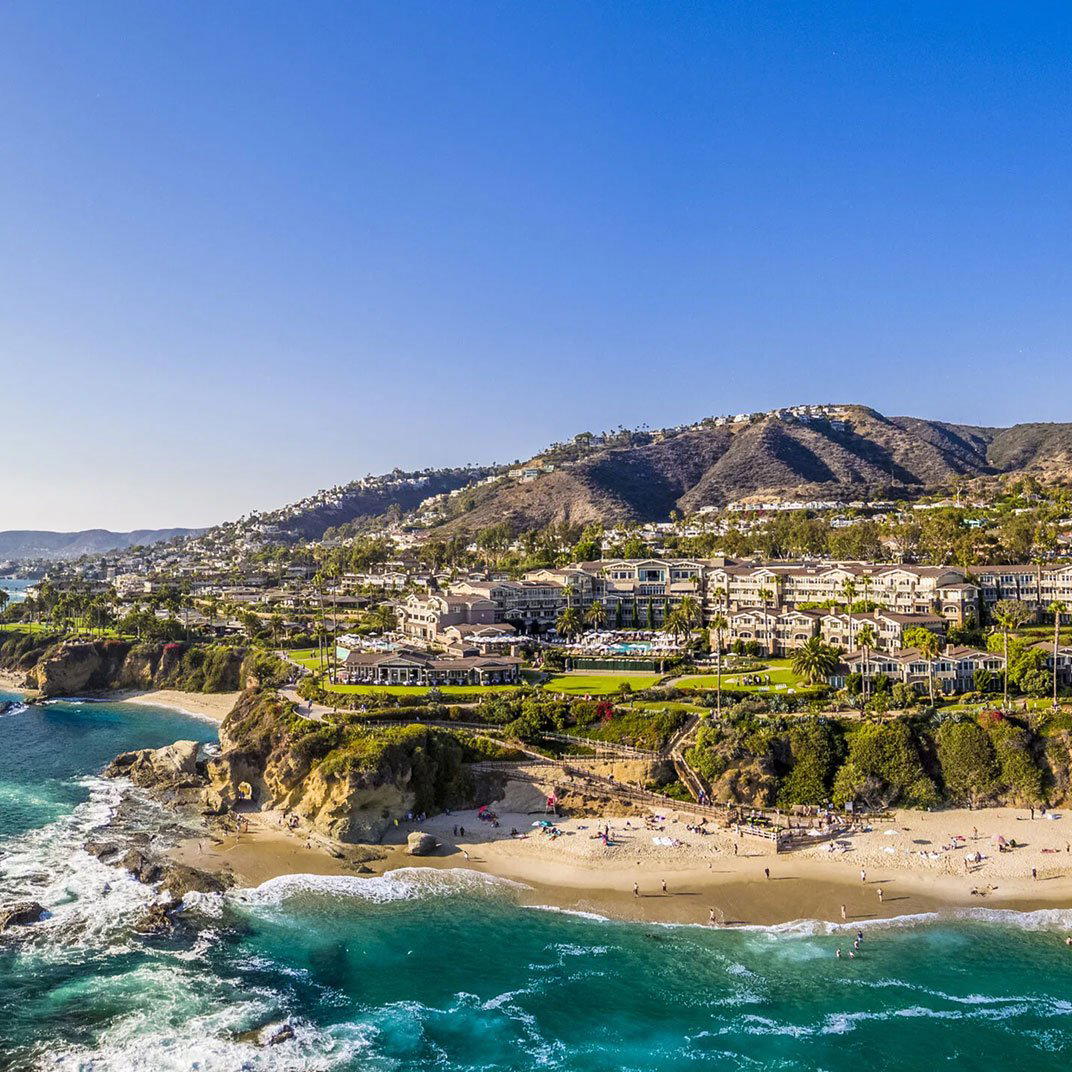
Bars in Laguna Beach
Browse all →
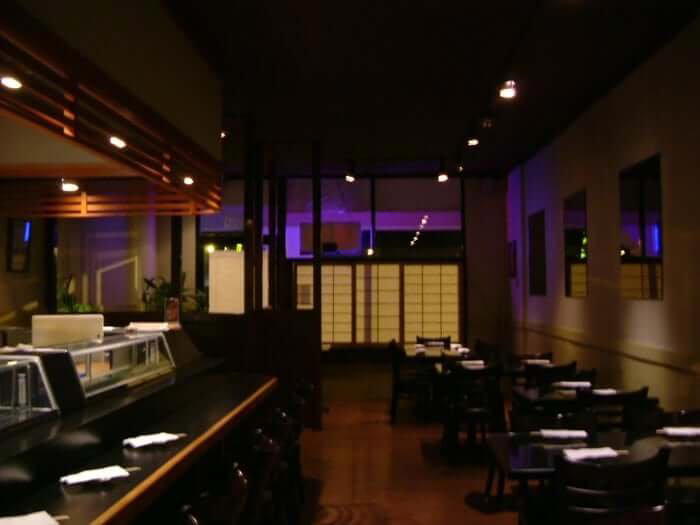
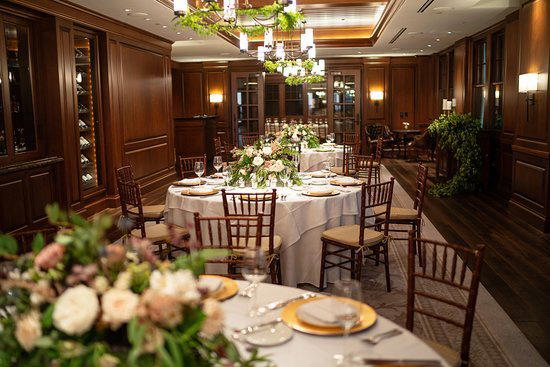
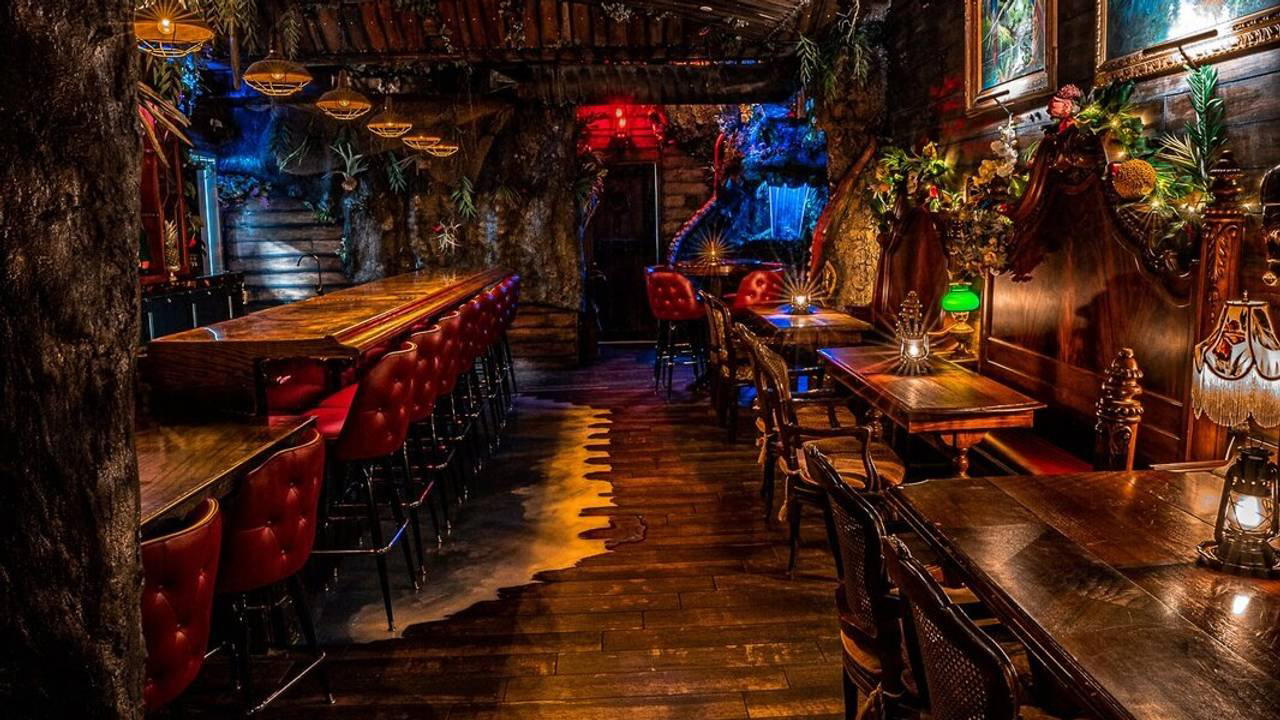
Hotels in Laguna Beach
Browse all →
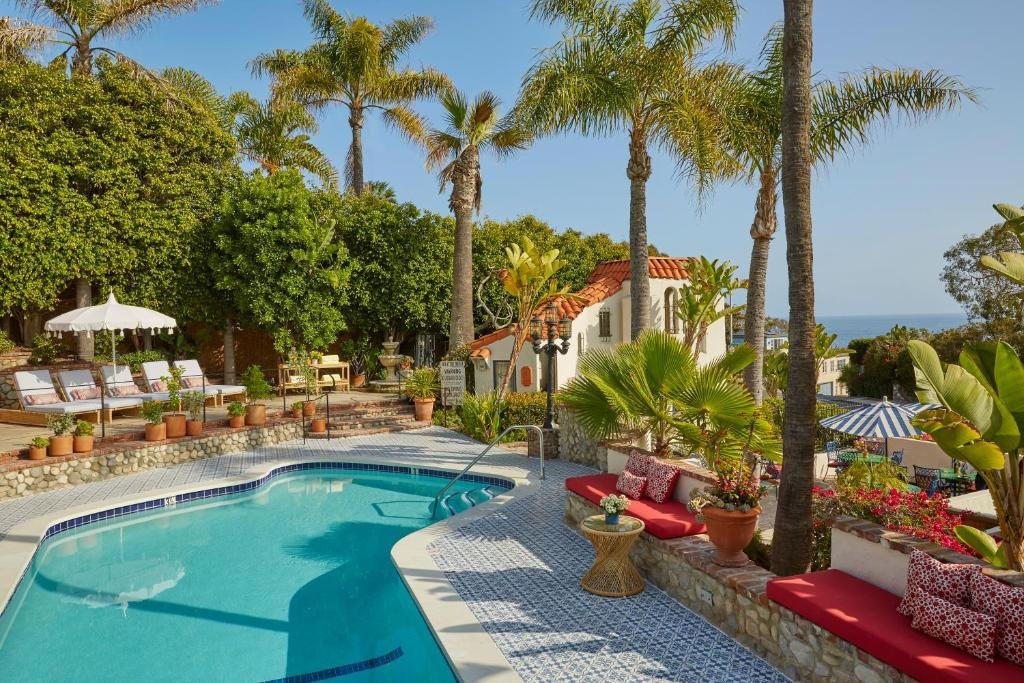
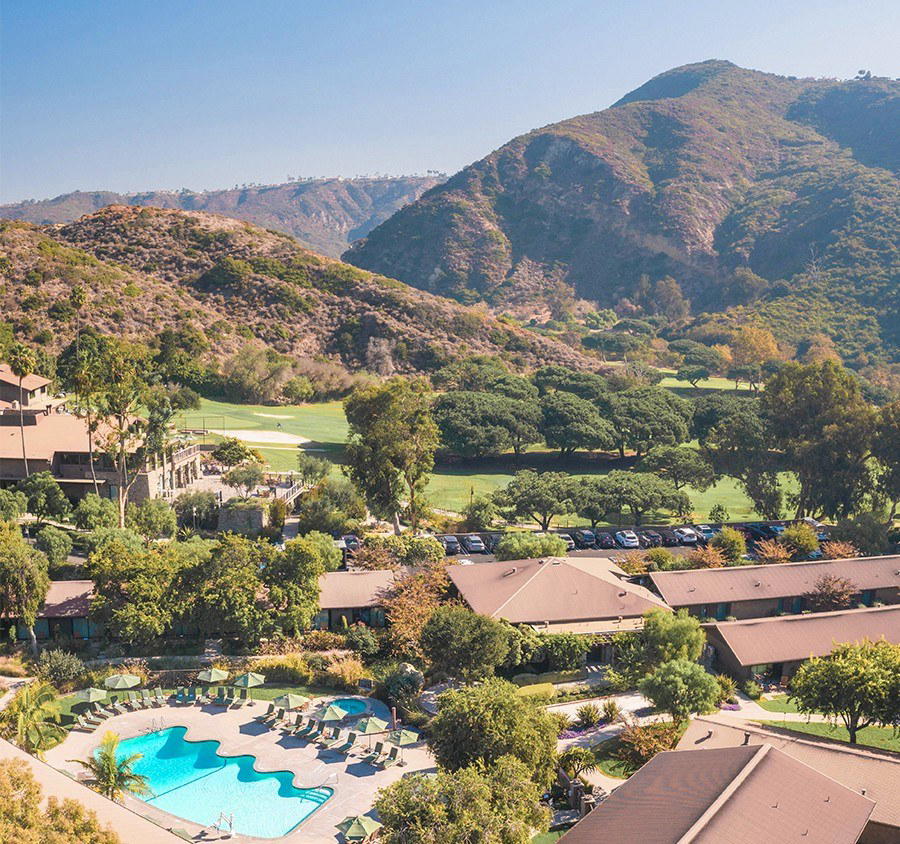
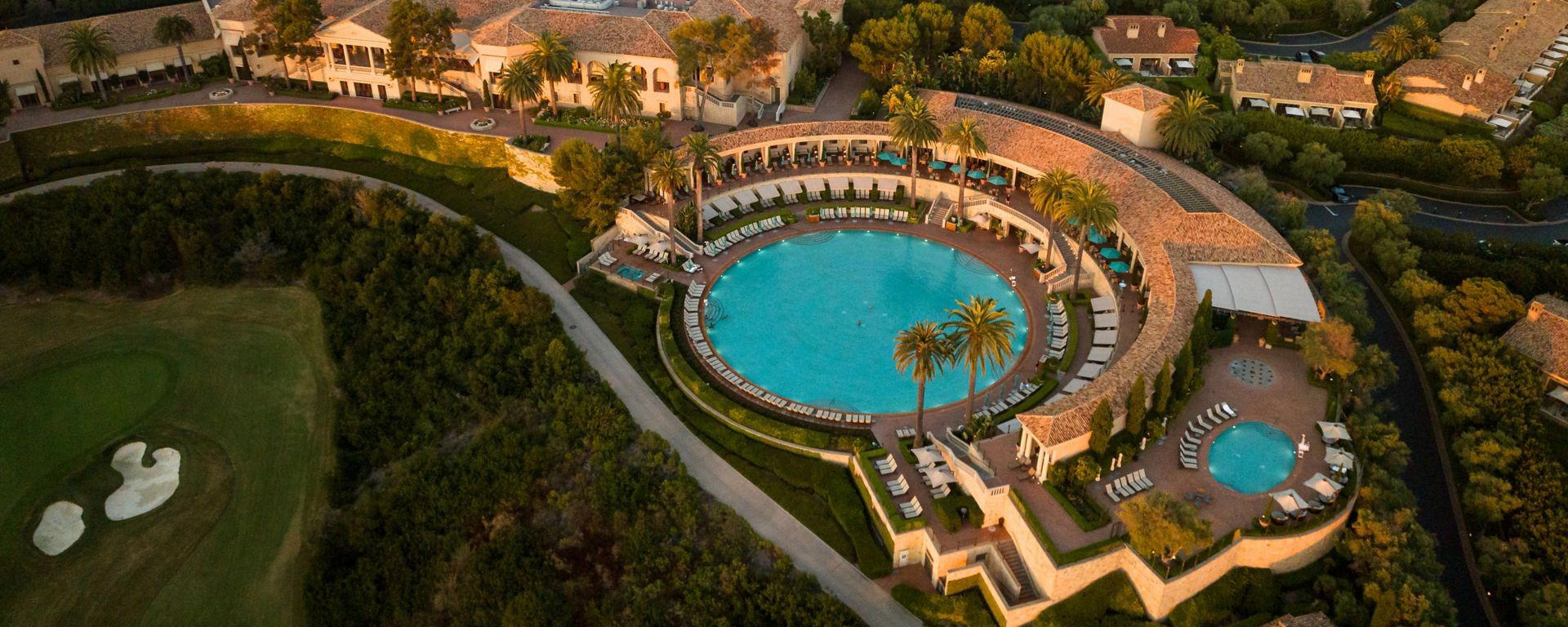
Wineries in Laguna Beach
Browse all →
At a Glance
- Romantic
- Elegant
- Scenic
- Cozy
- Date Night
- Special Occasion
- Brunch
- Waterfront
- Terrace
- Live Music
- Craft Cocktails
- Local Sourcing
- Waterfront
Current opening hours
- Monday
- 8 AM–9 PM
- Tuesday
- 8 AM–9 PM
- Wednesday
- 8 AM–9 PM
- Thursday
- 8 AM–9 PM
- Friday
- 8 AM–9 PM
- Saturday
- 8 AM–9 PM
- Sunday
- 8 AM–9 PM
Hours can change for holidays and private events. Last verified .
Charming and classy atmosphere with ocean views, romantic outdoor patio, and fresh French bakery displays, enhanced by friendly service.