Centroamericana Restaurant
Centroamericana Restaurant on Hessmer Avenue brings Central American cooking to Metairie's culturally layered dining scene. The address places it within easy reach of Jefferson Parish's growing immigrant-community restaurant corridor, where dishes rooted in Guatemalan, Salvadoran, and Honduran traditions coexist with the area's dominant Creole and Mediterranean establishments. For diners tracing the edges of greater New Orleans' culinary range, this is a practical and pointed stop.
- Address
- 3507 Hessmer Ave, Metairie, LA 70002
- Phone
- +15044557722
- Directions
- Get directions
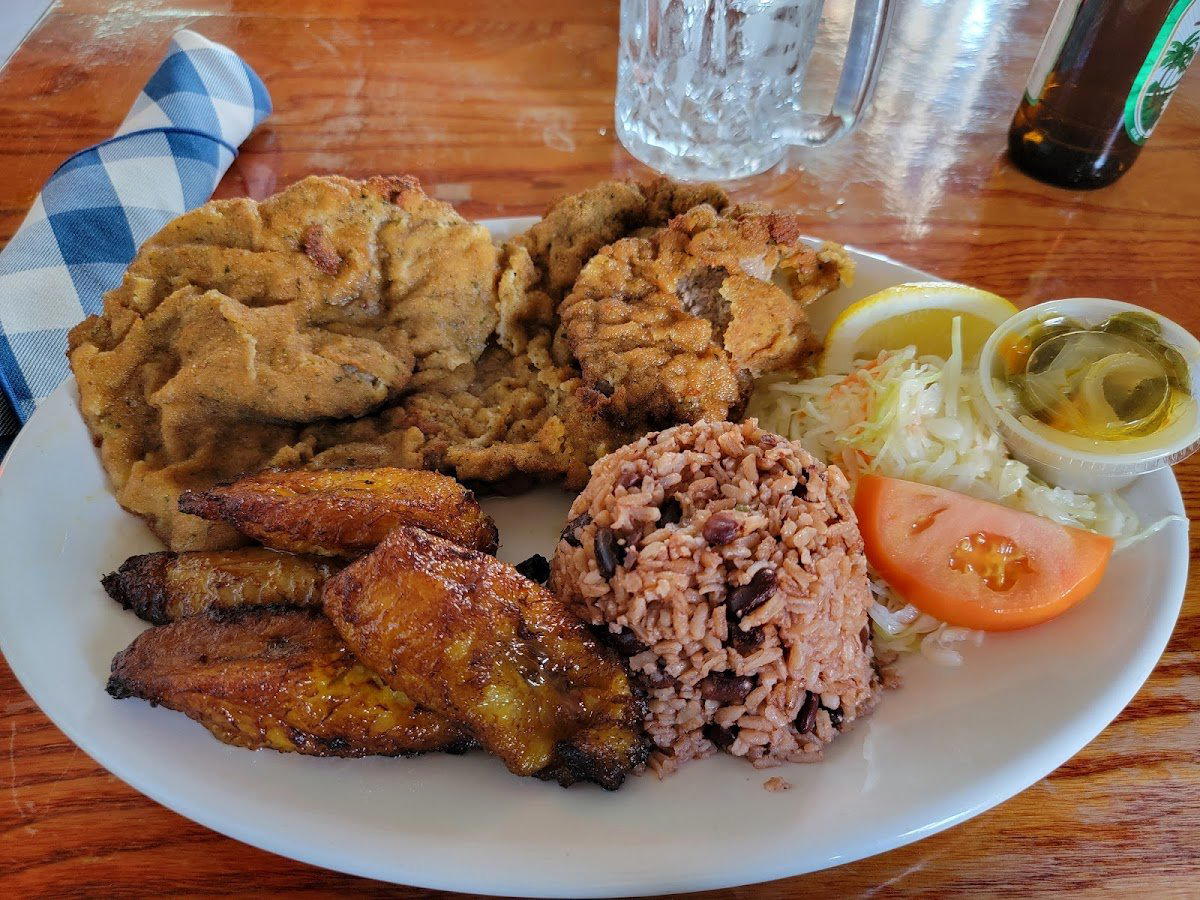
Where Hessmer Avenue Meets Central America
Metairie's restaurant corridor along Hessmer Avenue has a particular quality that distinguishes it from the more curated dining strips of neighboring New Orleans. The buildings are low, the signage often bilingual, and the clientele shifts block by block in ways that reflect Jefferson Parish's quietly diverse demographic makeup. Centroamericana Restaurant at 3507 Hessmer Ave sits within that pattern, occupying a stretch where Central American, Mediterranean, and Gulf Coast cooking share the same commercial real estate without much fanfare about it.
That geographic context matters. Greater New Orleans tends to dominate the regional food narrative, and Metairie's immigrant-community dining scene gets less attention. The reality on the ground is different. Establishments like Beraca Restaurant, Byblos, and Acropolis Cuisine have built consistent local followings by serving communities whose food preferences aren't centered on roux-based tradition. Centroamericana fits into that comparable set, operating as a community-anchored rather than tourist-facing address.
Central American Cooking in a Louisiana Context
Central American cuisine is one of the more under-documented regional traditions in American restaurant coverage, which tends to flatten it into a generalized Latin American category or subsume it under Mexican food's dominant cultural footprint. The distinctions matter. Guatemalan pepián, Salvadoran pupusas, Honduran baleadas, and Nicaraguan vigorón each represent discrete culinary lineages shaped by indigenous ingredients, Spanish colonial influence, and regional agricultural patterns that differ substantially from one country to the next.
In cities with large Central American diaspora communities, these traditions tend to survive in neighborhood restaurants that serve a local population. The food is calibrated to familiarity and value. That positioning places venues like Centroamericana in a different competitive frame than the ambitious tasting-menu programs you find at places like Smyth in Chicago or Atomix in New York City, or even the destination dining that draws visitors to Emeril's in New Orleans. The value proposition is different, and so is the relationship the kitchen has with its guests.
Louisiana itself adds an interesting variable. The state's food culture has always been shaped by layered immigration, from Acadian settlers to Vietnamese communities along the Gulf Coast to the Central American workers who arrived in significant numbers after Hurricane Katrina's rebuilding period. Metairie absorbed a share of that demographic shift, and the restaurant scene on and around Hessmer reflects it. Eating here is, in part, an exercise in reading that history through what ends up on the table.
Planning Your Visit: What to Know Before You Go
Given the sparse publicly available information about Centroamericana Restaurant, the practical calculus for visiting looks different than it would for a destination with an active website, published hours, and an OpenTable presence. That puts it in the category of walk-in neighborhood establishments, which in Metairie typically means arriving early in service windows, particularly around lunch and early dinner, when neighborhood restaurants at this tier see their highest foot traffic.
The address on Hessmer Avenue is accessible by car without difficulty, and street parking in that corridor is generally available. Visitors traveling from central New Orleans should factor in the cross-parish drive, which runs roughly fifteen to twenty minutes depending on traffic on Veterans Memorial Boulevard or the I-10 service road. The neighborhood's dining strip rewards some degree of exploration: Byblos Market and A Tavola are nearby, making the area viable as a half-day eating itinerary rather than a single-stop destination.
For anyone accustomed to advance planning at high-demand venues, Centroamericana presents a different kind of dining experience. The difficulty here is not scarcity of supply but scarcity of information. Walking in without much foreknowledge is, in this case, part of the experience rather than a planning failure.
The Broader Stakes of Eating in Metairie
There is a version of food travel that limits itself to the venues where reservations are competitive and press coverage is deep: the French Laundry in Napa, Le Bernardin in New York City, Blue Hill at Stone Barns in Tarrytown, Providence in Los Angeles, Addison in San Diego, Single Thread Farm in Healdsburg, Lazy Bear in San Francisco, The Inn at Little Washington, or Atelier Moessmer Norbert Niederkofler in Brunico. Those are genuinely significant restaurants, and EP Club covers them because they are. But they represent one slice of how food culture actually operates.
The other slice is neighborhoods like Metairie's Hessmer corridor, where the cooking is often closer to living tradition than to performance. Central American food in particular carries that quality: it is not, in most American markets, a cuisine that has been heavily reinterpreted for a fine dining audience. What you encounter at an address like Centroamericana is more likely to be a direct transmission of inherited cooking than a chef's commentary on it. That's not a consolation for the absence of tasting menus. It's a different kind of value.
For travelers whose frame of reference includes places like New Orleans, a city that has long traded on its own mythology of food culture, crossing into Metairie and eating outside that mythology is a reasonable corrective. The greater metro area's food story is wider than the French Quarter and Magazine Street can hold.
At-a-Glance Comparison
Comparable venues nearby, for context on price, style, and recognition.
| Venue | Cuisine | Price | Notes |
|---|---|---|---|
| Centroamericana RestaurantThis venue — the venue you are viewing | Nicaraguan | $$ | Not listed |
| Caffe Caffe | Italian Cafe Sandwiches & Breakfast | $$ | Metairie |
| Sushi Masa Metairie | Japanese Sushi & Fusion | $$ | Metairie |
| A Tavola | Modern Italian | $$ | Metairie |
| Los Jefes Grill | Authentic Mexican Grill | $$ | Fat City |
| Deanie's Seafood | Louisiana Seafood | $$ | Bucktown |
At a Glance
- Rustic
- Cozy
- Casual Hangout
- Family
- Beer Program
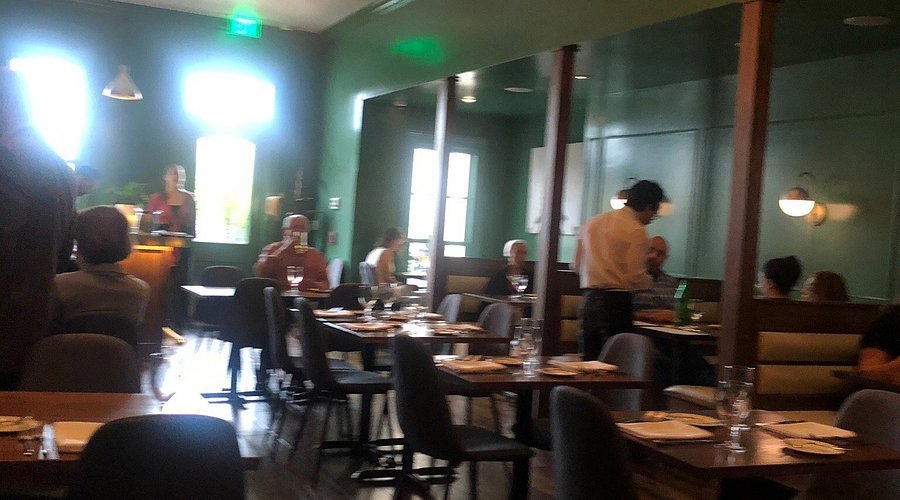
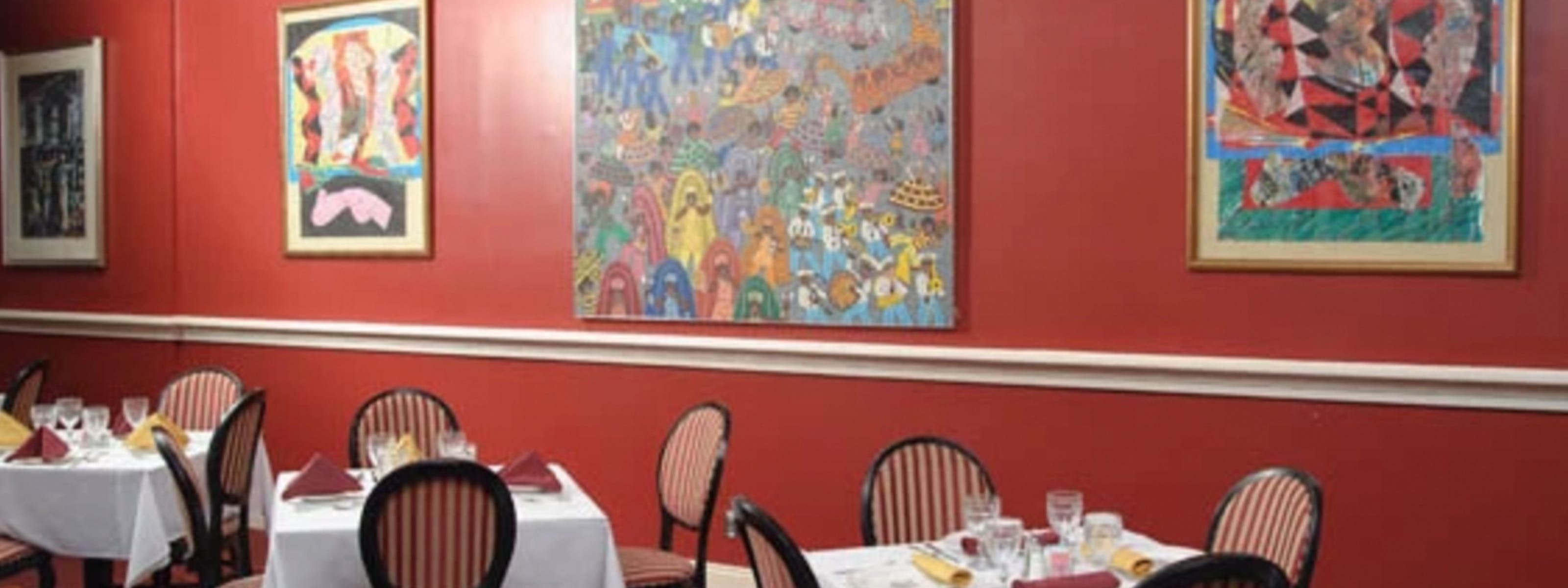
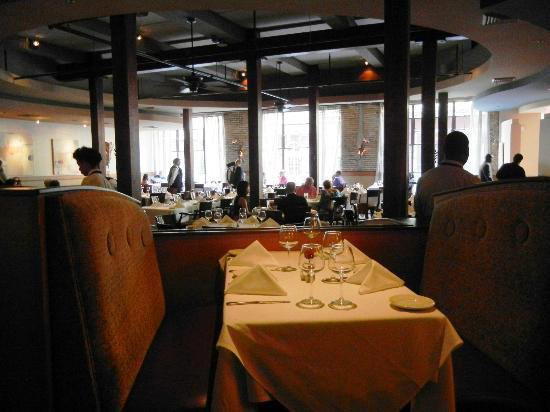
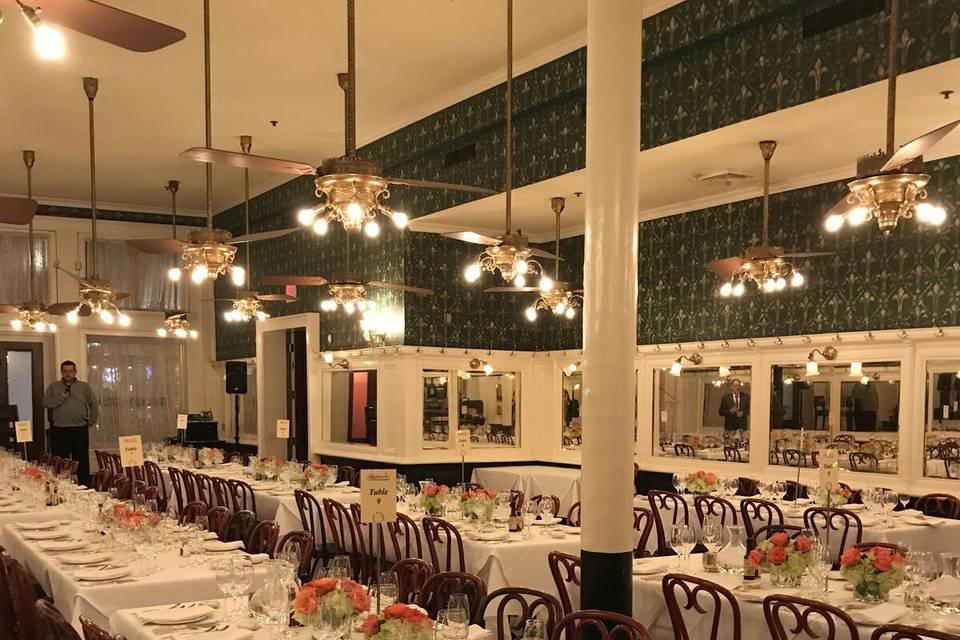
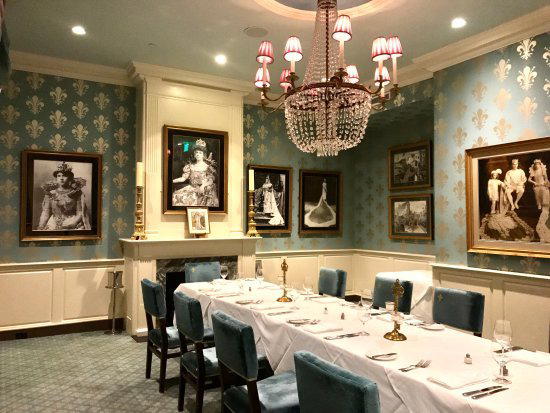
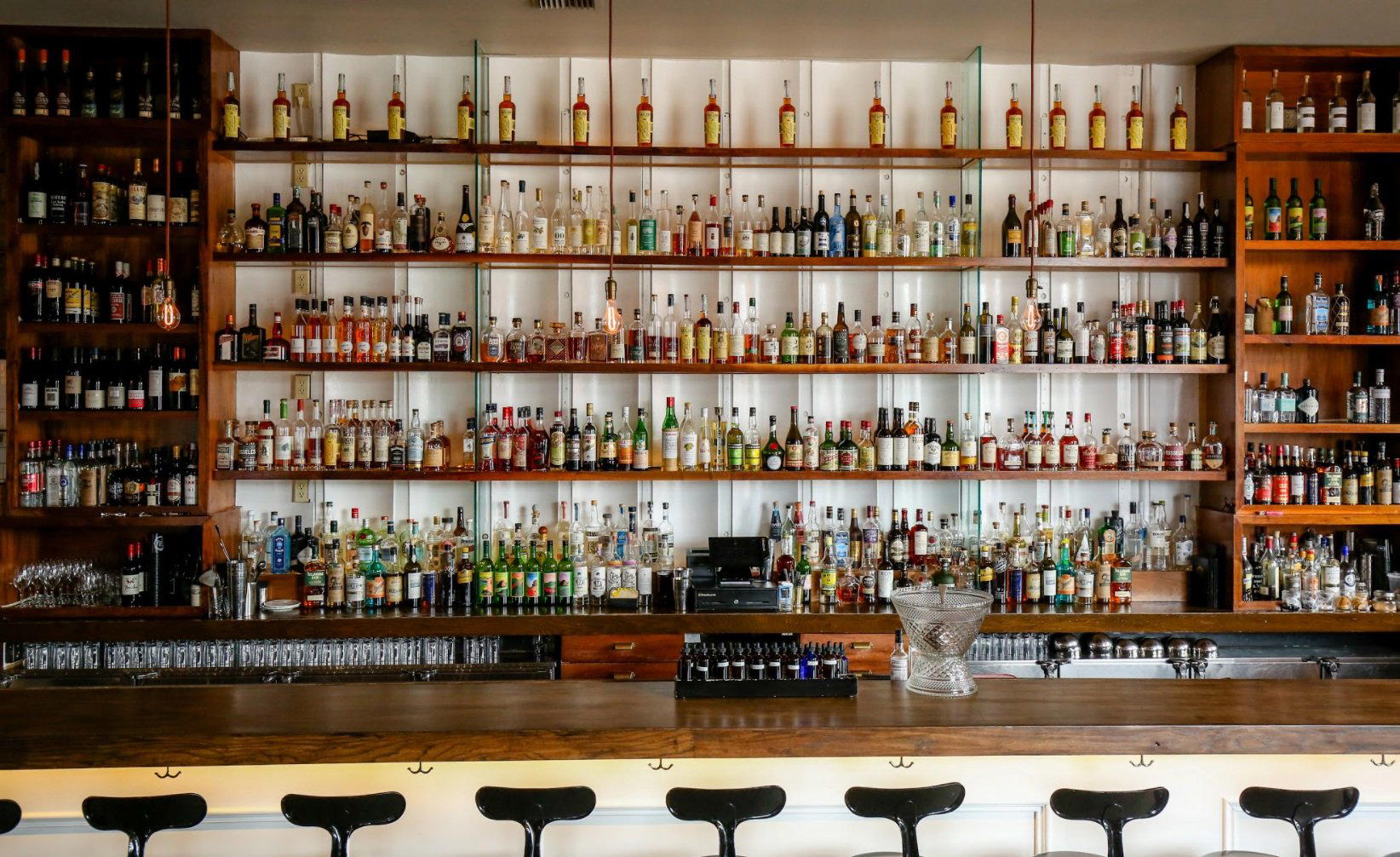
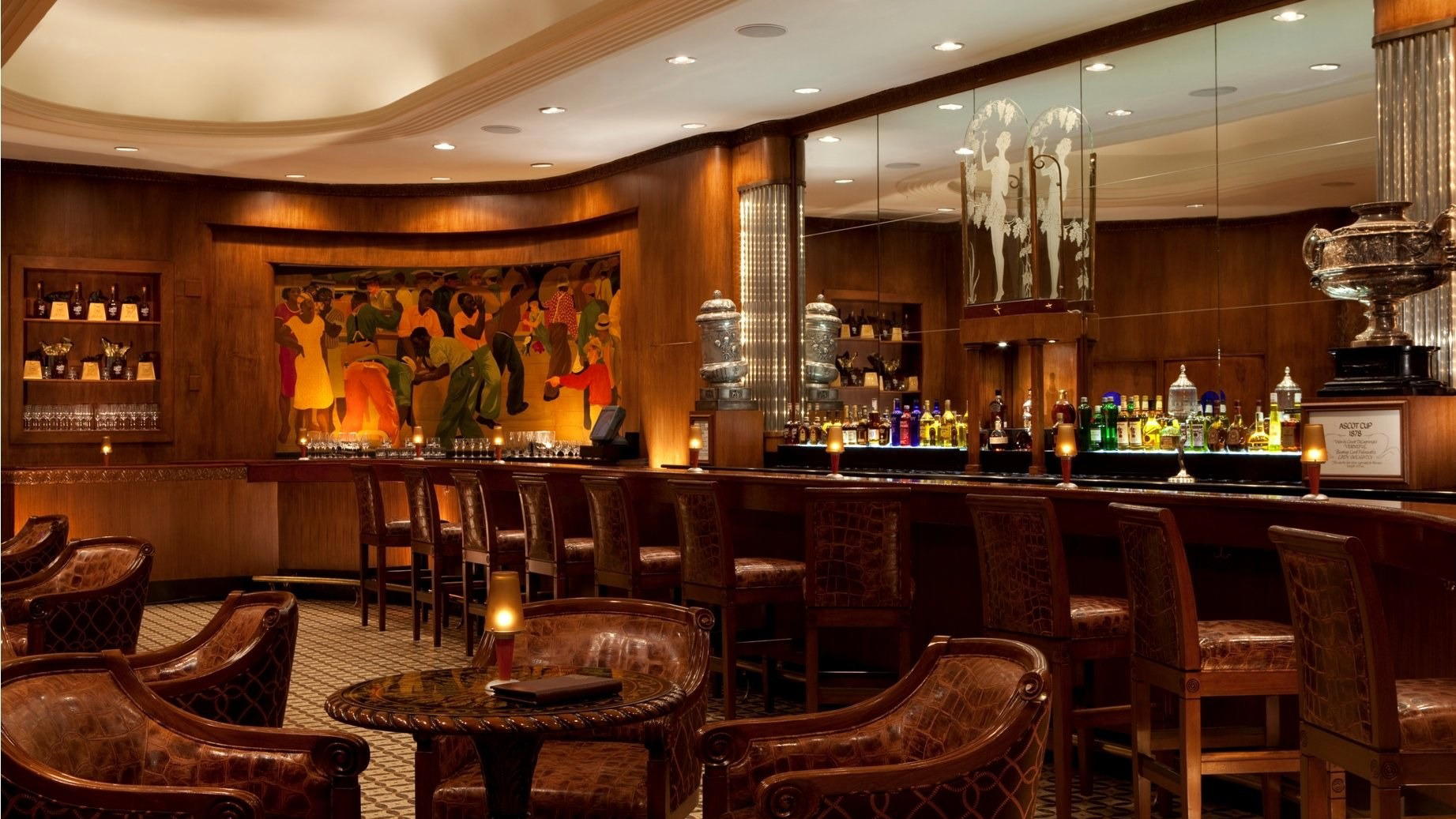
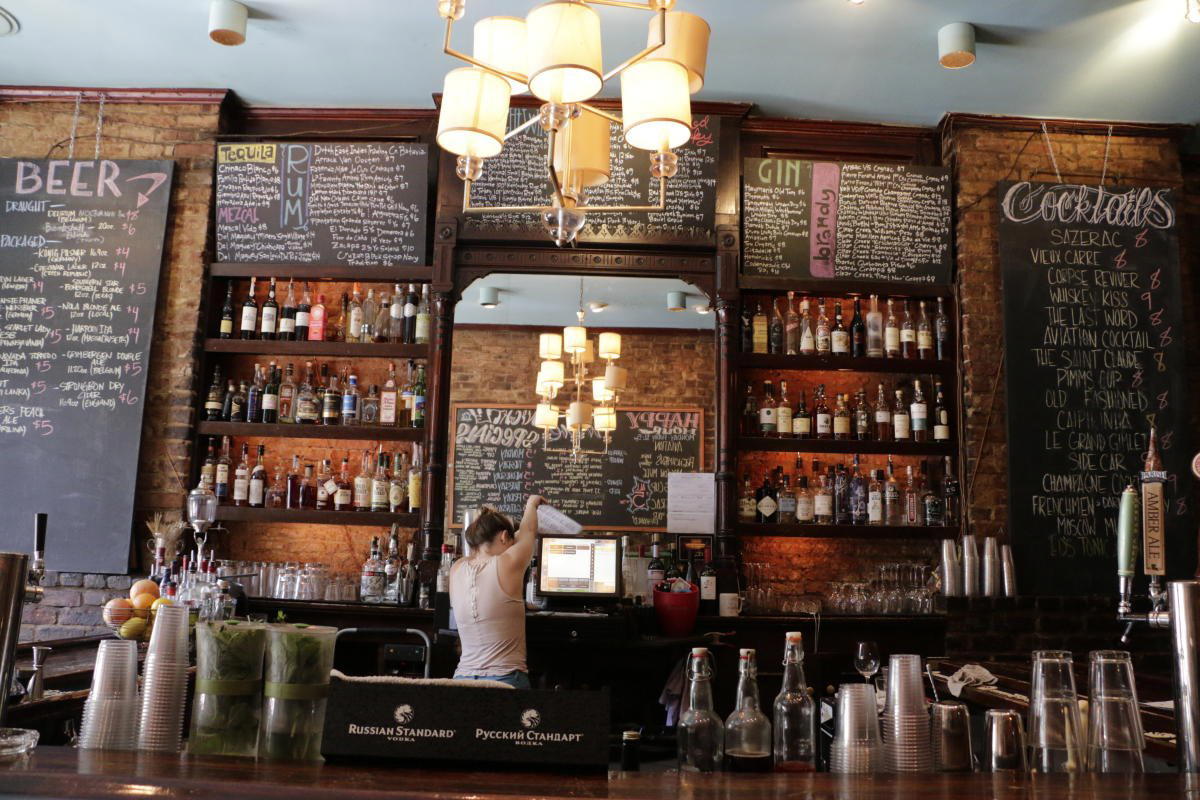
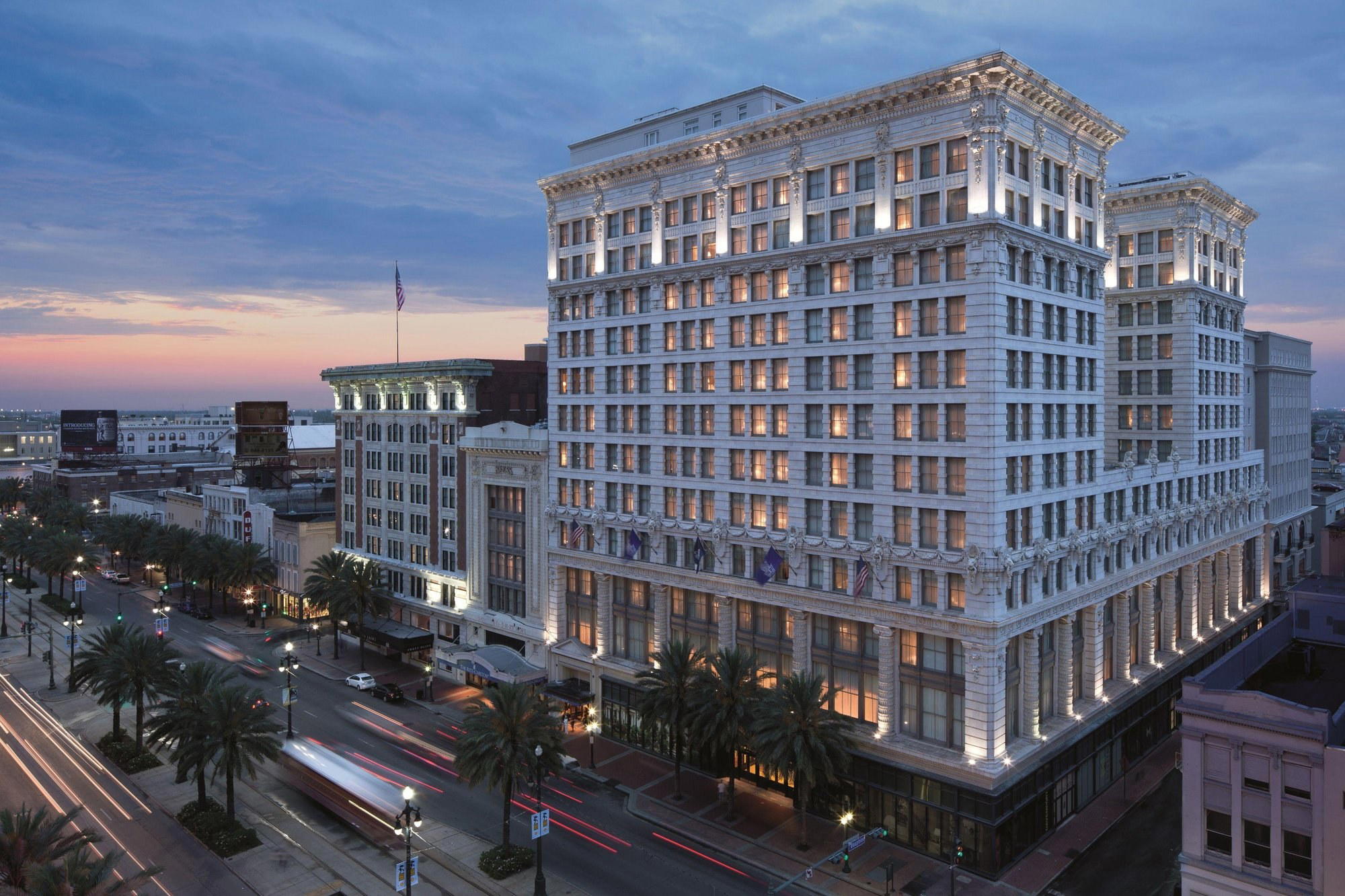
Simple and unpretentious with minimal decor, focusing on homey Central American comfort food.