Centrico
Centrico at 211 W Broadway puts Mexican-inflected cooking in the middle of TriBeCa's competitive dining corridor, where the neighbourhood's appetite for serious food meets a format that rewards the full table experience. The address places it among a comparable set that treats service choreography and front-of-house coordination as core parts of the proposition, not an afterthought.
- Address
- 211 W Broadway, New York, NY 10013
- Phone
- +1 212 219 9500
- Directions
- Get directions
TriBeCa's Dining Corridor and Where Centrico Sits
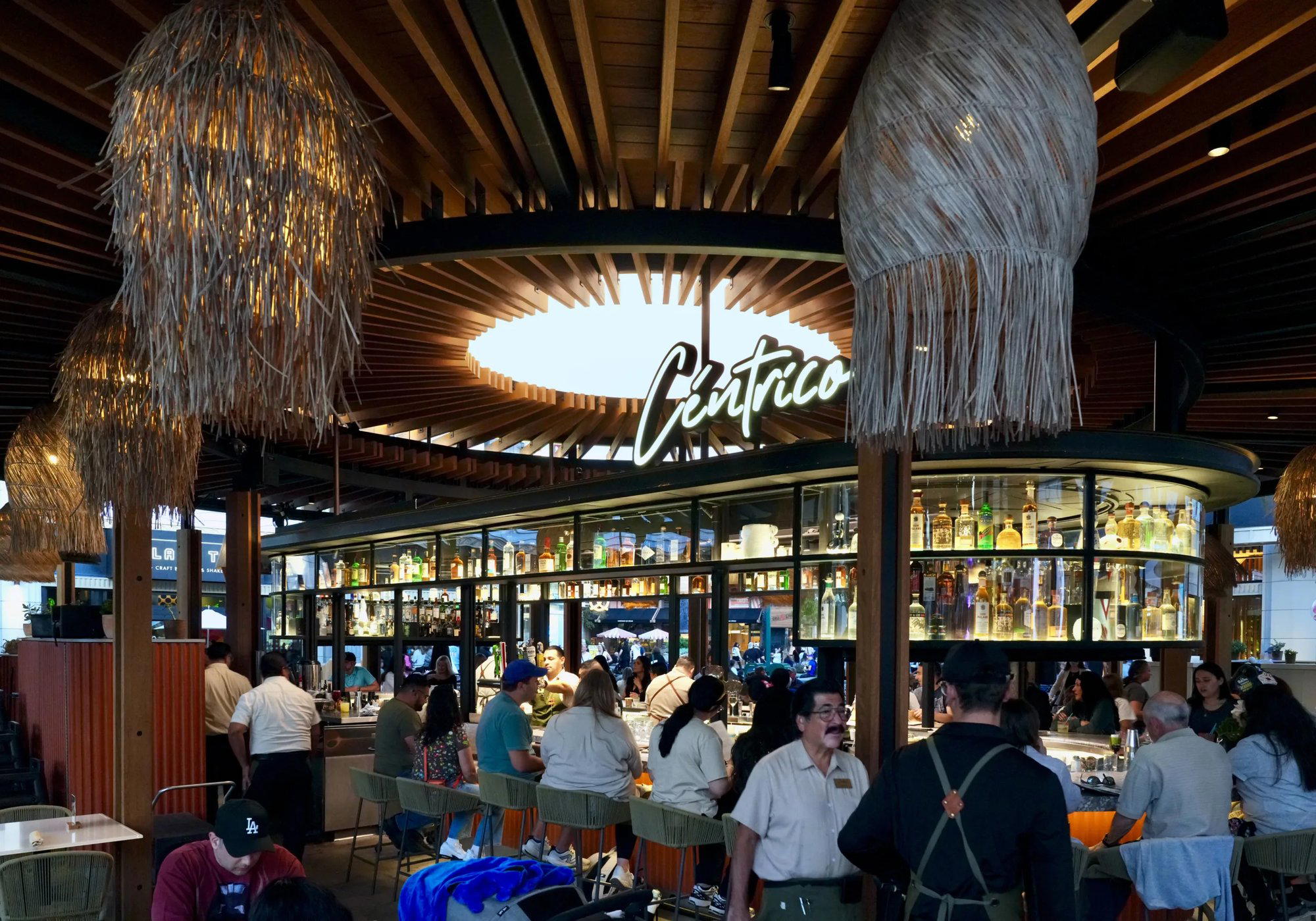
TriBeCa has spent the better part of two decades sorting itself into tiers. The neighbourhood that once drew diners on the strength of its loft-conversion atmosphere now competes on kitchen credentials, and the stretch of West Broadway running through its centre has become one of the more closely watched restaurant corridors in Lower Manhattan. Centrico, at 211 W Broadway, is a Regional Mexican Fusion restaurant in New York City. It is a smart casual room with reservations recommended and a typical spend of about $45 per person. The address itself signals intent: this is a block where a dining room either earns its keep through consistent execution or loses ground quickly to the neighbourhood's next opening.
Mexican cooking in New York has undergone a significant repositioning over the past decade. The city's appetite for serious Mexican cuisine, backed by sourced spirits programs and kitchen technique that draws from both tradition and contemporary influence, has created space for restaurants that operate well above the taqueria tier without reaching for the prix-fixe formality of, say, Eleven Madison Park or Per Se. Centrico positions itself in that middle register: approachable in format, serious in ambition.
The Room: What the Physical Space Communicates
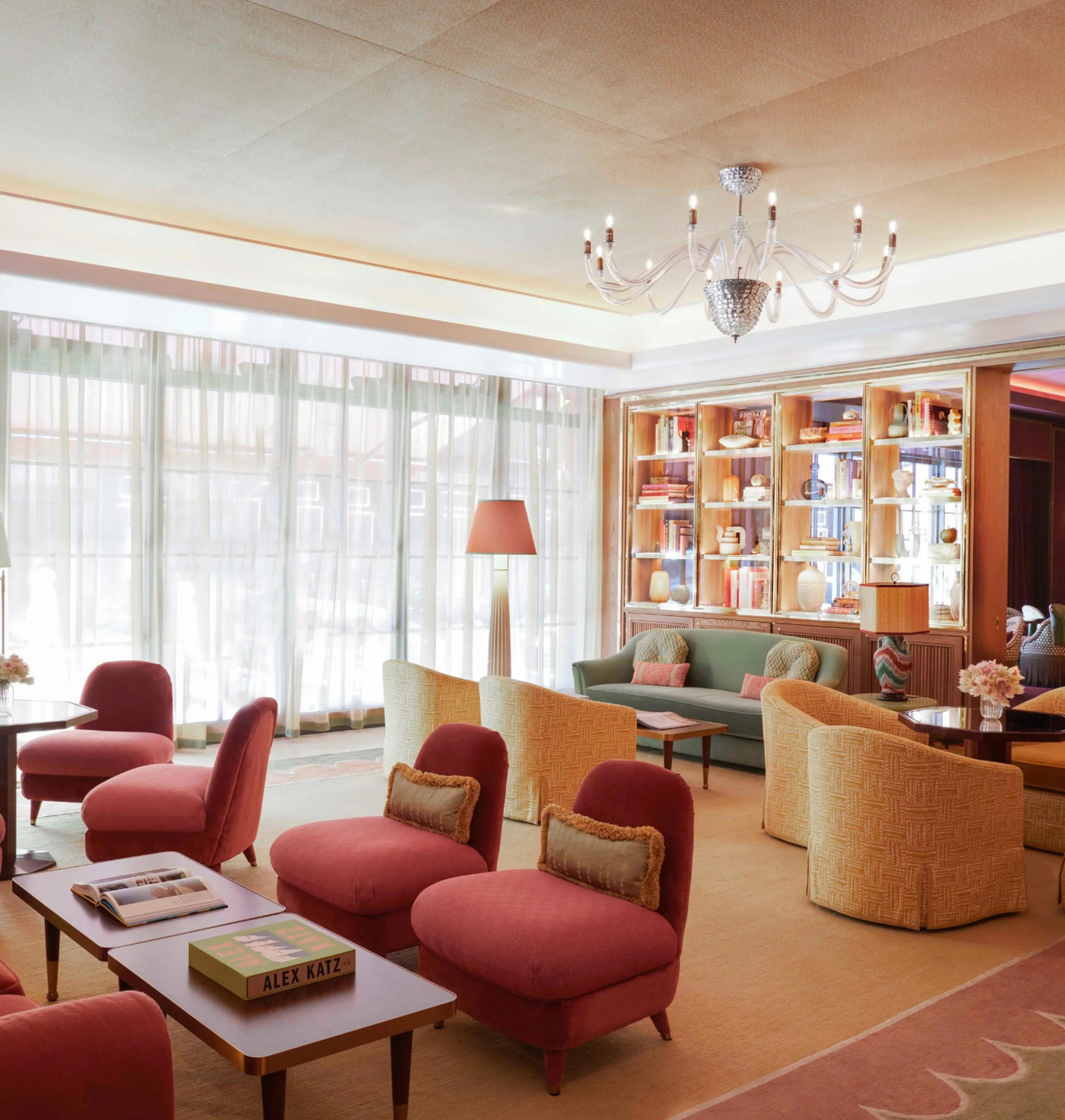
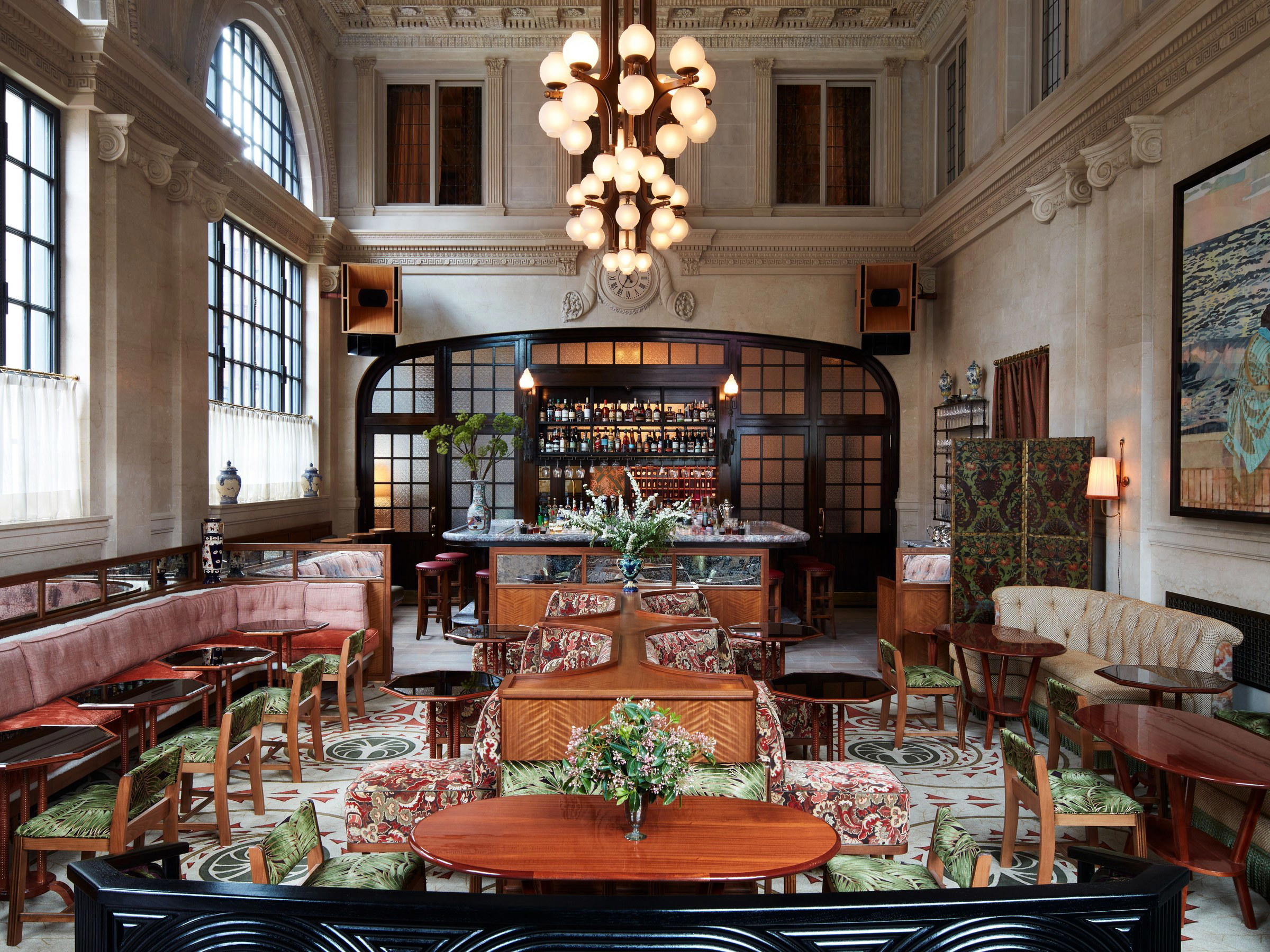
West Broadway at the TriBeCa end carries a particular quality of light in the early evening, the kind that filters through tall windows and lands on exposed brick and warm wood in a way that requires no further decoration. Centrico works with rather than against this character. The dining room does what good Mexican-influenced interiors in American cities have learned to do: it avoids the over-coded signifiers of tourist-facing cantina design and instead lets the architecture of the neighbourhood do the contextual work, leaving the cooking and the service to establish the culinary identity.
Rooms like this succeed or fail on the energy their teams generate. A space that reads well at noon on a Tuesday needs a front-of-house capable of animating it on a Friday at nine, and that gap is where many TriBeCa openings have struggled. The more durable addresses in this part of the city have been those where the floor operation has developed a coherent rhythm, where the handoffs between kitchen, service, and bar feel coordinated rather than improvised.
The Team Dynamic: Kitchen, Floor, and Bar as a Single System
In the broader conversation about what separates a good restaurant from a sustained one, the coordination between kitchen output, front-of-house pacing, and bar programming has emerged as the differentiator that critics and regular diners both notice, even when they don't name it directly. At the tier Centrico occupies in New York's dining hierarchy, the gap between a kitchen that cooks well and a full operation that functions as a unified system is measurable in the experience of sitting down and feeling, within the first ten minutes, whether the evening is going to be effortless or effortful.
New York's more forensically observed restaurants, Atomix in Midtown, Le Bernardin on West 51st, have built reputations in part because the service architecture matches the kitchen's ambition. The question for a neighbourhood-anchored address like Centrico is whether it builds the same internal coherence at a more accessible price register and a less formal atmosphere. The tequila and mezcal programs that characterise serious Mexican-influenced restaurants in New York demand a bar team with genuine spirits literacy, not just familiarity with a margarita spec. When that bar operation connects properly with a floor team that can pace a table through food and drink simultaneously, the experience changes register.
This kind of collaborative floor operation is increasingly what distinguishes the addresses worth returning to from those that function as one-visit novelties. Across American cities, the restaurants that have built durable reputations, from Smyth in Chicago to Frasca Food and Wine in Boulder, have done so by treating the floor and kitchen as a single system with shared accountability for pace and pleasure.
Centrico in the Broader New York Context
New York's full-service restaurant market operates at a compression that few other American cities match. The price of a serious dinner in Manhattan has risen steadily, and diners across multiple neighbourhoods have become more selective about where that spend goes. At the highest tier, addresses like Masa operate on scarcity and ceremony. Centrico competes in a different register, one where value is measured not in omakase per-seat economics but in the quality of a two-hour dinner where the table feels looked after without the formality of a tasting menu framework.
For a broader read on where Centrico sits relative to the full range of serious dining in New York, the EP Club New York City restaurants guide maps the field from neighbourhood-anchored independents through to the Michelin-structured upper tier. Comparable formats in other American cities, including Lazy Bear in San Francisco, Providence in Los Angeles, and Addison in San Diego, offer useful reference points for understanding how ambitious independent restaurants calibrate ambition against accessibility.
Internationally, the Italian tradition of treating a meal as a coordinated act between kitchen, cellar, and floor, visible at addresses like Dal Pescatore in Runate, represents one model. Closer to home, the farm-rooted sourcing discipline of Blue Hill at Stone Barns and the ingredient-first focus of Single Thread Farm in Healdsburg show what sustained kitchen focus looks like when it connects with a coherent service philosophy.
Planning a Visit: Practical Notes
Centrico is located at 211 W Broadway in TriBeCa, a neighbourhood well served by the 1, 2, 3, A, C, and E subway lines, with Franklin Street and Canal Street stations both within a short walk. TriBeCa's dining peak falls on Thursday through Saturday evenings, when competition for tables across the corridor is highest. Midweek visits typically offer a different rhythm: the room is quieter, the floor team less stretched, and the bar more accessible for a conversation about the spirits list.
Budget Reality Check
Comparable venues nearby, for context on price, style, and recognition.
| Venue | Cuisine | Price | Notes |
|---|---|---|---|
| CentricoThis venue — the venue you are viewing | Not listed | $$$ | Not listed |
| Consuelo | Not listed | $$$ | Upper West Side, Home-style Mexican from Puebla-inspired Cocina Consuelo team |
| Casa Carmen Tribeca | Not listed | $$$ | Tribeca-Civic Center, Authentic Regional Mexican |
| Lost in Paradise Rooftop | Not listed | $$$ | Long Island City-Hunters Point, Latin Fusion Tapas |
| LOLITA | Midtown-Times Square, Modern Mexican | $$$ | Not listed |
| Cantina Rooftop | Hell's Kitchen, Modern Mexican Rooftop | $$$ | Not listed |
Continue exploring
More in New York City
Restaurants in New York City
Browse all →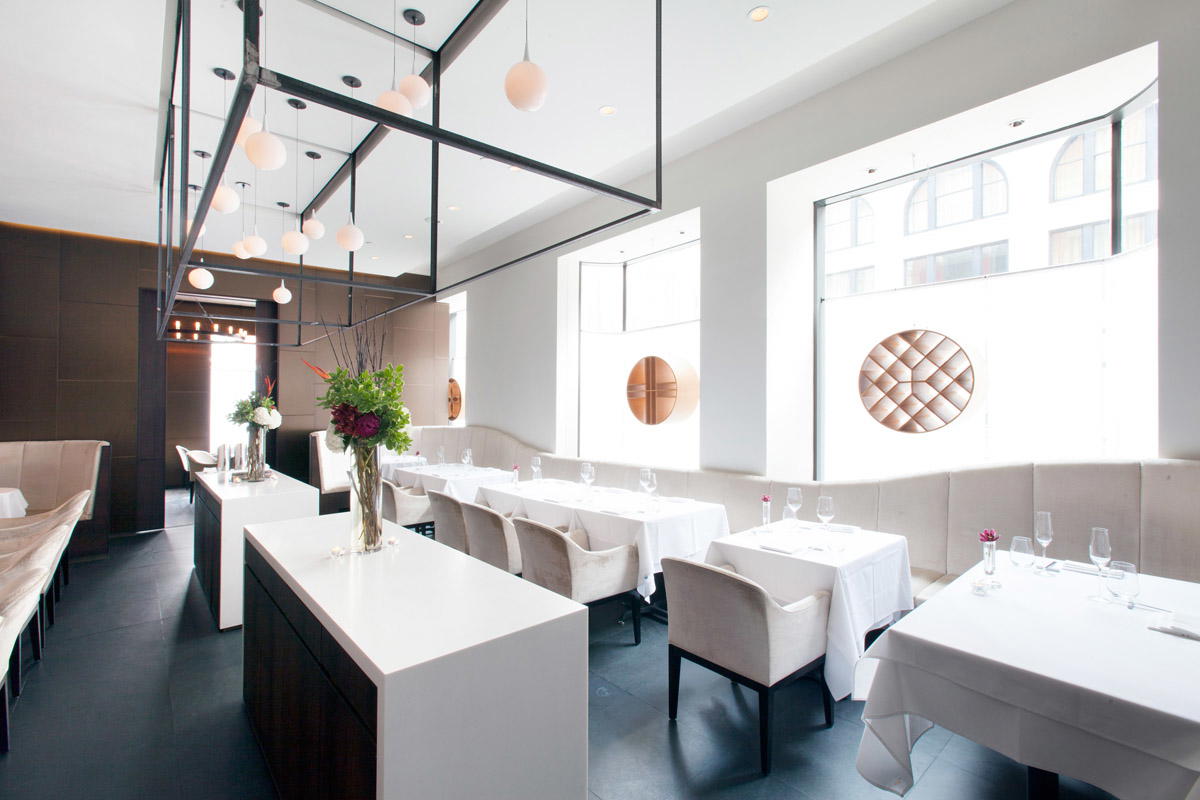

Bars in New York City
Browse all →

Hotels in New York City
Browse all →







At a Glance
- Lively
- Elegant
- Group Dining
- Casual Hangout
- Open Kitchen
- Craft Cocktails
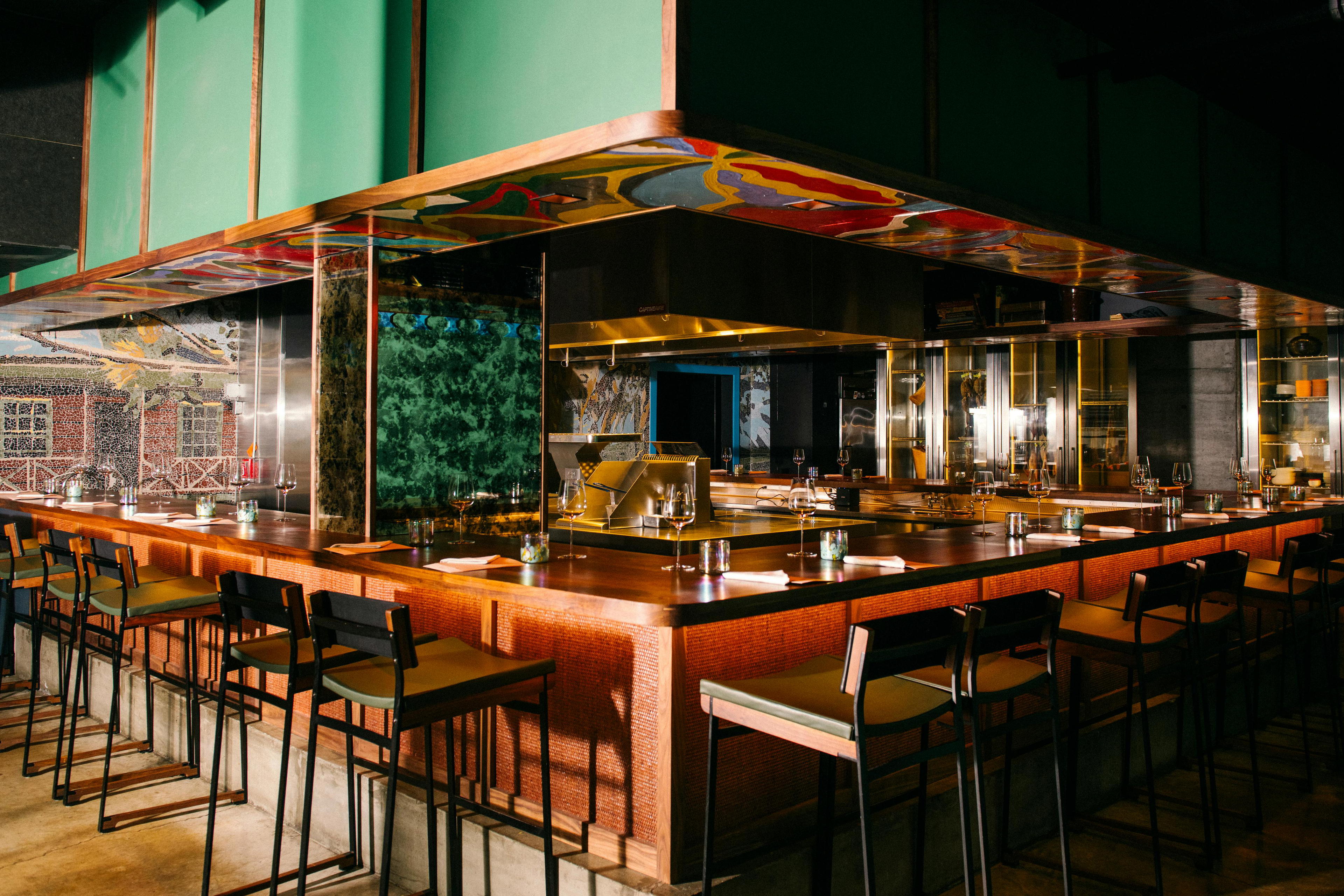
Festive and spacious with high ceilings, colorful décor, and an open kitchen visible from the bar area, creating an energetic and celebratory atmosphere.