Cay Tre
Cay Tre in London delivers authentic Vietnamese cuisine in Soho, centred on fragrant pho, claypot catfish in caramelized sauce and a king prawn curry with cashews and coriander. Founded by Hieu Trung Bui, the kitchen simmers pho stock for 24 hours and balances bright herbs, fresh lime and toasted spices for immediate, craveable flavour. The Soho dining room on Dean Street pulses with theatre-goers and late-night diners; generous portions, vegetarian and gluten-free options, and easy SevenRooms reservations make it ideal for both post-show meals and weekday lunches. Expect heady broth aromas, crisp rice-paper textures and confident spice — a lively, accessible taste of Saigon in the heart of London.
Pearl is the En Primeur Club membership app — saves, bookings, and concierge access live there. Same editors, same standards.
- Address
- 42-43 Dean St, London W1D 4PZ, United Kingdom
- Phone
- +44 20 7317 9118
- Website
- caytrerestaurant.co.uk
- Directions
- Get directions
 Saves & bookings on Pearl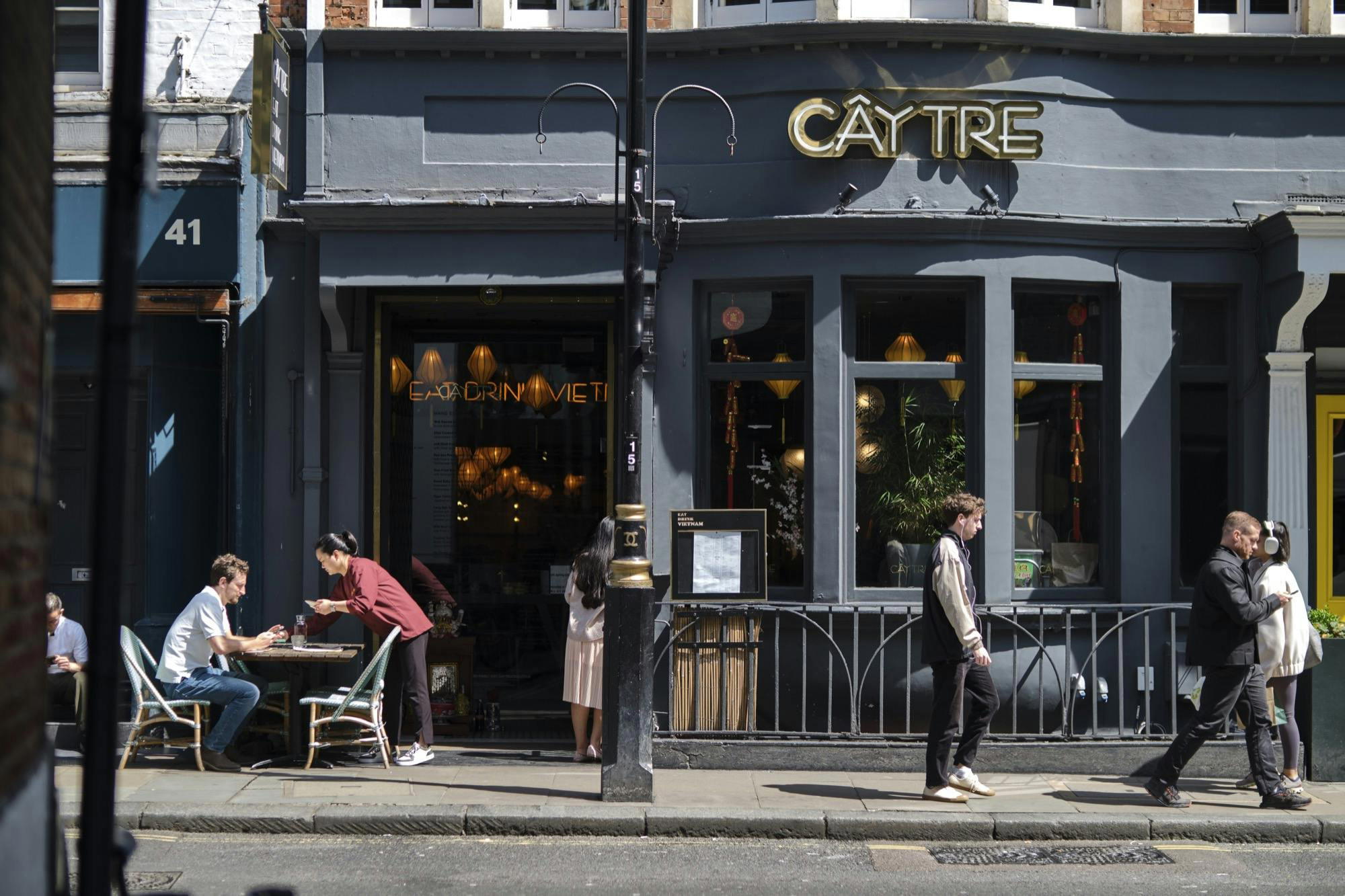
Vietnamese Cooking in Soho: Where Cay Tre Sits in the Neighbourhood's Evolution
Dean Street in Soho has long operated as one of London's more concentrated stretches of international dining, where Cantonese roast duck counters share a postcode with late-night pasta bars and old-school media lunches. Vietnamese food arrived in this part of the West End later than it did in Hackney or Shoreditch, and Cay Tre is a Vietnamese restaurant at 42-43 Dean Street in Soho, London, with a casual dress code, a recommended reservation policy, and a price point around $25 per person. It is a mid-capacity room with a menu broad enough to anchor a group dinner, priced accessibly against Soho's higher-end neighbours. The address puts it a short walk from Oxford Street and within the dense cluster of restaurants that makes Soho one of the more varied dining corridors in central London.
The Vietnamese Kitchen and What It Asks of London Diners
Vietnamese cuisine in London has never quite received the critical attention lavished on other Southeast Asian traditions. While Thai, Japanese, and Korean cooking each developed a visible fine-dining tier in the capital, Vietnamese restaurants largely stayed in the mid-market, with value and volume as the operating logic. The result is a category where sourcing, broth quality, and herb freshness do most of the distinguishing work — factors that reward regular customers more than first-time visitors scanning a menu for something recognisable. Cay Tre occupies this middle ground in a Soho context where the surrounding competition skews heavily toward European cooking: CORE by Clare Smyth, Restaurant Gordon Ramsay, Sketch, The Lecture Room and Library, and The Ledbury all operate at the city's highest price tier with Michelin recognition, making Cay Tre's positioning in the neighbourhood markedly different from those rooms.
Sourcing and the Sustainability Conversation in Vietnamese Cooking
The sustainability conversation in London dining has moved well past its origins in Nordic tasting menus and farm-to-table gastropubs. For Vietnamese kitchens, the practical version of that conversation centres on herb supply chains, the provenance of fish sauce and fermented condiments, and whether pho broth bones are sourced from suppliers with traceable cattle practices. These are less visible credentials than a composting programme or a named farm partnership on a tasting menu, but they carry equivalent weight in the kitchen's actual carbon and waste footprint. The Vietnamese culinary tradition is, structurally, a low-waste one: long-simmered broths use the entire carcass, pickled vegetables extend produce shelf life, and rice-based dishes generate less food waste than protein-heavy European formats. London Vietnamese restaurants that lean into this structural efficiency, rather than treating sustainability as a marketing overlay, are operating in a genuinely different register from the splashier environmental pledges elsewhere in the city.
How Cay Tre Compares Within London's Vietnamese Tier
London's Vietnamese dining scene is geographically dispersed in a way that makes direct comparisons harder than in cities with a Vietnamese quarter. Hackney, Shoreditch, and Kingsland Road have historically hosted the highest concentration of Vietnamese kitchens, with Soho as an outlier zone where rents push operators toward either high or low price points. The restaurant's Dean Street address places it in the latter group relative to its immediate neighbours, though within the Vietnamese comparable set across the capital, it sits in a mid-tier that trades on reliability and location rather than on the kind of specialist credentialling that defines, for instance, a tasting-menu-only Korean counter like Atomix in New York City or the deep technique signalling of Le Bernardin in New York City. The comparison is instructive: those rooms operate in categories where the chef's lineage and the menu's coherence function as primary trust signals. Vietnamese mid-market dining in London works differently, where consistency across multiple visits and the quality of foundational dishes — pho, bun, banh mi, build the reputation over time.
The Soho Context and What It Means for This Address
Soho's dining character has shifted considerably over the past decade. The neighbourhood that once housed Ronnie Scott's, Quo Vadis, and a string of Cantonese restaurants still carries that plurality, but the arrivals of the last few years have skewed toward higher-spend destination dining and casual-fast formats, with the mid-market squeezed from both directions. The restaurant holds a position in that squeezed middle: accessible enough for a weeknight dinner without a months-long booking queue, yet in a setting that reads as a proper restaurant rather than a takeaway annexe. For visitors approaching London dining through its Michelin-led ceiling, venues like Dinner by Heston Blumenthal or, outside the capital, The Fat Duck in Bray and L'Enclume in Cartmel, the restaurant represents the other axis of London eating: frequent, informal, and neighbourhood-anchored in a neighbourhood that is, technically, one of the city's most central. Other regional reference points outside London include Moor Hall in Aughton, Gidleigh Park in Chagford, Hand and Flowers in Marlow, and hide and fox in Saltwood, all of which illustrate how far outside the capital serious cooking now extends, and how London's mid-market fills a different function in a visitor's itinerary than those destination rooms.
Reputation First
Comparable venues nearby, for context on price, style, and recognition.
| Venue | Cuisine | Price | Notes |
|---|---|---|---|
| Cay TreThis venue — the venue you are viewing | Authentic Vietnamese Pho House | $$ | Not listed |
| Pho Fulham | Healthy Vietnamese Pho | $$ | Walham Green |
| Song Hong | Authentic Red River Vietnamese | $$ | Clapham Junction |
| The Kitchen | British and European | $$ | Walthamstow Village |
| Monico | Dining | Not listed | Soho |
| Steak and Company Leicester Square | Interactive Steakhouse with Hot Stone Cooking | $$ | Leicester Square |



At a Glance
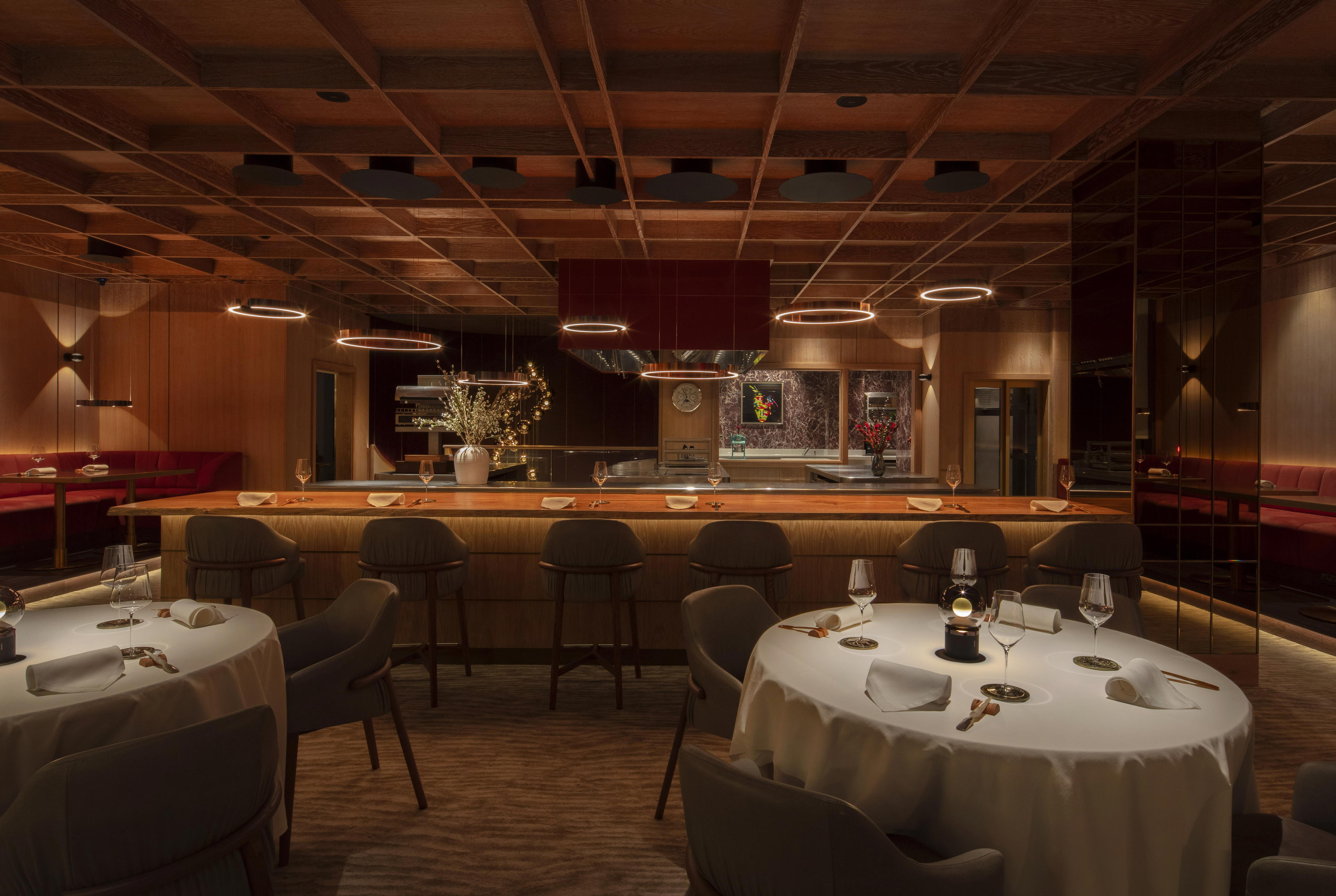
- Lively
- Trendy
- Casual Hangout
- Group Dining
- Open Kitchen
- Extensive Wine List
Current opening hours
- Monday
- 11 AM–11 PM
- Tuesday
- 11 AM–11 PM
- Wednesday
- 11 AM–11 PM
- Thursday
- 11 AM–11 PM
- Friday
- 11 AM–11:30 PM
- Saturday
- 11 AM–11:30 PM
- Sunday
- 11 AM–10:30 PM
Hours can change for holidays and private events. Last verified .
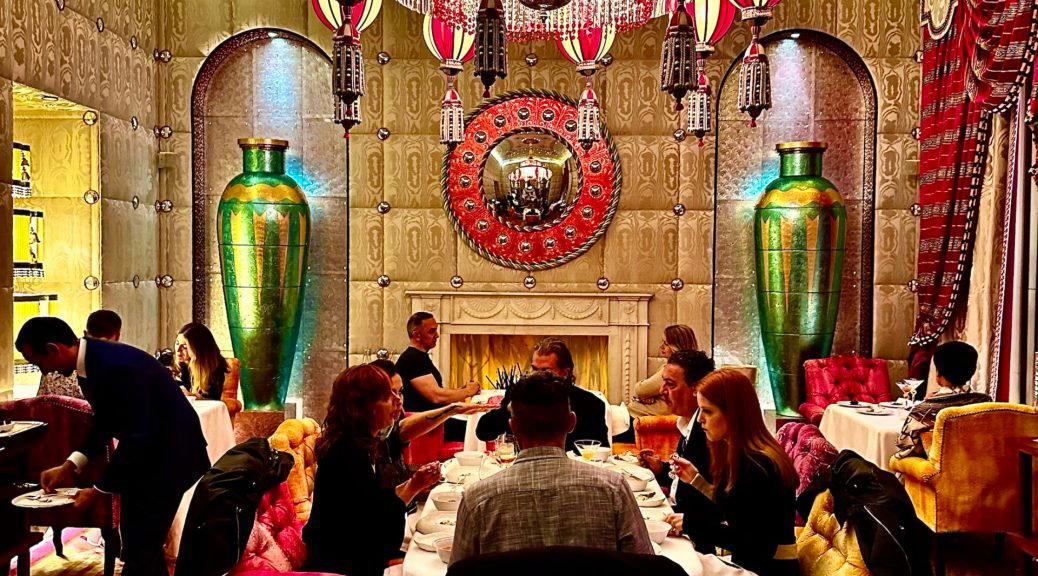
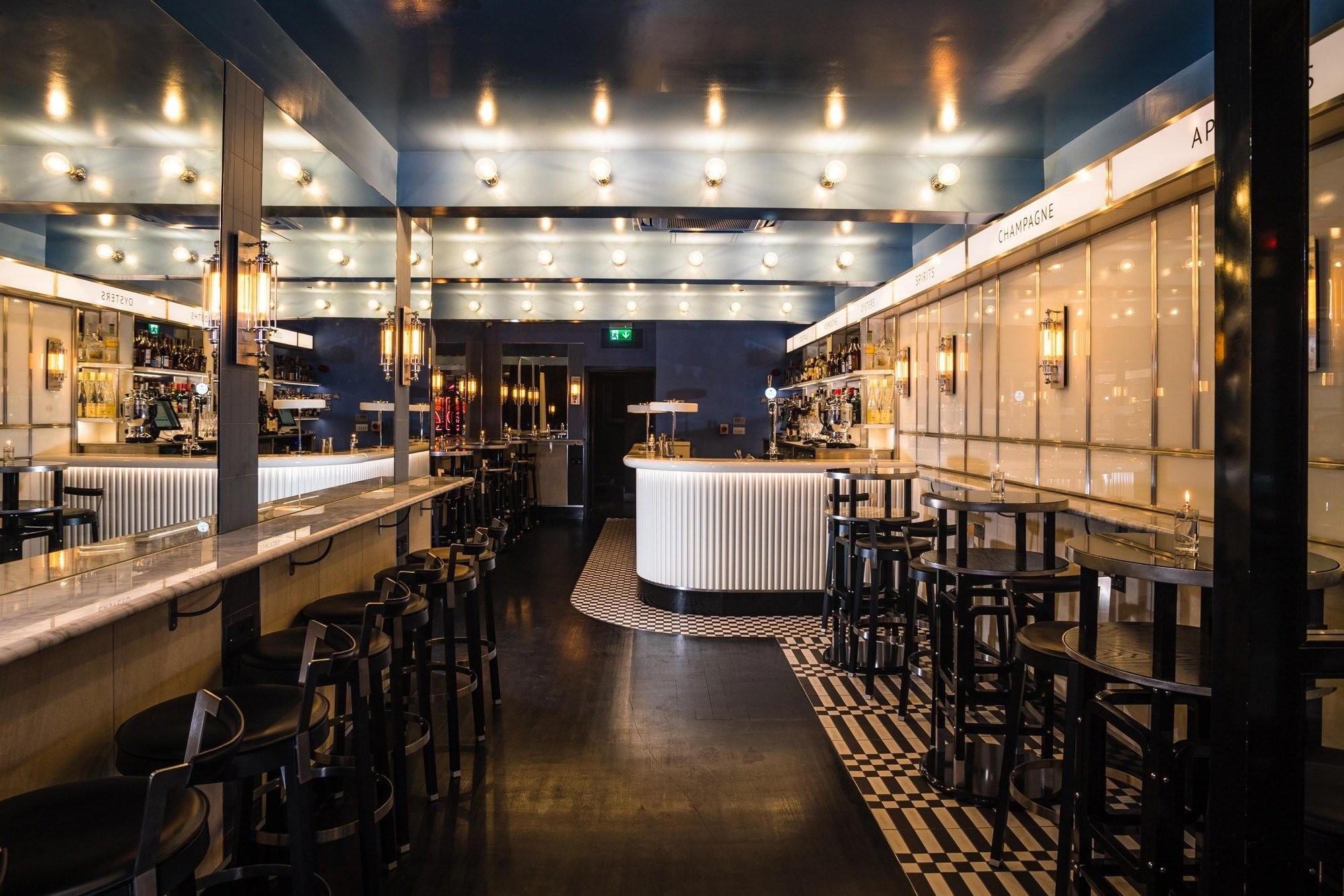
Packed bar-like atmosphere with bright colorful lights and lively energy.