
Michelin Plate
Our verdict
Cave et Cuisine holds back-to-back Michelin Plate recognition (2024 and 2025) in the quiet Burgundian village of Demigny, where traditional French cooking is anchored in regional produce and honest technique. The mid-range price point makes it one of the more accessible Michelin-acknowledged addresses in the Côte de Beaune hinterland, drawing diners who want substance over spectacle.

Pearl is the En Primeur Club membership app, where members save venues, book tables and use the concierge.
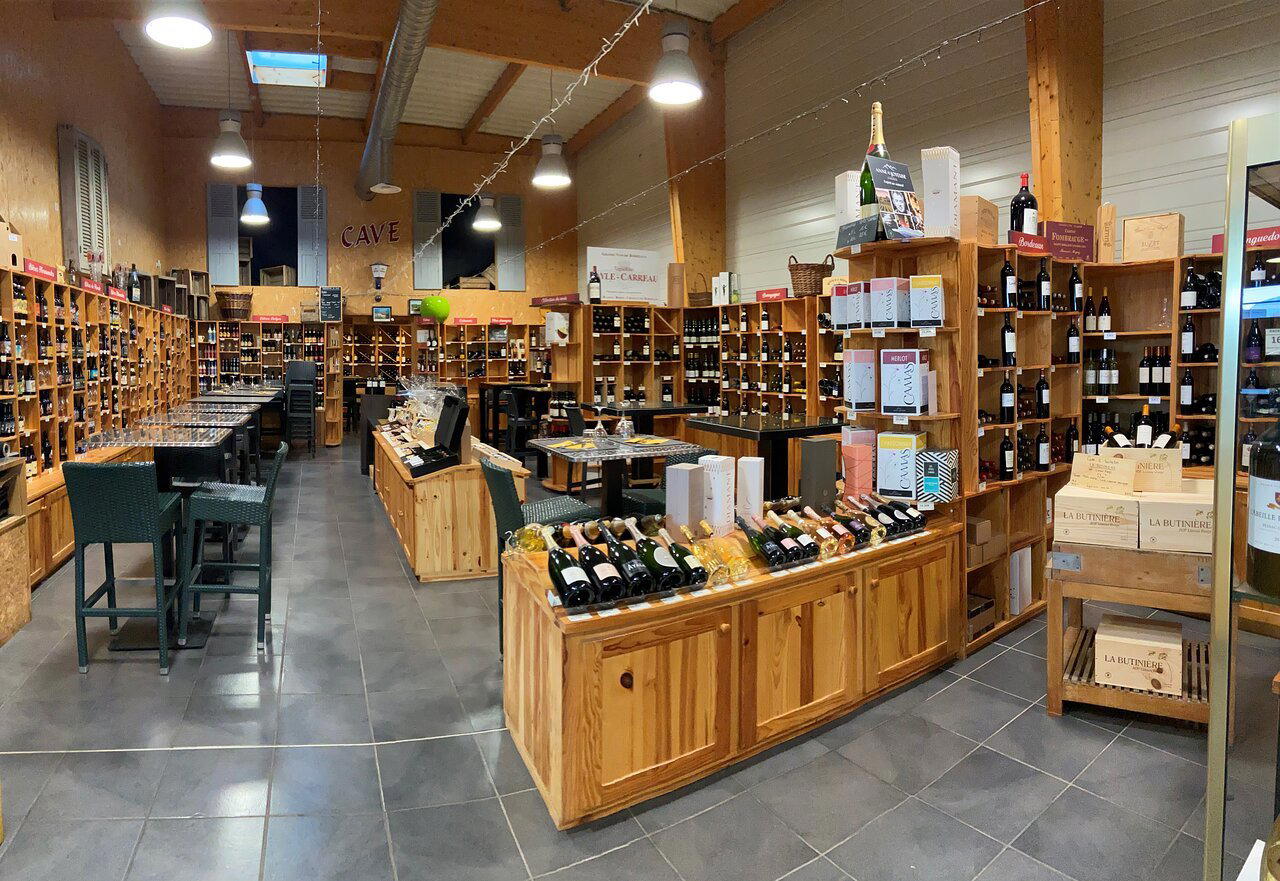
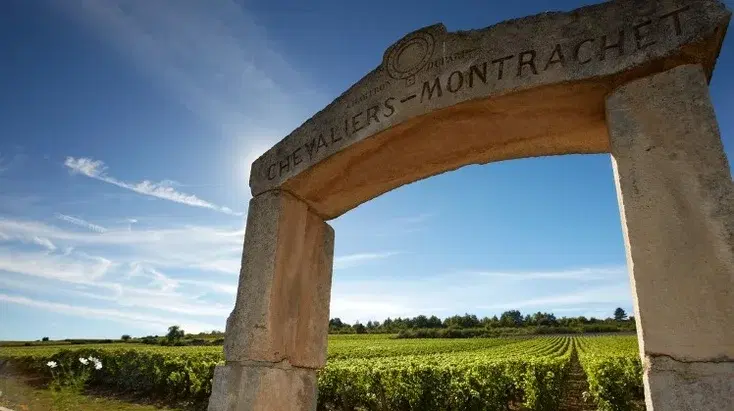
Demigny sits in the quieter southern fringe of the Côte de Beaune, a stretch of Burgundy better known for its premier and grand cru vineyards than for destination dining. The village itself is small enough that a restaurant earning consecutive Michelin Plate recognition in 2024 and 2025 becomes a genuine local reference point rather than one entry among dozens. Cave et Cuisine occupies that position: a traditionally focused kitchen in a region where the surrounding agriculture, cellars, and culinary habits have shaped cooking for centuries.
The address on the Cour du Wauxhall places it within easy reach of the wine route running between Beaune and Chagny, which means guests moving between the Côte de Beaune appellations and the first Maconnais villages pass through the area naturally. For visitors already spending time in Beaune or Chagny, the detour is short; for anyone committed to understanding southern Burgundy as both a wine and a food region, it makes geographic sense. You can find more on the local dining scene in our full Demigny restaurants guide, and if you are planning a longer stay, the Demigny hotels guide covers accommodation options in the area.
Traditional Cooking in a Producing Region
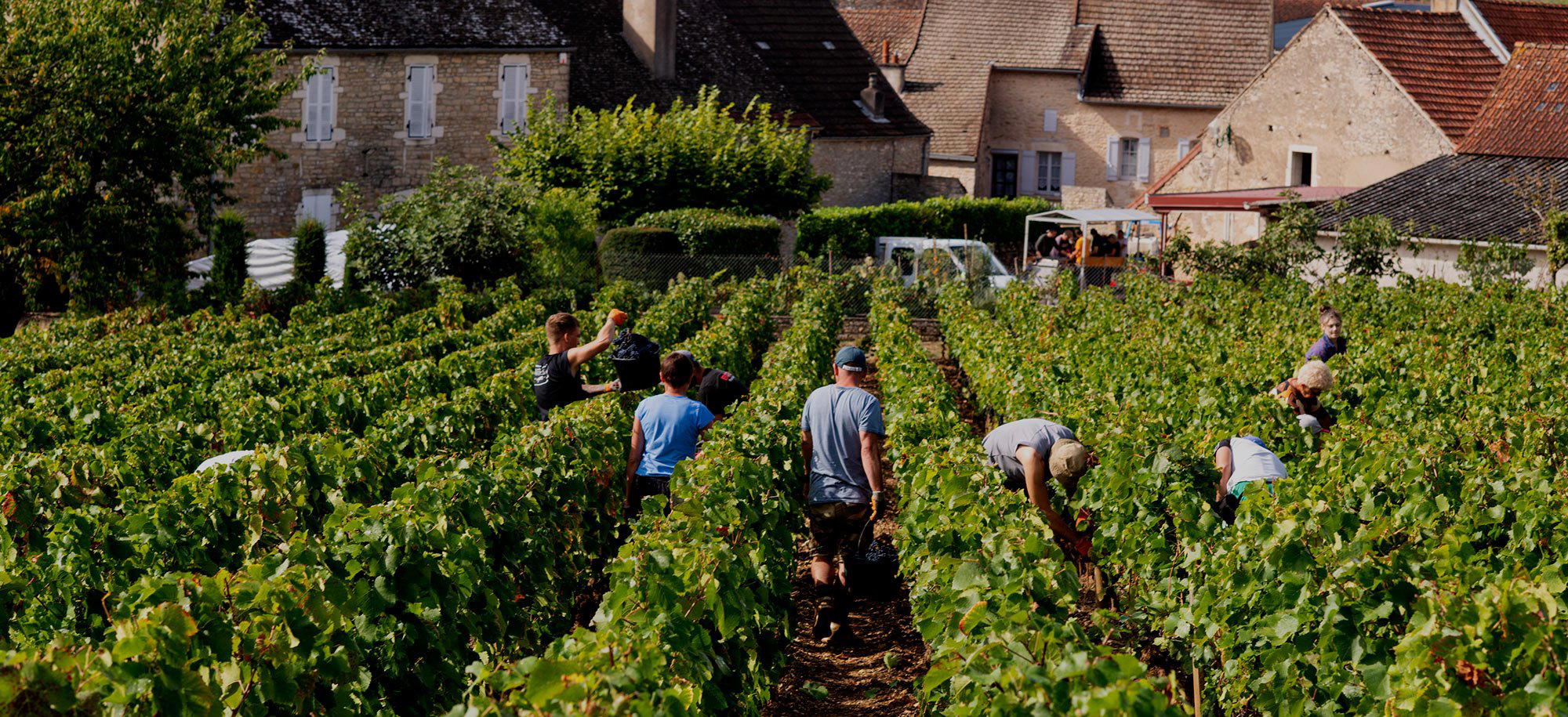
The designation "Traditional Cuisine" carries specific weight in Burgundy. This is not a region where the phrase signals nostalgia or a lack of ambition; it signals alignment with a set of ingredients and techniques that the surrounding territory has refined over generations. Charolais beef from the nearby Saône plain, Bresse poultry from just east of the Côte d'Or, freshwater fish from the Burgundy waterways, and the full spectrum of seasonal garden produce that defines French provincial cooking at its most disciplined: these are the raw materials that traditional kitchens in this zone draw from, and they are materials that justify serious attention in their own right.
That sourcing context matters when thinking about what separates a Michelin Plate recognition from mere adequacy. The Plate designation, awarded by the same inspectors who assign stars, signals cooking that is prepared to a consistent standard using quality ingredients. In a region like southern Burgundy, where the produce itself is of documented quality, a kitchen that works with those ingredients honestly and without overcomplication can reach a standard that earns notice without requiring the architectural plating or tasting-menu format that characterises the starred tier. Compare this to the far end of the French dining spectrum, where Alléno Paris au Pavillon Ledoyen or Mirazur in Menton operate at the creative frontier with three-star ambition and price points to match. Cave et Cuisine sits in a different and equally legitimate tier.
What the Price Point Signals
At the €€ price tier, Cave et Cuisine positions itself as a working restaurant rather than an event. That distinction matters in Burgundy, where the high-end dining circuit around Beaune can push meal costs to levels that require advance planning and a specific kind of intention. A mid-range address with Michelin Plate consistency answers a different question: where can someone eat well, without ceremony, in a region that makes exceptional food and wine available at every level of the market?
For context, the broader French traditional cuisine category contains addresses across a wide price and ambition range. Auberge Grand'Maison in Mûr-de-Bretagne operates in a comparable traditional register in Brittany, while Auberge du Vieux Puits in Fontjoncouse shows how far the traditional French model can reach in a rural, produce-driven context. Cave et Cuisine belongs to this wider tradition of French regional kitchens that earn recognition not through conceptual novelty but through consistent, place-specific cooking.
Consecutive Recognition and What It Implies
Receiving the Michelin Plate in both 2024 and 2025 is not a minor point. A single year of recognition can reflect a strong moment; two consecutive years indicate a kitchen operating at a reliable standard that inspectors have returned to assess and confirmed. In small-village contexts, where staffing and consistency present real operational challenges, sustained recognition carries more weight than it might in a larger city with a deeper pool of trained cooks. Addresses like Bras in Laguiole demonstrate what long-term commitment to a rural French location can produce at the highest level; Cave et Cuisine occupies a different tier but demonstrates the same underlying logic: that consistent, place-rooted cooking in a small town can hold the attention of serious inspectors over time.
Guests are not arriving by accident.
Burgundy Beyond the Cellar
Wine is the primary lens through which most visitors approach this part of France, and the proximity to Burgundy's most storied appellations is not incidental to understanding Cave et Cuisine. Traditional Burgundian cooking was built to accompany wine, not to compete with it: preparations that let a glass of village Bourgogne or a Côte de Beaune premier cru speak rather than fight for attention. The cave element in the name points directly at this relationship between kitchen and cellar, which is as central to southern Burgundy's food culture as it is to any formal restaurant proposition in the region.
For those building a broader itinerary around the area, the Demigny wineries guide covers the local wine options, and the Demigny bars guide and experiences guide map what else the village and its surroundings offer. Wider Burgundy dining benchmarks can be found through addresses like Paul Bocuse at L'Auberge du Pont de Collonges, Troisgros in Ouches, or Flocons de Sel in Megève for a sense of where French regional cooking reaches at the starred level. Further afield, Auberge de l'Ill in Illhaeusern, Au Crocodile in Strasbourg, Assiette Champenoise in Reims, AM par Alexandre Mazzia in Marseille, and Auga in Gijón represent the range of serious regional cooking across France and northern Spain.
Planning Your Visit
Cave et Cuisine is at 1 Cour du Wauxhall, 71150 Demigny. The €€ price tier makes it accessible for a lunch or dinner without the booking lead time that starred addresses in Beaune typically require, though in a small kitchen in a small village, calling ahead remains prudent, particularly in summer when the Burgundy wine tourism season peaks. The venue does not publish hours or booking details online through major platforms, so direct contact via the address is the practical approach for confirmation.
Frequently asked questions
What should I budget for a meal at Cave et Cuisine?
Pricing at Cave et Cuisine is listed as €€.
Quick Comparison
| Venue | Cuisine | Price | Awards | Notes |
|---|---|---|---|---|
| Cave et CuisineThis venue (the venue you are viewing) | Burgundian Wine Bistro | $20–30 | Michelin Plate | Not listed |
| Alléno Paris au Pavillon Ledoyen | Modern French Fine Dining | $150–200 | 3 Michelin Stars · World's 50 Best #79 | Creative |
| Kei | Contemporary French, Modern Cuisine | Not listed | Michelin 3 Star | Not listed |
| L'Ambroisie | Classic French Haute Cuisine | $300–500 | 2 Michelin Stars · World's 50 Best #23 | French, Classic Cuisine |
| Le Cinq - Four Seasons Hôtel George V | Modern French Fine Dining | $300–500 | 3 Michelin Stars · World's 50 Best #24 | French, Modern Cuisine |
| Plénitude | Modern French Sauce-Led Fine Dining | $300–500 | 3 Michelin Stars · World's 50 Best #14 | Contemporary French |
Recognition history
Dated appearances from independent guides and award organizations, with the underlying list record or original source where available.
Michelin Plate
Michelin
Full recognition history (2 entries)
Michelin Plate
Michelin
Continue exploring
More in Demigny
Restaurants in Demigny
All restaurants in Demigny →
Bars in Demigny
Browse all →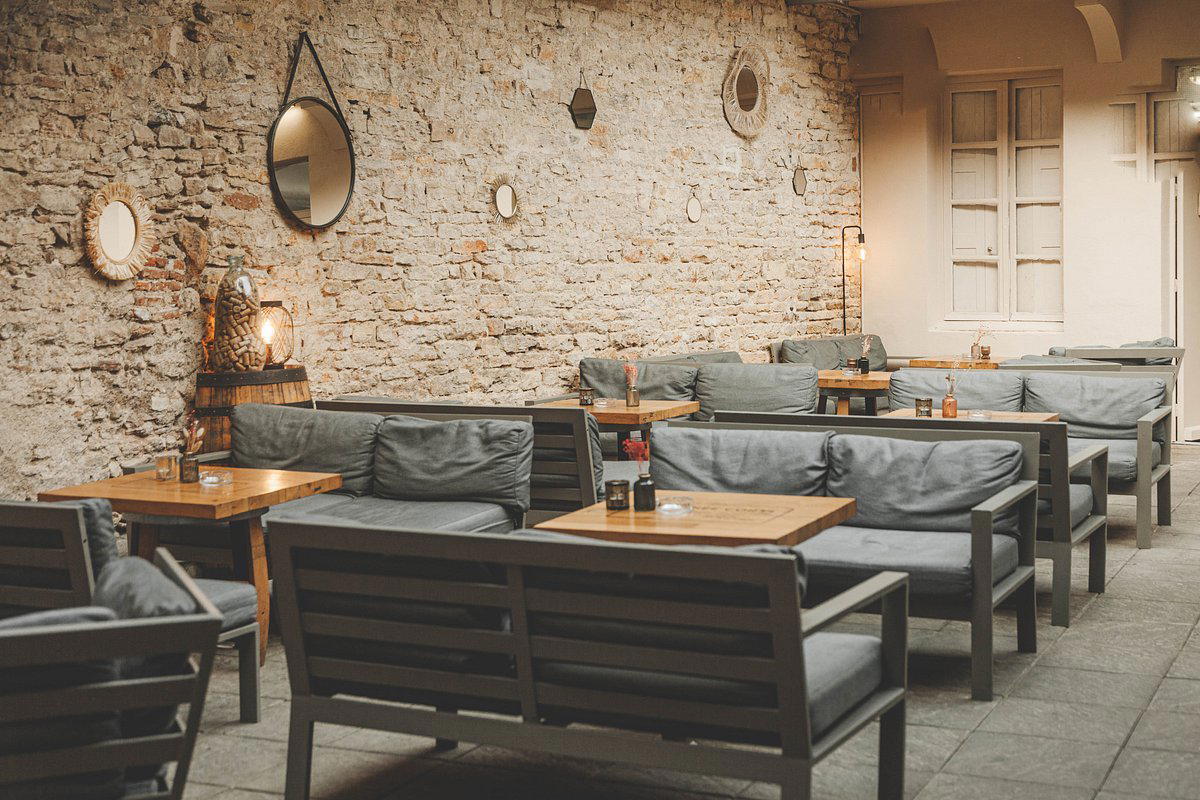
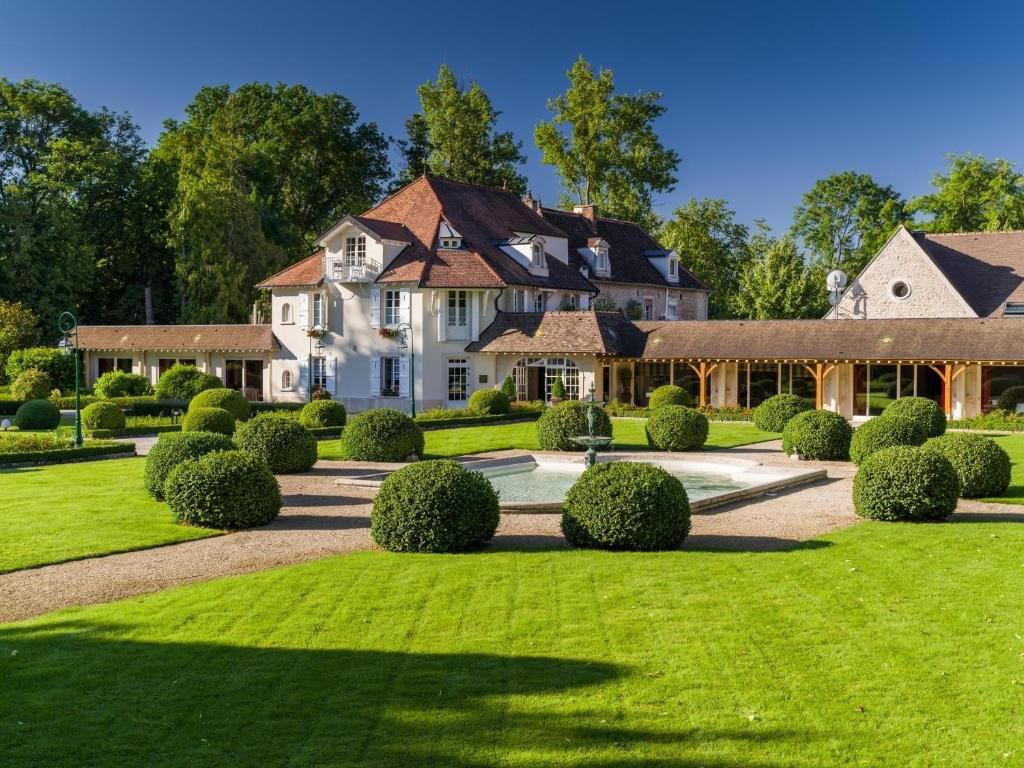
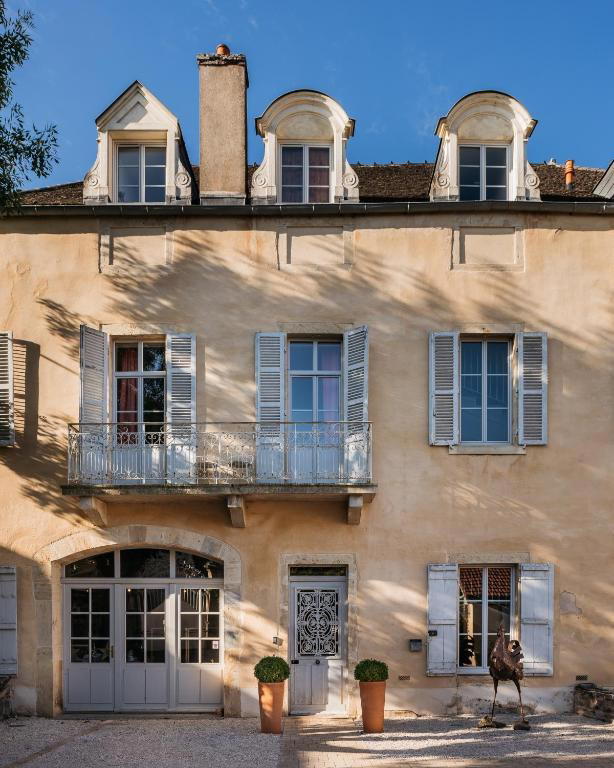
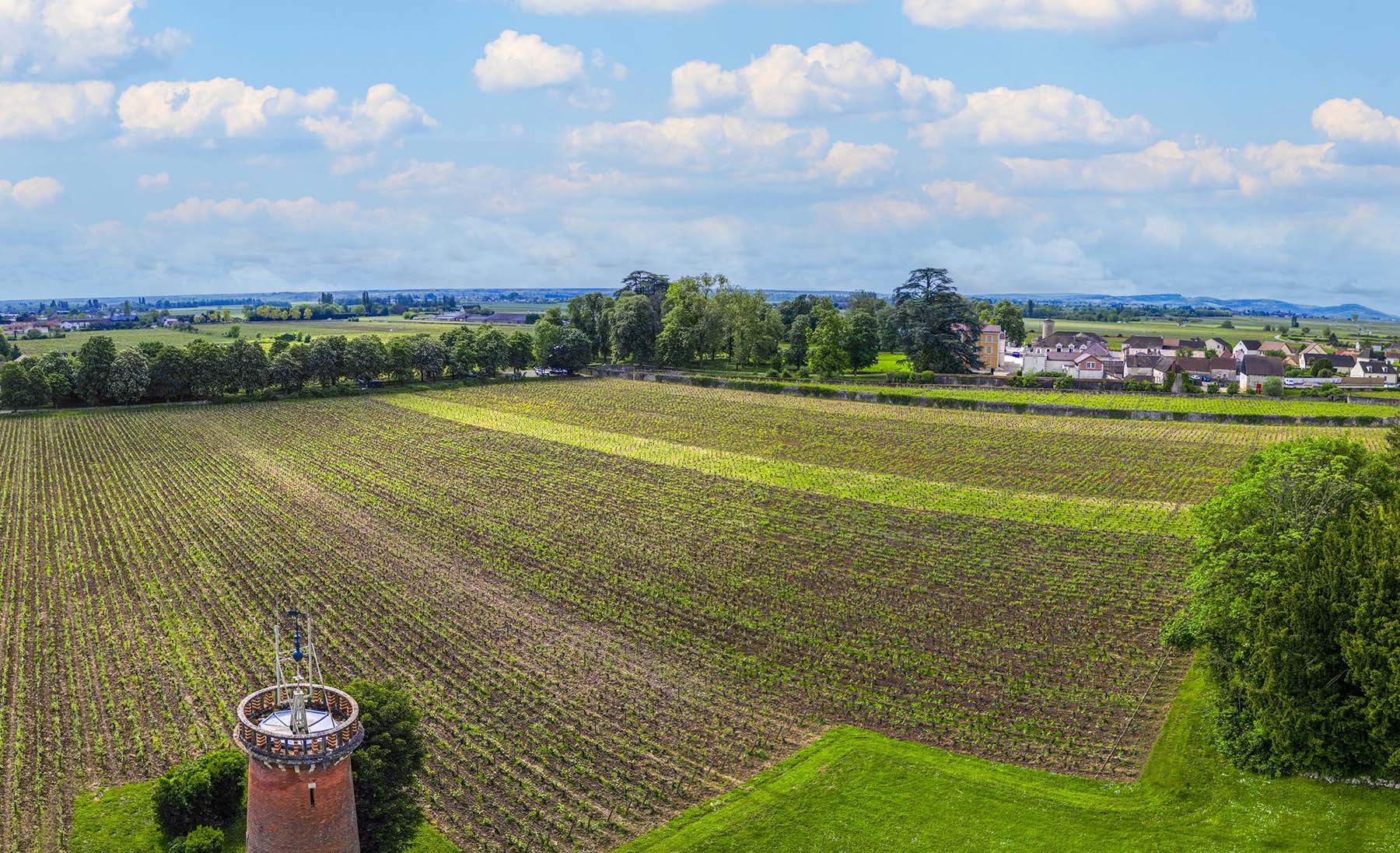
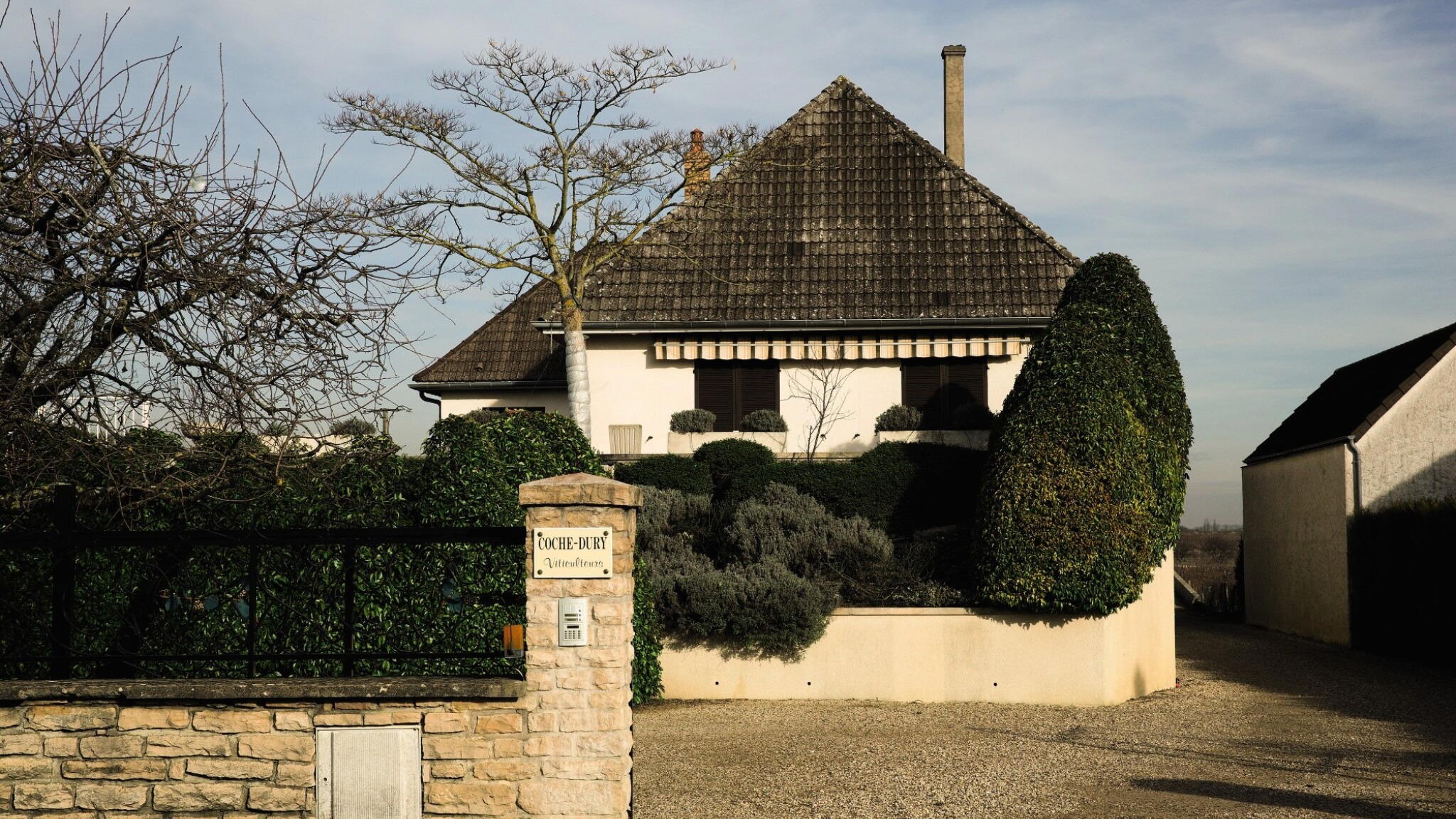
Cave et Cuisine
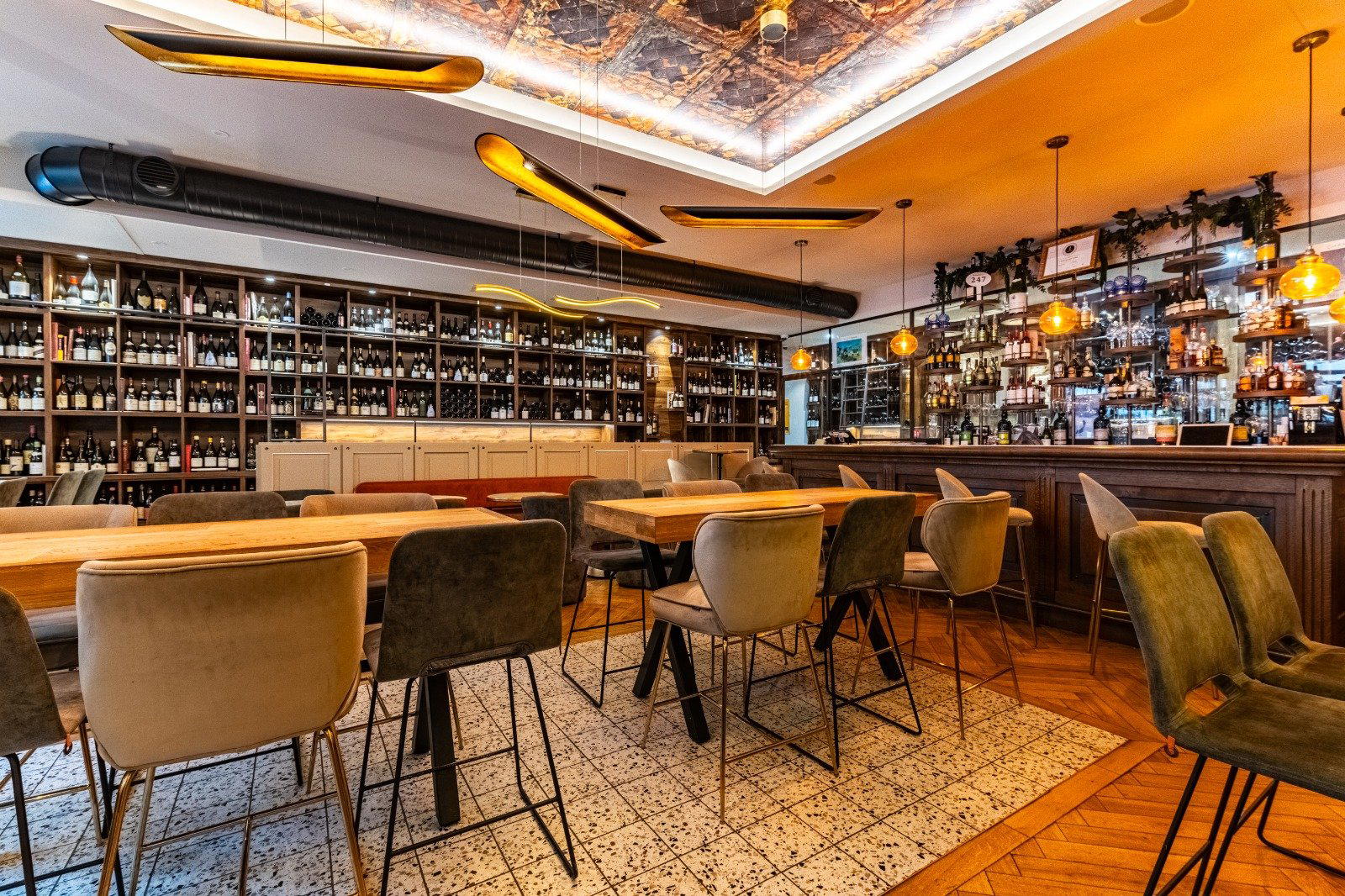
The wine
- Wine program
- Deep wine list
- Extensive wine list
Details
- Cozy
- Rustic
- Intimate
- Date Night
- Casual Hangout
- Wine Cellar
- Extensive Wine List
- Local Sourcing
- A La Carte
- Wine
Current opening hours
- Monday
- Closed
- Tuesday
- Closed
- Wednesday
- Closed
- Thursday
- 12–1 PM, 7–8:30 PM
- Friday
- 12–1 PM, 7–8:30 PM
- Saturday
- 12–1 PM, 7–8:30 PM
- Sunday
- 12–1 PM
Hours can change for holidays and private events. Hours as of .
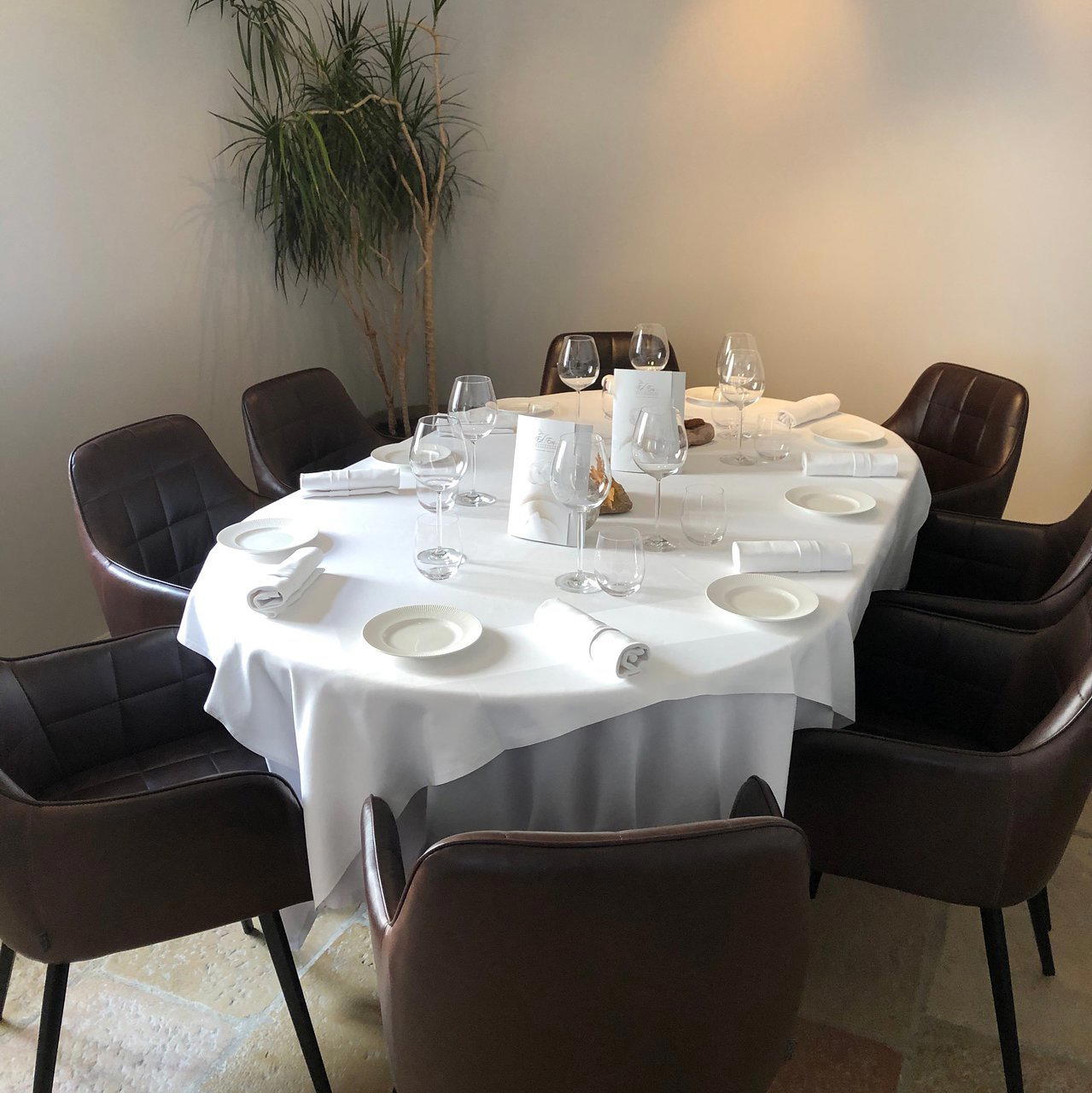
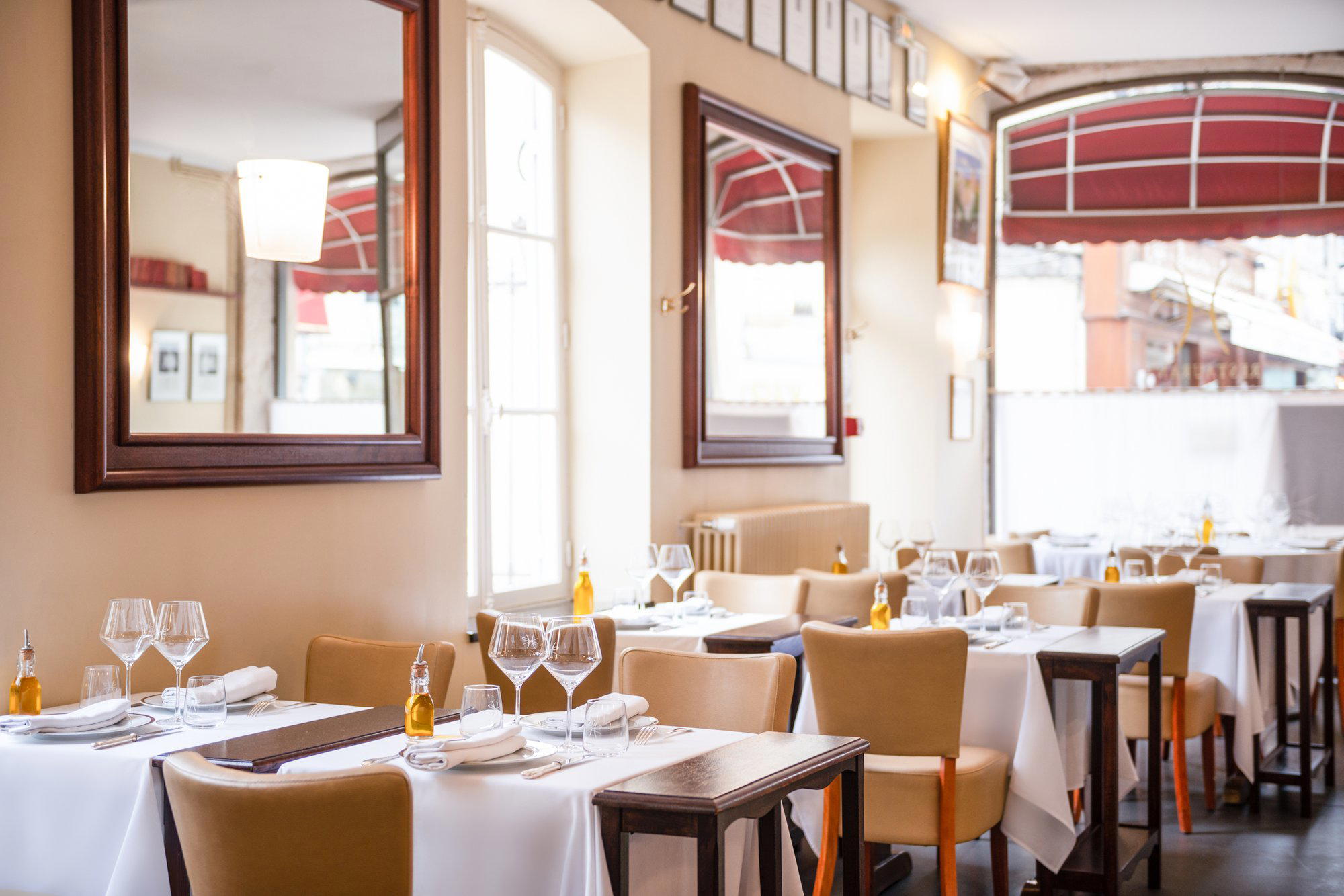
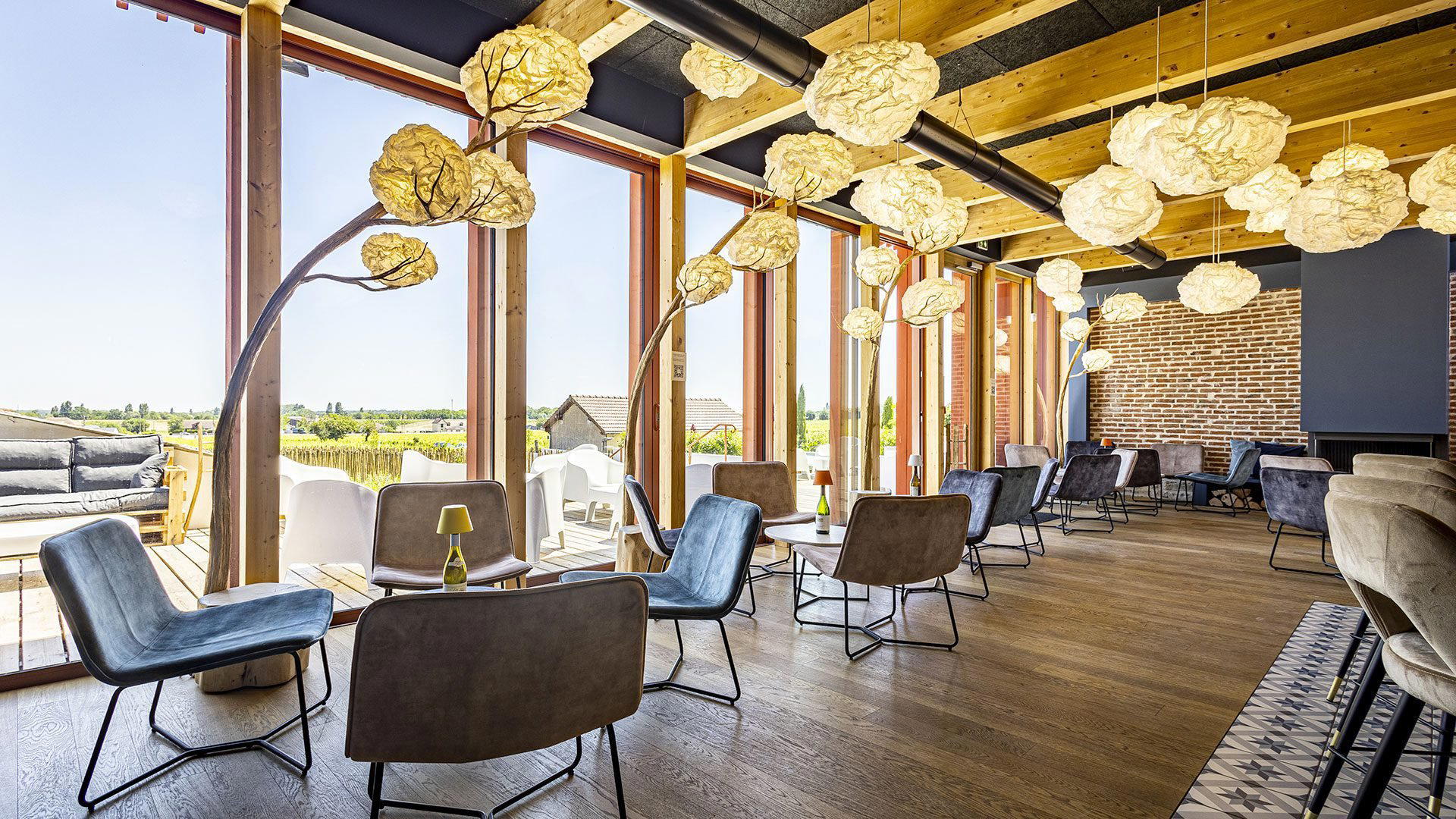
Convivial, warm, and cozy atmosphere ideal for sharing good times over wine and generous regional dishes.