Casimiro
Casimiro brings a Mexico City daytime sensibility to New Orleans, focusing on the breakfast and lunch traditions that define the capital's morning culture. The format sits at the intersection of two cities with deep sauce traditions, where mole complexity and Creole layering share more than most diners expect. A focused daytime operation in a city that rarely slows down before noon.
Pearl is the En Primeur Club membership app — saves, bookings, and concierge access live there. Same editors, same standards.
- Address
- 800 Louisa St, New Orleans, LA 70117
- Website
- instagram.com
- Directions
- Get directions
 Saves & bookings on Pearl
New Orleans mornings have their own grammar. The city that invented the jazz brunch and turned the second-line parade into a civic institution has always understood that the hours before noon deserve as much attention as anything that happens after dark. Casimiro is a restaurant in New Orleans serving casual Mexican breakfast and lunch at 800 Louisa St. Casimiro occupies that gap, placing a Mexico City-style breakfast and lunch program inside a city that already knows something about the patience required to make a great sauce.
Two Sauce Cities, One Table
The deeper you go into Mexican cooking, the more it resembles the French-Creole tradition that shaped New Orleans. Both rest on long, technically demanding sauce work. Both draw from Indigenous, European, and African-diasporic sources. And both resist shortcuts in ways that separate the serious from the serviceable. Mexico City's morning culture is built around this: café de olla, enfrijoladas, chilaquiles dressed with salsas that started with dried chiles toasted the night before. That is the register Casimiro works in, and in a city accustomed to roux that takes forty minutes of constant attention, the audience is well-prepared to appreciate it.
The Mole Question
Any serious Mexico City-style operation in the United States faces the mole question: how close do you get to the original, and what do you do with the constraints of supply chain, climate, and audience? Traditional mole negro from Oaxaca can contain more than thirty ingredients, including multiple varieties of dried chile, Mexican chocolate, charred tortilla, plantain, and spices that arrive in this country with variable quality and freshness. Mole poblano, the version most familiar to American diners, is itself a simplification of an older, more complex sauce tradition. Getting any of it right outside its home geography requires sourcing discipline and technique that most kitchens do not prioritize.
Mexico City's breakfast culture does not always lead with particularly elaborate moles. Chilaquiles are typically dressed with a salsa roja or verde, brighter and faster than a full mole negro. But the underlying logic is the same: dried chiles are toasted to develop their Maillard compounds, then rehydrated, blended, and fried in lard or oil before liquid is added. That frying step, which Mexican cooks call the sofrito stage of a mole or salsa, is what separates a sauce with depth from one that merely has heat. When that process is respected, a simple salsa roja becomes something a diner returns for.
In cities like New York, San Francisco, and Chicago, the ambition level across all cuisine categories has forced even daytime operators to tighten their technique. The same pressure is arriving in New Orleans, where destinations like Napa, Los Angeles, and New York set the benchmark for what a focused, cuisine-specific program can achieve.
The Daytime Format and What It Demands
A breakfast and lunch-only operation is a particular kind of commitment. It requires prep work that starts before most diners are awake, a tight service window that tolerates no wasted motion, and a menu that delivers satisfying, composed plates without the evening's slower pace and higher check averages. Mexico City does this at scale, across every price tier, in a way that American cities have generally not replicated. The chilaquiles served at a corner comedor in Roma Norte are not an inferior version of a dinner dish: they are the dish, built for that moment of day, with technique and ingredient quality matched to that format.
New Orleans has the appetite for this. The city's brunch culture is documented, deeply embedded, and willing to wait in line. What it has not had is a daytime Mexican operation that treats the morning meal with the same seriousness that the city's Creole and Cajun kitchens bring to their own traditions. Elsewhere in the world, the pairing of regional specificity with technical discipline has produced particularly compelling dining experiences available. The same logic applies here, in a smaller key, over eggs and chile-spiked salsas before noon.
Planning Your Visit
Casimiro operates on a daytime schedule, which in New Orleans means it sits outside the city's dominant after-dark rhythm. That is, in practical terms, an advantage for visitors who want to eat well without competing for dinner reservations at the city's busiest addresses. The French Quarter and surrounding neighborhoods run at a different pace before two in the afternoon, and a focused breakfast or lunch here sets a strong foundation for whatever the evening holds.
What It’s Closest To
Comparable venues nearby, for context on price, style, and recognition.
| Venue | Cuisine | Price | Notes |
|---|---|---|---|
| CasimiroThis venue — the venue you are viewing | Casual Mexican Breakfast | $$ | Not listed |
| The Velvet Cactus | Mexican | $$ | Lakeview |
| Felipe's Taqueria | Mexican Taqueria | $$ | French Quarter |
| Felipe's Mexican Taqueria | Authentic Mexican Taqueria | $$ | French Quarter |
| Taqueria Corona | Authentic Mexican Taqueria | $$ | Audubon |
| Lost Coyote | Modern American with New Orleans influences | $$ | Esplanade Ridge |
Continue exploring
More in New Orleans
Restaurants in New Orleans
Browse all →
Bars in New Orleans
Browse all →

At a Glance
- Casual
- Brunch
- Casual Hangout
- Local Sourcing
Current opening hours
- Monday
- 9 AM–3 PM
- Tuesday
- Closed
- Wednesday
- Closed
- Thursday
- 9 AM–3 PM
- Friday
- 9 AM–3 PM
- Saturday
- 9 AM–3 PM
- Sunday
- 9 AM–3 PM
Hours can change for holidays and private events. Last verified .
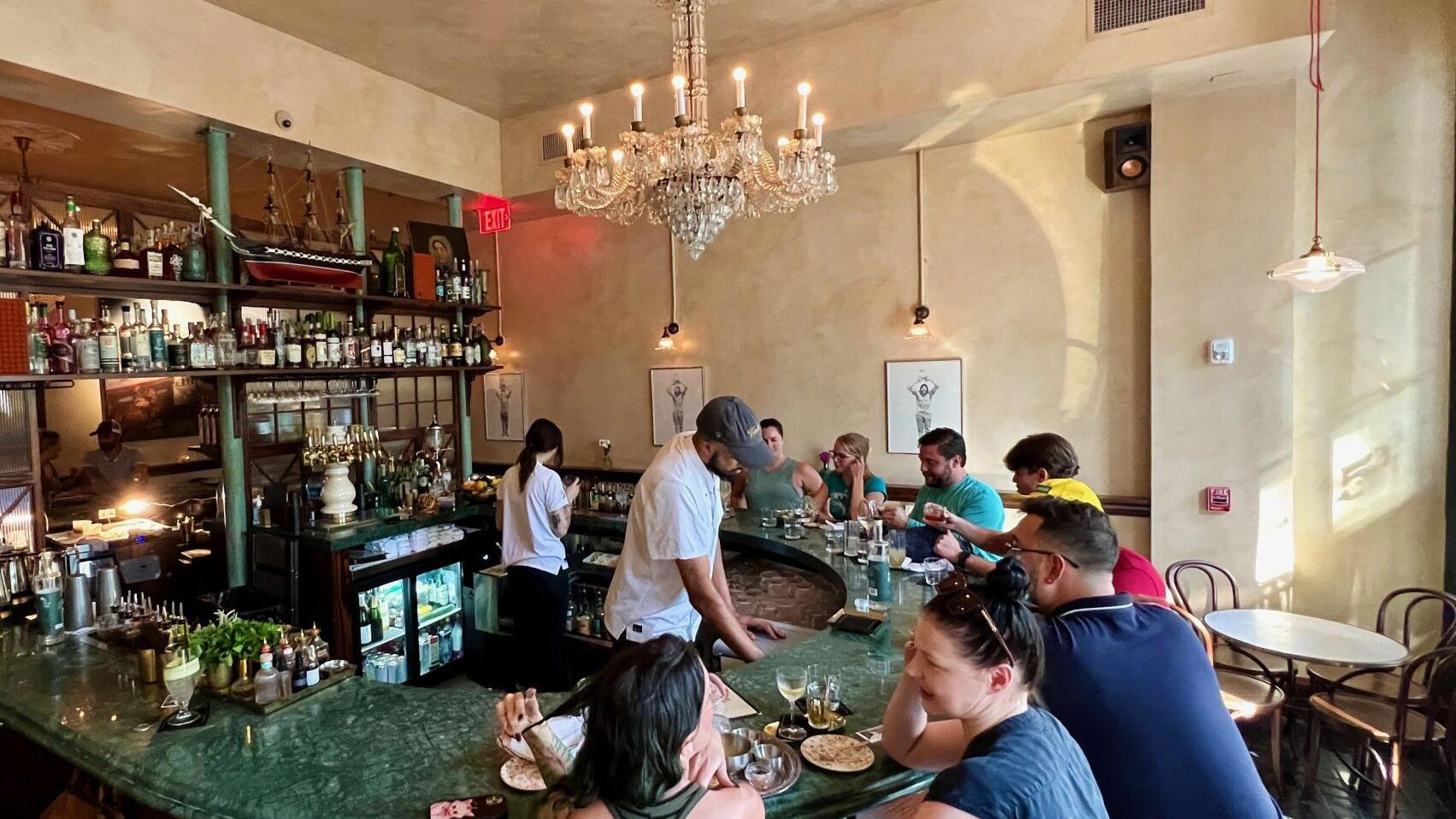
Casual breakfast atmosphere.