On Rosensgade in central Aarhus, Casablanca sits within a city that has quietly built one of Denmark's most serious dining scenes outside Copenhagen. The address places it among the old merchant streets of the Latin Quarter, where the progression from aperitif to final course follows a pace the neighbourhood seems designed to encourage. A considered option for those working through Aarhus table by table.
Pearl is the En Primeur Club membership app — saves, bookings, and concierge access live there. Same editors, same standards.
- Address
- Rosensgade 12, 8000 Aarhus, Denmark
- Phone
- +4586138222
- Website
- cafe-casablanca.dk
- Directions
- Get directions
 Saves & bookings on Pearl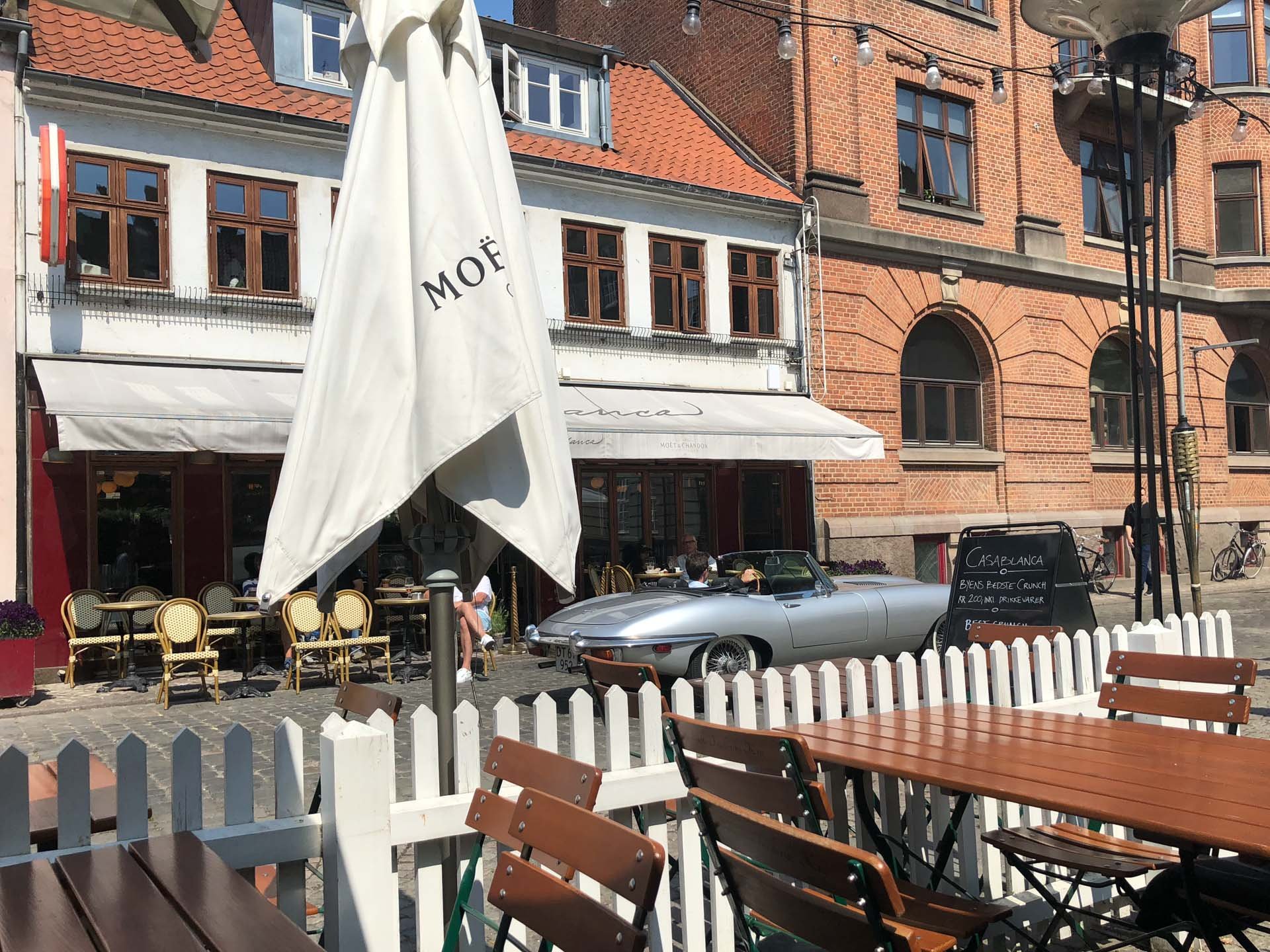
A Street, a Quarter, and the Meal That Unfolds There
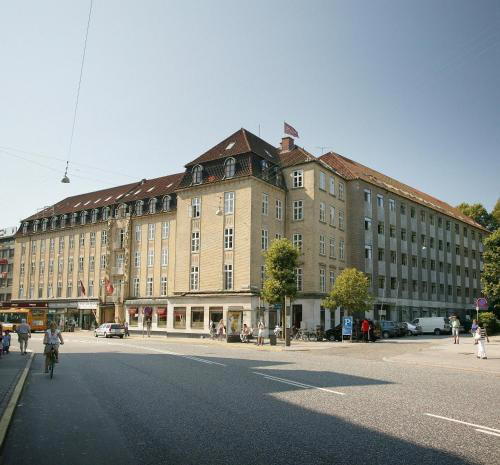
Rosensgade runs through the Latin Quarter, one of Aarhus's oldest surviving street grids, where low-slung buildings and cobbled passages create the kind of density that rewards slow movement. Dining here operates at a different register from the waterfront redevelopments to the south: the emphasis is on rooms you settle into rather than rooms you photograph. Casablanca Aarhus occupies this neighbourhood logic, at number 12 on a street that hosts a concentrated run of independent restaurants and wine-leaning bars. The physical setting does considerable editorial work before any food arrives.
Aarhus itself has earned serious attention as a dining city over the past decade, not as a satellite of Copenhagen's scene but as a node with its own logic. Frederikshøj holds the city's highest Michelin position in the creative register, while Domestic anchors the New Nordic tradition with sourcing discipline that rivals anything in the capital. Gastromé and Substans complete the upper tier of the city's modern cuisine offer. Within that competitive set, Casablanca occupies a position defined by its Latin Quarter address and the dining rhythm that address implies: more neighbourhood anchor than destination showcase.
The Arc of the Meal
In Aarhus's better restaurants, the progression from first course to last tends to follow a structure borrowed from Scandinavian fine dining more broadly: lighter, acid-forward openings that reset the palate, a middle movement built around proteins or fermented elements, and a closing sequence that rarely leans on heavy sugar. This architecture has become so embedded in Danish dining culture that even mid-tier restaurants in the city have absorbed its logic. The interest, for a returning visitor, lies in how individual kitchens inflect that shared grammar.
The tasting progression format, where courses arrive in deliberate sequence rather than from an à la carte selection, has become the dominant mode at Aarhus restaurants operating above the casual tier. Comparable formats at Jordnær in Gentofte or Geranium in Copenhagen demonstrate how the format scales toward the very leading of Danish fine dining; the same structural logic applies at a more accessible register in the Latin Quarter. Internationally, the communal tasting format has been refined at venues like Lazy Bear in San Francisco, where the theatrical element of sequenced service is as deliberate as the cooking itself.
What the format demands of a kitchen is consistency across the full arc. A single strong course is easy; maintaining tension from the first snack through to the final petit four is the actual test. In cities where this format has matured, the weakest moment in a tasting menu is usually the transition from savoury to sweet, where pacing can collapse. Aarhus kitchens that have solved this tend to use cheese or fermented dairy as a bridge rather than a hard break, a technique that has become something of a regional signature.
Positioning Within the Aarhus Tier
The Latin Quarter's restaurant cluster occupies a middle band in Aarhus's dining price structure: above the casual spots around the train station, below the €€€€ tier commanded by Frederikshøj and Gastromé. Restaurants in this band serve a specific function in a city's ecosystem. They are where locals eat regularly rather than ceremonially, where wine lists are chosen for drinking value rather than cellar prestige, and where the kitchen has room to take modest risks without the weight of Michelin expectation. A-Kin Thai nearby demonstrates how well the quarter supports non-Nordic cuisine within the same neighbourhood logic.
Denmark's regional dining scene beyond Copenhagen and Aarhus has produced some of its most interesting work at a distance from urban density: Henne Kirkeby Kro in Henne, Dragsholm Slot Gourmet in Hørve, and Tri in Agger all suggest that the country's most considered cooking often happens away from the restaurant clusters that attract international attention. Rosensgade sits within a cluster, which brings footfall and visibility but also the pressure of proximity. In that environment, the restaurants that survive long-term tend to be those with a clear identity rather than those trying to mirror what the fine-dining tier is doing at half the price.
The Danish Dining Context
Sequenced, produce-led dining has been Denmark's export to the global restaurant conversation for twenty years, from the early Noma years through to the current generation of New Nordic alumni who have opened across Scandinavia and beyond. What is less discussed internationally is how that philosophy filtered down into everyday restaurant culture: the insistence on seasonal sourcing, the preference for fermented and preserved elements, the restraint with dairy and sweetness that distinguishes Danish cooking from, say, French bistro culture. Frederiksminde in Præstø, LYST in Vejle, Ti Trin Ned in Fredericia, Pearl by Paul Proffitt in Kruså, and Syttende in Sønderborg all show how this sensibility has spread to smaller Danish cities and towns, operating at different price points but sharing the same underlying grammar. Casablanca, in Aarhus's Latin Quarter, belongs to this broader diffusion of a culinary approach that no longer requires a Copenhagen postcode to feel authentic.
The comparison with technically refined international seafood cooking, such as the precision documented at Le Bernardin in New York City, illustrates how different the Danish register is: where French fine dining maximises technique and richness, the Scandinavian tradition tends toward extraction and restraint, using less fat, more acid, and shorter cooking times to preserve texture. A visitor arriving from a French fine-dining background will notice the difference in the opening courses particularly, where the flavour intensity tends to build slowly rather than arriving fully stated.
Planning Your Visit
Rosensgade 12 is within easy walking distance of Aarhus's main train station and the central bus network, making the Latin Quarter one of the more accessible dining destinations in the city without requiring a taxi. The quarter's concentration of restaurants means that if you are building a multi-day Aarhus itinerary, a meal here pairs logically with evening drinks at nearby wine bars rather than requiring a separate journey. For those planning around Aarhus's broader dining scene, the full Aarhus restaurants guide covers the complete range from the Michelin tier down to the neighbourhood level. Specific booking details, current hours, and pricing for Casablanca are best confirmed directly with the venue, as these change seasonally and the most current information will sit with the restaurant rather than with third-party listings.
How Casablanca Aarhus compares with similar nearby venues.
| Venue | Cuisine | Price |
|---|---|---|
| Domestic | New Nordic, Modern Cuisine | €€€ |
| La Cabra Coffee Roasters | Coffee Shop | Not listed |
Continue exploring
More in Aarhus
Restaurants in Aarhus
Browse all →
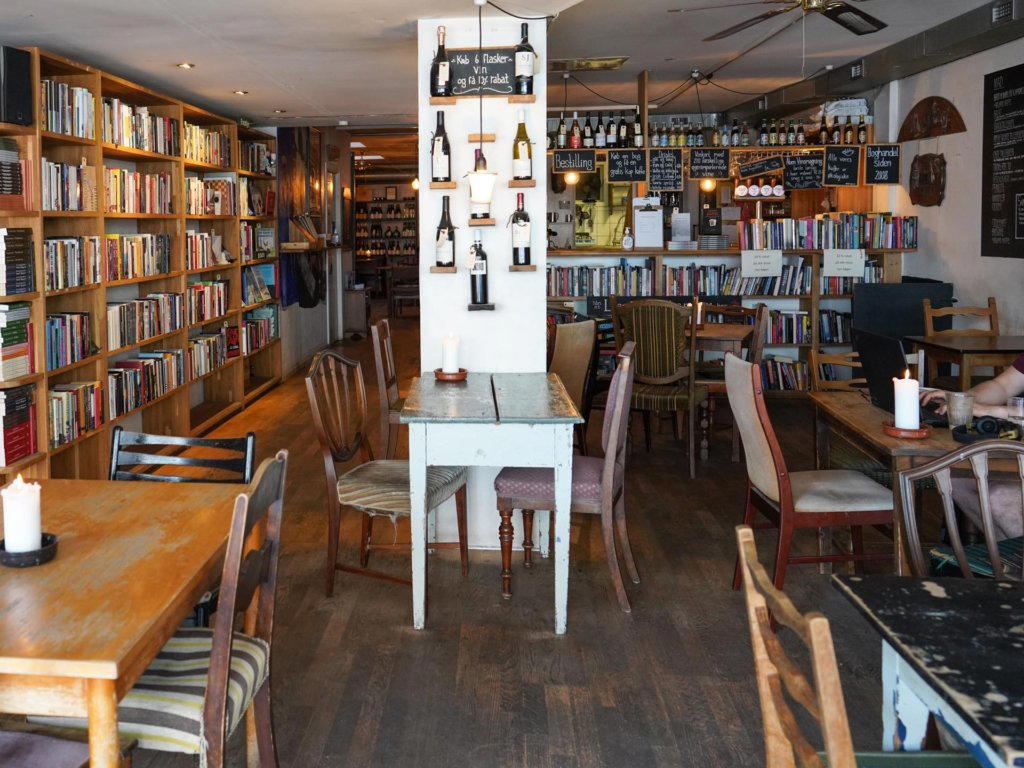
Bars in Aarhus
Browse all →
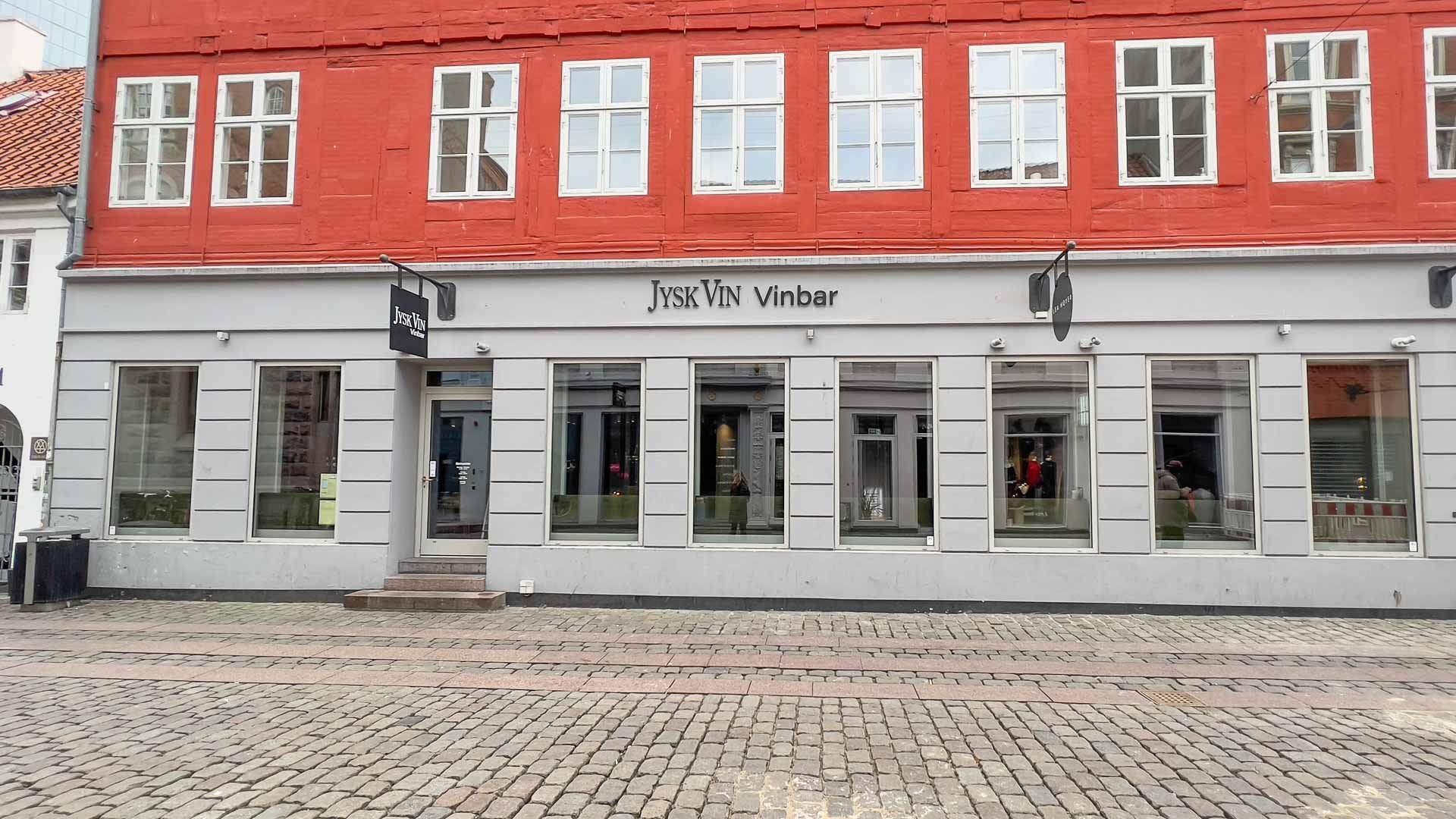
Hotels in Aarhus
Browse all →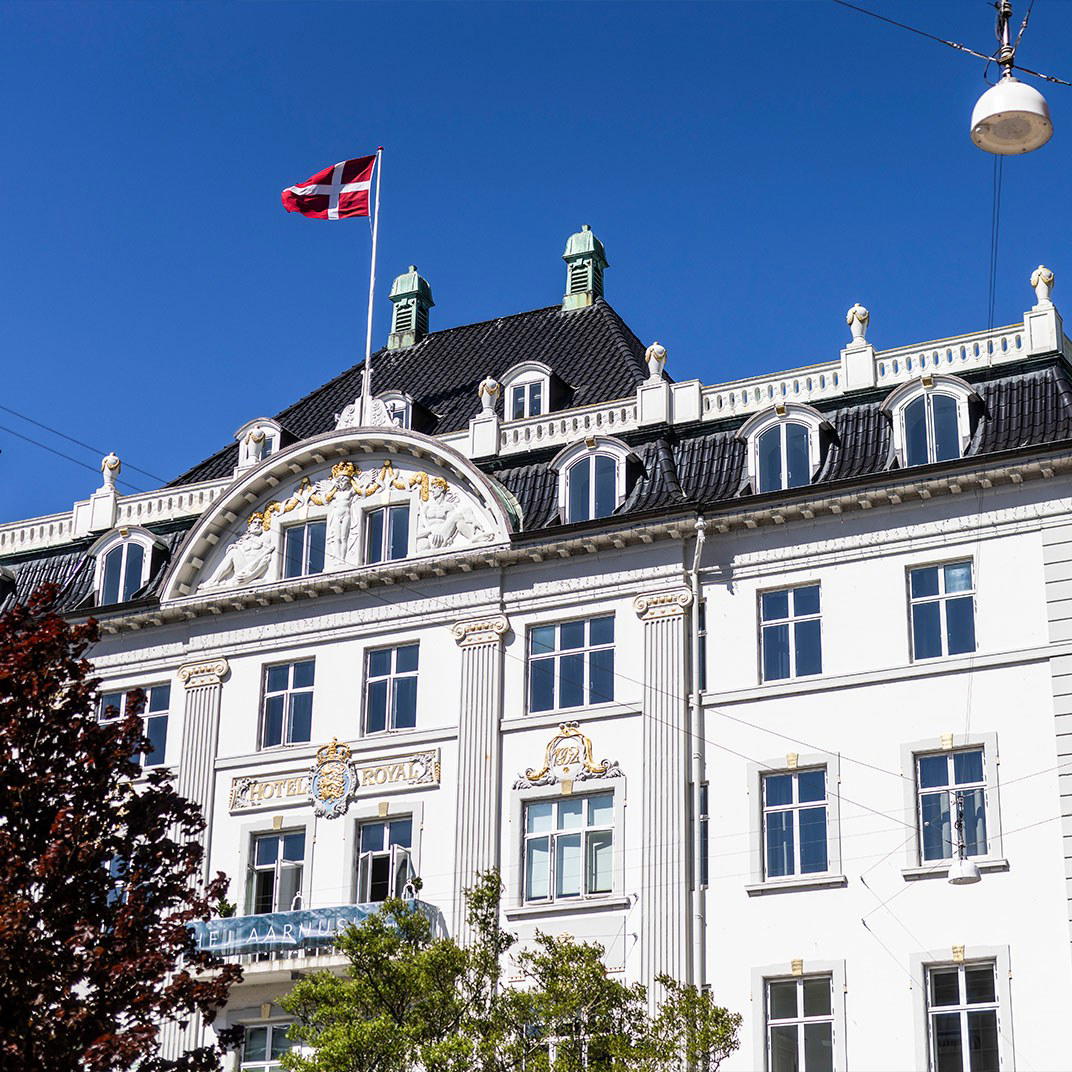
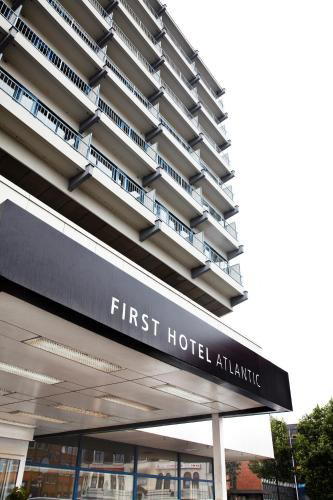
Wineries in Aarhus
Browse all →
At a Glance
- Cozy
- Romantic
- Intimate
- Date Night
- Brunch
- Casual Hangout
- Open Kitchen
- Craft Cocktails
- Local Sourcing
Current opening hours
- Monday
- 8:30 AM–10 PM
- Tuesday
- 8:30 AM–10 PM
- Wednesday
- 8:30 AM–10 PM
- Thursday
- 8:30 AM–10 PM
- Friday
- 8:30 AM–12 AM
- Saturday
- 9 AM–12 AM
- Sunday
- 9 AM–3 PM
Hours can change for holidays and private events. Last verified .
Warm candlelit atmosphere by evening with a relaxed cozy vibe during the day.
Know Before You Go
- Getting there
- Rosensgade 12, 8000 Aarhus, Denmark