Casa Zottis - Vinhos e Uvas
Our verdict
Casa Zottis - Vinhos e Uvas sits along the RS-444 corridor in Bento Gonçalves, at the heart of Brazil's most concentrated wine-producing region. The name says it plainly: wine and grapes are the organizing principle here, placing it within a category of estate-adjacent dining experiences that the Serra Gaúcha has quietly been building for years. For anyone moving through the region's wine route, it warrants a deliberate stop rather than a passing glance.

Pearl is the En Primeur Club membership app, where members save venues, book tables and use the concierge.
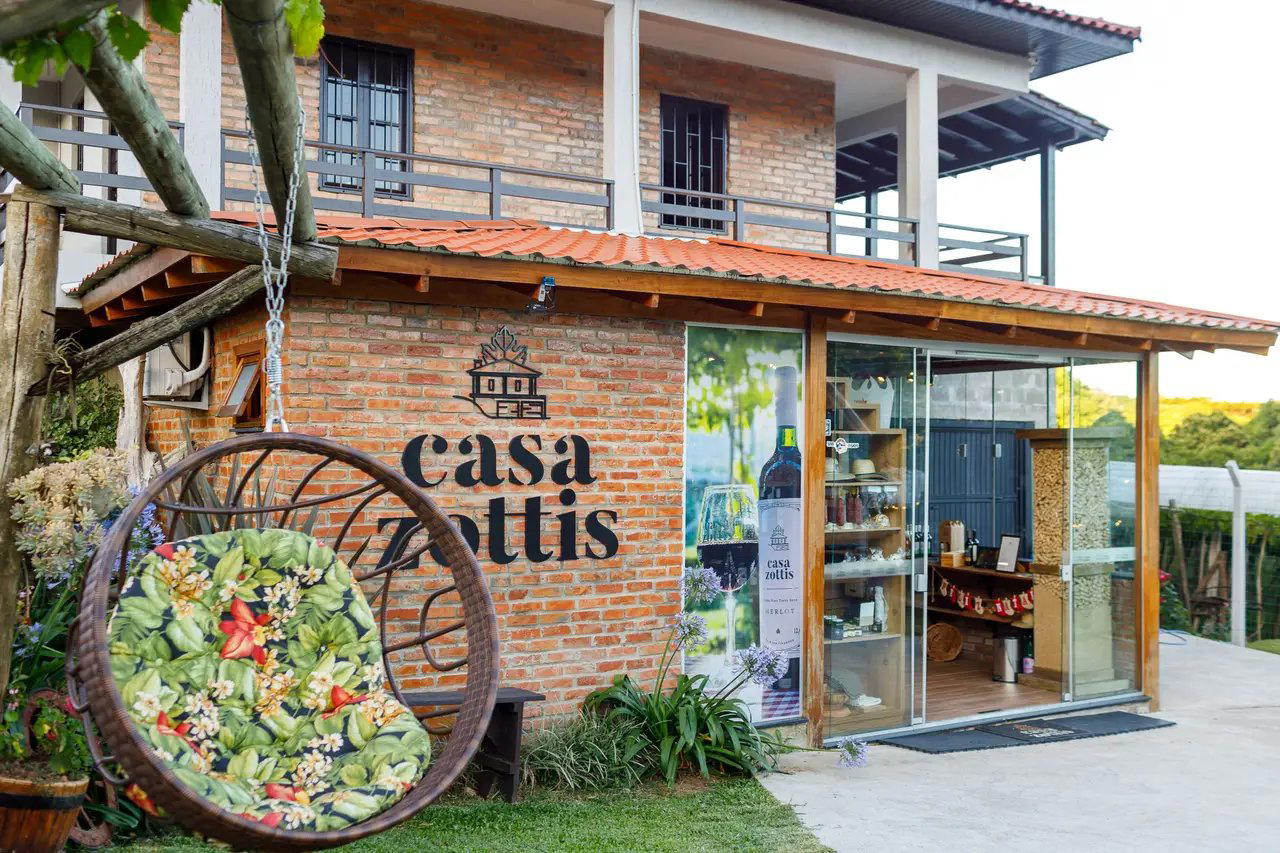
Where the Vine Meets the Table: The RS-444 Wine Route and What It Produces
The road that runs through Bento Gonçalves, the RS-444, kilometre by kilometre lined with grape-growing operations, cooperative cellars, and family-run estates, is one of the more instructive drives in South American wine country. What it has generated over the past two decades is not just a tourism corridor but a particular kind of dining culture: one where the sourcing question is answered by geography before it even reaches the kitchen. Casa Zottis - Vinhos e Uvas sits at kilometre 23.5 of that road, and the address itself encodes the editorial premise of the place. Wine and grapes, as the name states directly, are the frame through which everything else here is understood.
That framing matters more than it might initially appear. The Serra Gaúcha, the highland region of Rio Grande do Sul that contains Bento Gonçalves, accounts for roughly 90 percent of Brazil's commercially produced wine. The vine density here, combined with the region's Italian immigrant inheritance (most producers trace their lineage to families who arrived from the Veneto and Trentino in the late nineteenth century), has created a food culture with a tighter relationship between what grows and what gets served than you find almost anywhere else in the country. Restaurants that work within that tradition are not making a philosophical statement about provenance; they are simply operating within the logic of where they are.
The RS-444 Dining Category: What This Kind of Venue Actually Is
To understand Casa Zottis in context, it helps to map the type of operation it represents within the regional dining structure. The Serra Gaúcha has several overlapping categories: full-production wineries with visitor experiences attached, standalone restaurants that reference the wine route without deep agricultural ties, and hybrid venues where wine, grape-based products, and food exist in close, sometimes inseparable relationship. The name Vinhos e Uvas, wines and grapes, places Casa Zottis closer to the third category, suggesting a program built around the agricultural cycle rather than simply a wine list paired to a kitchen.
This is a meaningfully different positioning than what you find at, say, Pizza Entre Vinhos, another Bento Gonçalves venue where wine functions as accompaniment to a defined food format. Here, the grape appears to be a more central structural element. Across Brazil's broader restaurant scene, from Oteque in Rio de Janeiro to D.O.M. in São Paulo, the provenance conversation tends to be articulated through technique and narrative. In the Serra Gaúcha, provenance is simply the immediate physical fact of the surrounding hillsides.
Ingredient Logic in a Grape-Growing Region
The editorial angle of ingredient sourcing deserves some specificity in the Serra Gaúcha context, because the regional supply structure is genuinely unusual by Brazilian standards. Most of the country's dining culture contends with long supply chains, seasonal volatility, and the logistics of moving product across a continental landmass. The restaurants of Bento Gonçalves operate within a compressed geography: the same families who grow Merlot, Isabel, and Moscato Giallo on terraced plots above the valley floor have been processing grapes, making grapeseed oil, producing grape-based spirits, and preserving fruit within the same agricultural operations for generations.
That agricultural density creates a sourcing context that venues along the RS-444 can draw from without the kind of formal farm-to-table apparatus that restaurants in other cities construct as a selling point. What in São Paulo or Rio de Janeiro requires deliberate procurement relationships and often considerable expense is, in this valley, the path of least resistance. For a venue called Vinhos e Uvas, that supply environment is not background, it is the operational premise. The comparison is instructive: when Birosca S2 in Belo Horizonte or Manu in Curitiba roots a menu in regional ingredients, that decision involves active supply chain construction. Here, the ingredients are already on the hillside.
This is also what distinguishes the Serra Gaúcha experience from wine-adjacent dining in other Brazilian contexts. Orixás in Itacaré or Manga in Salvador work with regional ingredients that reflect coastal, Afro-Brazilian, and Amazonian food traditions. The Serra Gaúcha operates from a European agricultural transplant that has been adapting to subtropical highland conditions for more than a century, producing a hybrid ingredient culture with few direct analogies elsewhere in the country.
Planning a Visit Along the Wine Route
Bento Gonçalves draws visitors year-round, but the harvest period, running roughly from late January through March, depending on variety and elevation, brings the region's agricultural logic into sharpest relief. During that window, the connection between what grows on the surrounding slopes and what appears on tables along the RS-444 corridor is at its most immediate. Visitors arriving outside harvest season will find a quieter road, which has its own advantages for anyone who wants to move slowly between producers without competing with weekend tour groups.
The RS-444 address at kilometre 23.5 places Casa Zottis within the main tourist axis of the wine route, accessible by car from Bento Gonçalves proper. For broader context on what the region's dining circuit offers, our full Bento Gonçalves restaurants guide maps the range of options along and adjacent to the wine route.
Travellers building an itinerary around Brazil's premium dining circuit more broadly will find useful reference points in venues like Mina in Campos do Jordão, Primrose in Gramado, or Castelo Saint Andrews in Vale do Bosque, all operating within mountain or highland settings where the relationship between environment and table is similarly foregrounded. Further afield, Olivetto Restaurante E Enoteca in Campinas offers a useful urban Italian-Brazilian contrast to the Serra Gaúcha's more rooted agricultural model.
Frequently asked questions
Is Casa Zottis - Vinhos e Uvas suitable for children?
Casa Zottis sits along the RS-444 wine route in Bento Gonçalves, a region where family-run operations are the norm and multi-generational visits are common. The rural setting on a working grape-growing corridor tends to suit families comfortable with an unhurried pace. check the venue's official channels to confirm seating arrangements and any age-specific considerations before visiting.
What is the atmosphere like at Casa Zottis - Vinhos e Uvas?
The address at RS-444, km 23.5 places Casa Zottis in the vineyard corridor that defines Bento Gonçalves, where the built environment runs to agricultural estates and family cellars rather than urban dining rooms. Expect a regional, informal character shaped by the surrounding vine-growing landscape rather than a polished hotel-restaurant aesthetic. The name, Vinhos e Uvas, wines and grapes, signals a house identity anchored in the product of the land itself.
How does Casa Zottis fit into the broader RS-444 wine route experience in Bento Gonçalves?
The RS-444 is the backbone of Serra Gaúcha wine tourism, running through Bento Gonçalves and connecting dozens of family producers, cooperative cellars, and route restaurants across the same corridor. Casa Zottis, positioned at km 23.5, sits inside this network rather than apart from it, a venue where wine is the organising principle, in keeping with the Vinhos e Uvas designation. Visitors combining multiple stops along the route will find that this stretch of Rio Grande do Sul operates as an integrated circuit of producers and tables rather than isolated destinations.
What dish is Casa Zottis - Vinhos e Uvas famous for?
What the RS-444 corridor in Bento Gonçalves does reliably produce is a regional table built around Serra Gaúcha ingredients: cured meats, pastas, and polenta rooted in the Italian immigrant tradition that shaped the zone. The venue name's emphasis on wines and grapes suggests the cellar program carries as much weight as the kitchen.
What's Casa Zottis - Vinhos e Uvas's location?
Casa Zottis - Vinhos e Uvas is located at RS-444, km 23,5, Bento Gonçalves - RS, 95711-990, Brazil, Bento Goncalves.
Can I walk in to Casa Zottis - Vinhos e Uvas?
The RS-444 wine route draws concentrated visitor traffic during the harvest season, roughly late January through March, when walk-in availability at route venues can tighten considerably. Outside that window, demand is lower, but RS-444 operations typically function on irregular schedules tied to harvest cycles and family staffing. Calling ahead or checking for a contact through regional tourism channels before the drive out to km 23.5 is the sensible approach.
How It Stacks Up
Comparable venues nearby, for context on price, style, and recognition.
| Venue | Cuisine | Price | Awards | Notes |
|---|---|---|---|---|
| Casa Zottis - Vinhos e UvasThis venue (the venue you are viewing) | Brazilian Vineyard Tastings & Picnic | Not listed | Not listed | Not listed |
| Pizza Entre Vinhos | Artisanal Pizza with Regional Wines | $20–30 | Not listed | Vale dos Vinhedos |
| Otto e Mezzo Pizza Verace | Neapolitan Pizza | Not listed | 50 Top Pizza Latin America #33 | Bento Goncalves |
| BUTTELLINHO RESTAURANTE | Brazilian and Italian | $10–20 | Not listed | São Luis |
| Açougue Central | Modern Brazilian Churrascaria | $30–50 | Not listed | Vila Madalena |
| Bistrô do Bepe | Brazilian Bistro | Not listed | Not listed | Tubarao |
Continue exploring
More in Bento Goncalves
Restaurants in Bento Goncalves
All restaurants in Bento Goncalves →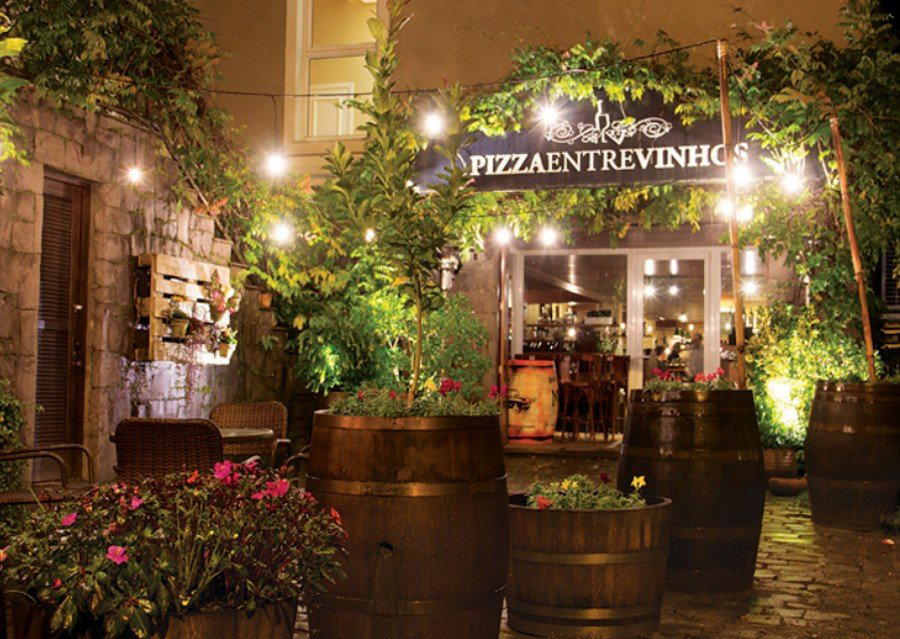
Wineries in Bento Goncalves
All wineries in Bento Goncalves →
Details
- Rustic
- Cozy
- Intimate
- Scenic
- Date Night
- Casual Hangout
- Special Occasion
- Wine Cellar
- Extensive Wine List
- Organic
- Local Sourcing
- Vineyard
- Small Plates
- Wine
- Organic Focus
Current opening hours
- Monday
- Closed
- Tuesday
- 9:30–11:30 AM, 1–5 PM
- Wednesday
- 9:30–11:30 AM, 1–5 PM
- Thursday
- 9:30–11:30 AM, 1–5 PM
- Friday
- 9:30–11:30 AM, 1–5 PM
- Saturday
- 10 AM–6 PM
- Sunday
- Closed
Hours can change for holidays and private events. Hours as of .
A welcoming, story-filled family home with an intimate, rustic atmosphere centered around organic vineyard production.