
Canada's 100 Best Restaurants #32
Our verdict
A compact west-end house on Clinton Street where Rob Bragagnolo's Italian roots and years captaining restaurants in Spain converge on a menu anchored by Cantabrian anchovies, Sunday paella, and diver-caught Newfoundland sea urchin. Recognised by Opinionated About Dining's 2025 Casual North America list, Casa Paco operates at the intersection of Mediterranean coastal cooking and Toronto's increasingly serious neighbourhood dining scene.

Pearl is the En Primeur Club membership app, where members save venues, book tables and use the concierge.
The menu
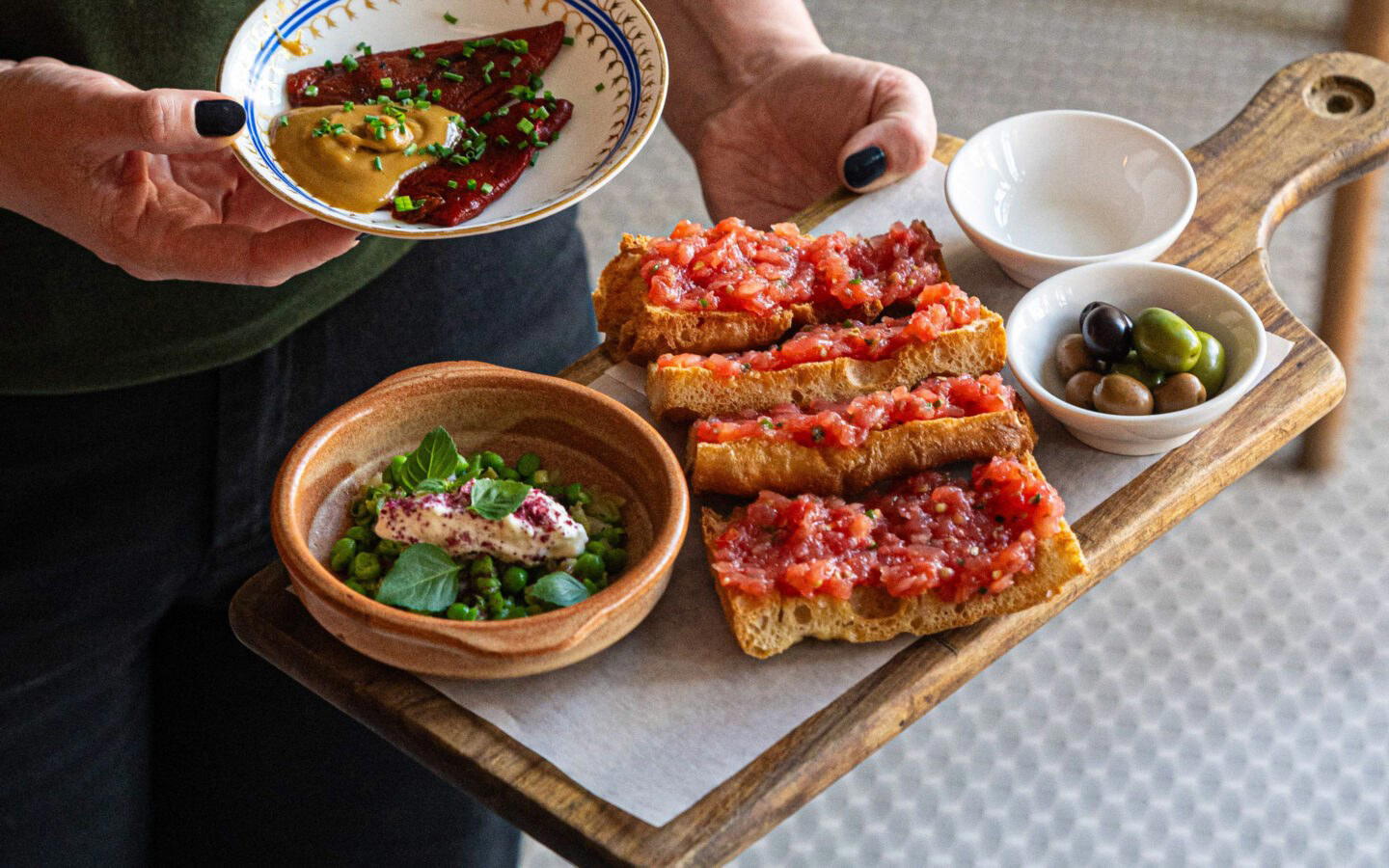
What to order
- Bruléed chicken liver paté
- Pan con tomate
- Paella
- Mahone Bay scallop with saffron butter
- Basque cheesecake
A Small House With a Long Reach
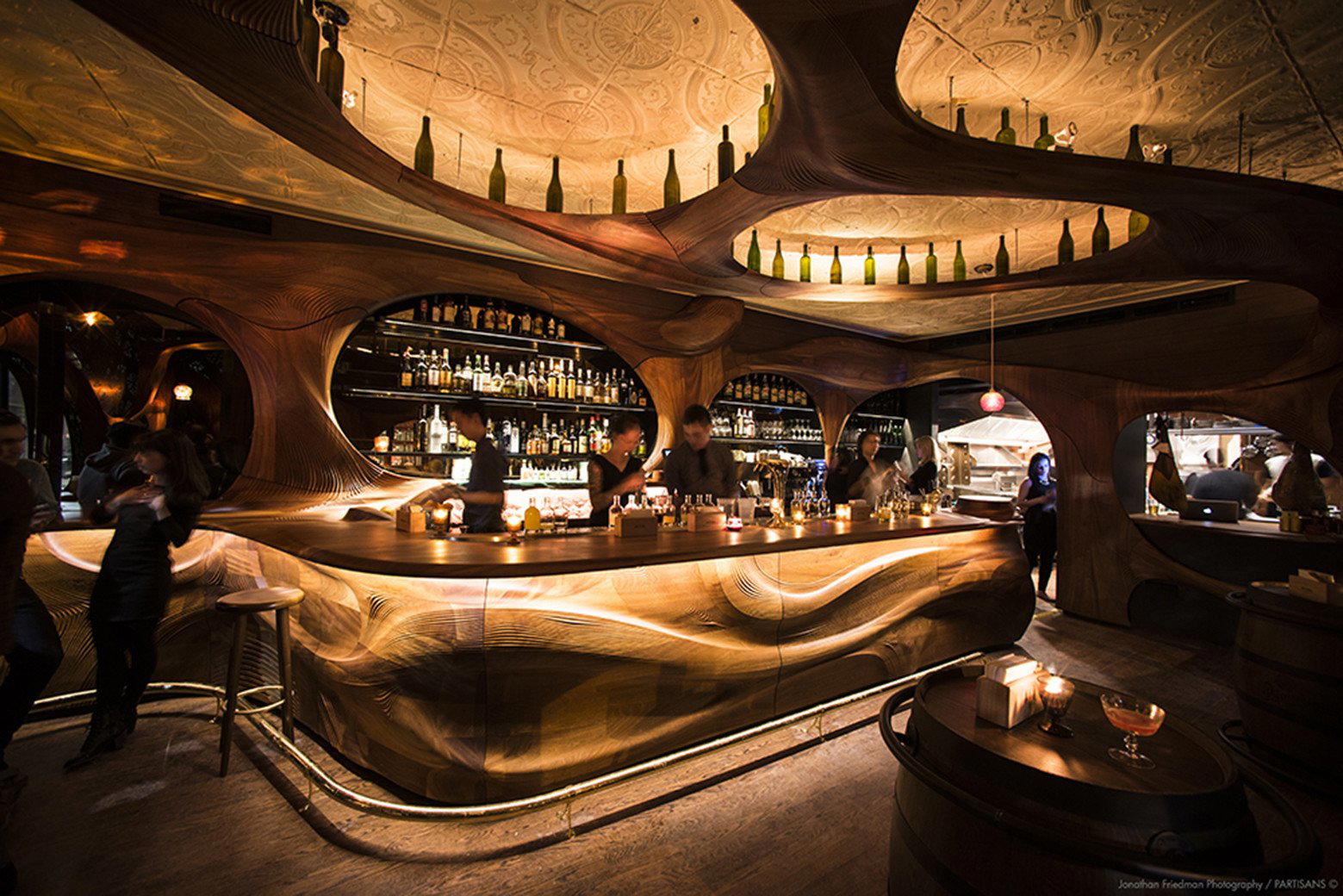
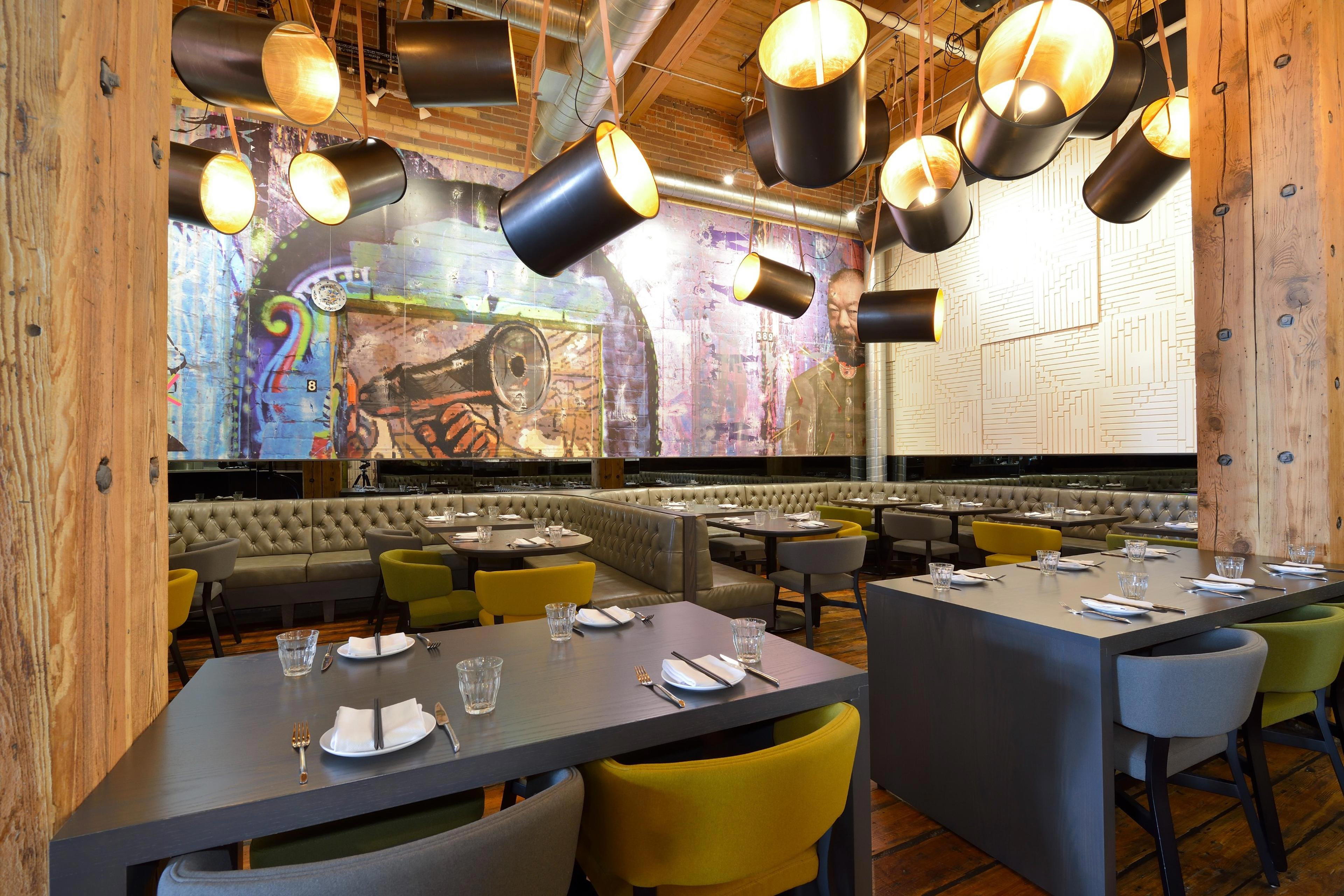
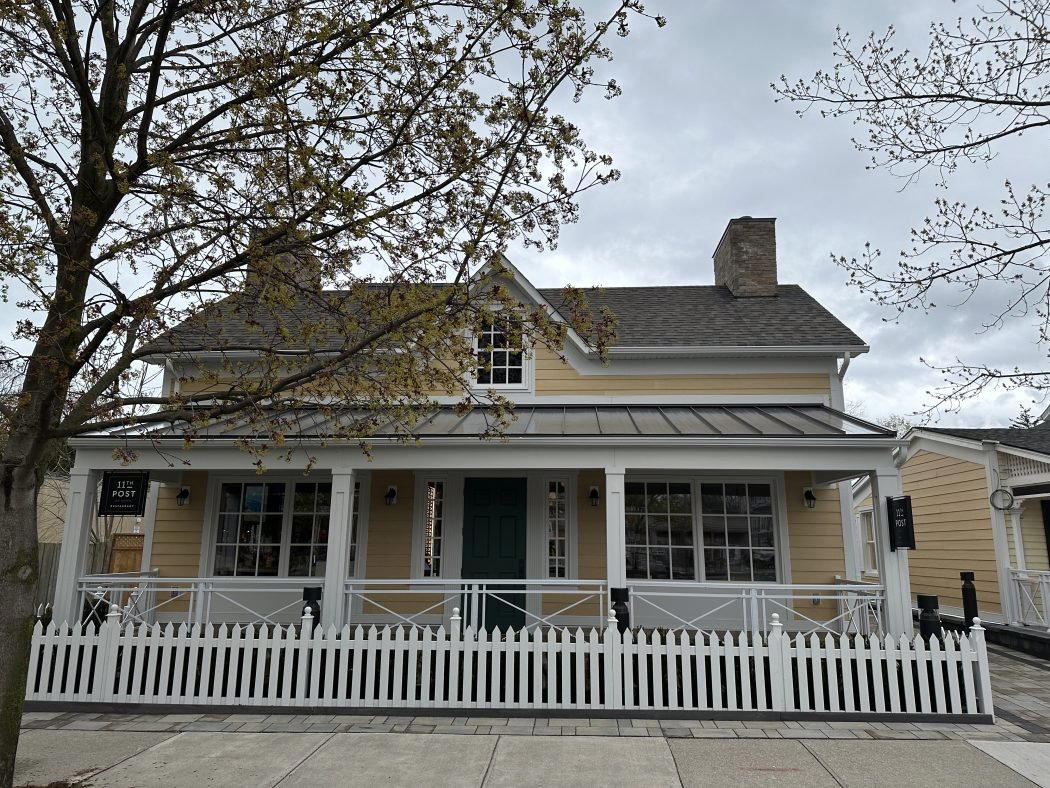
Clinton Street in Toronto's west end is the kind of block that rewards walking slowly. The houses are narrow, the storefronts understated, and the restaurants that endure here tend to do so because the neighbourhood treats them as its own rather than as destinations imported from elsewhere. Casa Paco fits that pattern precisely: a wee house at number 50c, easy to pass without registering, worth finding with intention. The physical scale is intimate in the way that small European trattorie are intimate, not as a design conceit but as a structural reality that shapes how the food arrives and how a room behaves on a Saturday evening.
Toronto's Italian restaurant scene has fractured into several distinct tiers over the past decade. At one end sit the white-tablecloth contemporary Italian rooms, places like DaNico and Osteria Giulia, where tasting menus and serious wine lists command Michelin attention. At the other end, neighbourhood trattorias of varying ambition fill the gaps. Casa Paco occupies a position that sits outside both categories: it is casual enough in setting to belong to the neighbourhood, but the sourcing, the cooking technique, and the Spanish inflection of its menu place it in a different competitive conversation entirely.
Where Italian Roots and Spanish Time Converge
The tension at the centre of Casa Paco's menu is productive rather than confused. Rob Bragagnolo brings Italian culinary foundations into contact with years spent running restaurants in Spain alongside his wife and business partner, Caroline Chinery. That dual biography does not produce a hybrid menu so much as a menu that understands the shared logic of Mediterranean coastal cooking: quality of ingredient over complexity of technique, the sea as pantry, simplicity as the highest demand on a cook's sourcing.
That logic shows up most clearly in the proteins that anchor the menu. Cantabrian 00 anchovies over tomato bread is a dish that references both the Italian bruschetta tradition and the Spanish pan con tomate canon, and it works precisely because both traditions understand that the bread exists to carry fat, acid, and salt in the right ratio. Cantabrian anchovies sit at the premium end of the anchovy spectrum globally, and their appearance here signals that the kitchen is not treating the category as a garnish. Charcoal-grilled octopus belongs to a similar Mediterranean register, where the quality of the cephalopod and the discipline of the grill matter more than any surrounding sauce. Diver-caught Newfoundland sea urchin brings Canadian coastal provenance into a format more commonly associated with Japanese or Italian fine dining, and its presence on a casual west-end menu says something meaningful about the sourcing ambitions of the kitchen. For a broader view of how Toronto restaurants are approaching premium Canadian seafood, our full Toronto restaurants guide maps the field.
Sunday Paella and the Logic of the Weekly Ritual
The Sunday paella at Casa Paco deserves its own paragraph because it represents a deliberate editorial decision about what kind of restaurant this is. Paella, done with any fidelity to its Valencian origins, is a time-consuming, equipment-specific dish that most restaurants avoid precisely because the margin for error is high and the format does not travel well to a standard à la carte service. Reserving it for Sundays is a structuring choice that tells you the kitchen takes the dish seriously enough to give it the conditions it requires. It also creates a weekly ritual, the kind of thing that turns occasional visitors into regulars.
That weekly rhythm is common in Spanish regional cooking but relatively rare in Toronto's Italian restaurants, where seasonal specials and tasting menu rotations tend to be the primary tools for driving return visits. Casa Paco's approach borrows from the Spanish tradition of the Sunday meal as a cultural institution rather than a commercial event. Gia and Ardo each take their own approaches to Italian-adjacent casual dining in Toronto, but neither threads the Spanish coastal register through the menu in the same way.
Food and Wine at This Register
The editorial angle that applies to any serious Italian-rooted restaurant is wine, and Casa Paco's position between Italian and Spanish traditions opens an interesting set of questions about what belongs in the glass alongside Cantabrian anchovies and charcoal octopus. The anchovy-and-tomato-bread dish calls for something with high acidity and enough body to push through the salt: a Vermentino from Sardinia, a Txakoli from the Basque Country, or a lean Galician Albariño would each be defensible. The octopus, with its char and marine depth, typically pairs better with something that has enough grip to stand alongside smoke, whether that is a Ribera del Duero or a Cerasuolo d'Abruzzo. The sea urchin, creamy and iodine-forward, traditionally pairs with leaner whites that do not overwhelm the delicacy of the roe, a role that Chablis or a restrained Fiano handles well.
The crossover between Italian and Spanish wine traditions at a restaurant like Casa Paco is precisely the kind of pairing conversation that rewards a dining companion with opinions. The food gives you enough latitude to approach the list from either direction, which is rarer than it sounds in Toronto's neighbourhood restaurant bracket. For bars in the city where the wine conversation continues past dinner, our full Toronto bars guide is a useful next reference, and Bar Vendetta in particular has built a reputation for Italian-leaning natural wine that complements this kind of table.
Recognition and Where It Sits in the Canadian Scene
Opinionated About Dining's 2025 Casual North America list is among the more credible signals in North American restaurant recognition precisely because it is generated from a community of serious eaters rather than a single editorial or commercial body. A placement on that list at the casual tier is a different kind of credential than a Michelin star, but it is not a lesser one: it reflects sustained quality at a price point and in a format that does not default to ceremony to justify its standing. Nationally, the casual restaurant conversation includes rooms like AnnaLena in Vancouver and the The Pine in Creemore, both of which operate with similar seriousness at accessible formats. Further afield, the question of what Italian cooking looks like when transplanted and filtered through another culinary tradition is answered very differently by 8 1/2 Otto e Mezzo Bombana in Hong Kong and cenci in Kyoto, where the conversation is formal and ingredient-led in a different register entirely. Casa Paco's answer to the same question is smaller, more domestic, and arguably more honest for it.
Planning a Visit
Casa Paco is located at 50c Clinton St in Toronto's west end, accessible by transit via the College or Ossington corridors. Sunday visits should be prioritised if paella is the draw, and booking ahead is advisable given the limited scale of the room. For accommodation while visiting Toronto, our full Toronto hotels guide covers options across the west end and downtown core. Those planning a broader Ontario or Canadian dining itinerary may also want to reference Restaurant Pearl Morissette in Lincoln and Tanière³ in Québec City for the range of what serious Canadian cooking looks like beyond the city.
What's the must-try dish at Casa Paco?
The Cantabrian 00 anchovies on tomato bread function as the clearest expression of what Casa Paco is doing: premium-sourced, technique-restrained, and rooted equally in Italian and Spanish coastal tradition. The dish requires nothing from the kitchen except good judgment about sourcing and seasoning, which is precisely why it works as a signature. If you are visiting on a Sunday, the paella carries equivalent weight as a statement of intent, given both the sourcing commitment it implies and the logistical discipline of reserving it for a single service each week.
Frequently asked questions
Who is the chef or culinary lead at Casa Paco?
The chef associated with Casa Paco is Rob Bragagnolo.
What distinctions does Casa Paco have?
Casa Paco has received recognition including: Opinionated About Dining Casual in North America (2025); In a wee house in the city’s west end, Rob Bragagnolo pulls from Italian roots and time in Spain where he and his wife, Caroline Chinery, captained three restaurants. So, yes, authent….
What's the must-try dish at Casa Paco?
The Cantabrian 00 anchovies on tomato bread are the clearest single-plate argument for what Casa Paco is doing: high-provenance ingredients, minimal interference, and a direct line to Spanish coastal cooking. The Sunday paella is a close second, offered once a week by design, which signals its seriousness. Both dishes reflect the dual Italian-Spanish trajectory Rob Bragagnolo and Caroline Chinery built across three restaurants in Spain.
What cuisine category does Casa Paco fall under?
A Quick Peer Check
| Venue | Cuisine | Price | Awards | Notes |
|---|---|---|---|---|
| Casa PacoThis venue (the venue you are viewing) | Spanish & Italian Mediterranean | $100–150 | Canada's 100 Best Restaurants #32 | Not listed |
| Alo | Modern French Fine Dining with Asian Influences | $200–300 | 1 Michelin Star · La Liste Top Restaurants | Contemporary |
| Sushi Masaki Saito | Edomae-Style Omakase | $500+ | 1 Michelin Star · La Liste Top Restaurants | Sushi, Japanese |
| Aburi Hana | Modern Japanese Kyō-Kaiseki | $300–500 | 1 Michelin Star · The Best Chef One Knife | Kaiseki, Japanese |
| Don Alfonso 1890 | Modern Italian Fine Dining | $200–300 | 1 Michelin Star · La Liste Top Restaurants | Contemporary Italian, Italian |
| Edulis | Mediterranean Seafood Tasting Menu | $150–200 | 1 Michelin Star · World's 50 Best #25 | Canadian, Mediterranean Cuisine |
Recognition history
Dated appearances from independent guides and award organizations, with the underlying list record or original source where available.
Canada's 100 Best Restaurants #32
Canada's 100 Best
Opinionated About Dining Casual in North America Recommended
Opinionated About Dining
Full recognition history (4 entries)
Canada's 100 Best Restaurants #58
Canada's 100 Best
Opinionated About Dining Casual in North America
Opinionated About Dining