Casa Milagro
Our verdict
Casa Milagro occupies a quiet stretch of Manuel Iradier Kalea in Vitoria-Gasteiz, a city that sits at the crossroads of Basque Country and La Rioja Alavesa's wine country. In a provincial capital that punches above its weight in Spanish gastronomy, the address positions it squarely within a dining culture built on local sourcing and seasonal discipline. What the kitchen does with that inheritance is the question worth answering before you book.

Pearl is the En Primeur Club membership app, where members save venues, book tables and use the concierge.
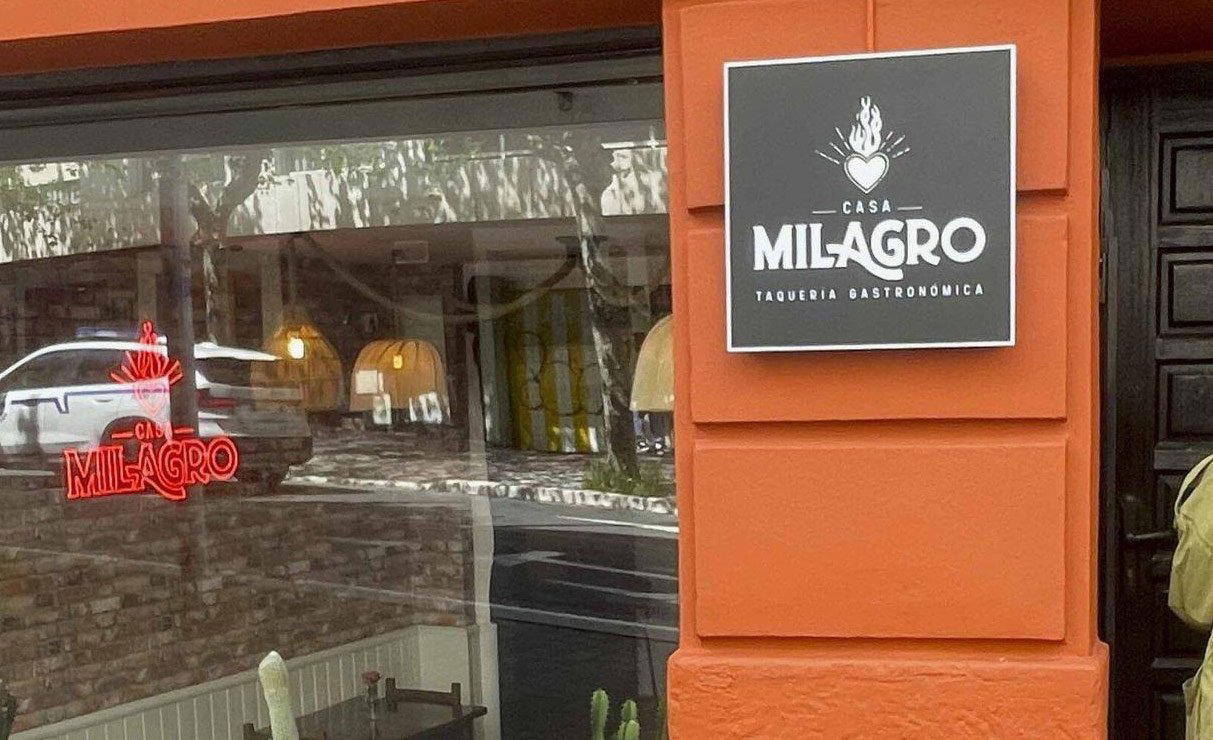
Manuel Iradier Kalea and the Logic of a Quiet Address
Vitoria-Gasteiz is not a city that performs for tourists. The Basque capital functions as a working administrative hub, and its restaurant culture reflects that: fewer destination rooms, more neighbourhood regulars, and a sharper dependence on what nearby producers can actually deliver week to week. Manuel Iradier Kalea, where Casa Milagro sits at number 80, is one of the city's more composed residential stretches, the kind of street where a restaurant earns its trade through repetition rather than footfall from passing visitors. That context matters. In cities where tourists drive covers, kitchens can get away with loose sourcing. In Vitoria-Gasteiz, where the repeat diner is the economic unit, provenance discipline is not optional.
The Basque Country and its immediate surroundings give any kitchen in this city access to a sourcing network that most European restaurants spend years trying to replicate. The Bay of Biscay is roughly an hour north. La Rioja Alavesa's vegetable plots and vineyards begin practically at the city's southern edge. The txakoli producers of Álava operate within the province itself. This geographic convergence means that a kitchen in Vitoria-Gasteiz that chooses to work with local supply chains can, in principle, build a menu where the distance between producer and plate is measured in tens of kilometres rather than hundreds. Whether Casa Milagro exploits that geography fully is a question the kitchen answers on the plate. For the reader planning a visit, the structural opportunity is real and the neighbourhood context supports serious cooking.
Where Vitoria-Gasteiz Sits in the Spanish Dining Conversation
Spain's highest-profile restaurant addresses cluster elsewhere: Arzak in San Sebastián, Azurmendi in Larrabetzu, and Martin Berasategui in Lasarte - Oria have made the greater Basque region the country's most concentrated zone of serious gastronomy. Further afield, El Celler de Can Roca in Girona, DiverXO in Madrid, Mugaritz in Errenteria, Quique Dacosta in Dénia, Ricard Camarena in València, Aponiente in El Puerto de Santa María, Cocina Hermanos Torres in Barcelona, Atrio in Cáceres, Noor in Córdoba, and Cenador de Amós in Villaverde de Pontones represent the country's decorated tier. Vitoria-Gasteiz itself does not carry that level of international recognition, which is precisely the point. The city's dining scene operates largely below the radar of international lists, which means that restaurants here are shaped primarily by local expectations, not external validation pressure.
That dynamic has its advantages. When a kitchen is not chasing a particular award profile or the vocabulary of a globally recognised style, it can align more directly with what its immediate geography provides. The ingredient-led logic that has made Basque cooking influential across Europe did not originate in the decorated destination rooms alone. It was built across hundreds of smaller addresses, in cities like Vitoria-Gasteiz, where cooks worked close to the land and the sea without the distraction of international positioning. For comparable neighbourhood-rooted dining at the premium end outside Spain, Le Bernardin in New York City and Lazy Bear in San Francisco illustrate how ingredient discipline and local sourcing commitment can anchor a restaurant's identity regardless of the city's broader culinary reputation.
The Sourcing Logic of a Provincial Basque Kitchen
The defining feature of serious cooking in this part of Spain is not technique in isolation. It is the relationship between technique and what the surrounding land and sea actually produce at a given moment. La Rioja Alavesa, beginning just south of Vitoria-Gasteiz, is one of the Iberian Peninsula's most productive zones for both wine and vegetable farming. The Ebro basin's microclimates support a growing season that runs from spring asparagus and artichokes through summer peppers and tomatoes into autumn's mushroom harvest, which in the Basque interior can be substantial. Kitchens that build menus around this cycle produce food that shifts significantly across the year, making the calendar relevant in a way that import-reliant cooking simply cannot replicate.
For a restaurant on Manuel Iradier Kalea, proximity to these supply chains is a structural given. What distinguishes one kitchen from another in this context is the discipline and frequency with which those relationships with growers and producers are actually maintained. A kitchen that sources locally by conviction rather than by convenience will have a different menu in October than in April, and the difference will be legible on the plate. This is the standard against which any serious address in Vitoria-Gasteiz should be measured, and it is the editorial lens through which a visit to Casa Milagro is worth approaching.
Visitors coming from the wider Basque circuit, perhaps arriving after an afternoon in the medieval quarter around the Catedral de Santa María, will find in Vitoria-Gasteiz a more grounded register than the showpiece rooms of the coast. For more options in the city, see Restaurante La Bodeguilla Lanciego and Restaurante Tandoori, Cocina India en Vitoria, or browse our full Vitoria-Gasteiz restaurants guide for a broader overview of where the city's dining is currently concentrated.
Planning a Visit
Casa Milagro is located at Manuel Iradier Kalea, 80, in the 01005 postal district of Vitoria-Gasteiz, within comfortable walking distance of the city's central boulevards and the Parque de la Florida. The address is accessible on foot from the main train station in under twenty minutes, and the surrounding neighbourhood is quiet enough that arriving without a car is direct. Vitoria-Gasteiz is a city where restaurants can fill on weekday evenings driven by local trade rather than tourism, so confirming a table in advance is prudent regardless of the season.
Frequently asked questions
Is Casa Milagro okay with children?
Vitoria-Gasteiz has a family-oriented civic culture, and neighbourhood restaurants along Manuel Iradier Kalea generally reflect that. Casa Milagro's address in the 01005 residential district suggests a local clientele rather than a formal destination-dining crowd, which tends to make for a relaxed environment for families. check the venue's official channels to confirm any specific arrangements.
What should I expect atmosphere-wise at Casa Milagro?
Manuel Iradier Kalea runs through a working residential quarter of Vitoria-Gasteiz, away from the tourist circuits that shape the tone of San Sebastián or Bilbao dining rooms. That context points toward a grounded, local-facing room rather than a theatrical one. Vitoria-Gasteiz restaurants at this address tend to draw regulars rather than occasion-seekers.
How does Casa Milagro fit into the broader Basque Country dining scene outside San Sebastián?
Vitoria-Gasteiz sits roughly 65 kilometres southwest of San Sebastián and operates outside the international spotlight that defines Donostiarra dining. That distance matters: restaurants in the Álava capital, including those on Manuel Iradier Kalea, tend to price and pitch toward local residents rather than visiting critics or food tourists. For travellers who have already covered the Arzak and Mugaritz circuit, Vitoria-Gasteiz offers a counter-reading of Basque cooking at a working, non-performative register.
What do people recommend at Casa Milagro?
What the kitchen sits within is a broader Basque tradition where product sourcing, Álava vegetables, local protein, does the heavy lifting, so the menu is likely to track seasonal availability from the surrounding region. Checking current offerings before visiting is advisable.
What's Casa Milagro's location?
Casa Milagro is located at Manuel Iradier Kalea, 80, 01005 Vitoria-Gasteiz, Araba, Spain, Vitoria Gasteiz.
Can I walk in to Casa Milagro?
No booking data is published for Casa Milagro at Manuel Iradier Kalea, 80. In a city like Vitoria-Gasteiz, where restaurants serve a consistent local population rather than a fluctuating tourist one, walk-in availability can vary considerably by day and season. Calling ahead is the safest approach, particularly for weekend service.
Side-by-Side Snapshot
Comparable venues nearby, for context on price, style, and recognition.
| Venue | Cuisine | Price | Awards | Notes |
|---|---|---|---|---|
| Casa MilagroThis venue (the venue you are viewing) | Gastronomic Taquería with Basque-Mexican Fusion | Not listed | Not listed | Not listed |
| Restaurante Tandoori, Cocina India en Vitoria | Authentic Indian Tandoori | $20–30 | Not listed | Zabalgana |
| Restaurante La Bodeguilla Lanciego | Traditional Basque Seafood | $30–50 | Macarfi 7.3 Food Rating | Centro |
| 144. | Modern Traveler Fusion | $50–100 | Michelin Plate · Macarfi 7.9 Food Rating | Vitoria-Gasteiz |
| Kea Basque Fine Food | Traditional Basque Fine Food | $50–100 | Michelin Plate · Guía Repsol 1 Sol | city center |
| Kromatiko | Basque-Asian Fusion Fine Dining | $50–100 | Guía Repsol 1 Sol · Macarfi 8.5 Food Rating | Centro |
Continue exploring
More in Vitoria-Gasteiz
Restaurants in Vitoria-Gasteiz
All restaurants in Vitoria-Gasteiz →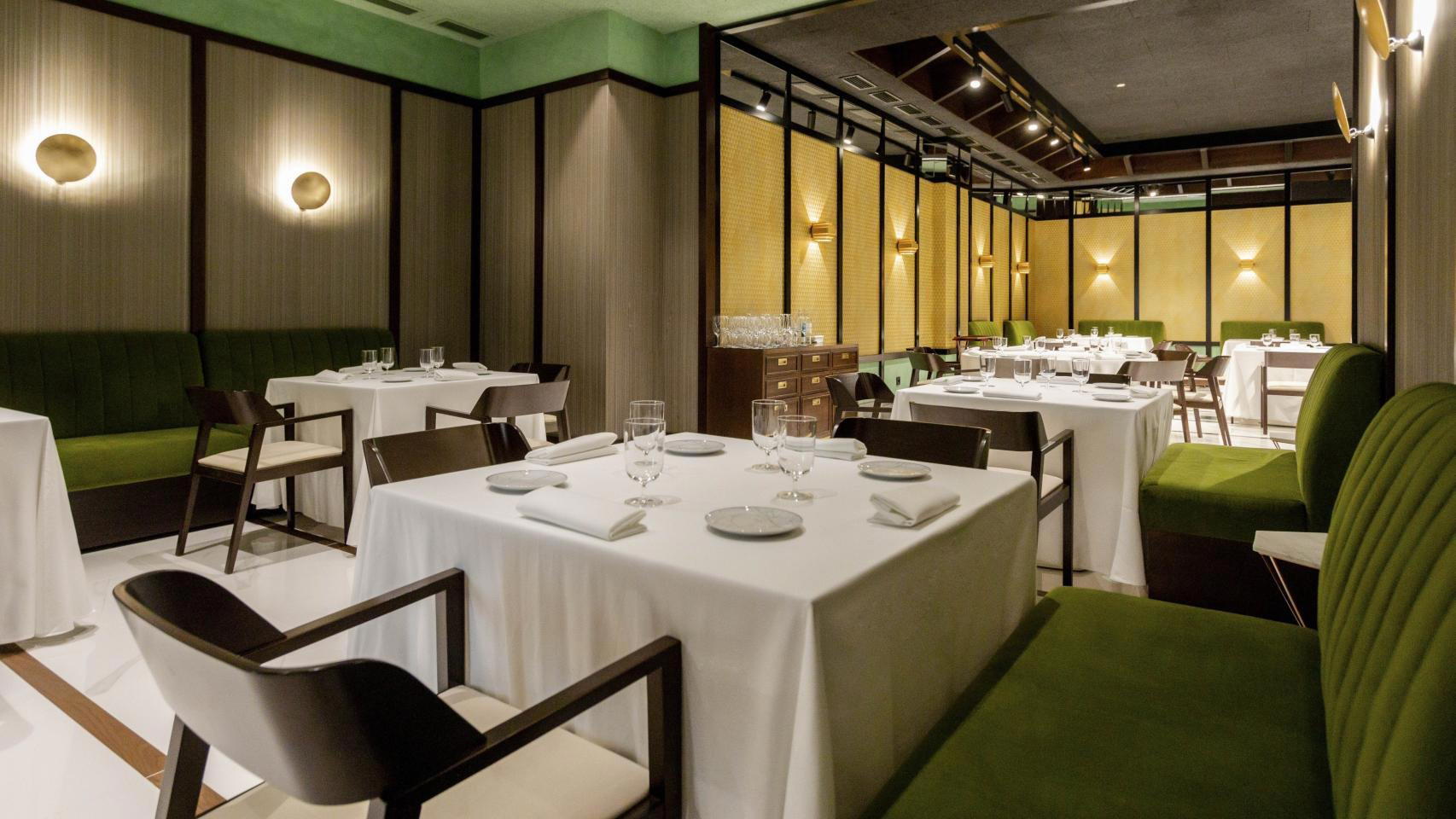
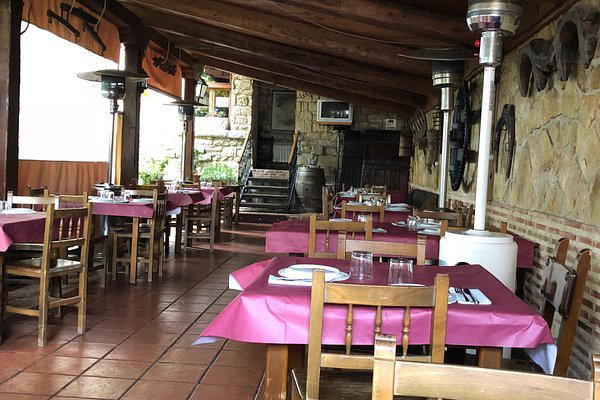
Bars in Vitoria-Gasteiz
Browse all →
Hotels in Vitoria-Gasteiz
Browse all →

Details
- Cozy
- Rustic
- Casual Hangout
- Local Sourcing
- Small Plates
Current opening hours
- Monday
- Closed
- Tuesday
- Closed
- Wednesday
- 1–4:30 PM, 8–11 PM
- Thursday
- 1–4:30 PM, 8–11 PM
- Friday
- 1–4:30 PM, 8–11 PM
- Saturday
- 1–4:30 PM, 8–11 PM
- Sunday
- 1–4:30 PM
Hours can change for holidays and private events. Hours as of .
acogedora (welcoming and cozy atmosphere emphasizing local and authentic flavors).