



Michelin Plate · Macarfi 7.7 Food Rating · Guía Repsol 2 Soles
Our verdict
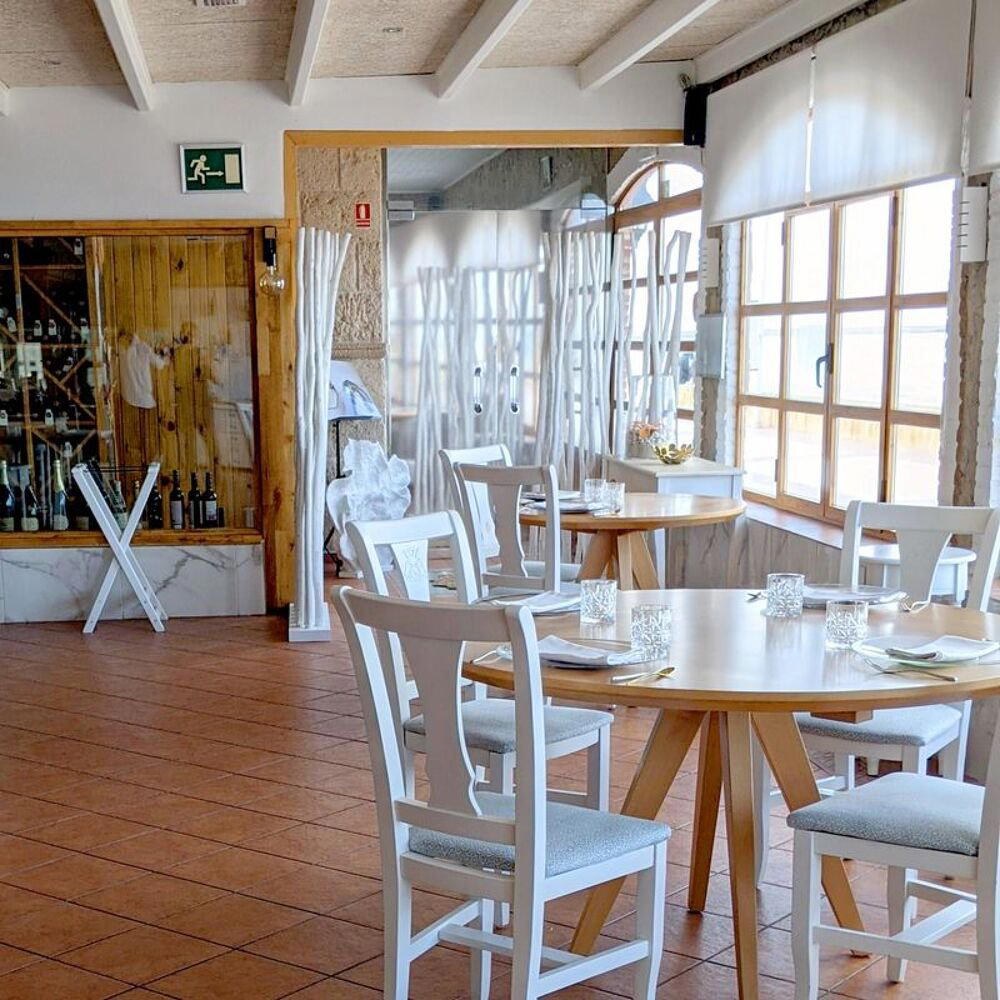
A former chiringuito on the Passeig Marítim in Daimús, Casa Manolo has spent decades refining its approach to the Valencia coast's seafood traditions without abandoning them. Manuel Alonso's Michelin Plate-recognised kitchen draws consistent praise from Opinionated About Dining's Casual Europe list, ranking #98 in 2025. The à la carte and structured set menus sit at the €€ price point, making it one of the coast's more accessible addresses with serious culinary credentials.

Pearl is the En Primeur Club membership app — saves, bookings, and concierge access live there. Same editors, same standards.
- Address
- Passeig Marítim, 5, 46710 Daimús, Valencia, Spain
- Phone
- +34 962 81 85 68
- Hours
- Mon–Tue 1:30–3 PMWed ClosedThu 1:30–3:30 PMFri–Sat 1:30–3:30 PM, 9–10:30 PMSun 1:30–3 PM
- Website
- restaurantemanolo.com
- Directions
- Get directions
- Booking
- Book on TheFork
The menu
What to order
- Arroz con bogavante
- Callos como los hacía mi madre
Where the Promenade Meets the Plate
The Valencian coastline between Gandia and Oliva is not a dining destination in the way that Dénia or El Palmar are — there are no three-star flags, no celebrated chefs drawing pilgrims from Madrid. What this stretch does have is a working relationship with the Mediterranean that predates restaurant culture entirely. Fishing communities here have been pulling red shrimp, cephalopods, and bream from these waters for generations, and the leading local kitchens are the ones that respect that history without being imprisoned by it. Casa Manolo, on the seafront promenade of Daimús, is a useful example of what that balance looks like in practice.
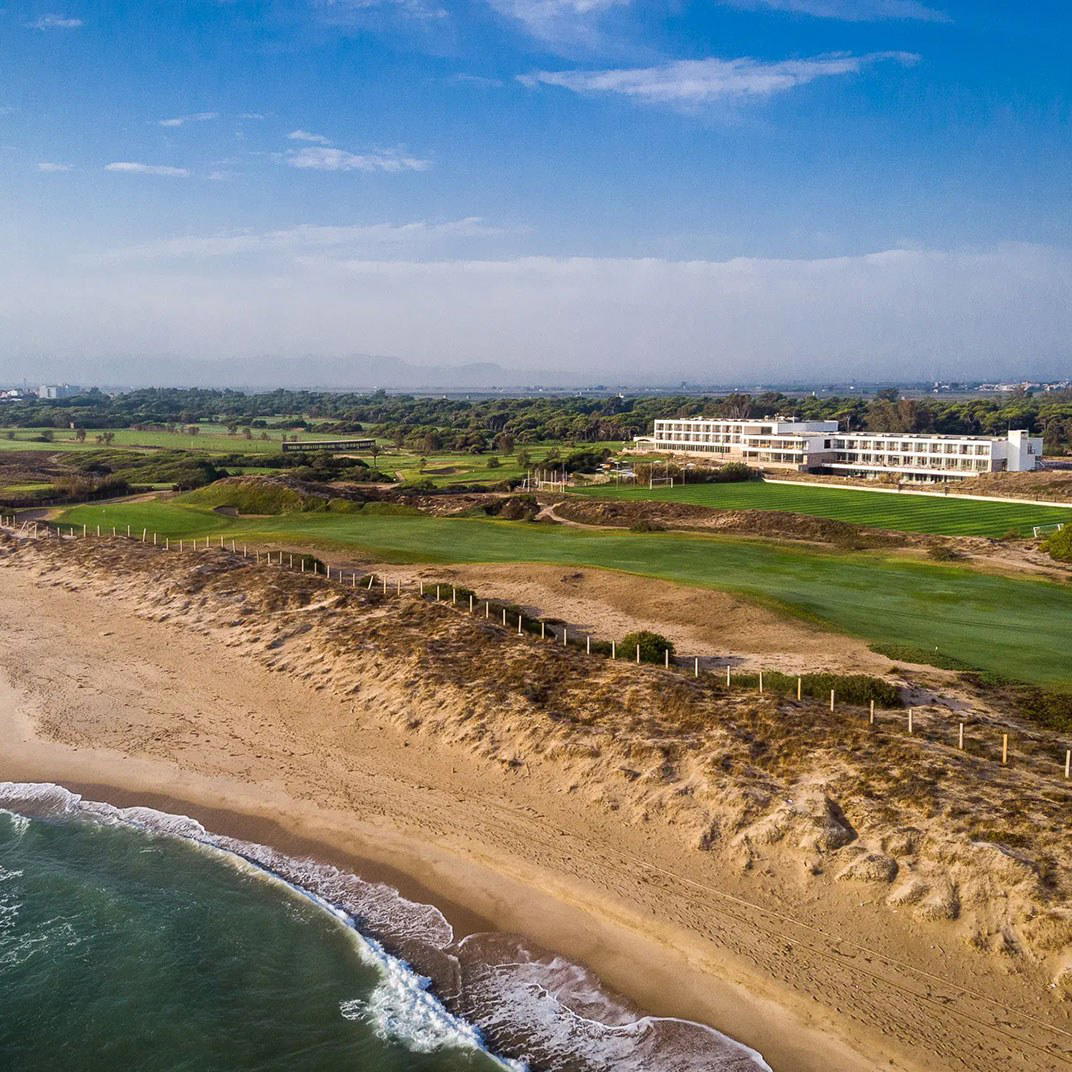
The restaurant began as a chiringuito — the informal beach bars that line Spain's coasts and exist primarily to serve cold drinks and fried fish to people who have been in the sun too long. The distance between that origin and a Michelin Plate recognition is considerable, and the trajectory matters: it tells you something about how seriously the kitchen has been taken seriously by people who assess these things for a living, without the restaurant having abandoned the ease and directness that made it worth visiting in the first place. The sea views from the terrace are not incidental to the experience. They are the frame through which the food makes most sense.
The Catch as Editorial Principle
Valencian seafood cooking is defined by proximity. The gap between boat and plate along this coast is measured in hours, not days, and that compression shapes what is possible in the kitchen. Firm-fleshed fish holds its texture; shellfish arrives with brine still present rather than diluted by time and distance. The shrimp from Santa Pola, cited specifically in the restaurant's documentation as a dish not to skip, illustrates the point. Santa Pola is a working port roughly 80 kilometres south, historically associated with high-quality red shrimp (gambas rojas), and the decision to source from there rather than from the immediate coastline reflects a specific commitment to ingredient quality over geographic convenience.
This sourcing logic extends to the fideuá, the thin-noodled pasta dish that originated in Gandia, which sits a few kilometres north of Daimús. Fideuá is often misunderstood outside the region as a variation on paella, but it has its own preparation logic: the noodles are toasted, the stock is typically fish or shellfish-based, and the dish is traditionally served from the pan with alioli on the side. A kitchen that lists Gandía-style fideuá on its menu is making a statement about regional specificity, this is not a generic rice-and-seafood operation, but one that tracks the distinctions that matter locally. For a comparison point at the far end of the Spanish seafood spectrum, Aponiente in El Puerto de Santa María applies progressive techniques to similar Atlantic and Mediterranean ingredients at a €€€€ price point; Casa Manolo occupies a fundamentally different register, but both are working seriously with the sea.
The tripe, described in the venue's own materials as iconic within its menu, signals something important about the kitchen's appetite beyond seafood. Offal cookery requires confidence and a regular clientele willing to order it. Its presence on a seafront menu in a small coastal town suggests that the restaurant has earned enough trust from repeat visitors to sustain dishes that carry no tourist shorthand.
The Set Menu Structure and What It Signals
The menu architecture at Casa Manolo reflects a broader pattern visible in serious regional Spanish restaurants at the €€ tier: the à la carte remains available for those who want to direct their own meal, while a sequence of named set menus (Calma, Miradas, Escapadas among them) provides a structured path through the kitchen's range. This format is not unusual, it mirrors approaches at mid-tier regional restaurants across Valencia and Catalonia, but the naming conventions suggest deliberate hospitality positioning. Calma (calm), Miradas (gazes), Escapadas (escapes) are all inflected toward the experience of sitting beside the sea with time to spare, rather than toward gastronomic ambition for its own sake.
Price range sits at €€, which in the Spanish coastal context places the restaurant in the accessible-serious tier: above the unreflective fish-and-chips equivalents, below the tasting-menu-only rooms where dinner takes three hours and the bill requires advance planning. For reference, the kitchen at Quique Dacosta in Dénia, a three-Michelin-star address working with similar Mediterranean ingredients, operates at the opposite end of the format and price spectrum. Casa Manolo's positioning is a deliberate choice, not a limitation. Spain's coastal dining culture has always accommodated serious cooking at unpretentious prices, and Opinionated About Dining's consistent inclusion of the restaurant in its Casual Europe rankings (63rd in 2023, 89th in 2024, 98th in 2025) confirms that the informality is not a disguise for mediocrity.
Context: Spain's Broader Seafood Dining Scene
Spain produces more serious seafood restaurants per kilometre of coastline than almost any country in Europe. The Basque Country has its txakoli-paired grilled fish and pintxos bars; Galicia has its pulpo a feira and percebes; Andalusia has its pescaíto frito. The Valencian coast sits in a slightly different position, it is the birthplace of paella and fideuá, the region that gave Spain its most internationally recognised rice dish, but it has never had the same gastronomic marketing apparatus as the north. That relative quietness has advantages: the cooking remains grounded in what the sea actually provides rather than what international visitors expect it to provide.
Among Spain's most decorated restaurants, several, Arzak, Azurmendi, El Celler de Can Roca, Martin Berasategui, Mugaritz, Ricard Camarena, Cocina Hermanos Torres, DiverXO, and Atrio in Cáceres, operate at price points and formality levels several registers above Casa Manolo. The comparison is not a criticism; it clarifies the position. In the same way that Le Bernardin in New York City and Atomix occupy a rarefied tier of their respective culinary traditions, Casa Manolo operates at the credible, accessible end of its own, which is exactly where regional cooking of this kind belongs.
Planning a Visit
Casa Manolo opens for lunch and dinner across the full week, with lunch service running from noon (12:30 on Sundays) to 4 pm, and dinner from 9 to 11 pm. The address is Passeig Marítim, 5, on the seafront in Daimús, a small municipality in the Valencia province. Daimús sits between Gandia to the north and Oliva to the south; Gandia has the nearest train connections from Valencia city. Booking in advance is advisable for weekend lunch service, when the terrace and sea-view tables fill first. The €€ pricing makes this a realistic option for a full meal with wine rather than a special-occasion calculation.
For further orientation around the area, see our full Daimús restaurants guide, our Daimús hotels guide, our Daimús bars guide, our Daimús wineries guide, and our Daimús experiences guide.
Frequently asked questions
What dish is Casa Manolo famous for?
The kitchen's documented signature dishes include the Santa Pola shrimp, the fideuá prepared in the Gandía style, and the tripe. Each of these carries regional specificity: the shrimp references a named port with a reputation for quality red shrimp; the fideuá acknowledges a Valencian tradition distinct from paella; the tripe signals a kitchen confident enough to offer offal to a seafront clientele. Chef Manuel Alonso's Michelin Plate recognition and consistent presence on Opinionated About Dining's Casual Europe list (spanning 2023 to 2025) reinforce the seriousness behind what could otherwise be read as a casual coastal menu.
What's the overall feel of Casa Manolo?
If you are coming from a city dining context expecting tasting-menu formality, adjust expectations: this is a relaxed seafront restaurant with serious sourcing and consistent critical recognition, not a destination room with a dress code and a waiting list measured in months. At €€ pricing with Michelin Plate and OAD Casual credentials, it fits the profile of a reliable regional address where the cooking reflects the coastline without performing for it. If you are already in or near Daimús, it is the kind of restaurant that justifies the detour; if you are driving the coast from Valencia specifically for dinner, it works well as part of a broader itinerary along this stretch.
Would Casa Manolo be comfortable with kids?
A €€ seafront restaurant in a small Valencian coastal town, open seven days a week for lunch and dinner, is broadly family-compatible in the way most casual Spanish dining is.
| Venue | Cuisine | Price | Awards |
|---|---|---|---|
| Casa ManoloThis venue — the venue you are viewing | Traditional Spanish Beachside with Rice Specialties | $50–100 | Michelin Plate · Macarfi 7.7 Food Rating |
| Aponiente | Progressive - Seafood, Creative | Not listed | Michelin 3 Star |
| Arzak | Modern Basque, Creative | Not listed | Michelin 3 Star |
| DiverXO | Progressive - Asian, Creative | Not listed | Michelin 3 Star |
| El Celler de Can Roca | Progressive Spanish, Creative | Not listed | Michelin 3 Star |
| Quique Dacosta | Creative | Not listed | Michelin 3 Star |
Recognition history
Dated appearances from independent guides and award organizations, with the underlying list record or original source where available.
Michelin Plate
Michelin
Guía Repsol 2 Soles
Guía Repsol
Macarfi 7.7 Food Rating
Macarfi
Opinionated About Dining Casual in Europe Highly Recommended
Opinionated About Dining
Full recognition history (9 entries)
Michelin Plate
Michelin
Opinionated About Dining Casual in Europe Ranked #98
Opinionated About Dining
Michelin Plate
Michelin
Opinionated About Dining Casual in Europe Ranked #89
Opinionated About Dining
Opinionated About Dining Casual in Europe Ranked #63
Opinionated About Dining
Continue exploring
More in Daimús
Restaurants in Daimús
Browse all →
Bars in Daimús
Browse all →
Hotels in Daimús
Browse all →
Details
- Classic
- Rustic
- Cozy
- Scenic
- Special Occasion
- Celebration
- Waterfront
- Terrace
- Extensive Wine List
- Local Sourcing
- Waterfront
- Set Menu
- Small Plates
- Wine
Current opening hours
- Monday
- 1:30–3 PM
- Tuesday
- 1:30–3 PM
- Wednesday
- Closed
- Thursday
- 1:30–3:30 PM
- Friday
- 1:30–3:30 PM, 9–10:30 PM
- Saturday
- 1:30–3:30 PM, 9–10:30 PM
- Sunday
- 1:30–3 PM
Hours can change for holidays and private events. Last verified .
Relaxing seaside atmosphere with emphasis on fresh seafood and traditional preparations, praised for its enveloping, comforting gastronomic embrace.