Casa galega
Casa Galega sits on Rua Costa Pinto in Paço de Arcos, a coastal town along the Estoril Line west of Lisbon where traditional Portuguese cooking holds its ground against the capital's modernising pull. The kitchen draws on Galician-inflected traditions that have long shaped northern Portugal's approach to ingredient-led, unfussy food. For visitors working through our full Paço de Arcos restaurants guide, it represents the locality's commitment to sourced-first cooking.
Pearl is the En Primeur Club membership app — saves, bookings, and concierge access live there. Same editors, same standards.
- Address
- R. Costa Pinto 126, 2770-044 Paço de Arcos, Portugal
- Phone
- +351214432400
- Website
- casa-galega.com
- Directions
- Get directions
 Saves & bookings on Pearl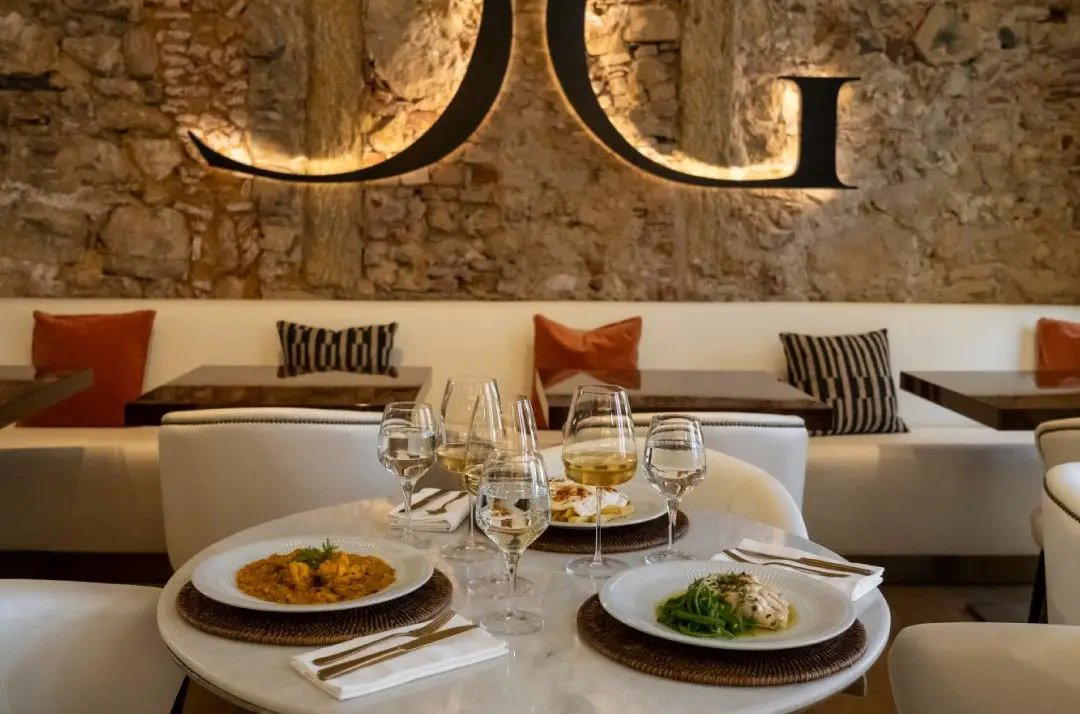
Where the Estuary Meets the Plate
Paço de Arcos occupies a strip of the Estoril coast where the Tagus estuary opens toward the Atlantic, and the restaurants here have always reflected that geography. This is a coastal town shaped more by local routines than by tourism. It is a working riverfront community where lunch tables fill with locals, and the food on those tables tends to trace its origins to specific producers, specific ports, and specific regional traditions rather than to culinary fashion. The address is residential in scale, the kind of street where you arrive on foot from the waterfront rather than by valet.
The name itself signals a culinary lineage. Galician cooking, rooted in the northwest corner of the Iberian Peninsula, just across the Minho from Portugal's own Minho province, has exerted a long, quiet influence on the Portuguese table. The relationship between Galicia and northern Portugal is one of the oldest food corridues in the region: shared coastline, shared fishing grounds, shared appetite for octopus cooked simply and served at room temperature, for salt cod prepared without ornamentation, for vegetables pulled from kitchen gardens rather than shipped from industrial suppliers. Restaurants carrying the Galega identity in Portugal are making a declaration about sourcing before they have served a single dish.
The Sourcing Logic Behind Galician-Portuguese Cooking
In the broader Portuguese dining scene, the ingredient-provenance conversation has concentrated around a handful of high-profile addresses. Belcanto in Lisbon has positioned Portuguese produce within a modernist framework. Casa de Chá da Boa Nova in Leça da Palmeira, with its Michelin recognition and direct Atlantic outlook, frames seafood provenance as central to its identity. Ocean in Porches and The Yeatman in Vila Nova de Gaia apply similar rigour at the premium end of the market.
Casa Galega operates in a different register. The Galician cooking tradition is not defined by kitchen technique or tasting menus. It is defined by what arrives at the back door: the quality of the percebes harvested from rocky Galician coastline, the age and salting of the bacalhau, the breed and feeding of the beef. In kitchens working within this tradition, sourcing discipline is the cooking. The transformation applied at the stove is deliberately light, because the point is to let the ingredient speak rather than to demonstrate what can be done to it. This approach contrasts sharply with the progressive Spanish model, represented in Portugal by venues like Lab by Sergi Arola in Sintra, where technique is the primary story.
The distinction matters for anyone planning a meal here. Diners who arrive expecting architectural plating or multi-course abstraction will find something different: a kitchen whose ambition is expressed in the selection of raw materials rather than in what is done to them afterward.
Paço de Arcos in the Context of the Estoril Line
The train corridor running west from Lisbon's Cais do Sodré through Cascais has accumulated a dining reputation that sits slightly apart from the capital's scene. Cascais carries most of the regional prestige, anchored by addresses like Fortaleza do Guincho, which has held Michelin recognition in a clifftop setting that emphasises the area's relationship with Atlantic weather and Atlantic ingredients. Paço de Arcos, two stops earlier, has remained more functional in character: smaller restaurants, less destination traffic, a clientele that skews local.
That demographic shapes how kitchens in Paço de Arcos source and price their food. There is less margin for theatre, which tends to concentrate effort on the fundamentals. Restaurants in this position either execute their ingredient story well or they lose their regulars. The community dining dynamic that defines smaller coastal towns along the Estoril Line is more demanding in some ways than the destination-dining dynamic of Cascais or Sintra, because the customer is coming back next week.
For visitors connecting Paço de Arcos to a wider Lisbon-area itinerary, the practical logistics are simple: the Cascais line train from Cais do Sodré reaches Paço de Arcos in approximately twenty minutes, and the station sits within easy walking distance of Rua Costa Pinto. The Estoril Line is well-served through the day, making a lunch visit followed by an onward journey to Cascais direct to plan.
Situating Casa Galega in Portugal's Broader Dining Picture
Portugal's most decorated kitchens have built their reputations on a specific argument: that Portuguese and Atlantic ingredients, treated with sufficient respect and skill, belong in conversations with the leading produce-driven cooking anywhere. Vila Joya in Albufeira, Antiqvvm in Porto, and Il Gallo d'Oro in Funchal each make versions of that argument at the Michelin level. Further north, Mesa de Lemos in Passos de Silgueiros has built a rural sourcing model that draws international attention. Oculto in Vila do Conde and Palatial in Braga represent the northern tier of the country's serious dining. Ó Balcão in Santarém and Al Sud in Lagos show how regional Portuguese cooking operates across different geographical and cultural contexts.
Casa Galega does not compete in that tier. It operates at the level below the destination-dining circuit, where the competitive set is other neighbourhood restaurants in the coastal towns west of Lisbon. At that level, the Galician sourcing identity, if executed consistently, is a meaningful differentiator. The comparison is less with Gusto by Heinz Beck in Almancil and more with other mid-range seafood and traditional houses along the Estoril coast. Even for visitors more accustomed to the produce-driven intensity of places like Le Bernardin in New York City or the communal ambition of Lazy Bear in San Francisco, the neighbourhood-scale version of ingredient-led cooking has its own form of rigour worth respecting.
Planning Your Visit
The restaurant is located at Rua Costa Pinto 126, 2770-044 Paço de Arcos. Reservations are recommended. Hours: Mon to Sat 12 to 3 PM and 7:30 to 11 PM; Sunday closed. The Paço de Arcos waterfront is a short walk from the address, making the area suitable for a visit that combines lunch with time along the estuary. For a wider view of what the town has to offer,
Comparable Venues
Comparable venues nearby, for context on price, style, and recognition.
| Venue | Cuisine | Price | Awards | Notes |
|---|---|---|---|---|
| Casa galegaThis venue — the venue you are viewing | Galician Seafood | $$$ | Not listed | Not listed |
| O Pastus | Modern Portuguese with International Influences | $$$ | Bib Gourmand | Paço de Arcos |
| Casa da Dízima | Contemporary Portuguese | $$$ | Michelin Plate | Paço de Arcos |
| Davvero Lisboa | Modern Italian | $$$ | Not listed | Amoreiras |
| Fiammetta | Authentic Traditional Italian Trattoria | $$$ | Not listed | Campo de Ourique |
| The Lisbon Club 55 | Traditional Portuguese | $$$ | Not listed | Bairro Alto |
Continue exploring
More in Paço de Arcos
Restaurants in Paço de Arcos
Browse all →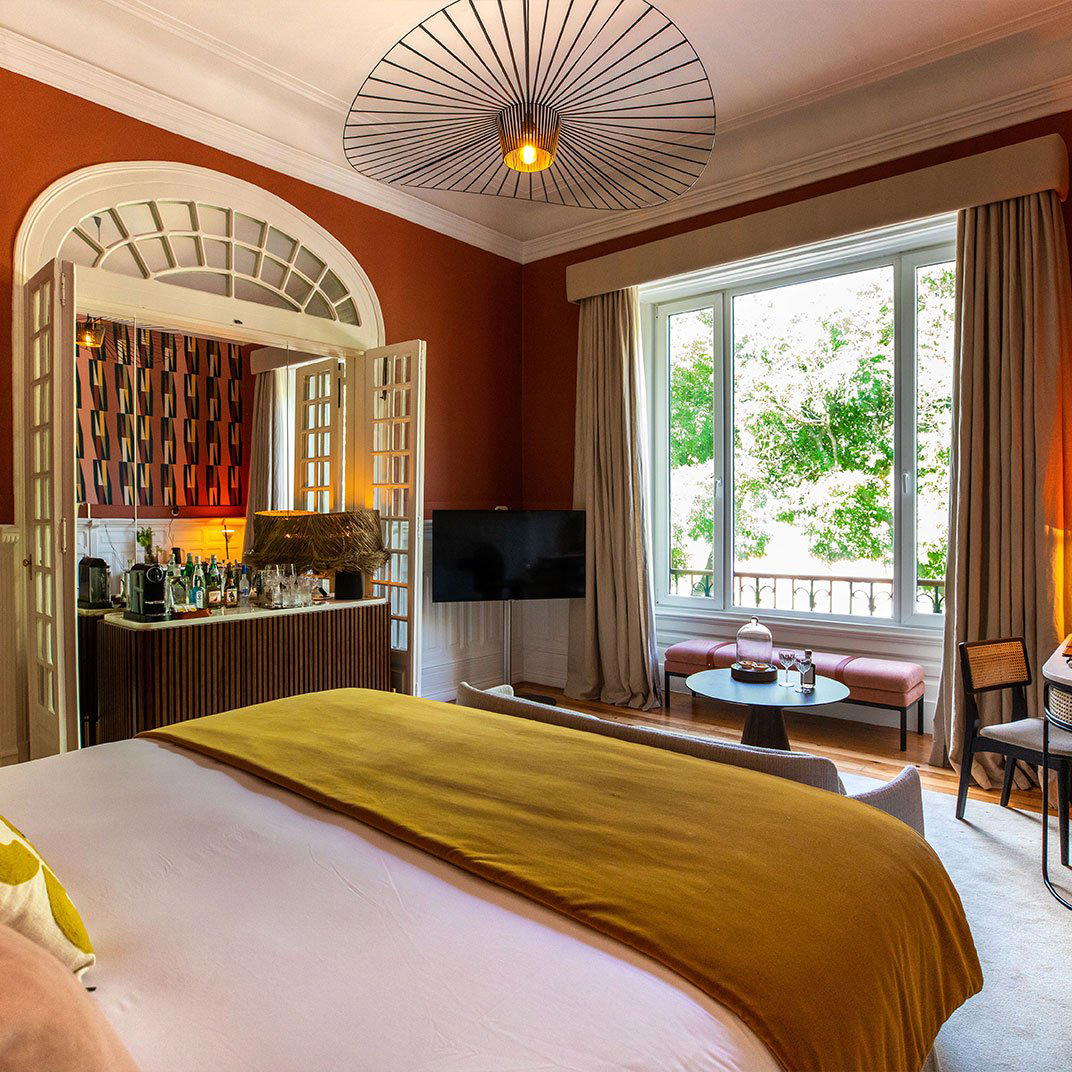
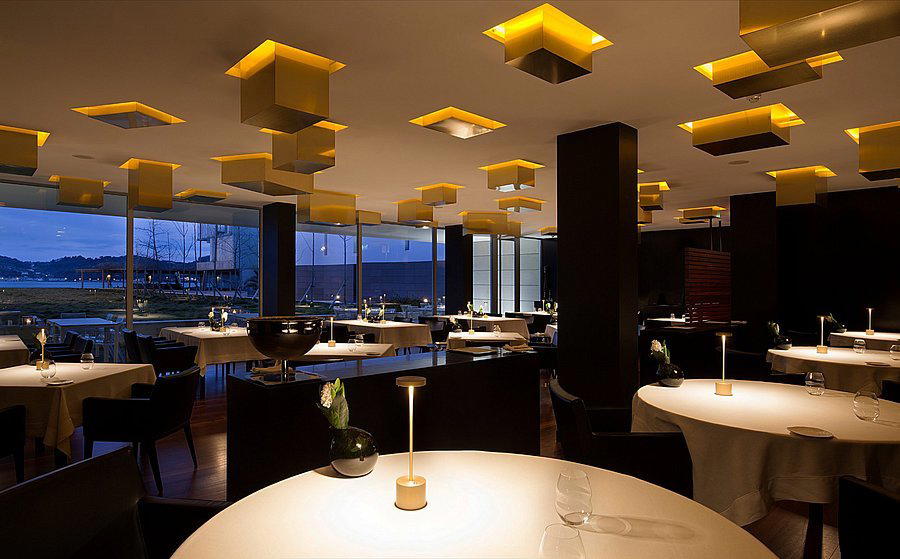
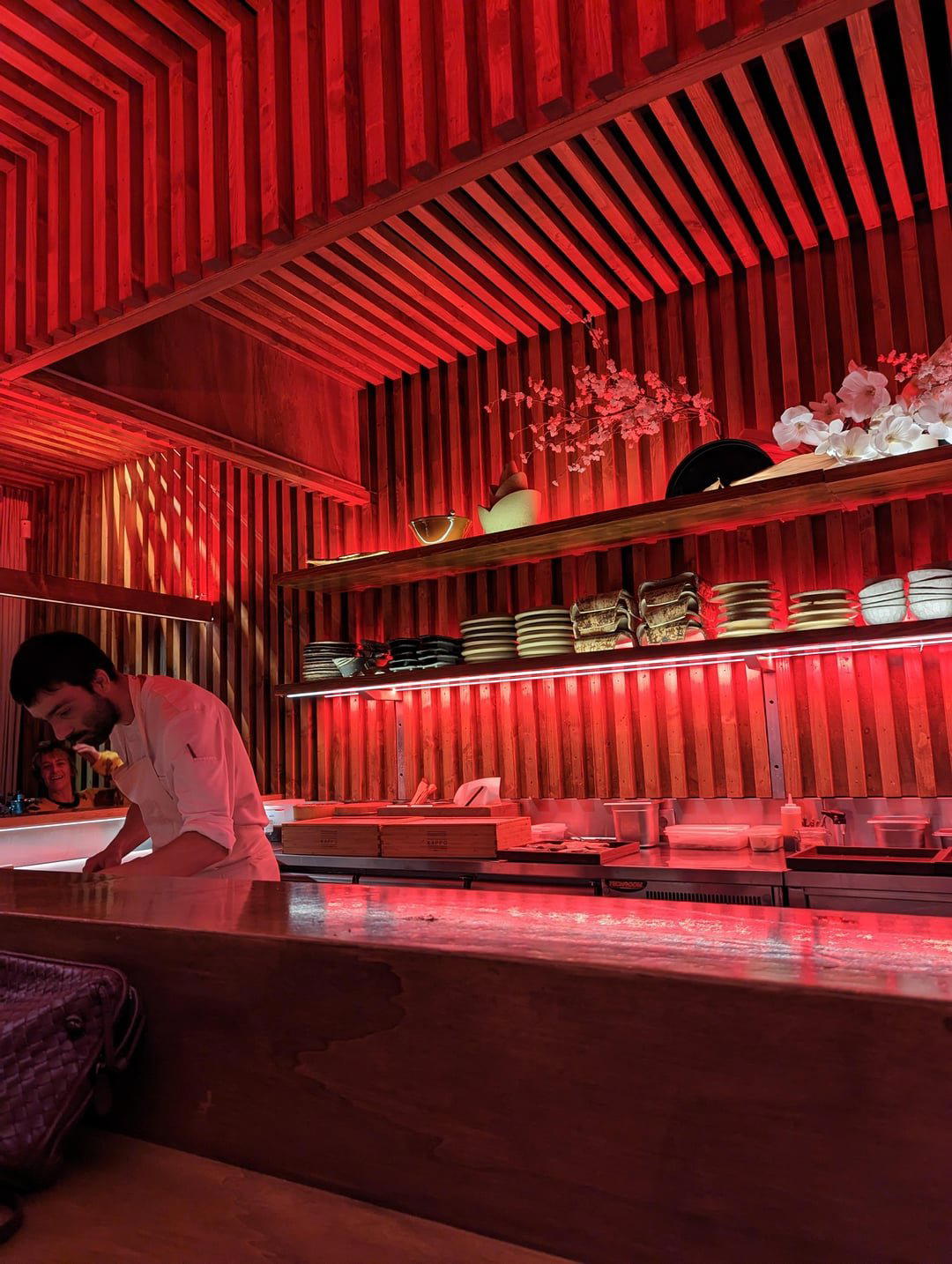
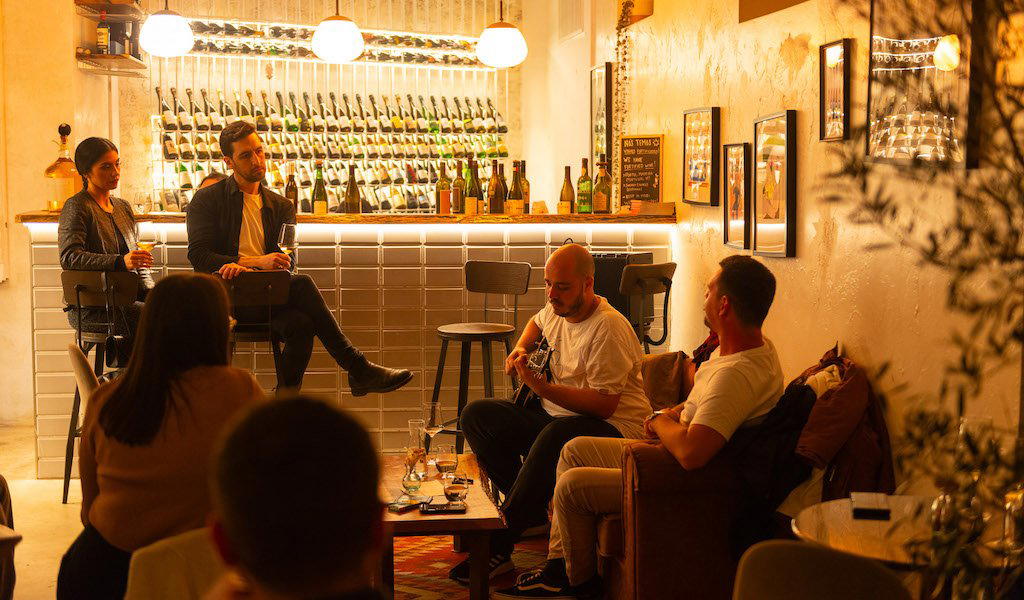
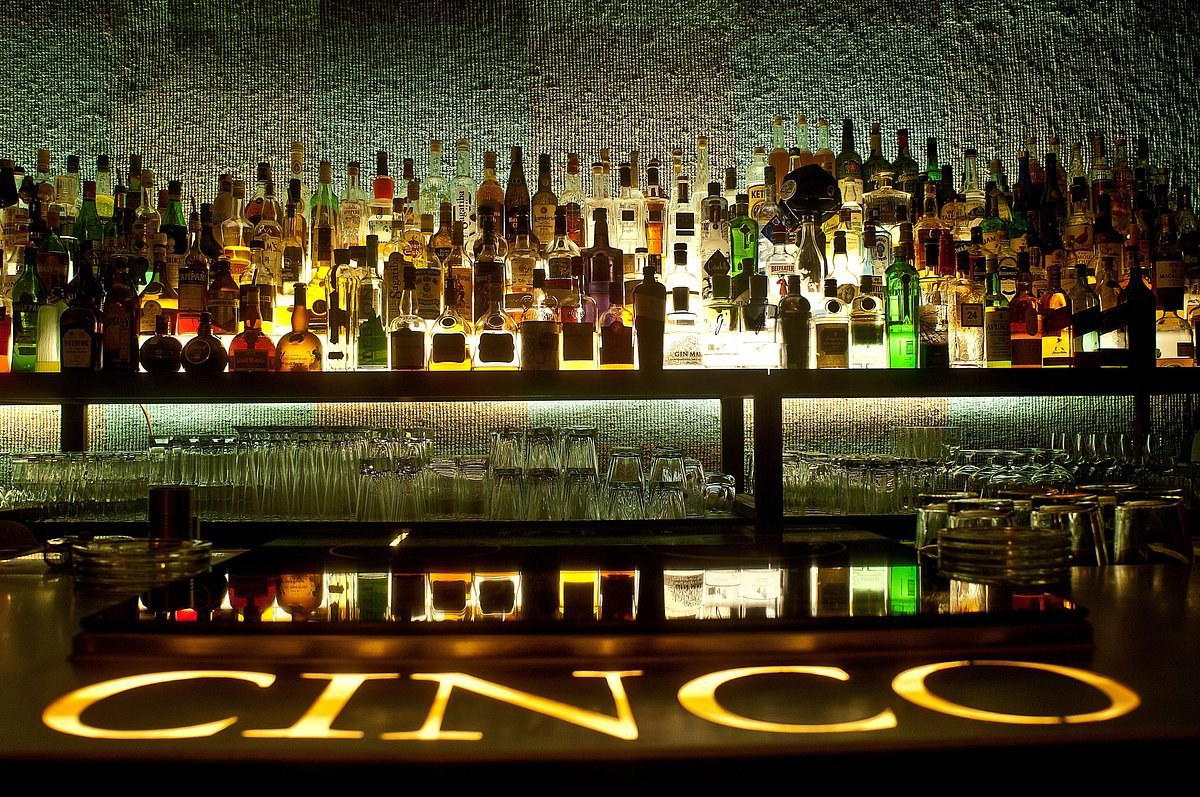
Bars in Paço de Arcos
Browse all →
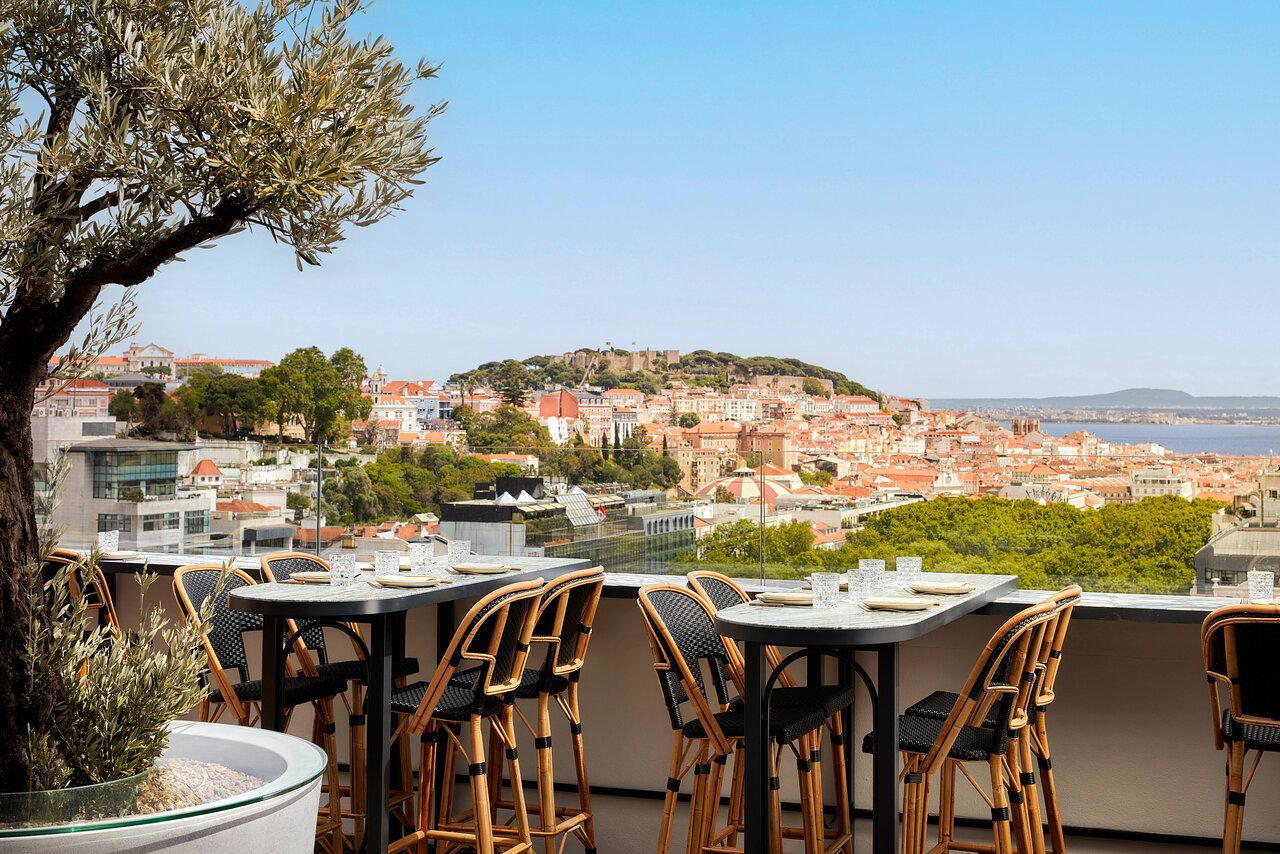
Hotels in Paço de Arcos
Browse all →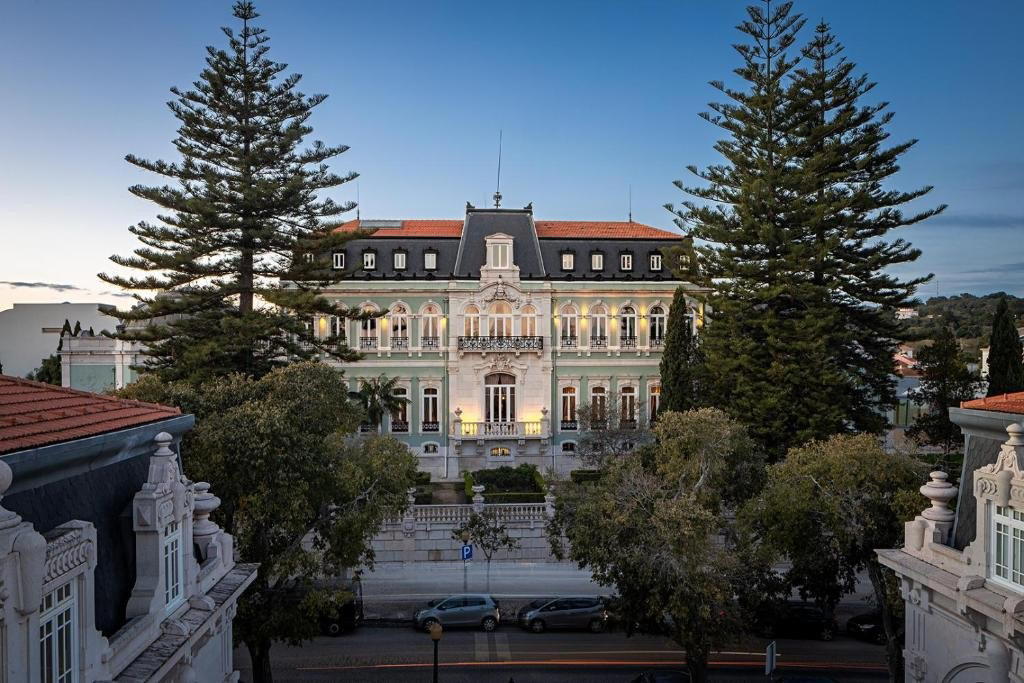

At a Glance
- Cozy
- Elegant
- Rustic
- Dinner
- Lunch
- Extensive Wine List
Current opening hours
- Monday
- 12–3 PM, 7:30–11 PM
- Tuesday
- 12–3 PM, 7:30–11 PM
- Wednesday
- 12–3 PM, 7:30–11 PM
- Thursday
- 12–3 PM, 7:30–11 PM
- Friday
- 12–3 PM, 7:30–11 PM
- Saturday
- 12–3 PM, 7:30–11 PM
- Sunday
- Closed
Hours can change for holidays and private events. Last verified .
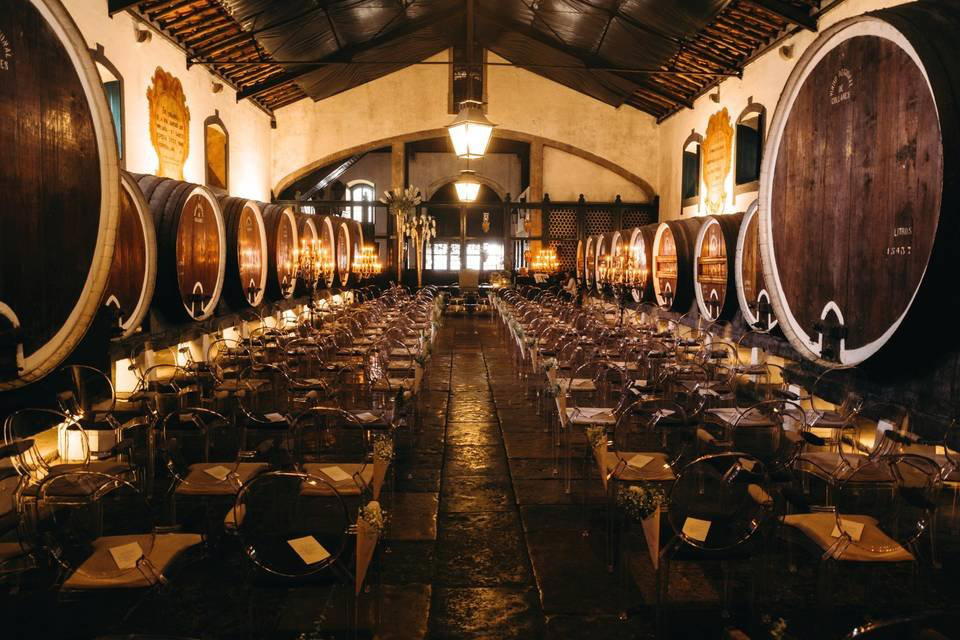
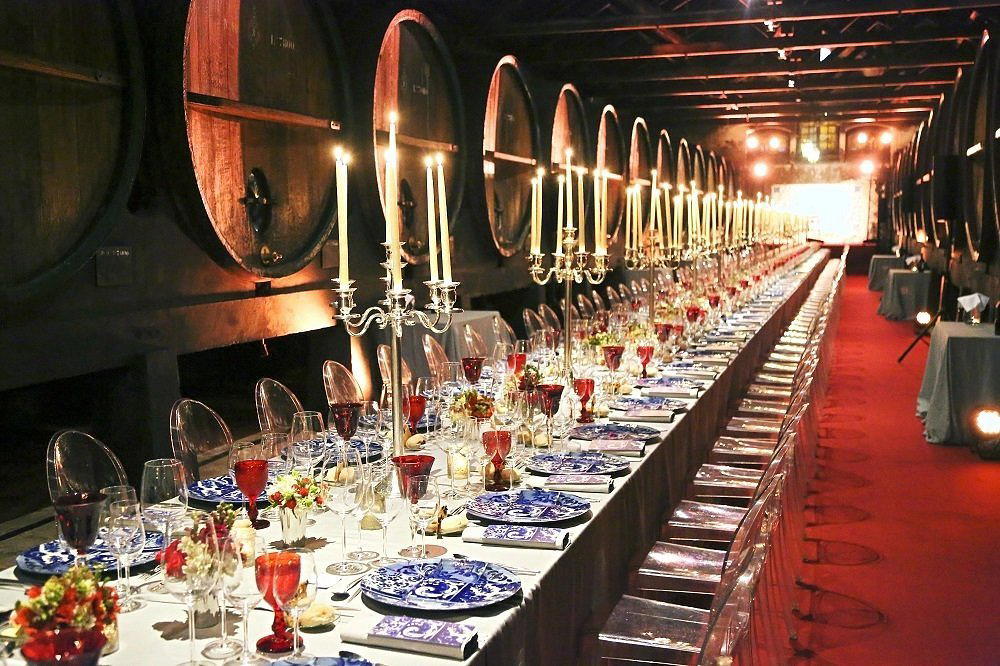
Acolhedor with beautiful decoration, friendly service, and a wonderful atmosphere as per guest reviews.