Our verdict
Fiammetta occupies a quiet address in Lisbon's Campo de Ourique neighbourhood, operating in a city where the gap between neighbourhood trattorias and tasting-menu institutions has narrowed considerably. The restaurant sits in a part of Lisbon that draws residents rather than tourists, which shapes both its rhythm and its expectations. For those who read dining rooms before they read menus, that context matters.

Pearl is the En Primeur Club membership app — saves, bookings, and concierge access live there. Same editors, same standards.
- Address
- R. Almeida e Sousa 20A, 1350-011 Lisboa, Portugal
- Phone
- +351962026826
- Hours
- Mon–Sat 11 AM–11 PMSun 9 AM–5 PM
- Website
- fiammetta.pt
- Directions
- Get directions
The menu
What to order
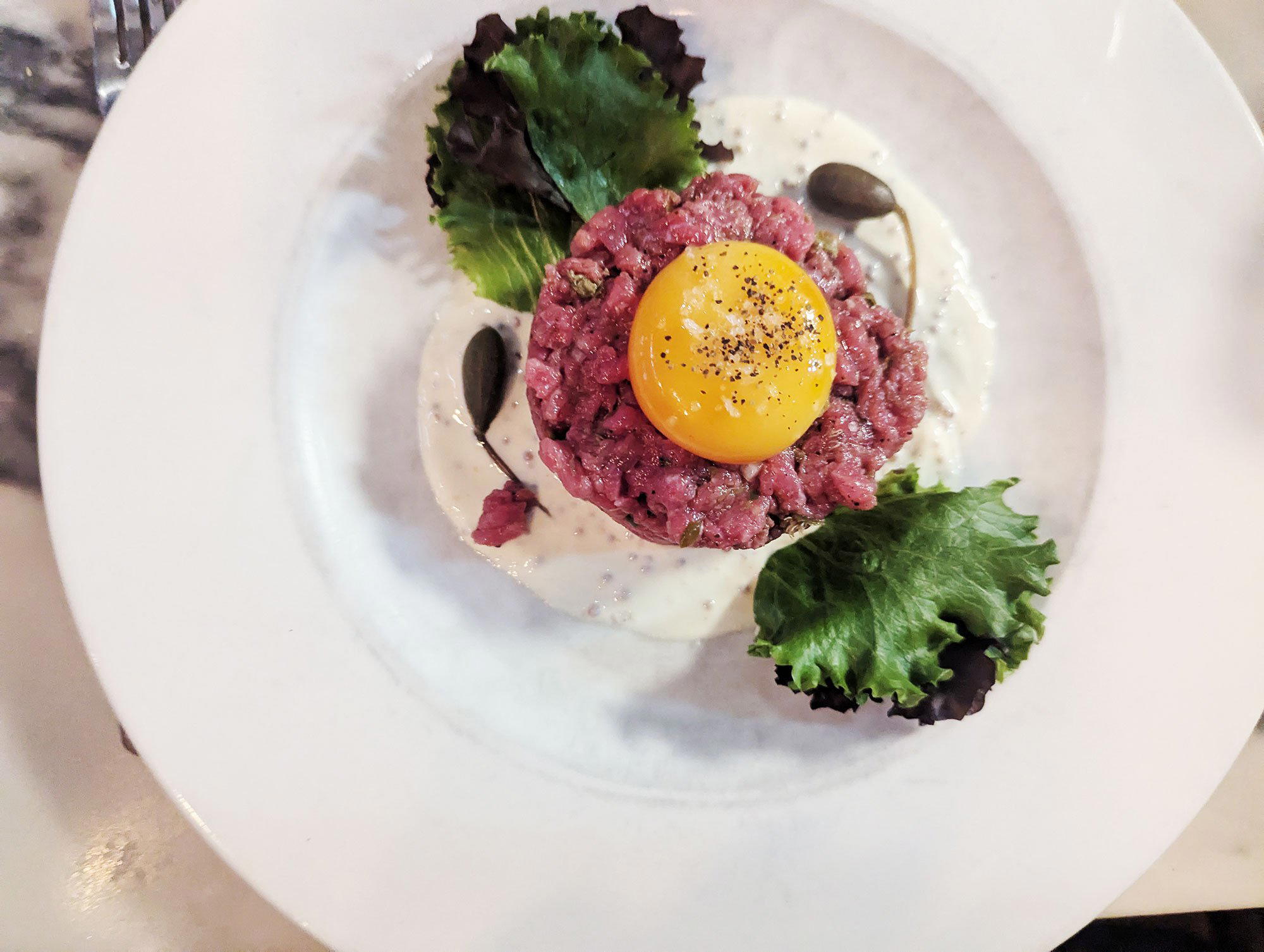
- Pasta with Clams
- Bolognese
- Bruschetta
- Cheese and Charcuterie Board
The Room Before the Menu
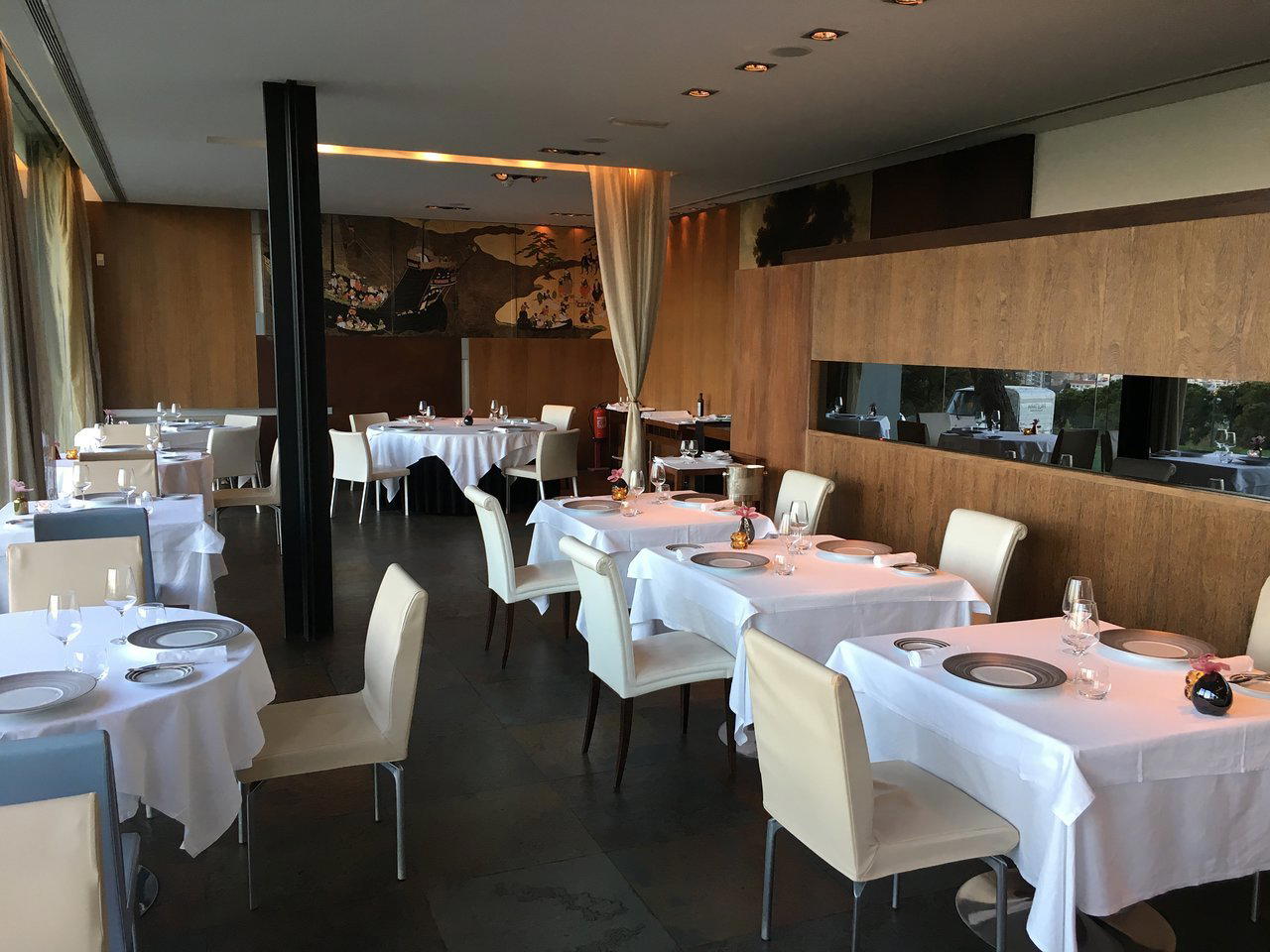
Campo de Ourique is one of Lisbon's more residential quarters, a neighbourhood of tiled grocery shops, local cafés, and Saturday markets that has largely resisted the tourist-facing pressure felt along the waterfront and in Chiado. Rua Almeida e Sousa sits within that fabric, and Fiammetta occupies it accordingly. Before a dish arrives, the address itself signals something about the kind of meal on offer: this is not a restaurant designed around a destination narrative, but one that earns its place through the ritual of the table.
That distinction matters more than it might seem. Lisbon's fine-dining tier has consolidated around a handful of highly visible addresses in the past decade. Belcanto, CURA, and Eleven each anchor a Michelin-starred tier that draws international visitors as deliberately as it draws locals. The tier below that, where neighbourhood restaurants operate with serious kitchens but without the ceremony of a tasting-menu institution, is where much of Lisbon's most interesting eating actually happens. Fiammetta, at its Campo de Ourique address, positions itself within that second register.
How the Meal Is Meant to Move
The dining ritual at a neighbourhood restaurant in Lisbon follows a different tempo than at the city's formal tasting-menu counters. There is no orchestrated procession of courses, no printed narrative inserted between plates. What replaces that structure is something closer to the pace of a properly run trattoria: dishes arrive when they are ready, conversation is not interrupted by explanatory monologues, and the meal finds its own length.
That pacing is a deliberate cultural signal in Portuguese dining. The long table is a social institution here, not simply a vehicle for food delivery. Meals stretch across two hours or more not through inattention but through design, with wine playing an active role in sustaining the rhythm rather than merely accompanying the food. Portugal's wine output has expanded considerably in quality and visibility over the past fifteen years, and a restaurant operating in this register would typically hold a list that reflects the country's regional breadth, from Douro reds to Alentejo whites, without leaning entirely on the obvious appellations.
Across Portugal, the restaurants that hold attention longest tend to be those where the ritual of eating is taken as seriously as the cooking itself. Casa de Chá da Boa Nova in Leça da Palmeira and Ó Balcão in Santarém each demonstrate, at opposite ends of the formality spectrum, that the frame around the meal shapes its meaning as much as what is placed on the plate.
Fiammetta in the Lisbon Context
The name is Italian in origin, a diminutive suggesting flame or spark, which places the restaurant in a specific tradition within Lisbon's dining scene. The city has a long, underexamined relationship with Italian cooking, dating from trade-era connections that predated contemporary restaurant culture. That lineage has produced two distinct types of Italian-influenced restaurants in Lisbon: those that import a generic international template, and those that apply Italian technique to local ingredients with enough conviction to produce something specific to place.
The more interesting operators in this category work from the premise that the ingredient quality available in Portugal, particularly in seafood, olive oil, and seasonal produce, is strong enough to support cooking that does not need to hide behind imported goods or elaborate technique. The comparison set here is not 50 Seconds from Martin Berasategui or 2Monkeys, both of which operate in a more explicitly progressive register. It is the quieter tier of restaurants where craft and sourcing do the argumentative work.
Across the broader Portuguese fine-dining circuit, the restaurants that have accumulated the most durable recognition, among them Vila Joya in Albufeira, Ocean in Porches, and Il Gallo d'Oro in Funchal, share a commitment to sustained execution over novelty. Fortaleza do Guincho in Cascais and Antiqvvm in Porto occupy similar positions in their respective geographies.
Neighbourhood Coordinates
Campo de Ourique rewards unhurried visits. The Saturday Mercado de Campo de Ourique draws a local crowd that reflects the neighbourhood's demographic, predominantly residential, educated, and disinclined toward the tourist trail. Arriving before a meal at Fiammetta to walk that market or the surrounding streets gives useful context for the kind of restaurant this address supports.
The neighbourhood sits west of Lisbon's historic centre, accessible from Príncipe Real and Estrela by a short walk or from the broader city by tram and bus. It is not a dining quarter in the way that Bairro Alto or Cais do Sodré function, which is precisely its value. The restaurants here are operating for people who live nearby, which tends to produce higher standards of consistency and lower tolerance for performance over substance.
For visitors mapping a broader Lisbon eating itinerary, the EP Club's full Lisbon restaurants guide provides context across the city's price tiers and neighbourhoods, including the higher-formality addresses that complement a meal in this register. Internationally, the kind of neighbourhood-anchored, ritually serious dining that Campo de Ourique supports has parallels at places like Lazy Bear in San Francisco, where the communal pace of eating is as considered as the cooking, though the format differs substantially. At the refined end of what considered technique and ingredient sourcing can produce, Le Bernardin in New York City remains the reference point for how discipline and simplicity reinforce each other.
Among the Algarve comparison set, Gusto by Heinz Beck in Almancil and Al Sud in Lagos illustrate how the Italian culinary tradition, when applied with rigour in a Portuguese context, can produce results that hold up against the country's more formally celebrated addresses. The Yeatman in Vila Nova de Gaia demonstrates the same point about how location and intent together shape a restaurant's identity more durably than any single award.
Know Before You Go
- Address: R. Almeida e Sousa 20A, 1350-011 Lisboa, Portugal
- Neighbourhood: Campo de Ourique, west Lisbon
- Getting There: Tram 28E runs nearby; the neighbourhood is walkable from Estrela and Príncipe Real
- Leading Approach: Arrive without a fixed departure time — meals in this register are not engineered for quick turns
- Price Range: Not confirmed; consistent with mid-tier neighbourhood dining in Lisbon
Frequently asked questions
What's the address for Fiammetta?
Fiammetta is located at R. Almeida e Sousa 20A, 1350-011 Lisboa, Portugal, Lisbon.
Where exactly is Fiammetta in Lisbon and how does its location affect the experience?
Fiammetta is at Rua Almeida e Sousa 20A in Campo de Ourique, a residential district in western Lisbon that sits away from the main tourist corridors. The neighbourhood's character — tiled shops, a Saturday market, and a predominantly local clientele — sets the tone for what the restaurant offers: a pace and atmosphere shaped by the street it occupies rather than by destination-dining expectations. Arriving by foot from Amoreiras or Prazeres takes roughly ten minutes and gives a clearer sense of the quarter than approaching by taxi.
What do regulars order at Fiammetta?
The body of repeat visitors at Campo de Ourique restaurants tends to anchor around a short, rotating menu where a few dishes accumulate reputations through word of mouth rather than press coverage. At Fiammetta, located at Rua Almeida e Sousa 20A, the Italian-inflected name signals the kitchen's reference points, but specific signature dishes are best confirmed on arrival or by asking the room directly — in a neighbourhood this size, staff know the answer.
Do I need a reservation for Fiammetta?
Campo de Ourique restaurants at this scale routinely fill on weekday evenings from local regulars, and weekend sittings move faster given the neighbourhood's Saturday market foot traffic. Booking ahead is the practical approach; walk-ins are possible but carry more risk on Friday and Saturday nights. Contact details for reservations are not listed publicly — approach the address at Rua Almeida e Sousa 20A directly or check current booking channels on arrival.
What makes Fiammetta worth seeking out?
Fiammetta sits in Campo de Ourique, one of Lisbon's more coherently local quarters, largely bypassed by the tourist circuits that define Bairro Alto and Chiado. The Italian framing of the name positions it within a specific tradition inside Lisbon's dining scene, where a handful of neighbourhood tables operate outside the formal tasting-menu circuit and serve a predominantly residential crowd. That combination — address, pace, and reference point — is less common in the city than it sounds.
Can Fiammetta accommodate dietary restrictions?
The most reliable course is to check the venue's official channels before visiting; in Lisbon's neighbourhood restaurant tier, kitchens are typically small and advance notice on restrictions is the norm rather than the exception.
Recognition Snapshot
Comparable venues nearby, for context on price, style, and recognition.
| Venue | Cuisine | Price | Notes |
|---|---|---|---|
| FiammettaThis venue — the venue you are viewing | Authentic Traditional Italian Trattoria | $30–50 | Not listed |
| Capricciosa Parque das Nações | Traditional Italian Pizza & Pasta | $30–50 | Parque das Nações |
| Casanova | Traditional Italian Wood-Fired Pizza | $20–30 | Santa Apolonia |
| Il Matriciano | Authentic Roman Trattoria | $30–50 | Bairro Alto |
| Hikidashi Taberna Japonesa | Japanese Sushi Fusion | $50–100 | Estrela |
| Lumi Rooftop | Contemporary Portuguese | Not listed | Rossio |