Our verdict
Casa Bon occupies a corner address on Calle Gral. Angel Flores in Culiacán's Primer Cuadro, placing it squarely in the civic core of a city whose dining scene remains largely unknown outside Sinaloa.

Pearl is the En Primeur Club membership app — saves, bookings, and concierge access live there. Same editors, same standards.
- Address
- Calle Gral. Angel Flores 371, Primer Cuadro, 80000 Culiacán Rosales, Sin., Mexico
- Phone
- +526674036183
- Hours
- Mon ClosedTue–Thu 8 AM–6 PMFri–Sat 8 AM–10 PMSun 8 AM–5 PM
- Website
- opentable.com
- Directions
- Get directions
- Booking
- Book on OpenTable
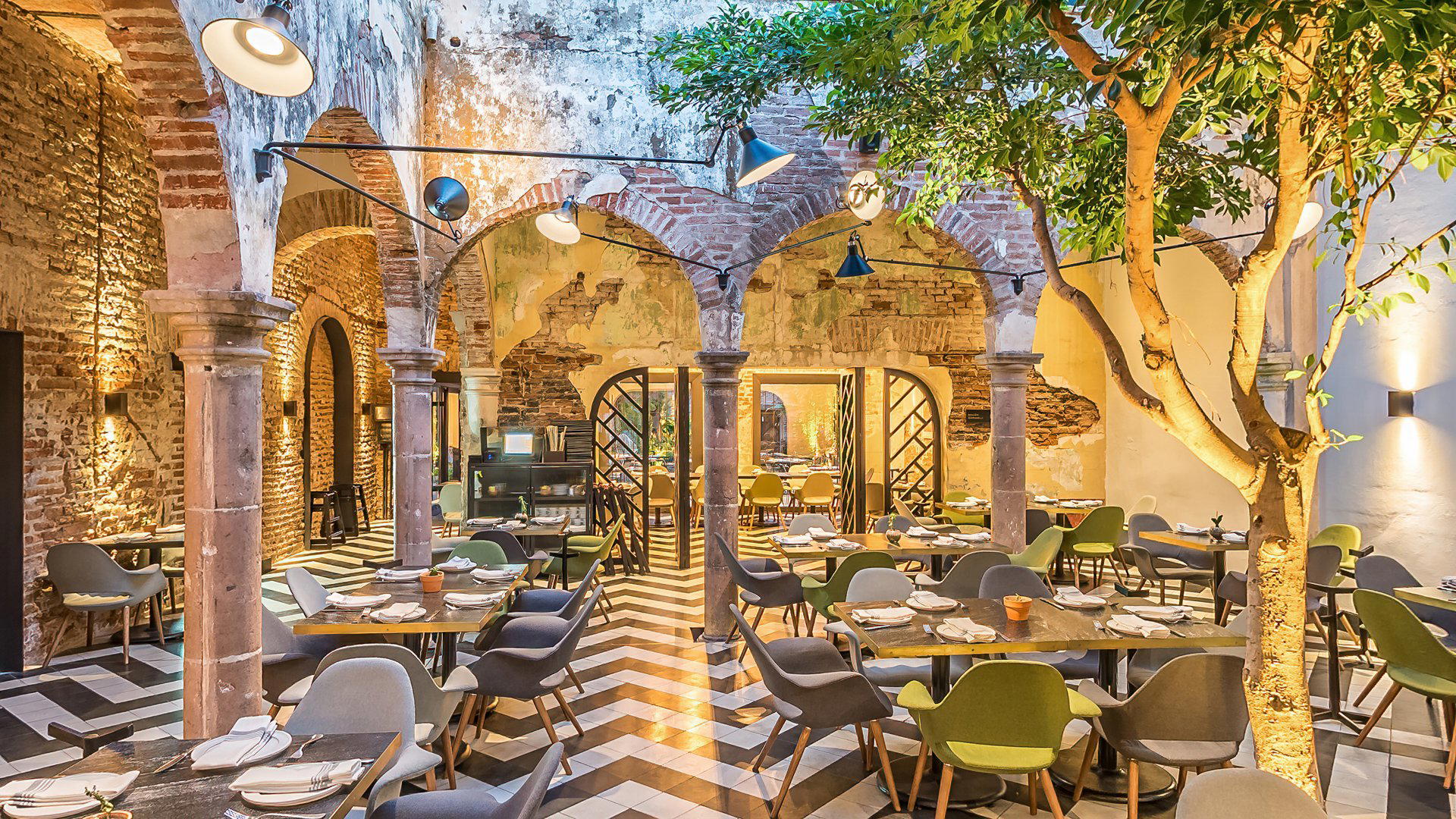
Dining in the Civic Core of Culiacán
The Primer Cuadro, Culiacán's original downtown grid, sets a particular tone before you have ordered anything. Streets here carry the weight of a working Mexican capital city: government buildings, old commercial facades, and the kind of foot traffic that marks a neighborhood used by residents rather than visitors. A restaurant positioned at Calle Gral. Angel Flores 371 is not making a statement about discovery or novelty; it is occupying territory that belongs to the city's daily life. That context shapes the ritual of eating here in ways that matter to anyone approaching the meal seriously.
Sinaloa as a culinary region is underrepresented in Mexico's national dining conversation, which tends to orbit Mexico City, Oaxaca, and the Baja peninsula. Yet the state's food culture is substantive, built on Pacific coastal ingredients — shrimp, marlin, aguachile — alongside northern Mexican traditions of grilling, curing, and slow-cooking that predate the current wave of fine-dining attention. Culiacán sits at the intersection of those currents, close enough to the coast to access fresh seafood daily and embedded in a northern food culture that is direct in its flavors rather than ornate in its presentation. For reference points in Mexico's premium tier, operations like Pujol in Mexico City or Le Chique in Puerto Morelos have codified what modern Mexican dining looks like at the highest level; Culiacán's table operates at a greater remove from that infrastructure, which makes the seriousness of its better addresses more notable, not less.
The Pacing and Character of the Meal
In cities where dining is not primarily oriented toward tourism, the meal tends to follow local rhythm rather than hospitality-industry convention. Culiacán is that kind of city. Lunch carries more weight than dinner across much of northern Mexico; the midday meal is where families gather, business is conducted informally, and kitchens operate at their most complete capacity. An address on the central grid, accessible on foot from the city's administrative and commercial activity, is positioned precisely within that tradition.
The ritual of the Mexican downtown lunch, unhurried, social, anchored in shared plates or a sequence of dishes ordered at the table rather than pre-set, differs structurally from the tasting-menu format that defines Mexico's most internationally discussed restaurants. At places like KOLI Cocina de Origen in Monterrey or Levadura de Olla in Oaxaca, the kitchen controls the sequence and the pacing. In a provincial capital setting, the diner typically directs the meal. That shift in agency changes how you approach the table: you are making decisions throughout rather than surrendering to a pre-scripted progression, and the skill of the kitchen is tested across a wider range of simultaneous demands.
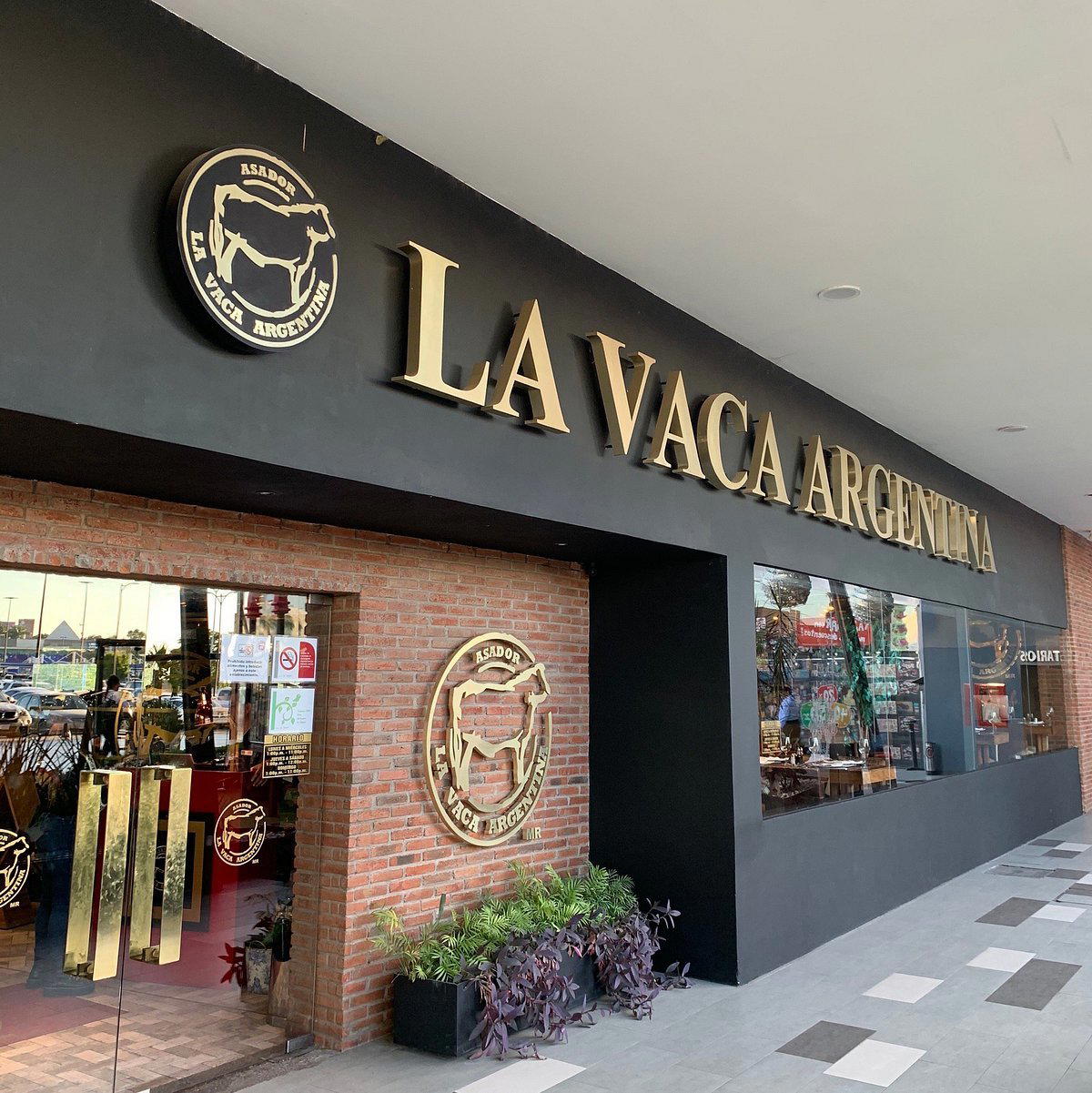
For those visiting Culiacán and comparing notes across the city's dining options, Asador La Vaca Argentina and Cabanna Restaurant represent different points on the city's spectrum, and our full Culiacán restaurants guide maps the broader picture.
Culiacán in the Context of Mexico's Regional Dining
Mexico's dining geography has shifted in the past decade. The Baja corridor, from Ensenada through Valle de Guadalupe, now draws serious international attention, with operations like Animalón in Valle de Guadalupe and Olivea Farm to Table in Ensenada building programs around local agriculture and wine. The Yucatán and Caribbean coast have developed their own critical mass, represented by addresses such as Huniik in Merida, Arca in Tulum, and HA' in Playa del Carmen. Guadalajara's scene, anchored by Alcalde, has been extensively documented. What these cities share is sustained critical attention and a pipeline of visiting diners who arrive with existing frameworks for evaluation.
Culiacán operates outside that infrastructure. There is no comparable critical apparatus, no established visitor circuit that treats the city as a dining destination in its own right. Restaurants in that position tend to serve their actual community rather than a projected version of what a restaurant in their city should look like. The discipline required to hold quality without external recognition is different from the discipline required to perform quality for critics and tourists.
For comparison, the dynamics at work in cities like Monterrey or Guadalajara, where operations such as Pangea in San Pedro Garza Garcia or Lunario in El Porvenir have built reputations partly through external validation, differ from what sustains a restaurant in Culiacán's Primer Cuadro. The latter depends on local loyalty and repeat business in a way that concentrates quality signals differently.
What to Know Before You Go
Casa Bon's address on Calle Gral. Angel Flores 371 places it within walking distance of Culiacán's central plaza and the surrounding civic district, making it accessible from most accommodation in the city center without requiring transport. Given the absence of publicly listed booking data, phone numbers, or hours, arriving early, particularly for midday service, which in northern Mexico typically runs from around 1:30pm to 4:30pm, is a practical precaution. Walk-in capacity at central Mexican restaurants of this type is generally higher at weekday lunches than on weekend afternoons, when local families tend to book tables in advance or arrive in groups. No dress code information is available in the public record; the downtown Culiacán context suggests smart-casual is appropriate without being mandatory. Visitors flying into General Roberto Alejo Pablos International Airport should factor roughly 15 to 20 minutes for the drive into the central city, depending on traffic patterns through the northern approaches. For those building a wider Mexico itinerary around serious dining, comparative reference points at the premium end include Lazy Bear in San Francisco and Le Bernardin in New York City, which benchmark what sustained institutional recognition looks like at the international level, and help calibrate expectations when visiting a city whose dining scene has yet to receive that kind of external scaffolding.
Frequently asked questions
How do I find Casa Bon?
Casa Bon is located at Calle Gral. Angel Flores 371, Primer Cuadro, 80000 Culiacán Rosales, Sin. Mexico, Culiacan.
Is Casa Bon representative of Culiacán's regional food identity, and what makes the city's dining scene distinct from other Mexican destinations?
Culiacán occupies a different register from Mexico City or the Baja corridor: it is a working agricultural and commercial capital where the cuisine draws directly on Sinaloa's Pacific seafood, cattle ranching, and market-garden produce rather than on chef-driven destination dining. Casa Bon's position on Calle Gral. Angel Flores 371 in the Primer Cuadro places it at the centre of that local ecosystem. Unlike Valle de Guadalupe or Ensenada, Culiacán has not been reshaped by international food tourism, which means the dining here answers to a local clientele with long-standing expectations about quality and value.
What should I order at Casa Bon?
What is consistent with Culiacán's downtown dining character is a focus on Sinaloan ingredients — seafood from the Pacific coast features prominently across the region's serious kitchens. Arrive with an appetite for the house selection rather than a fixed preference, and ask staff what is running that day.
Can I walk in to Casa Bon?
Casa Bon's address at Calle Gral. Angel Flores 371 places it squarely within Culiacán's central grid, walkable from the plaza mayor and surrounding civic buildings. Downtown Culiacán dining operates on local rhythm, meaning midweek and early-evening visits typically carry less pressure than weekend services.
What do critics highlight about Casa Bon?
That absence is partly a function of geography: Culiacán sits outside the Baja and Mexico City circuits that attract most international food press, meaning serious regional kitchens here operate well beneath the radar of major guides. Local standing in the Primer Cuadro district carries its own credibility in a city where dining is shaped by residents rather than tourism infrastructure.
Cuisine Context
Comparable venues nearby, for context on price, style, and recognition.
| Venue | Cuisine | Price | Notes |
|---|---|---|---|
| Casa BonThis venue — the venue you are viewing | Mexican Contemporánea | Not listed | Not listed |
| Cabanna Restaurant | Modern Mexican Seafood | $20–30 | Tres Ríos |
| Asador La Vaca Argentina Culiacan | Argentine Steakhouse | $30–50 | Desarrollo Urbano Tres Ríos |
| El Gran Cazador | Mexican Exotic Meats & Insects | Not listed | Cuauhtémoc |
| Tacos Providencia | Authentic Guadalajara Taqueria | $10–20 | Lomas de Guevara |
| Yerbabuena Del Sisal | Healthy Mexican Café | $10–20 | Sisal |
Continue exploring
More in Culiacan
Restaurants in Culiacan
Browse all →
Details
- Classic
- Rustic
- Historic
- Special Occasion
- Date Night
- Historic Building
- Courtyard
- Craft Cocktails
- A La Carte
Current opening hours
- Monday
- Closed
- Tuesday
- 8 AM–6 PM
- Wednesday
- 8 AM–6 PM
- Thursday
- 8 AM–6 PM
- Friday
- 8 AM–10 PM
- Saturday
- 8 AM–10 PM
- Sunday
- 8 AM–5 PM
Hours can change for holidays and private events. Last verified .
Energetic ambiance in a retro architectural setting with indoor and outdoor courtyard dining.