Our verdict
Asador La Vaca Argentina Culiacan serves Argentine Steakhouse cooking at Plaza Ventura, with an extensive wine list and an open kitchen for lunch or dinner in a smart casual, conversational setting.

Pearl is the En Primeur Club membership app — saves, bookings, and concierge access live there. Same editors, same standards.
- Address
- Plaza Ventura, Blvrd Alfonso Zaragoza Maytorena 1364, Desarrollo Urbano Tres Ríos, 80020 Culiacán Rosales, Sin., Mexico
- Phone
- +526676882144
- Hours
- Daily 1–11 PM
- Website
- lavaca-argentina.com
- Directions
- Get directions
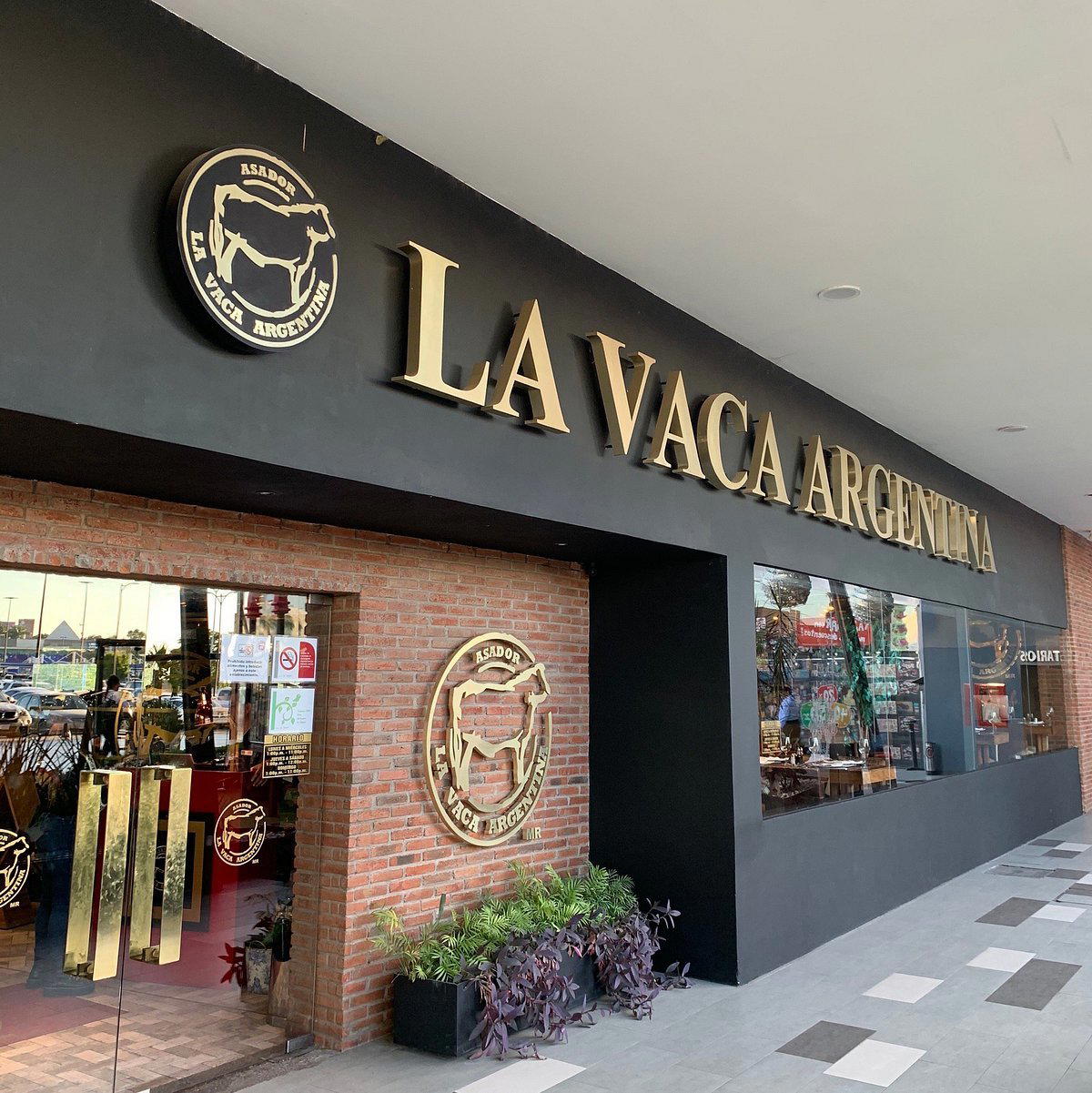
Argentine Fire in the Heart of Sinaloa
Plaza Ventura on Boulevard Alfonso Zaragoza Maytorena sits at the edge of Tres Ríos, the commercial district that has drawn Culiacán's better dining options over the past decade. This is a neighborhood built around the logic of accessibility rather than tradition, which makes the presence of an Argentine-style asador here a deliberate choice rather than an accident of history. The smell of wood smoke and rendered fat reaches the parking area before anything else does, which is as reliable a signal as any that the grill work is being done properly.
In Mexican cities of Culiacán's scale, premium meat restaurants tend to cluster in one of two formats: the Mexican parrilla tradition centered on arrachera and costilla norteña, or the Argentine asador model that draws its legitimacy from imported beef culture and the open-fire techniques associated with the Pampas. Asador La Vaca Argentina Culiacan operates squarely in the second category. The name is direct about its reference point, and the cooking is built around that premise.
The Sourcing Argument Behind Argentine Beef in Mexico
The editorial weight behind any Argentine asador operating outside Argentina rests on a single question: where does the beef come from, and does it justify the positioning? This matters because the Argentine beef tradition is not just a cooking style but a sourcing philosophy rooted in pasture-raised, grass-fed cattle that produce a leaner, more mineral-forward cut profile than the grain-fed beef dominant in northern Mexican ranching. When that sourcing chain is intact, the distinction is evident in the fat color, the chew, and the absence of the sweetness that heavy grain finishing produces.
Culiacán sits in Sinaloa, a state better known for seafood and agriculture than for beef culture, which means asadores here are importing a tradition rather than extending a local one. The address at Plaza Ventura, a commercial center with enough foot traffic to support consistent volume, suggests the format has found an audience here. Whether that audience is drawn by nostalgia for Argentine dining, curiosity about the fire-cooking format, or simply appetite for well-handled beef, the restaurant's sustained presence in this location is its most legible credential.
For context on how ingredient sourcing defines restaurant identity across Mexico, Animalón in Valle de Guadalupe and Olivea Farm to Table in Ensenada both operate on sourcing-first premises, while Lunario in El Porvenir in wine country Baja builds its menu around hyper-local agricultural supply. The Argentine asador format takes a different route, importing a beef culture rather than harvesting what is immediately local, but the underlying argument is the same: the ingredient is the dish.
How Asador Cooking Differs from the Mexican Parrilla Tradition
The mechanics of Argentine asador cooking differ from the Mexican parrilla in ways that affect both the product and the pacing of a meal. Argentine technique typically employs a parrilla inclined toward lower, slower heat from hardwood embers rather than direct flame, which allows thicker cuts of beef to render internal fat gradually without carbonizing the exterior. The result is a crust that forms through the Maillard reaction rather than charring, and an interior that stays juicy at higher internal temperatures than high-heat grilling permits.
This means that a proper asado is a time-dependent meal. The kitchen cannot accelerate it without compromising the product, and the diner who arrives expecting quick service is working against the format. This is as true in Buenos Aires as it is in Culiacán. The pauses between courses in an asado are structural, not logistical failures, and the restaurants that maintain this rhythm tend to attract tables that stay for two hours rather than ninety minutes. Given the commercial center location, Asador La Vaca Argentina sits in a dining environment that probably sees both types of diner, and how the kitchen handles that pressure is a reasonable indicator of its seriousness.
For comparison, northern Mexico's meat culture at its more formal end looks like KOLI Cocina de Origen in Monterrey or Pangea in San Pedro Garza Garcia, both of which apply contemporary precision to regional ingredients. The Argentine asador format makes a different wager: that classical technique, transparently executed, carries its own authority without needing modernist framing.
Culiacán's Dining Scene and Where This Restaurant Fits
Culiacán is underrepresented in Mexican food media relative to its size and economic output. The city of roughly one million people has a dining culture shaped by Sinaloan seafood, norteño grilling, and a commercial restaurant sector that has expanded rapidly with Tres Ríos development. Cabanna Restaurant and Casa Bon represent different points on the local spectrum, and our full Culiacan restaurants guide maps the category more completely. Within that context, an Argentine asador occupies a specific and intentional niche: it is the table for beef-focused meals, for groups who want long format dining around a grill, and for diners whose reference point includes Buenos Aires parrillas or at least an awareness of what that tradition involves.
The broader Mexican fine dining conversation currently runs through addresses like Pujol in Mexico City, Le Chique in Puerto Morelos, Alcalde in Guadalajara, Levadura de Olla Restaurante in Oaxaca, and Huniik in Merida, all of which are oriented toward Mexican-origin ingredients and technique. Places like HA' in Playa del Carmen, Arca in Tulum, and Gaia at Maykana in Riviera Maya extend that same logic to resort-market environments. Asador La Vaca Argentina does not participate in that conversation, nor should it. It is making a more contained argument: that Argentine fire cooking belongs in Culiacán's dining mix, and that Plaza Ventura is a reasonable place to make that case.
Globally, the wood-fire cooking conversation has refined asador-format restaurants well beyond their regional origins. Le Bernardin in New York City and Lazy Bear in San Francisco represent how fire and sourcing can anchor a world-recognized identity. The Argentine asador tradition operates on a less rarefied register but with the same fundamental conviction that fire and quality raw material are enough.
Planning Your Visit
Asador La Vaca Argentina Culiacan is located at Plaza Ventura, Blvrd Alfonso Zaragoza Maytorena 1364, Desarrollo Urbano Tres Ríos, in the commercial zone that also hosts Culiacán's newer hotel and retail infrastructure. The Tres Ríos area is accessible by car from the city center in under twenty minutes during off-peak hours, and the plaza format means parking is available. Given the group-dining logic of asado-format restaurants, reservations are worth arranging in advance for Friday and Saturday evenings, when tables for four or more can fill the house quickly.
Frequently asked questions
What's Asador La Vaca Argentina Culiacan's location?
Asador La Vaca Argentina Culiacan is located at Plaza Ventura, Blvrd Alfonso Zaragoza Maytorena 1364, Desarrollo Urbano Tres Ríos, 80020 Culiacán Rosales, Sin. Mexico, Culiacan.
How does Asador La Vaca Argentina Culiacán differ from a typical Mexican steakhouse?
The distinction is technical: Argentine asador cooking uses a slow, angled wood-fire method that draws heat across cuts over extended periods, producing a different texture and smoke profile than the high-heat Mexican parrilla. Located in Culiacán's Tres Ríos district, this restaurant operates within a city where Argentine-format grilling represents a small and specific niche rather than a mainstream dining category. That separation from the local default is the argument for visiting.
What's the must-try dish at Asador La Vaca Argentina Culiacan?
The restaurant's identity is built around Argentine asador technique — slow wood-fire roasting that produces cuts cooked at a fundamentally different pace and temperature than the Mexican parrilla. Beef is the structural centerpiece of the menu. Without a current publicly confirmed menu, the practical approach is to ask staff for the day's primary roast cut, as Argentine asadors traditionally anchor their offering around what is on the fire at service time.
How hard is it to get a table at Asador La Vaca Argentina Culiacan?
The restaurant is located inside Plaza Ventura on Boulevard Alfonso Zaragoza Maytorena in Tres Ríos, Culiacán's main commercial and dining corridor.
What do critics highlight about Asador La Vaca Argentina Culiacan?
No formal critical record or published award citations are currently attached to this venue. What positions it editorially is its format: Argentine asador cooking is a minority proposition in Culiacán's dining scene, and the Tres Ríos location places it inside the city's most commercially active dining zone, serving a local market that skews toward serious protein-focused meals.
Is Asador La Vaca Argentina Culiacan good for vegetarians?
Argentine asador restaurants are structurally organised around beef and fire — it is the foundational logic of the format. Vegetarian options are not documented specifically, and the broader Argentine parrilla tradition offers limited plant-based flexibility. Vegetarians should confirm options directly with the restaurant before visiting.
Quick Comparison
Comparable venues nearby, for context on price, style, and recognition.
| Venue | Cuisine | Price | Notes |
|---|---|---|---|
| Asador La Vaca Argentina CuliacanThis venue — the venue you are viewing | Argentine Steakhouse | $30–50 | Not listed |
| Cabanna Restaurant | Modern Mexican Seafood | $20–30 | Tres Ríos |
| Casa Bon | Mexican Contemporánea | Not listed | Centro |
| Tacos de la santa cruz | Traditional Mexican Taqueria | $10–20 | Aguacate |
| Las Guacamayas | Authentic Mexican Taqueria | $10–20 | San José del Cabo |
| Chambao Los Cabos Restaurante | Boho-Chic Steakhouse & Seafood Grill | $50–100 | 0300800010394 |
Continue exploring
More in Culiacan
Restaurants in Culiacan
Browse all →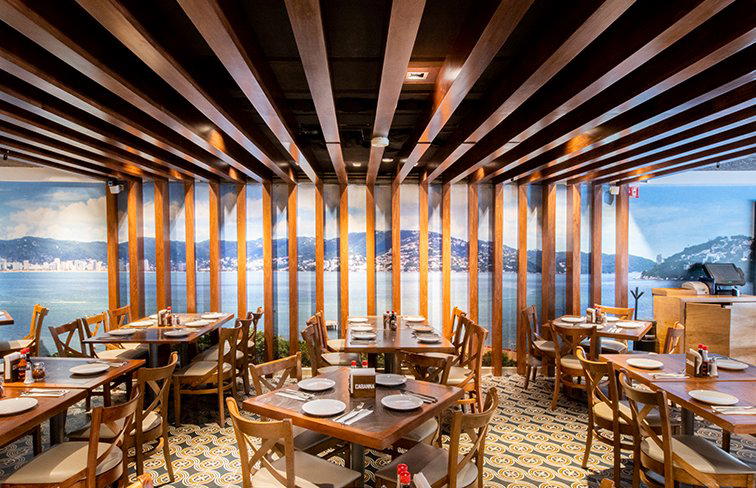
Details
- Elegant
- Rustic
- Sophisticated
- Date Night
- Special Occasion
- Business Dinner
- Open Kitchen
- Extensive Wine List
- A La Carte
- Vegetarian Friendly
Current opening hours
- Monday
- 1–11 PM
- Tuesday
- 1–11 PM
- Wednesday
- 1–11 PM
- Thursday
- 1–11 PM
- Friday
- 1–11 PM
- Saturday
- 1–11 PM
- Sunday
- 1–11 PM
Hours can change for holidays and private events. Last verified .
Sophisticated and acogedor atmosphere focused on premium meat grilling with an extensive wine cellar maintained at precise temperature.