Carlos and Pepe's - St Leonard
Our verdict
Carlos and Pepe's in Saint-Léonard sits along Rue Jean-Talon Est in one of Montreal's most food-dense residential corridors, where the neighbourhood's Italian and Latin American communities have shaped a distinct approach to sourcing and preparation. The restaurant draws from that mixed market culture, with an address that places it squarely in everyday Saint-Léonard rather than the tourist circuit.

Pearl is the En Primeur Club membership app — saves, bookings, and concierge access live there. Same editors, same standards.
- Address
- 6820 Rue Jean-Talon E, Saint-Léonard, QC H1S 0A5, Canada
- Phone
- (514) 256-5656
- Hours
- Mon ClosedTue 4–9 PMWed 11:30 AM–9 PMThu 11:30 AM–9:30 PMFri 11:30 AM–10:30 PMSat 12–10:30 PMSun 12–9 PM
- Website
- carlospepes.com
- Directions
- Get directions
- Booking
- Book on OpenTable
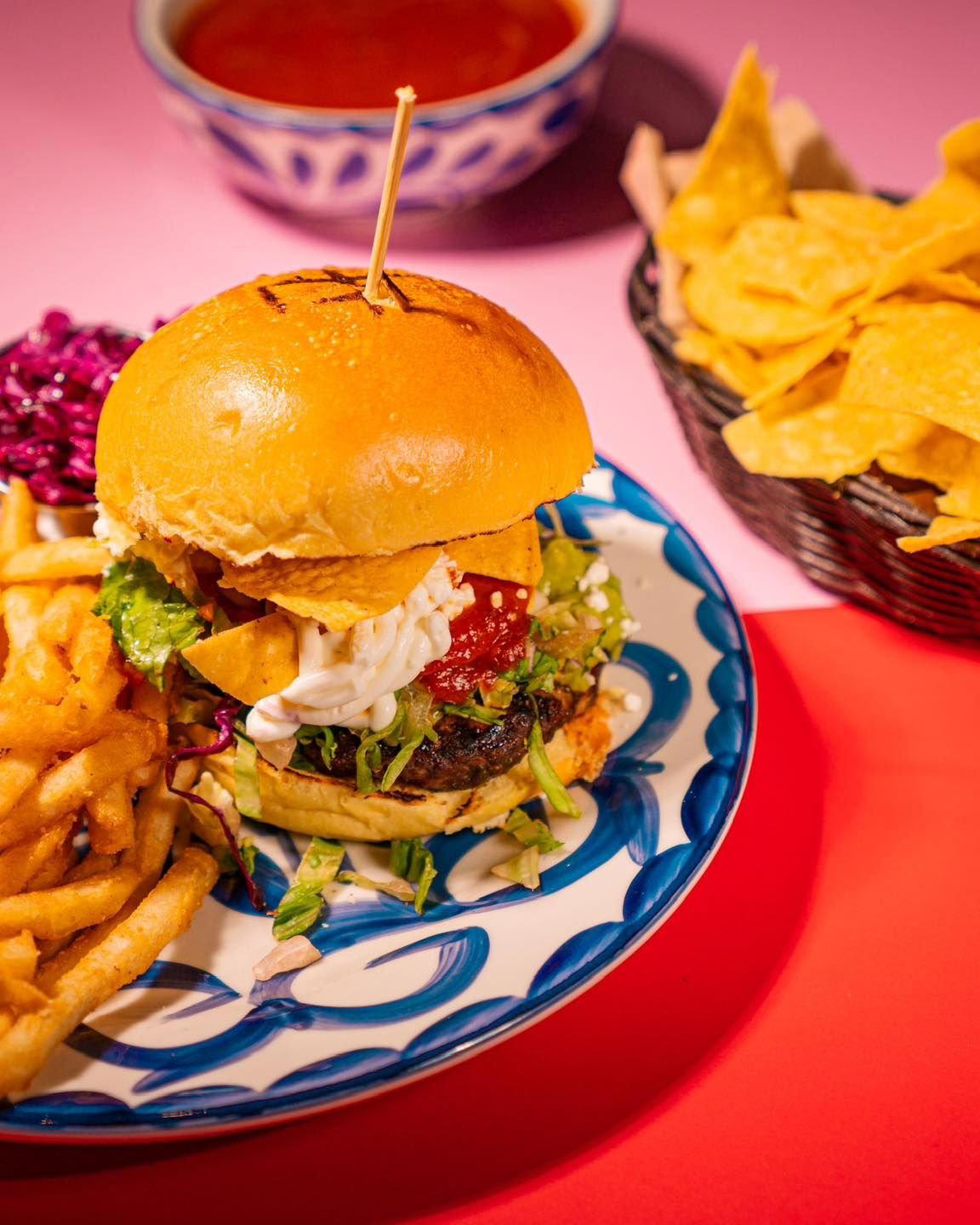
The menu
What to order
- 6 carne tacos platter
- Margarita bulldog
Rue Jean-Talon Est and the Sourcing Logic of Saint-Léonard
The stretch of Rue Jean-Talon Est running through Saint-Léonard is not a restaurant row in the conventional sense. It is a working corridor where produce markets, specialty butchers, and Latin American grocery importers sit alongside dining rooms that have been feeding the same families for decades. In that context, a restaurant's relationship to its immediate supply chain is not a marketing position — it is simply how things have been done here. Carlos and Pepe's operates at 6820 Rue Jean-Talon Est, an address that places it within easy reach of the Jean-Talon Market ecosystem and the dense network of independent suppliers that the neighbourhood sustains.
Saint-Léonard's food culture rarely travels far in the city's restaurant press. The borough developed as a post-war Italian immigrant settlement and then absorbed successive waves of Latin American, Haitian, and North African communities, each of which left traces in the local retail and dining economy. That layering produces something that downtown Montreal's more curated neighbourhoods do not easily replicate: a sourcing environment where Mexican dried chiles, Calabrian preserves, and Québécois dairy all occupy the same few blocks. A restaurant positioned along this corridor, whatever its primary register, inherits that supply logic by proximity. For our broader coverage of the area, see our full Saint Leonard restaurants guide.
Where the Neighbourhood's Market Culture Shows Up on the Plate
The ingredient-sourcing argument for Saint-Léonard dining is not abstract. Quebec's agricultural calendar is short and its quality ceiling, particularly for field vegetables, heritage-breed pork, and dairy, is high relative to Canadian peers. Restaurants that work within borough-level supply networks rather than centralised wholesale systems tend to reflect seasonal availability more directly — not as a philosophical stance but as a practical reality of what arrives in quantity on a given week.
Across Canada, the question of sourcing specificity has sharpened considerably over the past decade. Properties like Eigensinn Farm in Singhampton and Fogo Island Inn Dining Room in Joe Batt's Arm have made the provenance argument central to their identity at a premium tier. At the neighbourhood restaurant level, the same logic operates without the editorial framing: the supply chain is local because the operators live in the community and buy where they shop. That distinction matters when reading what ends up on the table.
Compared to the tasting-menu format that venues like Tanière³ in Quebec City and Jérôme Ferrer - Europea in Montreal deploy around Quebec terroir, the neighbourhood dining rooms of Saint-Léonard operate at a different register entirely. There is no tasting menu architecture, no wine pairing protocol, no per-seat price that puts the room in the same conversation as Alo in Toronto or Restaurant Pearl Morissette in Lincoln. What the neighbourhood format offers instead is volume loyalty, the kind of repeat clientele that gives a kitchen genuine feedback on consistency rather than the one-time occasion traffic that shapes tasting-menu rooms.
The Competitive Context on Jean-Talon Est
Saint-Léonard's dining density is real but poorly mapped in most city guides. The borough contains a significant concentration of Italian-Canadian restaurants that have operated continuously since the 1970s and 1980s, alongside a younger cohort of Latin American and fusion formats that opened as the demographic mix of the neighbourhood shifted. That generational spread means a visitor to Rue Jean-Talon Est is likely to encounter dining rooms ranging from red-sauce holdovers to taco counters to hybrid formats that do not fit neatly into any single category.
Carlos and Pepe's sits within that generational range. The name itself signals a Latin-inflected identity, though without detailed menu data available, the precise culinary register warrants direct confirmation before visiting. What the address confirms is the neighbourhood affiliation: this is a Saint-Léonard local rather than a restaurant operating for a downtown audience. For a sense of what the broader local dining scene looks like, Restaurant Di Menna provides a useful point of comparison within the same borough.
Canadian neighbourhood dining at this tier shares certain structural characteristics regardless of city. The rooms tend toward generous capacity, casual dress, and family-oriented table configurations. Booking patterns differ sharply from higher-end formats: walk-in traffic is common, and the rhythm of service accommodates large groups and extended meals rather than timed sittings. For contrast, consider how venues at the other end of the Canadian dining spectrum, like AnnaLena in Vancouver or The Pine in Creemore, structure their service around entirely different assumptions about pacing and pre-commitment.
Getting There and Planning Your Visit
The Rue Jean-Talon Est address is accessible by the Montreal metro system via the Saint-Michel or Langelier stations on the Orange Line, both within reasonable walking distance depending on the specific block. Street parking along Jean-Talon Est is generally available in the evenings. Given that no current phone number or website is listed in public directories for this location, confirming hours and current operations by visiting in person or through a third-party booking platform before making a dedicated trip is advisable, particularly if travelling from outside the borough. The Jean-Talon Market area itself warrants a half-day in either direction, making a meal on this stretch a natural pairing with a market visit.
For those building a broader Quebec dining itinerary, the contrast between Saint-Léonard's neighbourhood format and the sourcing-narrative restaurants that have drawn international attention, venues like Narval in Rimouski or operations further afield such as Cafe Brio in Victoria and Catch22 Lobster Bar in Moncton, illustrates how ingredient provenance plays out across very different price points and dining formats. Saint-Léonard's contribution to that picture is the untheorised version: sourcing shaped by community geography rather than editorial intent.
Frequently asked questions
Is Carlos and Pepe's - St Leonard okay with children?
Saint-Léonard's Italian-Canadian restaurant culture skews family-oriented, and the borough's dining rooms on Rue Jean-Talon Est have historically accommodated multigenerational tables. Carlos and Pepe's sits within that tradition at 6820 Rue Jean-Talon E. For specific seating arrangements or high-chair availability, contacting the restaurant directly before your visit is the practical step.
How would you describe the vibe at Carlos and Pepe's - St Leonard?
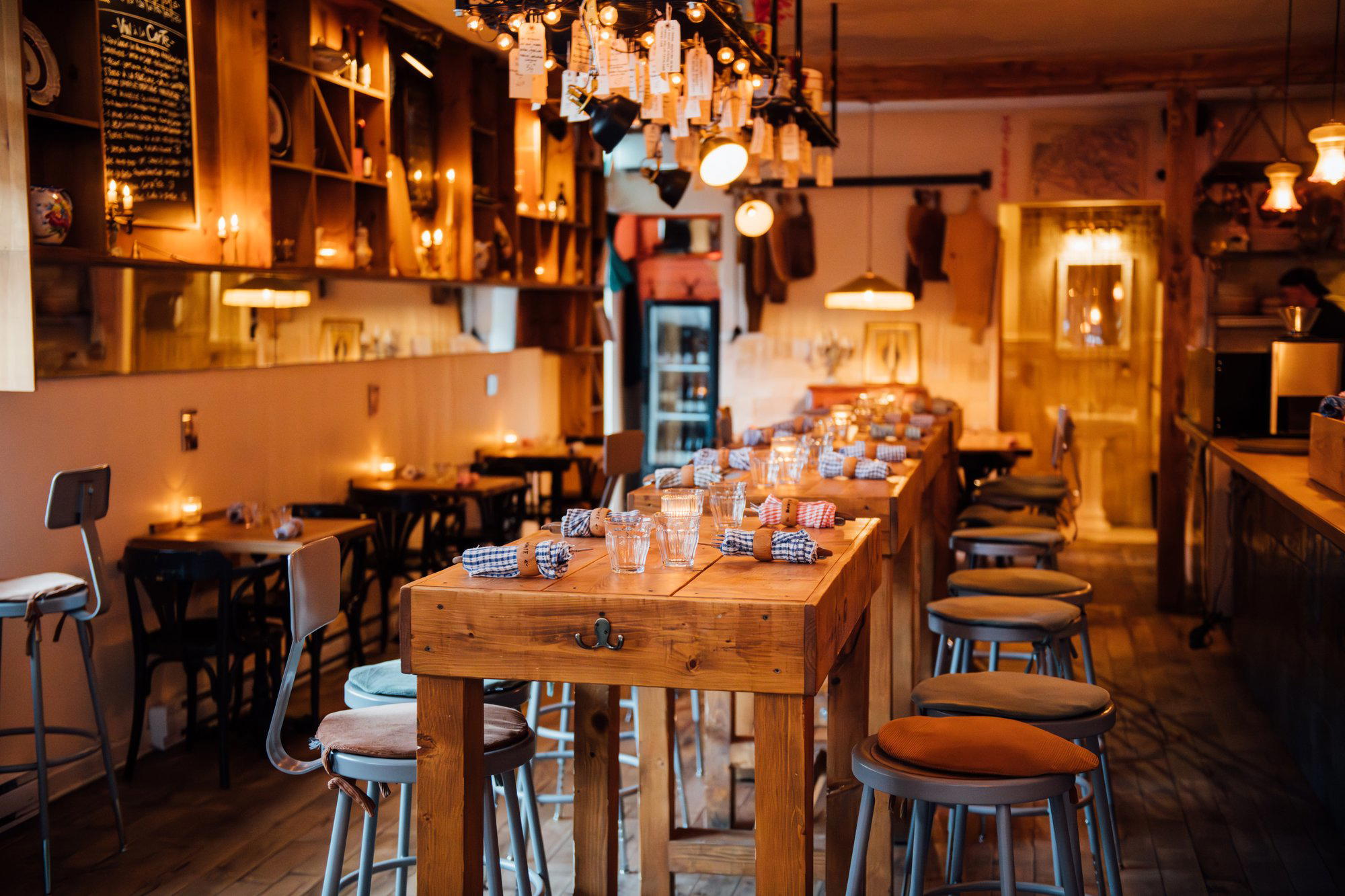
The address on Rue Jean-Talon Est places it squarely in Saint-Léonard's working Italian-Canadian corridor rather than a polished downtown dining room. The atmosphere reflects the borough itself: neighbourhood regulars, direct service, and the kind of room where the focus is on the food and table rather than the setting. It is a sit-down dining experience in one of Montreal's most food-literate communities.
How does Carlos and Pepe's St Leonard compare to other Italian-Canadian restaurants along Rue Jean-Talon Est in Saint-Léonard?
The Jean-Talon Est corridor through Saint-Léonard holds one of the highest concentrations of Italian-Canadian restaurants in the Montreal area, making it a genuinely competitive dining stretch rather than an isolated destination. Carlos and Pepe's at 6820 Rue Jean-Talon E positions itself within that peer group, where longevity and neighbourhood loyalty tend to be the primary differentiators. Most city guides undermap Saint-Léonard relative to the Plateau or Mile End, which means the borough's restaurants compete on local reputation rather than tourist-driven visibility.
What's the must-try dish at Carlos and Pepe's - St Leonard?
The Italian-Canadian dining tradition along this corridor typically anchors on house-made pasta, grilled proteins, and Quebec-sourced seasonal produce. Checking directly with the restaurant will give you the most accurate picture of what is driving the kitchen right now.
Where is Carlos and Pepe's - St Leonard in Saint Leonard?
Carlos and Pepe's - St Leonard is located at 6820 Rue Jean-Talon E, Saint-Léonard, QC H1S 0A5, Canada, Saint Leonard.
Should I book Carlos and Pepe's - St Leonard in advance?
Saint-Léonard's established Italian-Canadian restaurants on Rue Jean-Talon Est draw loyal local followings, and weekend tables at neighbourhood staples in this corridor can fill quickly. Reserving ahead is a reasonable precaution, particularly for larger groups.
What has Carlos and Pepe's - St Leonard built its reputation on?
Carlos and Pepe's occupies a stretch of Rue Jean-Talon Est that has sustained one of Montreal's densest concentrations of Italian-Canadian dining for decades. That corridor's credibility rests on consistency and community loyalty rather than awards cycles. Within Saint-Léonard, a restaurant's durability on Jean-Talon Est is itself a form of peer validation.
Comparable Spots, Quickly
| Venue | Cuisine | Price | Awards | Notes |
|---|---|---|---|---|
| Carlos and Pepe's - St LeonardThis venue — the venue you are viewing | Authentic Mexican & Tex-Mex | Not listed | Not listed | Not listed |
| Alo | Modern French Fine Dining with Asian Influences | $200–300 | 1 Michelin Star · La Liste Top Restaurants | Contemporary |
| Sushi Masaki Saito | Edomae-Style Omakase | $500+ | 1 Michelin Star · La Liste Top Restaurants | Sushi, Japanese |
| The Pine | Contemporary Chinese Fine Dining | $150–200 | 1 Michelin Star · World's 50 Best #48 | Chinese |
| Aburi Hana | Modern Japanese Kyō-Kaiseki | $300–500 | 1 Michelin Star · The Best Chef One Knife | Kaiseki, Japanese |
| AnnaLena | Modern Canadian Tasting Menu | $100–150 | 1 Michelin Star · World's 50 Best #35 | Contemporary |
Continue exploring
More in Saint Leonard
Restaurants in Saint Leonard
Browse all →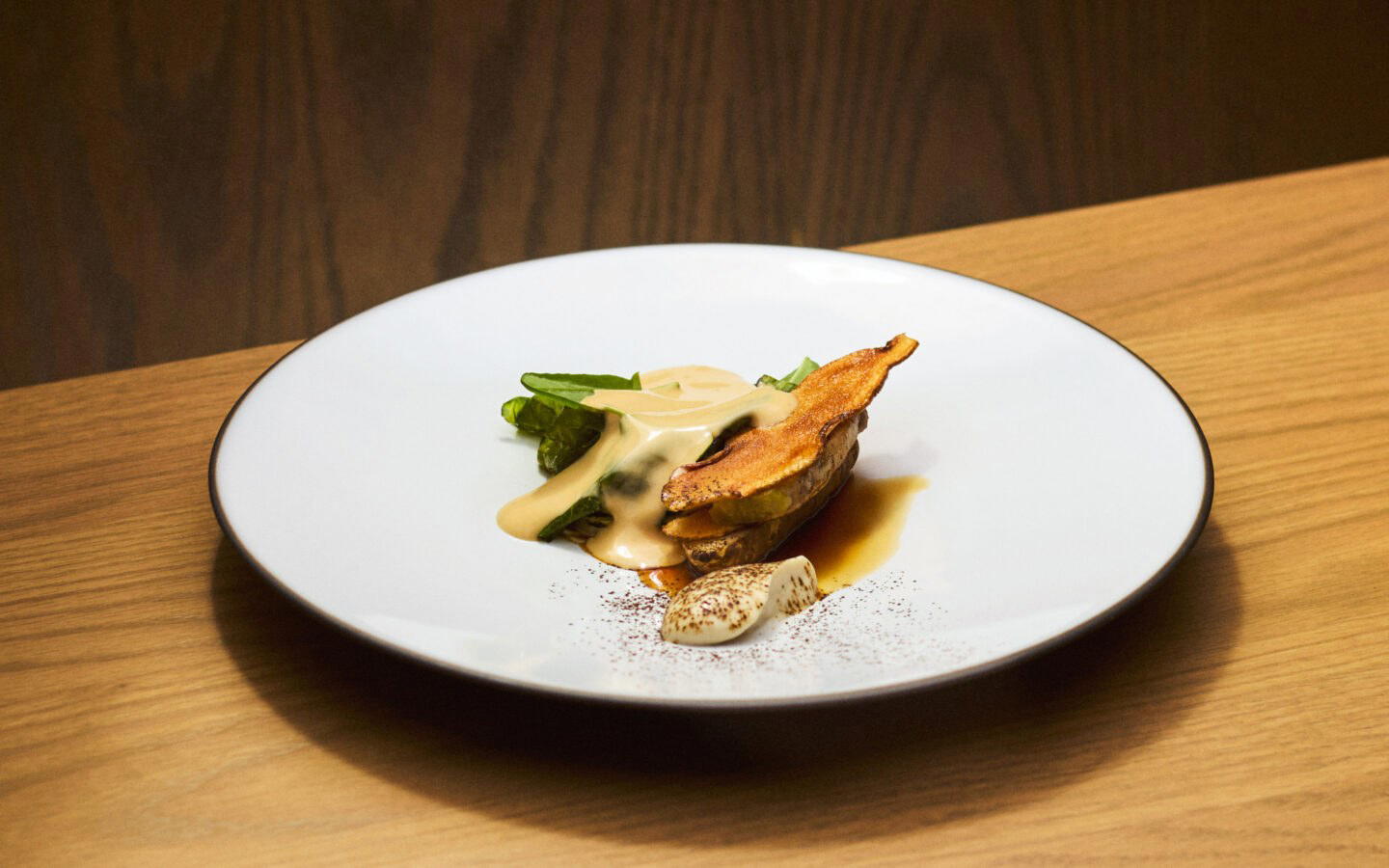
Bars in Saint Leonard
Browse all →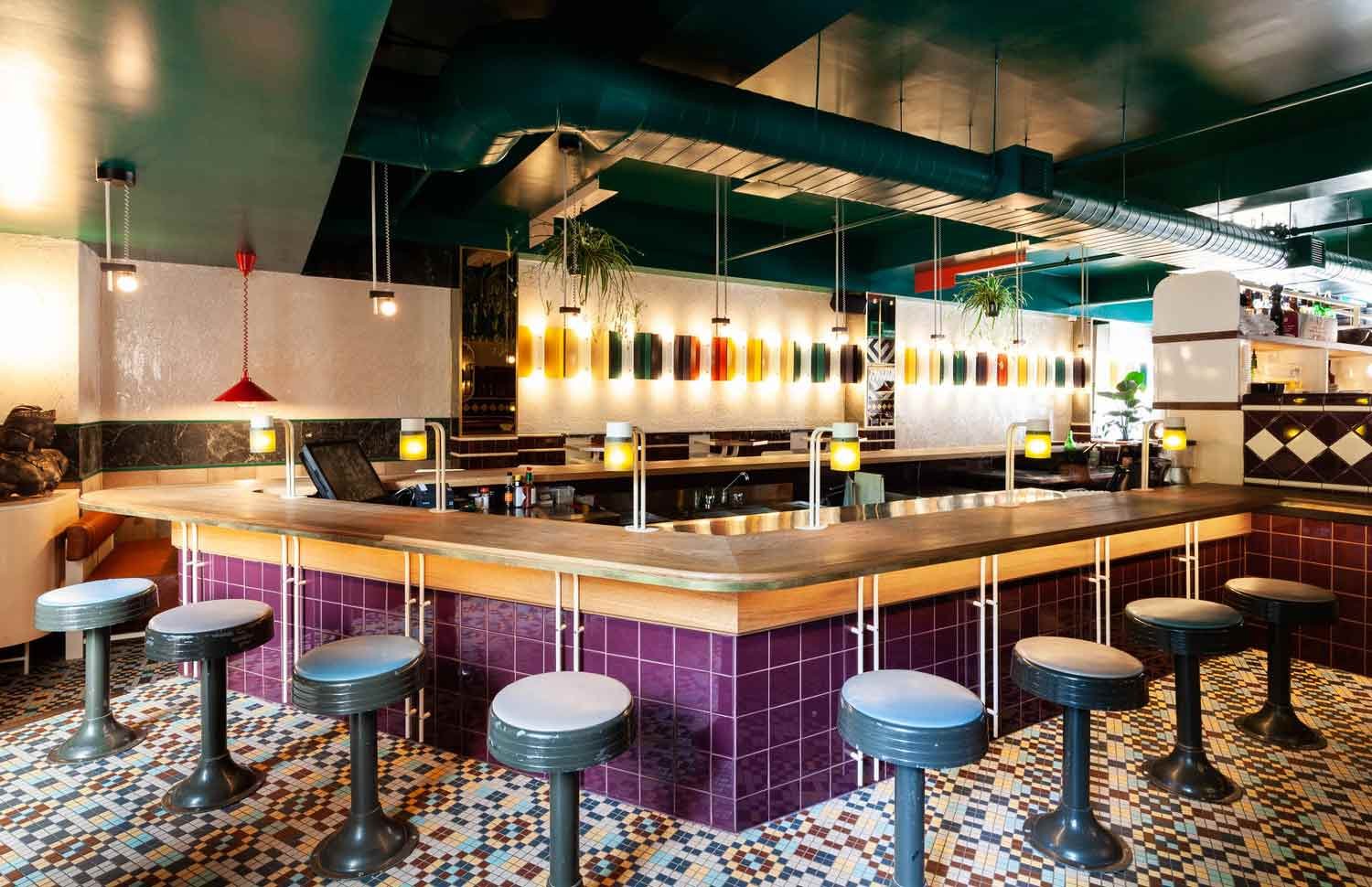

Details
- Lively
- Casual Hangout
- Group Dining
- Craft Cocktails
- A La Carte
- Cocktails
Current opening hours
- Monday
- Closed
- Tuesday
- 4–9 PM
- Wednesday
- 11:30 AM–9 PM
- Thursday
- 11:30 AM–9:30 PM
- Friday
- 11:30 AM–10:30 PM
- Saturday
- 12–10:30 PM
- Sunday
- 12–9 PM
Hours can change for holidays and private events. Last verified .
Colourful and casual fiesta atmosphere with lively decor and energetic service.