Carlitos Café y Cantina
Carlitos Café y Cantina anchors the northern stretch of State Street with a format that has weathered several decades of shifting Santa Barbara dining trends. The café-cantina combination positions it between the casual taqueria tier and the mid-market Californian restaurants that now define much of the city's dining scene. A long-running fixture for locals navigating the State Street corridor.
 Discover on Pearl
Pearl is the En Primeur Club membership app — saves, bookings, and concierge access live there. Same editors, same standards.
- Address
- 1324 State St, Santa Barbara, CA 93101
- Phone
- +18059627117
- Website
- carlitos.com
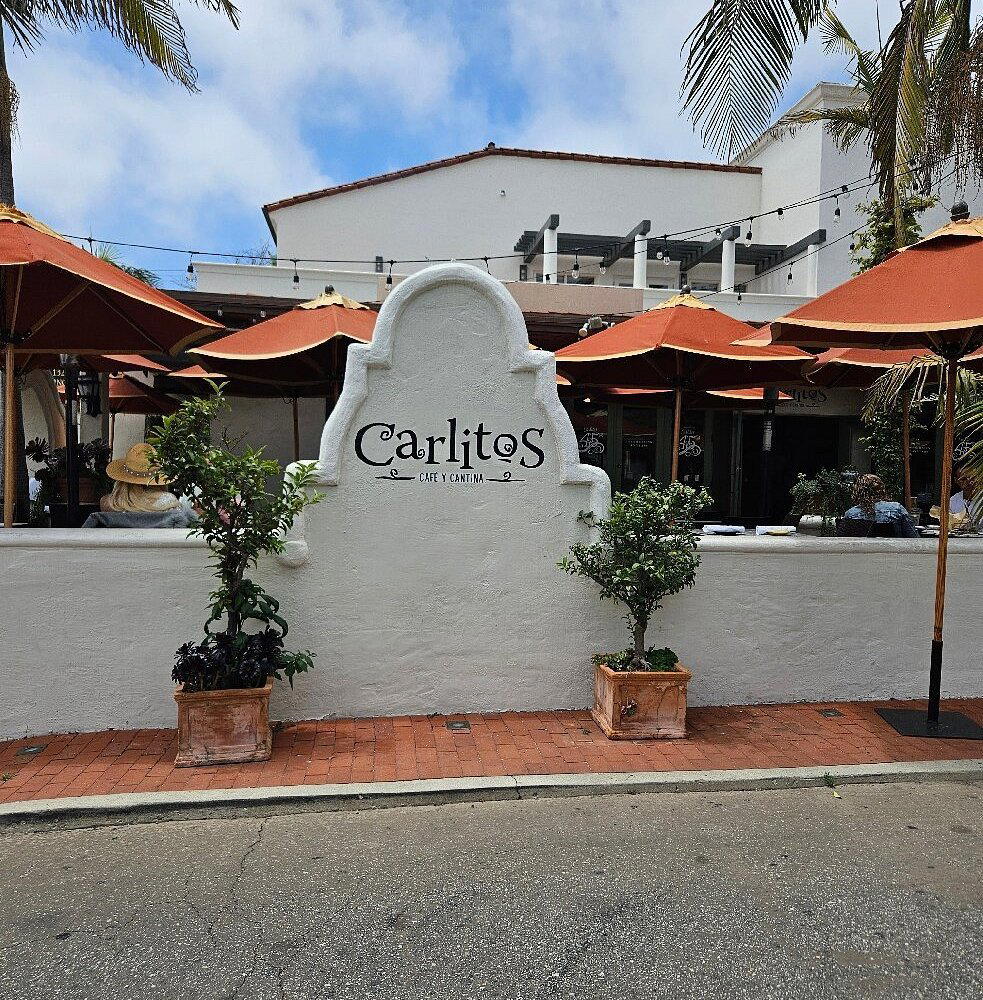
State Street's Long Game
Carlitos Café y Cantina is a modern Mexican restaurant at 1324 State St in Santa Barbara, with a Google rating of 4.4 and an accessible, midpriced format. In the 1980s and early 1990s, the strip leaned heavily on casual Mexican and American formats, affordable, unpretentious, built for the local crowd as much as the tourist trade. The decades since have seen that character complicated by wine-country adjacency, rising rents, and a restaurant market that now includes destination-caliber Californian cooking at places like Barbareño and polished omakase counters such as Silvers Omakase. Against that backdrop, cafés and cantinas with roots in an earlier version of State Street carry a specific kind of value: they represent continuity in a corridor that has otherwise been remade.
Carlitos Café y Cantina, at 1324 State St, sits in that continuity role. The address places it on one of the busier pedestrian blocks of the strip, where foot traffic mixes between locals running errands and visitors oriented around the Paseo Nuevo area. That positioning, neither at the quieter northern end nor deep in the tourist-saturated lower stretch, has historically supported a format that can serve both constituencies without fully committing to either.
The Café-Cantina Format in a Changed Market
The café-cantina hybrid is itself a product of a particular moment in California's restaurant evolution. Through the 1980s and into the 1990s, the format allowed operators to run longer service windows, blending lighter café fare with the heartier proteins and tortilla-based dishes associated with cantina cooking. It was a pragmatic structure that suited mid-sized California cities where dinner-only fine dining was underbuilt and the demand for all-day eating was high.
What makes the format interesting to track in 2024 is what it has had to adapt to. The mid-market restaurant tier in Santa Barbara has bifurcated: on one side, accessible fast-casual and bowl concepts like Backyard Bowls have captured the health-forward daytime crowd; on the other, wine-list-driven Californian restaurants at the $$$ price point, including Barbareño, have absorbed much of the evening spend from guests willing to commit to a sit-down experience. The old-school café-cantina format, which once occupied the middle comfortably, now has to work harder to justify its position. Venues that have survived this pressure tend to have done so by deepening their local regulars base, adjusting their format incrementally, or both.
Italian-American formats have faced parallel pressures. Arnoldi's Cafe, another long-running Santa Barbara address, represents a similar vintage of State Street dining and has navigated equivalent market shifts. The comparison is useful: both venues carry the weight of institutional memory in a city that increasingly positions itself alongside Napa-adjacent food destinations, where the reference points are places like The French Laundry or Single Thread Farm in Healdsburg.
What the Evolution Signals
The editorial angle worth taking seriously here is not sentimentality about older restaurant formats but rather what their persistence reveals about a city's dining ecosystem. In markets like Chicago, where Smyth and its peers have reshaped expectations at the upper end, or in Los Angeles, where Providence has long anchored serious seafood dining, the mid-market tier compresses and legacy formats either adapt or close. Santa Barbara's market is smaller and more insulated from those pressures than major metros, which is part of why the café-cantina format has remained viable here when it has largely disappeared from San Francisco or Los Angeles.
That insularity is also what gives State Street its particular character: a mix of formats from different eras coexisting in a way that would be commercially unsustainable in denser markets. The sushi tier, represented by Arigato Sushi alongside newer omakase entrants, sits in the same corridor as Mexican-inflected cafés and Californian tasting menus, a range that reflects the city's dual identity as a college and tourist town with an increasingly affluent permanent resident base.
Carlitos functions as a marker of that earlier layer. Its name, format descriptor, and State Street location all point to a pre-wine-country-positioning moment in Santa Barbara's dining history. Whether the kitchen has evolved its execution to match what the current market expects from a mid-priced sit-down experience, sharper sourcing language, tighter wine lists, more deliberate service cadence, is the question that separates legacy venues that have genuinely pivoted from those that are coasting on institutional habit. That distinction matters more than ever as the city's upper tier, anchored by addresses compared to Addison in San Diego and the kind of farm-to-table discipline associated with Blue Hill at Stone Barns, raises the baseline expectation for what a Santa Barbara meal can deliver.
Planning Your Visit
Carlitos Café y Cantina is located at 1324 State St, centrally positioned on the pedestrian-friendly corridor that runs through downtown Santa Barbara. State Street is walkable from most of the city's central accommodation, and the address is accessible without a car for anyone staying within a half-mile radius of the Paseo Nuevo district. The restaurant is recommended for reservations and is open daily from 11 AM to 10 PM.
Visitors planning a meal here should note that the city supports formats from casual café through to more polished Californian cooking.Lazy Bear in San Francisco or Atomix in New York City to understand how far the national benchmark has shifted, context that makes the mid-market tier's adaptation challenge in smaller California cities easier to read clearly.
Recognition Snapshot
Comparable venues nearby, for context on price, style, and recognition.
| Venue | Cuisine | Price | Awards | Notes |
|---|---|---|---|---|
| Carlitos Café y CantinaThis venue — the venue you are viewing | Modern Mexican | $$ | , | |
| Mony's Mexican Food | Authentic Mexican Taqueria | $ | , | Lower State |
| Olio Pizzeria | Casual Italian Pizzeria | $$ | , | Downtown |
| Santa Barbara Shellfish Company | Fresh Local Seafood | $$ | , | Waterfront |
| Mesa Cafe | Classic American Diner | $$ | , | West Mesa |
| Lucky Penny | Wood-Fired Pizza | $$ | , | Lower State |
Continue exploring
More in Santa Barbara
Restaurants in Santa Barbara
Browse all →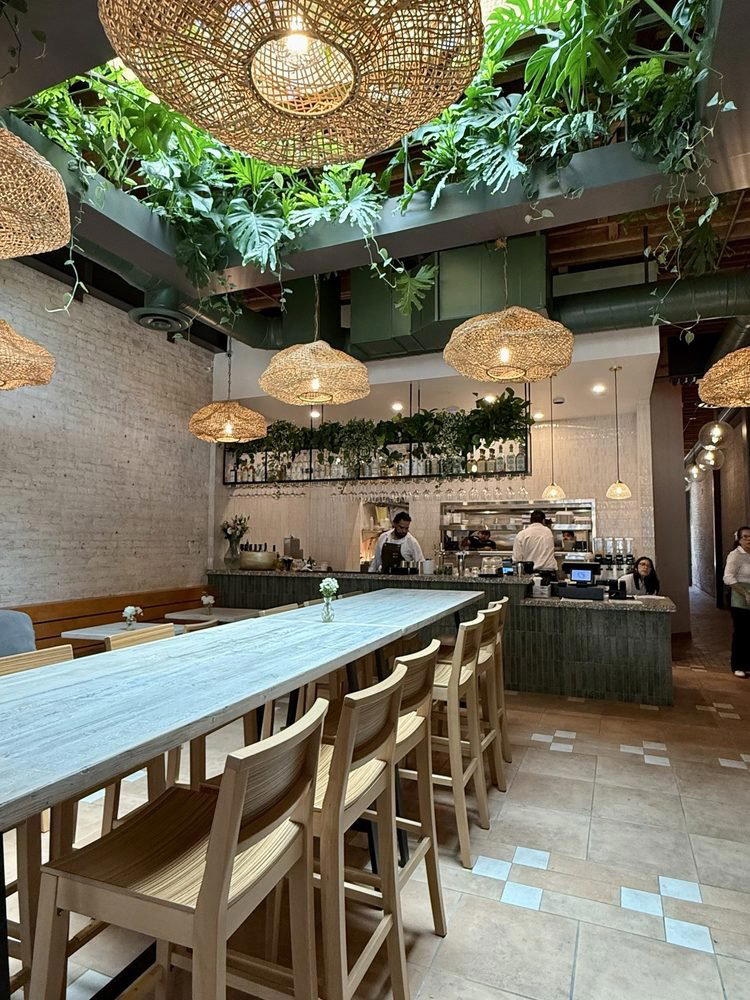
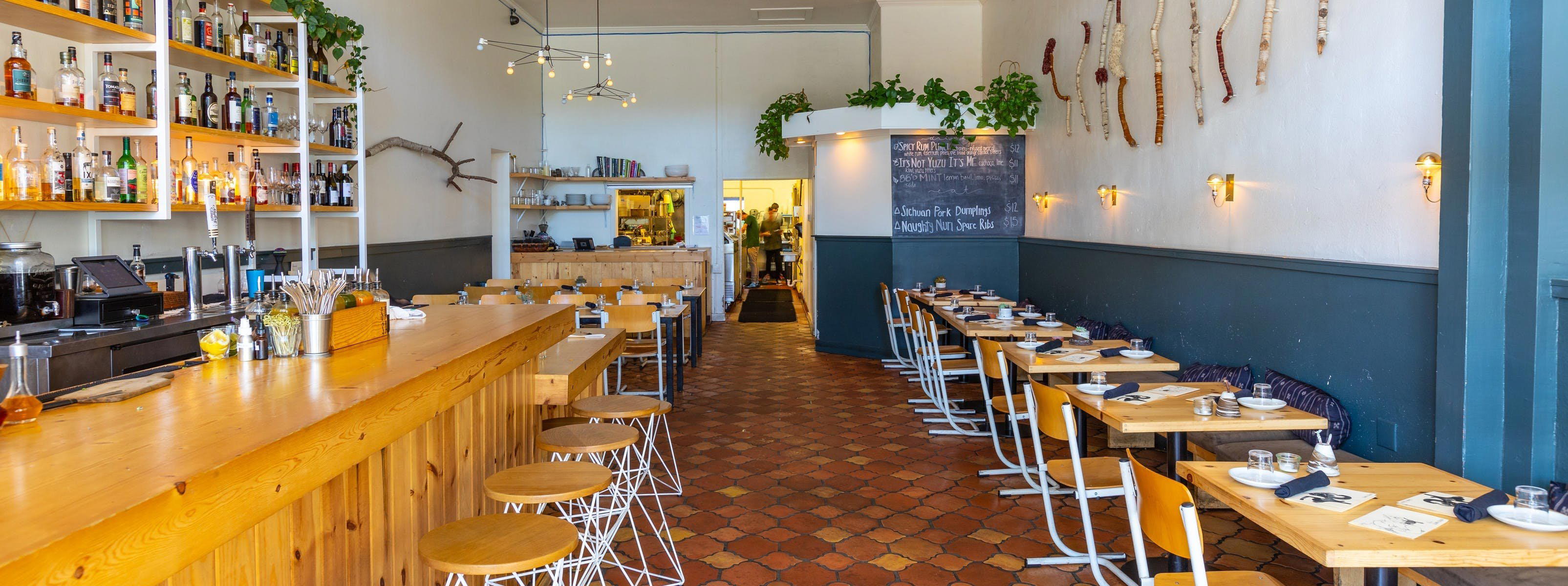
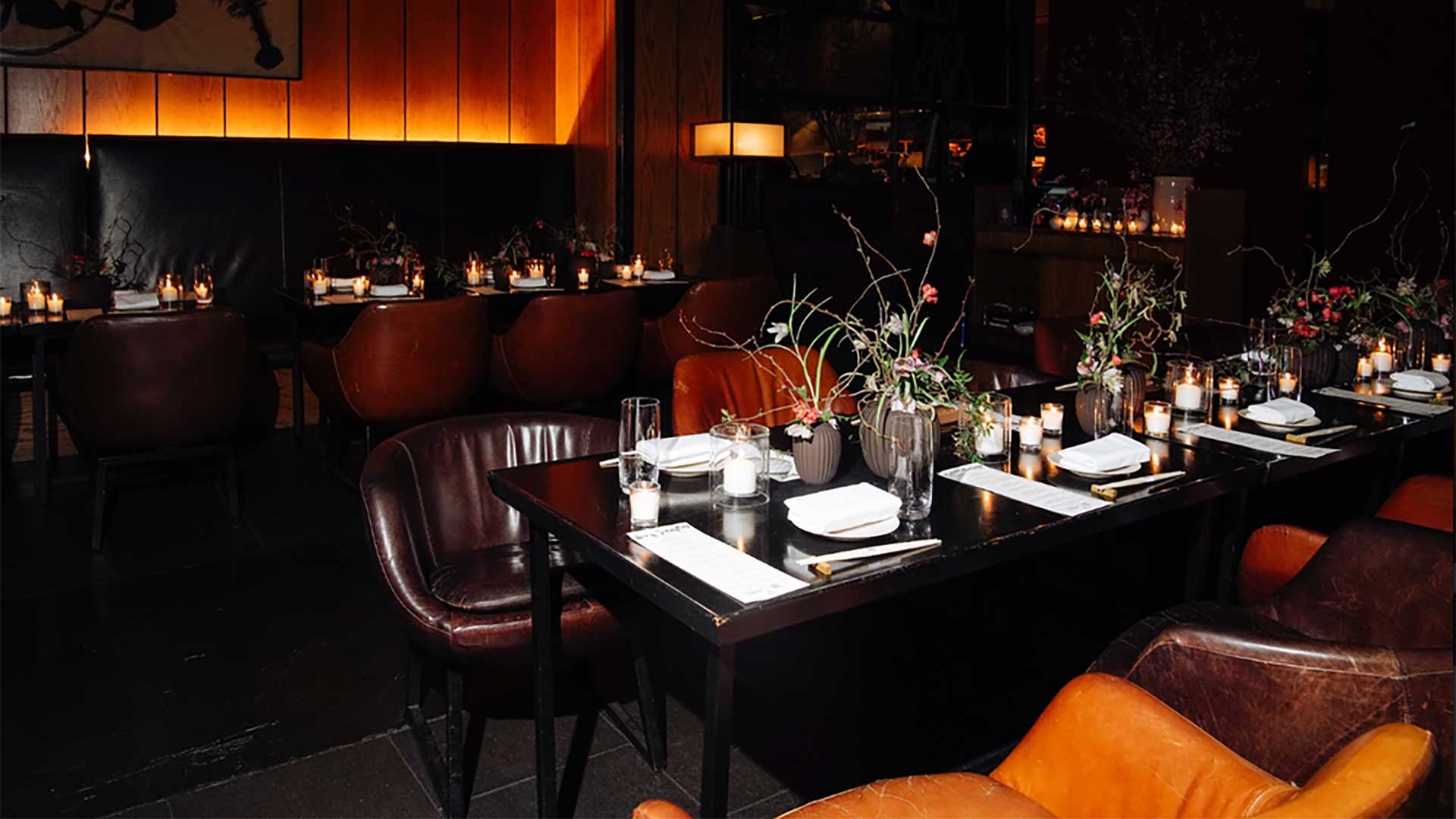
Bars in Santa Barbara
Browse all →
Hotels in Santa Barbara
Browse all →
At a Glance
- Lively
- Brunch
- Group Dining
- Casual Hangout
- Terrace
- Live Music
- Craft Cocktails
- Street Scene
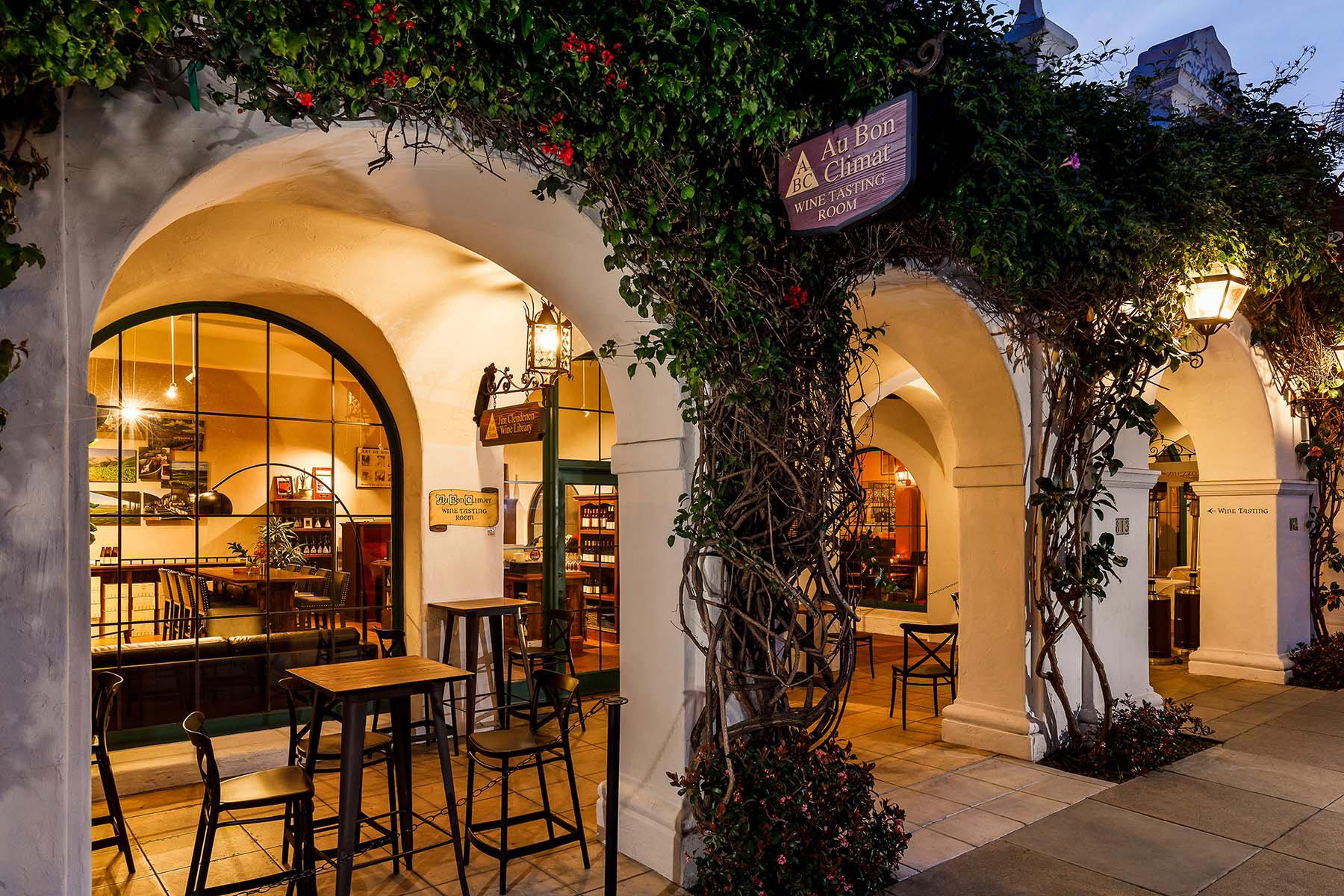
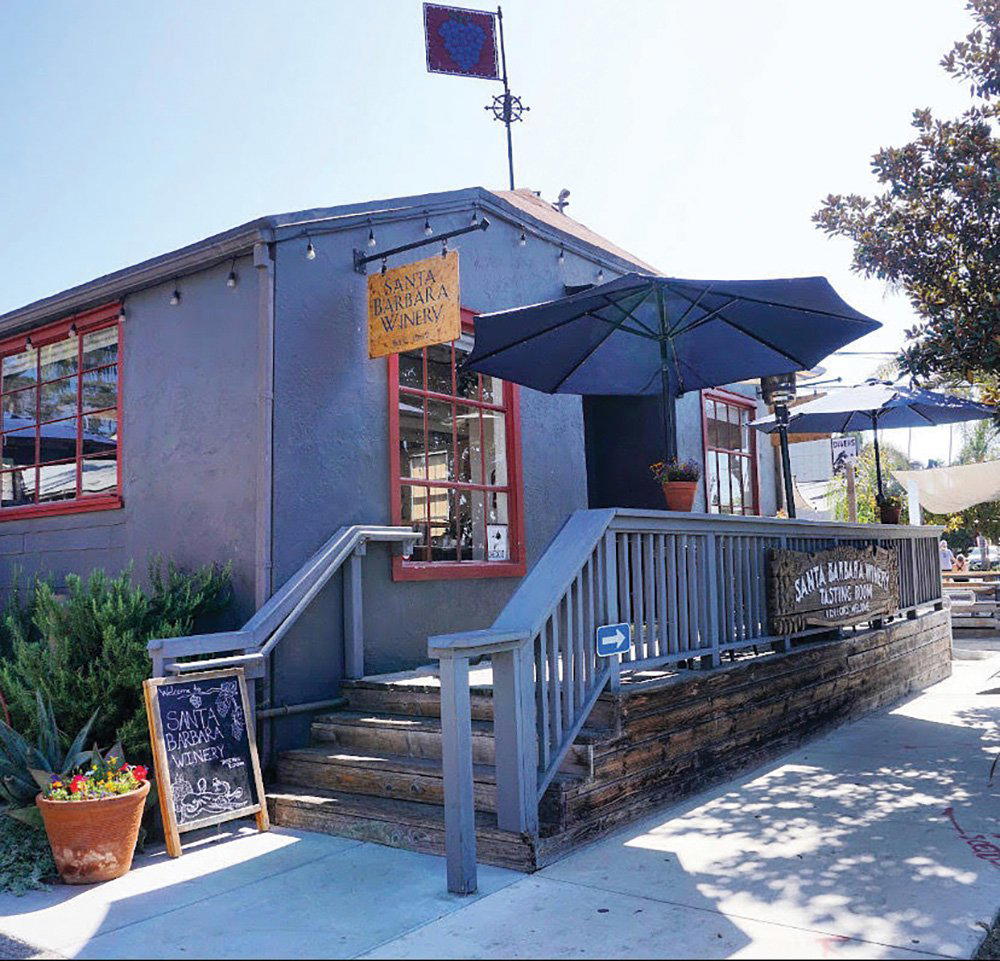
Sun-filled patio with colorful umbrellas and fountain, plus a vibrant dining room with lovely views and lively ambience.