Capricci sits beyond Marrakech’s dense medina circuit on Route d’Amizmiz, a setting that changes the dining equation: less street-side theater, more destination planning. Read it through the city’s ingredient culture, where market produce, orchard fruit, olive oil, herbs, and grilled preparations shape how serious tables define value outside the old-city postcard frame.
Pearl is the En Primeur Club membership app — saves, bookings, and concierge access live there. Same editors, same standards.
- Address
- Km 12 Route D Amizmiz, Marrakesh 40000, Morocco
- Phone
- +212 5 24 48 79 19
- Website
- fairmont.com
- Directions
- Get directions
 Saves & bookings on Pearl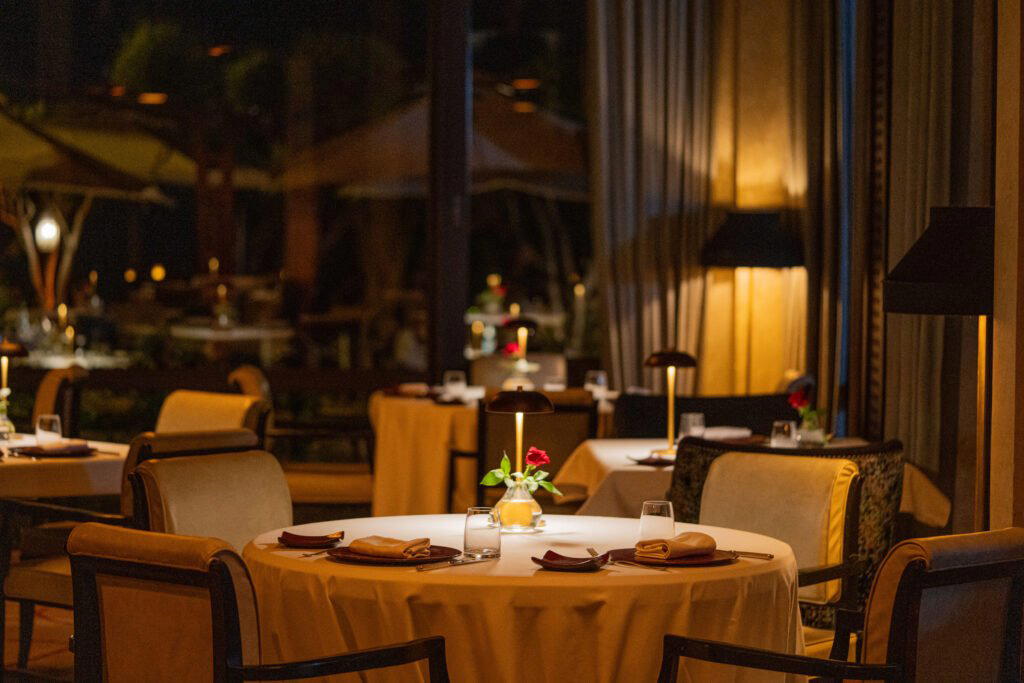
The drive into a planned Marrakech dinner changes the tempo of the evening. The city’s denser lanes give way to a meal framed less by walk-in browsing and more by arrival, pacing, and intent. In that setting, Capricci belongs to a different Marrakech rhythm: destination dining rather than an incidental stop, with the experience shaped by space, timing, and the decision to make the restaurant the point of the night.
Marrakech often gets flattened into postcard shorthand, but the stronger reading is contextual. The city’s restaurant scene is shaped by climate, seasonality, hospitality rituals, and the contrast between dense central dining and more deliberate destination evenings. The better tables here understand that setting is not decorative; it is part of the structure. Timing, produce confidence, seasoning balance, room rhythm, and service discipline matter more than imported luxury signals.
Marrakech shifts the meal away from medina theatre
Location matters in Marrakech because it shapes the kind of evening a restaurant can deliver. A table inside the old city competes with movement, noise, and the tight choreography of taxis, porters, and pedestrians. A planned Marrakech dinner reads differently: guests organize the night around the destination, not around a passing stroll. That gives the kitchen and room a broader canvas, but it also raises expectations. The journey has to be justified by clarity on the plate.
This is where comparison is useful. Central addresses such as Al Aïn sit closer to the familiar city-dining circuit. Resort-linked and perimeter restaurants ask a different question: does the room use distance to create focus, or merely to signal exclusivity? Capricci is better understood through that second category, where access, pacing, and setting become part of the editorial assessment.
The dining conversation in Marrakech also splits by format. Some rooms draw attention through everyday hospitality and proximity to the city’s main routines. More polished destination rooms tend to translate the same sense of place into a slower, more composed evening. Neither mode owns authenticity. The question is whether the restaurant keeps contact with Marrakech itself, rather than treating the city as a backdrop.
Ingredient logic matters more than imported gloss
A serious Marrakech meal usually reveals itself in restraint: how balance is handled, whether richness is given lift, how texture carries a dish, and how seasoning supports rather than dominates. The city’s dining culture rewards calibrated abundance, not random excess. That point matters for any restaurant beyond the centre, because a destination address can drift into generic resort language if it loses contact with the place that gives Marrakech its flavour vocabulary.
Capricci’s value for travellers lies in that decision point. It is not a casual add-on between souk stops; it belongs to an evening planned around Marrakech. Diners comparing Marrakech options should separate three categories: medina atmosphere, urban practicality, and destination rooms outside the core. The first gives proximity and visual density. The second gives easier city logistics. The third has to offer composure, confidence, and a reason to leave the centre.
That wider context is useful for travellers building a longer itinerary. Other cities and coastal tables work from different habits, with their own pantry logic, service rhythms, and expectations. Marrakech sits between multiple influences, but its strongest dining depends on place, timing, and the intelligence of local hospitality. Capricci should be read inside that framework: less as a generic luxury signal, more as a test of whether a planned Marrakech dinner can turn distance and setting into purpose.
How to place it in a Marrakech itinerary
For a first night in the city, a central restaurant is usually the cleaner choice. For a later evening, when the itinerary can absorb a dedicated transfer and a slower pace, Capricci makes more sense. Its Marrakech setting places it outside the most spontaneous restaurant routine, so it should be treated as a planned dinner rather than an opportunistic stop.
Travellers comparing options can use the broader city guides to build the right sequence: Our full Marrakech restaurants guide for dining, Our full Marrakech hotels guide for where the transfer burden changes, Our full Marrakech bars guide for post-dinner routing, Our full Marrakech wineries guide for wine-focused planning, and Our full Marrakech experiences guide for days built around the city’s craft and food culture.
Within Marrakech, comparison names such as L'Olivier, Le Sabra, Beldi Orangers, and La Terrasse by Jean-François Piège point to how varied the city’s dining map has become: urban, hotel-linked, garden-led, and destination-driven. Capricci belongs on the side of that map where the meal is judged less by convenience and more by whether the setting, sense of place, and kitchen discipline justify the trip beyond the centre. For readers comparing global casual formats, that is a different proposition from compact specialist addresses elsewhere; Marrakech’s measure is place, pace, atmosphere, and the ability to turn distance into purpose.
Continue exploring
More in Marrakech
Restaurants in Marrakech
Browse all →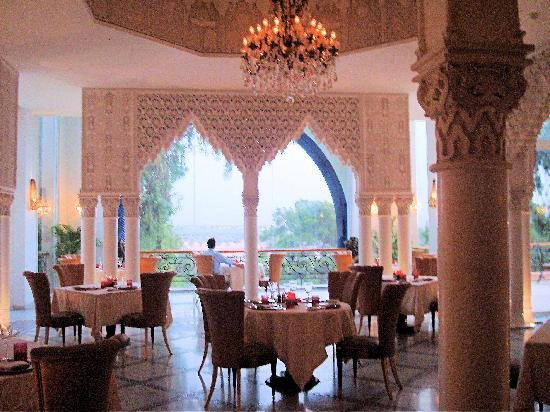
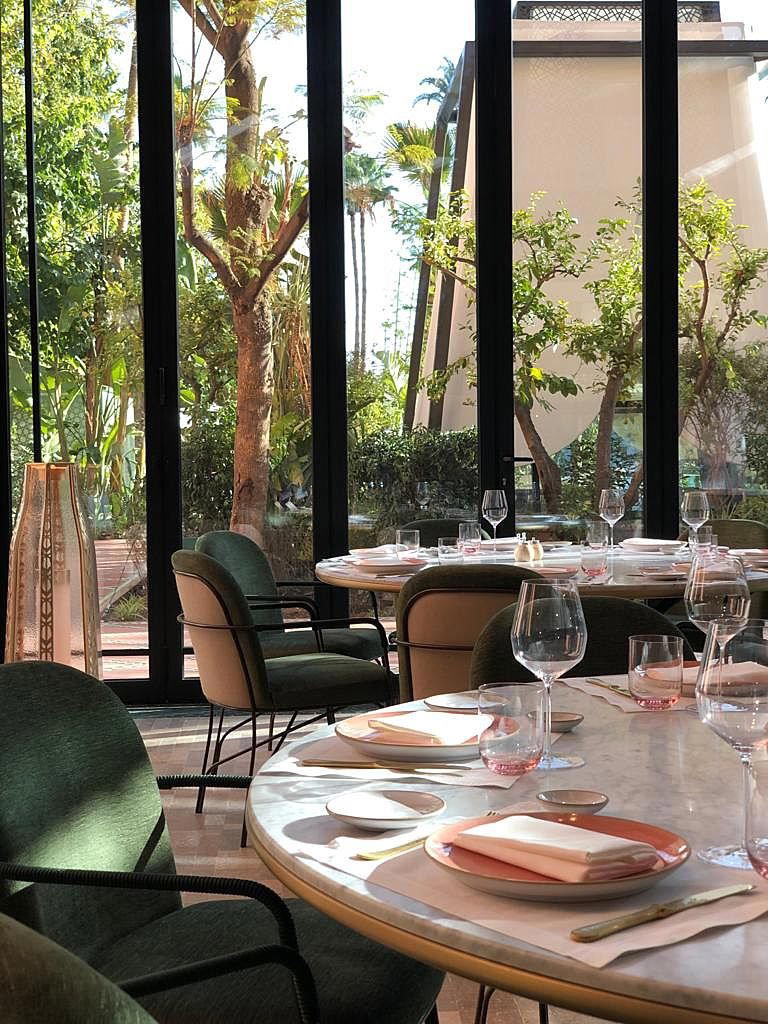
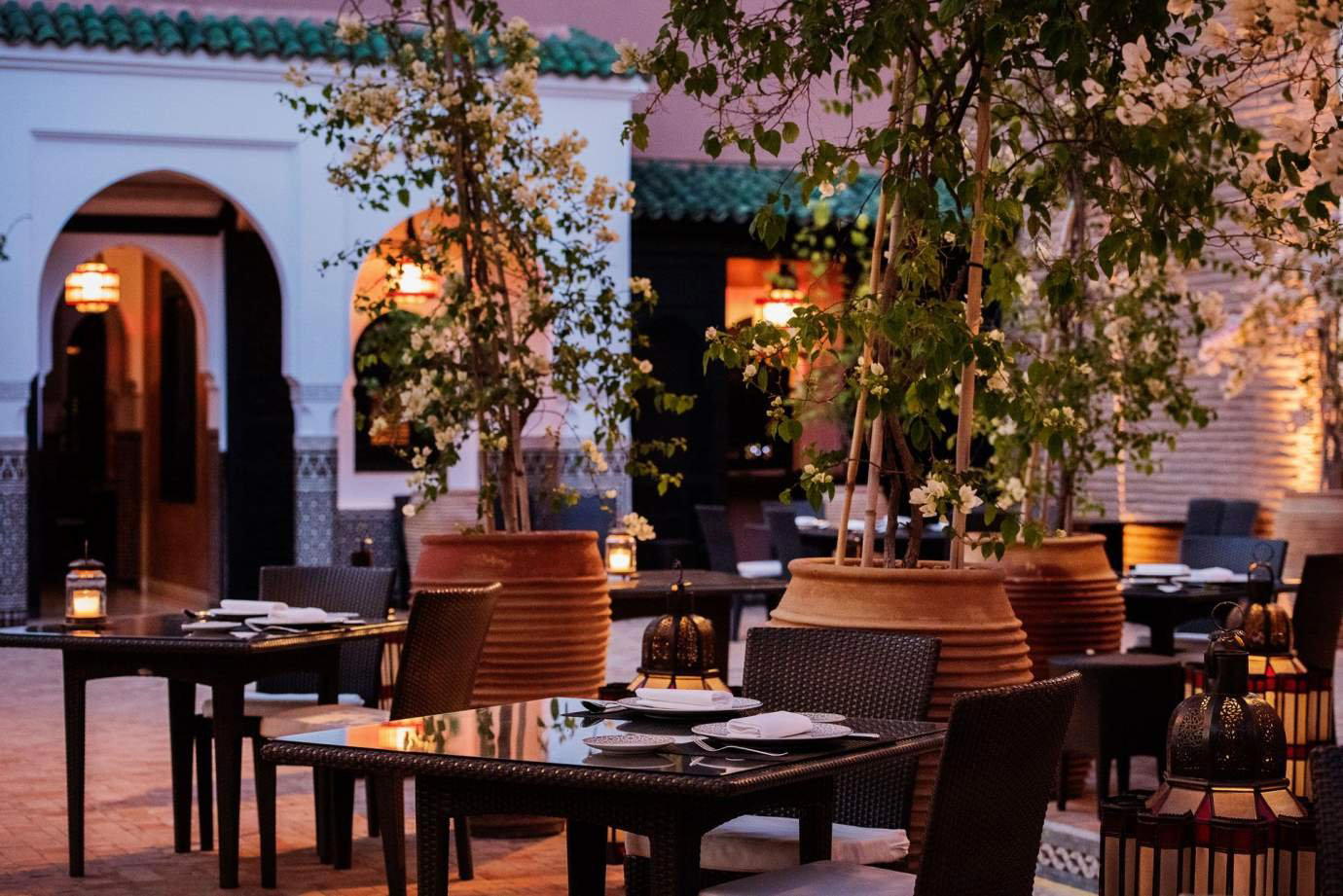
Bars in Marrakech
Browse all →
Hotels in Marrakech
Browse all →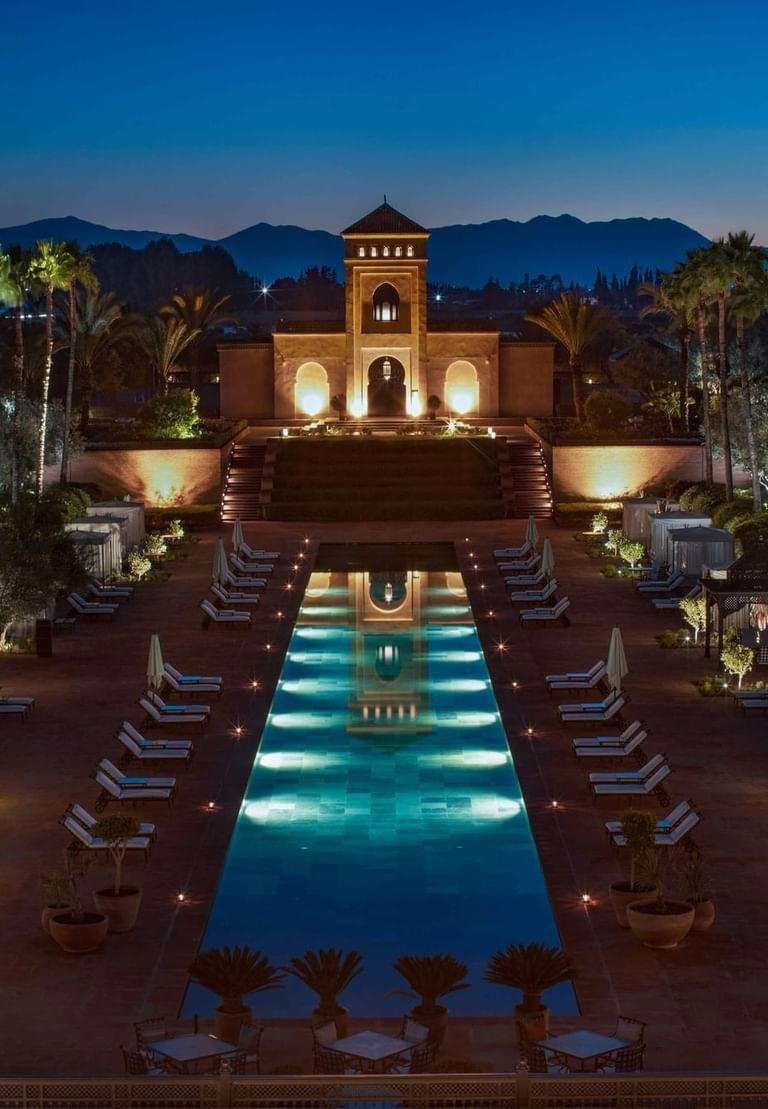
Wineries in Marrakech
Browse all →
At a Glance
- Romantic
- Elegant
- Sophisticated
- Date Night
- Business Dinner
- Group Dining
- Special Occasion
- Hotel Restaurant
- Design Destination
- Extensive Wine List
- Sommelier Led
- Local Sourcing
- Mountain
Warm and elegant, with a refined luxury-resort setting and a romantic dinner atmosphere centered on Italian dining and wine pairing.
Know Before You Go
- Reservations
- Recommended
- Dress code
- Smart casual
- Getting there
- Km 12 Route D Amizmiz, Marrakesh 40000, Morocco