Capers
Our verdict
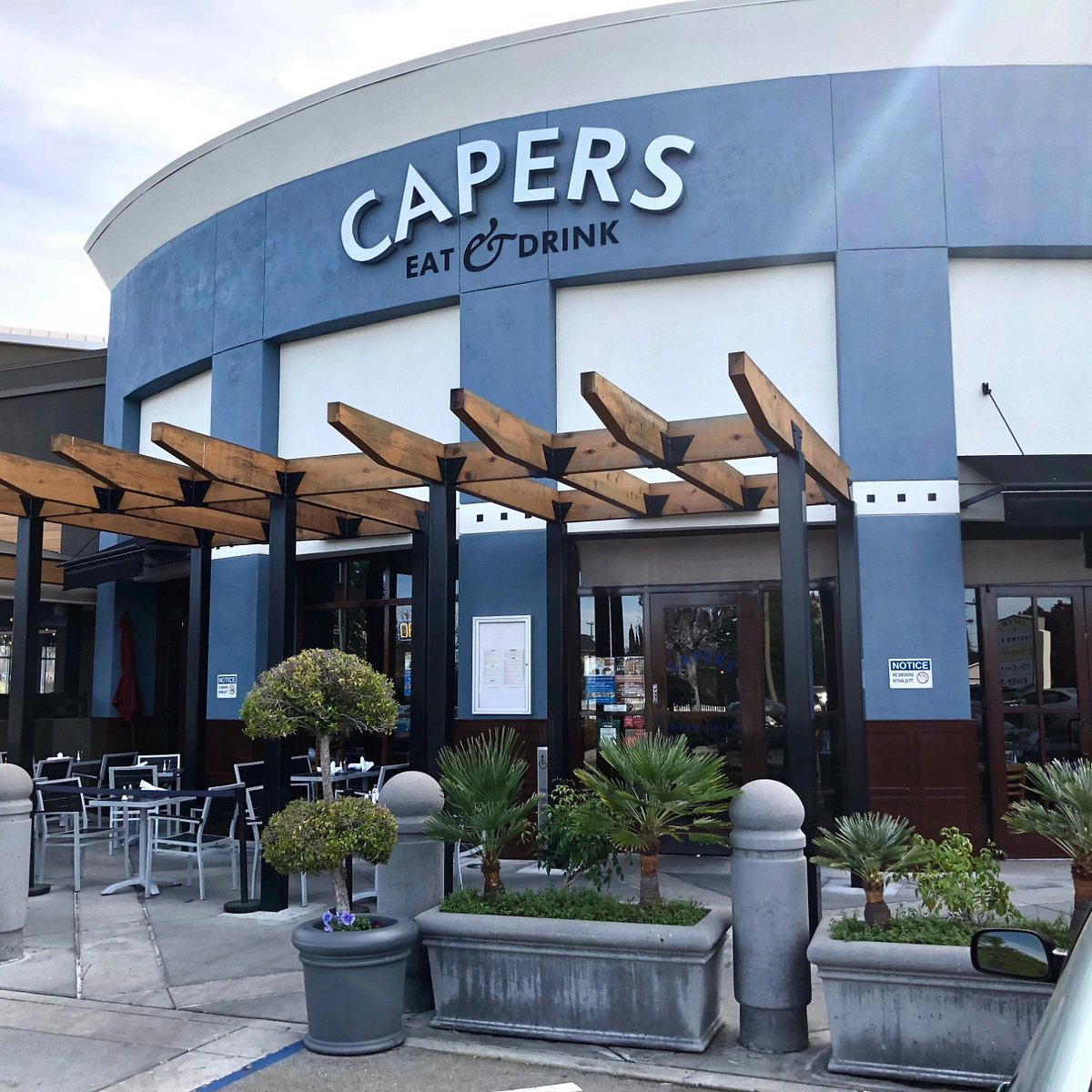
Capers sits on West Campbell Avenue in the heart of Campbell, California, occupying a slice of the South Bay dining scene where ingredient provenance tends to drive the menu conversation. With a neighborhood character that rewards return visits, it positions itself among the more considered mid-tier options in a town whose restaurant row punches above its suburban weight.

Pearl is the En Primeur Club membership app — saves, bookings, and concierge access live there. Same editors, same standards.
- Address
- 1710 W Campbell Ave, Campbell, CA 95008
- Phone
- (408) 374-5777
- Hours
- Mon 1–9 PMTue–Thu 11 AM–9:30 PMFri–Sat 11 AM–10 PMSun 10 AM–9:30 PM
- Website
- caperseatanddrink.com
- Directions
- Get directions
- Booking
- Book on OpenTable
The menu
What to order
- Crispy Calamari
- Steak Bites
- Lamb Shank
West Campbell Avenue and the Ingredients Behind the Name
Campbell's main dining corridor on West Campbell Avenue has a particular rhythm to it. The strip mixes long-standing neighborhood institutions with newer arrivals that reflect the South Bay's gradual upgrade in dining expectations, and somewhere in that mix, Capers has built a following that speaks to a specific kind of local appetite. The name itself points toward a culinary sensibility: capers, the brined flower bud that functions as a flavor-delivery mechanism in Mediterranean and continental kitchens, signal a kitchen interested in the kind of ingredient that demands attention to sourcing and preparation. It is not a neutral choice of name for a restaurant.
That framing matters in a city like Campbell, where the dining scene is anchored more by neighborhood reliability than by destination-level ambition. Places like BE.STEAK.A occupy the higher-spend bracket with a steakhouse format and the sourcing expectations that come with a $$$-tier price point. Doppio Zero Campbell and La Pizzeria - Campbell represent the Italian-leaning comfort register that reliably fills seats in suburban California. Distrito Federal brings a different cultural reference point altogether. Capers sits in a different register from all of these, with an approach that the name implies is ingredient-forward and Mediterranean-influenced, positioned in the middle of the market rather than at its extremes.
Sourcing as the Central Argument
Across California dining, the relationship between kitchen ambition and ingredient sourcing has become the primary marker of seriousness. It is what separates the restaurants that happen to operate in a food-rich state from those that actually use that advantage. The Central Valley, the Monterey Bay fishing grounds, the small farms in the Santa Cruz Mountains, and the herb and specialty-produce growers spread across the South Bay all represent a sourcing infrastructure that a kitchen on West Campbell Avenue can, in principle, access at a shorter supply-chain distance than most American cities would allow.
The ingredient-led approach implied by Capers' name and positioning connects it to a broader California tradition that runs from farm-to-table pioneers further north all the way down through the Bay Area's more produce-obsessed kitchens. Restaurants like Single Thread Farm in Healdsburg operate at the far, capital-intensive end of that spectrum, with an on-site farm and multi-course format. Blue Hill at Stone Barns in Tarrytown defined the genre nationally. What Capers represents is the neighborhood-scaled version of that same instinct: a menu that takes its cues from what is available and good rather than from a fixed format imposed on ingredients regardless of season or provenance.
That model is, in some ways, harder to execute than a tasting-menu format where sourcing can be announced course by course with ceremony. A neighborhood restaurant has to make ingredient integrity feel natural rather than performative. When it works, regulars stop reading the menu closely because they trust that what arrives will reflect the season and the supplier relationship rather than a central purchasing decision made six months earlier.
Campbell's Position in the Bay Area Dining Picture
The South Bay does not generate the same editorial attention as San Francisco proper, where restaurants like Lazy Bear command sustained national coverage, or the upper echelons of Napa, where The French Laundry remains a reference point for the entire American fine dining conversation. Los Angeles has Providence anchoring its serious seafood tier. San Diego has Addison pushing the fine dining ceiling. Further afield, restaurants like Le Bernardin in New York City, Smyth in Chicago, Atomix in New York City, Emeril's in New Orleans, and The Inn at Little Washington define what the best of the American restaurant market looks like. Even internationally, Atelier Moessmer Norbert Niederkofler in Brunico represents the kind of regionally rooted, ingredient-obsessed cooking that has become a global benchmark.
Campbell operates below all of that, and that is not a criticism. Most of the dining decisions most people make most of the time are not about destination restaurants. They are about where to go on a Tuesday with a group of friends, where to take family without stress, and where to spend a moderate amount of money and leave satisfied rather than impressed. The restaurants on West Campbell Avenue, including A Bellagio and the other anchors along the strip, exist to serve those decisions well. A restaurant like Capers, with a name that implies Mediterranean ingredient fluency and a positioning that sits between casual and formal, answers a specific version of that question.
Planning a Visit to Capers
West Campbell Avenue is accessible by car with parking available along the commercial strip, and the 1710 address places it within the denser section of Campbell's restaurant row, where foot traffic from surrounding neighborhoods contributes to the evening atmosphere. For anyone mapping a night out across the Campbell dining scene, the proximity to other West Campbell Avenue restaurants makes it practical to compare options or plan around a single block.
Frequently asked questions
Is Capers child-friendly?
Capers sits on the commercial stretch of West Campbell Avenue, a corridor that draws a broad neighborhood crowd. The setting is relaxed enough for families, though calling ahead to confirm seating arrangements is advisable given limited venue data on dedicated children's menus or high chair availability.
What's the overall feel of Capers?
The 1710 West Campbell Ave address places Capers squarely in Campbell's denser dining corridor, among long-standing neighborhood institutions rather than high-concept destination spots. The tone reads as a local regular's room: accessible, unpretentious, and rooted in the South Bay community rather than chasing Bay Area trend cycles.
How does Capers fit into the wider South Bay dining scene compared to San Francisco?
Campbell and the broader South Bay rarely attract the national editorial attention that follows restaurants in San Francisco proper, but that gap creates room for neighborhood-focused operations to hold genuine local standing without the overhead of destination pricing. Capers, at 1710 West Campbell Ave, occupies that quieter tier of the California dining picture — less scrutinized, more embedded in daily community life.
What do regulars order at Capers?
Asking staff for what's current that day tends to be the most reliable approach in kitchens oriented this way.
How do I find Capers?
Capers is located at 1710 W Campbell Ave, Campbell, CA 95008, Campbell.
Is Capers reservation-only?
Given the restaurant's location on a busy commercial strip in Campbell, walk-ins are plausible during off-peak hours, but contacting the venue directly before visiting is the practical approach.
Fast Comparison
| Venue | Cuisine | Price | Awards |
|---|---|---|---|
| CapersThis venue — the venue you are viewing | Casual American Bistro | $30–50 | Not listed |
| Orchard City Kitchen | Modern American Fusion | $30–50 | Michelin Bib Gourmand |
| BE.STEAK.A | Contemporary Italian-Influenced Steakhouse | $100–150 | Michelin Plate · Wine Spectator Best of Award of Excellence |
| Distrito Federal | Elevated Mexican Street Food | $30–50 | Not listed |
| Doppio Zero Campbell | Southern Italian Neapolitan Pizza & Pasta | $30–50 | Not listed |
| La Pizzeria - Campbell | Authentic Roman Italian Pizza | $20–30 | Not listed |
Continue exploring
More in Campbell
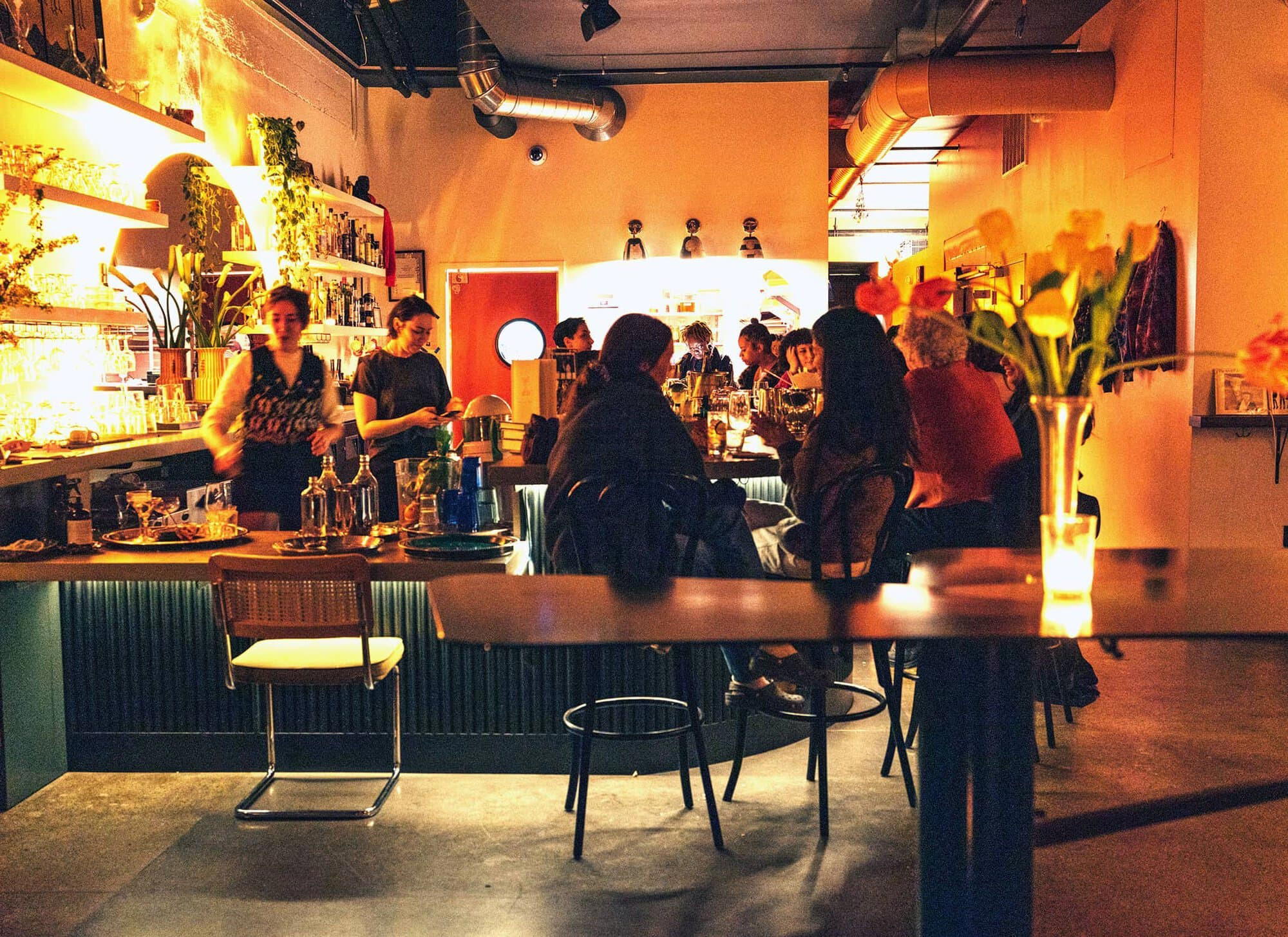
Restaurants in Campbell
Browse all →
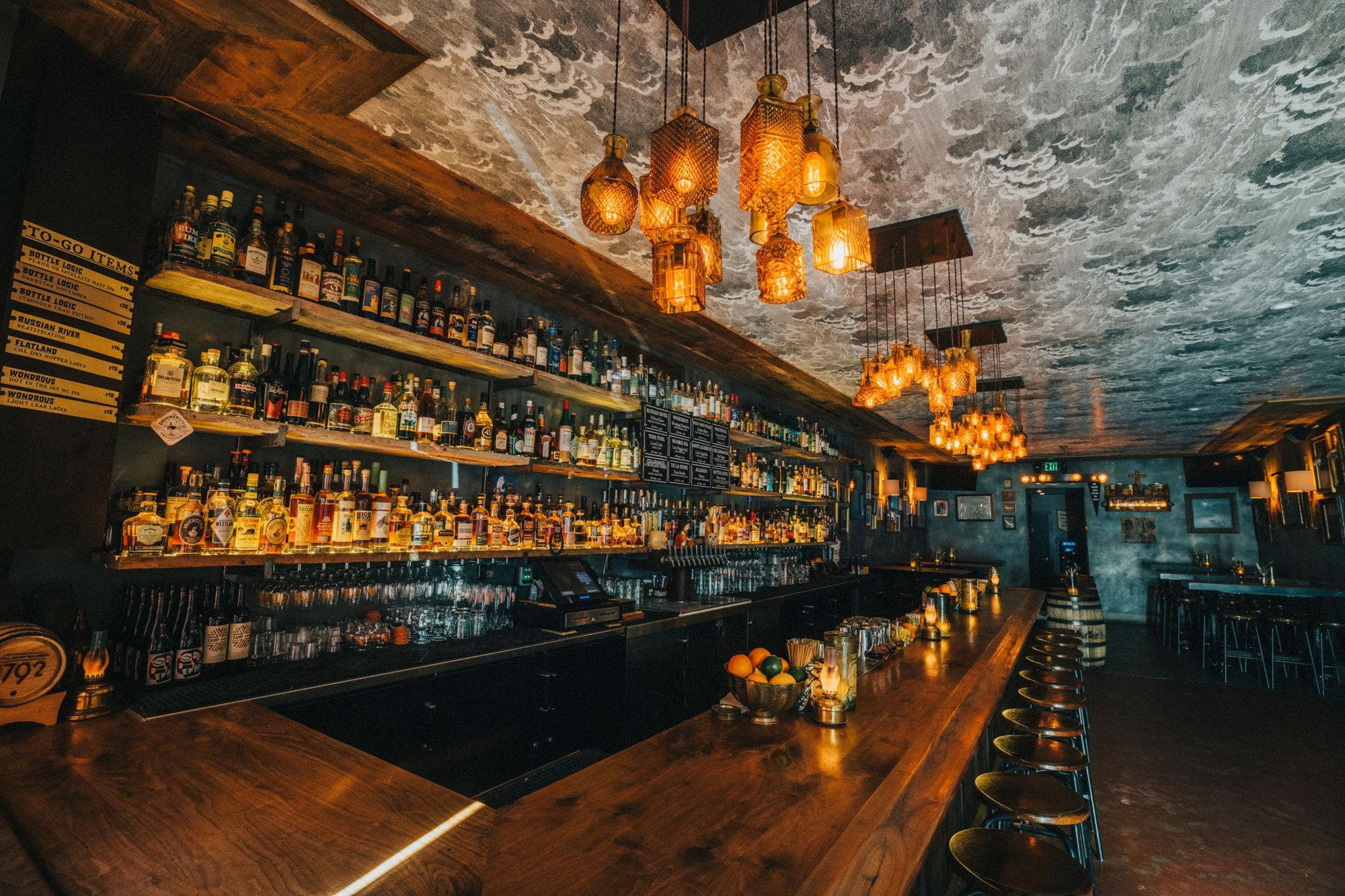
Bars in Campbell
Browse all →
Hotels in Campbell
Browse all →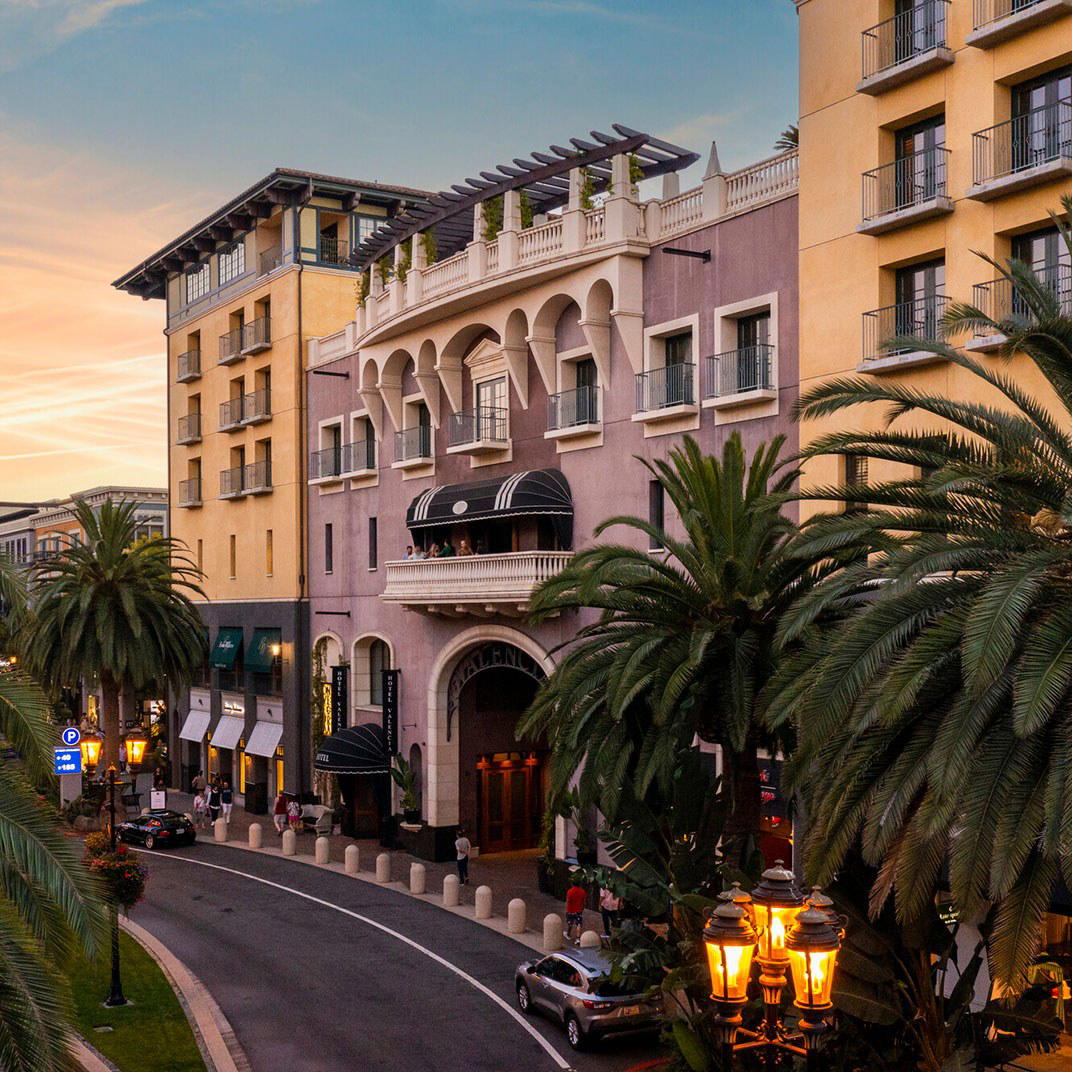
Details
- Cozy
- Elegant
- Casual Hangout
- Group Dining
- Open Kitchen
- Craft Cocktails
- A La Carte
- Vegetarian Friendly
- Gluten Free Options
Current opening hours
- Monday
- 1–9 PM
- Tuesday
- 11 AM–9:30 PM
- Wednesday
- 11 AM–9:30 PM
- Thursday
- 11 AM–9:30 PM
- Friday
- 11 AM–10 PM
- Saturday
- 11 AM–10 PM
- Sunday
- 10 AM–9:30 PM
Hours can change for holidays and private events. Last verified .
Comfortable, cozy, and chic setting with moderate noise levels.