Our verdict
Cajú sits on Rua Francisco Agra in Guimarães, a city where medieval stonework and a thriving university culture create a distinctive dining environment. The address places it within the grain of a neighbourhood where ingredient-led cooking has room to develop outside the shadow of Porto's larger restaurant scene. For visitors working through northern Portugal's dining options, it represents a ground-level entry point into what Guimarães has to offer.

Pearl is the En Primeur Club membership app — saves, bookings, and concierge access live there. Same editors, same standards.
Guimarães and the Case for Eating Away from Porto
Northern Portugal's dining conversation defaults quickly to Porto, where Michelin-starred addresses like Antiqvvm anchor a recognisable fine-dining circuit. Guimarães operates differently. The city's restaurants work within a tighter local economy, where the customer base is split between university students, domestic tourists drawn to the UNESCO-listed historic centre, and a growing cohort of international visitors who have exhausted Porto's obvious options. That mix produces a dining scene less concerned with international prestige and more focused on direct value and regional specificity. Cajú, on Rua Francisco Agra in the south of the city centre, sits inside that pattern.
What the Address Tells You
Rua Francisco Agra runs through a residential stretch of Guimarães that sees less foot traffic than the medieval lanes around the Paço dos Duques. That positioning matters for ingredient-led restaurants in smaller Portuguese cities: the rents are lower, the clientele more local, and the pressure to perform for one-time tourist traffic is reduced. Across Portugal, some of the most coherent regional cooking happens in exactly this kind of mid-city address, away from the historic core's premium positioning. Think of how Ó Balcão in Santarém built a reputation precisely by operating outside the obvious tourist circuit. Cajú's address on Rua Francisco Agra suggests a similar orientation toward repeat, local custom rather than destination dining.
Ingredient Sourcing in the Minho Context
The Minho region surrounding Guimarães is one of Portugal's most agriculturally active zones. The river valleys running north toward the Galician border produce the grapes for Vinho Verde, but also a range of vegetables, legumes, and livestock that underpin northern Portuguese cooking. Caldo verde, bacalhau preparations, and slow-cooked pork cuts remain staples across the region, and restaurants that commit to local sourcing in this context have access to supply chains that are shorter and more traceable than those available in Lisbon or the Algarve. For comparison, the sourcing advantage available to a Minho restaurant is structurally different from the premium procurement required by something like Vila Joya in Albufeira or Ocean in Porches, where imported products fill gaps that local supply cannot cover at that price tier.
Guimarães itself has a small but developing restaurant culture that takes this regional material seriously. A Cozinha, one of the city's more ambitious modern cuisine addresses, has demonstrated that northern Portuguese ingredients can support a more technically developed style of cooking. Cajú operates at a different register, but the regional ingredient context is shared.
Positioning Within Guimarães' Current Restaurant Range
The Guimarães dining scene in the mid-2020s spans a fairly compressed price range. At the more affordable end, places like Le Babachris and 34 sit at the €€ tier, covering Mediterranean and international cooking respectively. Hool and A Cozinha occupy the €€€ bracket with traditional and modern cuisine formats. Cor de Tangerina represents another option across the city's evolving offer.
That middle segment is where most of Portugal's most honest regional cooking happens. The country's Michelin map, which runs from Belcanto in Lisbon to Casa de Chá da Boa Nova in Leça da Palmeira and Il Gallo d'Oro in Funchal, represents the formal apex. But the daily fabric of Portuguese eating sits well below that tier, in neighbourhood restaurants where the sourcing is regional and the format is uncomplicated. Cajú appears to belong to that broader category.
The Wider Comparison: Why Smaller Cities Matter
Portugal's smaller historic cities have been gaining traction as independent dining destinations, partly because the pressure of overtourism in Lisbon and Porto has pushed some travellers to look for alternatives. Guimarães, with its compact medieval core and manageable scale, offers an experience that coastal resort dining, from Fortaleza do Guincho in Cascais to Al Sud in Lagos, cannot provide: eating where Portuguese people actually live and eat, in a city whose restaurant economy depends on local loyalty rather than international tourism cycles.
This is a pattern visible in other contexts too. At the format level, the shift toward community-anchored restaurant models, where sourcing transparency and neighbourhood rootedness are the primary value proposition, is as evident in places like Lazy Bear in San Francisco as it is in mid-sized Portuguese cities. The scale is different, but the underlying logic, that where food comes from shapes what it tastes like and why it matters, runs across categories and geographies. A restaurant on Rua Francisco Agra in Guimarães participates in that logic at its most unmediated level.
Planning a Visit
Guimarães is around 50 kilometres northeast of Porto and is served by regular train connections from Porto Campanhã, making it a feasible day trip or a short overnight stop within a northern Portugal itinerary. Rua Francisco Agra is within walking distance of the city's main transport links and the historic centre. For a fuller picture of what the city's dining scene covers, the EP Club Guimarães restaurants guide maps the range more comprehensively.
Portugal's restaurant culture rewards visitors who are willing to eat where locals eat, at hours when the kitchen is at full capacity rather than servicing late tourist sittings. In a city like Guimarães, that typically means arriving at the local lunch hour, between 12:30 and 14:00, or for early dinner service. The The Yeatman in Vila Nova de Gaia and Le Bernardin in New York City operate on reservation-first models with structured service windows; neighbourhood restaurants in smaller Portuguese cities generally do not, and the experience is better for it.
Frequently asked questions
Is Cajú child-friendly?
Cajú sits on Rua Francisco Agra in a residential part of Guimarães, away from the high-traffic tourist lanes, which tends to produce a calmer, more neighbourhood-paced environment. That setting generally suits families better than a city-centre venue with heavy footfall. Specific facilities for children are not documented, so it is worth contacting the restaurant directly before visiting with young children.
What kind of setting is Cajú?
The address on Rua Francisco Agra places Cajú in a quieter residential stretch of Guimarães rather than the medieval centre around the Paço dos Duques. This is a local-facing location, the kind of spot that draws regulars from the neighbourhood rather than passing tourists. The atmosphere is shaped by that positioning: lower foot traffic, a less performative dining room.
Is Cajú a good option for visitors arriving by train from Porto?
Guimarães sits roughly 50 kilometres northeast of Porto and is connected to Porto Campanhã by regular train service, making Cajú a viable lunch or dinner stop on a day trip or overnight visit. The restaurant's location on Rua Francisco Agra is within the city rather than on the historic tourist circuit, so it rewards visitors who are willing to move a few streets beyond the standard sightseeing route. Cajú represents the kind of address that reflects how Guimarães is developing as an independent dining destination separate from Porto's established scene.
What's the address for Cajú?
Cajú is located at R. Francisco Agra 195, 4800-157 Guimarães, Portugal, Guimaraes.
Side-by-Side Snapshot
| Venue | Cuisine | Price | Awards | Notes |
|---|---|---|---|---|
| CajúThis venue — the venue you are viewing | Healthy Mediterranean & Portuguese | $10–20 | Not listed | Not listed |
| A Cozinha | Modern Portuguese Fine Dining | Not listed | 1 Michelin Star | Modern Cuisine |
| Norma | Modern Portuguese Fusion | $30–50 | Michelin Bib Gourmand | Creative |
| Hool | Modern Portuguese Mediterranean | $50–100 | Michelin Plate | Traditional Cuisine |
| Le Babachris | Modern Mediterranean Fusion | $30–50 | Michelin Plate | Mediterranean Cuisine |
| 34 | Modern International Fusion | Not listed | Michelin Plate | International |
Continue exploring
More in Guimaraes
Restaurants in Guimaraes
All restaurants in Guimaraes →
Bars in Guimaraes
Browse all →

Details
- Cozy
- Modern
- Casual Hangout
- Brunch
- Local Sourcing
- Organic
- A La Carte
- Vegetarian Friendly
- Gluten Free Options
Current opening hours
- Monday
- Closed
- Tuesday
- Closed
- Wednesday
- 10 AM–4 PM
- Thursday
- 10 AM–4 PM
- Friday
- 10 AM–4 PM
- Saturday
- 11 AM–4 PM
- Sunday
- 10:30 AM–4 PM
Hours can change for holidays and private events. Last verified .
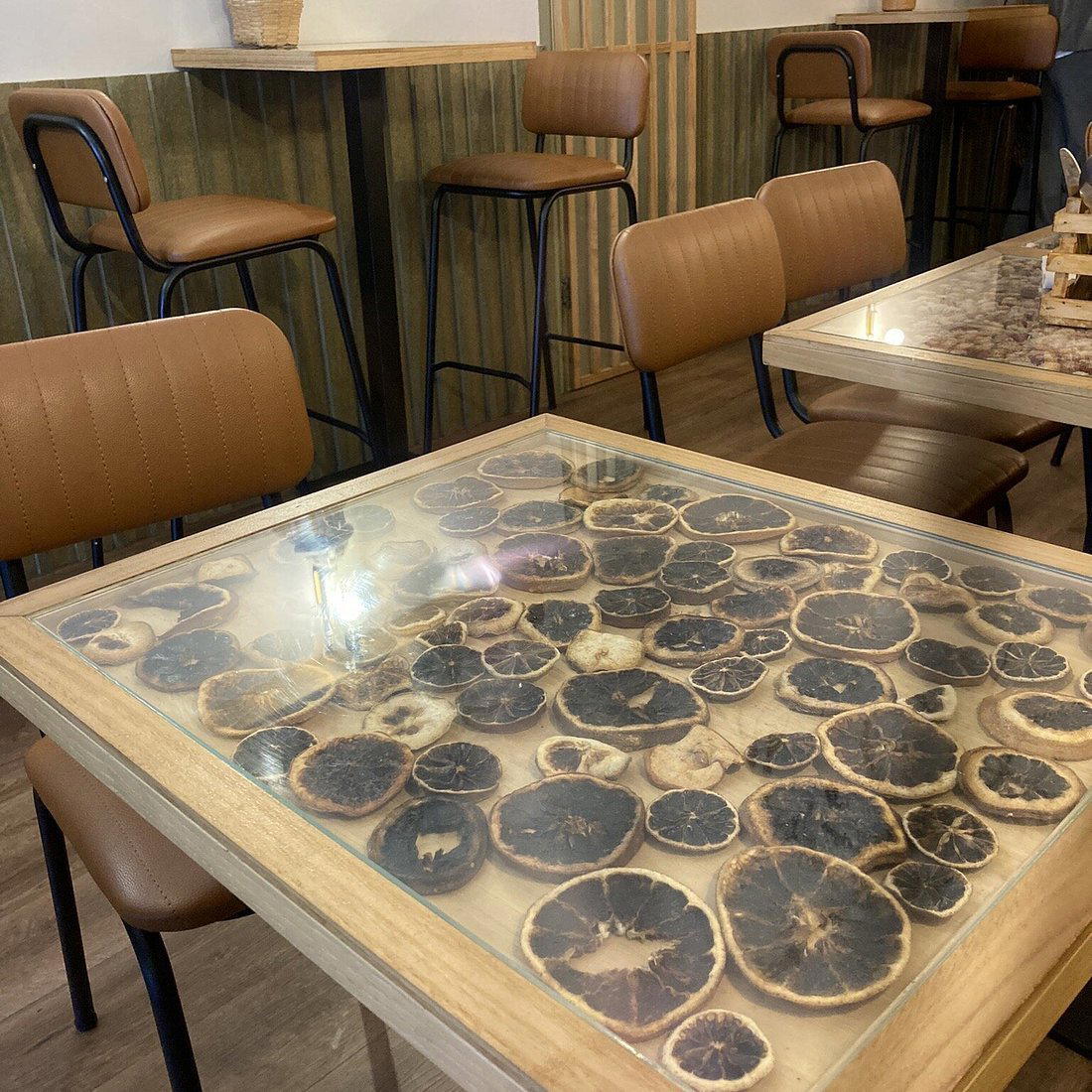
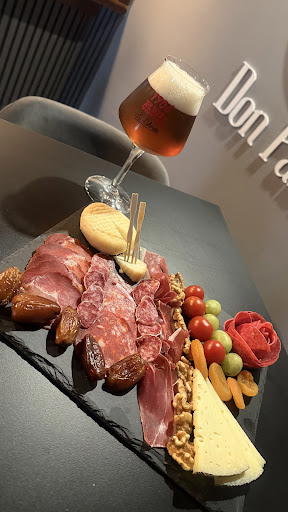
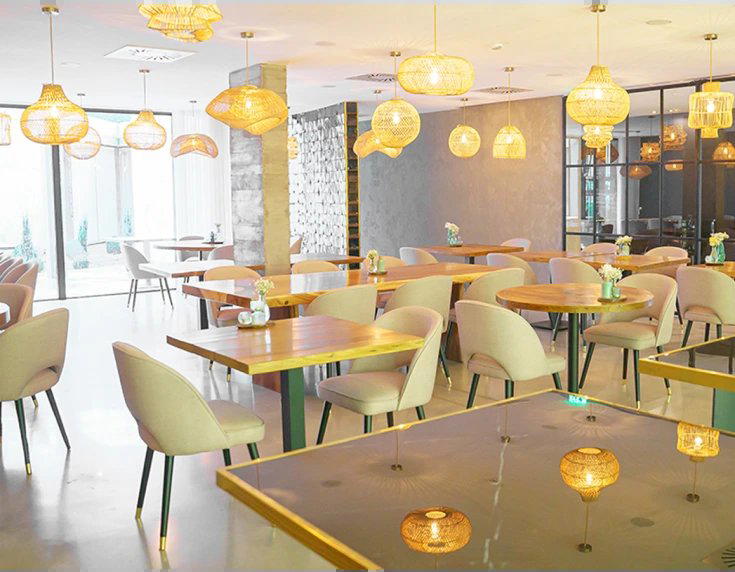
Charming and welcoming with a nice vibe, tasteful decor, and cute interior.