Our verdict
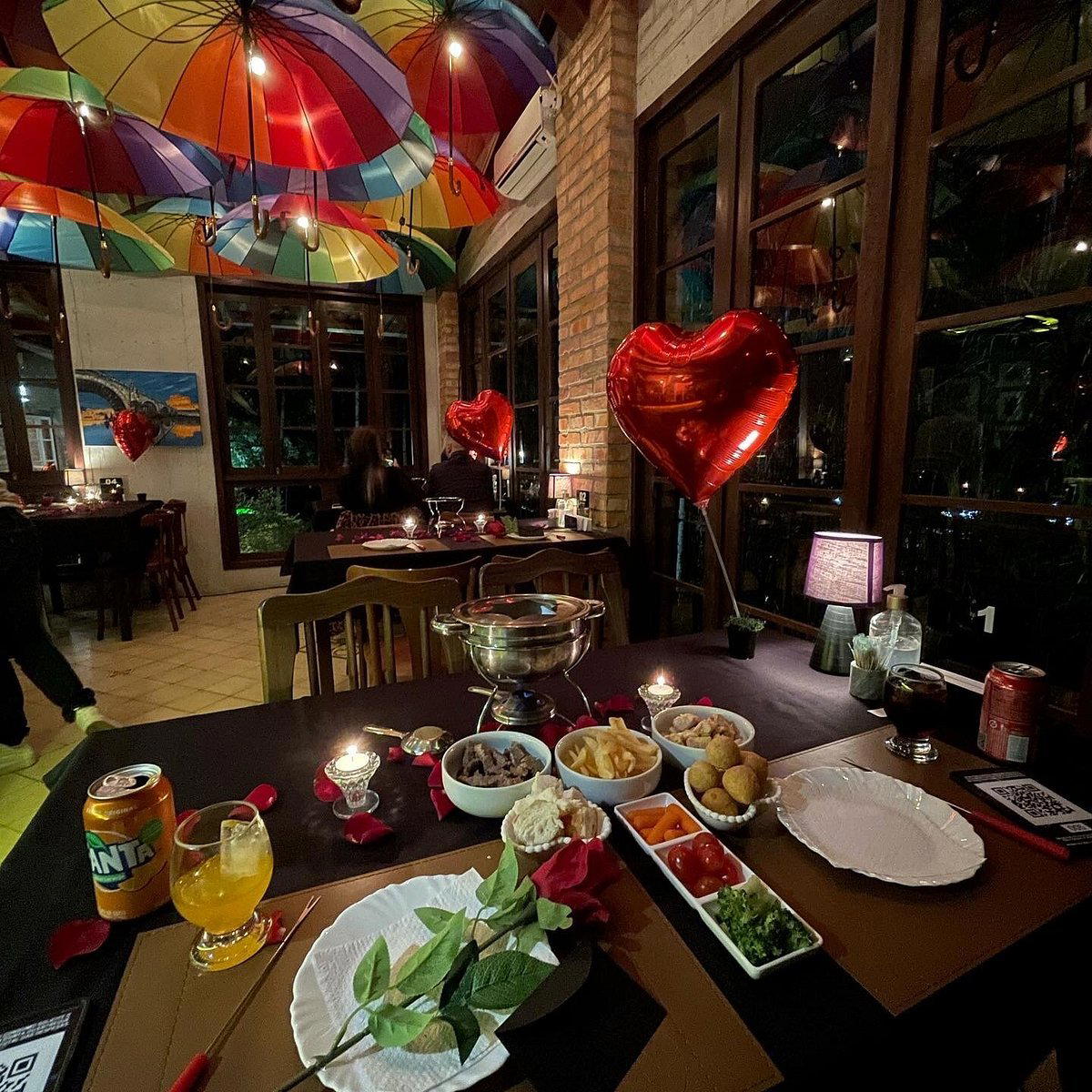
Cantina Don Brunno sits on Rua Dr. João Colin in Joinville's América neighbourhood, where the city's deep Italian-immigrant heritage shapes the dining culture more directly than in most Brazilian cities. The cantina format — communal, generous, rooted in the cucina della nonna tradition — positions it within a distinct tier of Joinville's restaurant scene, separate from the newer casual or contemporary openings.

Pearl is the En Primeur Club membership app — saves, bookings, and concierge access live there. Same editors, same standards.
- Address
- R. Dr. João Colin, 1163 - América, Joinville - SC, 89201-300, Brazil
- Phone
- +554730262156
- Hours
- Mon–Sat 6–11 PMSun Closed
- Website
- donbrunno.com.br
- Directions
- Get directions
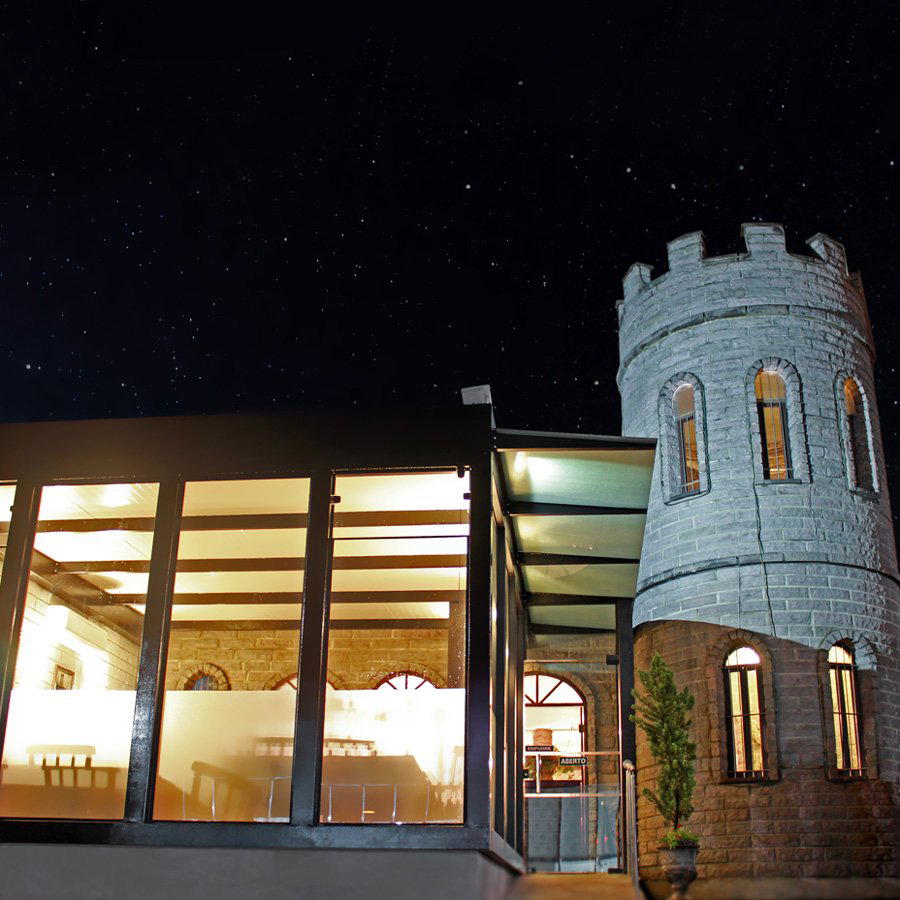
Italian Roots in a German-Immigrant City
Joinville is most often framed through its German colonial identity — the Oktoberfest associations, the architecture along the central streets, the surname patterns on shop fronts. But the city's food culture is more layered than that single narrative suggests. Significant waves of Italian immigration, particularly into Santa Catarina's interior and coastal-adjacent municipalities, left a parallel culinary tradition that persists in neighbourhood restaurants rather than in the city's more visible, tourist-facing venues. The cantina format is one of the clearest expressions of that tradition: a dining room built around abundance, directness, and a cuisine that arrived with families rather than chefs.
Cantina Don Brunno occupies a address on Rua Dr. João Colin in the América district, a residential stretch that filters out the passing trade of Joinville's commercial centre. América is the kind of neighbourhood where regulars outnumber first-time visitors on most services, which shapes the atmosphere in ways that a more central location would not. The room reads as a place people return to rather than a place they discover — a distinction that matters in the cantina genre, where familiarity and repetition are part of the offer.
What the Cantina Format Means Here
Across southern Brazil, the cantina is a specific restaurant category with its own set of expectations. It draws from the Italian-immigrant cucina della nonna tradition: dishes built around pasta, slow-cooked proteins, and preparations that prioritise volume and comfort over refinement. The genre operates differently from the contemporary Italian restaurants now appearing in São Paulo's Pinheiros or in Curitiba, venues like Manu in Curitiba, which occupy the chef-driven, tasting-menu end of Brazilian dining. The cantina sits at the other end: it is domestic in spirit, generous in proportion, and resistant to the kind of editorial reinterpretation that defines the premium tier.
That positioning is not a limitation, it is the point. When Italian-Brazilian restaurants elsewhere begin incorporating contemporary plating or sourcing narratives, the cantina holds its ground as a keeper of the original format. The dishes that defined Italian immigrant tables in Santa Catarina in the early twentieth century were not aspirational; they were practical, communal, and designed to feed extended families. That logic still governs a functioning cantina in 2024 in ways that a modernised Italian restaurant, however accomplished, does not replicate. For context on where Brazilian fine dining sits at the opposite end of the spectrum, venues like Oteque in Rio de Janeiro or D.O.M. in São Paulo represent the distance between these two modes of eating.
The América Neighbourhood and Its Dining Character
The América district is not a dining destination in the way that some of Joinville's more central zones have become. It functions as a residential neighbourhood with embedded local institutions, the kind of area where a restaurant's longevity is measured in community loyalty rather than in media attention or award cycles. In this context, a cantina operates as something closer to a civic institution than a commercial proposition. Locals book a table for Sunday lunch the same way they might arrange a family gathering; the restaurant provides the structure.
Joinville's broader restaurant scene has diversified in recent years, with venues like Vostro Ristorante occupying the more formal Italian tier and Casa 97 and Burger4Fun Hamburgueria representing the casual contemporary end. Cantina Don Brunno sits outside that competitive set. It is not competing for the same diner who is choosing between modern casual formats; it is serving a different purpose for a different visit type. For anyone tracking Joinville's full dining range, the full Joinville restaurants guide maps the scene across formats and price points.
Italian-Brazilian Cuisine and Its Regional Specificity
The Italian-Brazilian table that a cantina in Santa Catarina represents is distinct from the Italian-Brazilian cooking that developed in São Paulo's Bixiga neighbourhood or in Rio Grande do Sul's Serra Gaúcha. Regional inflection matters: the specific immigrant communities, their points of origin in Italy, the local ingredients they adapted to, and the decades of isolation that allowed each regional variant to develop its own character. Santa Catarina's Italian-immigrant cuisine leans toward particular pasta forms and sauce preparations that are not identical to the gaucho variants, a difference that goes unremarked in most travel coverage, which tends to flatten regional Italian-Brazilian cooking into a single category.
This kind of regional specificity connects to a broader pattern in Brazilian dining worth understanding. The country's most interesting food traditions are often not at the nationally recognised fine-dining level, where venues like Birosca S2 in Belo Horizonte or Manga in Salvador draw critical attention, but in the neighbourhood-level persistence of immigrant and regional traditions that receive far less coverage. A cantina in Joinville's América district, serving food built on a century-old community tradition, belongs to that less-covered category alongside places like Lobby Café in Belem or Orixás North Restaurant in Itacaré, each rooted in a specific regional identity rather than a national or international fine-dining framework.
Planning Your Visit
Cantina Don Brunno is located at Rua Dr. João Colin, 1163, in the América neighbourhood of Joinville, Santa Catarina. The address is accessible by car from Joinville's centre, and the América district is a standard taxi or rideshare journey from the city's main hotel zone. Because venue-specific hours and booking policies are not published centrally, the practical approach is to arrive with local knowledge: ask at your hotel, or cross-reference with current local listings before making the trip. For visitors building a broader itinerary around Santa Catarina's dining traditions, the southern Brazilian circuit has depth beyond Joinville, Primrose in Gramado, Castelo Saint Andrews in Vale do Bosque, and Olivetto Restaurante e Enoteca in Campinas each anchor a different mode of southern or southeastern Brazilian dining. At the other end of the price and format spectrum, Le Bernardin in New York City and Lazy Bear in San Francisco represent the kind of international reference points that show how far the cantina format sits from the precision-dining end of the market, not as a failing, but as a deliberate orientation toward a different set of values.
Frequently asked questions
What's the address for Cantina Don Brunno?
Cantina Don Brunno is located at R. Dr. João Colin, 1163 - América, Joinville - SC, 89201-300, Brazil, Joinville.
How does Cantina Don Brunno fit into Joinville's Italian-heritage dining scene?
Joinville is more commonly read through its German colonial identity, but Santa Catarina's interior has a parallel Italian-immigrant history that produced its own table traditions separate from the German-influenced mainstream. Cantina Don Brunno in the América district represents that less-documented strand of Joinville's food culture, operating in the cucina del colono lineage that southern Brazilian cantinas have carried for generations. It sits outside the city's more visited central dining zones, which is precisely why it functions as a reference point for Italian-heritage cooking in the region.
What's the best thing to order at Cantina Don Brunno?
The cantina format in Santa Catarina centres on the Italian-immigrant tradition rather than contemporary Italian cooking, so house-made pasta and slow-braised proteins are the structural core of any menu in this category. Without a current posted menu, the most reliable approach is to ask staff what has come in fresh that day. The América neighbourhood setting suggests a kitchen serving regulars who know the repertoire well.
How far ahead should I plan for Cantina Don Brunno?
Cantina Don Brunno is located at Rua Dr. João Colin, 1163, in a residential neighbourhood rather than a high-traffic dining corridor, which typically means walk-in availability is more consistent than at centrally positioned restaurants. That said, cantinas in southern Brazil often fill on weekend evenings through local word of mouth. Calling ahead is advisable for groups, though no booking phone number is currently listed in public records.
What's the defining dish or idea at Cantina Don Brunno?
The defining idea is the cantina itself as a category: a format shaped by Italian immigration into Santa Catarina, distinct from both São Paulo's Italian-Brazilian cooking and anything imported from the Italian peninsula. In this tradition, the table is built around communal portions, house wine, and dishes that trace back to Veneto and Lombard settler kitchens rather than modern Italian culinary trends. Cantina Don Brunno operates within that lineage at its América district address.
Do they accommodate allergies at Cantina Don Brunno?
No allergy policy is documented in current public records for Cantina Don Brunno. Italian-Brazilian cantina kitchens in Santa Catarina rely heavily on wheat-based pasta and dairy, so guests with gluten or lactose sensitivities should confirm options directly before visiting. The restaurant is based at Rua Dr. João Colin, 1163, Joinville.
Budget Reality Check
Comparable venues nearby, for context on price, style, and recognition.
| Venue | Cuisine | Price | Notes |
|---|---|---|---|
| Cantina Don BrunnoThis venue — the venue you are viewing | Italian-Brazilian Cantina | Not listed | Not listed |
| Casa 97 | Italian Brazilian | Not listed | Iririú, Italian Brazilian |
| Vostro Ristorante | Traditional Italian with Long-Fermented Pizza | $20–30 | Centro, Traditional Italian with Long-Fermented Pizza |
| Burger4Fun Hamburgueria | American Sports-Themed Burgers | Not listed | Not listed |
| Cantina Vettorazzi | Italian Rodízio Pasta and Meats | $20–30 | Michel, Italian Rodízio Pasta and Meats |
| Porcini Trattoria | Tuscan Trattoria | $30–50 | Batel, Tuscan Trattoria |
Continue exploring
More in Joinville
Details
- Cozy
- Rustic
- Classic
- Family
- Group Dining
- Casual Hangout
- Standalone
- A La Carte
Current opening hours
- Monday
- 6–11 PM
- Tuesday
- 6–11 PM
- Wednesday
- 6–11 PM
- Thursday
- 6–11 PM
- Friday
- 6–11 PM
- Saturday
- 6–11 PM
- Sunday
- Closed
Hours can change for holidays and private events. Last verified .