
Canopus Restaurant brings Luxor’s West Bank dining into a generous Middle Eastern buffet format, with Mediterranean, Levantine and Arabic influences carried through hummus, kebab, kofta, shawarma and ful medames. Chef Hussein Gaber’s kitchen is strongest when read as a local-terroir proposition: nearby farms feed a menu built around familiar regional forms rather than imported luxury signals.
Pearl is the En Primeur Club membership app — saves, bookings, and concierge access live there. Same editors, same standards.
- Address
- Pier of Tourist Port Road, Al Qarna, West Bank
- Phone
- +20 15 00 83 23 37
- Directions
- Get directions
 Saves & bookings on Pearl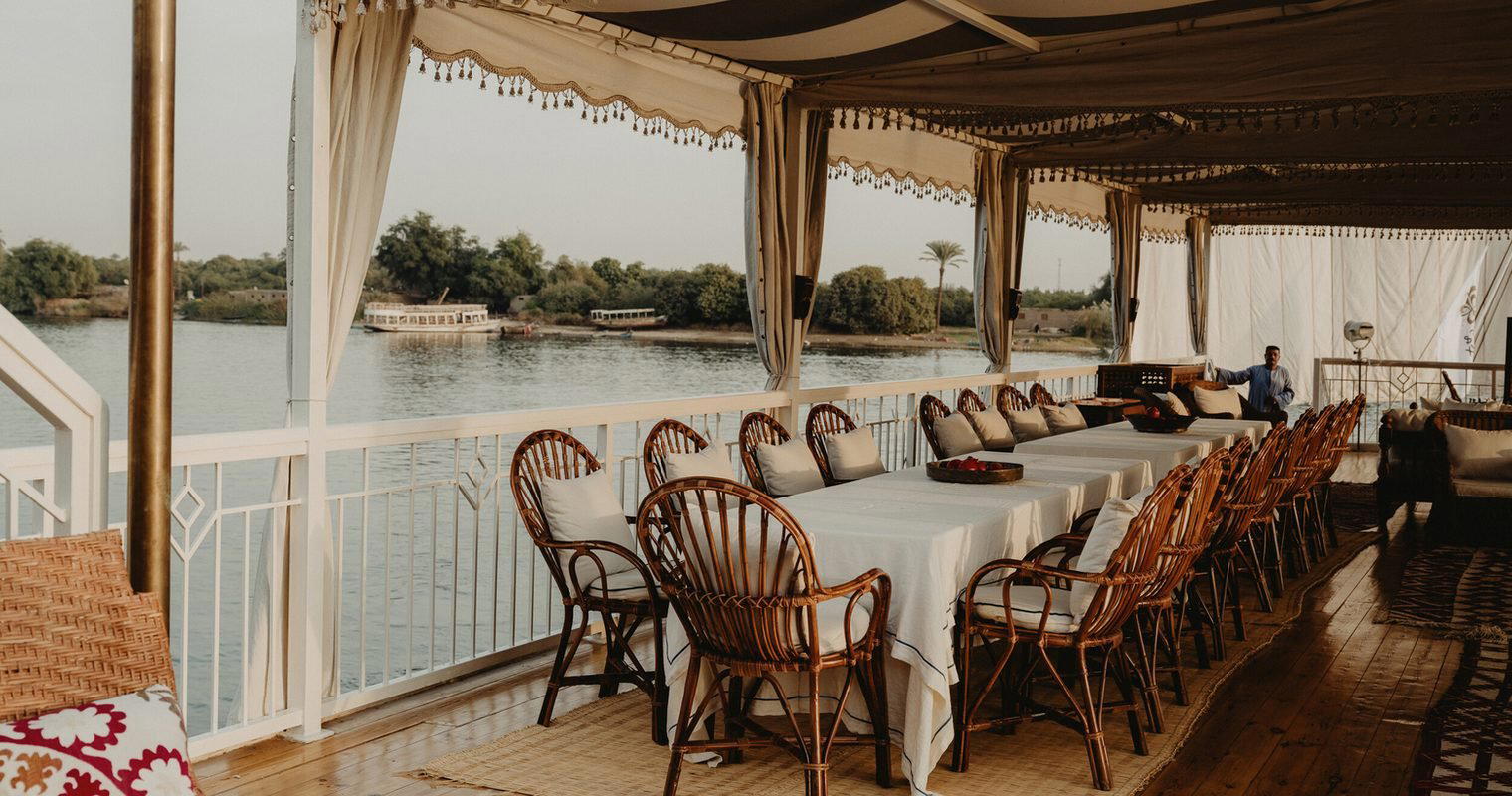
The approach to dining on Luxor’s West Bank has a different rhythm from hotel-heavy riverfront rooms across the Nile. The air is drier, the horizon feels lower, and meals tend to make sense when they acknowledge the agricultural plain around the ancient sites rather than pretending the city is only a monument circuit. Canopus Restaurant belongs to that side of Luxor dining: generous, regional, and rooted in the produce belt that sits close to the river.
Luxor is not Cairo, and that distinction matters at the table. The capital can absorb international formats with scale, from formal Chinese dining at 8 Restaurant in Cairo to old-school grill culture at Abou Shakra (ابو شقرة) in Al Haram and Egyptian dining rooms such as Al Khal Egyptian Restaurant in Nasr. Luxor’s stronger argument is narrower and more place-bound: Nile-side agriculture, Middle Eastern staples, and a visitor market that rewards clarity over performance.
West Bank terroir expressed through a Middle Eastern buffet
The phrase “expression of the terroir” can sound imported from wine language, but in Luxor it has a plain meaning. Nearby farms shape what a kitchen can do with beans, herbs, vegetables and meat accompaniments; the region’s food culture has long depended on what the river valley makes possible. At Canopus Restaurant, that idea appears through a wide Middle Eastern buffet rather than a plated tasting-menu format.
The buffet structure matters. In many premium travel cities, buffet dining has become either a hotel convenience or a volume exercise. Here, the format is better read as a regional table: hummus, kebab, kofta, shawarma and ful medames sit within a broader Mediterranean, Levantine and Arabic vocabulary. Ful medames, built around fava beans, carries particular weight in Egypt because it is not a tourist invention; it is a daily-food reference that predates contemporary restaurant branding.
That makes the restaurant more useful for travelers who want Egyptian and Middle Eastern flavors in breadth rather than a single-dish chase. A grill-focused venue such as Andrea El Mariouteya in Sheikh Zayed City speaks to another national dining register, while coastal cooking at B'HAAR in Sidi Abd El Rahman or resort Italian at Bella Italian Restaurant in Hurghada points toward Egypt’s leisure zones. Luxor’s West Bank asks for a different reading: less about spectacle, more about the meeting point between agricultural supply and regional hospitality.
Chef Hussein Gaber's role is continuity, not theatre
Chef Hussein Gaber is the named culinary figure here, but the more interesting story is not biography for its own sake. In a city where dining often competes with temple schedules, river crossings and hotel itineraries, the kitchen’s task is to make regional cooking legible without flattening it. Mediterranean flavors, Levantine staples and Arabic dishes are not treated as separate categories; they overlap in the way Middle Eastern tables commonly do, with dips, grilled meats, beans and bread-friendly preparations sharing space.
This is where the chef’s role becomes editorially relevant. The cooking is described around variety and farm sourcing, which places technique in service of access: many dishes, familiar regional anchors, and an emphasis on ingredients drawn from close to Luxor. That is a different proposition from chef-led minimalism, and it suits the city. A long, hushed counter format would feel detached from the way many travelers actually eat around the West Bank; a generous buffet can absorb mixed appetites, different ages and variable timing without requiring the meal to become the day’s main event.
There is also a useful contrast with European terroir language. At 4 Sajons, Expression of the terroir in Ortisei Val Gardena or ALMA Restaurant, Expression of the terroir in Tr Na, terroir often arrives through alpine or Nordic precision, tasting structures, and tightly edited plates. In Luxor, the same concept is more convincing when it stays generous. The point is not scarcity; the point is proximity, seasonality and the comfort of dishes that can be shared across the table.
How to read Canopus within Luxor's dining map
Luxor’s restaurant scene is better understood by geography than by trend. The East Bank concentrates more hotels, riverfront terraces and visitor services; the West Bank draws closer to archaeological routes, village life and agricultural edges. That split shapes expectations. A meal near the tourist port area on the West Bank naturally suits travelers structuring a day around crossings, tombs or temples, while polished hotel dining often works better when the evening is anchored on the East Bank.
For that wider city picture, Our full Luxor restaurants guide is the sensible next layer. Travelers building a fuller itinerary should pair food planning with Our full Luxor hotels guide, then use Our full Luxor bars guide, Our full Luxor wineries guide and Our full Luxor experiences guide to understand how evenings, river time and cultural programming fit together.
Within the city’s restaurant mix, names such as Il Forno, Khan Al Moudira, L'Oasis, La Corniche Restaurant and Nile Terrace show how varied Luxor’s visitor-facing dining can be, from hotel-adjacent comfort to terrace-led settings. Canopus Restaurant occupies the side of that map where Middle Eastern breadth and farm-linked cooking carry more weight than formal ceremony.
The editorial read is simple: choose this restaurant when the meal should feel anchored in Luxor rather than detached from it. The trust signal is not a star rating or imported accolade; it is the specificity of the format, the named chef, the stated farm sourcing, and the menu’s commitment to recognizable Middle Eastern and Egyptian staples. In a city where many travelers are moving between ancient sites and river logistics, that kind of clarity has value.
Comparable Venues Nearby
Comparable venues nearby, for context on price, style, and recognition.
| Venue | Cuisine | Price | Notes |
|---|---|---|---|
| Canopus RestaurantThis venue — the venue you are viewing | Fine-dining Middle Eastern cuisine on a Nile dahabiya | $$$$ | Not listed |
| La Zisa | Authentic Southern Italian | $$$$ | Boulaq |
| Abou Shakra (ابو شقرة) | Authentic Egyptian Grill | $$ | Al Haram |
| Al Khal Egyptian Restaurant | Authentic Egyptian | $$$ | Nasr City |
| La Maison Bleue | Mediterranean & Egyptian Fine Dining | $$$$ | El Gouna |
| Castle Zaman | Egyptian Slow Food Castle Cuisine | $$$$ | Taba-Nuweiba Road |
Recognition history
Dated appearances from independent guides and award organizations, with the underlying list record or original source where available.
Relais Chateaux Award
Relais Chateaux
Continue exploring
More in Luxor
At a Glance
- Elegant
- Romantic
- Scenic
- Classic
- Intimate
- Sophisticated
- Date Night
- Celebration
- Group Dining
- Waterfront
- Panoramic View
- Design Destination
- Hotel Restaurant
- Private Dining
- Craft Cocktails
- Local Sourcing
- Waterfront
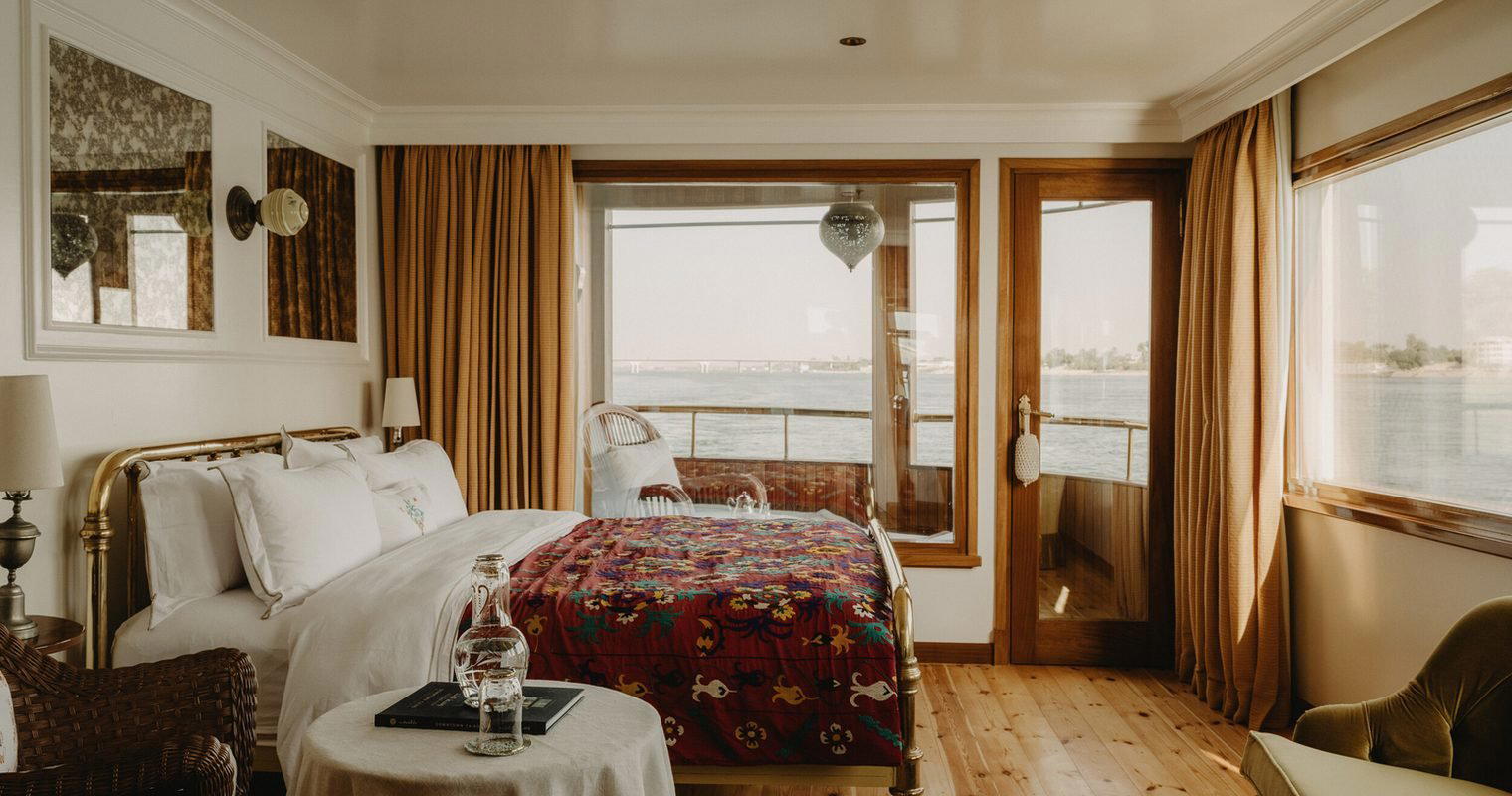
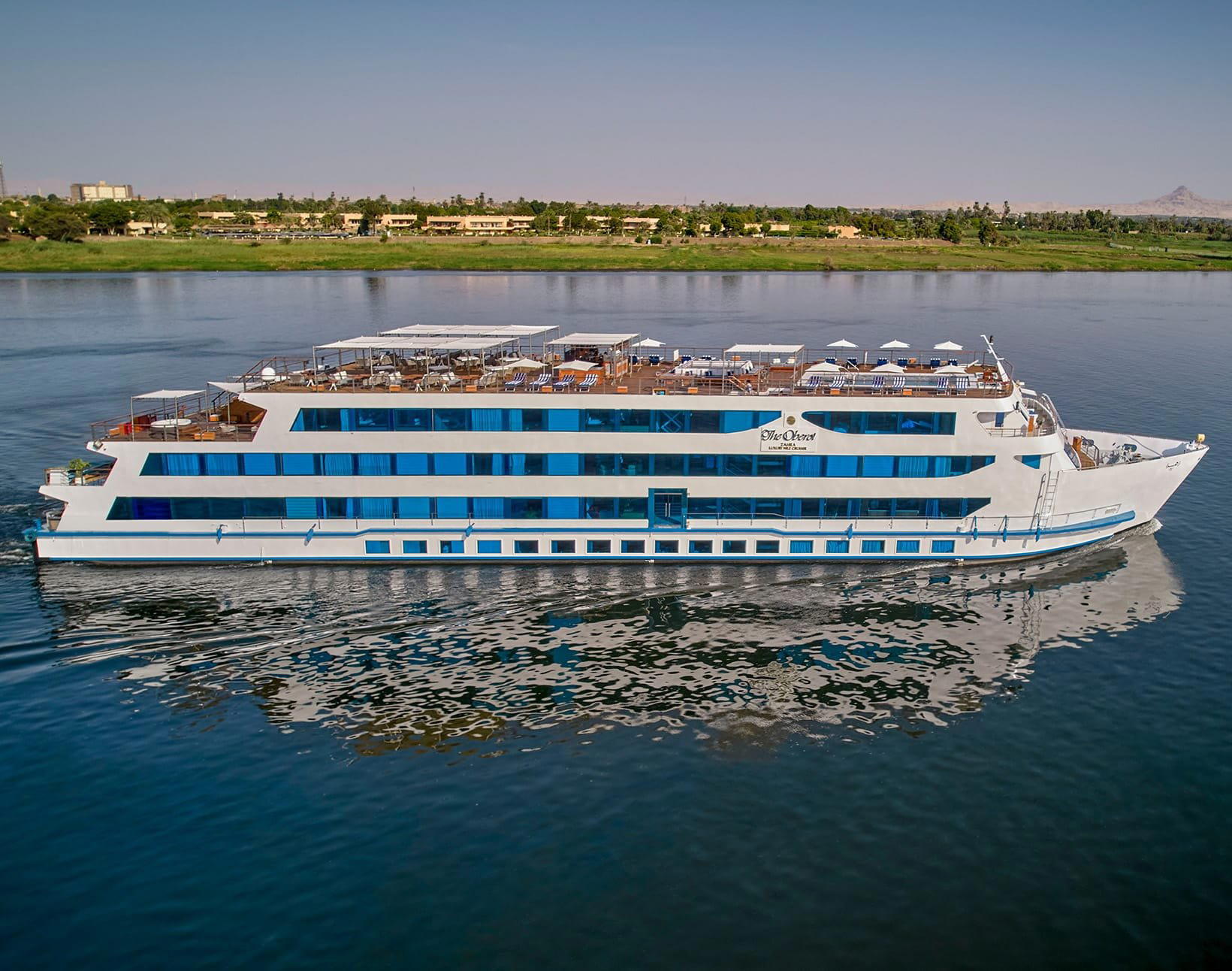
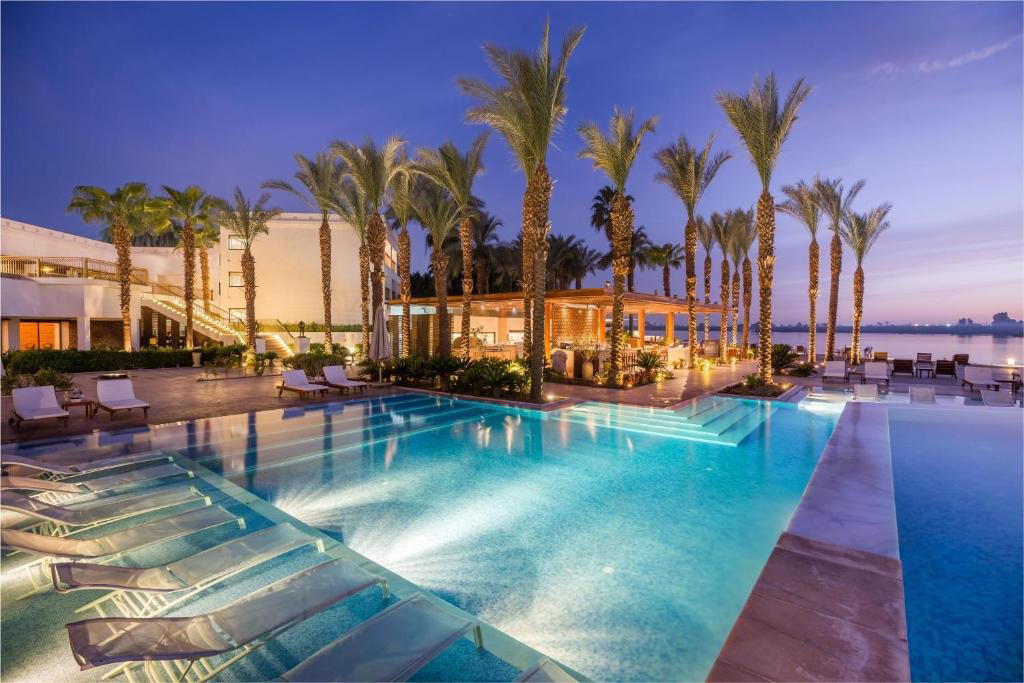
Refined, 1920s-inspired riverboat setting with a quiet, romantic atmosphere; guests dine on a small dahabiya with views of the Nile, desert, and palm-fringed riverbanks, creating an intimate, old-world cruise feel from sunrise to starry nights.