
A dahabeya voyage on the Nile sits at a different point in Egypt's luxury travel hierarchy than a five-star hotel or a large cruise ship. Storia the Dahabeya offers a slower, sail-powered passage through Upper Egypt's temple corridor, with Luxor's monuments visible from the water — a format that prioritises access to the river and the ruins over urban convenience.
Pearl is the En Primeur Club membership app — saves, bookings, and concierge access live there. Same editors, same standards.
- Address
- Kornish Al Nile, Karnak, Luxor, Luxor Governorate 85111, Egypt
- Website
- adnilecruises.com
- Directions
- Get directions
 Saves & bookings on Pearl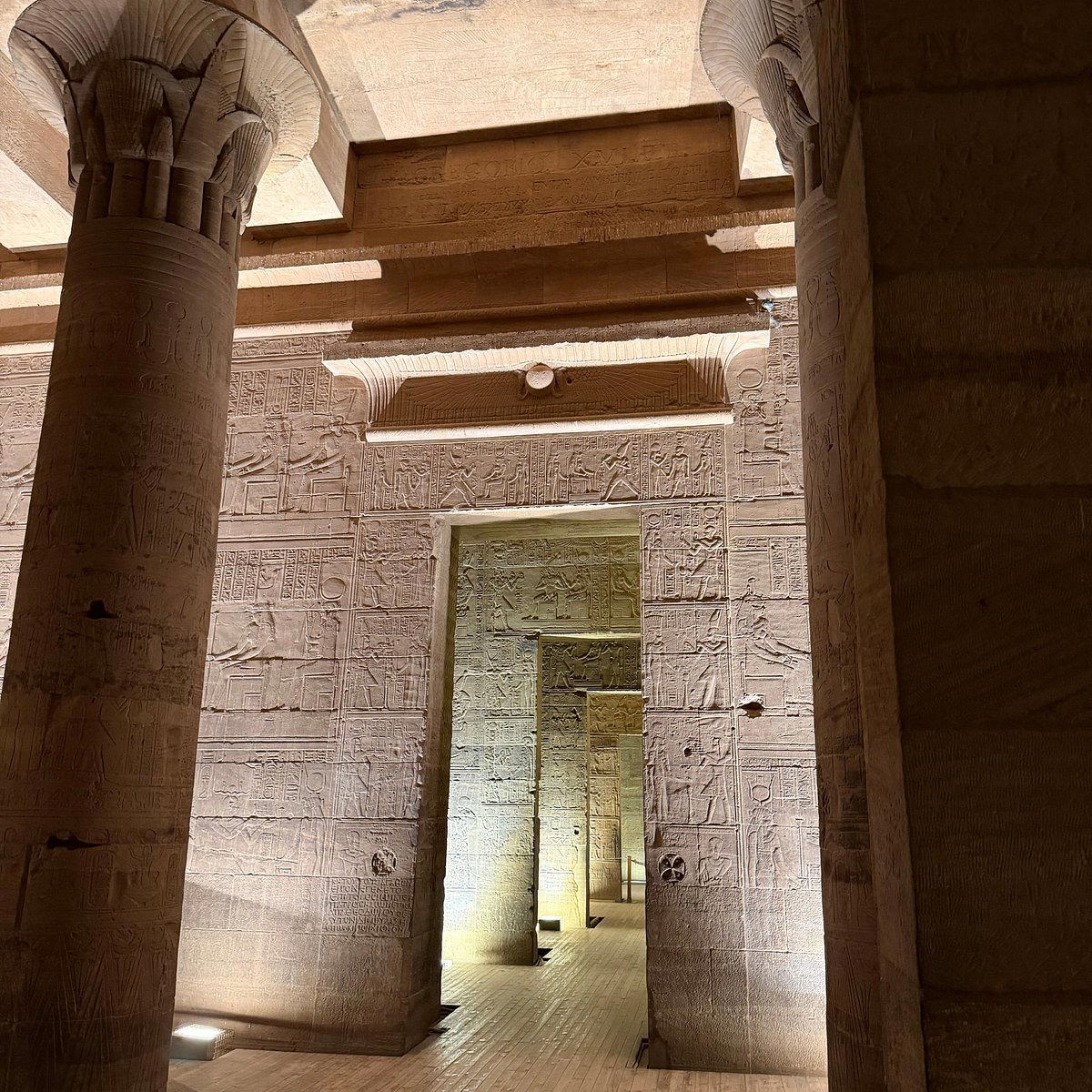
The River as Address
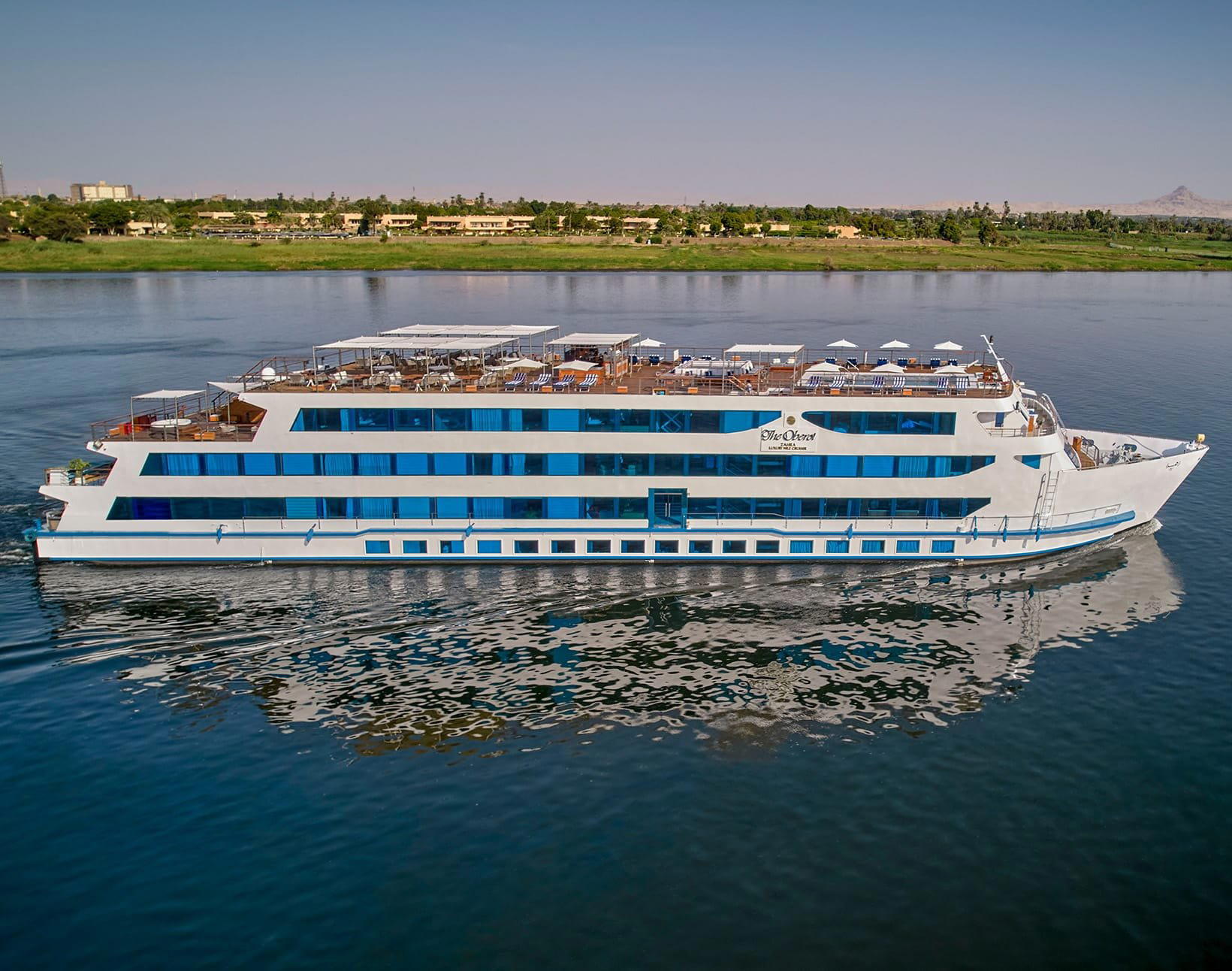
Luxury travel in Egypt sorts itself into two broad camps: those who sleep on land and visit the Nile, and those who sleep on the Nile and visit the land. The dahabeya format belongs firmly to the second category, and it represents a substantially different proposition from the motorised Nile cruisers that move between Luxor and Aswan on fixed schedules with 50 or more cabins aboard. The dahabeya is a traditional Egyptian sailing vessel — broad-beamed, wooden-hulled, wind-driven when conditions allow — and its revival as a premium travel format over the past two decades has created a small, specialist tier that operates at the quieter, slower end of Nile travel. The Oberoi Zahra, Luxury Nile Cruise represents the larger, hotel-standard ship end of that spectrum; Storia the Dahabeya occupies different territory, with the intimacy and pace that a private sailing vessel makes possible.
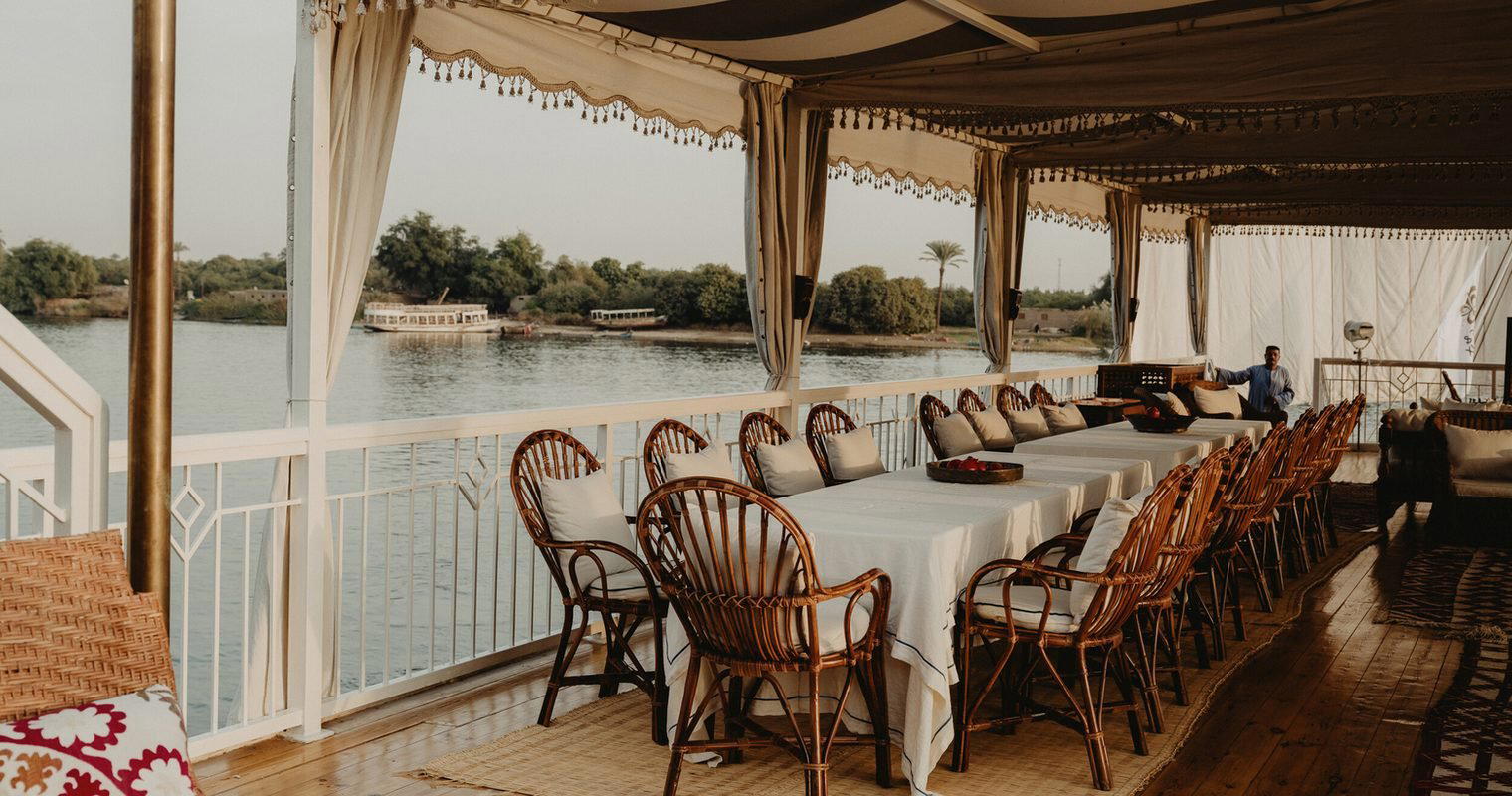
The physical experience of approaching the Nile from a dahabeya deck is unlike arriving at any land address in Luxor. The temples of Karnak and Luxor read differently from the water than they do from the road, the scale of the East Bank becomes apparent in a single sightline, while the West Bank's cliffs, which shelter the Valley of the Kings, appear as a continuous escarpment across the river. White sails draw the eye before any other architectural detail, and the slow movement of the vessel means the view changes continuously rather than arriving and staying fixed. This is the core logic of the dahabeya as a travel format: the address is the river itself, and the river provides access to two millennia of visible history without requiring a car, a guide, or a lobby.
Where Dahabeya Travel Sits in Luxor's Accommodation Hierarchy
Luxor's premium land options cover a range of types. The Sofitel Winter Palace Luxor operates from a colonial-era property on the Corniche with significant historical weight, it hosted Agatha Christie and Lord Carnarvon, among others, while the Hilton Luxor Resort & Spa offers a large international footprint with direct Nile views from fixed ground. On the West Bank, Al Moudira Hotel takes a different approach: boutique scale, local materials, and a position removed from the main tourist corridor. Each of these fixes you to one address for the duration of a stay.
The dahabeya format dissolves that constraint. Rather than choosing between East Bank and West Bank, or between Luxor and Aswan, a voyage covers the corridor between them at a pace determined by the wind and the itinerary rather than a ferry timetable. Storia the Dahabeya sits within this niche: a vessel-based stay that uses the river's geography as its primary asset. For travellers who have already covered Luxor's temples from land and want a different spatial relationship with the same sites, or for those arriving for the first time who want to see Upper Egypt assembled as a continuous panorama, the logic is direct.
The Nile Corridor and What It Provides
The stretch of the Nile between Luxor and Aswan runs approximately 200 kilometres through some of the most concentrated ancient monument density anywhere in the world. Edfu, Kom Ombo, Esna, these are sites that a land itinerary requires detours to reach; a Nile voyage passes them as a matter of course. The dahabeya's slower speed relative to motorised cruisers means more time at anchor near smaller temples and agricultural villages that the large ships bypass. This is not a marginal difference in routing: it is a fundamentally different relationship with the geography of Upper Egypt.
Cooler months, from October through March, carry stronger northerly winds down the Nile valley, which historically made sailing upstream from Aswan to Luxor more practical under sail. Modern dahabeyas are fitted with engines for calm days and upstream passages, but the seasonal wind patterns still shape the recommended direction of travel and the likely frequency of actual sailing versus motoring. Travellers arriving in winter benefit from both more reliable sailing conditions and temperatures that make open-deck time comfortable across most of the day.
Placing Storia in Egypt's Broader Travel Circuit
A dahabeya voyage functions most naturally as one component of a longer Egypt trip rather than a standalone destination. Luxor is the standard embarkation point for northbound cruises, with Aswan as the starting point for southbound passages. Either city is accessible by direct flight from Cairo, making it direct to combine a Nile segment with time in the capital, the Dusit Thani LakeView Cairo represents one of several hotel options in that city, or with Egypt's Red Sea coast, where properties like the Four Seasons Resort Sharm El Sheikh and the Premier Le Rêve Hotel & Spa in Hurghada serve the coastal segment of an itinerary. The Sofitel Legend Old Cataract Aswan sits at the southern end of the standard Nile cruise circuit and pairs naturally with a dahabeya voyage ending in Aswan. For Egypt's northwest and the desert oasis circuit, Shali Lodge in Siwa represents a geographically separate category entirely.
The principle in each case is the same, the vessel provides both transport and accommodation, and the body of water provides the view, the access, and the editorial logic of the trip. Among globally positioned intimate water travel, references like Aman Venice hint at how water-fronted luxury can define a stay's spatial character without the vessel itself moving; a dahabeya takes that spatial advantage and adds the movement. For those comparing against land-based ultra-premium options globally, properties like Amangiri in Canyon Point or Castello di Reschio in Lisciano Niccone make the case for place-as-asset, Storia the Dahabeya applies the same principle to the Nile.
Planning a Voyage
Booking a dahabeya voyage typically requires advance planning of several months, particularly for the peak October-to-February window when demand from European and American visitors peaks alongside optimal weather. Specific booking channels, pricing, and voyage durations for Storia the Dahabeya are best confirmed directly, as the vessel operates within a specialist segment where itineraries and availability shift seasonally. For context on the broader Luxor accommodation and experience landscape, our full Luxor guide covers land and river options across price tiers.
How Storia the Dahabeya Luxor compares with similar nearby venues.
| Venue | Awards |
|---|---|
| Storia the Dahabeya | Small Luxury Hotels of the World Member (2025) |
Recognition history
Dated appearances from independent guides and award organizations, with the underlying list record or original source where available.
Small Luxury Hotels of the World Member
Small Luxury Hotels of the World

At a Glance
- Romantic
- Elegant
- Scenic
- Intimate
- Sophisticated
- Honeymoon
- Romantic Getaway
- Anniversary
- Waterfront
- Historic Building
- Wi Fi
- Pool
- Spa
- Fitness Center
- Room Service
- Concierge
- Restaurant
- Waterfront
- Wi Fi
- Pool
- Spa
- Fitness Center
- Room Service
- Concierge
- Restaurant
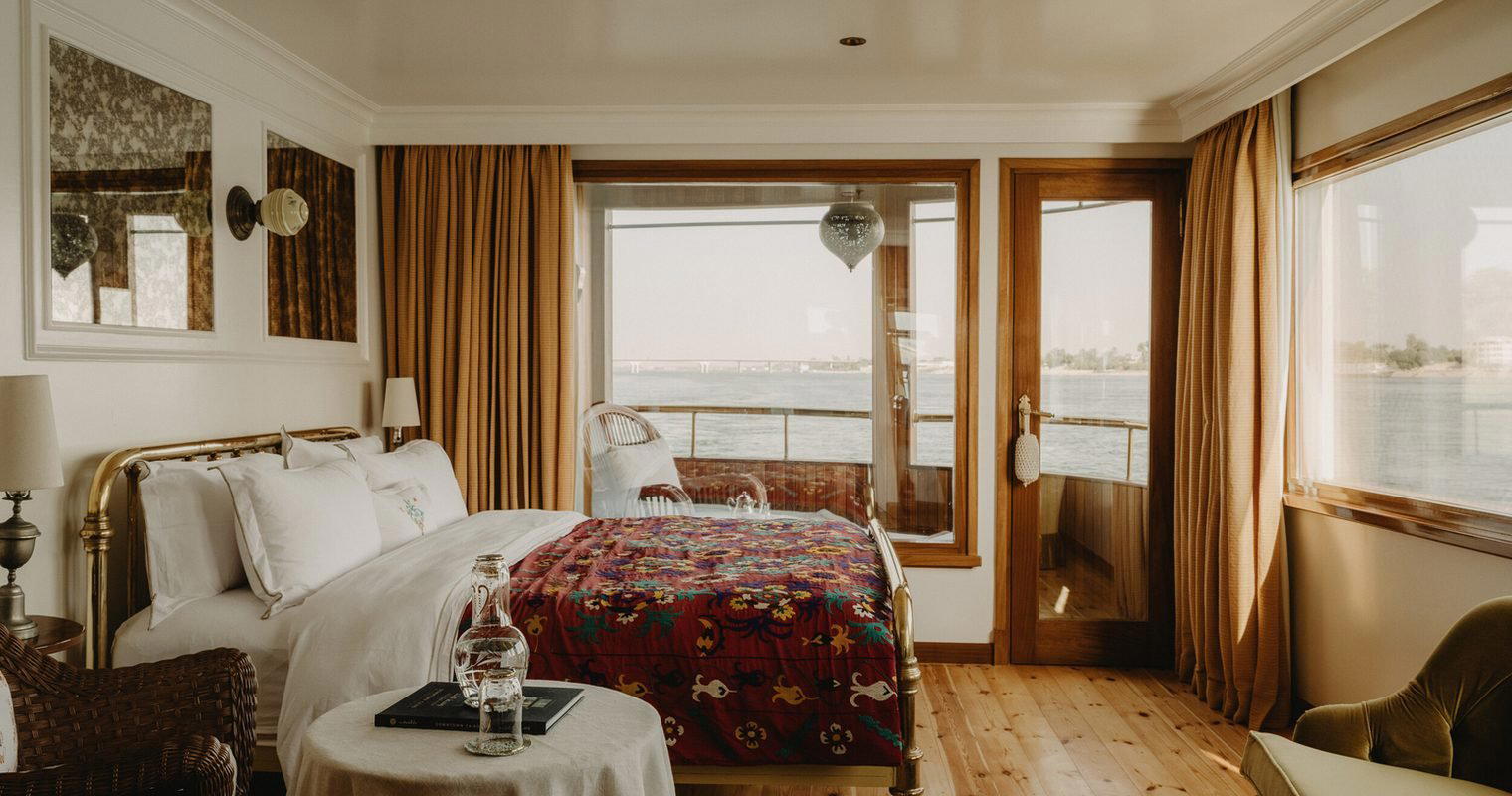
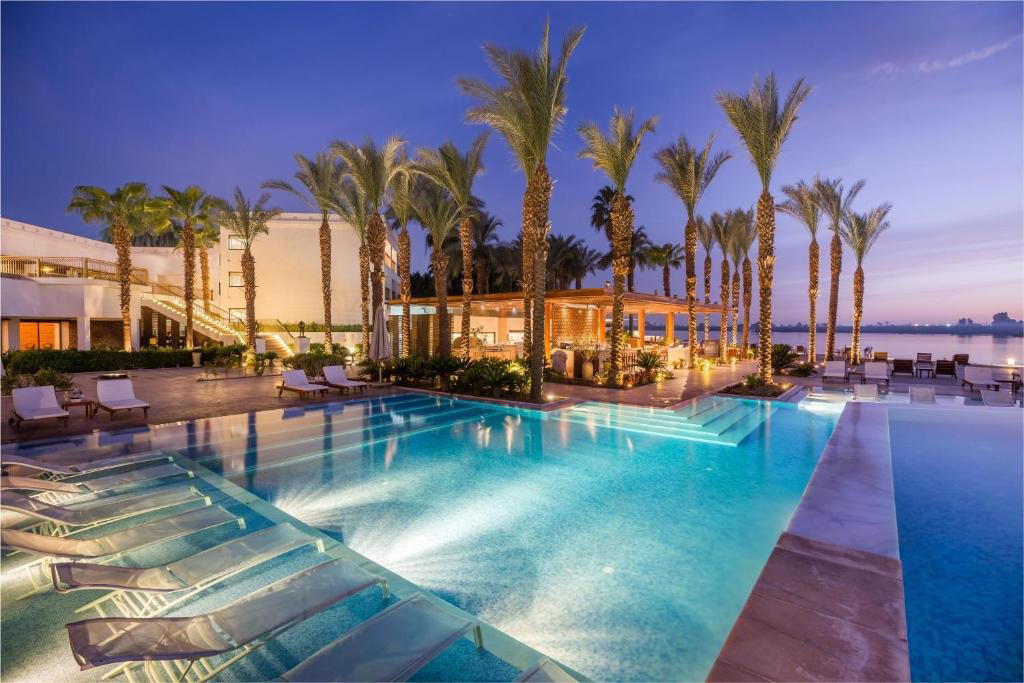
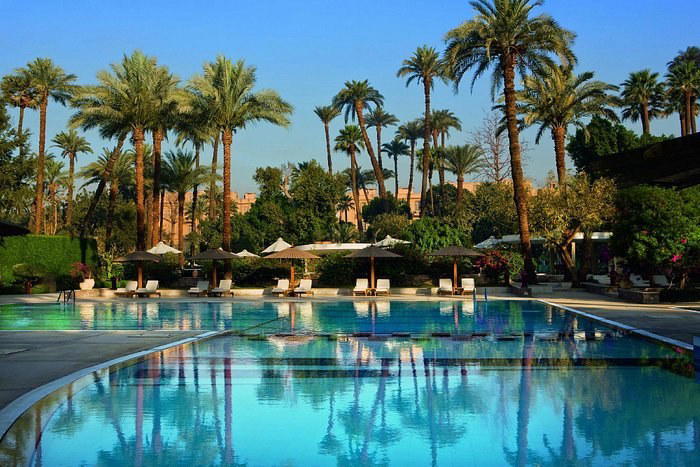
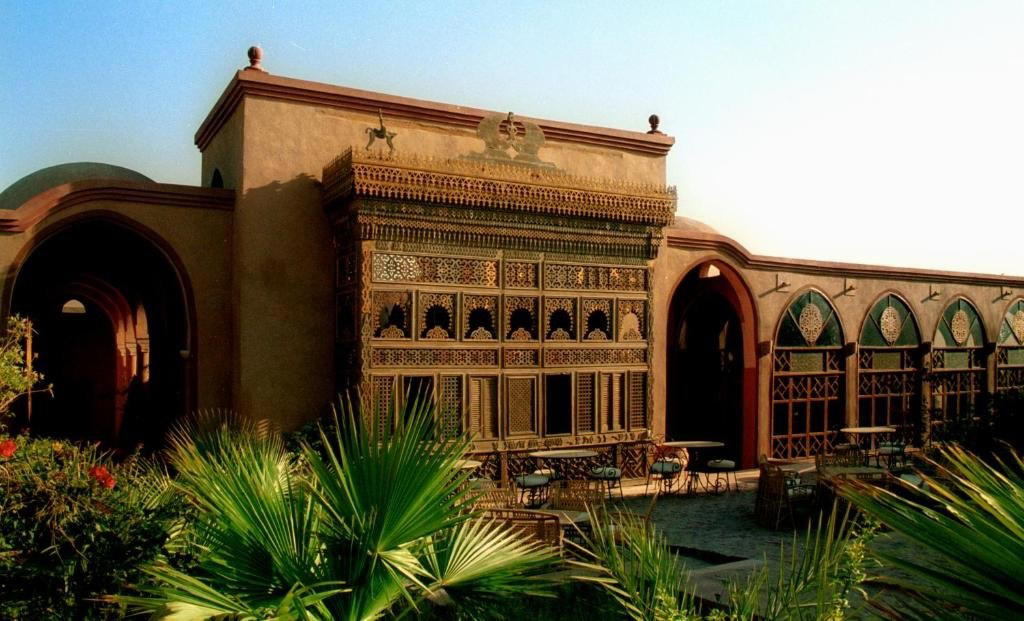
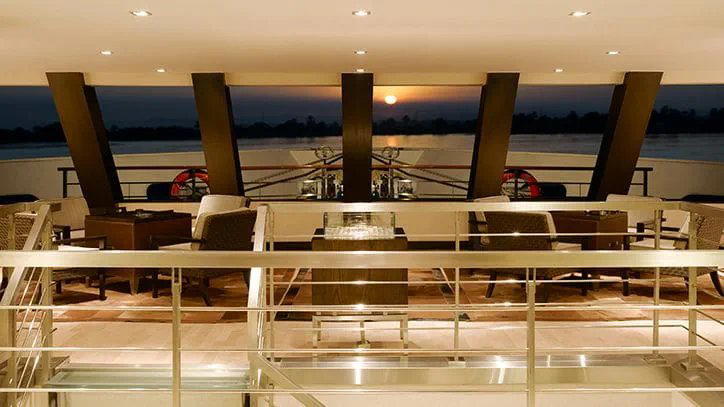
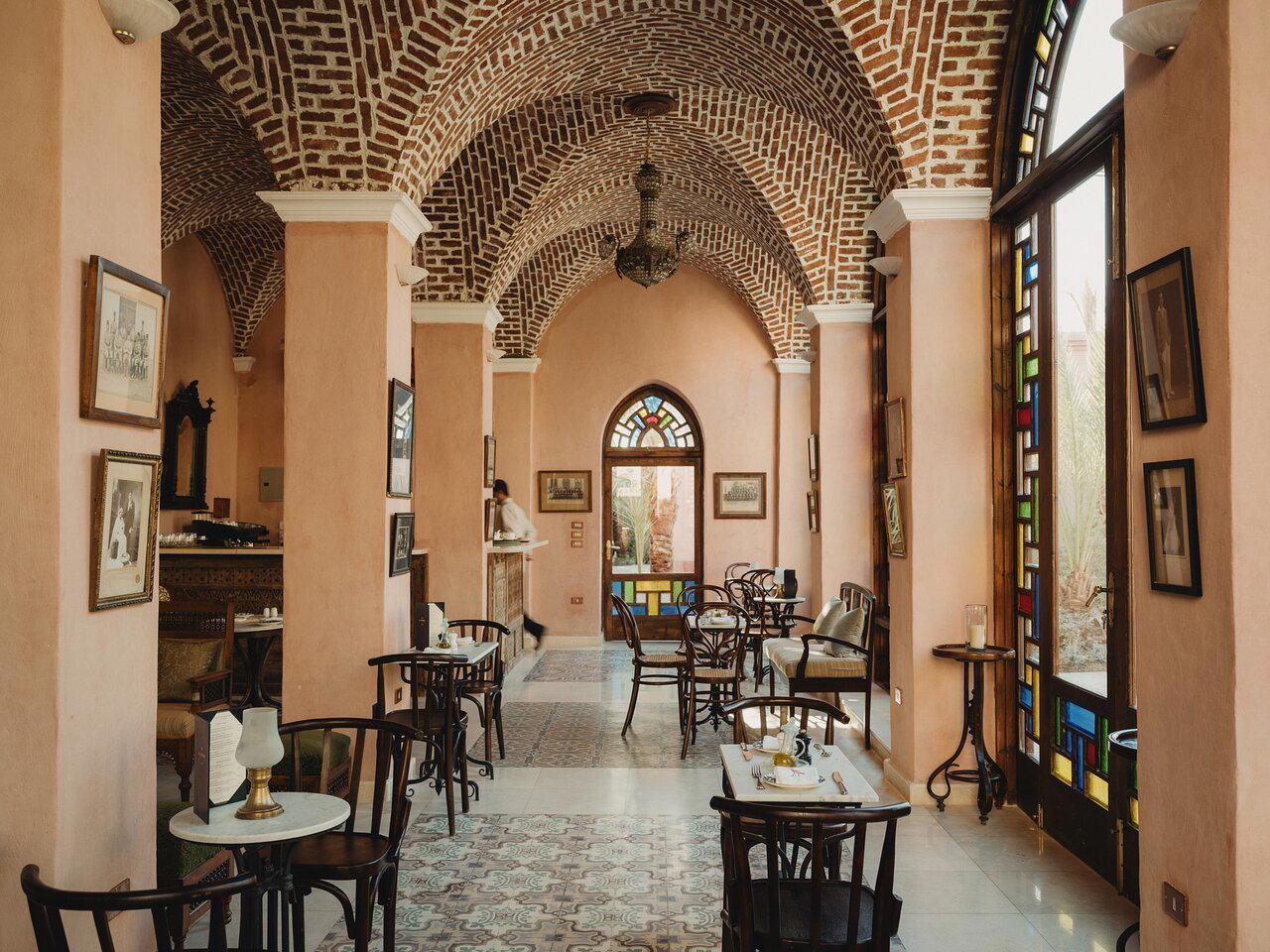
Serene and elegant with river views from expansive windows, sunlit terrace and solarium, and relaxed atmosphere enhanced by candlelit dinners and star gazing.
Know Before You Go
- Getting there
- Kornish Al Nile, Karnak, Luxor, Luxor Governorate 85111, Egypt