Canaille
Our verdict
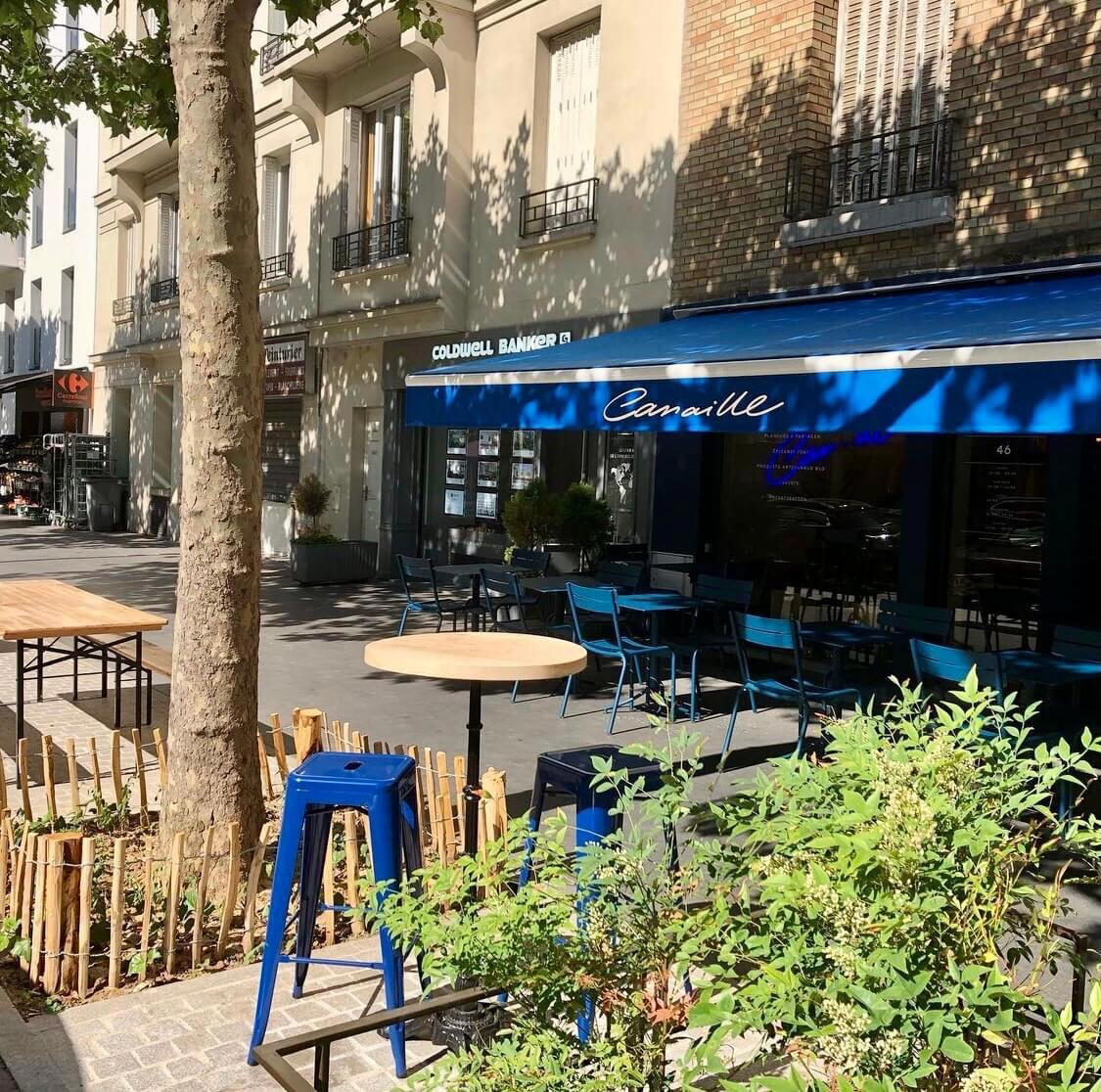
Canaille sits on Avenue Victor Hugo in Boulogne-Billancourt, the quietly serious dining corridor just west of the Paris périphérique. The name itself signals intent: canaille, French slang for a lovable rogue, suggests a kitchen comfortable bending convention without abandoning craft. For those working through the neighbourhood's more considered tables, it belongs in the same conversation as nearby addresses worth tracking.

Pearl is the En Primeur Club membership app — saves, bookings, and concierge access live there. Same editors, same standards.
- Address
- 46 Av. Victor Hugo, 92100 Boulogne-Billancourt, France
- Hours
- Mon–Fri 12:30–3 PM, 6 PM–12 AMSat 12:30 PM–12 AMSun Closed
- Website
- bistrotcanaille.fr
- Directions
- Get directions
- Booking
- Book on TheFork
The menu
What to order
- Poulpe grillée
- Linguine au homard
- Gnocchis à la crème de parmesan
Avenue Victor Hugo and the Ritual of the Boulogne Table
The stretch of Avenue Victor Hugo in Boulogne-Billancourt operates at a different register from the grands boulevards across the périphérique. Foot traffic here is residential rather than touristic, the storefronts practical rather than theatrical, and the restaurants that survive do so on repeat custom from a neighbourhood that eats out with some frequency and forgives indifference poorly. Canaille, at number 46, sits inside that logic. The name carries a Gallic wink: canaille translates loosely as a rogue or a scoundrel, affectionate rather than sinister, the kind of word a French grandmother might deploy with a smile. It signals a kitchen that does not take itself too seriously, even if the cooking almost certainly does.
In French bistro tradition, the meal is not an event you arrive at and depart from efficiently. It is a sequence with its own internal pace: the apéritif that slows you down before the menu arrives, the bread that appears without being asked for, the silence between courses that no one feels obliged to fill with conversation. Canaille occupies a neighbourhood where that tradition is still observed rather than performed for visitors. The ritual matters here because the clientele expects it, not because a marketing brief demands it.
What the Name Tells You About the Cooking
Across French dining, the gap between the bistronomy tier and the white-tablecloth gastronomique has widened over the past decade. At the leading end, multi-starred kitchens like Alléno Paris au Pavillon Ledoyen in Paris or Mirazur in Menton operate with a formality and a price architecture that requires deliberate planning. At the other end of the spectrum, genuinely rooted neighbourhood tables in inner suburbs like Boulogne-Billancourt occupy a middle ground: they cook with technique, they take the sourcing seriously, and they price against the local wallet rather than the expense-account lunch. The word canaille locates a restaurant precisely in that territory. It is an anti-pretension flag flown from the front door, a declaration that the pleasure of eating well does not require ceremony.
The broader bistronomy current that reshaped Paris dining from the late 2000s onward has had a quieter but durable effect on the inner suburbs. Addresses like Adèle & Camille, BacCano, and A Tavola each represent a different inflection of that shift in Boulogne-Billancourt, from Italian-leaning trattoria formats to French market cooking. Canaille reads as part of the same general movement: kitchens that dispense with the formality of Michelin-chasing while retaining the craft that makes a meal worth repeating.
The Pacing of a Meal Here
French dining ritual at the neighbourhood level runs to a logic that differs from destination restaurants in instructive ways. At houses like Flocons de Sel in Megève or Troisgros - Le Bois sans Feuilles in Ouches, the meal is a structured performance with timed courses, wine pairings sequenced by the sommelier, and an overall arc the kitchen controls. At a neighbourhood address on Avenue Victor Hugo, the pacing shifts to the table. You set the tempo. A two-course lunch can be over in forty minutes or stretch to ninety depending on whether you order a carafe and stay for cheese. That informality is not a lesser version of the ritual; it is a different one, with its own demands on the kitchen: the food has to hold up without theatrical staging, the service has to read the room rather than execute a script.
For context on what French fine dining looks like when ceremony is the point, the lineage from Paul Bocuse - L'Auberge du Pont de Collonges in Collonges-au-Mont-d'Or through to Auberge de l'Ill in Illhaeusern or Les Prés d'Eugénie - Michel Guérard in Eugénie-les-Bains defines one pole of French restaurant culture. Canaille operates at the other, where the cooking is the argument and the room does not need to prove anything beyond a certain comfort. Neither pole is superior; they answer different questions about why you are going out to eat.
Where Canaille Sits in the Neighbourhood Dining Order
Boulogne-Billancourt's restaurant scene is denser and more considered than its status as a near-suburb might suggest. The arrondissement-adjacent postal code draws a professional class that eats out regularly, which creates a market for tables that take the food seriously without requiring a destination-dining occasion. Canaille's address on Avenue Victor Hugo places it in a commercial spine the neighbourhood uses rather than visits, which means the kitchen competes on quality and consistency rather than novelty or spectacle. That is a harder competitive position in some respects and a more stable one in others: the regulars who return are the ones the kitchen has genuinely won over.
Across the broader French restaurant map, addresses that occupy this tier quietly and without awards noise can be harder to evaluate from outside the neighbourhood than destinations like Bras in Laguiole, Georges Blanc in Vonnas, Auberge du Vieux Puits in Fontjoncouse, or La Table du Castellet in Le Castellet, where critical infrastructure has done the positioning work. Equally, they sit in a different frame from internationally tracked addresses like Le Bernardin in New York City or Lazy Bear in San Francisco, which operate with a global reservation audience. The Boulogne-Billancourt neighbourhood table answers to its postcode first and to the wider dining conversation only incidentally. That is, in its own way, a clarifying constraint. For a fuller picture of where Canaille sits among the area's options, the full Boulogne-Billancourt restaurants guide maps the neighbourhood's dining character in more detail, and the comparable Le 1947 à Cheval Blanc in Courchevel represents the luxury-resort end of French dining should the contrast be useful.
Planning a Visit
Canaille is located at 46 Avenue Victor Hugo, 92100 Boulogne-Billancourt, reachable from central Paris via the Boulogne-Jean Jaurès or Boulogne-Pont de Saint-Cloud metro stations on line 10, with the walk to the avenue taking under ten minutes from either. For practical details on current hours, booking availability, and pricing, checking directly with the restaurant before visiting is the most reliable approach given that neighbourhood tables at this tier do not always maintain updated third-party listings. Walk-in availability, reservation policy, and whether the kitchen is running a set lunch or à la carte format are all details leading confirmed at source.
Frequently asked questions
What's the address for Canaille?
Canaille is located at 46 Av. Victor Hugo, 92100 Boulogne-Billancourt, France, Boulogne Billancourt.
Is Canaille in Boulogne-Billancourt worth the trip from central Paris?
Located at 46 Avenue Victor Hugo in the 92100 postcode, Canaille is accessible from central Paris via the Boulogne-Jean Jaurès or Boulogne-Pont de Saint-Cloud Métro stops, putting it within 25–30 minutes of most arrondissements. For readers specifically after a neighbourhood table operating outside the tourist circuit, the cross-périphérique detour is the point, not the obstacle. The Boulogne-Billancourt dining scene is denser and more considered than its near-suburb status might suggest.
What should I eat at Canaille?
The name itself signals the register: canaille is French slang for something a little rough-edged and unassuming, which in dining terms points toward honest, market-driven cooking rather than composed haute cuisine. At bistros in this tier in Boulogne-Billancourt, the safest approach is to follow whatever the server flags as the day's direction rather than anchoring to a fixed dish. The kitchen's credibility will show in the simpler preparations.
Do they take walk-ins at Canaille?
Walk-in availability at 46 Avenue Victor Hugo will vary by service and day of the week. Weekday lunches in Boulogne-Billancourt's neighbourhood dining tier tend to have more give than Friday or Saturday dinner slots. Arriving at the open of service improves your chances; calling ahead, if contact details are available at time of visit, remains the more reliable route.
Cuisine and Credentials
| Venue | Cuisine | Price |
|---|---|---|
| CanailleThis venue — the venue you are viewing | Modern French Wine Bar | $30–50 |
| Adèle & Camille | Seasonal French Bistro | $50–100 |
| BacCano | Authentic Neapolitan Italian | $30–50 |
| A Tavola | Authentic Sicilian Italian | $30–50 |
Continue exploring
More in Boulogne Billancourt
Restaurants in Boulogne Billancourt
Browse all →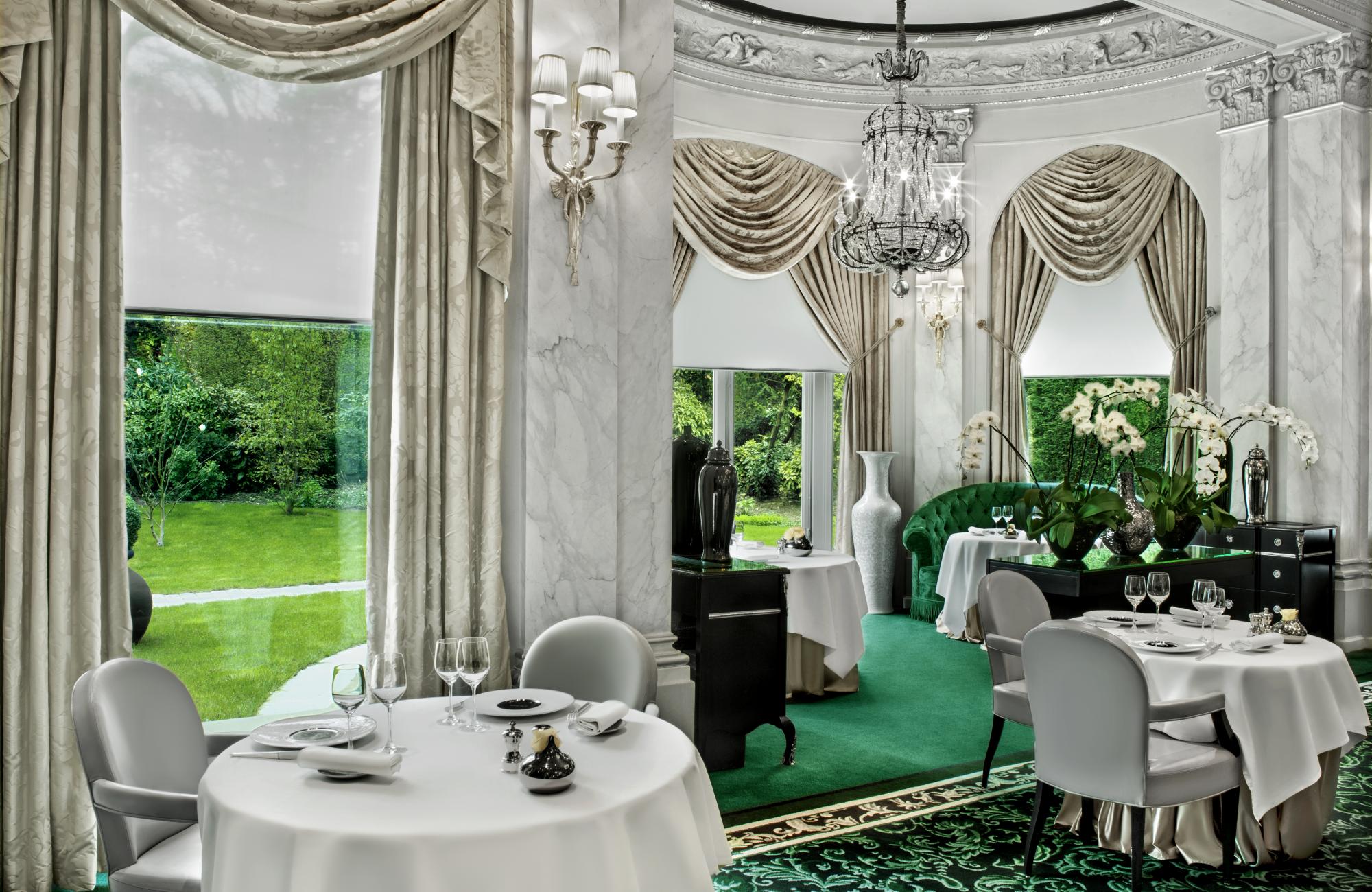
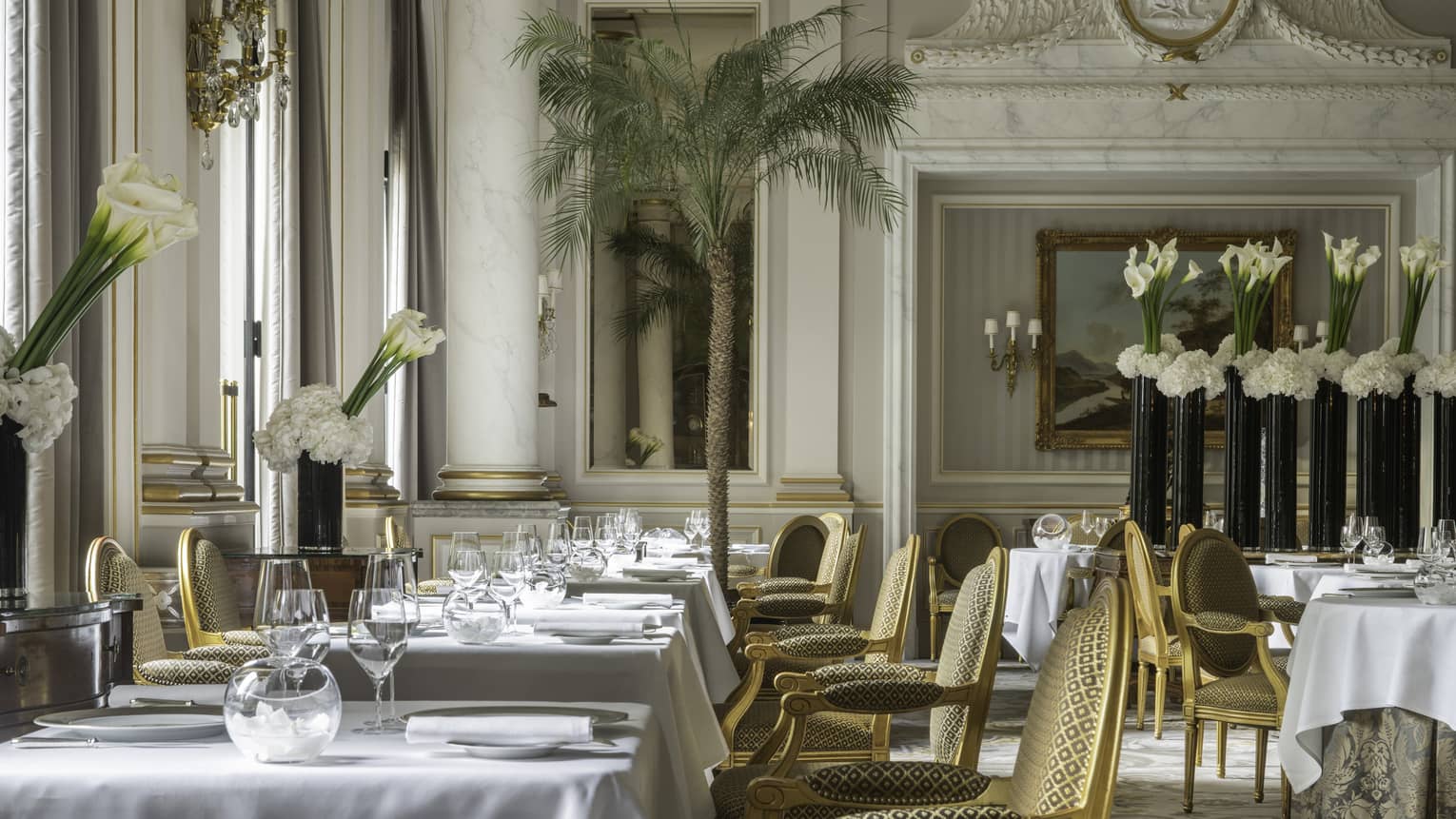
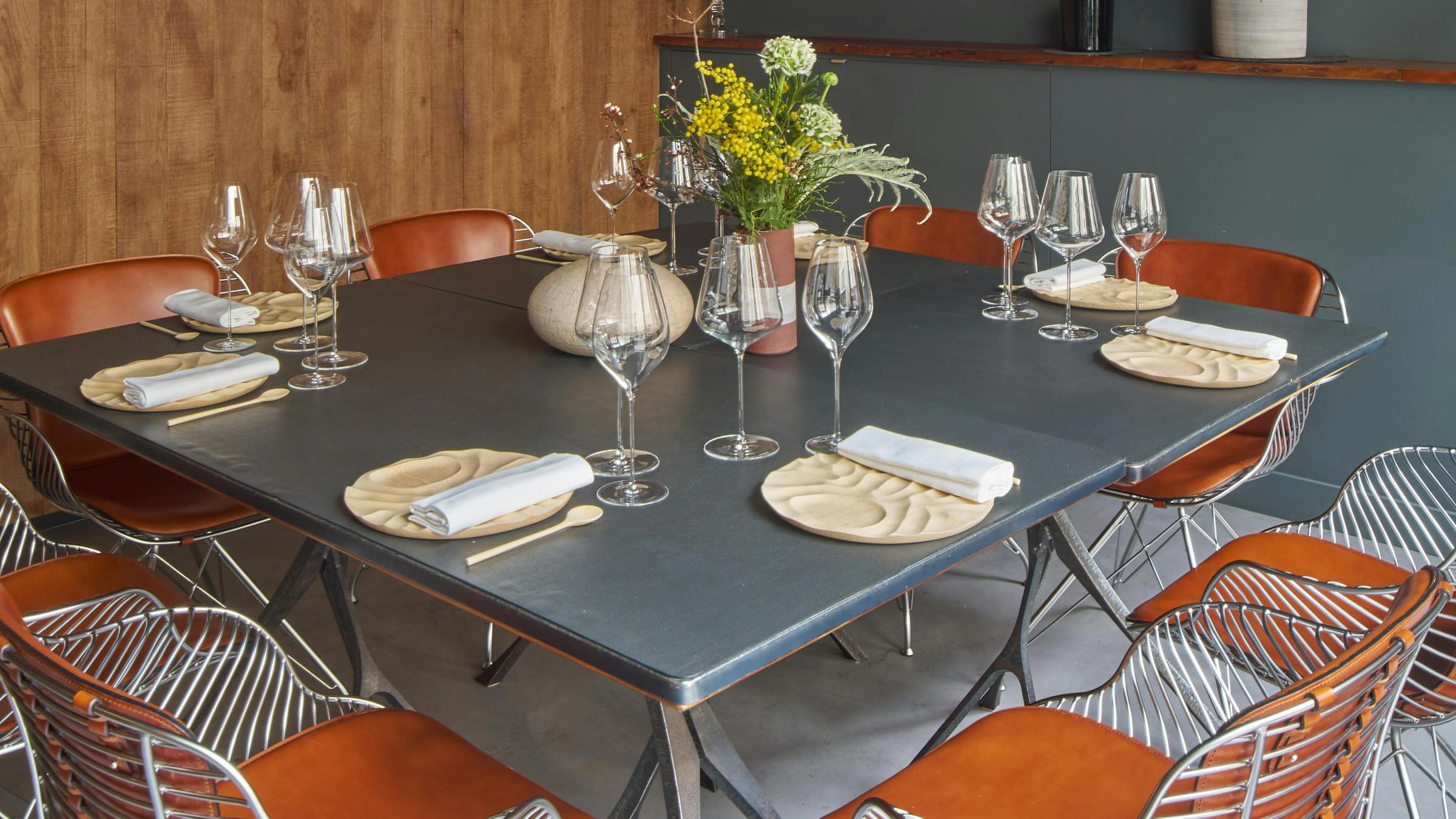
Bars in Boulogne Billancourt
Browse all →
Hotels in Boulogne Billancourt
Browse all →
Wineries in Boulogne Billancourt
Browse all →


Details
- Elegant
- Modern
- Sophisticated
- Date Night
- Group Dining
- Special Occasion
- Terrace
- Open Kitchen
- Extensive Wine List
- A La Carte
- Small Plates
- Wine
Current opening hours
- Monday
- 12:30–3 PM, 6 PM–12 AM
- Tuesday
- 12:30–3 PM, 6 PM–12 AM
- Wednesday
- 12:30–3 PM, 6 PM–12 AM
- Thursday
- 12:30–3 PM, 6 PM–12 AM
- Friday
- 12:30–3 PM, 6 PM–12 AM
- Saturday
- 12:30 PM–12 AM
- Sunday
- Closed
Hours can change for holidays and private events. Last verified .
Warm and modern with a festive, elegant atmosphere and terrace for aperitifs.