Our verdict
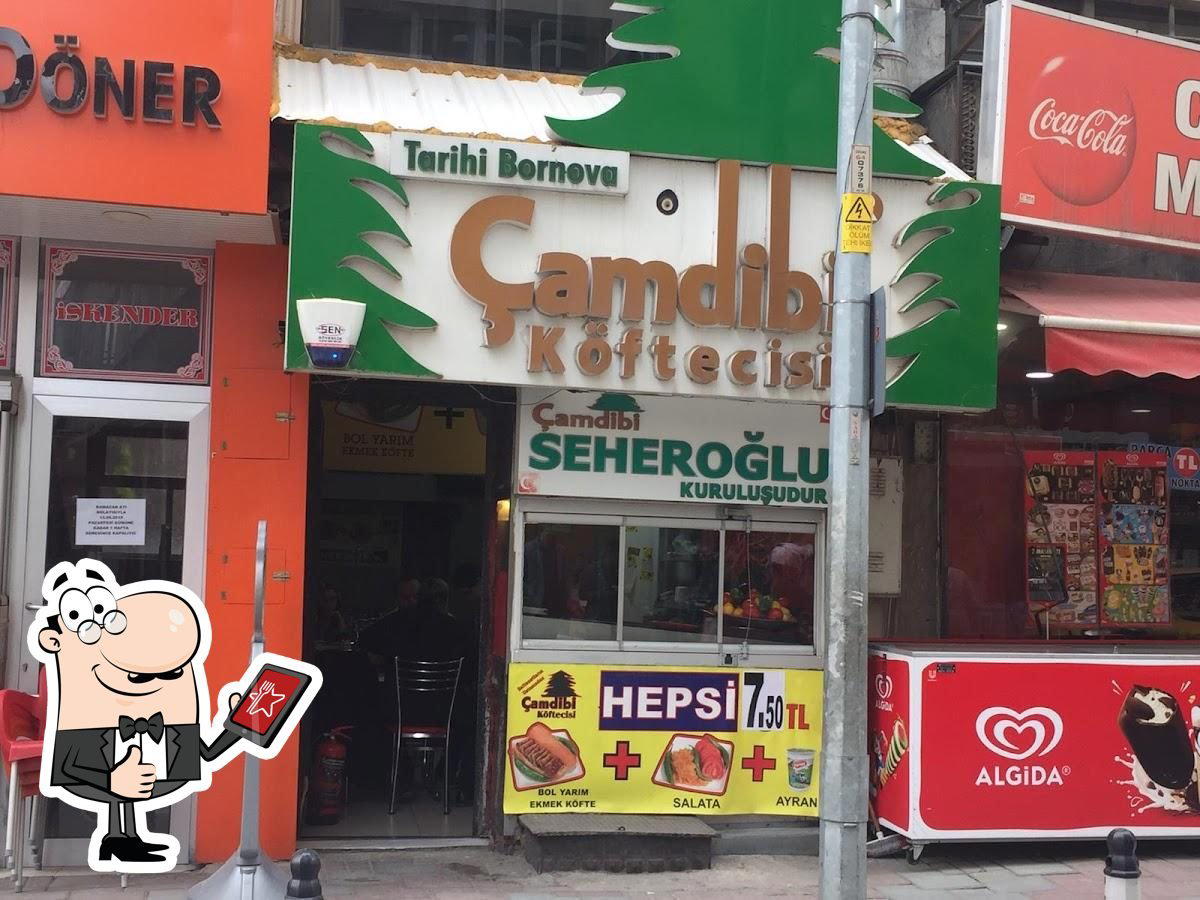
Çamdibi Köfte Uşak sits on a quiet backstreet in İslice, representing the kind of neighbourhood köfte spot that anchors daily eating in Anatolian provincial towns. The focus here is traditional Turkish meatball cookery in a setting far removed from the ₺₺₺₺ modern Turkish tasting menus that dominate Istanbul's dining conversation. For travellers passing through Uşak, it offers a grounded, local alternative to the region's more polished restaurant circuit.

Pearl is the En Primeur Club membership app, where members save venues, book tables and use the concierge.
Köfte Culture in Provincial Anatolia
Turkey's most discussed restaurants in 2024 occupy a narrow band of the country's dining output: the tasting-menu counters and modernist kitchens of Istanbul, the coastal seafood rooms of the Aegean, the boutique cave-dining concepts of Cappadocia. Places like Turk Fatih Tutak in Istanbul and Maçakızı in Bodrum set the editorial agenda. But the architecture of everyday Turkish eating is built on something different: the köfteci, the neighbourhood meatball house that functions as canteen, social anchor, and keeper of regional recipe logic all at once. In Uşak, a mid-sized Aegean inland city better known for its carpet-weaving heritage than its restaurant scene, Çamdibi Köfte Uşak occupies that role on a backstreet in the İslice district.
The address, 1. Dere Sk. No in İslice, places it off the main commercial drag, which in Turkish köfteci geography is generally a sign of a place feeding regulars rather than foot traffic. Spots that survive on backstreets in provincial cities do so through consistency and a customer base that returns by habit. That pattern of loyalty is itself a form of editorial endorsement in a city without the Michelin infrastructure or the press attention that filters restaurants in Istanbul or İzmir.
What the Köfte Tradition Tells You About the Ingredients
Turkish köfte is deceptively specific. Across the country's regions, the balance of meat to fat, the grain of the grind, the inclusion or exclusion of onion and bread, the presence or absence of spice, and the resting and pressing technique before cooking all vary by city and by house. Uşak sits in a part of western Anatolia where lamb is the historically dominant red meat, with sheep farming part of the agricultural fabric of the broader Aegean hinterland. In that context, a köfte house in this city is implicitly drawing on a local livestock economy that differs from the more heavily beef-influenced versions you encounter in Istanbul or the southeastern cities.
The sourcing logic in provincial Anatolian köftecis tends to be shorter and more direct than in urban tasting-menu restaurants. The supply chain for a neighbourhood meat kitchen in a mid-sized city typically runs through local butchers or regional markets rather than specialist importers, which means the ingredient quality is tied to what the local agricultural zone produces. That's not a limitation; in parts of western Anatolia with strong pastoral traditions, local lamb sourced from nearby farms carries a provenance that urban restaurants in Istanbul spend considerable effort trying to replicate through named suppliers and farm relationships. For a traveller interested in where the food actually comes from, this kind of establishment often offers more transparency by proximity than a formal restaurant with a sourcing narrative on its menu.
This connects Çamdibi Köfte Uşak to a broader pattern worth understanding: the most ingredient-honest eating in Turkey is frequently found in the middle tier of provincial towns, where the kitchen has no reason to substitute and every reason to buy from the supplier across the street. Compare this to the ambitions of modernist restaurants like Narımor in Izmir, which approach Aegean sourcing from a consciously curatorial angle. Both are valid; they represent different points on the same regional food chain.
Uşak as a Dining Destination
Uşak doesn't feature in the standard Turkish food tourism circuit, which is part of what makes eating there instructive. The city sits roughly equidistant between İzmir and Afyonkarahisar, positioned in the interior Aegean at an elevation that gives it a climate distinct from the coastal zone. Its food culture reflects that inland character: wheat-heavy, meat-centred, without the seafood emphasis of the Aegean littoral.
For travellers making overland journeys through western Anatolia, Uşak is a logical stop. Those who have tracked down places like Kokorecci Asim Usta in Bornova or Kardeşler Restoran in Aksaray will recognise the format: specific, locally rooted, operating at a price point that reflects the local economy, and carrying a kind of documentary value about how a region actually eats. For a broader view of what Turkey's non-coastal, non-Istanbul restaurant scene looks like, our full Uşak restaurants guide maps the city's eating options with more granularity.
The same instinct for off-circuit Anatolian eating applies to places like Nahita Cappadocia in Nevsehir, Aravan Evi in Ürgüp, and Happena in Nevşehir, each of which operates in a regional context that rewards travellers willing to look beyond the coastal resorts and Istanbul dining rooms. The common thread is that provincial Turkish eating, when approached seriously, offers a more direct read on local agriculture and culinary habit than almost any tasting menu can.
Practical Notes for the Visit
Çamdibi Köfte Uşak operates in the İslice neighbourhood at 1. Dere Sk. No, which requires a short deviation from the city centre but is navigable on foot or by local transport. The price level, given the city and format, almost certainly sits well below the ₺₺₺₺ tasting-menu tier that marks Istanbul destinations like Divia by Maksut Aşkar in Marmaris.
Frequently asked questions
Would Çamdibi Köfte Uşak be comfortable with kids?
Köfte restaurants in Uşak's neighbourhood spots operate as casual, table-service establishments where families are the primary clientele, not the exception. The format at Çamdibi Köfte, straightforward grilled meat plates in the İslice quarter, suits a family meal without ceremony or a long menu to debate. Children are at home in this context.
What's the overall feel of Çamdibi Köfte Uşak?
This is a neighbourhood köfteci in Uşak's İslice district, which means the atmosphere runs toward practical and unhurried rather than decorative. Locals eat here on weekday lunches and weekend midday meals; the draw is the food and the familiarity, not the setting. Expect a room where the work happens at the grill, not at the front of house.
Is Çamdibi Köfte worth a detour if you're passing through Uşak on the way between İzmir and Ankara?
Uşak sits on the overland route between İzmir and Ankara, making it a logical stop rather than a dedicated trip. Çamdibi Köfte operates in the İslice neighbourhood, a short distance from the city centre, and represents the kind of regional köfte cooking that doesn't survive the move to larger Turkish cities intact. For anyone tracing Anatolian grilling traditions beyond the obvious stops, Uşak rewards the pause.
What should I order at Çamdibi Köfte Uşak?
Köfte is the clear focus, this is not a venue with a broad menu designed to accommodate every appetite. In Anatolian köfteci tradition, the core order is köfte with bread, a simple salad, and ayran; deviating from that core usually means missing the point of the place. Order what the table next to you is having.
A Quick Peer Check
Comparable venues nearby, for context on price, style, and recognition.
| Venue | Cuisine | Price | Notes |
|---|---|---|---|
| Çamdibi Köfte UşakThis venue (the venue you are viewing) | Turkish Köfte | Not listed | Not listed |
| Bayramoğlu Döner | Traditional Turkish Döner | $10–20 | Kavacık |
| Lades 2 Menemen | Traditional Turkish Breakfast & Menemen | Not listed | Beyoğlu |
| Mutfak Dili Ev Yemekleri | Turkish Home Cooking | Not listed | Arap Cami |
| Carsi Muhallebicisi | Traditional Turkish Desserts & Chicken Soup | $10–20 | Fatih |
| Tarihi Sultanahmet Köftecisi | Traditional Turkish Köfte House | $10–20 | Sultanahmet |
Details
- Rustic
- Casual Hangout
- A La Carte
Current opening hours
- Monday
- 11 AM–10:30 PM
- Tuesday
- 11 AM–10:30 PM
- Wednesday
- 11 AM–10:30 PM
- Thursday
- 11 AM–10:30 PM
- Friday
- 11 AM–10:30 PM
- Saturday
- 11 AM–10:30 PM
- Sunday
- 11 AM–10:30 PM
Hours can change for holidays and private events. Hours as of .
Casual and unpretentious atmosphere typical of a local köfteci.