Our verdict
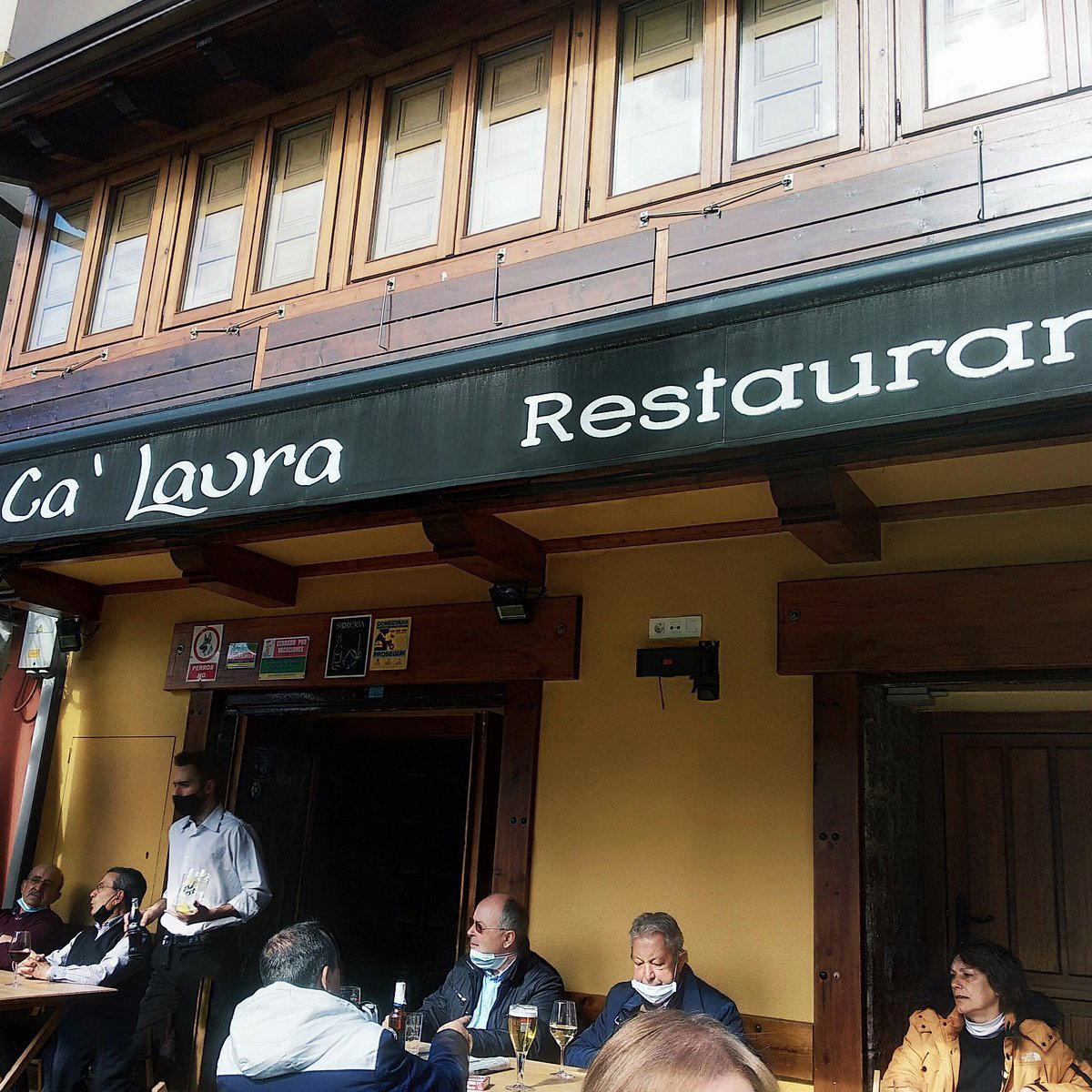
Ca'Laura sits on Mieres's Plaza San Juan, a small-town square in the Asturian interior where the cooking tradition runs closer to the mountain than the coast. The restaurant occupies a tier of Asturian dining where local sourcing and regional identity do more heavy lifting than international credentials, placing it in a different conversation than the starred houses further north along the coast.

Pearl is the En Primeur Club membership app — saves, bookings, and concierge access live there. Same editors, same standards.
The menu
What to order
- Arvejas with ham
- Croquette
- Mussels
- Steak topped with blue cheese
A Square in the Mining Belt, a Table in the Asturian Interior
Mieres is not a coastal city. It sits in the Nalón river valley, deep in the Asturian interior, a former coal-mining town surrounded by green hillsides and livestock pasture rather than estuaries and fishing harbours. Dining here operates on a different logic than the Cantabrian coast, where seafood drives menus and Michelin attention concentrates. In the interior, the larder is terrestrial: cured meats, aged cheeses, river fish, and vegetables grown in the valley's wet climate. Ca'Laura, addressed at Plaza San Juan 2 in the centre of Mieres, occupies that context directly, positioning itself in a part of Spain where the sourcing story is about elevation, pasture, and proximity to the producer rather than proximity to the dock.
The plaza itself sets the register before you arrive at the table. Plaza San Juan is a working town square, not a tourist destination reworked for visitors, and restaurants that open onto it tend to serve a local clientele with firm opinions about what Asturian cooking should taste like. That local accountability shapes what ends up on the plate more than any external award cycle. For a reader used to the pressured theatrics of Spain's most prominent dining rooms, from DiverXO in Madrid to Azurmendi in Larrabetzu, the atmosphere here reads differently: lower in spectacle, closer in texture to the region's everyday relationship with food.
What Asturian Sourcing Actually Means
Asturias has one of Spain's most self-sufficient regional food cultures. The combination of Atlantic rainfall, temperate mountain climate, and long-standing smallholder farming means the region produces ingredients that rarely need to travel far: Casín cheese, the country's oldest documented cheese by some accounts; Asturian sidra apples from orchards across the central zone; fabas from Grau and La Gotera, the large white beans that anchor the region's defining dish; and beef from the Asturiana de los Valles breed, raised on the same hillsides that frame the valley towns. A restaurant operating in the interior of Asturias, rather than on the coast, is drawing from this terrestrial supply chain rather than competing for the premium seafood that anchors places like Aponiente in El Puerto de Santa María.
That distinction matters editorially. Spain's most discussed restaurants tend to be technically ambitious operations working at the edge of the cuisine, from Mugaritz in Errenteria to El Celler de Can Roca in Girona. But the quieter tier of regional cooking, restaurants that work within a defined larder and serve a local audience, represents an equally serious tradition. Asturias has a credible example of that tradition at the high end through Casa Marcial in Arriondas, a two-Michelin-star house that interprets mountain and coastal Asturian ingredients with technical rigour. Ca'Laura operates further from that visibility, in a mining-belt town where the expectations are different and the audience more local, but the raw material access is the same.
The Vibe and What Shapes It
Interior Asturian restaurants of Ca'Laura's type tend toward a particular atmosphere: rooms that prioritise comfort over design statement, service that reflects long-term relationships with regulars, and menus that anchor in regional classics before branching outward. The sidra culture is central here in a way it rarely is in coastal or urban settings, where wine lists compete for attention. In Mieres and towns like it, local cider poured from height in the traditional Asturian fashion is a social ritual as much as a beverage choice, and restaurants that serve a genuine local clientele tend to respect that rhythm.
For a visitor arriving from outside the region, the signal is worth reading correctly. This is not a restaurant calibrated for the tourist or the destination diner the way Arzak in San Sebastián or Martin Berasategui in Lasarte-Oria are. It is a neighbourhood-rooted restaurant in a working town, which means the experience rewards visitors who approach it on those terms rather than arriving with the framework of a starred tasting menu house. The comparison set is closer to Cenador de Amós in Villaverde de Pontones, another northern Spanish restaurant embedded in a specific local tradition, than to the coast-facing progressive houses.
Planning Your Visit to Mieres
Mieres sits roughly 20 kilometres south of Oviedo along the AS-1 motorway, making it accessible as a day trip from the regional capital or as a stop on a broader Asturian itinerary. The town is not on most international visitors' first draft of an Asturias trip, which is precisely what gives restaurants here their local character. Oviedo's international airport connects to Madrid and several European cities seasonally, and the train network links Oviedo to Mieres in under 30 minutes. For anyone building a northern Spain itinerary that already includes a stop in the Basque Country, the drive west through Cantabria into Asturias opens up the interior valley towns as a secondary layer of the journey. Ca'Laura's plaza-fronting address in central Mieres means it is walkable from the town's main streets, requiring no car once you are in the town itself. Given the absence of published booking and hours data, contacting the restaurant directly before visiting is the sensible approach, particularly for weekend visits when local demand from Mieres and neighbouring towns typically increases. You can cross-reference the wider Asturian dining scene through our full Uxo restaurants guide.
Where Ca'Laura Sits in the Broader Spanish Scene
Spain's fine dining conversation concentrates heavily on a small number of cities and coastal zones, with the Basque Country, Catalonia, Valencia, and Madrid capturing most of the international attention. Houses like Ricard Camarena in València, Quique Dacosta in Dénia, Cocina Hermanos Torres in Barcelona, Noor in Córdoba, and Atrio in Cáceres represent a Spain-wide map of ambitious cooking, but the interior regions and smaller cities contain a parallel layer of serious, place-rooted restaurants that rarely surface in international coverage. Asturias sits at the edge of that visibility gap, partly because its most prominent restaurants occupy a coastal arc from Llanes to Gijón, and partly because the region's food culture, while deep and distinctive, does not translate easily into the narrative formats that drive international press. Visitors who have already worked through Spain's marquee dining rooms and are looking to understand the country's regional food culture at a different register will find that Mieres and restaurants of Ca'Laura's type offer a more direct connection to that tradition than another pass through the starred circuit. For comparable experiences of place-rooted northern European dining outside Spain, Nerua Guggenheim Bilbao offers an instructive contrast: institutional framing versus neighbourhood embeddedness as two different ways to anchor a restaurant in its context. And for readers who prefer to benchmark against the American equivalent of quiet regional authority, Lazy Bear in San Francisco or Le Bernardin in New York City show how different cities resolve the tension between local identity and broader recognition.
Frequently asked questions
Does Ca'Laura work for a family meal?
Interior Asturian restaurants of Ca'Laura's type, anchored on Plaza San Juan in Mieres, tend to prioritise comfort and unhurried service over formal ceremony, which generally suits a multi-generational table. Asturian regional cuisine, with its emphasis on straightforward, produce-driven dishes, travels well across age groups and appetites. That said, confirm specific seating arrangements directly with the venue before arriving with a large group.
How would you describe the vibe at Ca'Laura?
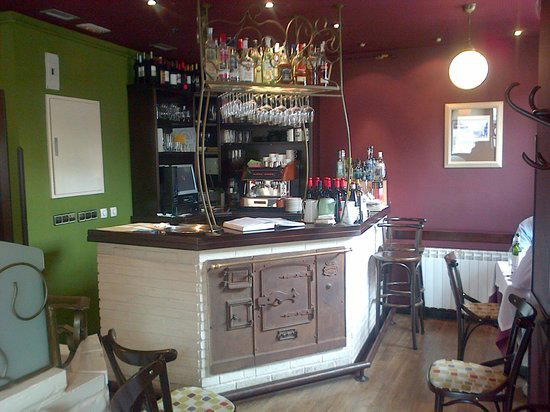
Ca'Laura sits on Plaza San Juan in Mieres, a former coal-mining town in the Asturian interior rather than a coastal resort or urban capital, and that context shapes everything. Expect a room oriented around substance over aesthetic statement, the kind of place where the sourcing conversation happens in the kitchen, not on a design mood board. It reflects the broader character of inland Asturian dining: grounded, regional, and unhurried.
Is Ca'Laura worth visiting as a day trip from Oviedo?
Mieres sits roughly 20 kilometres south of Oviedo along the AS-1 motorway, making Ca'Laura at Plaza San Juan, 2 a realistic lunch destination from the regional capital without an overnight stay. For travellers already moving through Asturias rather than anchored on the coast, the Nalón valley location adds a meaningful detour into the mining-belt interior, a part of the region rarely covered by mainstream Spain itineraries. Confirm opening hours directly before making the drive.
What should I eat at Ca'Laura?
Asturias has one of Spain's most self-sufficient regional food cultures, built on Atlantic-influenced ingredients from a temperate mountain interior, and restaurants in Mieres draw directly from that supply chain. Seasonal availability drives the menu in this part of the Nalón valley.
Side-by-Side Snapshot
Comparable venues nearby, for context on price, style, and recognition.
| Venue | Cuisine | Price | Awards | Notes |
|---|---|---|---|---|
| Ca'LauraThis venue — the venue you are viewing | Traditional Asturian Sidrería | Not listed | Not listed | Not listed |
| Paco Gandía | Traditional Spanish Paella | Not listed | Not listed | Pinoso |
| Sidrería Asturias | Traditional Asturian Sidrería | $20–30 | Not listed | La Arena |
| Restaurante Casa Chema | Traditional Asturian with Vegan Options | $30–50 | Macarfi 7.2 Food Rating | El Caleyo |
| Casa Narciandi | Traditional Asturian Spanish | $20–30 | Not listed | Grandarrasa |
| Casa Mando | Traditional Leonese Spanish | $30–50 | Not listed | . Barrio Húmedo |
Continue exploring
More in Uxo
Restaurants in Uxo
All restaurants in Uxo →
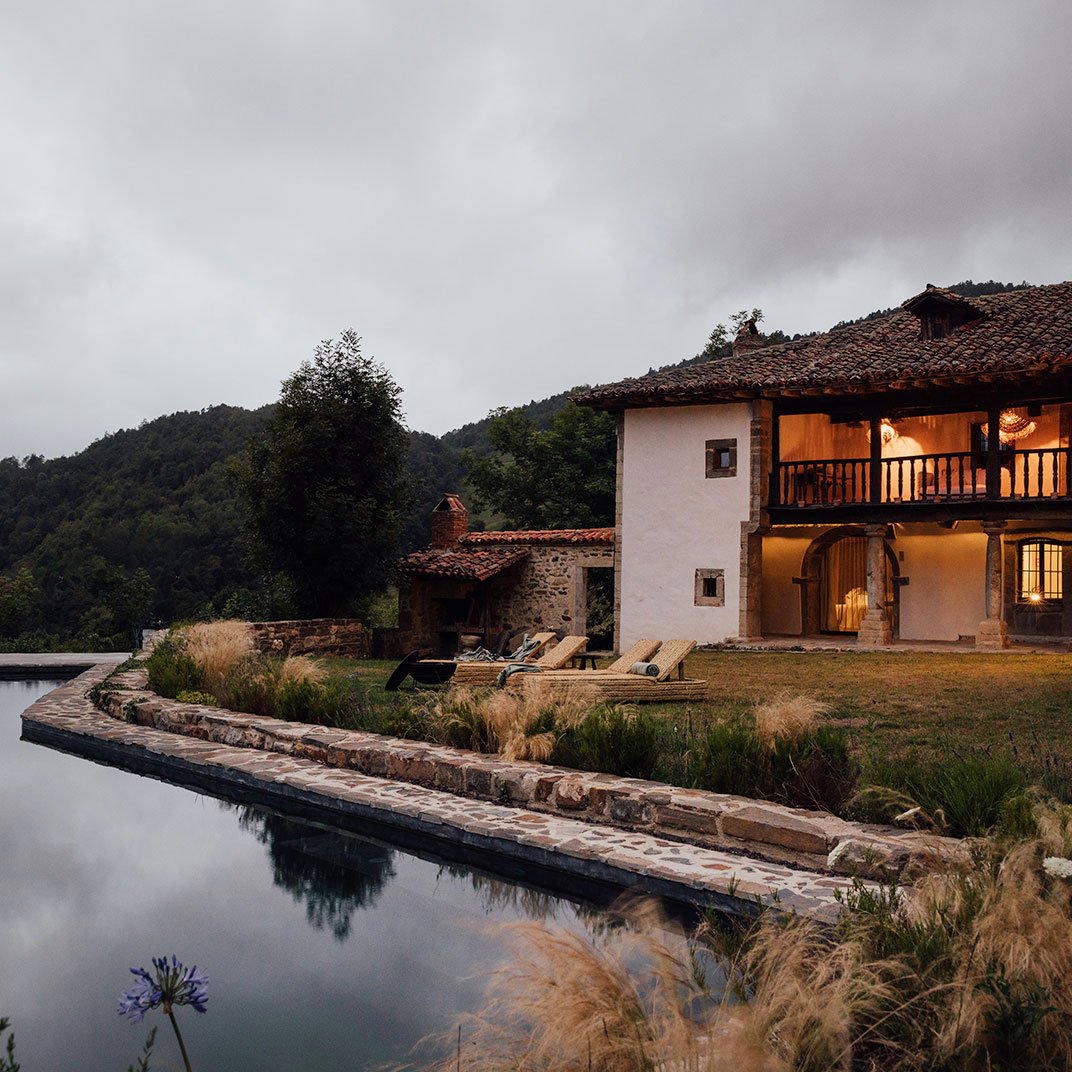
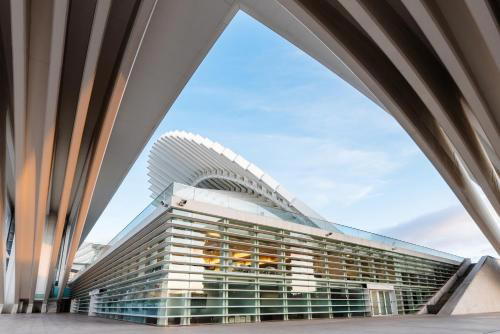
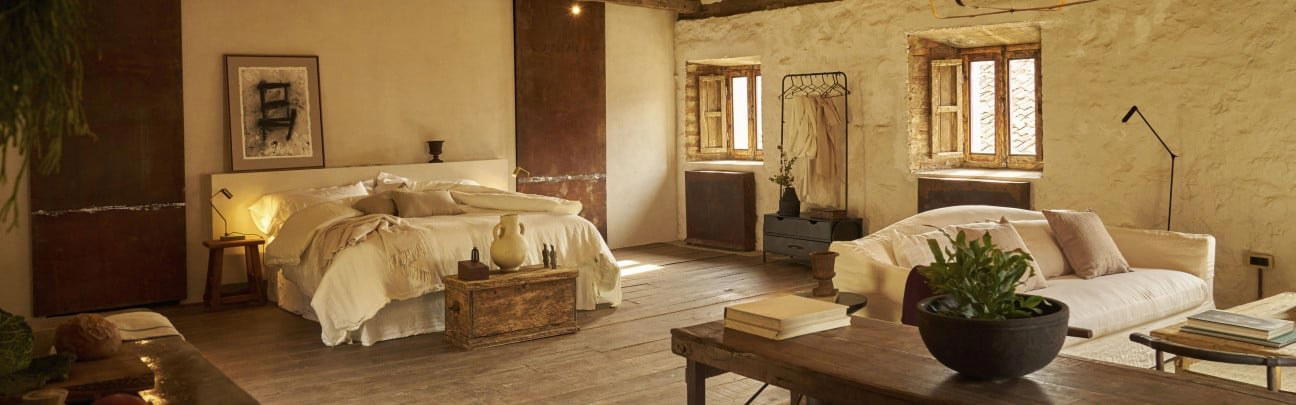
Details
- Rustic
- Cozy
- Casual Hangout
- Standalone
- Small Plates
- Sidra
Current opening hours
- Monday
- Closed
- Tuesday
- 10 AM–12 AM
- Wednesday
- 10 AM–12 AM
- Thursday
- 10 AM–12 AM
- Friday
- 10 AM–12 AM
- Saturday
- 10 AM–12 AM
- Sunday
- 10 AM–12 AM
Hours can change for holidays and private events. Last verified .
Casual plaza café atmosphere with traditional Asturian charm and outstanding sidra.