Cala Masciola Restaurant
Cala Masciola Restaurant belongs to Savelletri di Fasano’s coastal dining grammar, where Adriatic proximity and Puglian agricultural depth shape the table more than spectacle. The appeal is the setting and the sourcing logic: seafood, olive oil, vegetables, grains, and dairy read differently here because the restaurant sits in a part of Puglia where sea and masseria country meet at close range.
Pearl is the En Primeur Club membership app — saves, bookings, and concierge access live there. Same editors, same standards.
- Address
- Strada Provinciale 90 72015, Savelletri BR, Italy
- Phone
- +39 080 225 5889
- Website
- calamasciola.it
- Directions
- Get directions
 Saves & bookings on Pearl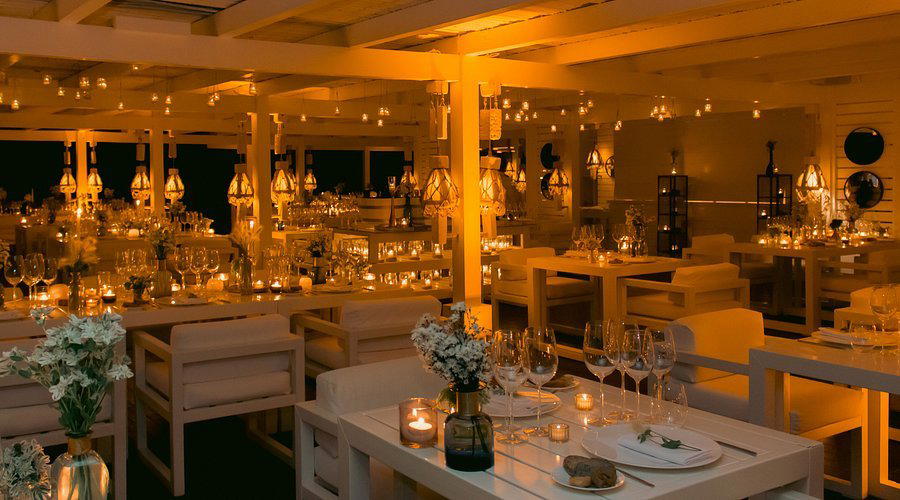
Approaching Savelletri di Fasano, the first cue is not a skyline but texture: pale limestone, low agricultural walls, olive groves behind the road, and the coast pulling the eye toward the horizon. Dining in this part of Puglia works on that same axis. The strongest meals tend to make sense of two local registers at once, the seaside villages and the inland farms that have long supplied oil, wheat, vegetables, almonds, and dairy. Cala Masciola Restaurant fits that coastal-resort mode, where the room matters, but the better editorial question is what the kitchen does with a region that does not need heavy ornament.
Savelletri di Fasano is not built around urban restaurant density. It is a coastal settlement with a seasonal rhythm, resort dining, beach-club formats, and a handful of restaurants that draw from the same local pantry. That makes sourcing more visible than in a large city. Seafood has to carry its own clarity; vegetables often arrive with the force of the surrounding countryside; olive oil is not a garnish but a structural ingredient. In this setting, polish can help, but too much technique can make the food feel detached from the place.
Sea, stone and farm country set the terms of the meal
The useful way to read Cala Masciola Restaurant is through its geography. Savelletri di Fasano sits within Puglia’s coastal farm country, giving local dining a double identity: maritime in mood, agricultural in its backbone. The regional language is broad rather than narrow. Lightly handled seafood, durum-wheat pastas, bitter greens, tomatoes, legumes, fresh dairy, and olive oil all belong to the same conversation, and a restaurant in Savelletri di Fasano is judged by how coherently it lets those elements meet.
This is also why the restaurant’s setting carries editorial weight. Coastal dining in Puglia can split in two directions: casual seafood houses built around immediacy, and resort restaurants that translate the same pantry into a more composed experience. Cala Masciola Restaurant sits closer to the second category. That does not automatically make it more compelling than a simpler local table; it means expectations shift. The measure becomes sourcing discipline, restraint, and whether the cooking keeps contact with the region rather than smoothing it into generic Mediterranean luxury.
Within Savelletri di Fasano, comparison is useful because the area offers several expressions of the same coastal brief. Egnathia restaurant, Il Porticato, and La Corte help frame the local range, from hotel dining to town and resort-adjacent formats. Other Savelletri di Fasano dining rooms add further context for how the area moves between regional familiarity and designed hospitality. For a broader read, use our full Savelletri di Fasano restaurants guide alongside the city’s hotels, bars, wineries, and experiences guides.
Ingredient-led Puglia rewards restraint, not performance
Puglia’s cooking culture is often described as simple, but that word undersells the precision required. Ingredient-led cooking gives little cover. If seafood is central, freshness and handling become the point. If vegetables lead, seasonality is not decorative language; it determines whether the plate has any reason to exist. If olive oil is prominent, quality and balance matter because the oil changes texture, bitterness, aroma, and finish. In Savelletri di Fasano, a coastal restaurant that understands this does not need a long manifesto.
The area’s resort restaurants face a specific tension. Guests often arrive expecting comfort, sea air, and a sense of occasion, while the local pantry asks for directness. The better version of the format avoids turning Puglia into a soft-focus backdrop. It lets the coast and the farms around Savelletri di Fasano do the explanatory work. Cala Masciola Restaurant is strongest as a choice for diners who want that coastal Puglian register in a more composed setting rather than a purely rustic one.
Looking beyond Savelletri di Fasano also clarifies the point. Italy’s regional restaurant culture is not a single ladder of ambition; it is a set of local logics. Dining traditions elsewhere in Italy show how place shapes expectation, from city markets and casual counters to composed regional rooms and focused specialist formats. Even outside Italy, the same editorial rule applies: the format matters only when it serves a clear culinary context.
Who should choose this table in Savelletri
Cala Masciola Restaurant makes sense for diners prioritising atmosphere, coastal context, and a Puglian ingredient vocabulary over chef-driven theatre. It is better read as part of a Savelletri di Fasano stay than as a destination detached from the area. The decision is less about collecting external signals and more about choosing the style of meal that fits this stretch of Puglia: sea-facing in mood, produce-aware, and tied to the slower rhythm of a resort village rather than a metropolitan dining circuit.
The editorial caution is simple. Savelletri di Fasano rewards diners who calibrate expectations to place. Come for the coastal setting, the agricultural depth around the area, and a kitchen category where sourcing should do much of the talking. Diners looking for a highly documented tasting-menu temple will find clearer signals elsewhere; those looking for a polished coastal Puglian meal in context will understand why this restaurant belongs in the local conversation.
Side-by-Side Snapshot
Comparable venues by cuisine and price in the same metro.
| Venue | Cuisine | Price |
|---|---|---|
| Due Camini | Mediterranean Cuisine | €€€€ |
Continue exploring
More in Savelletri di Fasano
Restaurants in Savelletri di Fasano
Browse all →
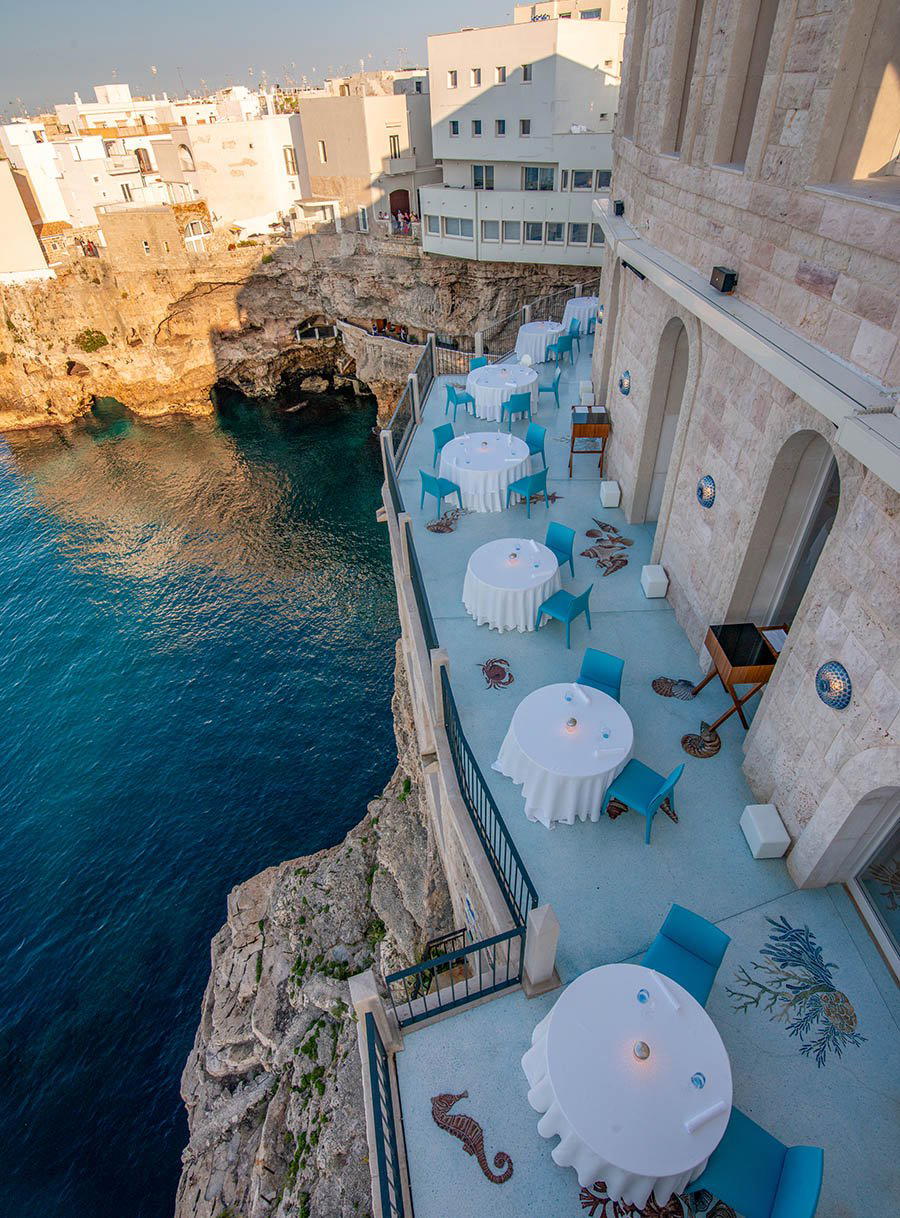
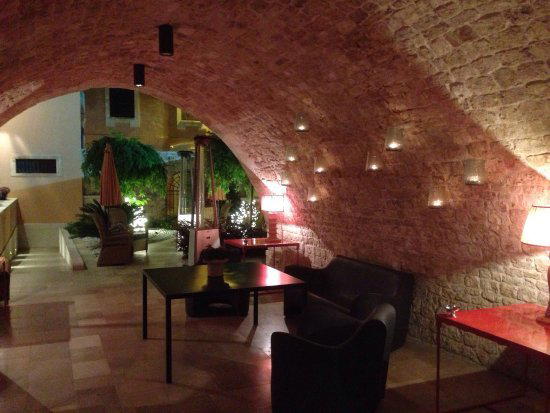
Bars in Savelletri di Fasano
Browse all →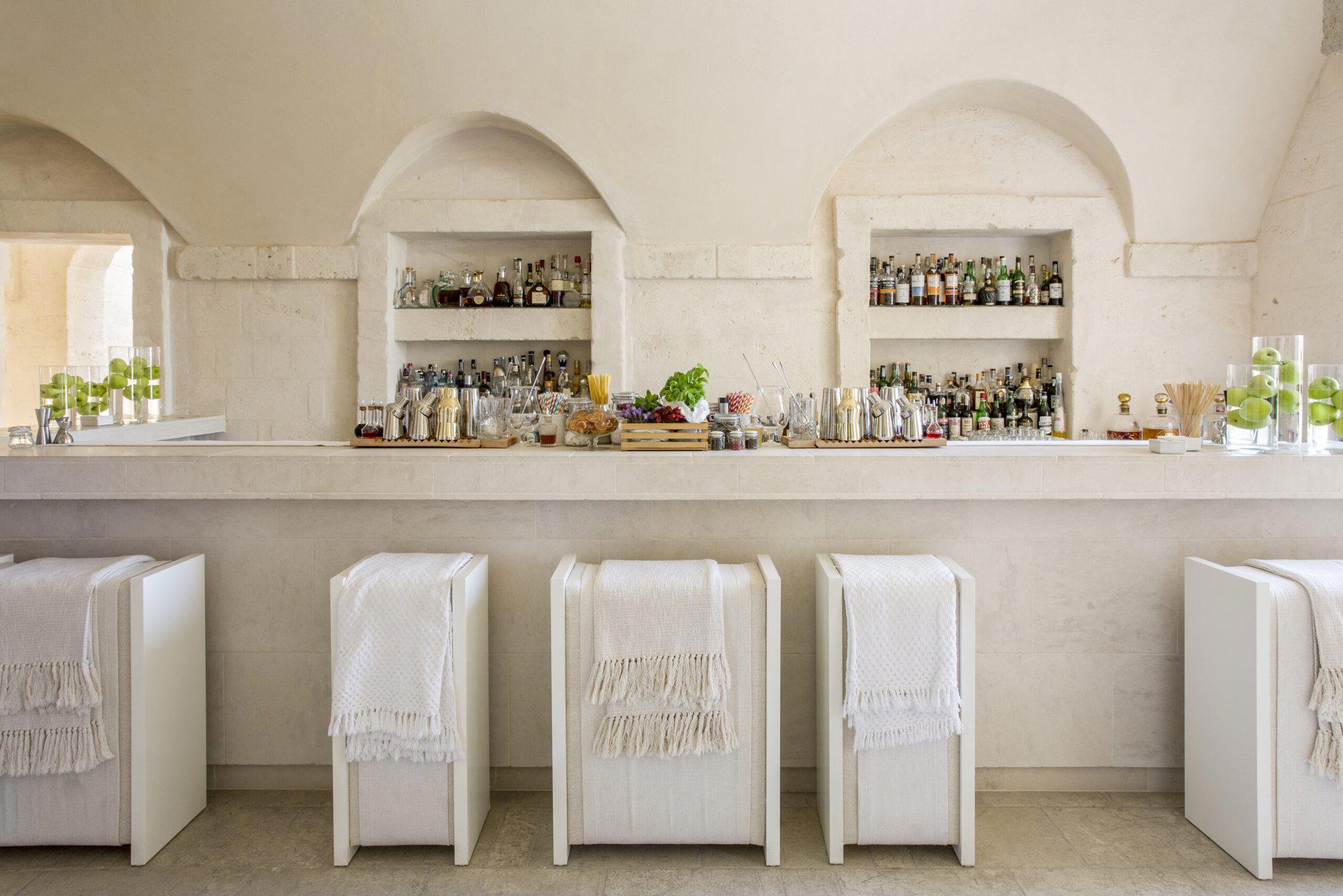
Hotels in Savelletri di Fasano
Browse all →


At a Glance
- Scenic
- Elegant
- Romantic
- Lively
- Sophisticated
- Rustic
- Date Night
- Celebration
- Group Dining
- Special Occasion
- Late Night
- Casual Hangout
- Waterfront
- Live Music
- Hotel Restaurant
- Terrace
- Panoramic View
- Design Destination
- Craft Cocktails
- Extensive Wine List
- Local Sourcing
- Sustainable Seafood
- Waterfront
Current opening hours
- Monday
- 10 AM–11:30 PM
- Tuesday
- 10 AM–11:30 PM
- Wednesday
- 10 AM–11:30 PM
- Thursday
- 10 AM–11:30 PM
- Friday
- 10 AM–11:30 PM
- Saturday
- 10 AM–11:30 PM
- Sunday
- 10 AM–11 PM
Hours can change for holidays and private events. Last verified .
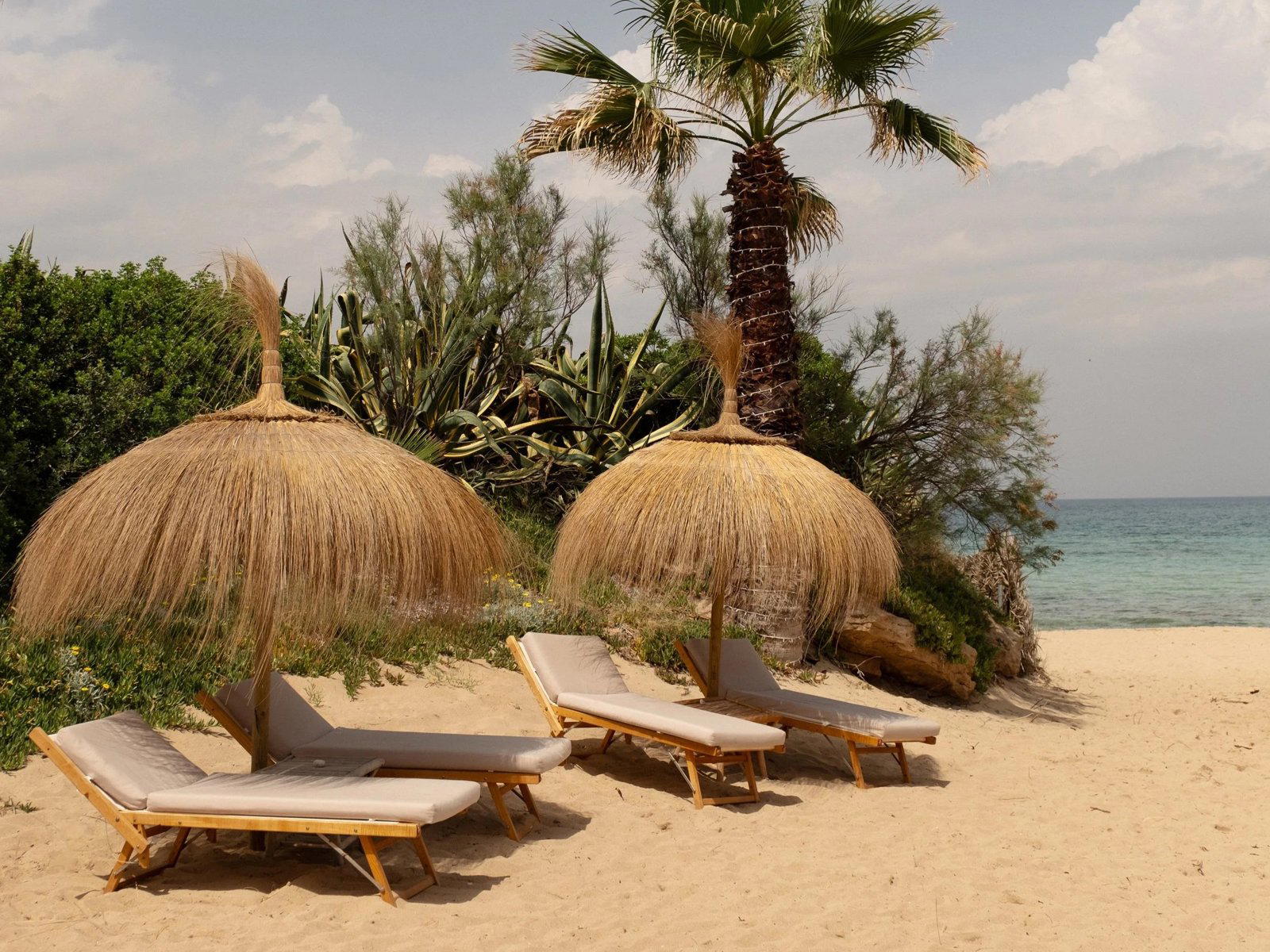
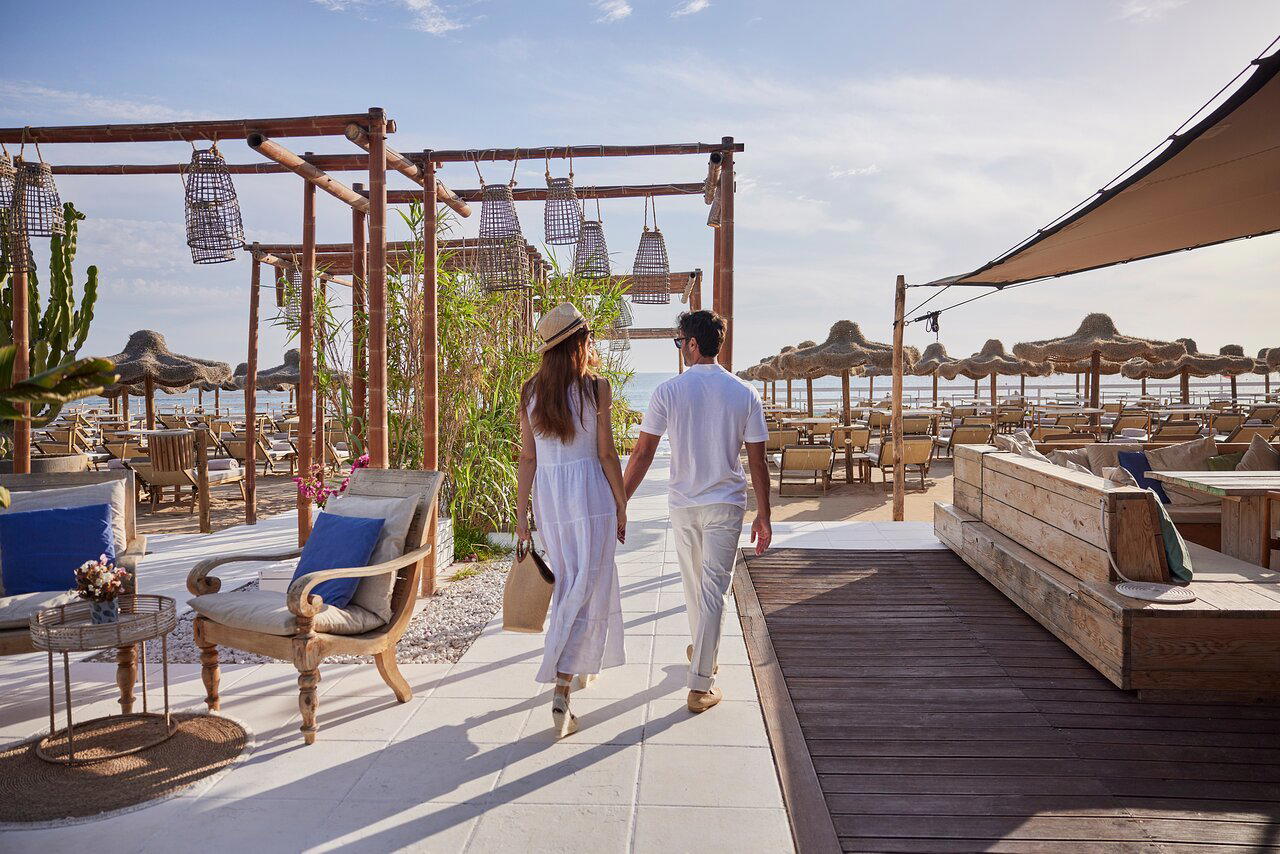
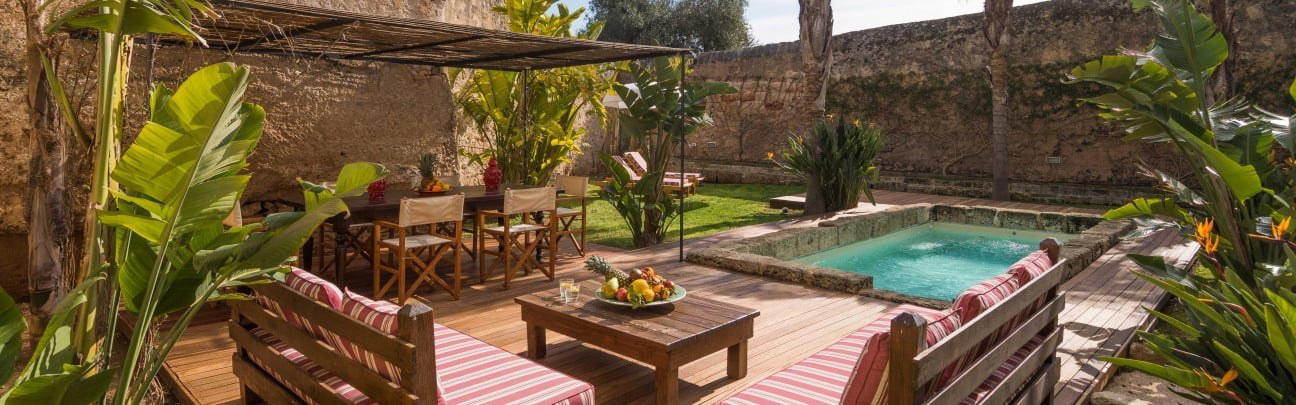
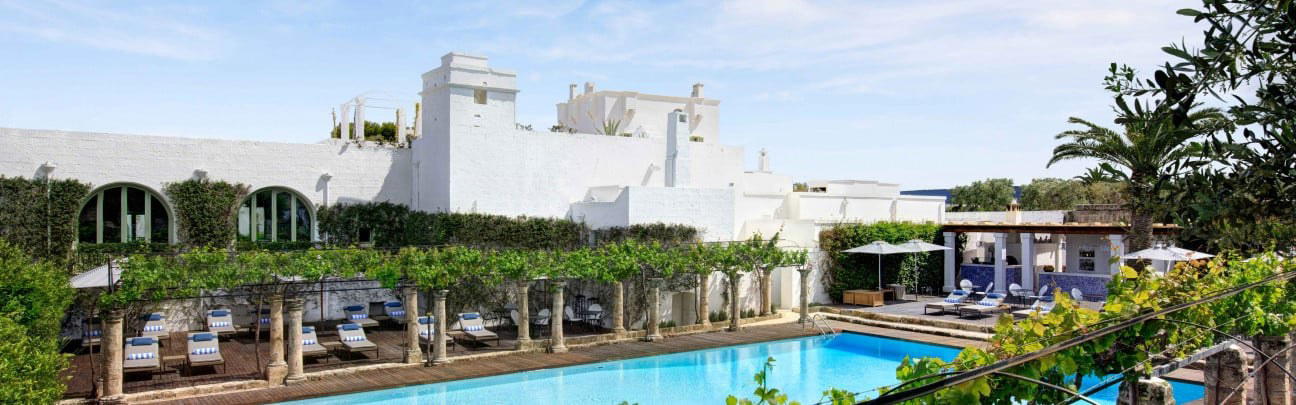
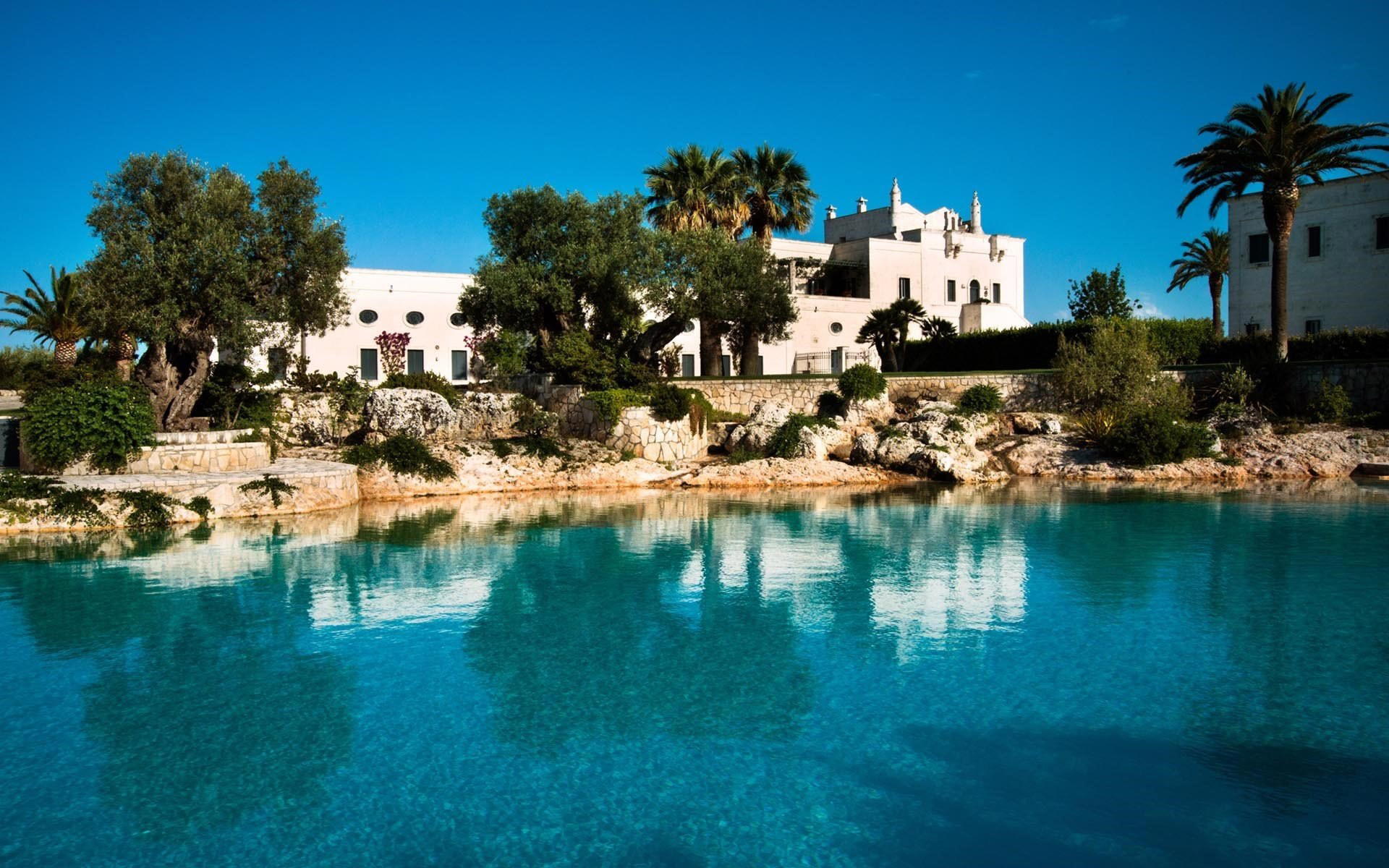
Airy, open-air beachfront setting in a sheltered bay, with the sound of waves, sunset light over the Adriatic, and an upscale yet relaxed beach-club feel that becomes more lively in the evenings with cocktails, live music, and DJ sets.
Know Before You Go
- Reservations
- Recommended
- Dress code
- Smart casual
- Getting there
- Strada Provinciale 90 72015, Savelletri BR, Italy