Caffé Paradiso
Caffé Paradiso serves Regional Italian at 4205 S MacDill Ave D, with Calamari Fritti and Lasagna on the menu; quiet, smart-casual dinners suit a low-key plan.
Pearl is the En Primeur Club membership app — saves, bookings, and concierge access live there. Same editors, same standards.
- Address
- 4205 S MacDill Ave D, Tampa, FL 33611
- Phone
- +18138356622
- Website
- paradisotampa.com
- Directions
- Get directions
 Saves & bookings on Pearl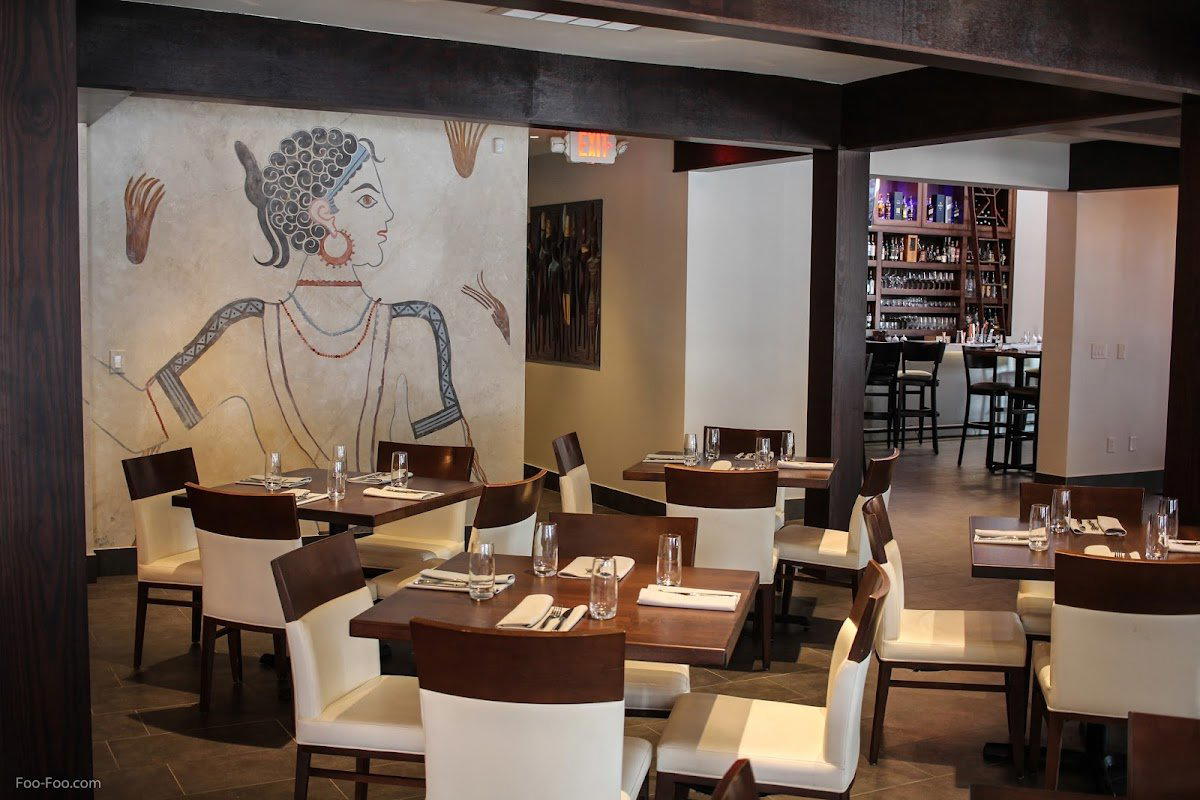
South Tampa's Quiet Case for the Neighbourhood Café
MacDill Avenue runs through one of Tampa's more settled residential corridors, where the density of independent businesses thins out relative to the Channelside or Hyde Park nodes that tend to absorb most of the city's dining coverage. It is in this context that a neighbourhood café acquires a different kind of authority: proximity matters more than press, and repeat custom over spectacle. Caffé Paradiso, at 4205 S MacDill Ave, sits in that register. The address places it squarely in the South Tampa pocket where locals drive for coffee and a light plate rather than occasion dining, and that positioning shapes everything about what the room offers and what it asks of the visitor.
Where Local Ingredients Meet Imported Method
Florida's produce calendar is one of the more misread in American dining. The state runs counter to most of the continental US: its useful growing season peaks between October and May, when cooler, lower-humidity conditions allow tomatoes, citrus, stone-ground grains from the Panhandle, and Gulf-adjacent seafood to arrive at a quality that northern kitchens rarely access in winter. The challenge for any café or restaurant working this latitude is applying enough technical discipline to let that produce speak without drowning it in the richness that American café culture often defaults to.
The tension between imported café tradition and local Florida product is the central editorial question for any South Tampa café operating at a serious level. Across the US, from Smyth in Chicago to Blue Hill at Stone Barns in Tarrytown, the kitchens that hold lasting critical attention are those where European or globally-trained technique serves the product rather than overrides it. That principle scales down to the neighbourhood café format just as cleanly: the question is whether the espresso program and the plate are calibrated to what grows nearby, or whether they import a generic template.
The Italian café model, which gives Caffé Paradiso its name and implied orientation, carries a specific set of expectations: a disciplined espresso pull, moderate portion sizes, and food that functions as complement rather than centrepiece. When that model is applied to a Florida context, the interesting moves happen at the edges, where Gulf citrus enters a granita, where local stone-milled flour might appear in a pastry shell, or where the savory plate leans on what the regional season has actually produced. Whether Caffé Paradiso makes those moves consistently is the question a first visit answers.
Tampa's Mid-Tier Café Scene in 2024
Tampa's restaurant coverage has tilted toward its higher-price-point openings in recent years, with venues like Lilac (Mediterranean, $$$$) and Koya (Japanese, $$$$) drawing the bulk of critical attention. At the other end of the price register, Rocca (Italian, $$) represents the accessible neighbourhood trattoria format. A South Tampa café sits between these poles, which is both a positioning advantage and a navigation challenge. It is not trying to compete with the tasting-menu architecture of Kōsen or the contemporary ambition of Ebbe, and it is not priced to the dollar-casual end of the market. The neighbourhood café format succeeds when it earns the trust of a daily customer base, which is a different metric from the one that drives reservation lists.
Nationally, the café-as-serious-food-destination argument has been made most forcefully in cities where real estate economics pushed ambitious kitchens into smaller formats. The move is visible in how venues like Lazy Bear in San Francisco and Addison in San Diego reshaped expectations about what a modest-footprint room can deliver in terms of technical ambition. The lesson that filters down to the café tier is that format does not limit ambition; it just changes where the ambition is directed.
The Italian Reference Frame
Italian café culture as exported to the US has had a complicated translation history. The espresso tradition that anchors a Milanese or Roman bar morning is among the more technically specific coffee formats in the world, with variables in grind, extraction time, milk temperature, and cup temperature that most American café operations do not hold tightly. The better Italian-named cafés in mid-sized American cities have learned to invest in those variables, because the name implies a promise to the customer that a mediocre pull immediately undercuts.
Beyond coffee, the Italian café model typically carries a pastry and light lunch program where the food is constructed rather than assembled, where a cornetto is made with laminated dough rather than bought from a distributor, and where a lunchtime plate leans on simplicity as a deliberate choice rather than a shortcut. This is the framework within which a venue like Caffé Paradiso operates, and it is a framework with enough specificity that gaps between aspiration and execution are easy to read. Comparable venues across the country, from the Italian-influenced rooms at Le Bernardin in New York City's culinary orbit to the café culture that surrounds Emeril's in New Orleans, demonstrate that the Italian reference frame rewards precision at every scale.
Getting There and Planning Your Visit
The South MacDill Avenue address puts the restaurant in a residential stretch that is most accessible by car; street parking along MacDill is generally available during off-peak hours, and the suite-format address (Unit D) indicates a small commercial cluster rather than a standalone building. For visitors coming from downtown Tampa or the Channelside area, the drive runs south through Hyde Park, which is roughly fifteen minutes without traffic. The venue sits outside the concentrated dining zones that absorb most Tampa tourism itineraries, which means first-time visits tend to come through local recommendation rather than platform discovery.
How It Fits the Wider Scene
Globally, the intersection of classical café method and locally-sourced product has produced particularly considered dining in the past decade. From the farm-anchored approach of Single Thread Farm in Healdsburg to the hyper-regional sourcing philosophy visible at Atelier Moessmer Norbert Niederkofler in Brunico, the argument that technique should serve territory rather than replace it has moved from niche conviction to mainstream critical standard. At the café scale, the version of that argument is more modest but no less clear: does the espresso reflect a deliberate sourcing decision, does the food use what the Florida season is actually producing, and does the room feel like it belongs to this neighbourhood rather than any neighbourhood? Those are the questions a visit to the restaurant is designed to answer.
Credentials Lens
Comparable venues nearby, for context on price, style, and recognition.
| Venue | Cuisine | Price | Notes |
|---|---|---|---|
| Caffé ParadisoThis venue — the venue you are viewing | Regional Italian | $$ | Not listed |
| Bavaro's Pizza Napoletana & Pastaria | Traditional Neapolitan Pizza & Pastaria | $$ | River Arts District |
| BellaBrava Tampa | New World Trattoria | $$ | Midtown Tampa |
| Forbici Modern Italian | Modern Italian Roman-Style Pizza | $$$ | Historic Hyde Park |
| MEMO Modern Italian | Modern Italian | $$$ | Westchase |
| One Stop Jerk Center | Authentic Jamaican | $$ | Tampa Heights |
At a Glance
- Cozy
- Classic
- Intimate
- Date Night
- Special Occasion
- Private Dining
Current opening hours
- Monday
- 5:30–10:30 PM
- Tuesday
- 5:30–10:30 PM
- Wednesday
- 5:30–10:30 PM
- Thursday
- 5:30–10:30 PM
- Friday
- 5:30–10:30 PM
- Saturday
- 5:30–10:30 PM
- Sunday
- Closed
Hours can change for holidays and private events. Last verified .
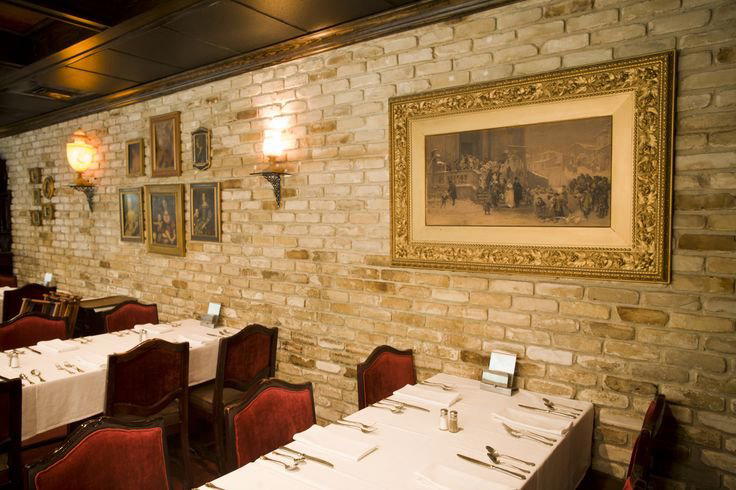
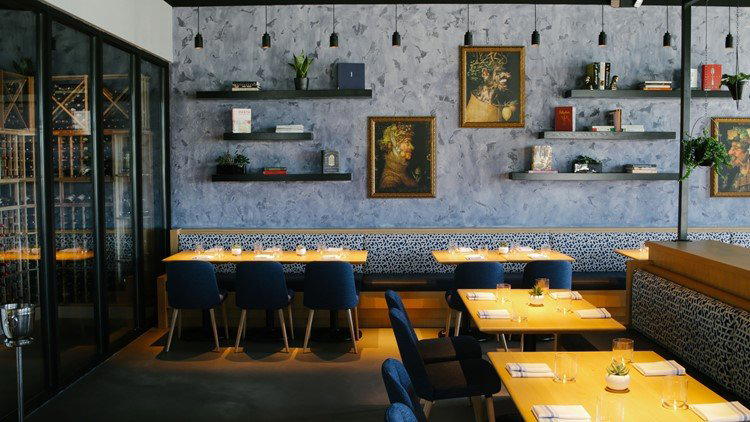
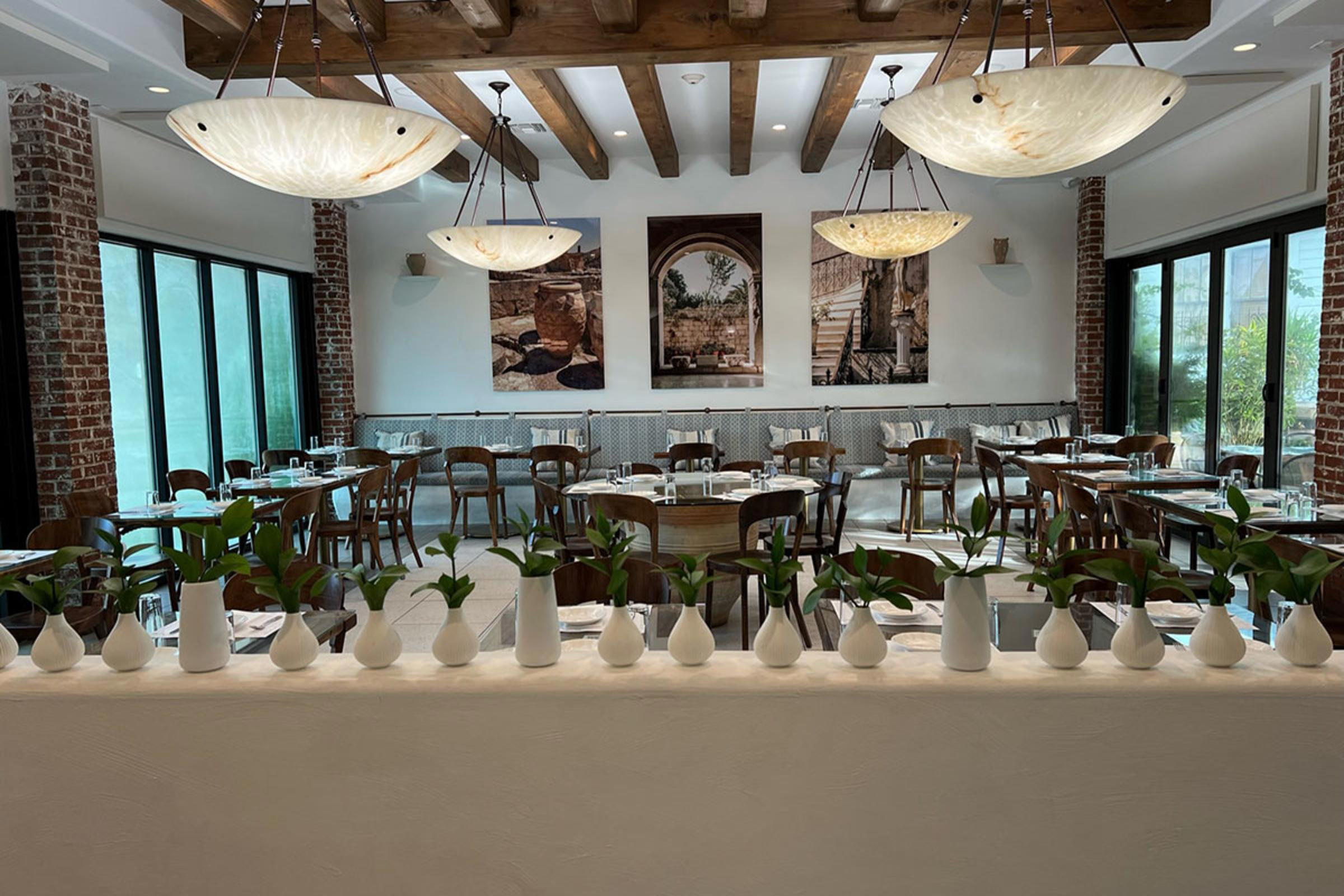
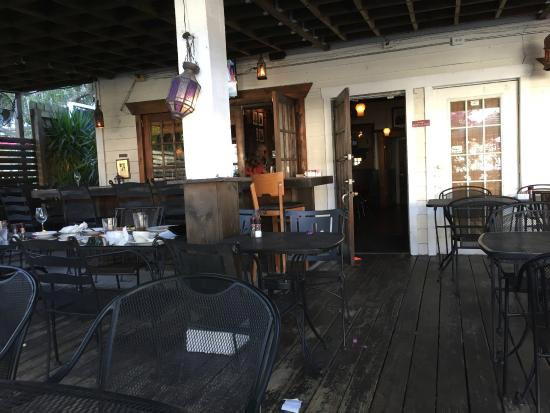
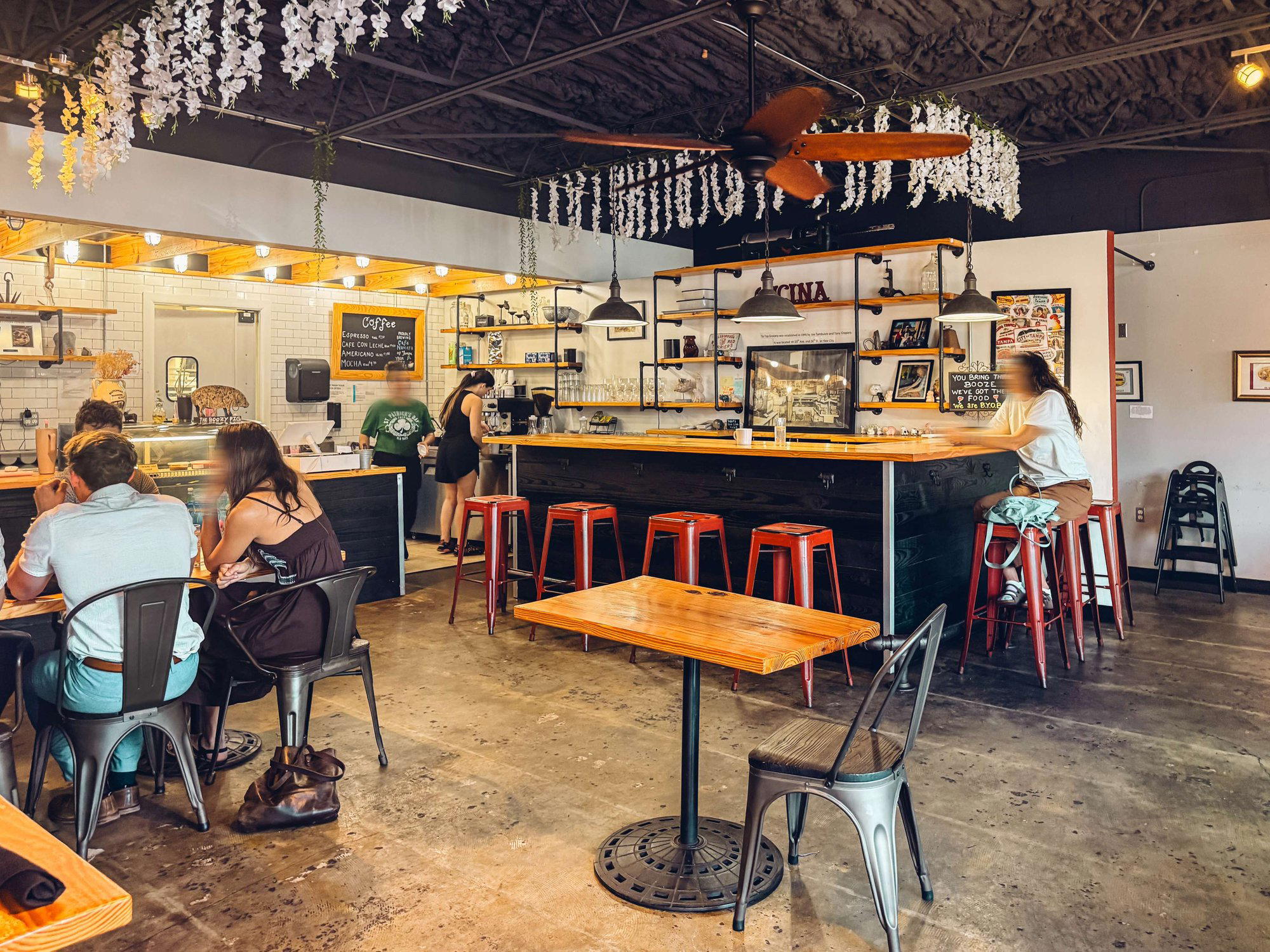
Comfortable and almost casual atmosphere with white tablecloths in a quiet neighborhood hideaway.