BellaBrava Tampa
Our verdict
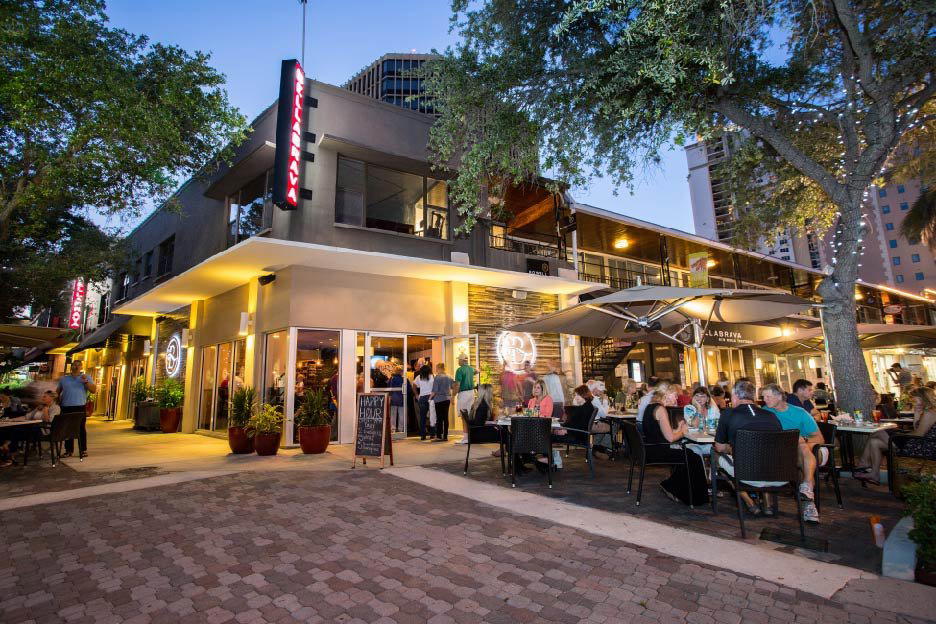
BellaBrava Tampa occupies an address on Gramercy Lane that places it within the broader arc of Tampa's evolving dining scene. The restaurant draws from a tradition where Italian-American cooking and Florida's hospitality culture intersect, positioning it in a mid-tier segment that has expanded considerably as the city's food profile has grown.

Pearl is the En Primeur Club membership app, where members save venues, book tables and use the concierge.
Where Tampa's Dining Scene Meets the Gramercy Lane Block
Tampa's restaurant identity has shifted considerably over the past decade. The city that once leaned almost exclusively on steakhouses and Cuban institutions, most famously the century-old Columbia on Ybor City's Seventh Avenue, now sustains a broader range of formats, price tiers, and culinary traditions. That expansion has been uneven: some neighbourhoods carry serious dining weight, while others are still developing the critical mass of quality operators that creates a genuine scene. The Gramercy Lane address occupied by BellaBrava Tampa places it in that evolving middle ground, geographically slightly removed from the dense restaurant corridors of Hyde Park and downtown Channelside, which tends to calibrate both the pace of service and the expectations guests bring through the door.
The name itself signals a register. "BellaBrava" carries the cadence of Italian-American dining rooms that dominated American casual fine dining from the 1980s onward, a tradition that, at its finest, prioritises generosity of portion, warmth of room, and a menu that reads as familiar without being lazy. That tradition has come under pressure from more format-specific operators: the wood-fired Neapolitan specialists, the regional-Italian tasting-counter format represented at the higher end by venues like Rocca in Tampa's own Italian dining tier, and the broader contemporary movement exemplified nationally by Ebbe. Understanding where BellaBrava sits relative to that field matters for calibrating what kind of evening you are booking.
The Sensory Register of an Italian-American Room
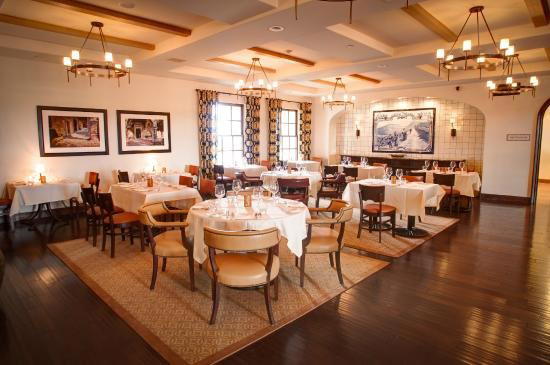
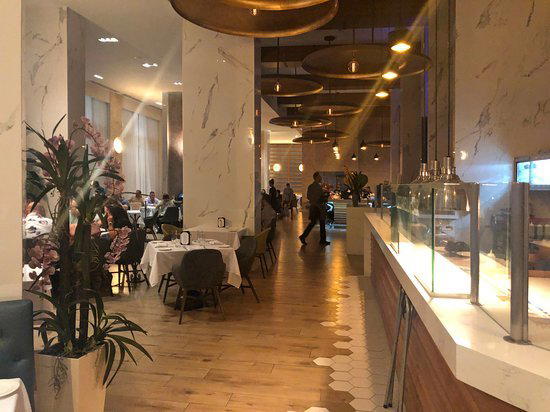
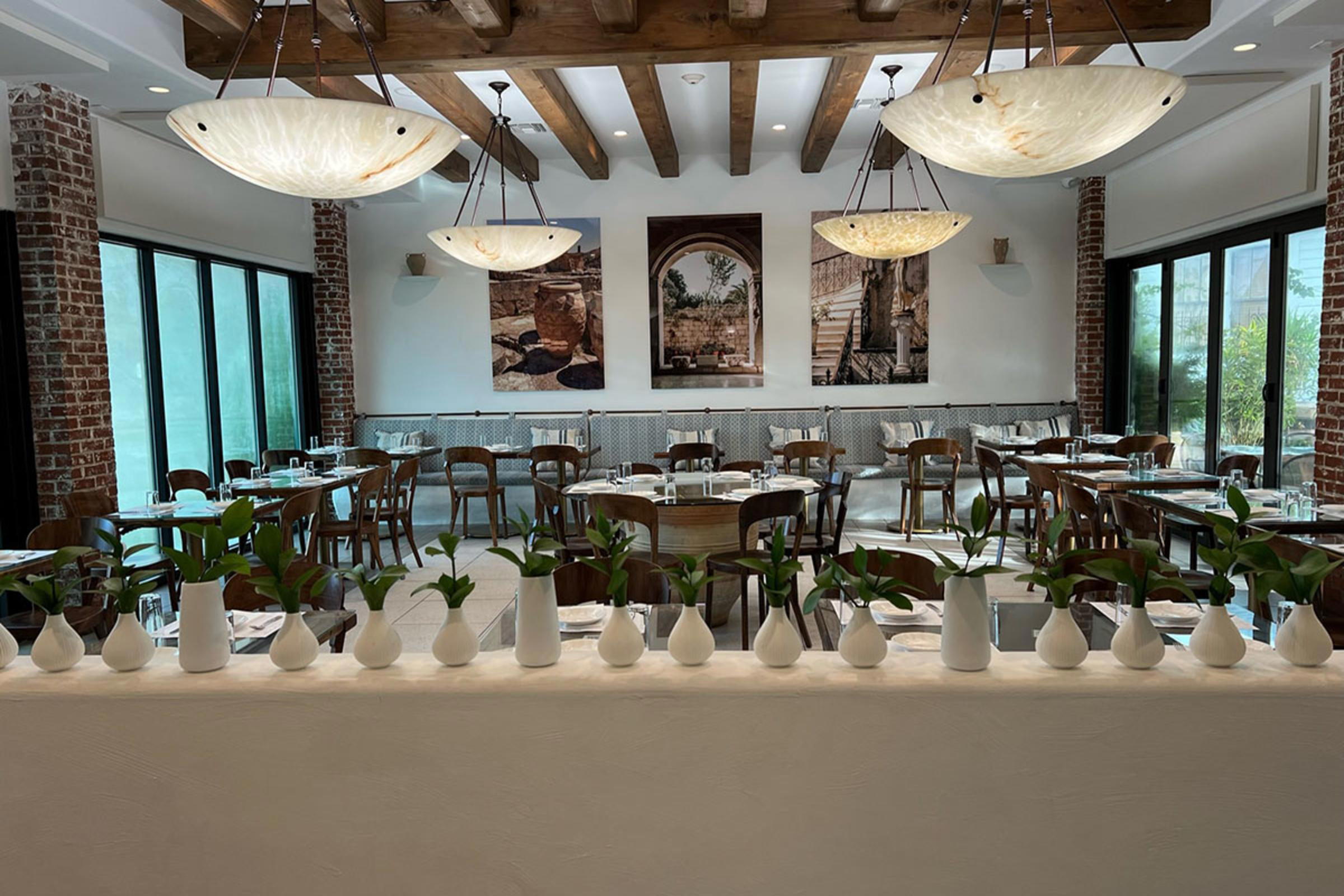
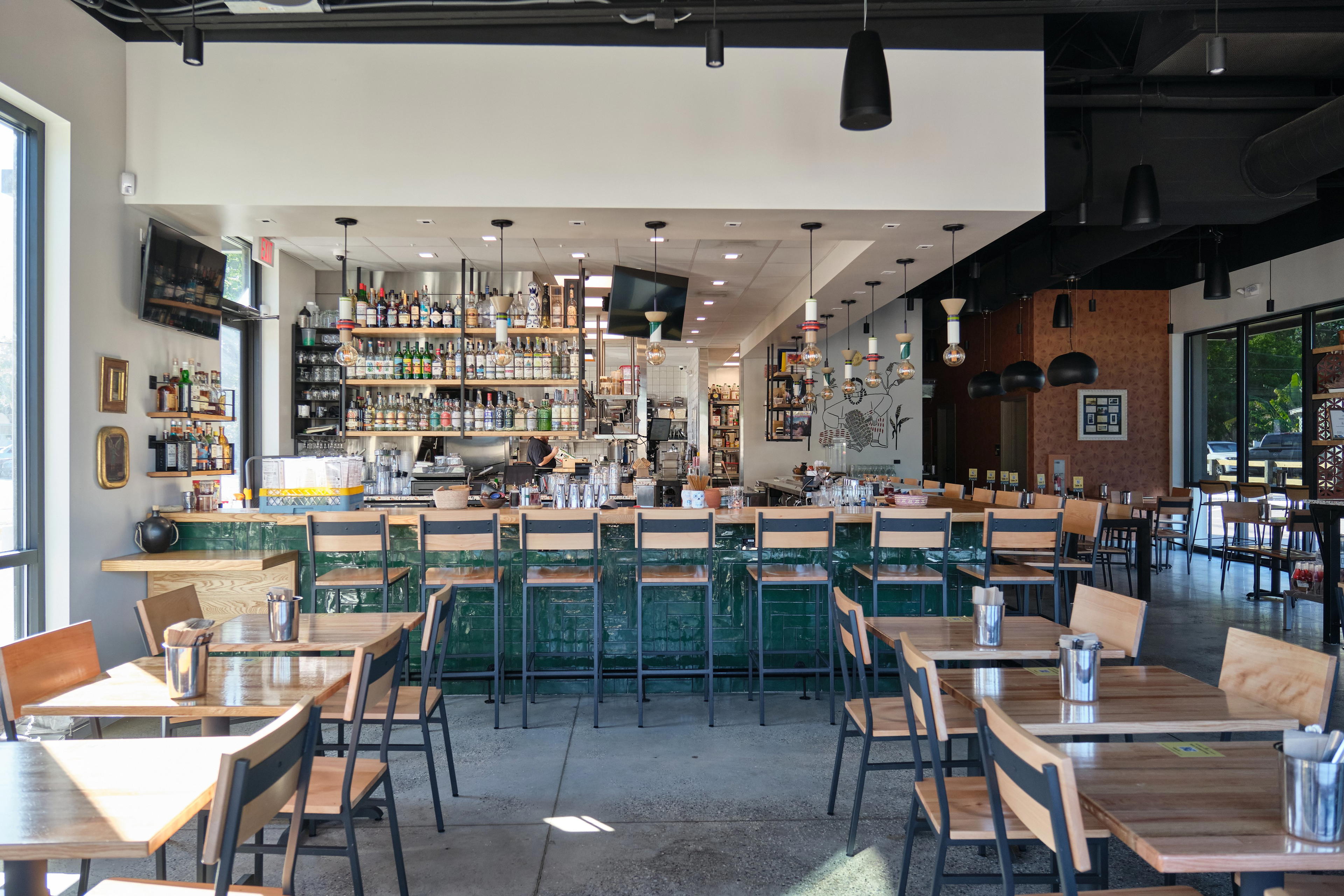
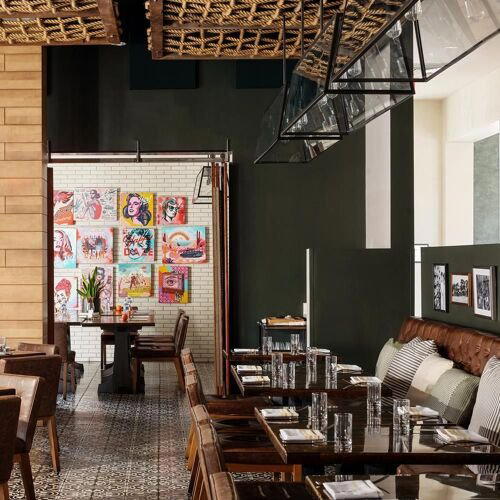
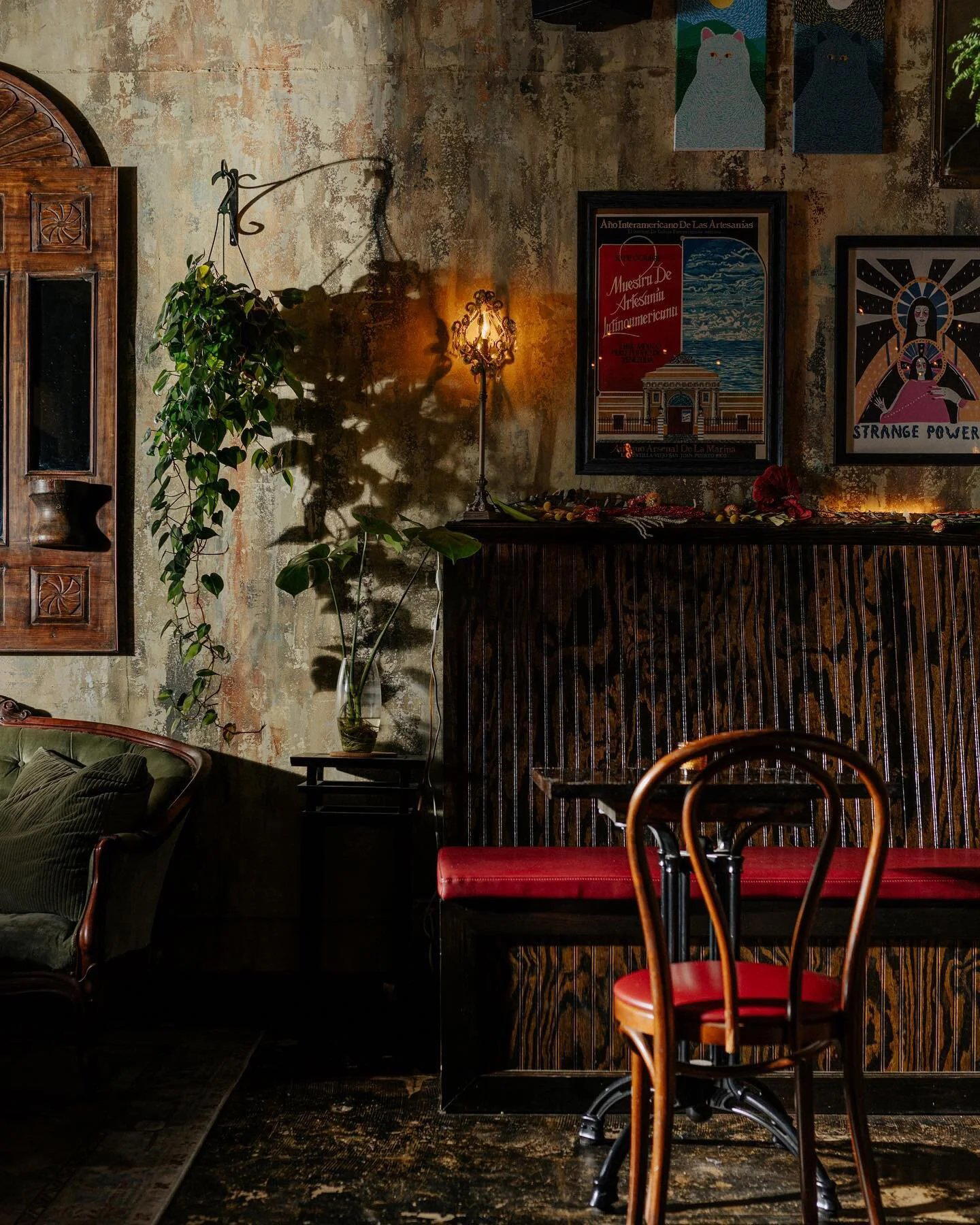
Italian-American dining rooms carry a recognisable atmospheric grammar: warmth of light, the low frequency of a room where conversation competes gently with background music, the smell of olive oil and reduced tomato arriving ahead of the food itself. The leading versions of this format understand that the atmosphere is half the product. Rooms that get the light wrong, too bright, too clinical, strip away the permission to linger that defines the format at its strongest. The Gramercy Lane location, positioned away from the pedestrian-heavy tourist corridors, tends to attract a local rather than transient dining public, which typically produces a more settled, less performative room atmosphere than venues that rely heavily on visitor traffic.
That neighbourhood composition matters more than it might appear. Rooms populated largely by regulars develop a particular rhythm: servers who recognise faces, pacing that doesn't hustle tables, a familiarity between front-of-house and guest that is difficult to manufacture and easy to feel when it's present. Tampa's mid-tier Italian segment, of which BellaBrava is part, competes in this regard not against the tasting-counter formats at Lilac or the Japanese precision rooms like Koya and Kōsen, but against the baseline expectation that a neighbourhood Italian should feel like somewhere you'd return to without a special occasion as a pretext.
Reputation and the Italian-American Middle Tier
The Italian-American dining format occupies a specific and sometimes underestimated position in American restaurant culture. At the summit of that tradition nationally, venues like Le Bernardin in New York City and The French Laundry in Napa operate in entirely different registers, but the mid-market Italian room, reliably executed pasta, a wine list that doesn't require specialist knowledge to navigate, a room that earns repeat visits, fills a gap that the more conceptually ambitious formats cannot. Smyth in Chicago and Lazy Bear in San Francisco represent how far the tasting-menu format has pushed American fine dining; BellaBrava operates in a deliberately less demanding register, which is not a criticism but a description of the format's honest contract with its guest.
What Italian-American rooms build their reputations on, at this tier, is consistency. Not the pyrotechnics of a Blue Hill at Stone Barns-style conceptual statement or the technical precision signalled by the Michelin recognition held by Atomix in New York City, but the reliability of a cacio e pepe that tastes the same on a Tuesday in February as it does on a Saturday in season. That consistency, when achieved, is what converts first-time guests into regulars and what makes a neighbourhood Italian room worth returning to over a decade of visits. It is also what is hardest to verify from the outside and what reviews, when they accumulate over years, ultimately measure.
Positioning in Tampa's Dining Field
Tampa's dining field has become genuinely more competitive at every price tier. The arrival of formats that can benchmark against national peers, venues whose peer sets include Providence in Los Angeles, Addison in San Diego, or The Inn at Little Washington, has raised the baseline expectation even at lower price points. Diners who move between those tasting-counter or fine-dining formats and a mid-market Italian room arrive with more calibrated palates than the same demographic would have brought a decade ago. This raises the bar for what "well-executed" means at the Italian-American mid-tier, and venues that haven't kept pace with that shift tend to feel dated rather than comfortable.
Within Tampa's own Italian category, the comparison point most relevant to BellaBrava is Rocca, which operates at a similar price register. The two venues represent different takes on what Italian dining means in this city: Rocca's positioning and the neighbourhood energy around it differ enough from Gramercy Lane that the choice between them is less about quality ranking and more about which room better suits the occasion and the part of the city you're in that evening. For a fuller picture of how these venues fit into the city's dining geography, our full Tampa restaurants guide maps the competitive field across all neighbourhoods and price tiers.
Planning Your Visit
BellaBrava Tampa sits at 1015 Gramercy Lane, Tampa, FL 33607. The Gramercy Lane location is accessible by car with relative ease, Tampa remains a driving city, and parking in this corridor tends to be less constrained than in Hyde Park or downtown. Mid-market Italian rooms of this type typically operate lunch and dinner service across most of the week, with weekend evenings the most heavily subscribed. Arriving earlier in the service window or on a weeknight generally offers the leading chance of a less pressured room.
Frequently asked questions
What's the address for BellaBrava Tampa?
BellaBrava Tampa is located at 1015 Gramercy Ln, Tampa, FL 33607, Tampa.
How does BellaBrava Tampa fit into the wider Tampa Italian dining scene?
Tampa's Italian-American dining field includes everything from legacy red-sauce institutions to newer formats benchmarking against national peers, and BellaBrava's Gramercy Lane address places it within a city that has grown considerably more competitive at every price tier over the past decade. Without a current chef attribution or award record on file, BellaBrava occupies the neighbourhood operator position in that field, the category where reputation is built on repeat visits and local word-of-mouth rather than critical cycles. For travellers orienting around Tampa's broader Italian dining options, BellaBrava at 1015 Gramercy Lane represents the kind of established neighbourhood presence that anchors a block rather than drawing destination traffic from outside the city.
What dish is BellaBrava Tampa famous for?
BellaBrava Tampa operates within the Italian-American format, a tradition anchored in pasta, wood-fired preparations, and red-sauce classics, the categories that define this dining tier across the United States. Visiting directly or checking current menus on-site will give the clearest picture of what the kitchen leads with.
Can I walk in to BellaBrava Tampa?
Italian-American restaurants at this format level commonly hold a portion of tables for walk-ins, particularly at off-peak hours on weeknights. Contacting the restaurant directly before arrival is the most reliable approach.
What has BellaBrava Tampa built its reputation on?
BellaBrava sits within Tampa's Gramercy Lane dining corridor, a city that has seen its restaurant identity shift considerably over the past decade as new formats compete alongside established neighbourhood operators. The Italian-American category it occupies rewards consistency and atmosphere as much as cooking, and venues in this tier tend to accumulate local loyalty through regulars rather than award cycles.
Can BellaBrava Tampa accommodate dietary restrictions?
Italian-American kitchens generally carry options that can be adapted for common restrictions, gluten-free pasta substitutions and vegetarian plates appear frequently across this format. Guests with specific requirements should contact the restaurant at 1015 Gramercy Lane, Tampa, FL 33607 before booking.
Accolades, Compared
| Venue | Cuisine | Price | Awards | Notes |
|---|---|---|---|---|
| BellaBrava TampaThis venue (the venue you are viewing) | New World Trattoria | $20–30 | Not listed | Not listed |
| Koya | Modern Japanese Omakase | $200–300 | 1 Michelin Star | Japanese |
| Bern’s Steak House | Classic Dry-Aged Steaks | $100–150 | Michelin Plate · World's Best Steaks 50 Best #48 | Not listed |
| Columbia | Spanish-Cuban | $50–100 | Michelin Plate · Wine Spectator Best of Award of Excellence | Not listed |
| Rocca | Modern Italian Fine Dining | $50–100 | 1 Michelin Star · Star Wine List | Italian |
| Lilac | Modern Mediterranean Fine Dining | $200–300 | Michelin Plate · Star Wine List | Mediterranean Cuisine |