CafÉlysée occupies a quieter register in Aachen's dining scene, operating from Hartmannstraße in the city centre with the kind of neighbourhood presence that rewards those who pay attention to what's on the plate rather than what's on the wall. Aachen sits at Germany's westernmost tip, where German, Belgian, and Dutch culinary traditions converge, a geographic position that shapes what ends up in local kitchens.
Pearl is the En Primeur Club membership app — saves, bookings, and concierge access live there. Same editors, same standards.
- Address
- Hartmannstraße 12-14, 52062 Aachen, Germany
- Phone
- +492419160730
- Website
- cafelysee.de
- Directions
- Get directions
 Saves & bookings on Pearl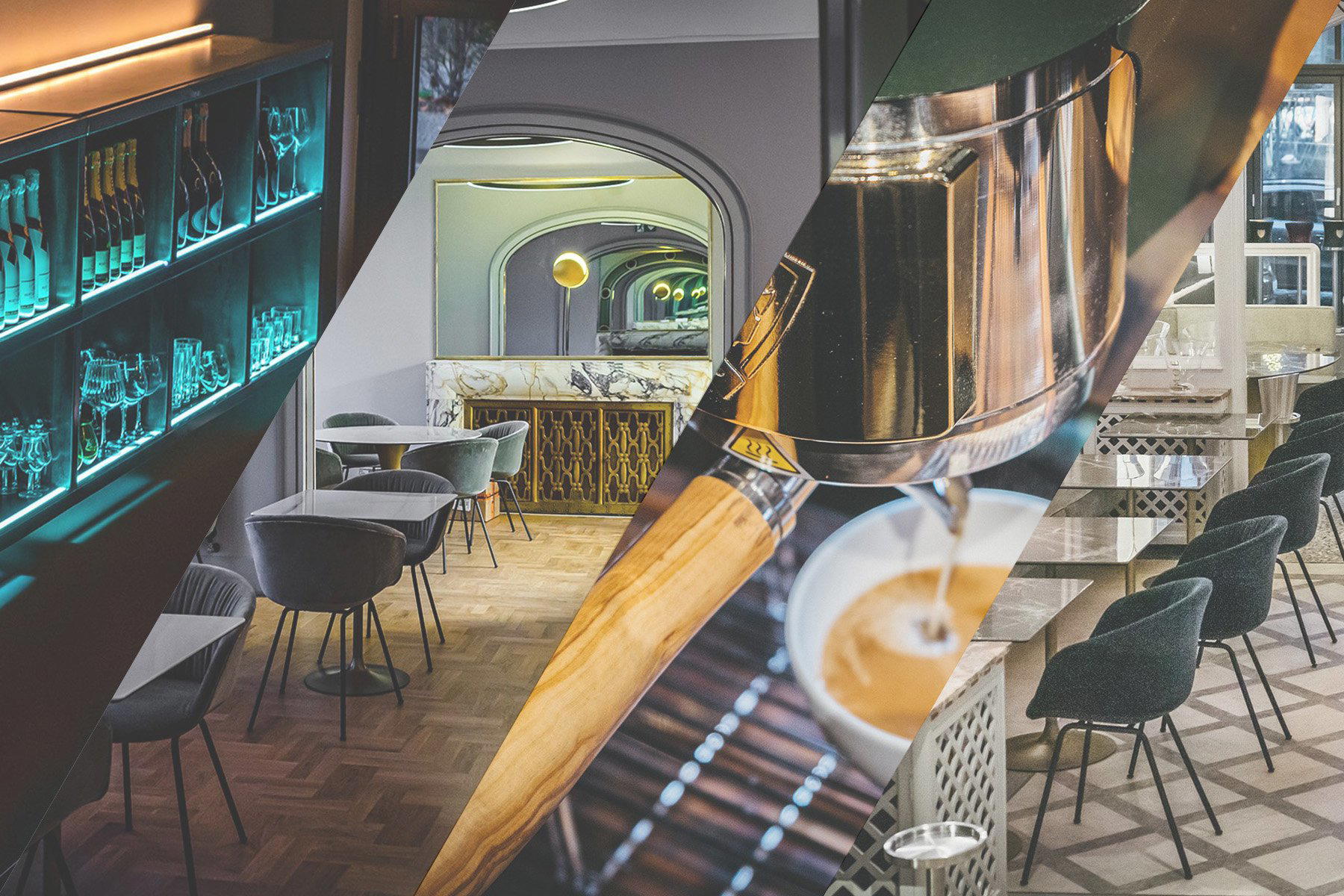
Where Three Borders Meet on the Plate
Aachen's position at the tripoint of Germany, Belgium, and the Netherlands gives its restaurant scene a character that most German cities can't replicate. Ingredients, techniques, and expectations cross those borders fluidly. Belgian chocolate culture, Dutch dairy traditions, and the Eifel region's agricultural output all sit within a short radius of the city centre. CafÉlysée is a restaurant in Aachen, Germany, serving Mediterranean Fusion with French & Asian Influences at about $65 per person. It operates inside that context.
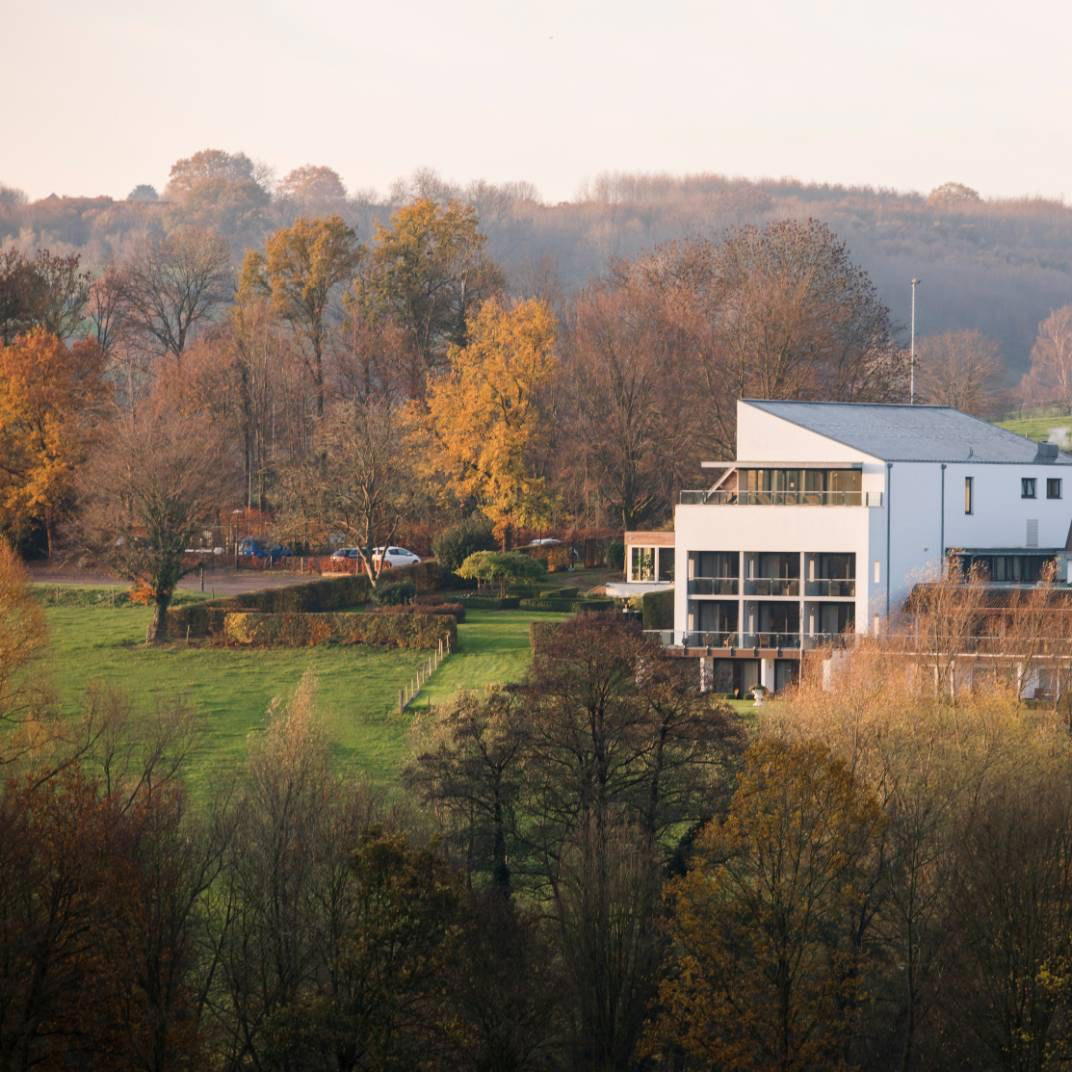
The address places it within walking distance of the Altstadt, in a stretch of Aachen that functions more as a local eating quarter than a tourist circuit. Approaching the building along Hartmannstraße, the scale is domestic rather than monumental, the kind of frontage that signals the kitchen is the priority, not the spectacle of the room.
The Sourcing Logic of the Three-Border Region
Ingredient sourcing in Aachen has a structural advantage that restaurants in Frankfurt or Hamburg don't share. The Eifel plateau, stretching south and east of the city, supplies game, lamb, and root vegetables with a regional provenance that's both genuine and short-haul. To the west, the Belgian Ardennes adds its own larder: wild mushrooms, aged cheeses, and a charcuterie tradition that predates most modern fine-dining supply chains. The Netherlands contributes dairy at a quality level that outperforms much of what travels from further afield.
This is not a philosophical point about localism for its own sake. In practical terms, proximity compresses the time between harvest and kitchen, and in a city this close to three distinct agricultural systems, a kitchen that pays attention has access to an ingredient pool broader than its footprint suggests. Aachen's more serious dining addresses, including La Bécasse at the classic French end and Sankt Benedikt on the creative side, each draw on this regional depth in different ways. CafÉlysée occupies its own position within that geography.
Aachen's Dining Tiers and Where CafÉlysée Sits
Aachen is not a large city, and its restaurant economy reflects that. The top tier is genuinely small: La Bécasse, carrying Michelin recognition and a price point at the ceiling of what the local market supports, sits largely alone at the formal end. Below it, a mid-level of creative and contemporary addresses has developed over the past decade, including dario& and Bistro, which offers solid classic cuisine at a more accessible price. La Fabrik occupies yet another register within the city's offer.
CafÉlysée reads as a neighbourhood-anchored address in a city where that category does real work. Aachen's student population, its cross-border commuter traffic, and its calendar of institutional events, the CHIO equestrian tournament in summer, the Christmas market in winter, all create demand for dining that's consistent and place-specific without requiring a special-occasion budget. The café-restaurant format, implied by the name, slots into that demand pattern.
For comparison across the wider German fine-dining conversation, addresses like Schwarzwaldstube in Baiersbronn or Vendôme in Bergisch Gladbach set the national benchmark at the formal end, while JAN in Munich and CODA Dessert Dining in Berlin illustrate how the creative tier has evolved in larger German cities. CafÉlysée doesn't compete in that register, nor does it try to. Its context is defined by the Hartmannstraße postcode and the rhythms of a city that eats well without making a performance of it.
The Café-Restaurant Format in a European Border City
The café-restaurant hybrid is a more specific format than the name suggests. In a city like Aachen, which has absorbed Franco-Belgian café culture through decades of cross-border movement, the format carries a distinct character: longer hours than a dedicated restaurant, a menu that bridges light plates and more substantial cooking, and a room that functions at different intensities across the day. It's a format that works in Liège, in Maastricht, and in the border towns between all three countries. Whether CafÉlysée executes that format with the discipline the city's leading addresses bring to their respective categories is the operative question for anyone making a booking decision.
The Élysées reference in the name points toward a French register, this is not unusual in a city where French is audible on the street and Belgian influence runs through everything from pastry to beer. How literally the kitchen interprets that signal is something the menu, when you're sitting in front of it, will answer more definitively than any listing can.
Planning a Visit
CafÉlysée is located at Hartmannstraße 12-14, 52062 Aachen, placing it within easy reach of the Altstadt and the main rail connections into the city. Aachen Hauptbahnhof connects directly to Cologne (roughly 45 minutes), Brussels, and Liège, making the city viable as a day trip from any of the three. For those arriving from further afield, Maastricht Aachen Airport handles limited European routes, while Cologne Bonn Airport, under an hour by road, offers broader connectivity. Booking ahead is advisable for evening sittings, particularly around CHIO in July and the pre-Christmas period, when the city's capacity tightens across the board.
Germany's wider restaurant geography is worth understanding for context: serious addresses in the west of the country, from Waldhotel Sonnora in Dreis to Victor's Fine Dining by Christian Bau in Perl and Schanz in Piesport, cluster along the Mosel and into the Eifel-adjacent region, making Aachen a logical base for a longer trip through Germany's western dining corridor. ES:SENZ in Grassau, Aqua in Wolfsburg, and Restaurant Haerlin in Hamburg extend that map further. Internationally, the sourcing-forward approach that defines stronger examples from this region finds parallels in addresses like Le Bernardin in New York City and the produce-driven format of Lazy Bear in San Francisco.
Comparison Snapshot
Comparable venues nearby, for context on price, style, and recognition.
| Venue | Cuisine | Price | Awards | Notes |
|---|---|---|---|---|
| CafÉlyséeThis venue — the venue you are viewing | Mediterranean Fusion with French & Asian Influences | $$$$ | Not listed | Not listed |
| Zum goldenen Einhorn | Traditional German Gaststätte | $$ | Not listed | Markt |
| plaisir by Hamid Heidarzadeh | Contemporary European Fusion | $$$$ | Michelin Plate | Frankenbergerviertel |
| lokal | Modern German Bistro | $$ | Not listed | . Mostardstraße |
| One & Only | Modern International Fine Dining | $$$$ | Not listed | Aachen City Center |
| dario& | Modern French Creative Fine Dining | $$$ | Michelin Plate | city center |
At a Glance
- Elegant
- Sophisticated
- Romantic
- Modern
- Date Night
- Business Dinner
- Group Dining
- Celebration
- Special Occasion
- Terrace
- Private Dining
- Design Destination
- Extensive Wine List
- Sommelier Led
Current opening hours
- Monday
- Closed
- Tuesday
- 11 AM–11 PM
- Wednesday
- 11 AM–11 PM
- Thursday
- 11 AM–11 PM
- Friday
- 11 AM–11 PM
- Saturday
- 10 AM–11 PM
- Sunday
- 1–9 PM
Hours can change for holidays and private events. Last verified .
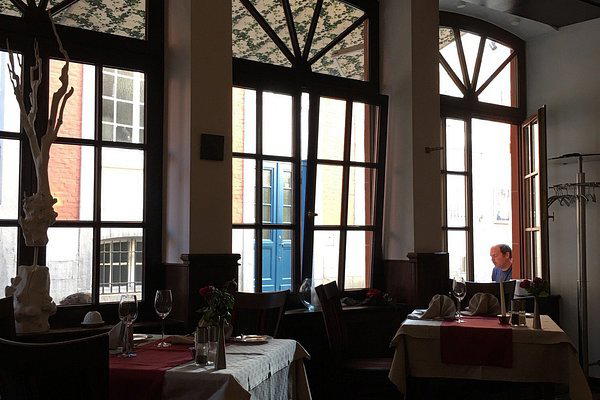
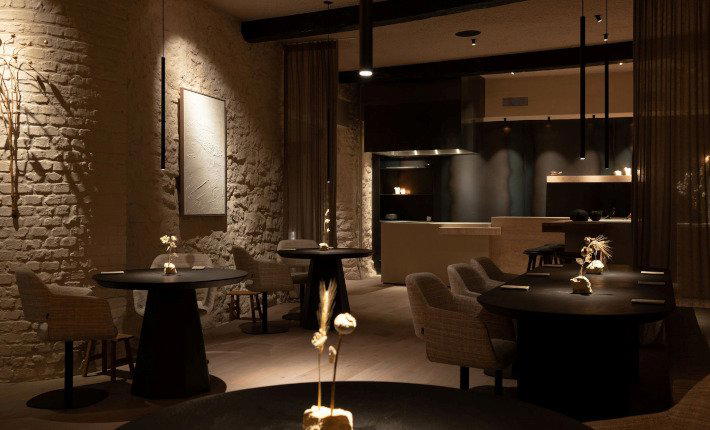
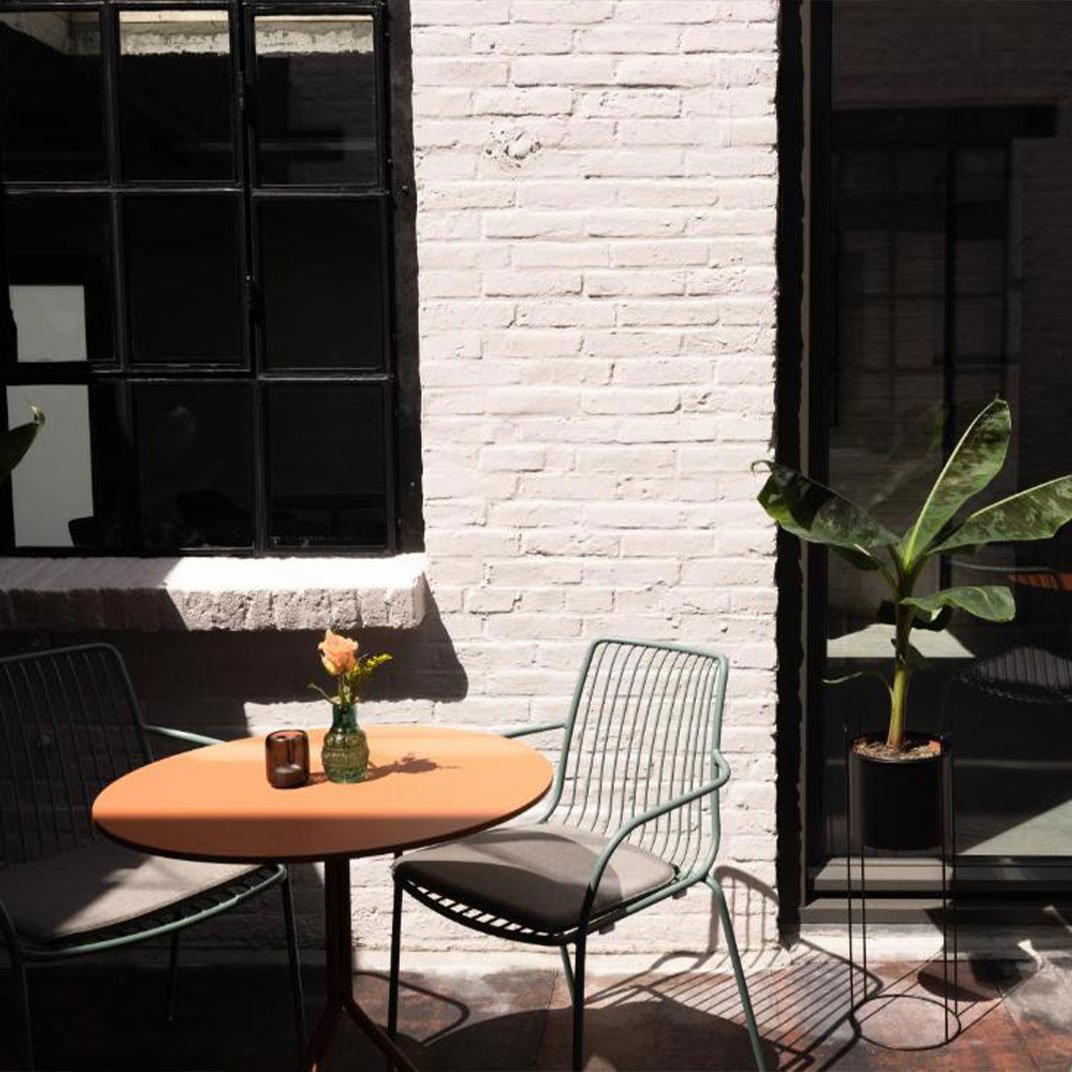
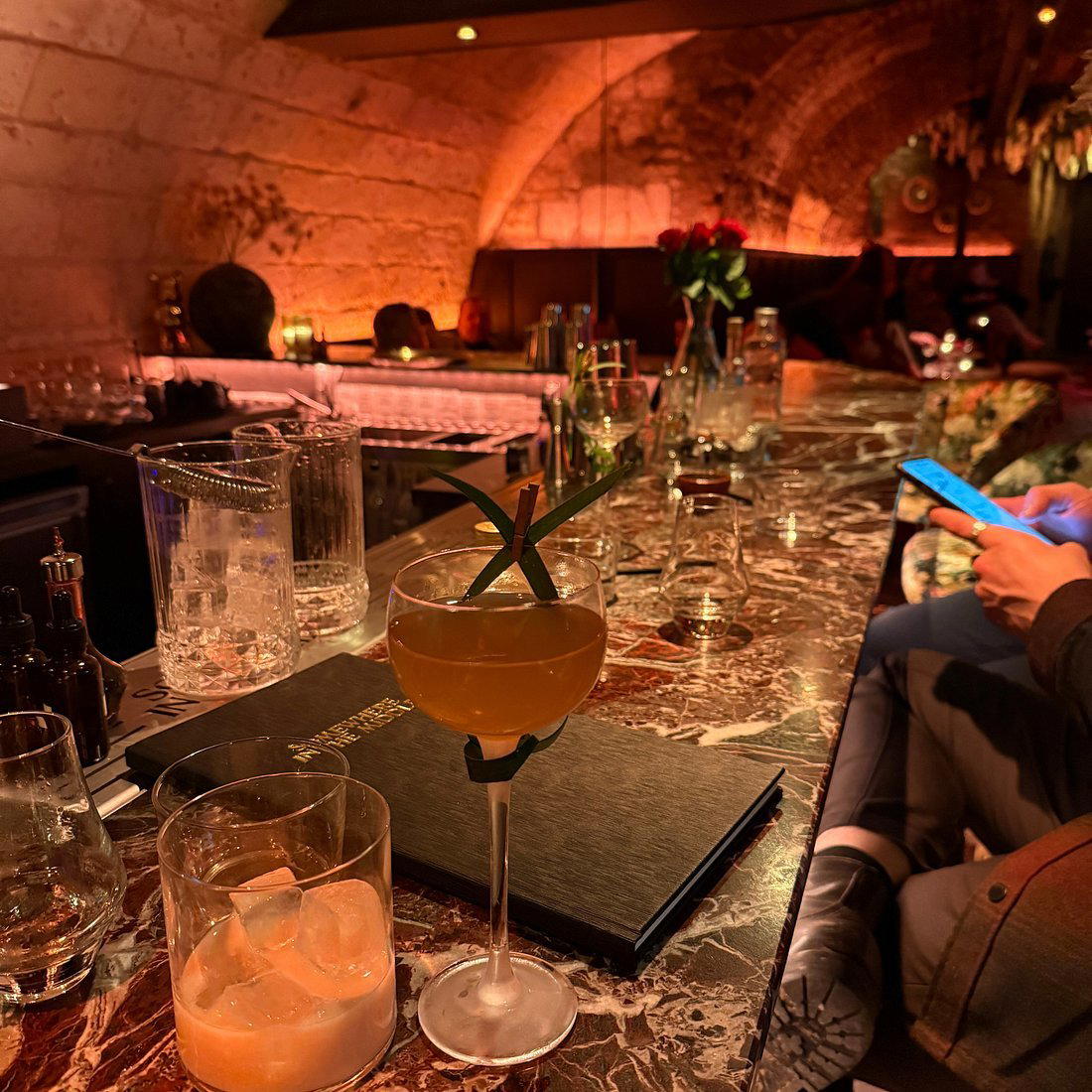
Dimmed lighting with stylish French-inspired design, spacious layout with good distance between tables, pleasant and refined atmosphere.