Our verdict
On Bachstraße in central Aachen, La Fabrik occupies a space that sits outside the city's established fine-dining tier, drawing a crowd that values informality without sacrificing kitchen ambition. The address places it within easy reach of Aachen's broader restaurant scene, which ranges from the classic French precision of La Bécasse to the creative menus at Sankt Benedikt. Specific menu details and booking logistics are best confirmed directly with the venue.

Pearl is the En Primeur Club membership app, where members save venues, book tables and use the concierge.
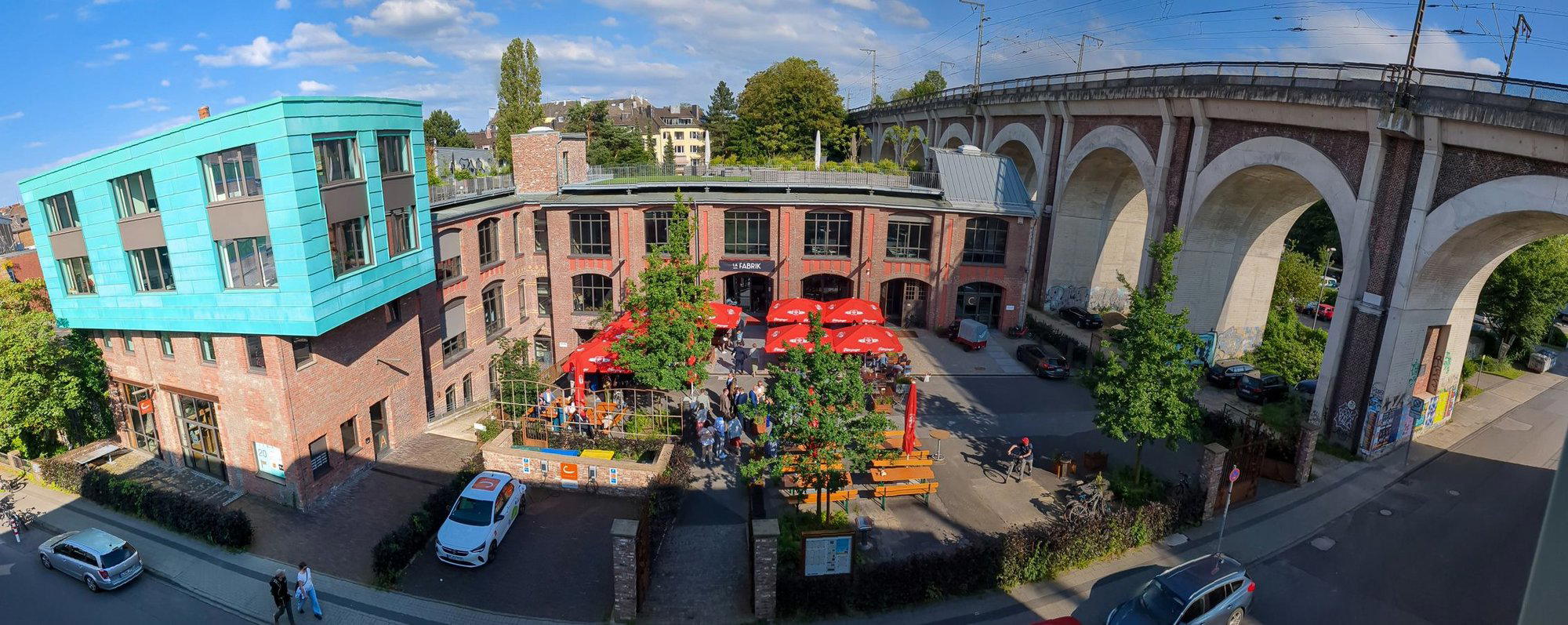
Aachen's Middle Ground: Where Industrial Character Meets Kitchen Ambition
Germany's western edge has a dining identity shaped by proximity to three borders. Aachen sits at the junction of German, Belgian, and Dutch culinary influence, and that geographic fact has quietly produced a restaurant scene with more range than its size might suggest. The city's higher end is anchored by formally structured rooms like La Bécasse (Classic French) and Sankt Benedikt (Creative), both operating at the €€€€ tier and positioning themselves against regional German peers rather than local competition alone. Below that sits a more varied middle tier, where venues compete on atmosphere, sourcing story, and an ability to feel relevant without the formality of a tasting-menu room. La Fabrik, at Bachstraße 20, occupies territory in that middle ground.
The address itself is instructive. Bachstraße is not the city's main pedestrian corridor, and the name, Fabrik, meaning factory, signals an aesthetic rooted in repurposed industrial space rather than curated elegance. Across European cities, this format has become a reliable shorthand for a particular dining contract: the room does the atmospheric work, the kitchen focuses on produce-driven plates, and the price point stays accessible enough that guests return regularly rather than reserving for occasions. Aachen's version of that formula sits alongside a broader German interest in converting post-industrial spaces into culturally active venues, a trend visible in Berlin, Hamburg, and increasingly in secondary cities like Aachen.
The Sourcing Argument in a Border City
Ingredient sourcing in this part of Germany carries a specificity that inland cities don't always share. The Eifel region begins just south of Aachen, and its farms, game estates, and small producers have historically supplied kitchens across the city. To the west, the Belgian Ardennes adds a further layer: charcuterie traditions, high-quality dairy, and foraged produce that cross the border with relative ease given Aachen's position. Restaurants in the city that take sourcing seriously have access to a geography that few German cities can match within a short drive.
At the price tiers where venues like Bistro (Classic Cuisine) and dario& (Creative) operate, the sourcing argument becomes a point of differentiation rather than a given. A kitchen that connects its menu to Eifel producers or Belgian cross-border suppliers is making a claim about culinary identity that goes beyond decoration. Whether La Fabrik operates within that sourcing tradition is information leading sought directly from the venue, but the geographic opportunity is there for any kitchen at this address willing to use it.
For context on what sourcing ambition looks like when pushed to its ceiling in German fine dining, venues like Aqua in Wolfsburg and Schwarzwaldstube in Baiersbronn demonstrate how regional produce narratives can anchor menus at the three-Michelin-star level. La Fabrik plays in a different register, but the regional larder it draws from is the same.
Industrial Atmosphere as a Dining Proposition
The Fabrik format has a specific emotional logic. Exposed brick, high ceilings, salvaged furniture, and ambient noise that doesn't require guests to project their voices, these are not accidental choices. They signal that the room is designed for a demographic that finds the hush of formal dining rooms inhibiting rather than respectful. Berlin has refined this model most visibly, with venues like CODA Dessert Dining in Berlin demonstrating that serious culinary intent and informal architecture are not contradictory. In Aachen, where the fine-dining tier is represented by rooms with more traditional posture, a space that reads as a converted industrial venue occupies a distinct niche.
The practical implication for guests is that the dress code expectation, where one exists, tends toward smart-casual rather than the more composed standard of a place like Restaurant Haerlin in Hamburg or Victor's Fine Dining by christian bau in Perl. The room's character does that communicative work before guests arrive.
Where La Fabrik Sits in Aachen's Restaurant Ecosystem
Mapping Aachen's dining options across price tiers reveals a city with reasonable spread. The €€€€ tier holds restaurants operating formal tasting-menu formats and competing with peers across North Rhine-Westphalia and beyond. The €€€ tier, where venues like CafÉlysée sit, offers a more flexible format while maintaining kitchen ambition. Below that, accessible neighbourhood restaurants serve a local rather than destination audience.
For visitors building a multi-day Aachen itinerary, the city's dining range justifies spending more than one evening at the table. Our full Aachen restaurants guide maps the full spread, from Michelin-recognised rooms to neighbourhood spots. German fine dining more broadly, at venues like JAN in Munich, ES:SENZ in Grassau, Schanz in Piesport, or Waldhotel Sonnora in Dreis, provides context for understanding what the upper end of the regional kitchen tradition looks like. International reference points, from Le Bernardin in New York City to Atomix in New York City, illustrate how formal and informal formats co-exist within serious culinary cities, a pattern Aachen is beginning to replicate at smaller scale.
Planning Your Visit
La Fabrik is located at Bachstraße 20, 52066 Aachen, a central address with reasonable access from the city's main transport connections. Aachen's Hauptbahnhof is within the city centre, and the Bachstraße address places the venue in a walkable zone from most central accommodation. For a city this accessible from Belgium, the Netherlands, and the wider North Rhine-Westphalia region, Aachen rewards arriving with a dining plan rather than relying on walk-in availability, particularly for venues with a local following.
Frequently asked questions
How do I find La Fabrik?
La Fabrik is located at Bachstraße 20, 52066 Aachen, Germany, Aachen.
Is La Fabrik a good base for exploring Aachen's cross-border food scene?
Aachen sits within an hour of Liège, Maastricht, and the Eifel wine and produce corridor, making Bachstraße 20 a practical anchor point for visitors covering multiple food cultures in a single trip. The industrial-format restaurant category in Aachen tends to position itself as an accessible mid-point between formal German dining and the more casual cross-border café traditions. Visitors treating the city as a hub rather than a destination will find the central address convenient for onward travel in any of three directions.
What do regulars order at La Fabrik?
Aachen's position between the Eifel, Belgian Ardennes, and Dutch Limburg means kitchens operating in this zone tend to draw from cross-border ingredient traditions. Your best source is the venue directly or recent visitor reviews specific to La Fabrik.
How hard is it to get a table at La Fabrik?
La Fabrik holds no listed award recognition that would generate destination-level booking pressure, which puts it in a different category from Aachen's few tasting-menu restaurants where lead times can stretch weeks. For a walk-in or same-week booking at Bachstraße 20, the odds are reasonable by the standards of the city's mid-tier dining scene. Contacting the venue ahead of a visit is advisable for weekend evenings.
How It Stacks Up
Comparable venues nearby, for context on price, style, and recognition.
| Venue | Cuisine | Price | Awards | Notes |
|---|---|---|---|---|
| La FabrikThis venue (the venue you are viewing) | Modern German Bistro | $20–30 | Not listed | Not listed |
| Mi | Asian Fusion Noodles | $10–20 | Not listed | Nord |
| One & Only | Modern International Fine Dining | $50–100 | Not listed | Aachen City Center |
| lokal | Modern German Bistro | $20–30 | Not listed | . Mostardstraße |
| Zum goldenen Einhorn | Traditional German Gaststätte | $20–30 | Not listed | Markt |
| dario& | Modern French Creative Fine Dining | $50–100 | Michelin Plate | city center |
Continue exploring
More in Aachen
Restaurants in Aachen
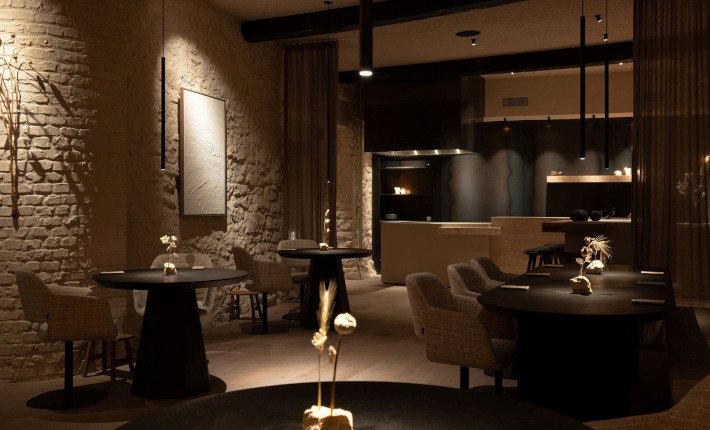
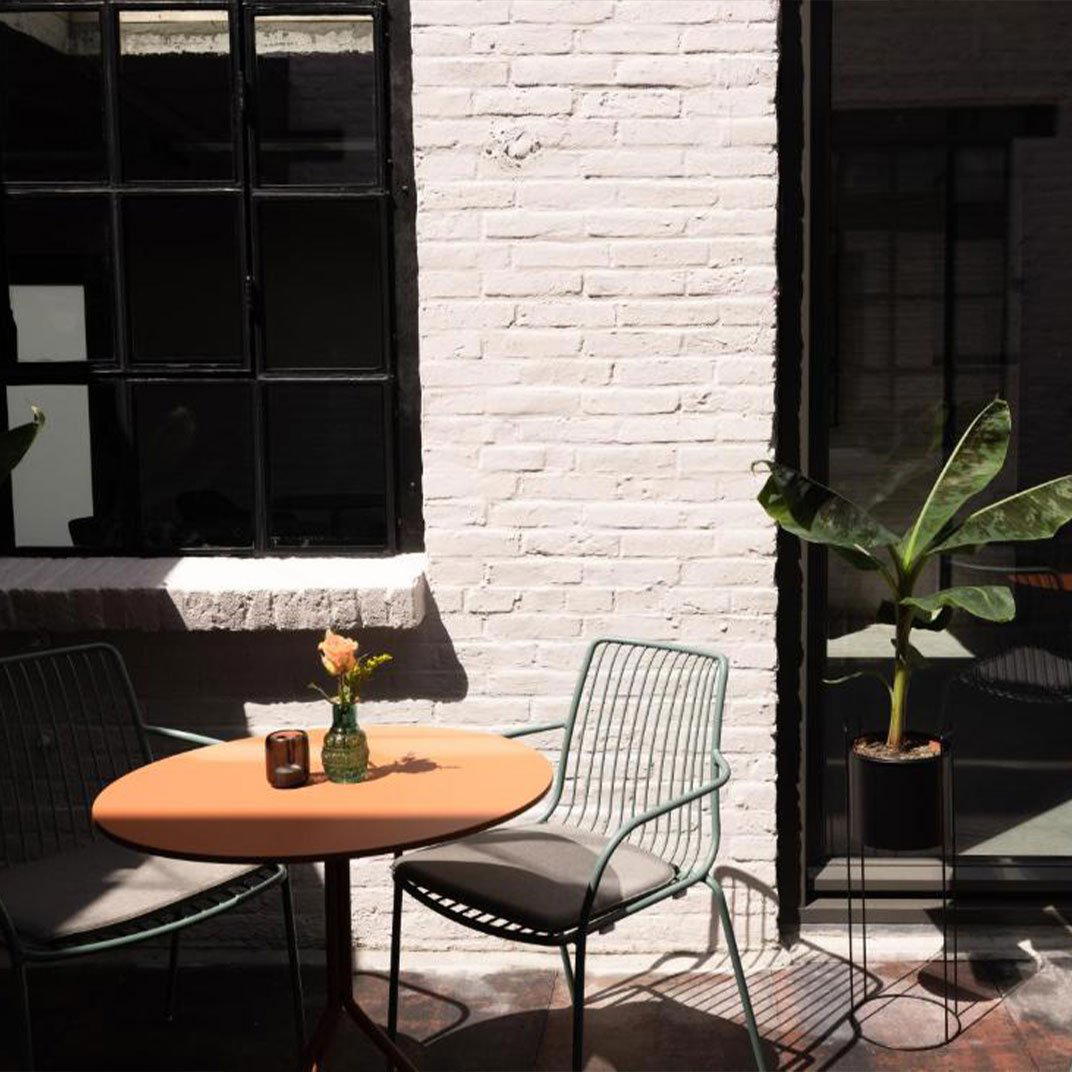
All restaurants in Aachen →
Bars in Aachen
Browse all →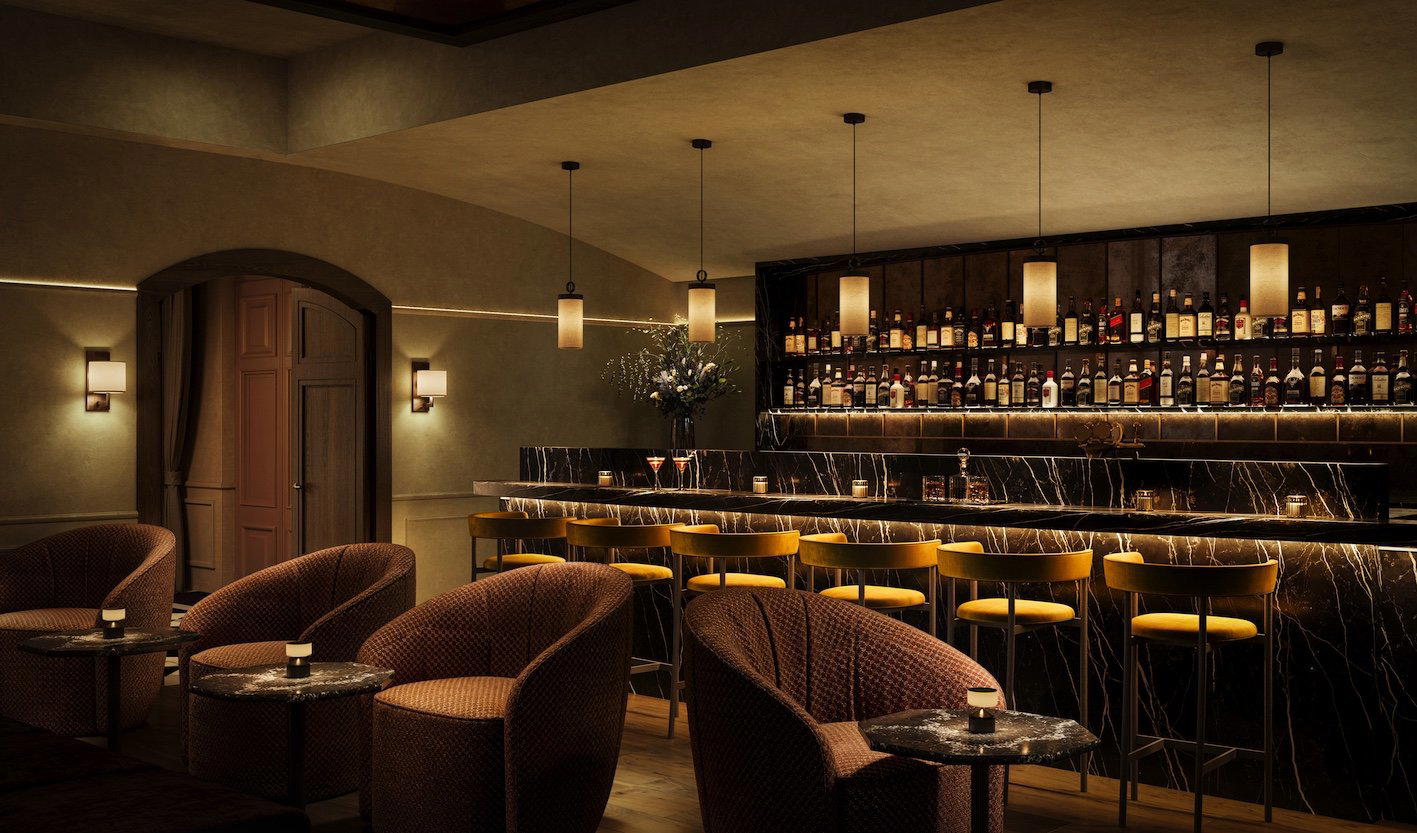
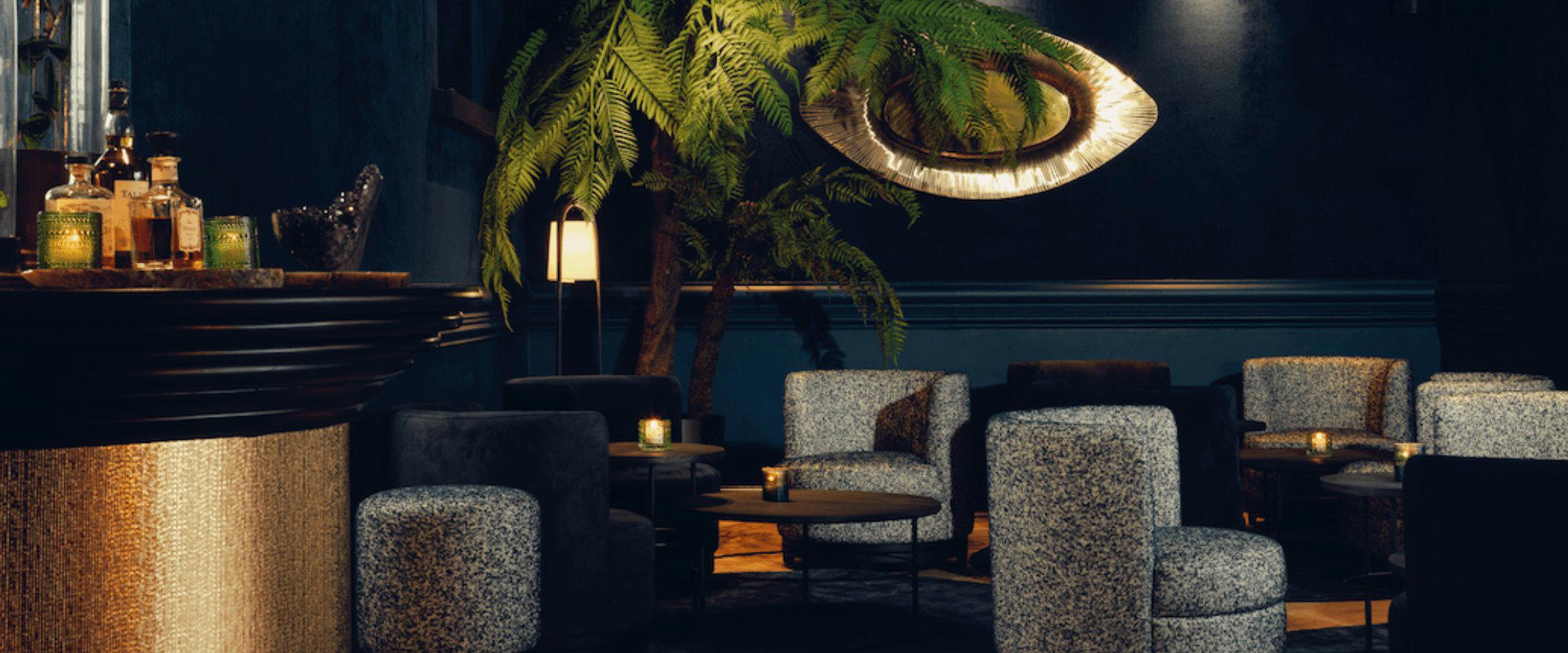
Hotels in Aachen
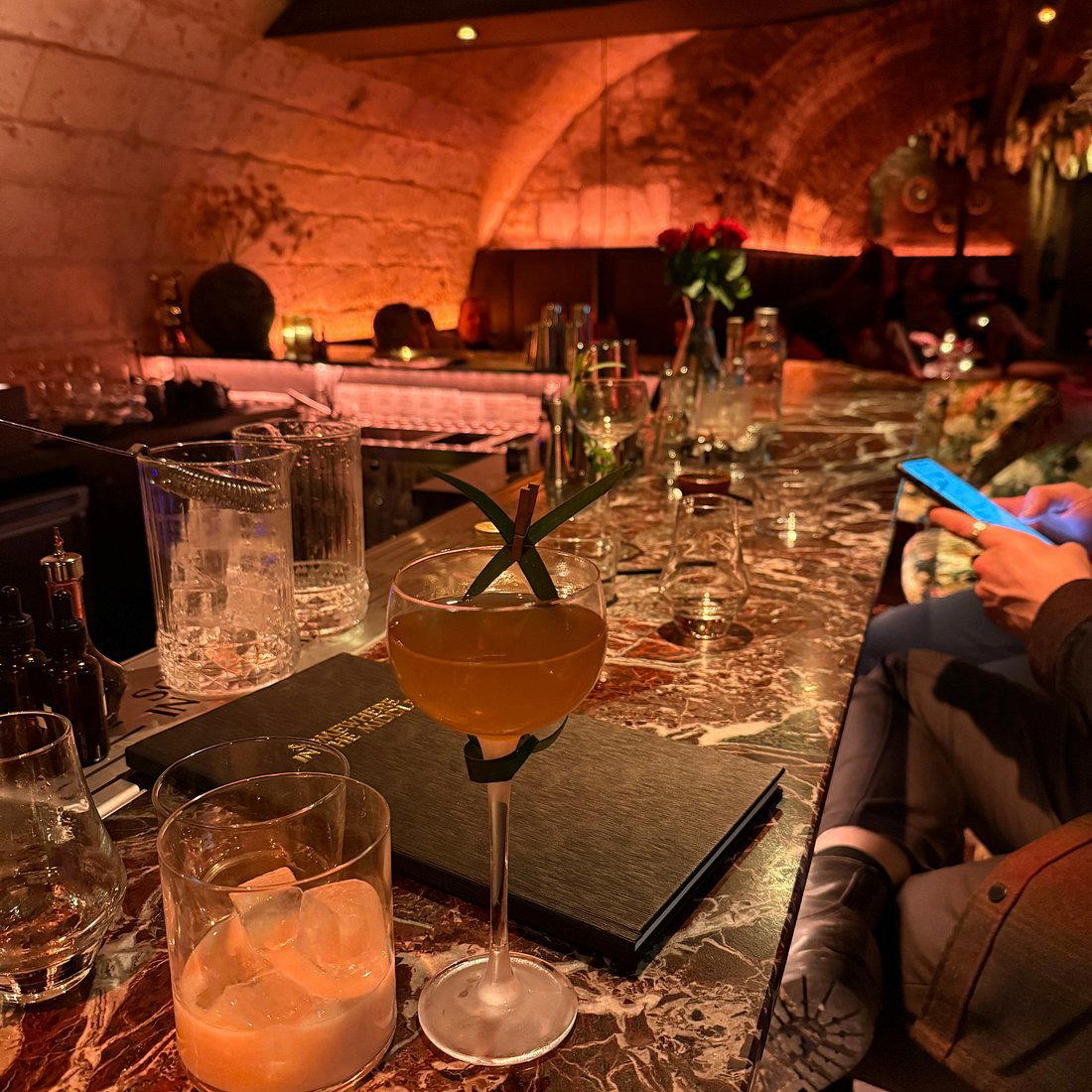
Browse all →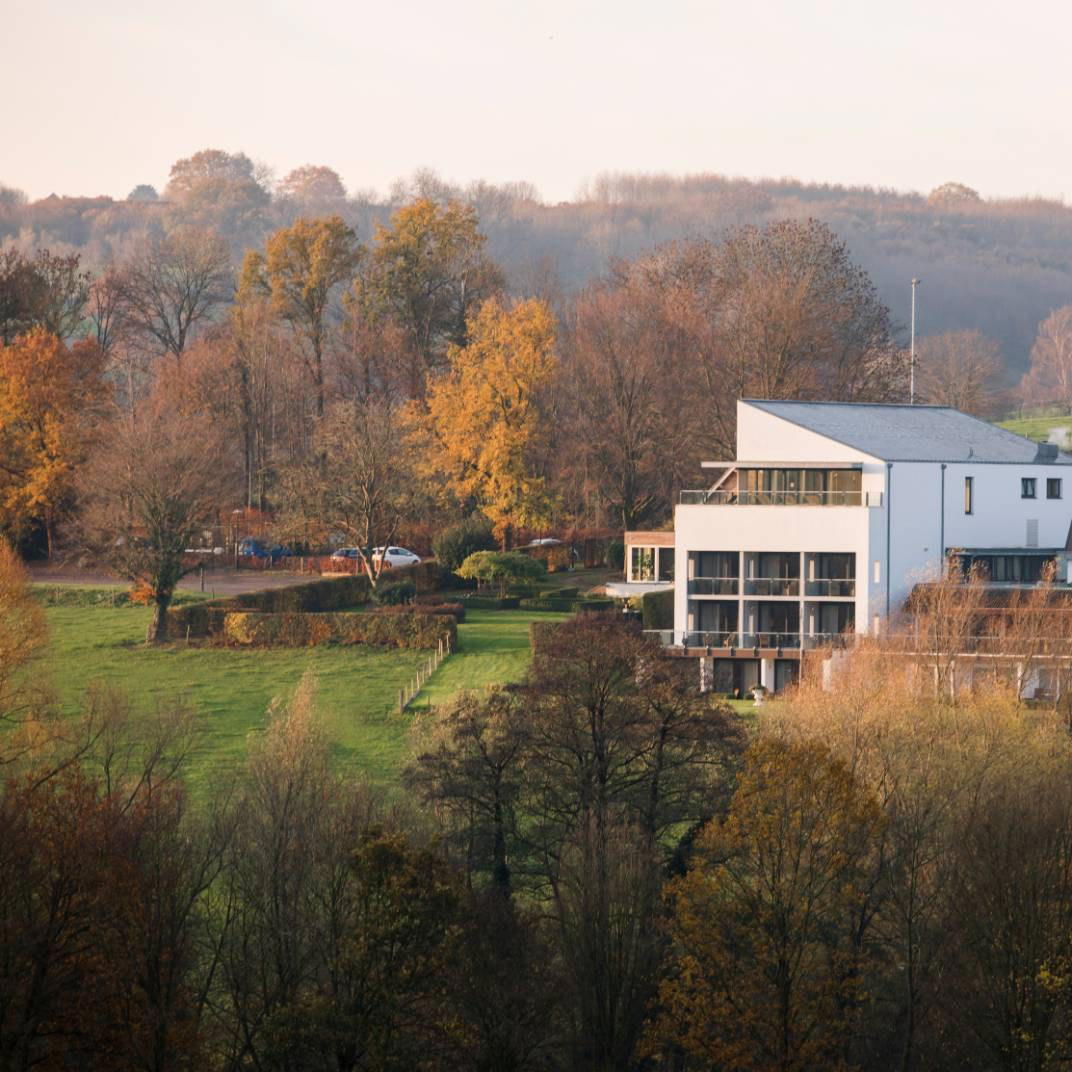
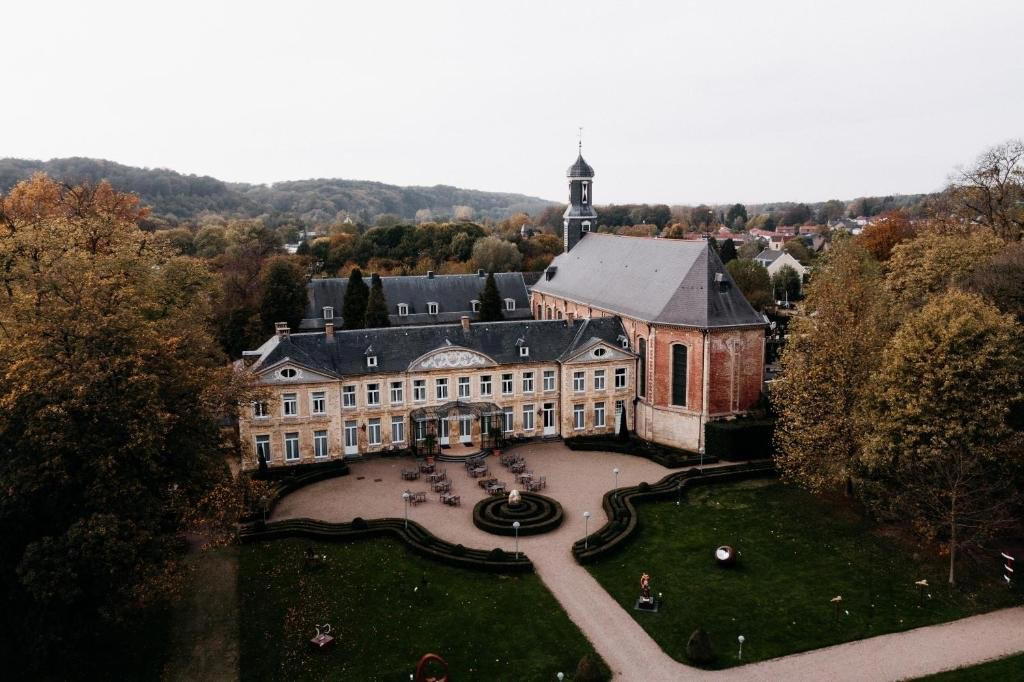
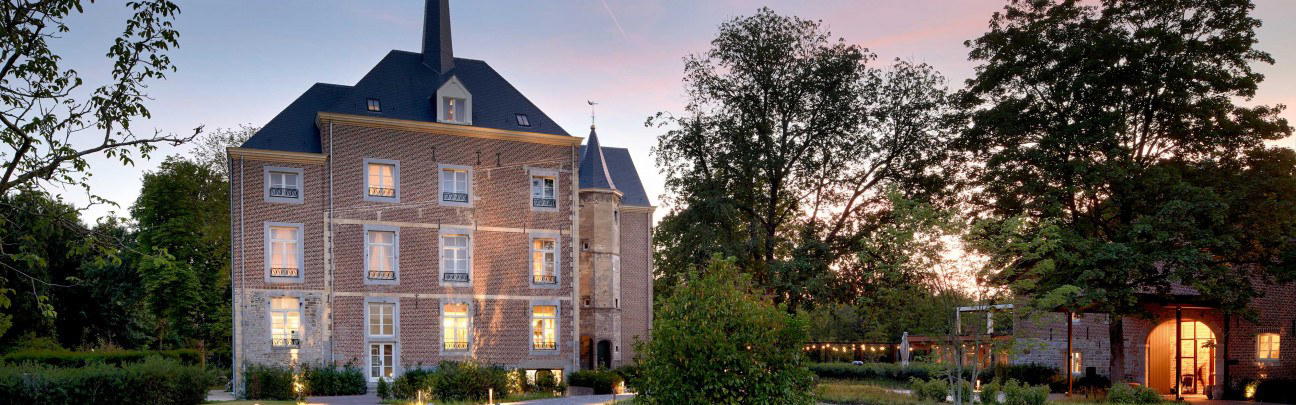
Wineries in Aachen
Browse all →

Details
- Industrial
- Cozy
- Trendy
- Group Dining
- Casual Hangout
- Celebration
- Open Kitchen
- Terrace
- Beer Program
- Local Sourcing
- Street Scene
- A La Carte
- Beer
- Vegetarian Friendly
Current opening hours
- Monday
- Closed
- Tuesday
- 5 PM–12 AM
- Wednesday
- 12 PM–12 AM
- Thursday
- 12 PM–12 AM
- Friday
- 12 PM–12 AM
- Saturday
- Closed
- Sunday
- Closed
Hours can change for holidays and private events. Hours as of .
Cool industrial atmosphere in a former bus depot with urban style, understated elegance, and cozy vibe suitable for conversation.