Cafe Vivant


Star Wine List Best Newcomer List · Wine Spectator Best of Award of Excellence
Our verdict
Cafe Vivant in Menlo Park redefines Contemporary French with a heritage-poultry focus and a 3,000-bottle wine cellar. Must-try dishes include Heritage Chicken for 2, Pharaoh Quail, and Celeriac Rollatini. Founded by sommeliers Daniel Jung and Jason Jacobeit with chef Jared Wentworth, the restaurant pairs slow-grown American breeds and seasonal Santa Cruz Mountains produce with precise French technique. Critics call it “a restaurant unlike any other in the Bay Area” (San Francisco Chronicle) and “a wine lover's dream” (Forbes). Expect slow-roasted jus, crisp skin, and mushroom-scented reductions in a warm, intimate dining room that rewards reservations via OpenTable.

Pearl is the En Primeur Club membership app, where members save venues, book tables and use the concierge.
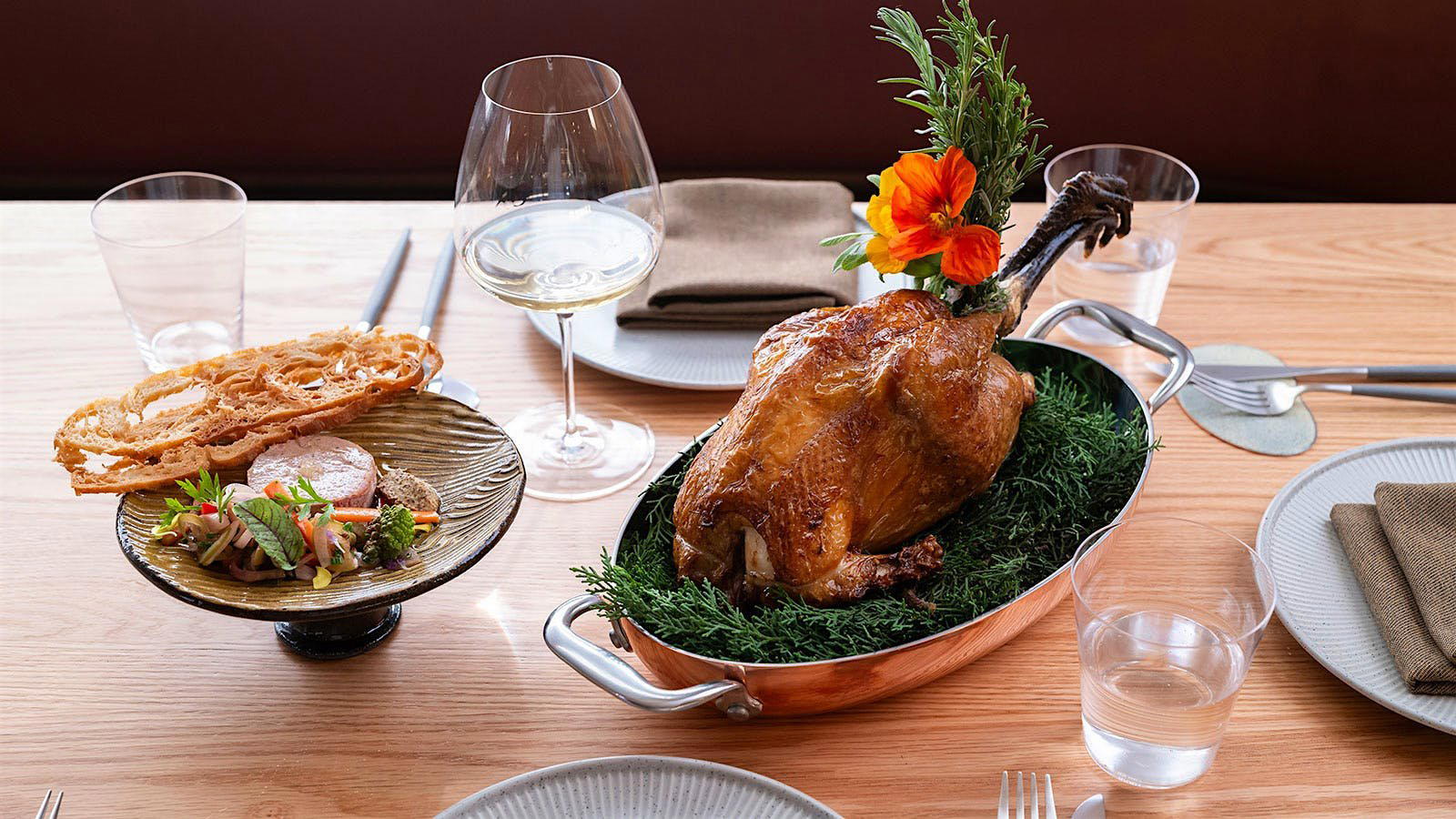
The menu
What to order
- Heritage Chicken for 2
- Pharaoh Quail
- Heritage Chicken Nuggets
Santa Cruz Avenue and the Question of Sourcing
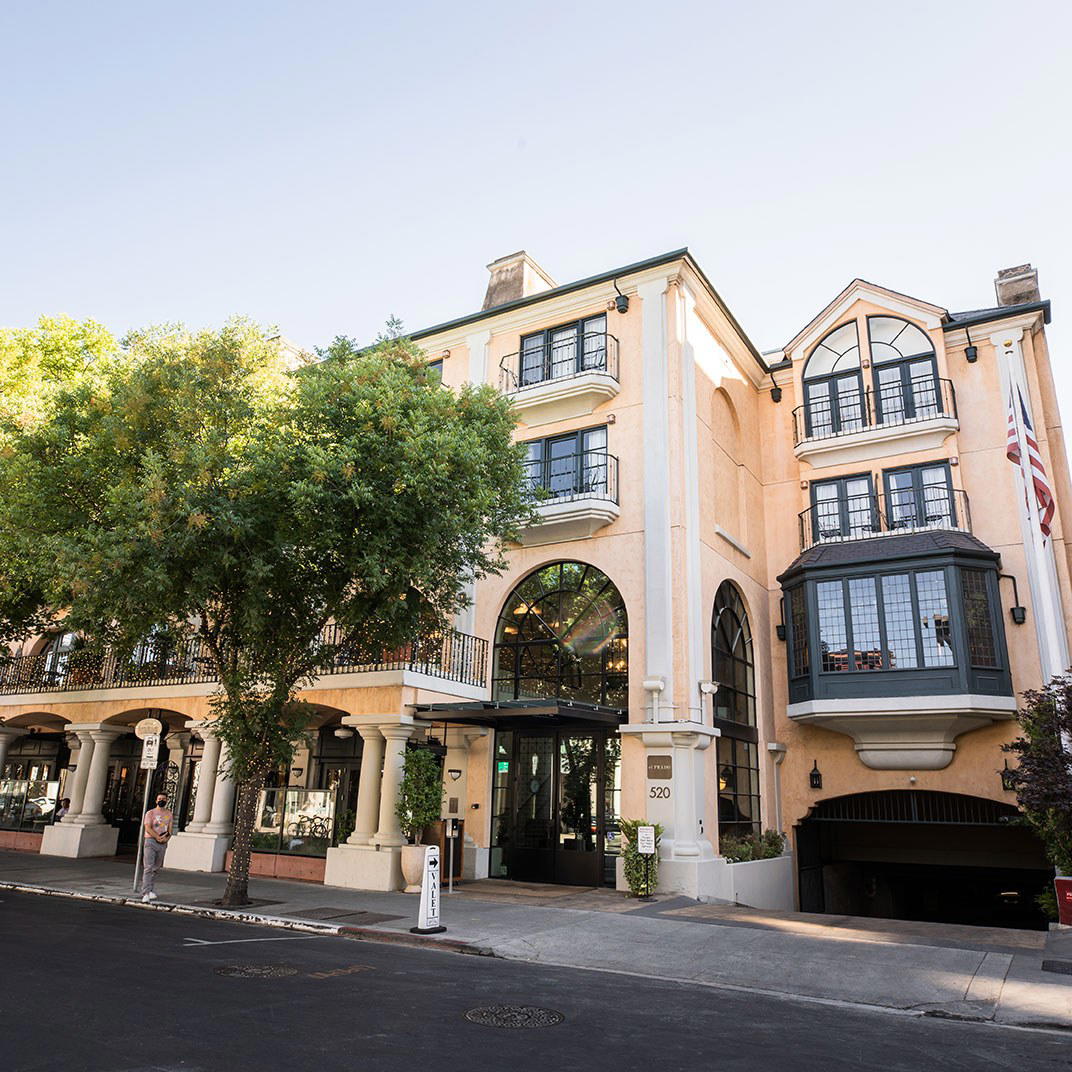
Menlo Park's main commercial strip has a particular quality on weekend mornings: unhurried, local, and genuinely residential in a way that distinguishes it from the more performative food scenes a few miles north in Palo Alto or south toward San Jose. Cafe Vivant sits on Santa Cruz Avenue in that grain, occupying a position that reflects how the mid-Peninsula has always understood its cafes and neighborhood restaurants: as extensions of daily life rather than destinations assembled for visiting critics. The address, 720 Santa Cruz Ave, places it squarely in the walkable core of downtown Menlo Park, reachable on foot from the Caltrain station and within the residential catchment that gives the street most of its character.
Where Ingredient Sourcing Defines the Conversation
Across Northern California's mid-range dining tier, the most meaningful divide is not between cuisines or price points but between sourcing philosophies. Restaurants that treat ingredient provenance as a marketing footnote and those that build their menus around it operate in fundamentally different ways: different supplier relationships, different seasonal constraints, different plate compositions, and different reasons to return in March versus September. The California model, developed over decades and refined by producers and chefs working in proximity from Sonoma to the Santa Cruz Mountains, treats locality as a discipline rather than a label.
Menlo Park sits inside that network. The farmers markets serving the mid-Peninsula, including the established Menlo Park market on Crane Street, connect local restaurants directly to Coastside and Santa Clara Valley producers. For a cafe operating on Santa Cruz Avenue, proximity to that supply chain is a practical reality, not an aspiration. The question that separates neighborhood cafes in this part of the Bay Area is whether they use that proximity actively, adjusting what appears on the counter or the menu as the season and the harvest dictate, or whether they hold a fixed menu and treat local sourcing as occasional. That question is the most useful lens through which to read any cafe operating in this neighborhood.
The Mid-Peninsula Cafe Tier
Menlo Park's dining options span a wider register than the residential character of the town might suggest. At the higher end of the price bracket, Madera operates as a Californian contemporary destination with a price tier and format that target the affluent business traveler and special-occasion resident. Further down the register, Camper holds a Californian identity at a more accessible price point, and Flea St. Cafe sits in the contemporary mid-range with a long-standing neighborhood reputation. Eylan and Yoeobo Darling extend the range of cuisines available within the immediate downtown area.
Cafe Vivant operates in a different register from most of these. The cafe format historically sits outside the tasting-menu or full-service restaurant comparisons that place venues like Single Thread Farm in Healdsburg or The French Laundry in Napa on a different axis entirely. The relevant comparison set for a Santa Cruz Avenue cafe is local: how does it handle the morning and midday service, what is the sourcing story behind the counter, and how does it perform against the baseline quality that Menlo Park residents, many of whom travel extensively and eat at restaurants like Lazy Bear in San Francisco or follow programs at venues like Atomix in New York City, bring to their expectations of a neighborhood cafe.
California's Cafe Standard and What It Demands
The Bay Area has produced a particular standard for what a good cafe should be, one that has influenced how coffee, pastry, and light food are prepared across the country. That standard, traceable through a generation of producers and roasters, insists on sourcing transparency, seasonal rotation in baked goods and prepared foods, and coffee programs with clear bean provenance. A cafe operating in Menlo Park in the current period is measured against that standard whether it intends to be or not, because the customer base arriving on Santa Cruz Avenue has largely been educated by it.
This is not the arena of, say, Le Bernardin in New York City or Alinea in Chicago, where tasting menu architecture and technique define the conversation. It is the arena where the quality of the morning croissant, the sourcing of the egg in the midday plate, and the consistency of the espresso shot across a full service period are the metrics that matter. Those metrics are demanding in their own right, and in a neighborhood where residents can compare daily against a dense field of options, they are applied without much sentiment.
Sourcing as Neighborhood Accountability
The mid-Peninsula food community, reinforced by a dense concentration of residents who pay attention to these questions, makes this kind of accountability more active than in many comparable American cities. Comparable patterns in cities with strong farm-to-table cultures, from the Pacific Northwest to parts of the Northeast, tend to concentrate this sourcing attention in full-service restaurants. In the Bay Area, and specifically in the Menlo Park-Palo Alto corridor, it extends into the cafe tier as well.
Planning a Visit
Cafe Vivant is located at 720 Santa Cruz Ave in downtown Menlo Park, a short walk from the Menlo Park Caltrain station and within the central block of the town's main commercial street. For visitors arriving by car, street parking and the downtown lot off Chestnut Street serve the area. The cafe format means the experience is shaped by time of day: morning service, when the baked goods are at their freshest and the coffee program is running at full pace, tends to be the most revealing visit. Specific hours, pricing, and booking details are best confirmed directly with the venue, as these can shift seasonally or with staffing. For a broader read on what to eat and drink across the town, the full Menlo Park restaurants guide covers the complete field. The Menlo Park bars guide, hotels guide, wineries guide, and experiences guide round out the picture for anyone spending more than a morning in the area. Those planning a longer loop through the region might also look at Emeril's in New Orleans and 8 1/2 Otto e Mezzo Bombana in Hong Kong for how very different contexts handle the intersection of provenance, craft, and neighborhood expectation.
Frequently asked questions
Where exactly is Cafe Vivant?
Cafe Vivant is located at 720 Santa Cruz Ave, Menlo Park, CA 94025, Menlo Park.
Is Cafe Vivant a good option for a casual weekday breakfast near Menlo Park Caltrain?
Located at 720 Santa Cruz Ave, Cafe Vivant is within a short walk of the Menlo Park Caltrain station and sits in the central block of downtown Menlo Park's commercial strip. As a sourcing-focused neighborhood cafe in the California tradition, it fits the weekday morning format well, coffee, pastry, and light food without a reservation requirement. Specific hours should be confirmed directly before visiting.
What's the signature dish at Cafe Vivant?
The cafe's editorial identity centers on sourcing-driven food and coffee in the California neighborhood cafe tradition, where the daily pastry and light food selection typically reflect what producers are delivering that week rather than a fixed signature item.
How hard is it to get a table at Cafe Vivant?
Cafe Vivant operates as a neighborhood cafe on Menlo Park's main commercial strip, which means walk-in availability is the norm rather than advance reservations. Weekend mornings on Santa Cruz Avenue draw a local residential crowd, so expect higher foot traffic between roughly 9am and noon on Saturdays and Sundays.
What makes Cafe Vivant worth seeking out?
Cafe Vivant sits at 720 Santa Cruz Ave in downtown Menlo Park, within walking distance of the Caltrain station, which makes it a practical stop for both commuters and weekend visitors to the mid-Peninsula. Its positioning in the upper tier of Menlo Park's cafe options reflects a sourcing philosophy that connects it directly to Northern California's broader standard for what a neighborhood cafe should deliver, quality ingredients, accountable supply chains, and food that doesn't require a reservation to access.
Comparable Spots, Quickly
Comparable venues nearby, for context on price, style, and recognition.
| Venue | Cuisine | Price | Awards | Notes |
|---|---|---|---|---|
| Cafe VivantThis venue (the venue you are viewing) | Modern French Bistro with Heritage Poultry | $50–100 | Star Wine List Best Newcomer List · Wine Spectator Best of Award of Excellence | Not listed |
| Left Bank | Classic French Brasserie | $30–50 | Wine Spectator Award of Excellence | Downtown Menlo Park |
| Trellis Restaurant | Modern Italian with California Flair | $30–50 | Not listed | downtown Menlo Park |
| Cafe Wisteria | Seasonal American-Italian with Local Sourcing | $30–50 | Not listed | Allied Arts Guild area |
| Cafe Borrone | American Bakery Cafe | $20–30 | Not listed | Menlo Park |
| Restaurant 3000 | New American | $20–30 | Not listed | Sand Hill Road |
Recognition history
Dated appearances from independent guides and award organizations, with the underlying list record or original source where available.
Star Wine List Best Newcomer List
Star Wine List
Wine Spectator Best of Award of Excellence
Wine Spectator
Full recognition history (3 entries)
Star Wine List
Star Wine List
Continue exploring
More in Menlo Park
Restaurants in Menlo Park
All restaurants in Menlo Park →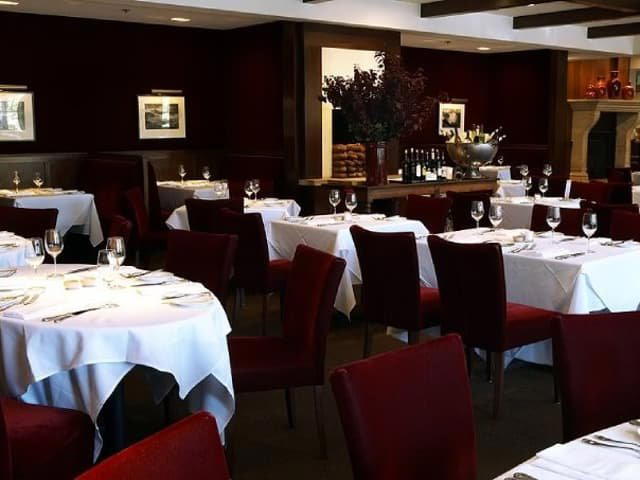
Bars in Menlo Park
Browse all →
Cafe Vivant
The wine
Cafe Vivant holds the Wine Spectator Best of Award of Excellence, which Wine Spectator gives to lists of usually 350 or more selections.
- Wine program
- Deep wine list
- Wine Spectator
- Wine Spectator Best of Award of Excellence
- Extensive wine list
Details
- Elegant
- Sophisticated
- Cozy
- Intimate
- Date Night
- Special Occasion
- Business Dinner
- Open Kitchen
- Private Dining
- Extensive Wine List
- Farm To Table
- Local Sourcing
Current opening hours
- Monday
- Closed
- Tuesday
- 4:30–8:30 PM
- Wednesday
- 4:30–8:30 PM
- Thursday
- 4:30–8:30 PM
- Friday
- 4:30–9 PM
- Saturday
- 4:30–9 PM
- Sunday
- Closed
Hours can change for holidays and private events. Hours as of .
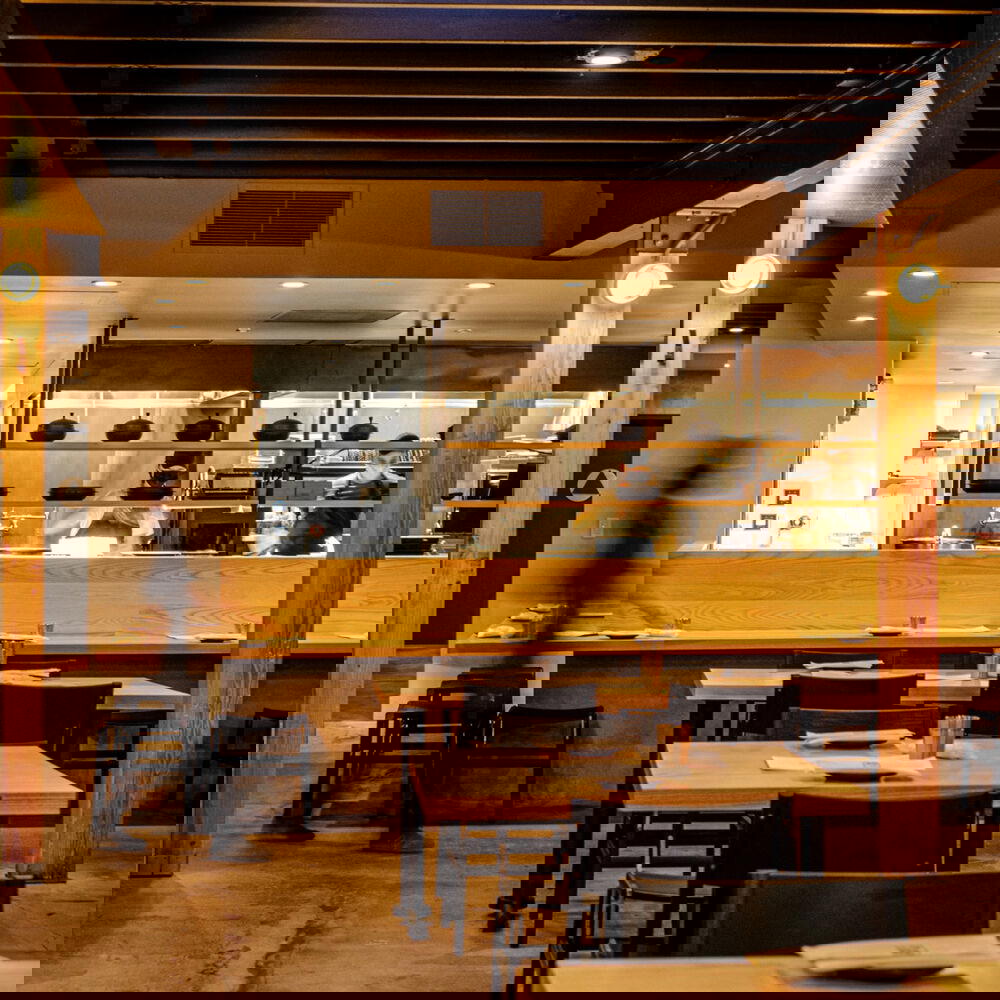
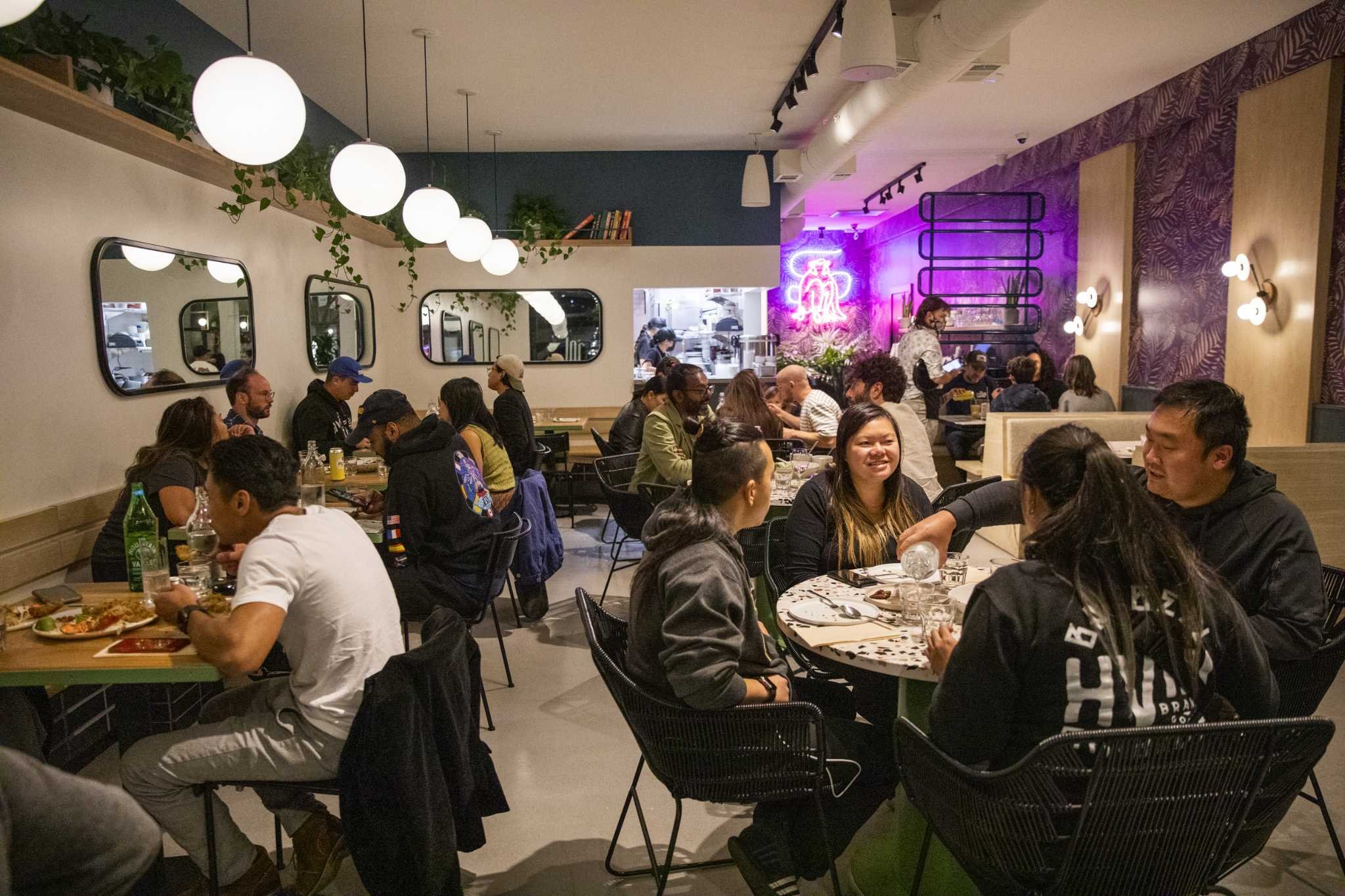
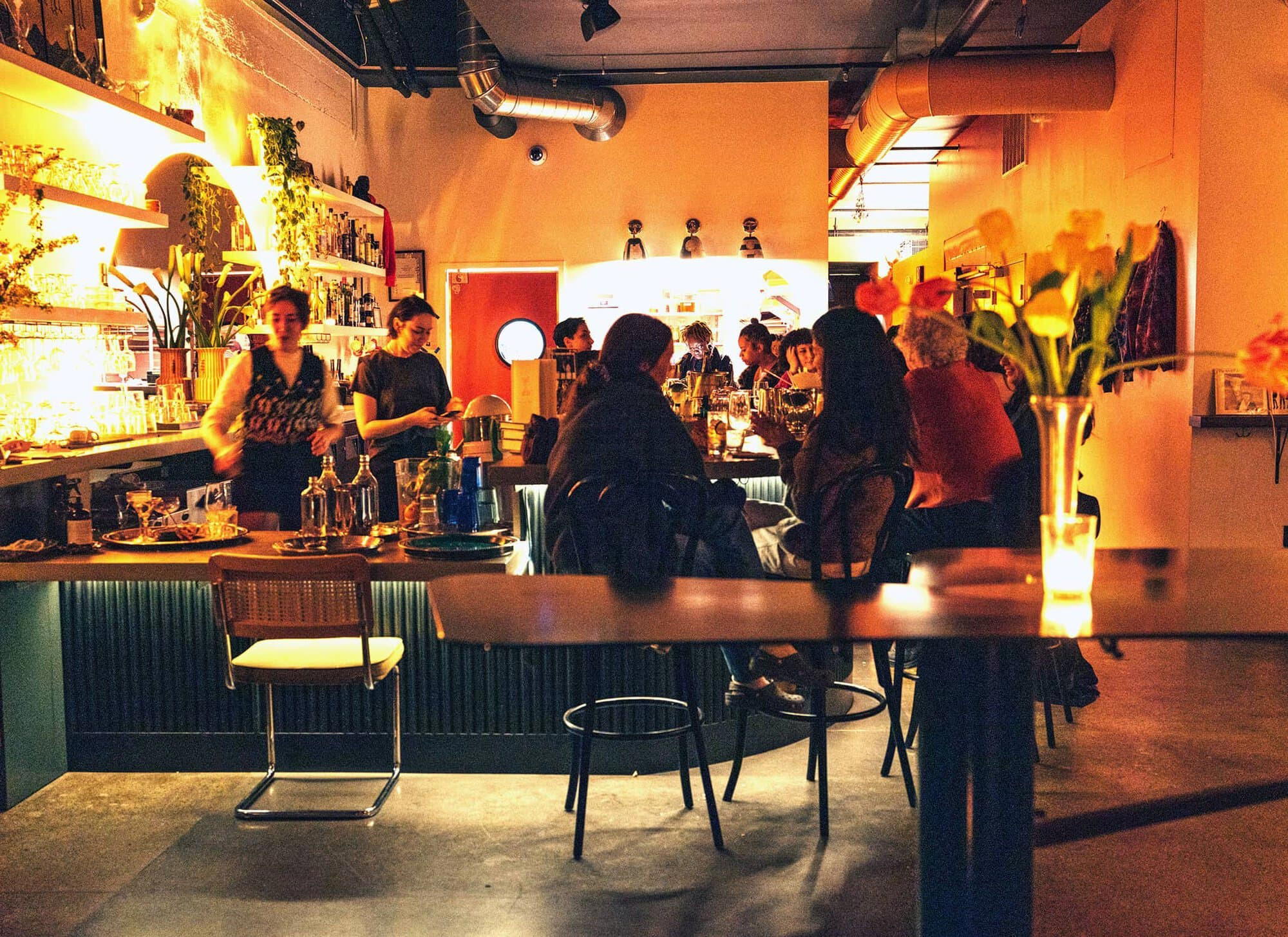
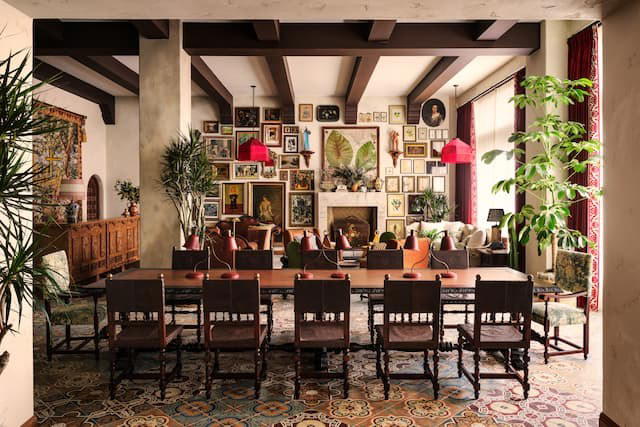
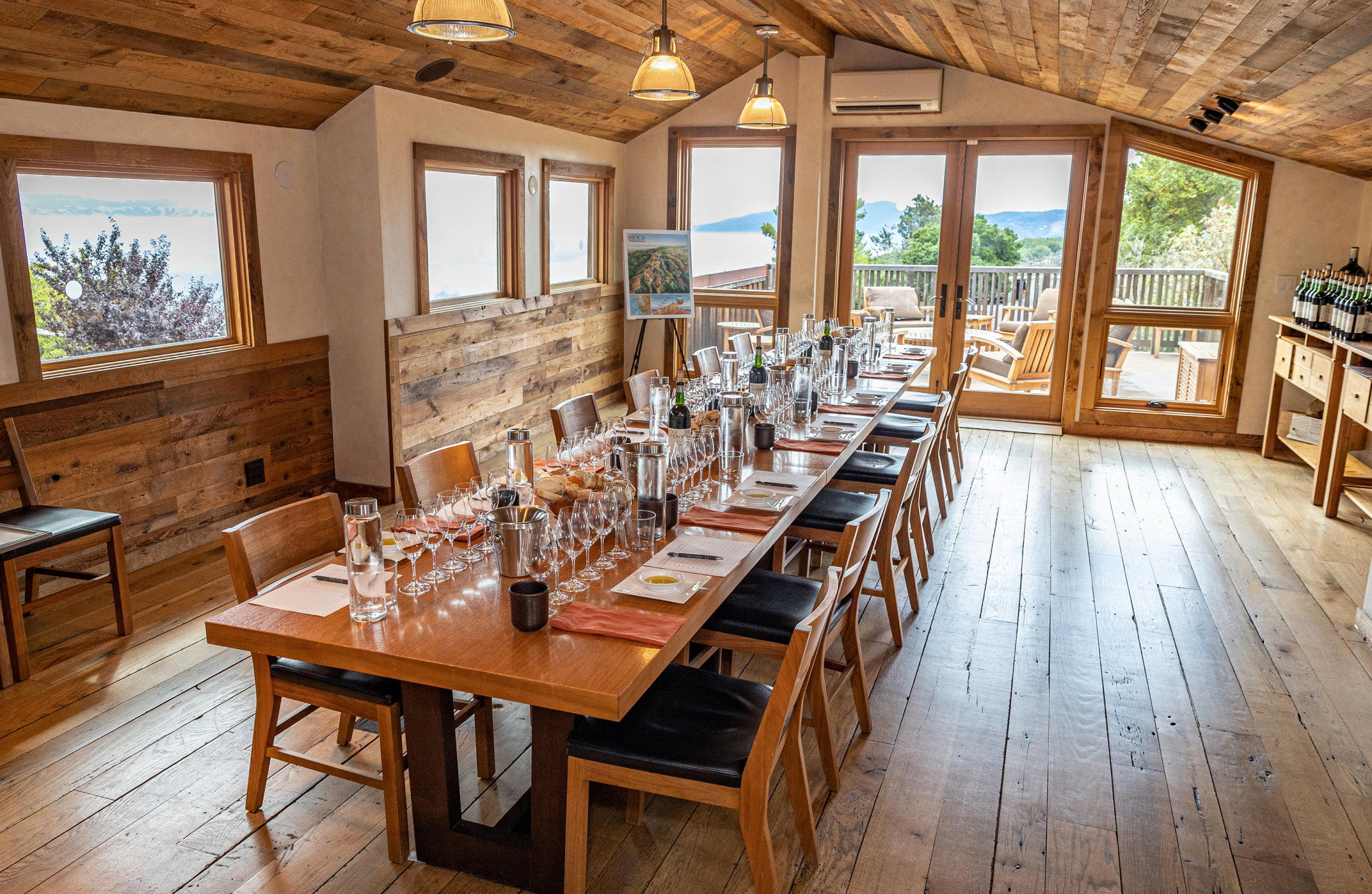
Elegant contemporary space with light wood, glowing like a candle-lit church at night, offering intimate spacing between tables and a reverent atmosphere.