Our verdict
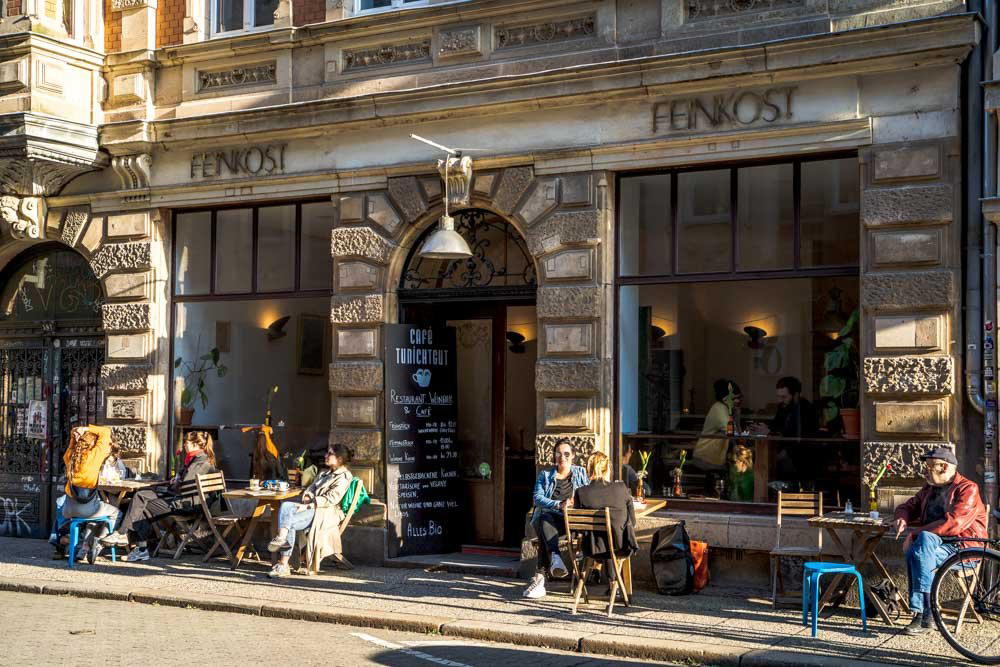
On Kolonnadenstraße in central Leipzig, Café Tunichtgut occupies a stretch of the city where café culture and neighbourhood identity intersect. The address places it within walking distance of Leipzig's historic core, situating it among a dining scene that ranges from Michelin-level creative kitchens to casual neighbourhood anchors. For visitors calibrating their time in the city, it warrants a closer look.
- Address
- Kolonnadenstraße 5, 04109 Leipzig, Germany
- Phone
- +49 341 26395268
- Directions
- Get directions
The menu
What to order
- Abendbrot
- Quiche
Kolonnadenstraße and the Café Layer of Leipzig's Dining Scene
Leipzig's restaurant scene has developed a recognisable hierarchy over the past decade. At its upper end sit destination kitchens like Stadtpfeiffer (Creative) and Kuultivo (Modern Cuisine), where tasting menus and formal service define the experience. Below that tier, and numerically dominant, is a stratum of cafés, neighbourhood restaurants, and mid-register places that do most of the actual work of feeding the city daily. Café Tunichtgut at Kolonnadenstraße 5 belongs to this second register, and understanding what that register does well is more instructive than measuring it against the Michelin tier above.
Kolonnadenstraße sits in the 04109 postal district, which places it close to Leipzig's historic city centre and the pedestrian corridors that connect the main train station to the Innenstadt. The address is practical in the leading sense: reachable on foot from the central station, accessible from the tram network, and embedded in a part of the city where residents and visitors share the same pavements. In a city where tourist infrastructure and local daily life still overlap more naturally than in overtouristed European capitals, that positioning matters.
What Menu Architecture Reveals About a Café
In European café culture broadly, the structure of a menu communicates the kitchen's identity more directly than any single dish. A café that anchors its offer around coffee and cake, with food as supplementary, reads differently from one that leads with a lunch menu and treats coffee as the closer. The distinction tells you about ambition, about what the kitchen considers its core competency, and about the time of day the venue is actually designed for.
For Café Tunichtgut, the name itself offers a frame. Tunichtgut translates loosely from German as a do-nothing, a loafer, someone who avoids useful work — a gentle provocation embedded in the venue's identity. Whether that irony extends to the menu or is purely nominal is something a visit would clarify, but the register of the name signals an informal, unhurried approach rather than a destination dining proposition. German café culture at its most functional is built around exactly this: a place where time passes slowly, where the coffee is reliable, where the food is honest rather than ambitious, and where the chair is comfortable enough to stay for a second round.
This contrasts with the more technically driven approaches seen at restaurants like 997 Sushi Restaurant or the Ethiopian-rooted offer at Addis Café, both of which stake their identity on cuisine-specific depth. A traditional Leipzig café operates on a different axis: generalism, comfort, and accessibility over specialisation.
Leipzig's Café Culture in Broader German Context
Germany's café tradition diverges from the Austrian Kaffeehaus model in ways worth noting. Where Vienna's coffeehouse culture is formalised and historically self-conscious, German café culture tends to be more pragmatic and neighbourhood-bound. Leipzig in particular sits at an interesting intersection: a city with a strong musical and intellectual heritage, significant post-reunification redevelopment, and a growing creative population that has shaped the social function of its hospitality venues. Cafés here do not merely serve beverages; they operate as de facto community infrastructure.
That broader shift has raised the baseline across the city. Where a Leipzig café in the 1990s might have operated with minimal menu ambition, today's equivalents face a more demanding clientele and a wider competitive set. Specialty coffee culture, which has reshaped café standards across German cities including Berlin, Munich, and Hamburg, has put pressure on traditional operators to address sourcing and preparation quality in ways that were not expected a generation ago. How individual venues respond to that pressure varies considerably.
At the upper end of Germany's dining register, venues like Schwarzwaldstube in Baiersbronn, Aqua in Wolfsburg, and JAN in Munich define what German fine dining can achieve. Vendôme in Bergisch Gladbach and Victor's Fine Dining by Christian Bau in Perl operate in similarly rarefied territory. The existence of that upper tier matters to the café layer not because one competes with the other, but because the overall seriousness of a city's food culture tends to raise standards across all price points. Leipzig, as a city with genuine fine dining ambition — evidenced by Stadtpfeiffer's sustained creative programme, benefits from that effect.
Placing Café Tunichtgut in the Leipzig Picture
Among Leipzig's mid-register options, the café category sits alongside venues like Alfa Restaurant, which approaches its offer from a different cuisine base. What separates cafés from restaurants in this tier is largely format and time-of-day relevance: cafés anchor the morning and midday, extend into the afternoon, and rarely compete for dinner covers in the way that full-service restaurants do. That format specificity is a strength, not a limitation. A well-run café serves a need that a tasting menu kitchen cannot.
For a visitor building an itinerary across Leipzig's dining registers, the practical logic runs in a clear direction: reserve the appetite and the evening for venues like Stadtpfeiffer or Kuultivo, and use the café tier for mornings, working lunches, and the kind of midday pause that longer European dining days accommodate naturally. Kolonnadenstraße 5 is positioned to serve exactly that function.
Those planning a longer stay in Saxony should also note the broader German dining geography. Creative destination restaurants are distributed unevenly across the country: ES:SENZ in Grassau, Schanz in Piesport, Waldhotel Sonnora in Dreis, and Restaurant Haerlin in Hamburg each represent distinct regional expressions of serious German cooking. Leipzig anchors the eastern part of that map, and its café scene provides the everyday texture that destination kitchens, almost by definition, cannot. For international context, the kind of sustained creative programming that defines venues like CODA Dessert Dining in Berlin or institutions like Le Bernardin in New York City and Lazy Bear in San Francisco represents an entirely different tier of ambition and investment. Leipzig's café scene operates in a different register, and does so on its own terms.
Planning a Visit
Café Tunichtgut is located at Kolonnadenstraße 5, 04109 Leipzig, within the central district and accessible from the main train station on foot or by tram. Current hours, booking arrangements, and menu details are best confirmed directly with the venue, as this information was not available at time of publication. For a broader view of where the venue sits within Leipzig's dining options across price points and cuisine types, the full Leipzig restaurants guide provides a mapped overview of the city's current offer.
Frequently asked questions
Where do I go for Café Tunichtgut?
Café Tunichtgut is located at Kolonnadenstraße 5, 04109 Leipzig, Germany, Leipzig.
Where exactly is Café Tunichtgut and how do you get there from Leipzig city centre?
Café Tunichtgut is at Kolonnadenstraße 5, 04109 Leipzig, within the central district of the city. The address is in the inner ring zone, making it reachable from Leipzig Hauptbahnhof on foot or by tram without leaving the core. This location puts it alongside other walkable city-centre options rather than neighbourhood venues requiring a separate journey.
What's the best way to book Café Tunichtgut?
Confirmed booking channels for Café Tunichtgut were not available at the time of writing. Café-format venues in Leipzig's 04109 central district often operate on a walk-in basis, particularly for daytime service. Visiting Kolonnadenstraße 5 directly or asking locally is likely the most reliable approach until contact details are confirmed.
What has Café Tunichtgut built its reputation on?
Its position on Kolonnadenstraße, within Leipzig's walkable city centre, places it among mid-register café options that serve the daily rhythm of the neighbourhood rather than destination dining. Local standing in this category is typically built on consistency of coffee and kitchen rather than formal accolades.
Is Café Tunichtgut good for vegetarians?
Across Leipzig's central café scene broadly, venues in the 04109 district at this format tend to include cakes, pastries, and lighter vegetable-led lunch plates as a matter of course. Confirming the current menu directly with the café before visiting is advisable.
Reputation First
| Venue | Cuisine | Price | Awards | Notes |
|---|---|---|---|---|
| Café TunichtgutThis venue — the venue you are viewing | Cozy German Café with Seasonal Specialties | Not listed | Not listed | Not listed |
| Kuultivo | Modern Creative Cuisine | $100–150 | 1 Michelin Star | Modern Cuisine |
| Stadtpfeiffer | Modern European Fine Dining | $150–200 | 1 Michelin Star · La Liste Top Restaurants | Creative |
| Falco | Modern European Fine Dining | $100–150 | Falstaff Bar - 92 Falstaff Points | Modern European |
| C'est la vie | Modern French Fine Dining | $100–150 | Michelin Plate | French |
| Michaelis | Seasonal German Fine Dining | $50–100 | Michelin Plate | International |
Continue exploring
More in Leipzig
Restaurants in Leipzig
Browse all →

Bars in Leipzig
Browse all →
Hotels in Leipzig
Browse all →
Wineries in Leipzig
Browse all →
Details
- Cozy
- Bohemian
- Casual Hangout
- Brunch
- Open Kitchen
- Local Sourcing
- Organic
- A La Carte
- Small Plates
- Vegan Options
- Vegetarian Friendly
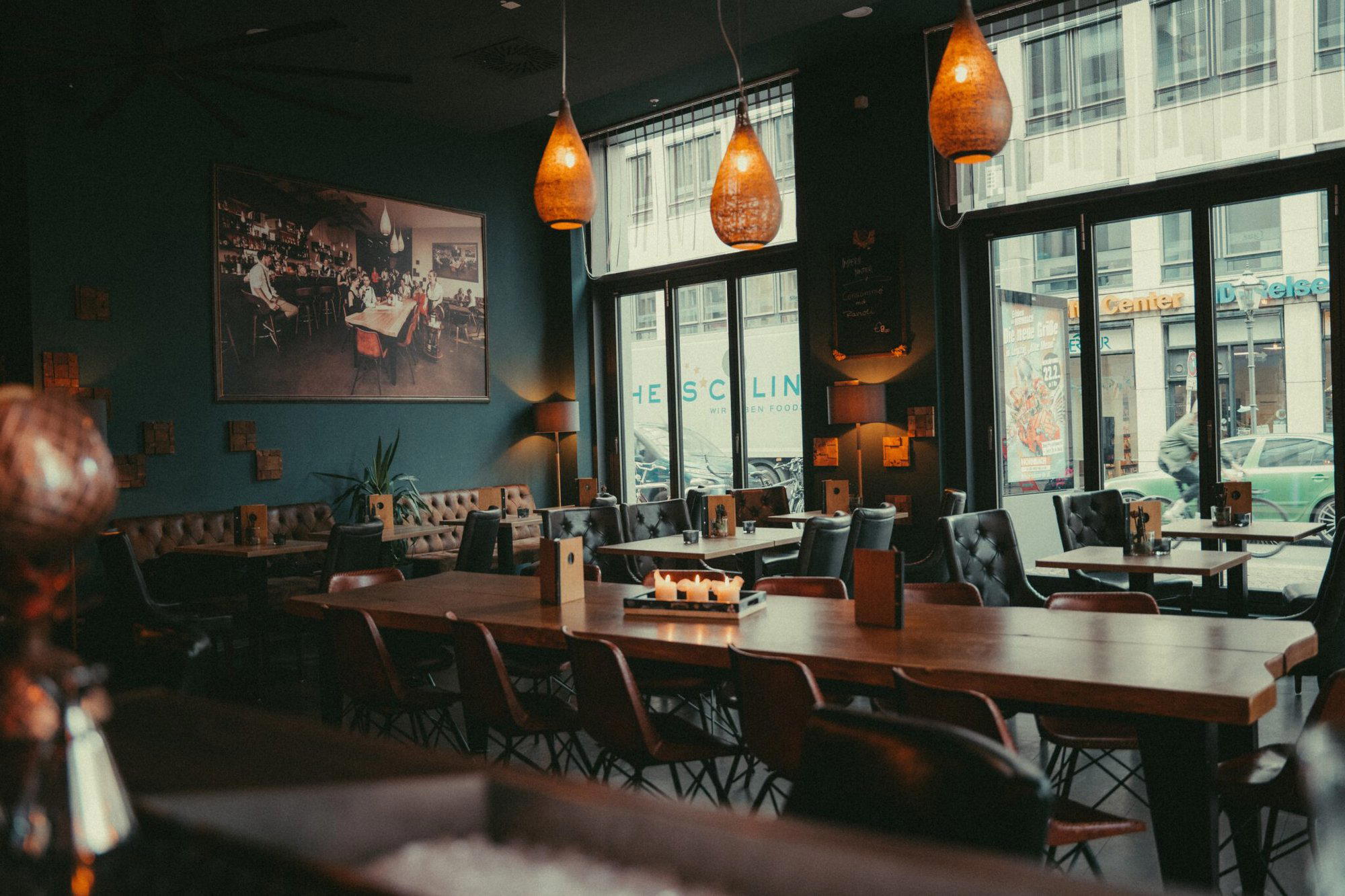
Cozy and welcoming with a minimalist, Berlin-style interior, friendly service, and a laid-back vibe popular among local creatives.