Cafe Seville
A Spanish-accented address on Oakland Park Boulevard, Cafe Seville operates in a Fort Lauderdale dining corridor where European technique meets Florida's subtropical pantry. The restaurant draws a loyal neighbourhood following in a city more often associated with waterfront seafood than Iberian tradition. It represents a distinct strand of South Florida's quiet but persistent continental dining culture.
 Discover on Pearl
Pearl is the En Primeur Club membership app — saves, bookings, and concierge access live there. Same editors, same standards.
- Address
- 2768 E Oakland Park Blvd, Fort Lauderdale, FL 33306
- Phone
- +19545651148
- Website
- cafeseville.com
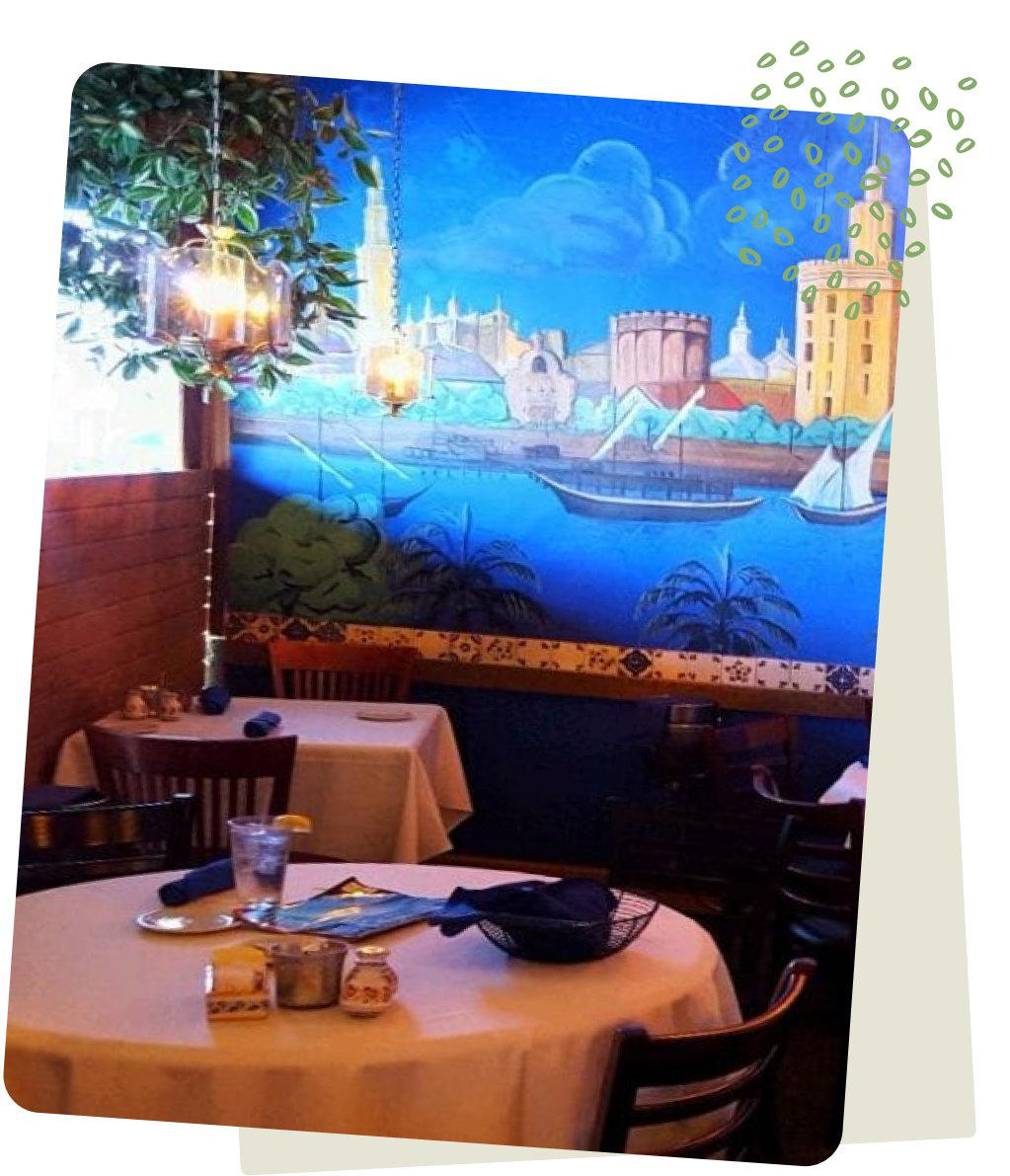
Oakland Park Boulevard and the Continental Thread Running Through Fort Lauderdale
Fort Lauderdale's dining identity is most legible at the water's edge: dockside fish houses, waterfront raw bars, the kind of places where the catch arrives by boat rather than truck. Venues like 15th Street Fisheries and Anthony's Clam House define that dominant register. But the city has always carried a secondary current, quieter and less photographed, where European-inflected cooking holds ground in neighbourhood rooms away from the marina crowds. Cafe Seville is a restaurant serving authentic Spanish tapas and paella at 2768 E Oakland Park Blvd in Fort Lauderdale, Florida, with a price point around $35 per person. Cafe Seville, at 2768 E Oakland Park Blvd, belongs to that current.
The stretch of Oakland Park Boulevard east of Federal Highway is a working commercial strip rather than a curated dining district. That context matters. Restaurants that survive and build regulars in this part of Fort Lauderdale do so on food and consistency, not on destination foot traffic or waterfront premiums. A Spanish-accented address here operates on earned loyalty rather than location advantage.
Florida Ingredients, European Frame
The most productive way to read a restaurant like Cafe Seville is through the lens of what happens when Old World culinary grammar meets a subtropical ingredient environment. South Florida's growing seasons, fishing grounds, and import access create a different raw-material base than the Iberian Peninsula, but Spanish and broader European technique has long shown an aptitude for adaptation. The same structural logic that organises a classic Spanish kitchen, an emphasis on olive oil, on slow extraction of flavour, on the interplay between acid and richness, transfers naturally to Gulf and Atlantic seafood, to Florida citrus, to the region's year-round produce availability.
This intersection of imported methods and local products is not unique to Fort Lauderdale. It is the defining dynamic of much of South Florida's non-chain independent dining. What distinguishes the better examples is discipline: the willingness to let technique serve the ingredient rather than overwhelm it. At the tier of neighbourhood European restaurants in this corridor, the kitchen's fidelity to that discipline is what separates sustained reputations from one-season curiosities. Peer restaurants in the Fort Lauderdale independent set, including Askaneli Restaurant and Steakhouse and Baires Grill on Las Olas, operate in adjacent continental and South American registers, each working a similar negotiation between European reference points and Florida's market realities.
Where Spanish Dining Sits in the American Context
Spanish cuisine in the United States occupies an interesting position relative to its actual culinary depth. French and Italian traditions claimed institutional prestige through the twentieth century; Spanish cooking arrived in American fine dining later and less comprehensively, despite Spain producing some of the most technically rigorous kitchens in the world. The result is that Spanish restaurants in American cities tend to compete within a broader Mediterranean or European category rather than holding the distinct tier they might elsewhere.
At the highest end of the American market, the reference points for technique-forward cooking are places like Le Bernardin in New York City, The French Laundry in Napa, or Providence in Los Angeles, all of which operate at a price and format tier well above neighbourhood European dining. Further along the spectrum, places like Blue Hill at Stone Barns in Tarrytown, Smyth in Chicago, and Single Thread Farm in Healdsburg represent an ingredients-first approach that shares some philosophical ground with the local-product emphasis that makes South Florida's European kitchens interesting. Cafe Seville operates at a more accessible register than any of these, but the underlying conversation about technique and local product is the same one, scaled to a neighbourhood room on Oakland Park Boulevard.
For readers who want further context on where American fine dining is moving, Lazy Bear in San Francisco, Atomix in New York City, and Addison in San Diego each demonstrate how regional identity and classical training are being recombined at the upper end. The equivalent conversation in European terms runs through places like Atelier Moessmer Norbert Niederkofler in Brunico, where the commitment to place-specific ingredients is taken to its logical extreme. Cafe Seville sits far from that rarefied tier, but understanding the broader movement helps clarify what matters in a neighbourhood Spanish kitchen: the sourcing decisions, the technical baseline, and the willingness to let Florida's seasonal availability shape the menu rather than fight it.
The Fort Lauderdale Independent Dining Context
Fort Lauderdale's independent restaurant scene has consolidated around a handful of reliable corridors. Las Olas Boulevard is the most visible, drawing visitors and residents alike to a mix of formats. Oakland Park Boulevard has a different character: more local, less performative, with a dining culture built on repeat visits rather than occasion dining. A Spanish restaurant in this corridor competes on the quality of its paella, its seafood preparations, and the consistency of its back-of-house execution, not on ambiance investments or marketing spend.
That context sits alongside casual Italian and pizza formats like Anthony's Coal Fired Pizza, which has built a durable Fort Lauderdale following on a different model entirely: high volume, consistent product, low friction. The contrast is instructive. Neighbourhood European dining of the Spanish variety asks more of its kitchen and, correspondingly, more of its guest. The expectation is a slower, more structured meal, with technique visible in the execution rather than buried under casual format.
South Florida's position as an entry point for Latin American and Caribbean ingredients adds a productive dimension to any Spanish kitchen operating here. The citrus profiles, the seafood variety, the tropical produce available through Florida's agricultural belt, all of these give a competent Spanish kitchen more to work with than it would have in, say, a landlocked Midwestern city. The question is always whether the kitchen is actually using those advantages or defaulting to imported pantry standards regardless of location.
Planning a Visit
Cafe Seville is located at 2768 E Oakland Park Blvd in Fort Lauderdale, Florida 33306, in a commercial stretch that is accessible by car with street and lot parking typical of the corridor. Given the neighbourhood character of the address, walk-in availability is plausible outside peak weekend hours, though Fort Lauderdale's dining seasons shift meaningfully with snowbird arrivals from November through April, when demand across the independent restaurant tier increases noticeably. Visiting during that window without a reservation carries more risk than the summer months, when the city's tourist population thins and neighbourhood restaurants often have more flexibility.
Comparable Spots
Comparable venues nearby, for context on price, style, and recognition.
| Venue | Cuisine | Price | Notes |
|---|---|---|---|
| Cafe SevilleThis venue — the venue you are viewing | Authentic Spanish Tapas & Paella | $$ | |
| Shooters Waterfront | American Seafood with Waterfront Views | $$ | Intracoastal |
| Pura Vida Miami | Healthy Wellness Bowls & Acai | $$ | Victoria Park |
| Lona Cocina Tequileria | Modern Mexican Beachfront | $$ | Central Beach |
| El Tiesto Cafe Fort Lauderdale | Dominican-Japanese Fusion | $$ | Downtown Fort Lauderdale |
| Casa Sensei | Pan-Asian Latin Fusion | $$ | Las Olas Boulevard |
Continue exploring
More in Fort Lauderdale
Restaurants in Fort Lauderdale
Browse all →
Bars in Fort Lauderdale
Browse all →

At a Glance
- Elegant
- Classic
- Intimate
- Date Night
- Special Occasion
- Standalone
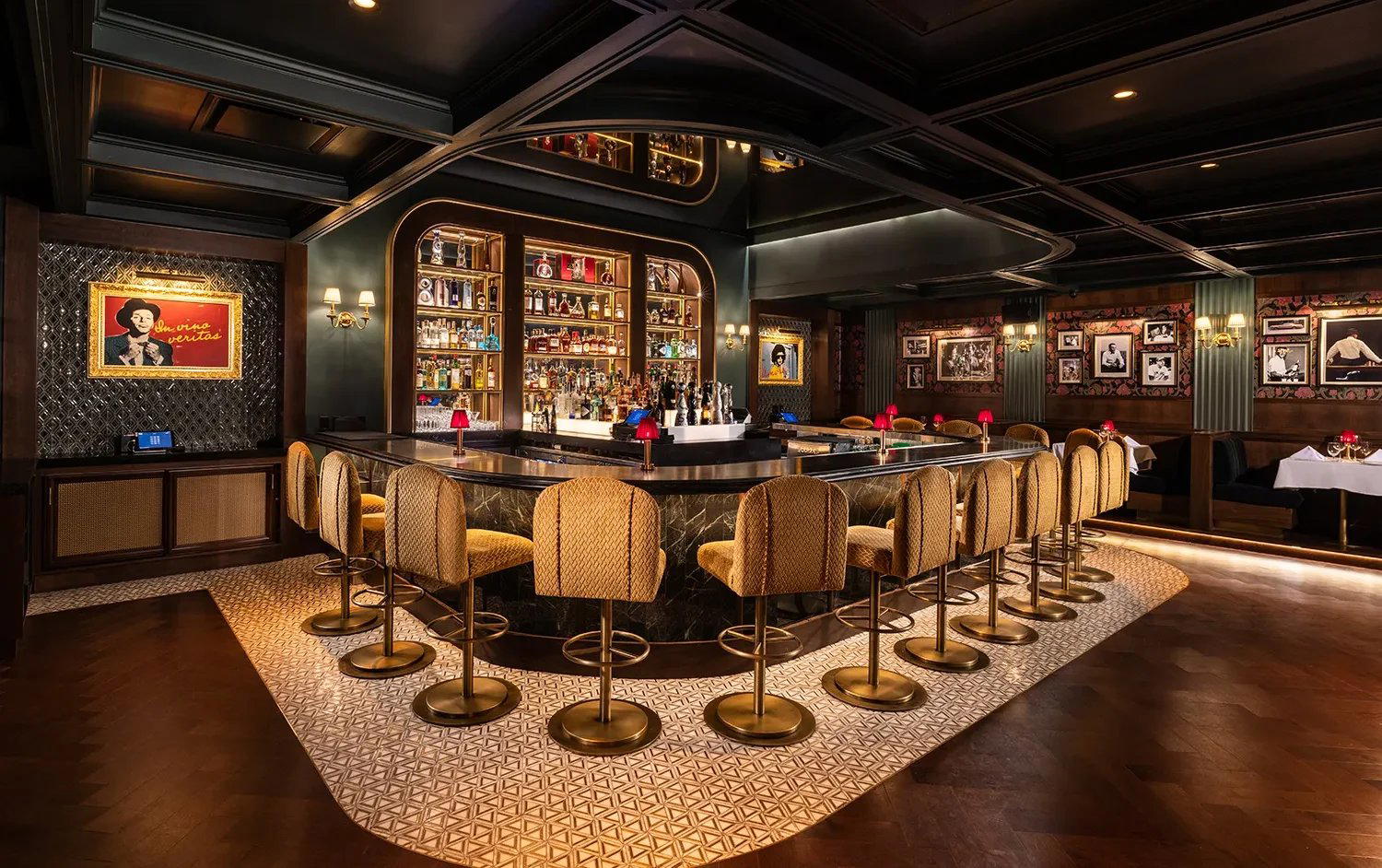
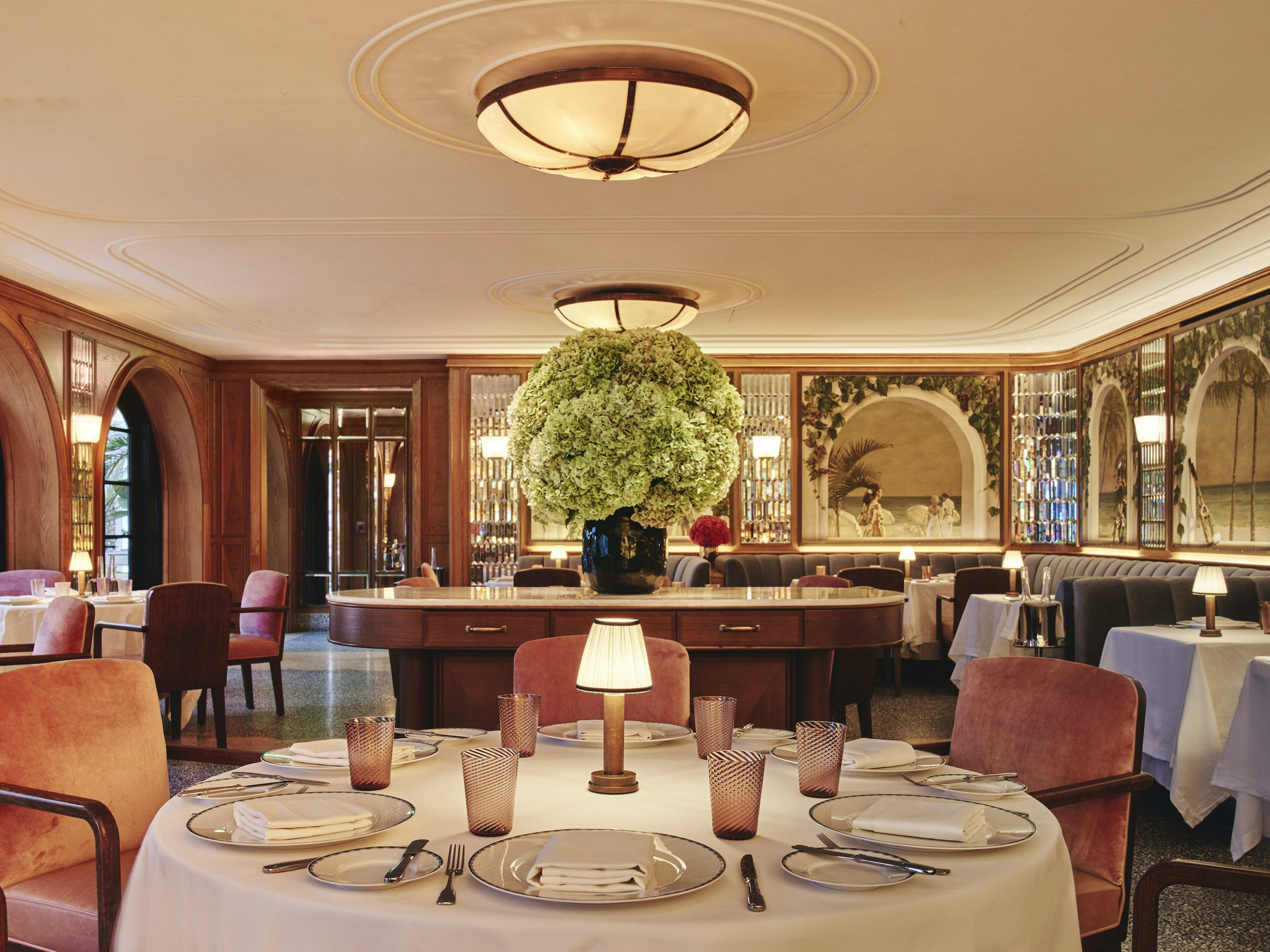
Warm and elegant Spanish ambiance with a classic, intimate dining room.