Cafe Marmalade
Our verdict
On Bernard Street in Leith, Cafe Marmalade occupies a corner of Edinburgh's waterfront neighbourhood that draws a loyal local following rather than tourist footfall. The cafe format places it in a different tier from Leith's Michelin-recognised dining rooms, but regulars return for the kind of consistency and familiarity that formal restaurants rarely offer. A neighbourhood fixture with a distinctly local rhythm.

Pearl is the En Primeur Club membership app, where members save venues, book tables and use the concierge.

The menu
What to order
- Black pudding roll
- Club sandwich
- Traditional Scottish breakfast
Bernard Street and the Leith Cafe Tradition
Leith's dining identity has fractured across two distinct registers over the past two decades. On one side sit the destination restaurants that put the neighbourhood on the national map: Martin Wishart and The Kitchin both operate at the ££££ tier, drawing visitors from across the UK and beyond for tasting menus and Michelin-level precision. On the other side, closer to the street-level pulse of the neighbourhood, sit the cafes and neighbourhood rooms that locals actually use on a Tuesday morning or a slow Saturday afternoon. Cafe Marmalade, on Bernard Street, belongs to the second category, and that distinction matters more than it might first appear.
Bernard Street is one of Leith's more legible addresses, running parallel to the Water of Leith and sitting within easy walking distance of the Shore, the stretch of waterfront that has anchored the neighbourhood's regeneration since the 1990s. The street itself carries a domestic quality that the Shore's bar and restaurant strip does not: flats above shops, a working-neighbourhood pace, the kind of foot traffic that includes people who actually live nearby rather than people who have specifically come to eat. For a cafe, that setting is everything. It provides a ready-made regular clientele and a social function that goes beyond food service.
What the Regulars Actually Come For
The cafe format in British cities has evolved considerably since the early 2000s. The Australian-influenced flat-white wave reshaped expectations around coffee quality, and the brunch culture it carried with it raised the floor on what neighbourhood cafes were expected to offer. Edinburgh absorbed those shifts more gradually than London or Manchester, but by the mid-2010s, neighbourhoods like Leith, Stockbridge, and Bruntsfield had developed a recognisable independent cafe culture with its own standards and loyal followings.
Within that context, the cafes that accumulate genuinely loyal regulars tend to share a few characteristics: consistency across visits, a format that accommodates both quick stops and longer stays, and a staff familiarity that makes the space feel inhabited rather than transactional. These are not qualities that show up in award citations or review columns, they are the qualities that determine whether someone returns every week for three years. That pattern of return is what distinguishes a neighbourhood fixture from a venue that happens to be in a neighbourhood.
Cafe Marmalade operates in the part of Edinburgh's cafe scene where that loyalty is built over time rather than generated by launch-week coverage. The comparison set here is not AVERY or Condita, both operating at the creative fine-dining tier, but the broader category of neighbourhood cafes where the measure of success is occupancy on a grey Wednesday, not a waiting list managed through a booking platform.
Leith's Position in Edinburgh's Wider Dining Structure
Understanding where Cafe Marmalade sits requires understanding what Leith has become as a dining neighbourhood. The area now supports a wider range of price points and formats than almost anywhere else in Edinburgh, which means that different venues within a five-minute walk of each other are operating in entirely separate competitive sets. The presence of Michelin-starred restaurants on The Shore has not pushed out the neighbourhood cafe tier, if anything, it has reinforced the logic of both ends of the market by clarifying the distinction between destination dining and daily life eating.
This bifurcation is visible in other UK port-adjacent neighbourhoods that have undergone similar regeneration arcs. Comparable dynamics appear in parts of Bristol's harbourside, in Manchester's Ancoats, and in segments of East London where fine-dining investment and independent cafe culture coexist without directly competing. The cafe regulars and the tasting-menu regulars rarely overlap, and neither group is poorly served. For readers who want the destination-dining end of Edinburgh's spectrum, the full Edinburgh restaurants guide covers the range, including Timberyard's Nordic-inflected approach to modern British cooking. For those travelling from further afield and calibrating Edinburgh against the UK's broader fine-dining geography, which includes L'Enclume in Cartmel, Moor Hall in Aughton, and Waterside Inn in Bray, the neighbourhood cafe sits in an entirely separate register.
Getting to Bernard Street
Cafe Marmalade is located at 23 Bernard Street, Leith, Edinburgh EH6 6PW. Leith is accessible from Edinburgh city centre by bus along Leith Walk, the number 16 and several other services run the corridor regularly, or on foot in around 25 to 30 minutes from Princes Street. Bernard Street itself is a short walk from the Shore, making it direct to combine a visit with a walk along the waterfront.
How Cafe Marmalade Fits the Broader Picture
For visitors to Edinburgh constructing a multi-day eating itinerary, the neighbourhood cafe tier serves a different purpose than the destination-dining tier. The former covers mornings, casual lunches, and the kind of unplanned stop that defines how a city actually feels to move through. The latter requires planning, commitment, and a different kind of appetite, for structure, for a set number of courses, for a specific kind of attention. Both matter, and the most considered Edinburgh itineraries accommodate both.
Internationally, the cafe format as a neighbourhood institution has proven more durable than many predicted when casual-dining chains expanded aggressively in the 2000s. Cafes that build genuine local loyalty, in cities from Edinburgh to Melbourne to San Francisco's more neighbourhood-oriented pockets, tend to survive market shifts that claim more ambitious operations. The regulars are the business model, not a byproduct of it. That logic applies on Bernard Street as much as anywhere.
Frequently asked questions
What dish is Cafe Marmalade famous for?
Do they take walk-ins at Cafe Marmalade?
What is Cafe Marmalade known for?
Is Cafe Marmalade a good option for visitors who want to eat like a Leith local rather than a tourist?
At-a-Glance Comparison
| Venue | Cuisine | Price | Awards | Notes |
|---|---|---|---|---|
| Cafe MarmaladeThis venue (the venue you are viewing) | Scottish Cafe | $10–20 | Not listed | Not listed |
| Martin Wishart | Modern French with Scottish Ingredients | $200–300 | 1 Michelin Star · La Liste Top Restaurants | Modern European, Modern Cuisine |
| The Kitchin | Modern Scottish Fine Dining | $150–200 | 1 Michelin Star · La Liste Top Restaurants | Modern British, Modern Cuisine |
| Timberyard | Modern British Fine Dining | $100–150 | 1 Michelin Star · Star Wine List | Modern British - Nordic, Modern British |
| AVERY | Modern Californian-Scottish Fusion | $150–200 | 1 Michelin Star | Creative |
| Condita | Modern Scottish Seasonal Tasting Menu | $150–200 | 1 Michelin Star · The Good Food Guide GFG Very Good | Modern Cuisine |
Continue exploring
More in Edinburgh
Restaurants in Edinburgh
All restaurants in Edinburgh →
Details
- Cozy
- Casual Hangout
- Brunch
- Street Scene
- A La Carte
- Vegetarian Friendly
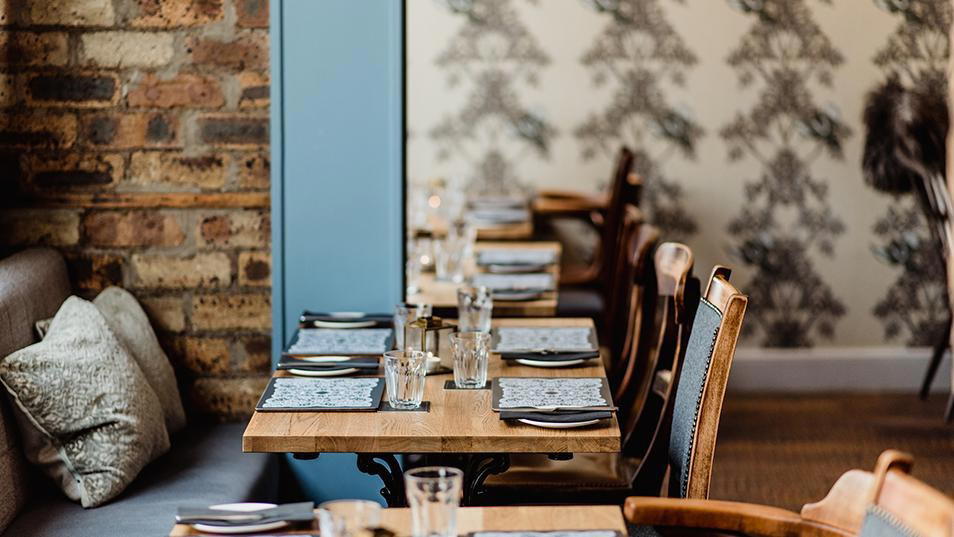
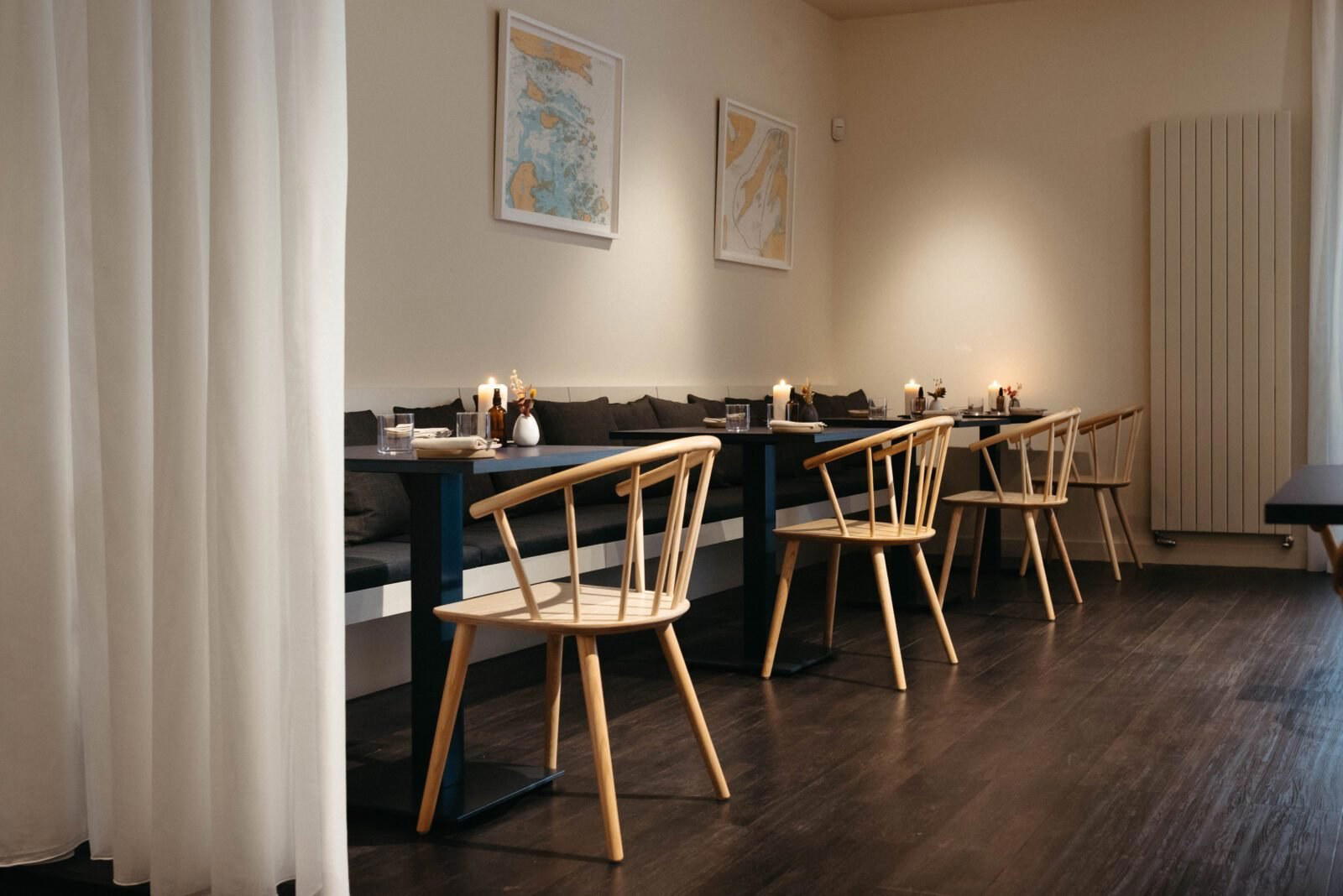
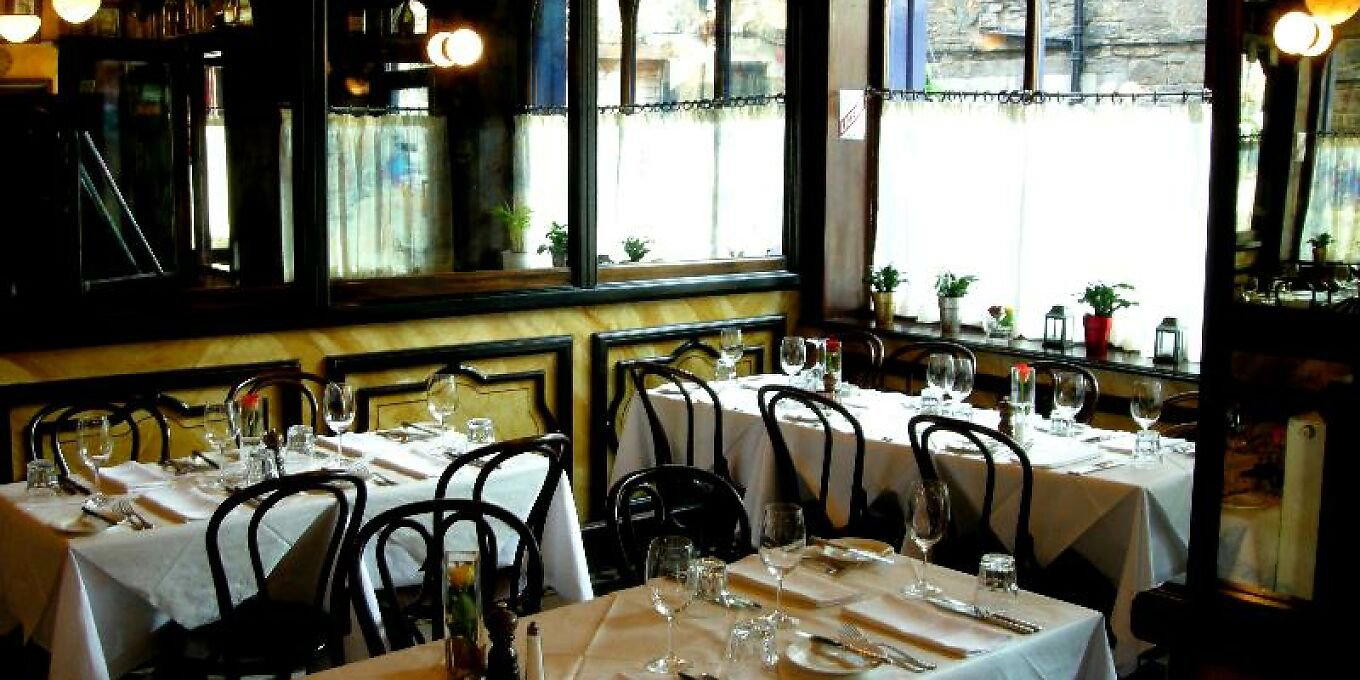
Bright and airy with large windows overlooking the street, providing a cozy and welcoming atmosphere.