Café Inkaterra
Our verdict
Café Inkaterra belongs to the quieter end of Machu Picchu dining: a stop shaped by Andean setting, rail-town logistics, and the ingredient story that follows travellers through the Sacred Valley.

Pearl is the En Primeur Club membership app — saves, bookings, and concierge access live there. Same editors, same standards.
- Address
- Aguas Calientes 08681, Peru
- Phone
- +51 84 211122
- Hours
- Mon 11:30 AM–4 PM, 6–10 PMTue 11:30 AM–4:30 PM, 6–10 PMWed–Sun 11:30 AM–4 PM, 6–10 PM
- Website
- inkaterra.com
- Directions
- Get directions
The menu
What to order
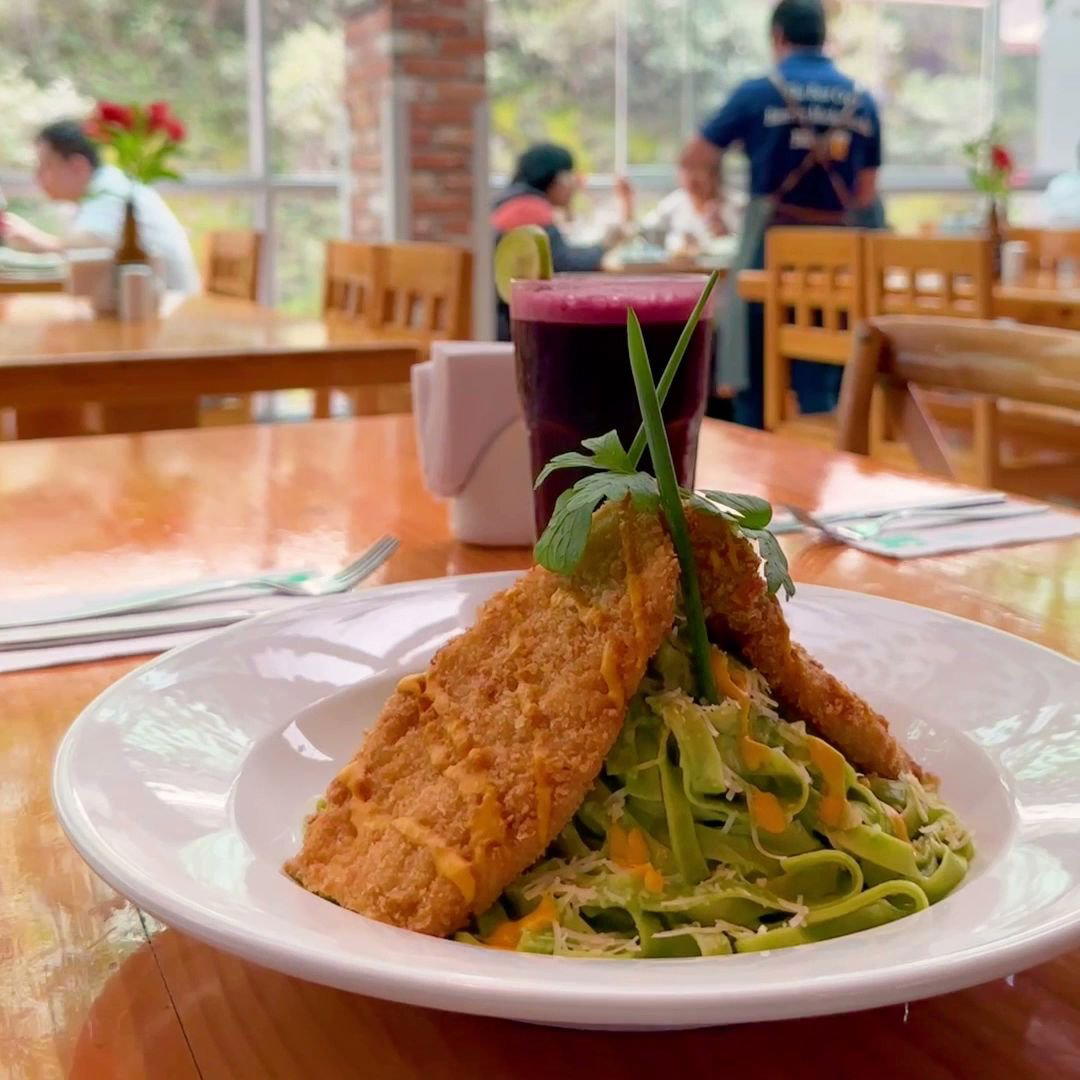
- Lomo saltado
- Grilled fish
- Quinoa-crusted chicken
- Rigatoni pasta
Approaching dining in Machu Picchu means entering a place built around movement: trains arriving, visitors returning from the citadel, guides compressing schedules into narrow meal windows, and kitchens working within a mountain destination. Café Inkaterra sits inside that rhythm. The more useful question is not whether a restaurant here can imitate a major-city dining room, but how a Machu Picchu café fits traveller fatigue, limited time, and the practical appetite that follows a day of stone terraces, cloud forest, and altitude.
Machu Picchu’s food scene is often judged unfairly against Peru’s larger dining centres. Bigger cities have density, capital, and a broader restaurant circuit; Machu Picchu has terrain, logistics, and a concentrated visitor rhythm. That difference matters. In this setting, a good meal is rarely about culinary fireworks. It is about whether a dining room can offer a clear, grounded pause without turning every plate into tourist shorthand. Local context carries the story of the area better than imported luxury cues do.
Andean sourcing matters more here than restaurant theatre
The stronger dining argument in Machu Picchu is proximity to place. The surrounding region gives restaurants a setting that does not need heavy explanation when handled plainly. In a destination where many visitors arrive for one or two nights, restaurants can easily flatten the experience into predictable travel-dining signals. The better reading of Café Inkaterra is as part of the alternative: a meal that should be assessed by how naturally it fits Machu Picchu rather than how loudly it signals ambition.
That places it closer to the regional-dining conversation around the Andes than to the polished urban circuits often associated with Peru’s larger restaurant capitals. Those restaurants speak to metropolitan Peru, migration, and broader city appetite. Machu Picchu dining has a different task: feeding visitors in a compact mountain setting while keeping sight of the pace and practical needs that shape eating here.
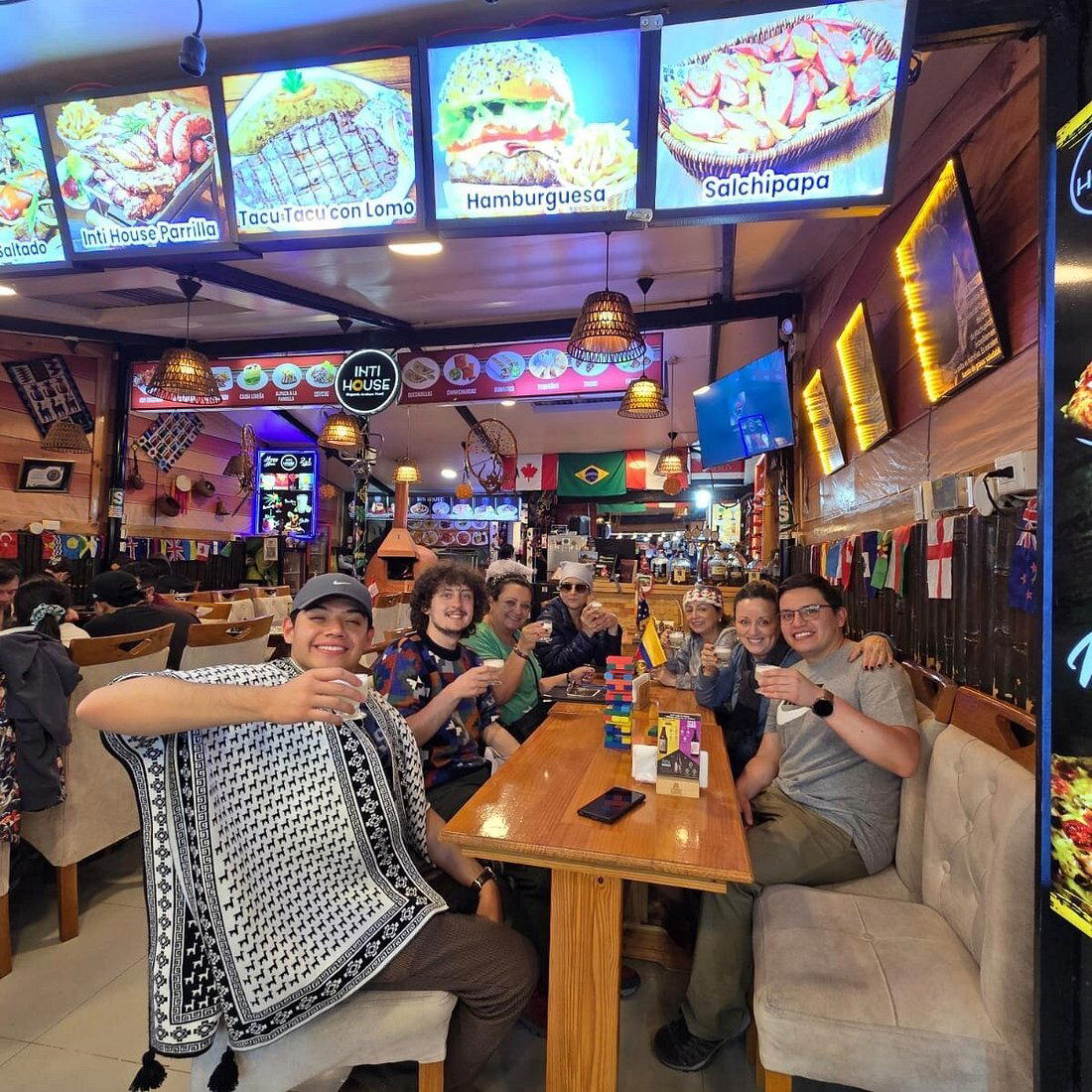
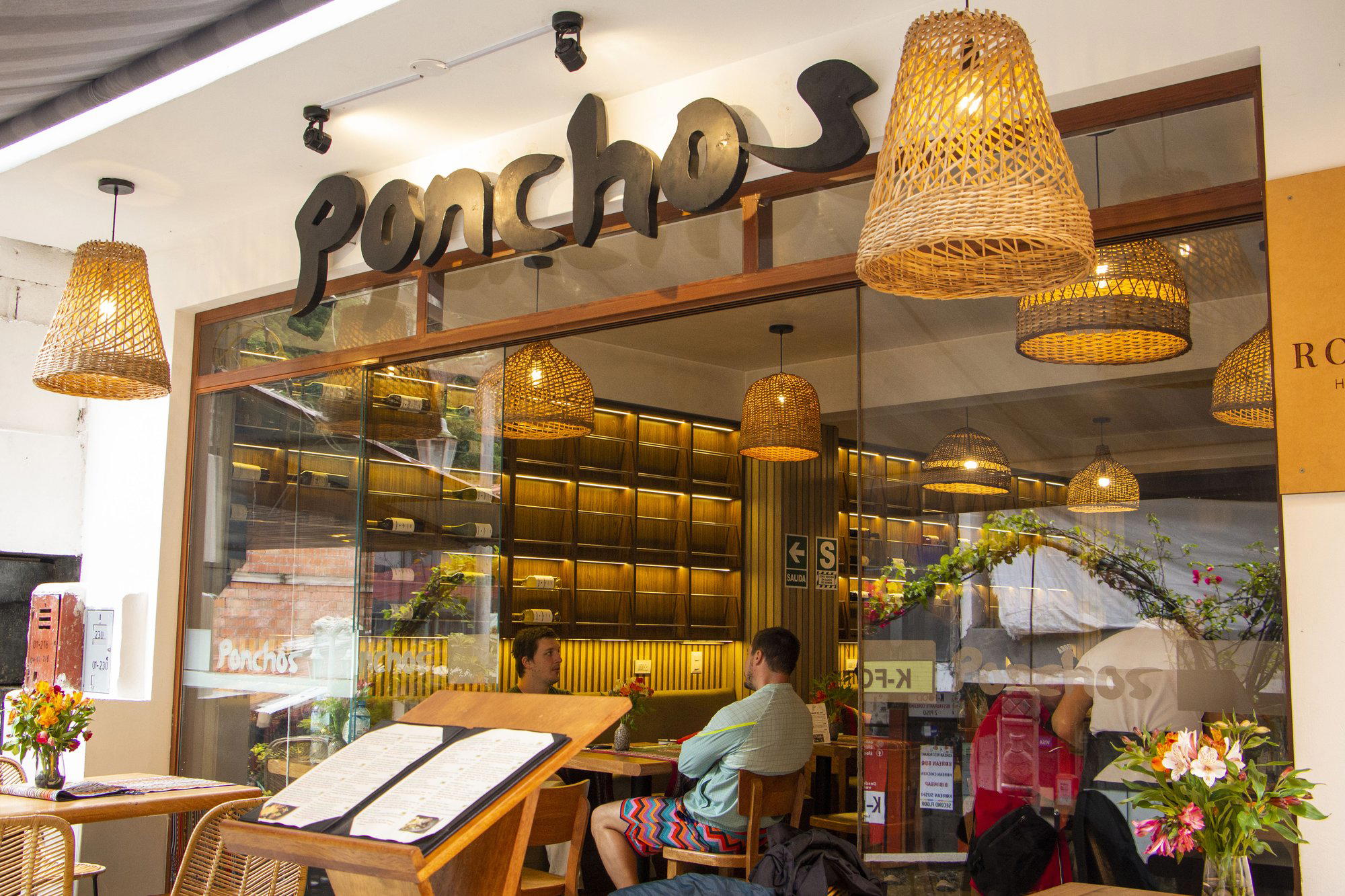
For that reason, comparisons inside Machu Picchu are more useful than national rankings. Mapacho Craft Beer Restaurant, Inti House, Ponchos Peruvian Kitchen, Tree House Restaurant, and Qunuq Restaurant all speak to the same visitor economy in different registers, from casual meals and comfort cooking to hotel-led dining and more atmospheric rooms. Café Inkaterra belongs to that local field, where setting, timing, and restraint matter more than awards language.
The Machu Picchu table is shaped by altitude, trains, and short stays
Machu Picchu is not a conventional restaurant city. Its dining hours bend around rail timetables, citadel entry slots, and the physical reality of a mountain destination. That constraint changes what counts as value. A long, elaborate meal can make less sense here than a controlled, well-timed one, especially for travellers splitting attention between early buses, weather changes, and the return to Cusco or the Sacred Valley.
This is also why context deserves more attention than décor. Peru’s restaurant reputation abroad has often been filtered through major-city dining rooms and familiar national dishes, but Machu Picchu asks for a different vocabulary: shorter stays, variable schedules, mountain weather, and meals that often need to restore energy rather than stage a ceremony. Travellers continuing through the country can see that range in different forms across Peru’s regional dining rooms, from highland restaurants to coastal kitchens and hotel-led tables.
The editorial stance is simple: in Machu Picchu, choose restaurants for context rather than ceremony. Café Inkaterra is strongest as part of a day built around place, not as a detached destination dinner. It suits travellers who want the meal to connect with the cadence of Machu Picchu, while those seeking a broader survey should use our full Machu Picchu restaurants guide alongside our full Machu Picchu hotels guide, our full Machu Picchu bars guide, our full Machu Picchu wineries guide, and our full Machu Picchu experiences guide.
How to place it within a wider Peru itinerary
Travellers often treat Machu Picchu as a logistical climax rather than a dining chapter, then wonder why the town’s restaurants feel different from those in larger Peruvian cities. That difference is the point. The local meal has to work for people arriving in hiking gear, families moving between train platforms, and hotel guests looking for a calmer pause. Café Inkaterra should be read through that lens: useful, place-aware, and better judged against the constraints of Machu Picchu than against restaurants designed for urban dining circuits.
For visitors building a wider itinerary, the contrast is productive. Pairing this kind of Machu Picchu meal with other local dining gives a closer look at how the area handles visitors around the ruins, while broader detours elsewhere show how far the EP Club dining map stretches beyond Peru. The useful takeaway remains local: Machu Picchu rewards diners who pay attention to setting and timing rather than chasing ceremonial dining in a town built for passage.
Frequently asked questions
Is Café Inkaterra child-friendly?
Café Inkaterra is a café in Machu Picchu, so families can consider it within the practical dining rhythm of the destination. For specific seating, menu, or service needs, check directly before visiting.
Is Café Inkaterra formal or casual?
It reads as café dining rather than a formal tasting-room setting. The name, Café Inkaterra, and its Machu Picchu location point to a relaxed stop rather than a destination defined by ceremony.
How do I find Café Inkaterra?
Café Inkaterra is located in Machu Picchu.
Should I book Café Inkaterra in advance?
Advance planning is sensible in Machu Picchu, where meal timing often follows rail schedules and citadel entry slots. Café Inkaterra is in Machu Picchu, so it is worth treating as part of the day’s logistics.
What is Café Inkaterra known for?
It is known first as a café in Machu Picchu. That makes it more of a convenient dining stop tied to the town’s travel rhythm than a destination built around a long, formal menu.
Is Café Inkaterra good for vegetarians?
Vegetarian options are not confirmed here. Travellers looking for a simpler meal in Machu Picchu should check Café Inkaterra’s current menu directly before visiting.
Comparable Spots, Quickly
Comparable venues by cuisine and price in the same metro.
| Venue | Cuisine | Price |
|---|---|---|
| Café InkaterraThis venue — the venue you are viewing | Upscale Andean & Peruvian restaurant by the river | $20–30 |
Continue exploring
More in Machu Picchu
Restaurants in Machu Picchu
Browse all →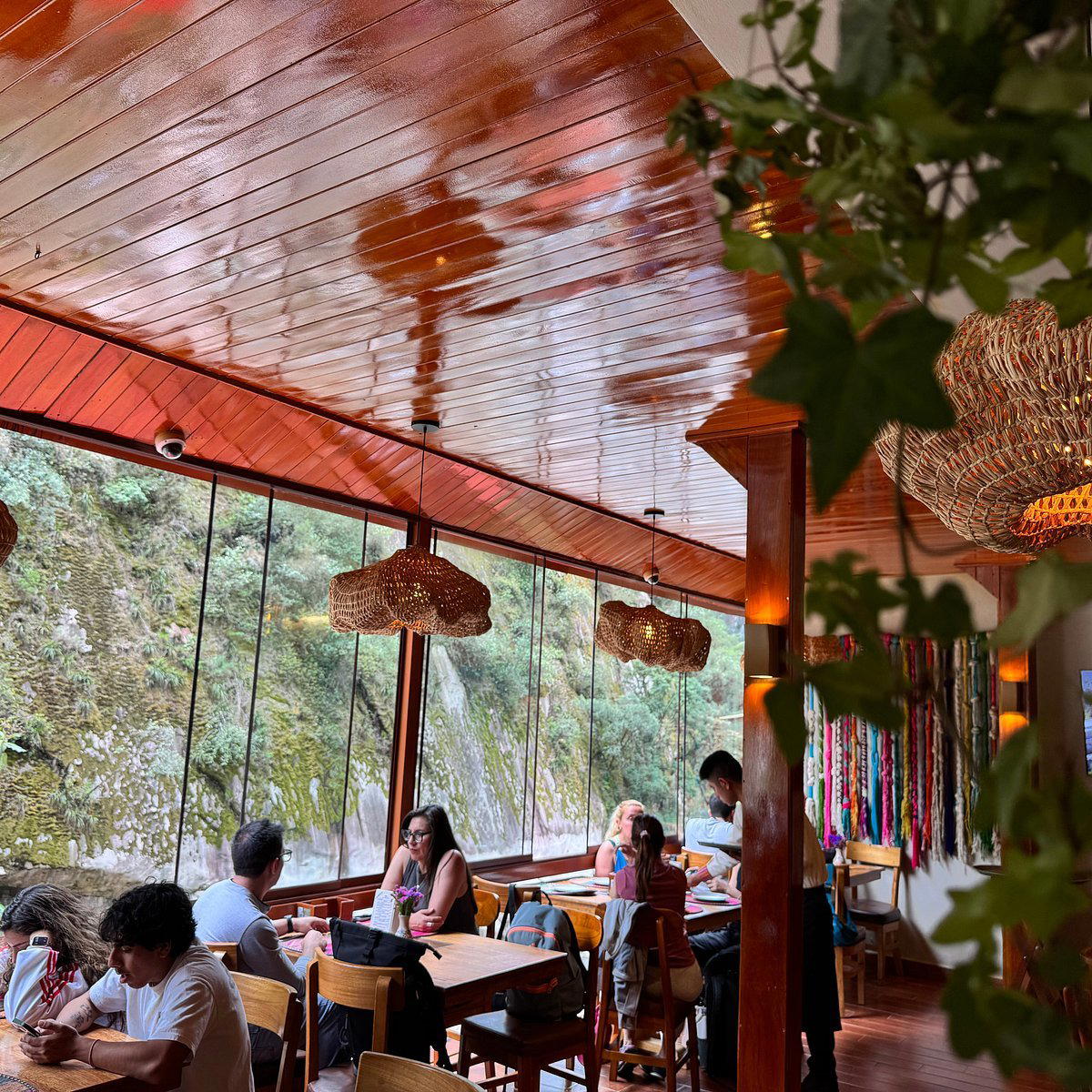
Bars in Machu Picchu
Browse all →
Details
- Scenic
- Cozy
- Rustic
- Classic
- Romantic
- Date Night
- Family
- Group Dining
- Casual Hangout
- Celebration
- After Work
- Waterfront
- Panoramic View
- Hotel Restaurant
- Design Destination
- Local Sourcing
- Waterfront
- Mountain
- A La Carte
- Set Menu
- Wine
- Beer
- Cocktails
- Vegetarian Friendly
Current opening hours
- Monday
- 11:30 AM–4 PM, 6–10 PM
- Tuesday
- 11:30 AM–4:30 PM, 6–10 PM
- Wednesday
- 11:30 AM–4 PM, 6–10 PM
- Thursday
- 11:30 AM–4 PM, 6–10 PM
- Friday
- 11:30 AM–4 PM, 6–10 PM
- Saturday
- 11:30 AM–4 PM, 6–10 PM
- Sunday
- 11:30 AM–4 PM, 6–10 PM
Hours can change for holidays and private events. Last verified .
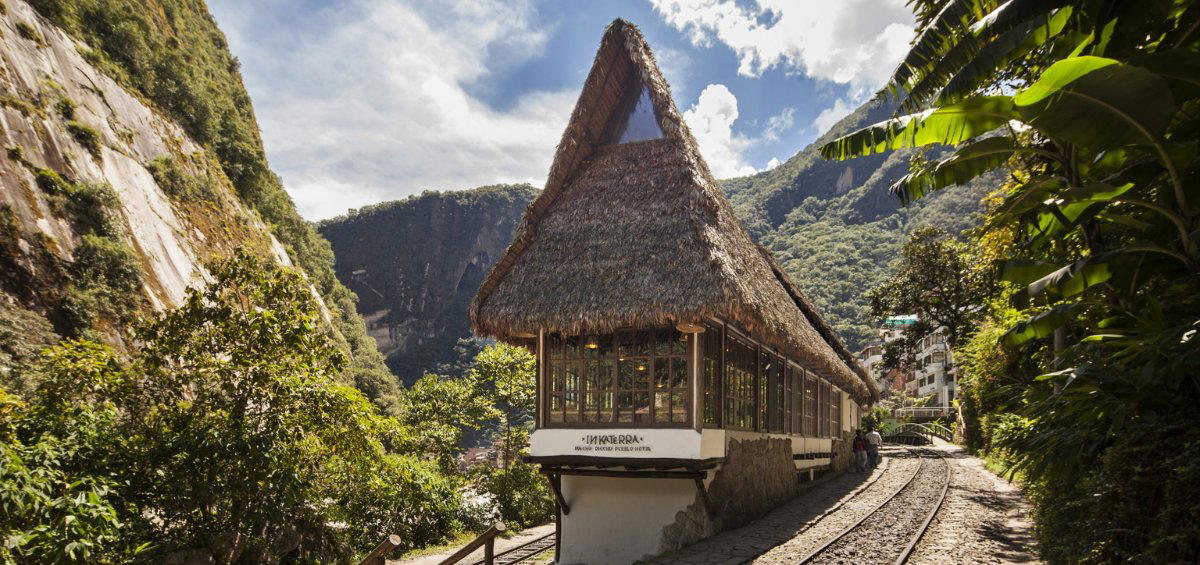
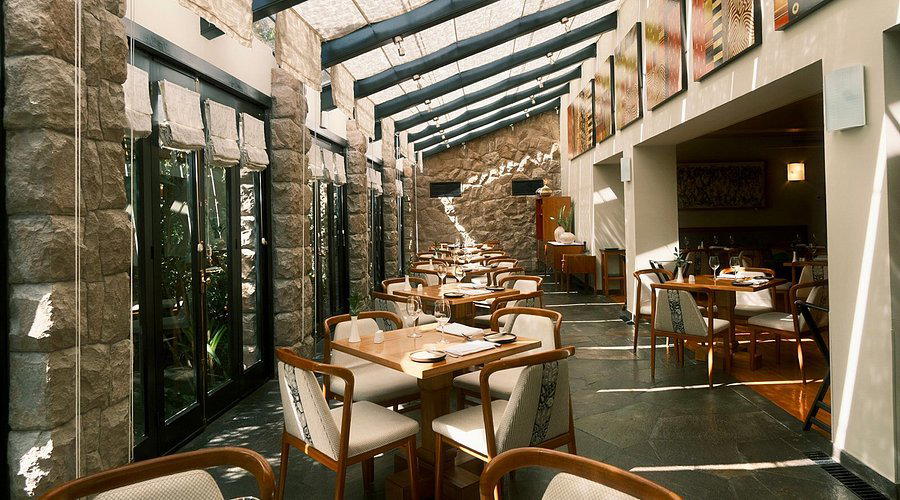
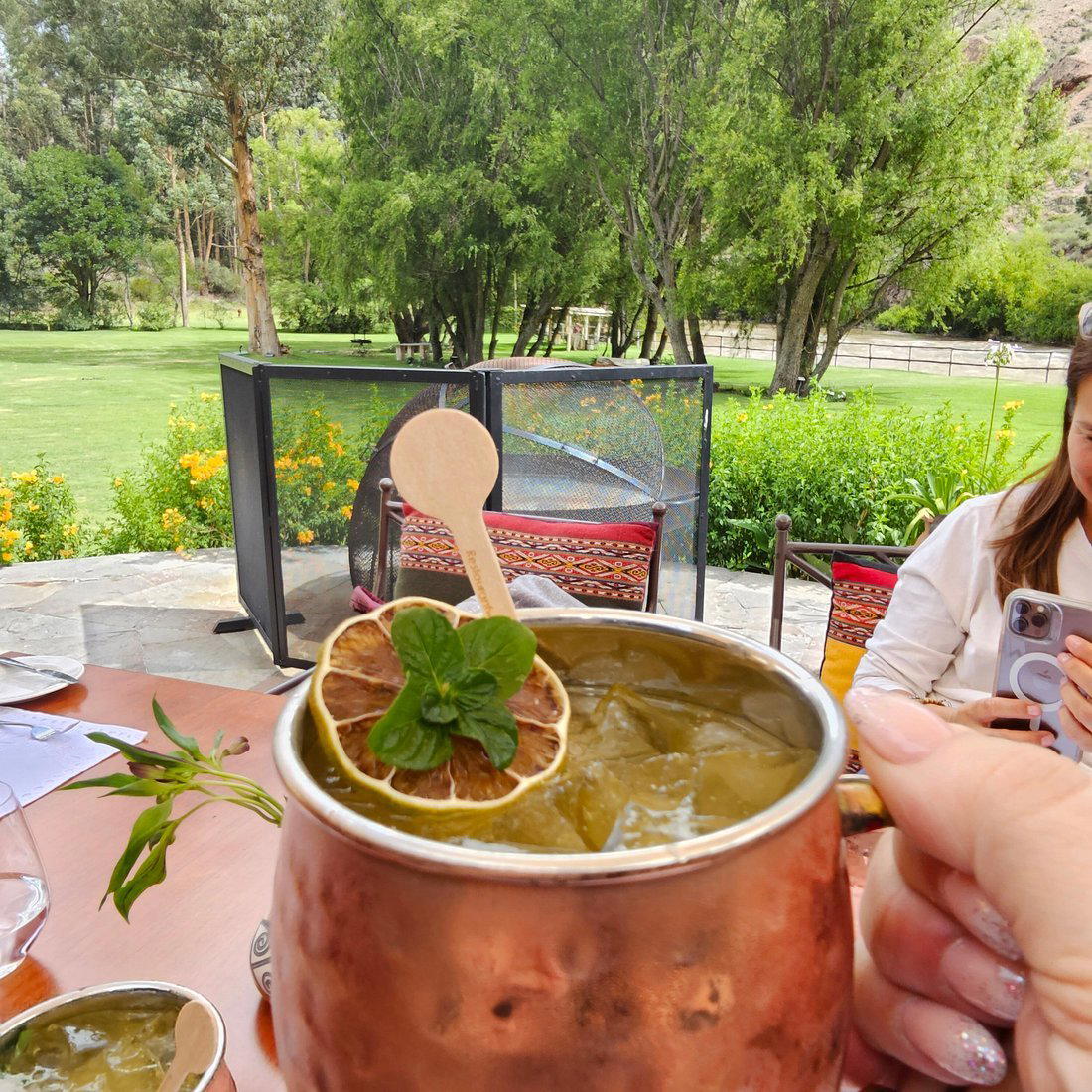
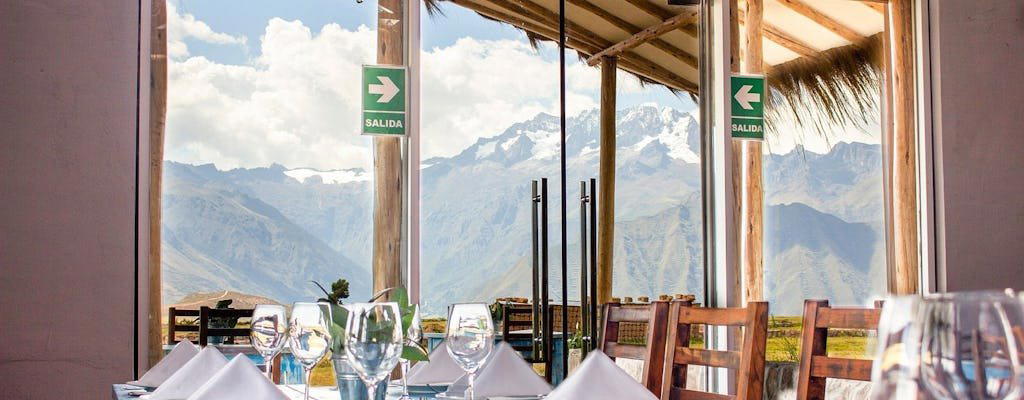
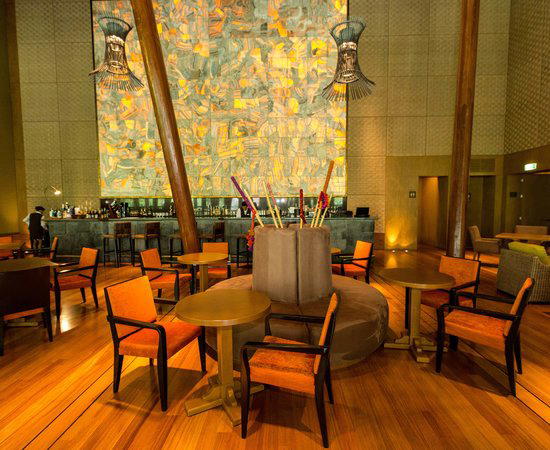
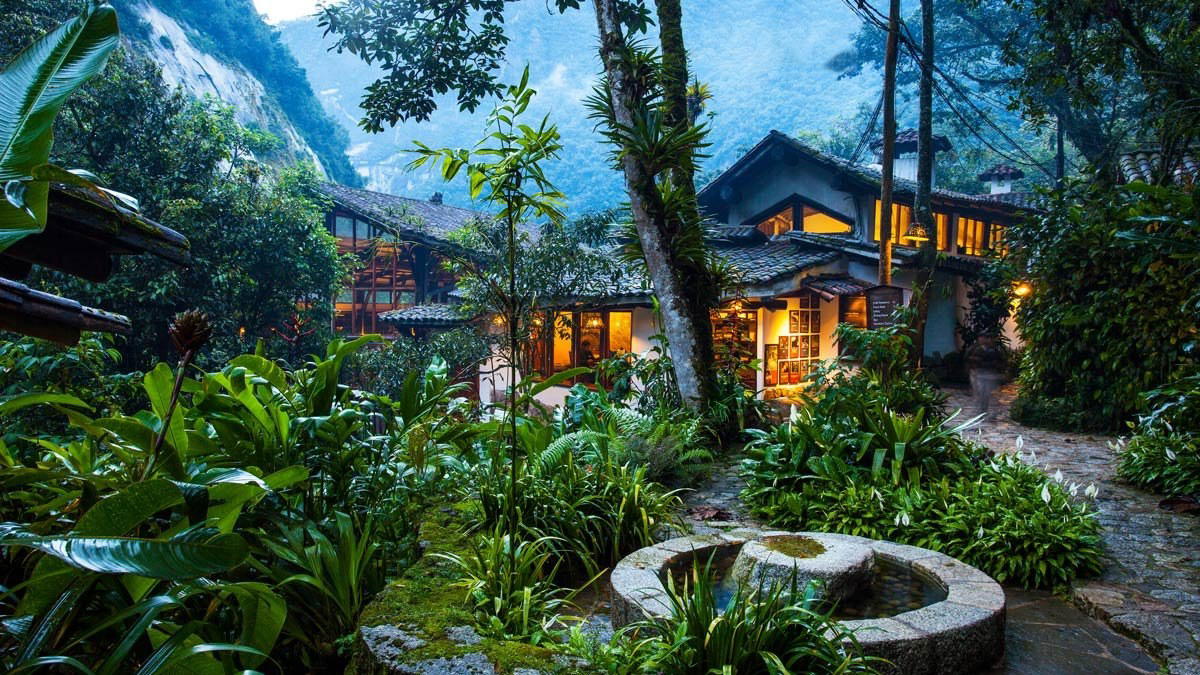
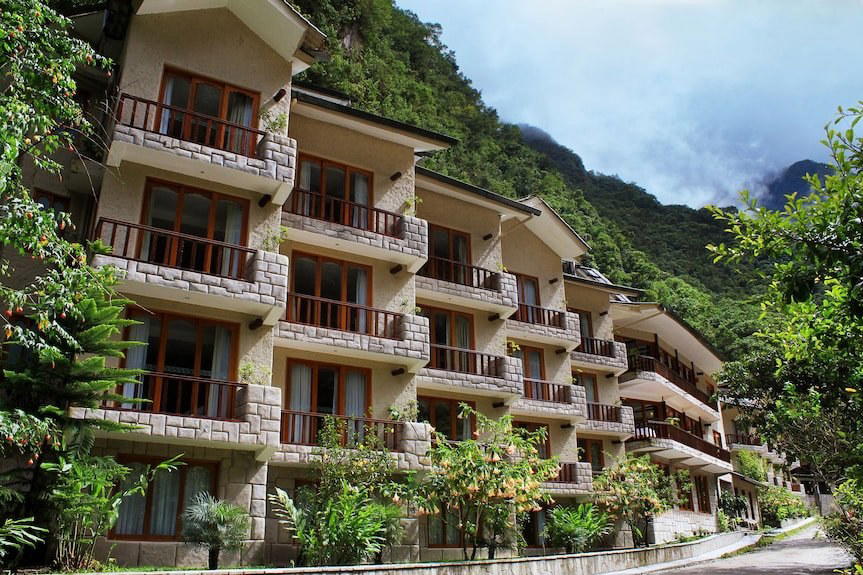
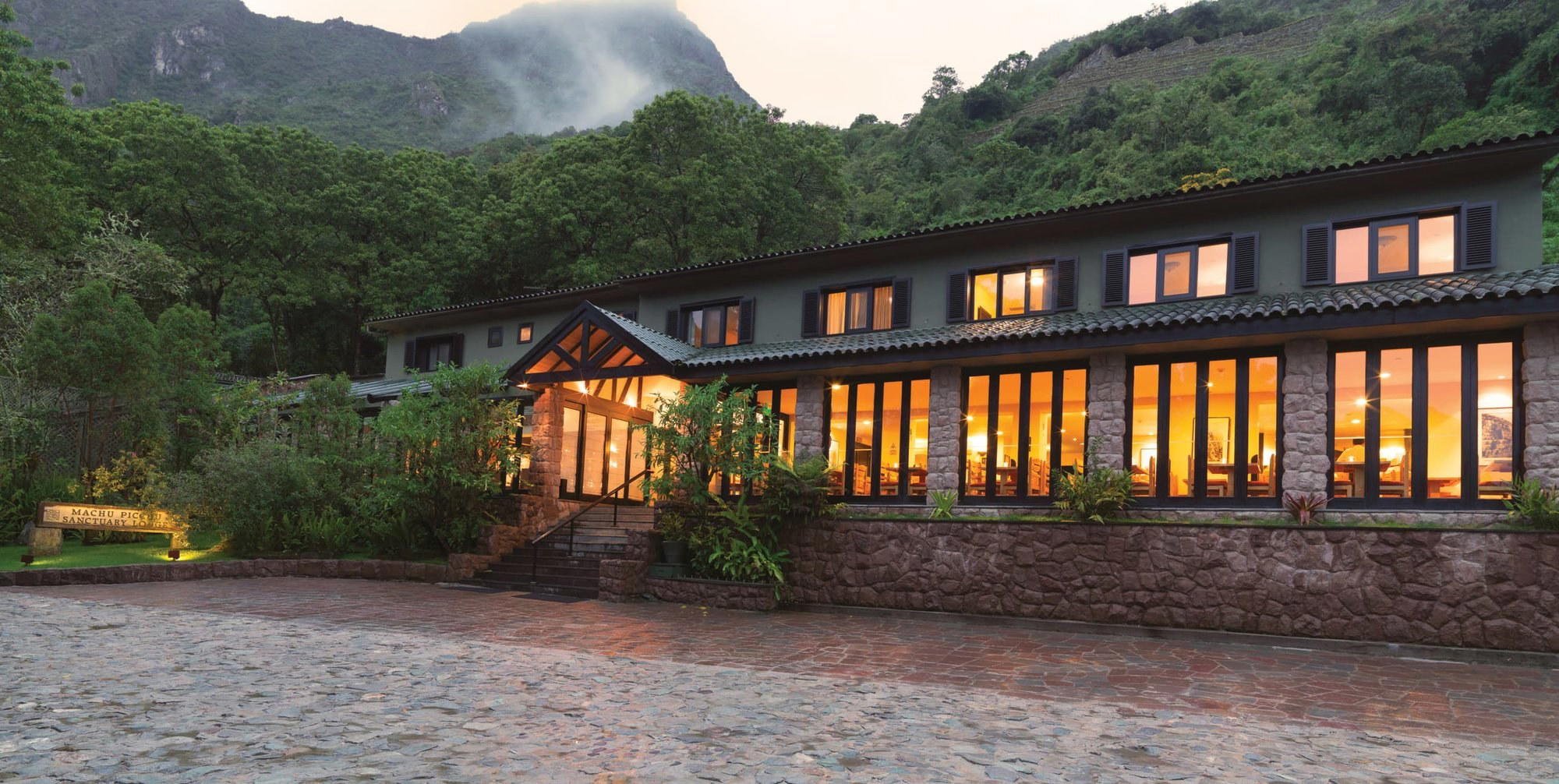
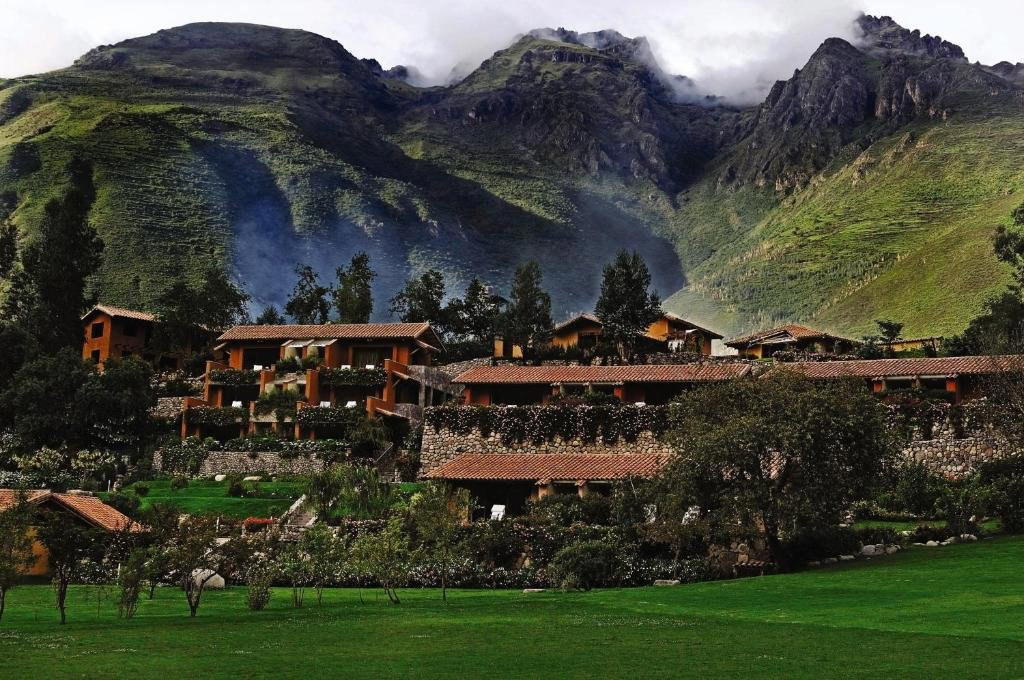
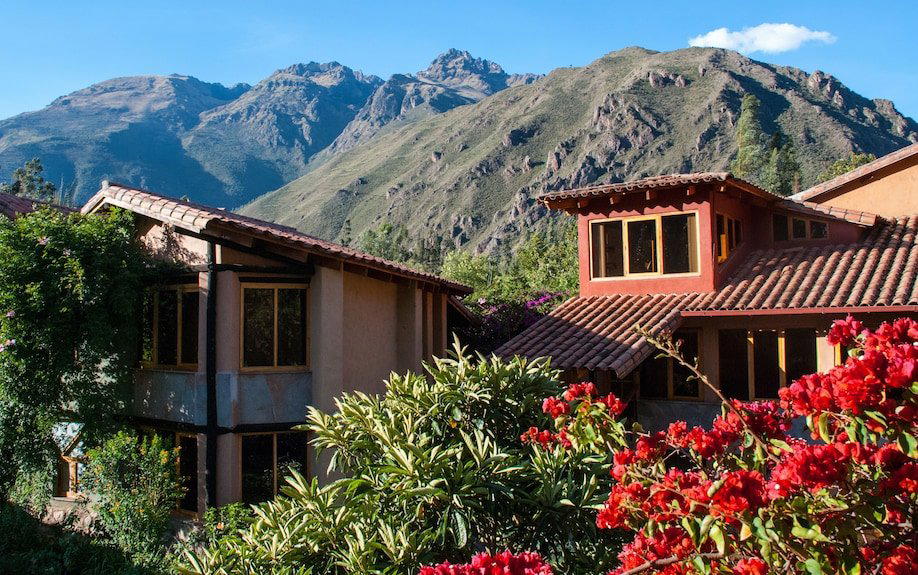
Warm and welcoming with classic stone-and-adobe architecture and a tall moss-covered, palm‑thatched roof, combining rustic lodge charm with an upmarket feel and scenic river and mountain views—ideal for relaxing after visiting the citadel or while waiting for the train.