Cafe Eritrea D'Afrique
Our verdict
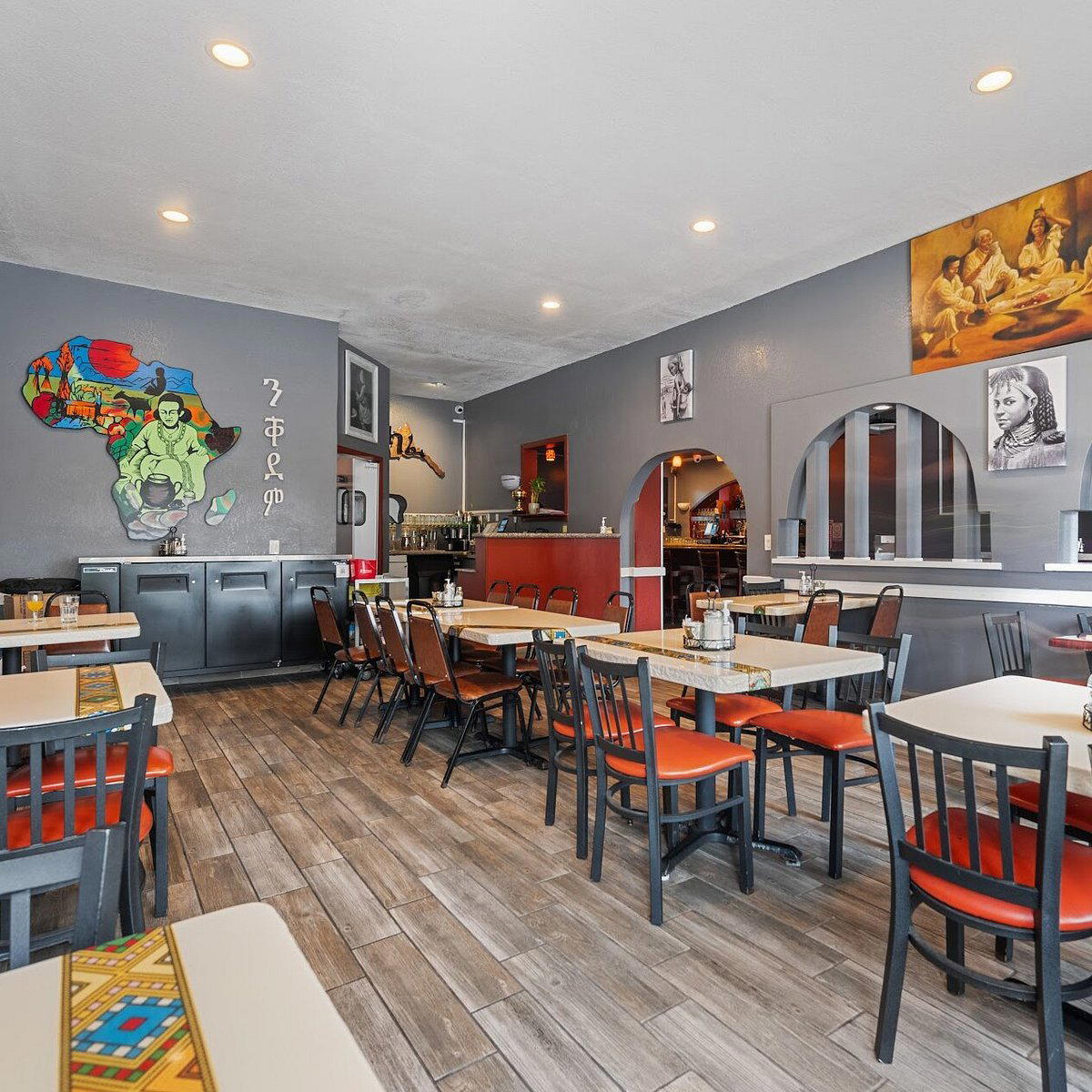
On Telegraph Avenue in Oakland's Temescal-adjacent corridor, Cafe Eritrea D'Afrique represents a strand of East African dining that has quietly anchored the neighborhood for years. The kitchen draws on Eritrean tradition — injera-based communal plates, slow-cooked stews, spiced lentils — in a setting that reads as neighborhood institution rather than culinary destination. It is the kind of place that regulars treat as a given and first-timers discover with some surprise.

Pearl is the En Primeur Club membership app — saves, bookings, and concierge access live there. Same editors, same standards.
Telegraph Avenue and the East African Dining Corridor
Oakland's Telegraph Avenue has long functioned as one of the Bay Area's more honest dining streets — not curated for visitors, but built around the communities that actually live along its length. The stretch between Temescal and the Rockridge border carries particular density: Ethiopian and Eritrean restaurants have held ground here across decades of neighborhood change, operating as anchors in a corridor that has seen coffee shops, ramen counters, and wine bars come and go around them. Cafe Eritrea D'Afrique at 4069 Telegraph Ave sits within that tradition, a long-standing presence in a dining category that Oakland has cultivated more deliberately than most American cities.
East African cooking occupies a specific position in Oakland's broader food culture. Unlike the tasting-menu restaurants that draw regional attention — places that operate in a different tier entirely, closer in spirit to Single Thread Farm in Healdsburg or Smyth in Chicago, Eritrean and Ethiopian kitchens on Telegraph function through repetition and loyalty. The menu rarely surprises; instead, it rewards familiarity. Injera is the constant, a sourdough flatbread made from teff flour that serves simultaneously as plate, utensil, and staple. Around it, the kitchen builds combinations of stewed lentils, spiced meats, and braised greens, each portioned for sharing.
How Daytime and Evening Service Diverge
The lunch-versus-dinner divide at a restaurant like Cafe Eritrea D'Afrique is not a matter of menu transformation but of pace, purpose, and the kind of diner who shows up. Midday service on Telegraph draws a practical crowd: workers from nearby businesses, students, neighborhood regulars who know exactly what they want and how long they have. The communal-plate format actually suits the lunch hour well, dishes arrive quickly, portions are generous relative to price point, and the injera-based format means there is no waiting for courses in sequence. At lunch, an Eritrean restaurant functions almost like a canteen in the leading sense, efficient and filling without being hurried.
Evening service shifts the register. The same dishes, the same injera, the same shared format, but dinner at a neighborhood Eritrean restaurant tends to stretch. Tables order more, linger longer, and the social logic of eating from a common plate becomes more pronounced. This is a format that rewards groups: two people ordering separately lose something that four people sharing a combination plate fully recover. If the lunch visit is transactional in the good sense, in, fed, out, the dinner visit leans toward the kind of table that forgets to check the time. For a first visit, dinner is the better introduction; for a regular, lunch is the more efficient return.
This daytime-evening split also maps onto value. Combination plates in Eritrean restaurants are typically priced to reflect the volume of food rather than the number of dishes, meaning a shared dinner order at this price tier often delivers more per person than single-plate formats at comparable Oakland restaurants. The Agave Uptown or alaMar Dominican Kitchen offer their own value calculus; Cafe Eritrea D'Afrique operates on communal logic that differs structurally from either.
The Cuisine Itself: What Eritrean Cooking Actually Means
Eritrean cuisine shares significant overlap with Ethiopian cooking, both rely on injera, both feature spiced lentil preparations like misir, both use berbere and niter kibbeh as foundational spice blends, but the two traditions diverge in specific ways shaped by geography and Italian colonial influence. Eritrean cooking incorporates more pasta-adjacent dishes and certain spice applications that differ from the Ethiopian norm, reflecting Eritrea's coastal positioning and its decades under Italian administration before independence in 1993.
The vegetarian and vegan range in Eritrean cooking is substantive by structural design rather than accommodation. Lentil stews, chickpea preparations, braised cabbage, and spiced collard greens are central to the cuisine, not supplementary. For diners who eat plant-based food, an Eritrean combination plate is one of the more satisfying formats available at this price point in Oakland, the flavor depth comes from spice blends and long cooking times rather than animal fat. Oakland's East African corridor, including Alem's Coffee nearby, has quietly served this community for years without making it a marketing point.
Placing Cafe Eritrea D'Afrique in Oakland's Wider Dining Map
Oakland's dining identity has grown more complex over the past decade, with restaurants like 3 Bottled Fish and 8th St Cafe representing newer arrivals oriented toward different demographics and price points. Cafe Eritrea D'Afrique belongs to an older layer of the city's food map, the category of restaurants that existed before Oakland became a destination and have persisted through the changes that followed.
That persistence matters as context. The East African restaurants on Telegraph have not survived by pivoting toward trends or courting press. They have survived because the food is consistent, the format is efficient, and the community around them has maintained demand. This is a different kind of durability than the kind signaled by Michelin stars or 50 Best rankings, the kind that shows up in Le Bernardin or The French Laundry in Napa, but it is durability nonetheless, and in a city where restaurants close at the rate Oakland's do, it carries its own signal. See our full Oakland restaurants guide for the broader picture.
Planning Your Visit
Cafe Eritrea D'Afrique is located at 4069 Telegraph Ave, Oakland, CA 94609, on a stretch of Telegraph well-served by AC Transit and within reasonable distance of the Rockridge BART station for visitors coming from San Francisco. Given the neighborhood institution status and the absence of a listed reservation system, walk-in is the practical approach, though arriving at off-peak hours, particularly for lunch before the midday rush or early in the evening dinner window, reduces any wait. Groups of three or four extract the most from the shared-plate format; solo diners and pairs order accordingly. Current hours and contact details are best confirmed directly with the venue, as this information was not available at time of publication.
Frequently asked questions
What dish is Cafe Eritrea D'Afrique famous for?
Eritrean restaurants of this type are built around injera-based combination plates, the sourdough teff flatbread served with an assortment of stews, lentils, and braised vegetables. The format is the signature rather than any single dish: diners eat communally from a shared platter, tearing injera to scoop each preparation. Specific menu items should be confirmed directly with the restaurant, as dish availability can vary.
What is Cafe Eritrea D'Afrique known for?
The restaurant is known as a long-standing East African dining presence on Oakland's Telegraph Avenue, a corridor that has maintained Eritrean and Ethiopian kitchens across decades of neighborhood change. Within that context, it represents the kind of neighborhood-anchored institution that serves a community through consistency rather than novelty. Oakland has a deeper East African dining tradition than most American cities of comparable size, and this restaurant is part of that foundation.
Do I need a reservation for Cafe Eritrea D'Afrique?
No reservation system was listed in available data which is consistent with the walk-in format common to this tier of Oakland neighborhood restaurants. If you are visiting during peak dinner hours on a weekend, arriving early in the service window is the practical approach. The communal-plate format also means table turnover tends to be relatively efficient once a full group is seated.
Can Cafe Eritrea D'Afrique handle vegetarian requests?
Eritrean cuisine is structurally well-suited to plant-based diets. Lentil preparations, spiced chickpeas, braised greens, and cabbage dishes are central to the tradition rather than afterthoughts. A vegetarian or vegan diner ordering a combination plate at an Eritrean restaurant typically has access to the majority of the menu.
Is a meal at Cafe Eritrea D'Afrique worth the investment?
At the price tier typical of Eritrean neighborhood restaurants, the communal-plate format delivers strong value per person when dining in a group. The cuisine's reliance on slow-cooked stews and spice-forward preparations means flavor depth that exceeds what the price point might suggest. For diners unfamiliar with East African cooking, this category of restaurant is one of the more accessible entry points in Oakland's broader dining offer.
How does Cafe Eritrea D'Afrique compare to other East African restaurants on Telegraph Avenue?
Telegraph Avenue supports several East African restaurants operating in overlapping traditions, making it one of the more concentrated East African dining corridors on the West Coast. Cafe Eritrea D'Afrique's Eritrean identity means subtle menu differences from Ethiopian-focused neighbors, including Italian-influenced preparations and specific spice applications tied to Eritrea's distinct culinary history. For diners comparing options along the corridor, the Eritrean-Ethiopian distinction is worth understanding before choosing; both traditions share the injera format but diverge in meaningful ways across the rest of the menu.
Comparable Spots, Quickly
Comparable venues nearby, for context on price, style, and recognition.
| Venue | Cuisine | Price | Notes |
|---|---|---|---|
| Cafe Eritrea D'AfriqueThis venue — the venue you are viewing | Eritrean/Ethiopian | $20–30 | Not listed |
| Cafe Colucci | Authentic Ethiopian | $20–30 | Paradise Park |
| Swahili Spot | Authentic Tanzanian | $10–20 | Prescott |
| Koryo Ja Jang | Korean-Chinese Noodles | Not listed | Temescal |
| Oriental B.B.Q. Chicken Town | Korean Fried Chicken | $10–20 | Bushrod Park |
| Xolo Taqueria | Authentic Mexican Taqueria | $10–20 | Downtown |
Continue exploring
More in Oakland
Restaurants in Oakland
All restaurants in Oakland →
Bars in Oakland
All bars in Oakland →




Details
- Cozy
- Rustic
- Group Dining
- Casual Hangout
- Historic Building
- A La Carte
- Vegetarian Friendly
- Vegan Options
Current opening hours
- Monday
- 11 AM–10 PM
- Tuesday
- Closed
- Wednesday
- 11 AM–10 PM
- Thursday
- 11 AM–10 PM
- Friday
- 11 AM–10 PM
- Saturday
- 11 AM–10 PM
- Sunday
- 11 AM–10 PM
Hours can change for holidays and private events. Last verified .
Cozy ethnic atmosphere with a classic, welcoming vibe in North Oakland's Temescal district.