Cafe Dior by Dominique Crenn
Our verdict
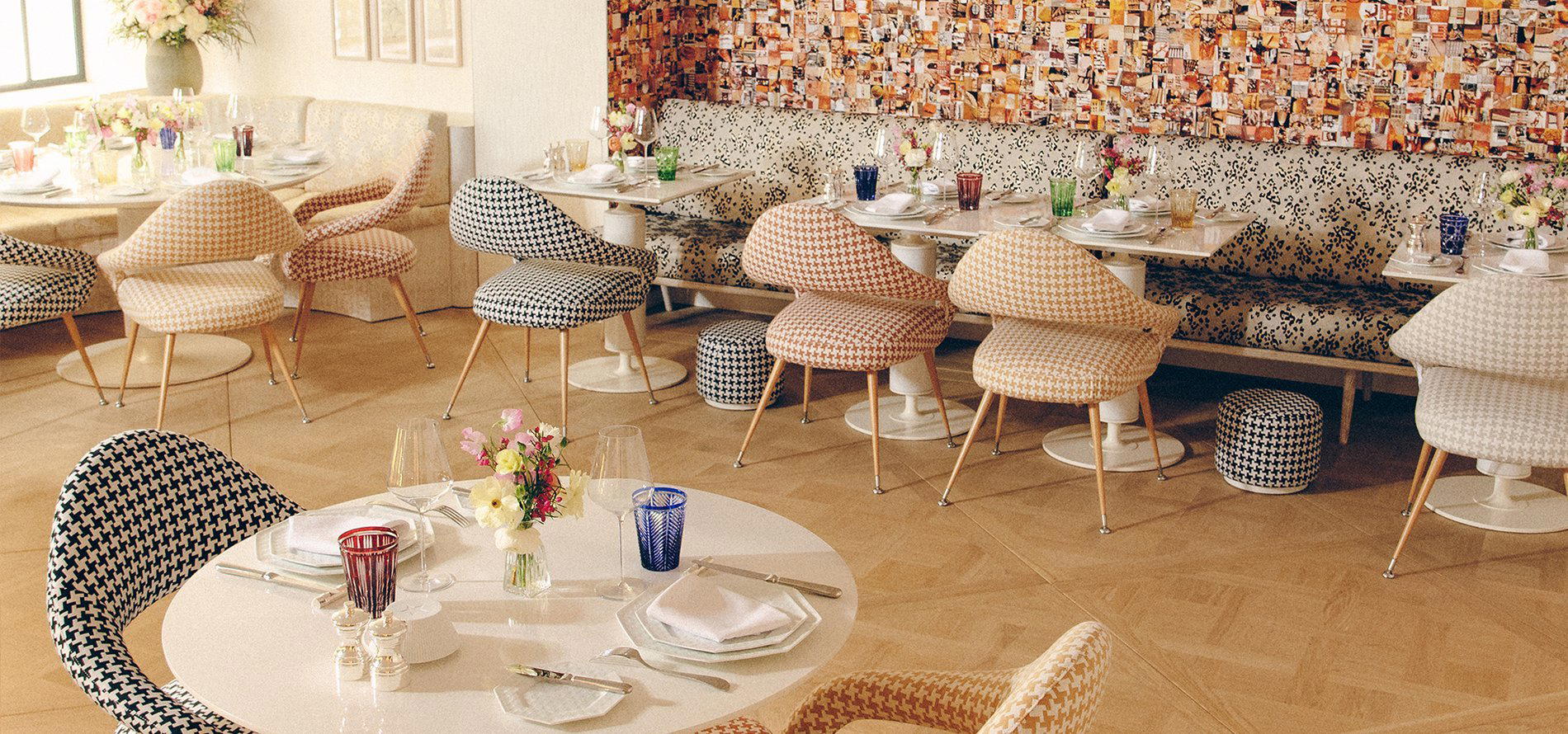
Cafe Dior by Dominique Crenn brings French-inflected fashion-house dining into Highland Park Village, where the room matters as much as the plate. Read it less as a conventional Dallas restaurant and more as part of the city’s growing appetite for design-led daytime dining, with provenance and polish carrying the weight usually assigned to a long tasting format.

Pearl is the En Primeur Club membership app — saves, bookings, and concierge access live there. Same editors, same standards.
The menu
What to order
- Jasmine Tea Glacé dessert
- Fashion-inspired pastry collection
- Seasonal couture dessert specials
Dallas sets the tone before the first plate arrives: polished design, choreographed service, and the particular hush that can surround luxury dining. In that setting, Cafe Dior by Dominique Crenn belongs to a newer category of restaurant, where fashion, French technique, and composed hospitality meet inside a room designed for lingering rather than rushing. The point is not old-school bistro nostalgia. It is a more contemporary proposition: a branded dining room using French structure to translate provenance, seasonality, and style into a compact urban experience.
Dallas has long had room for French dining at different speeds. Knox Bistro and Mercat Bistro speak to the city’s affection for the bistro register: recognizable dishes, polished rooms, and the social rhythm of lunch, dinner, and wine. Cafe Dior by Dominique Crenn occupies a different lane. It is framed by a luxury-house identity rather than street-corner restaurant culture, and shaped around a more curated meal. That makes it a useful marker for where Dallas dining is moving: not away from restaurants, but toward experiences where design language and culinary sourcing carry equal editorial weight.
French provenance filtered through a fashion-house room
The French identity here is less about recreating Paris and more about discipline: restrained composition, ingredient hierarchy, and the belief that sourcing is part of the argument. Dominique Crenn’s name matters because it brings an established culinary point of view into a setting that might otherwise risk reading as brand hospitality alone. In Dallas, where scale and high-gloss rooms can dominate the premium conversation, that matters. A cafe format under a couture label has to prove that the plate is not decorative. The stronger reading is terroir by translation: French technique and product-minded cooking placed inside a Dallas luxury context, with the room acting as context rather than costume.
This is also why comparison within Dallas should be precise. Other Dallas dining rooms represent different forms of abundance, group appetite, brunch culture, and the city’s dining-and-drinks circuit. Cafe Dior by Dominique Crenn is narrower and more curated: French cues, fashion-house setting, and a meal that suits design-minded travelers and diners who prefer precision over volume.
That narrower frame is not a weakness. Dallas is a city where luxury often announces itself at scale, but this cafe works through a different code: edited surroundings, controlled pace, and an audience comfortable with design and dining sharing the same occasion. The cafe fits that code. It is better understood as part of a provenance-led luxury pattern seen internationally, where restaurant spaces connected to fashion environments use culinary credibility to keep the experience from becoming pure set design. Across global dining, French references travel differently depending on city, audience, and format.
Where it sits in Dallas dining culture
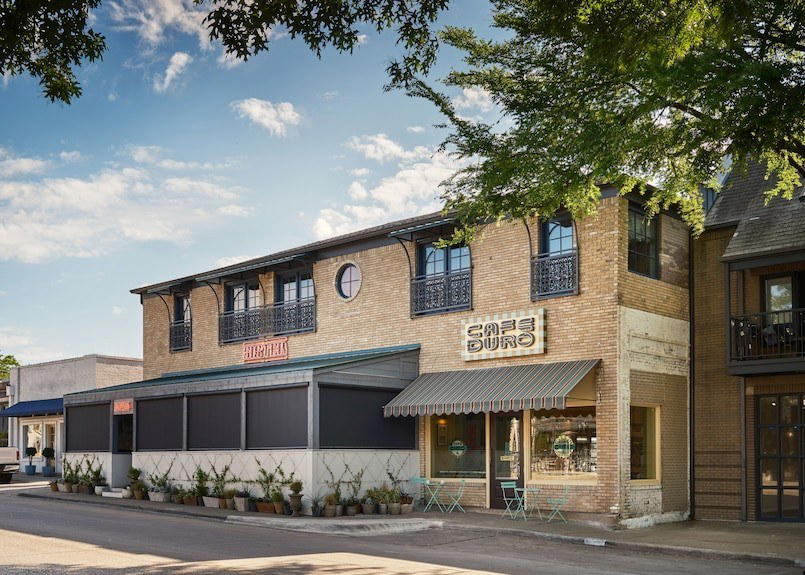
The Dallas location gives the cafe a built-in identity. This is not trying to be every version of the city at once, nor is it simply part of the chef-driven neighborhood restaurant circuit. It belongs to a polished pocket of Dallas dining where design culture, luxury habits, and restaurant-going overlap. That context changes the meal’s purpose. The room does not need the noise of a late-night dining room to feel complete; it works through pacing, polish, and the idea that a composed plate can carry the same kind of restraint as a well-cut jacket.
For Dallas visitors, the useful question is not whether this replaces a classic French bistro. It does not. The better question is when this format makes sense. For a tightly planned outing in Dallas, it has a clearer role than a sprawling meal. For a traveler building a wider city itinerary, our full Dallas restaurants guide gives the broader dining map, while our full Dallas hotels guide, our full Dallas bars guide, our full Dallas wineries guide, and our full Dallas experiences guide help place it inside a full city plan.
The national context is useful too. American dining has been splitting into formats with sharper identities: focused counters, casual specialists, regional comfort cooking, and plant-forward rooms. The common thread is not cuisine; it is clarity. Other dining rooms around the country underline the same point from different perspectives: place and format now matter as much as category labels.
How to read the experience before choosing it
Cafe Dior by Dominique Crenn is strongest for diners who understand the value of a controlled frame. The experience is not built around a boisterous group meal or a maximalist night out. It is better suited to a measured occasion, a design-conscious pause, or a polished stop where the room, brand context, and French culinary grammar are part of the appeal. Its recognition in coverage of Dallas restaurant openings keeps expectations properly calibrated: the trust signal here is the combination of Dominique Crenn’s culinary association, Dallas’s luxury setting, and the specificity of the format.
The editorial verdict is clear enough: choose it for context, not spectacle. Dallas already has louder rooms and more expansive meals. This one is about compression: French cues, fashion-house staging, and a city whose social code can favor polish over excess. In a city that often equates premium dining with size, that restraint is the useful distinction.
Frequently asked questions
Can I bring kids to Cafe Dior by Dominique Crenn?
The Dallas cafe is a polished French room, so it works more naturally for a short family stop than for a long, high-energy meal.
Is Cafe Dior by Dominique Crenn better for a quiet night or a lively one?
It leans quiet rather than lively. The French cafe format in Dallas points to a calmer, more measured setting.
Is Cafe Dior by Dominique Crenn focused on a specific cuisine style?
Cafe Dior by Dominique Crenn serves French cuisine.
When is Cafe Dior by Dominique Crenn open?
Check directly with Cafe Dior by Dominique Crenn for current opening hours before planning a visit.
What part of town is Cafe Dior by Dominique Crenn in?
Dallas.
Quick Comparison
Comparable venues by cuisine and price in the same metro.
| Venue | Cuisine | Price | Awards | Notes |
|---|---|---|---|---|
| Cafe Dior by Dominique CrennThis venue — the venue you are viewing | Haute couture–inspired modern French café by Dominique Crenn | $50–100 | Not listed | Not listed |
| Knox Bistro | French Bistro | $50–100 | Michelin Plate · Wine Spectator Award of Excellence | French |
| Restaurant Francois | French | Not listed | Not listed | Not listed |
| Mercat Bistro | Classic French Bistro | $50–100 | Michelin Plate · Wine Spectator Award of Excellence | French |
Continue exploring
More in Dallas
Restaurants in Dallas
All restaurants in Dallas →
Bars in Dallas
All bars in Dallas →

Details
- Elegant
- Sophisticated
- Modern
- Ornate
- Trendy
- Intimate
- Date Night
- Special Occasion
- Celebration
- Casual Hangout
- After Work
- Brunch
- Design Destination
- Standalone
- Craft Cocktails
- Zero Proof
- Local Sourcing
- Sustainable Seafood
- Street Scene
- A La Carte
- Tasting Menu
- Small Plates
- Craft Cocktails
- Coffee Tea
- Zero Proof Cocktails
- Vegetarian Friendly
Current opening hours
- Monday
- Closed
- Tuesday
- 10 AM–6 PM
- Wednesday
- 10 AM–6 PM
- Thursday
- 10 AM–6 PM
- Friday
- 10 AM–6 PM
- Saturday
- 10 AM–6 PM
- Sunday
- 12–5 PM
Hours can change for holidays and private events. Last verified .
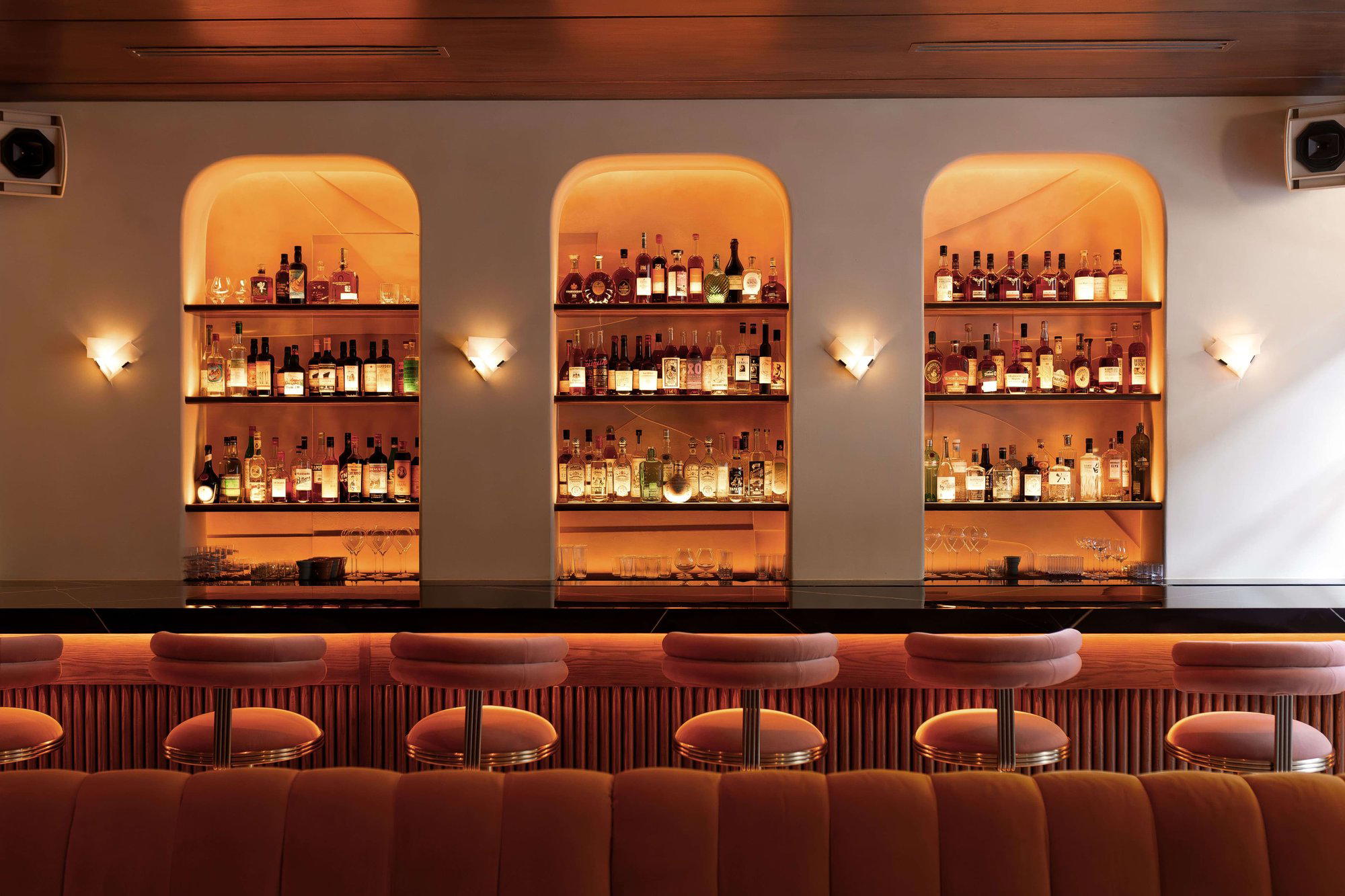
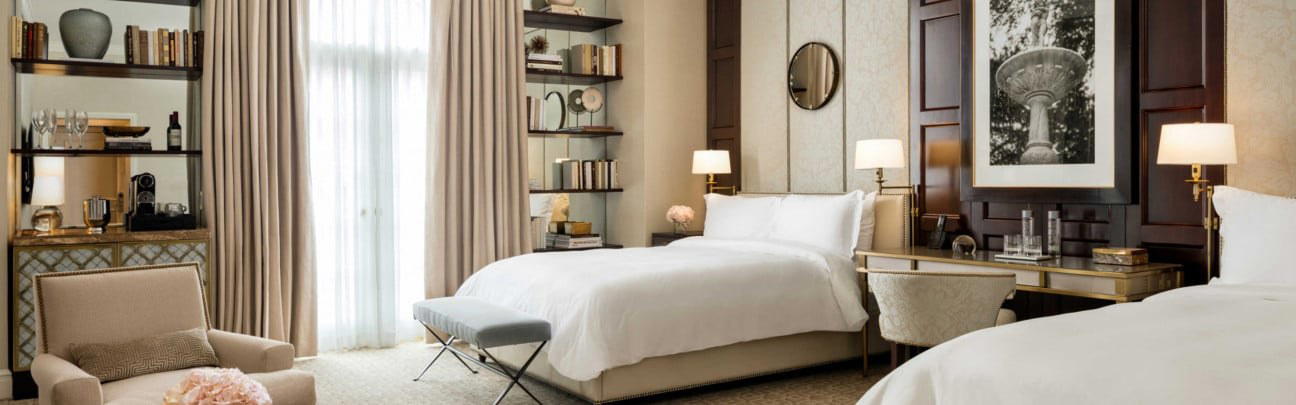
An intimate, fashion-forward salon that mirrors Dior’s 30 Montaigne aesthetic, with refined, minimalist-luxury design, soft lighting, and a calm, gallery-like atmosphere that emphasizes elegance over bustle.