Cafe del Mar Miami
Our verdict
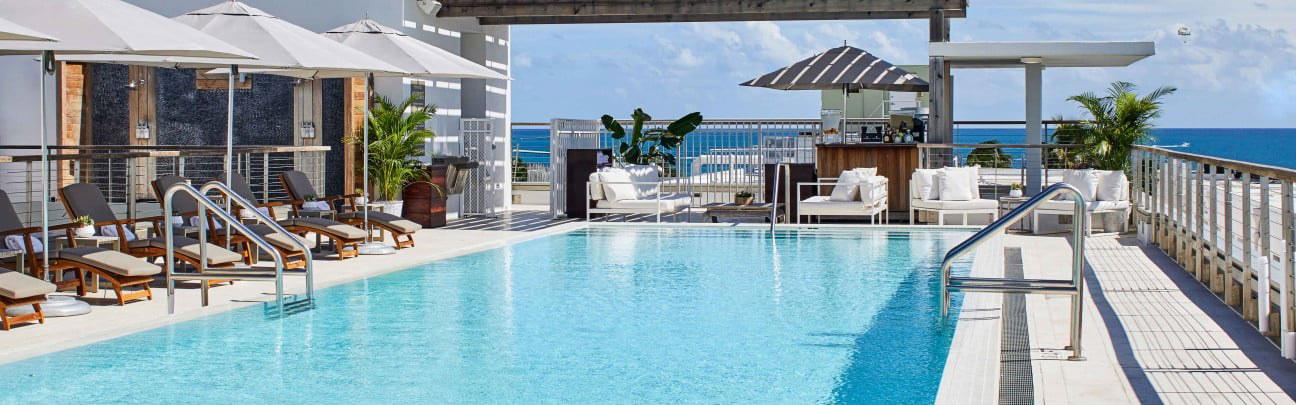
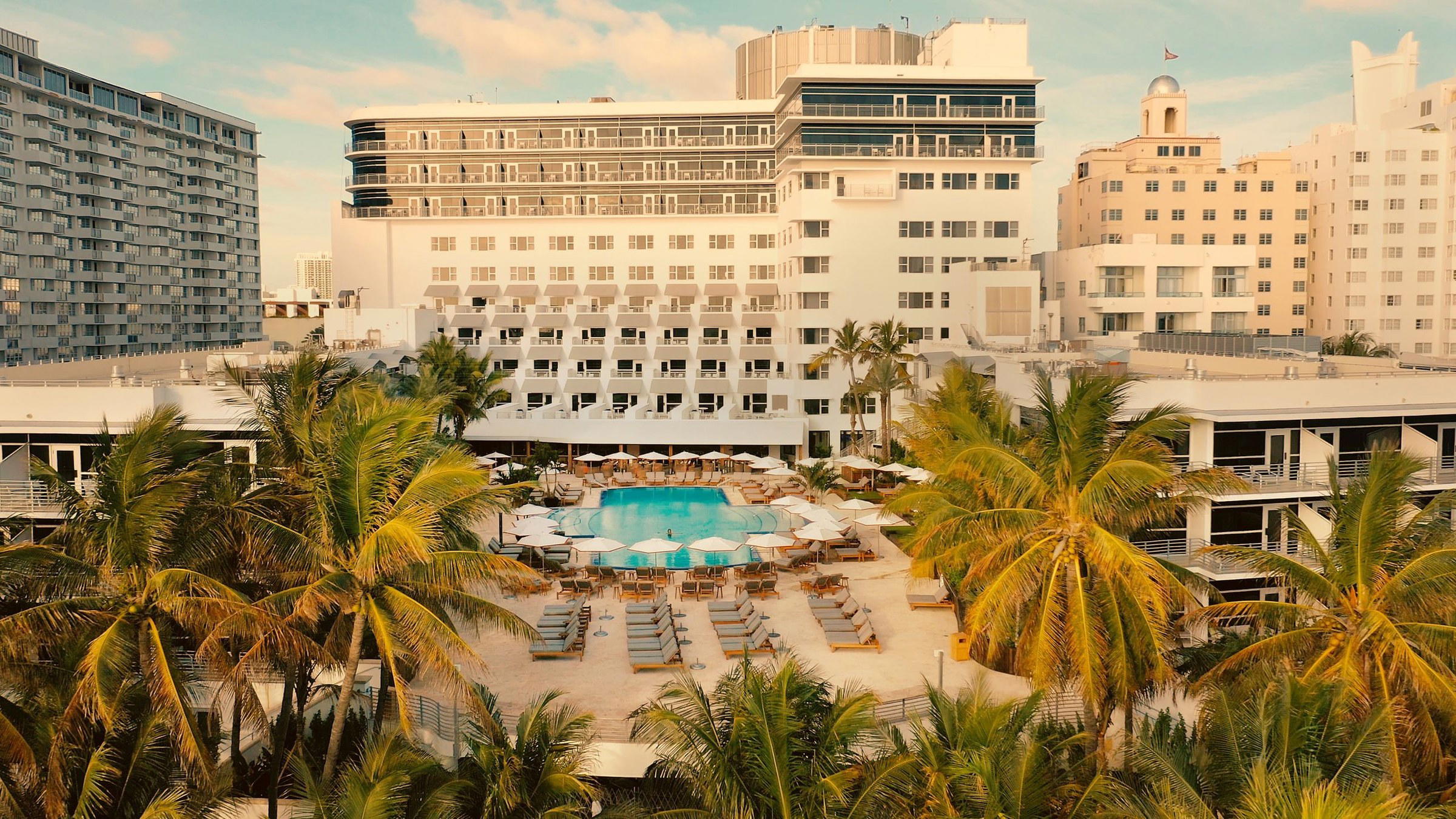
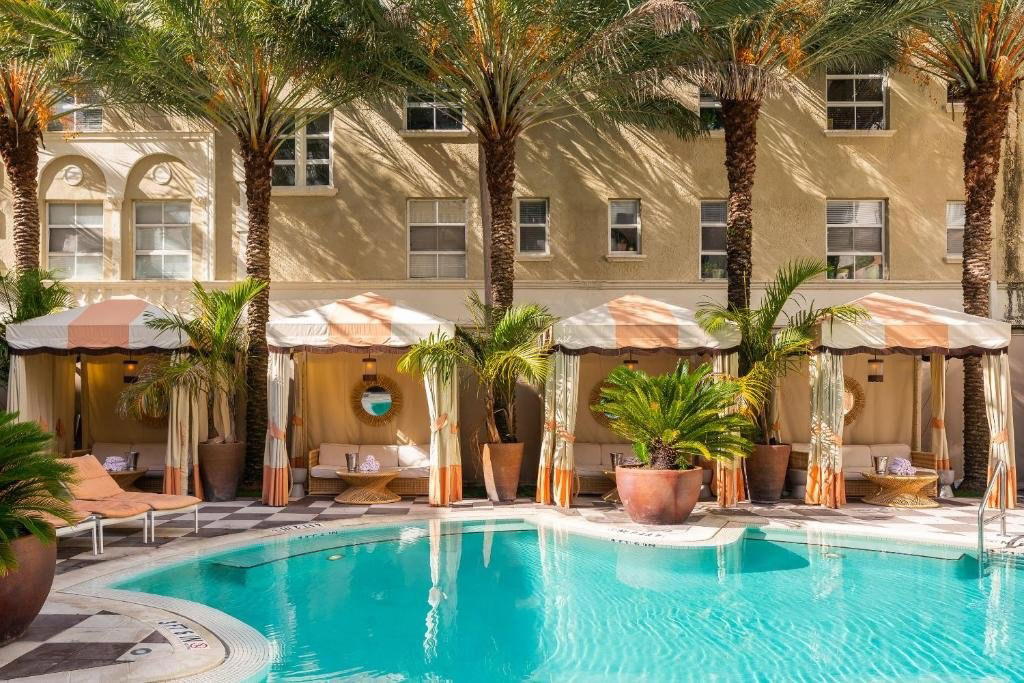
Cafe del Mar Miami occupies a Collins Avenue address in Miami Beach's South of Fifth and lower South Beach corridor, where the Ibiza-born brand's Mediterranean heritage meets the city's year-round outdoor dining culture. The venue operates within a competitive set shaped by waterfront atmosphere and international hospitality references, placing it in a distinct tier of experience-led destinations along the beach strip.

Pearl is the En Primeur Club membership app, where members save venues, book tables and use the concierge.
Collins Avenue and the Weight of a Brand
Collins Avenue in Miami Beach carries a particular kind of pressure. The strip between the Art Deco district and the lower beach blocks has absorbed decades of hospitality concepts, from post-war cafeterias to the sleek hotel lobbies that replaced them, and the venues that endure here tend to do so on the strength of atmosphere as much as anything on the plate. Into this environment, Cafe del Mar arrives with a name that already carries meaning before a single drink is poured. The original Cafe del Mar in Ibiza built its reputation across the 1980s and 1990s as the defining sunset-watching venue of the Mediterranean clubbing world, its compilations soundtracking living rooms across Europe and its terrace setting the template for what a beach bar could aspire to be. That heritage does not transfer automatically to a Collins Avenue address, but it does set a frame of expectation that the Miami iteration has to contend with.
The Miami Beach Sunset Economy
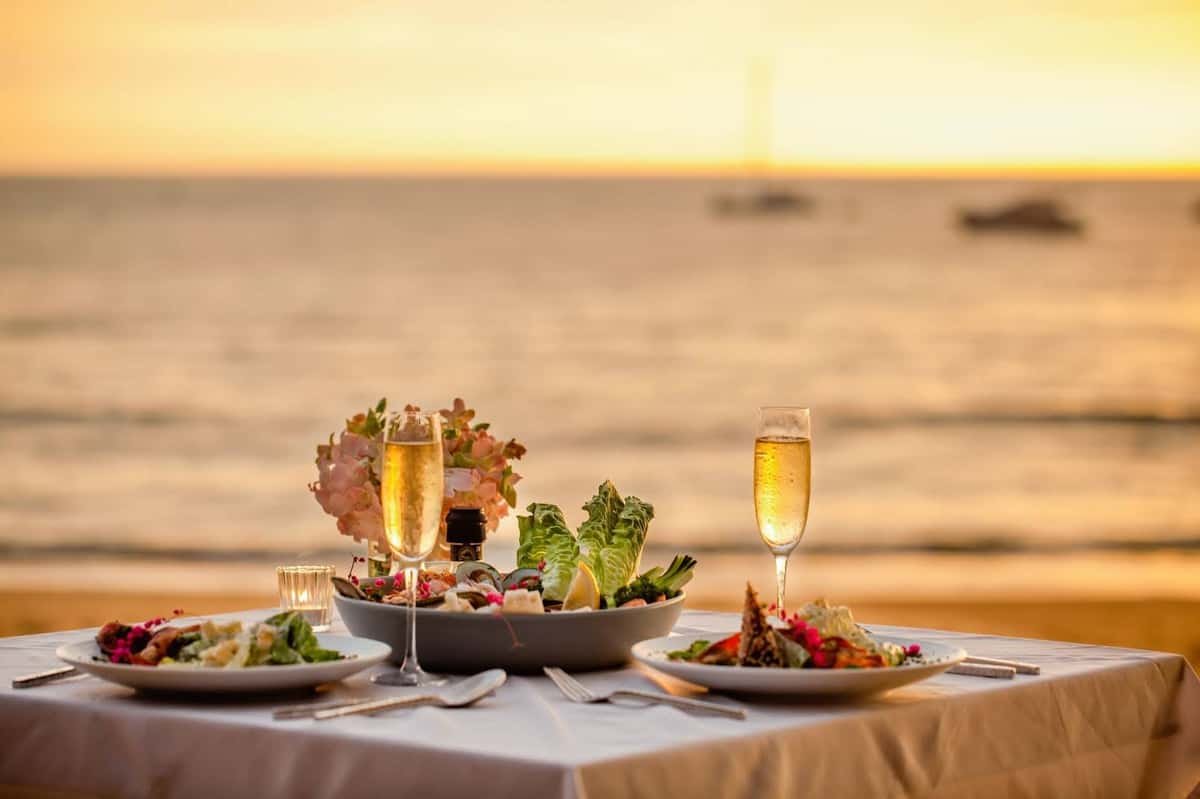
Miami Beach has its own well-developed tradition of destination atmosphere. The city's hospitality character has long been shaped by the relationship between water, light, and the particular social performance that happens at the hour when the sky shifts from blue to amber. South Beach venues have understood this since the 1980s revival, and the dining and drinking culture along Collins and Ocean Drive has always placed scene-setting above pure culinary credentials. What distinguishes the current generation of venues from their predecessors is a greater seriousness about what is served alongside the view. The Mediterranean model that Cafe del Mar's Ibiza original exemplifies fits naturally into this evolution: the Balearic tradition combines relaxed, outdoor-oriented hospitality with food and drink that earns attention on its own terms, rather than coasting on the backdrop.
At 1228 Collins Ave, the location places Cafe del Mar Miami within a block set that draws both hotel guests and destination visitors rather than purely neighborhood regulars. This is relevant context for what to expect: venues at this address pitch their experience at an international audience, which shapes everything from service register to the breadth of the drinks program. For practical planning, Collins Avenue properties of this type tend to be busiest between late afternoon and late evening, particularly in the October-to-April high season when Miami Beach's outdoor atmosphere is at its most compelling. Visitors arriving in the shoulder months of May and September encounter a noticeably different city: smaller crowds, lower ambient noise, and a more local-facing crowd that often represents the truer character of the venue.
Mediterranean Heritage in a Subtropical Setting
The cultural logic of transplanting a Mediterranean hospitality format to Miami Beach is sounder than it might first appear. Both the Balearic Islands and South Florida share a hospitality grammar built around water proximity, year-round outdoor living, and an economy of pleasure that centers on the transition from afternoon to evening. The Ibiza original made its name at that precise threshold of the day, and Miami Beach's equivalent moment, when the Atlantic light softens and the ocean breeze picks up, creates similar atmospheric conditions. Mediterranean dining traditions, with their emphasis on shared formats, seafood, and wine over extended time rather than rapid turnover, map onto Miami Beach's preferred pace more naturally than the precision-driven tasting-menu formats that define the city's fine dining tier.
For comparison, the most formally ambitious end of American dining, venues like The French Laundry in Napa, Le Bernardin in New York City, or Blue Hill at Stone Barns in Tarrytown, operates on a fundamentally different register: controlled environments, long lead-time reservations, and menus that demand sustained attention. Atmosphere-led venues in beach markets occupy a different function. They are not lesser for it; they are answering a different question about what hospitality is for. The same distinction appears across American cities: Smyth in Chicago, Atomix in New York City, and Lazy Bear in San Francisco each represent the precision-driven tier, while the atmosphere-first category serves a legitimate and large audience that those venues are not designed to reach.
Miami Beach's dining and drinking scene has never been monolithic. The corridor around Collins and Ocean Drive contains everything from the American diner format preserved at 11th Street Diner to the French cafe register of A La Folie, the seafood-forward approach of A Fish Called Avalon, the waterfront Italian positioning of a'Riva, and the Afro-Caribbean energy of Alma Cubana. Each occupies a distinct register, and the neighborhood's strength is precisely this range. Cafe del Mar's Ibiza lineage positions it in a specific niche within that range: international brand recognition, Mediterranean atmosphere codes, and an experience format that prioritizes the extended social occasion over the focused culinary event.
Those venues compete on culinary ambition and earn their standing through awards, critic recognition, and reservation scarcity. Cafe del Mar competes on a different axis: brand legacy, atmosphere production, and the ability to deliver a recognizable Mediterranean experience in a subtropical setting. Neither axis is superior; they serve different traveler priorities.
For a fuller picture of what Miami Beach's dining scene offers across all categories and price points, the EP Club Miami Beach restaurants guide maps the neighborhood by register, cuisine, and occasion type.
Planning Your Visit
The high season window from November through March delivers the conditions that align most closely with what Cafe del Mar's format is designed for: warm evenings, outdoor comfort, and a crowd that is in Miami Beach specifically for the atmospheric experience rather than passing through. Visitors prioritizing that atmosphere should aim for late afternoon arrival, when the light is most favorable and the pace is still relaxed enough to secure a position before the evening crowd fills the space. The Collins Avenue address is walkable from the majority of South Beach hotel stock, which makes pre-dinner or post-dinner visits practical without requiring transport. Given the venue's brand recognition among international travelers, spontaneous visits during peak season may encounter capacity constraints, particularly on weekend evenings.
Frequently asked questions
Is Cafe del Mar Miami a family-friendly restaurant?
The answer depends on timing and expectation. Miami Beach venues at this price and atmosphere tier tend to be oriented toward adults, particularly in the evening hours when the social energy shifts toward a bar and lounge register. Families visiting during the earlier part of the afternoon, before the evening programming takes hold, will find the environment more accommodating. The Collins Avenue location means there are several more explicitly family-oriented dining options within easy walking distance for those who want a different register.
What should I expect atmosphere-wise at Cafe del Mar Miami?
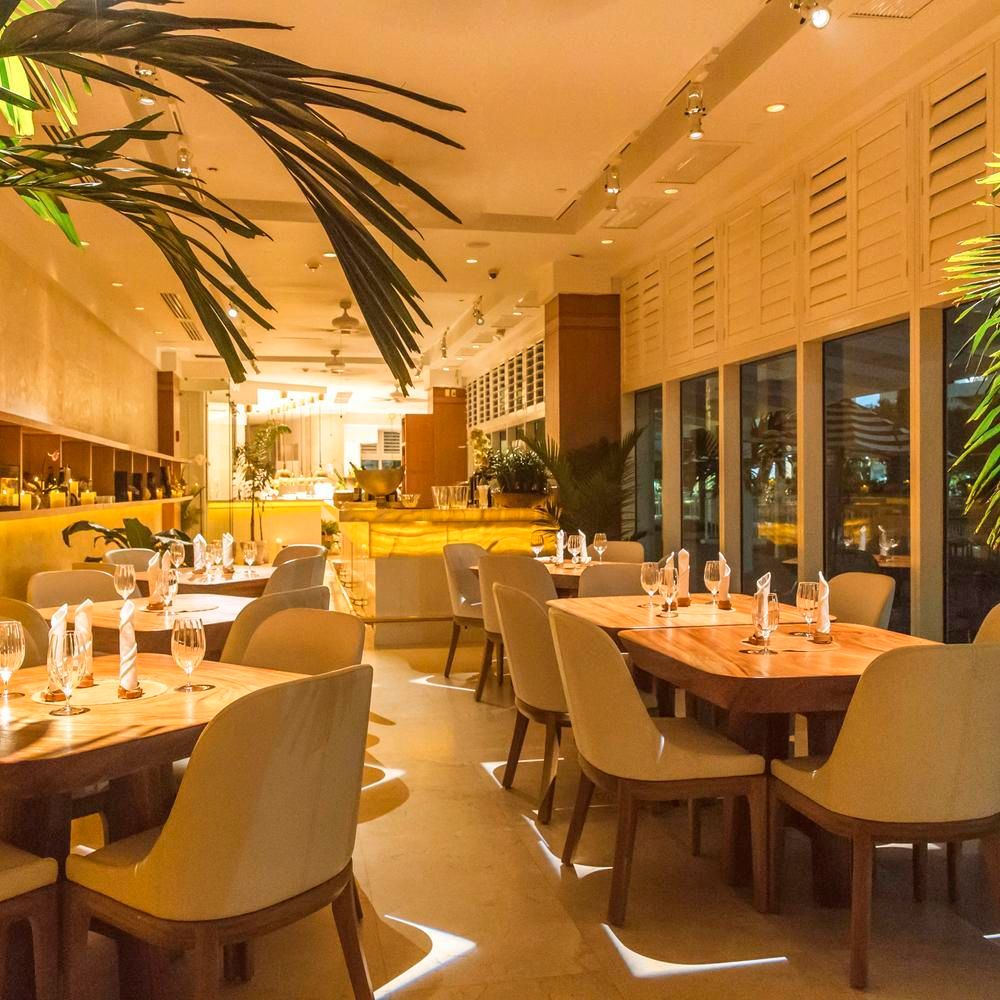
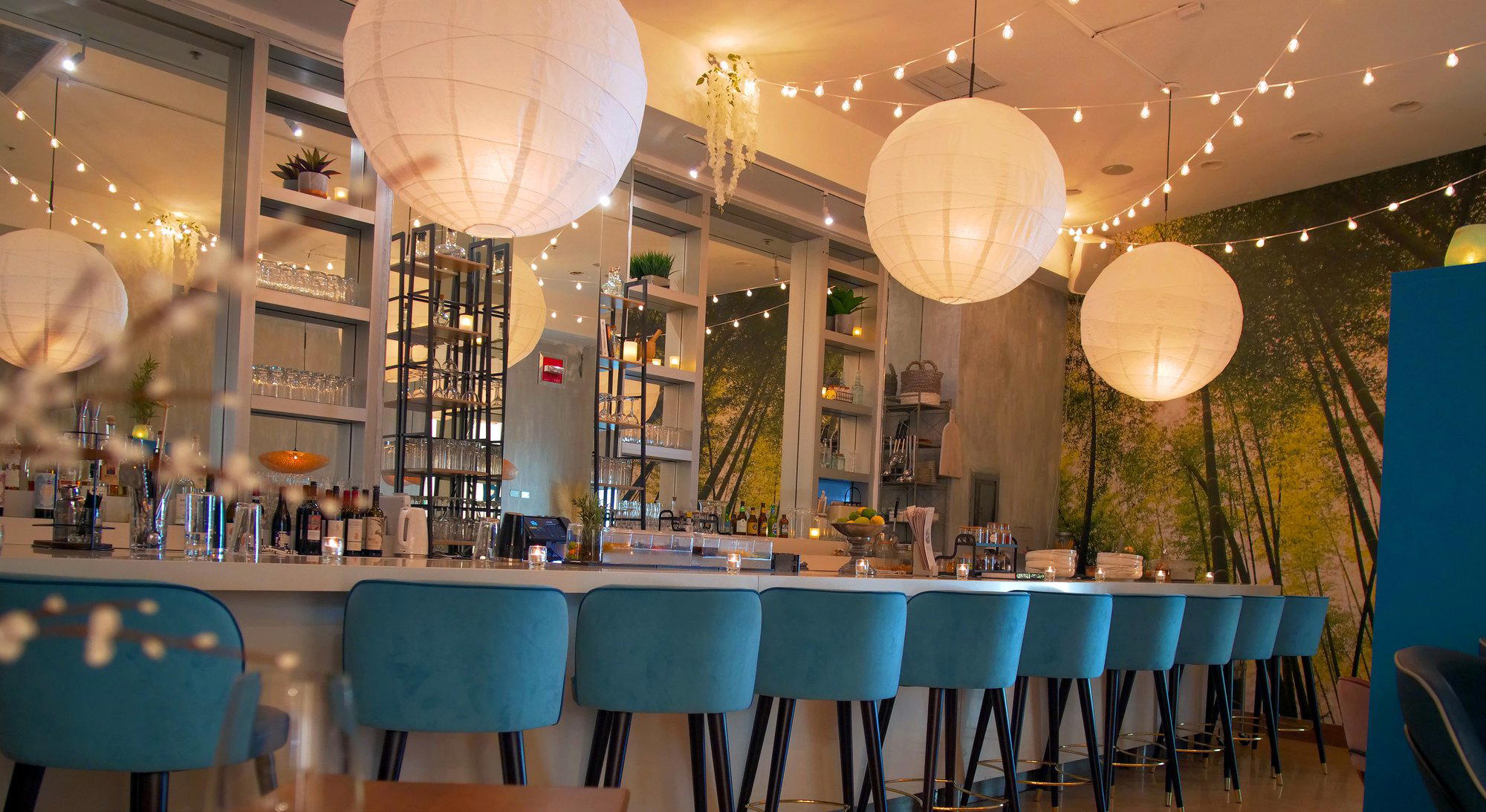
Cafe del Mar Miami draws on the Ibiza original's established atmosphere codes: sunset-oriented timing, a Mediterranean leisure register, and music programming that treats the soundtrack as seriously as the drinks list. In Miami Beach, this translates into a setting calibrated for the transition from afternoon to evening, with an outdoor-facing design that takes advantage of the city's year-round warmth. The Collins Avenue address places it within a competitive set that prizes experience production, and by that measure the venue operates in the upper tier of the neighborhood's atmosphere-led venues.
What do regulars order at Cafe del Mar Miami?
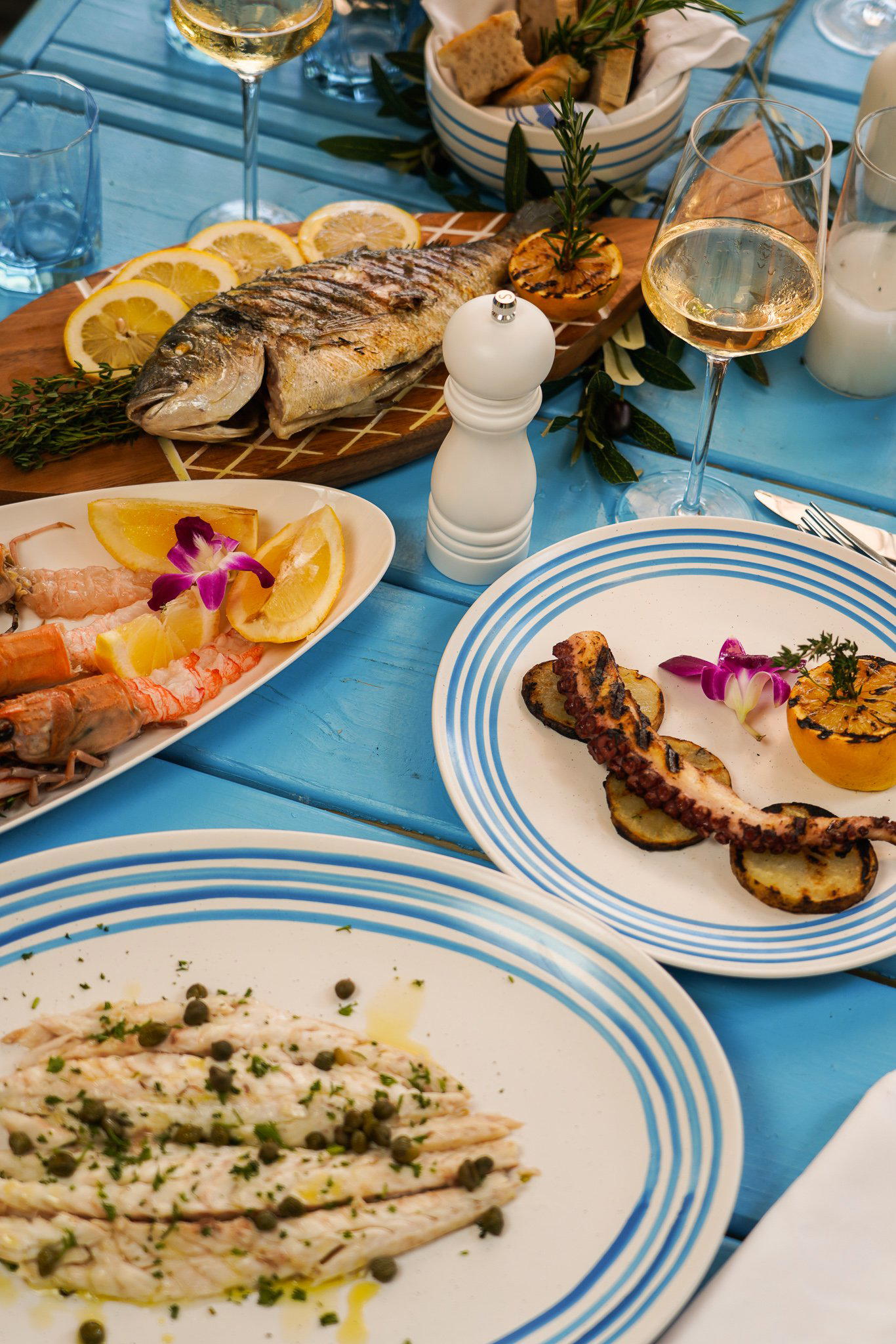
Given the Mediterranean lineage of the Cafe del Mar brand, the drinks program is the most reliable anchor for regular visitors. The Ibiza original built its identity around the sundowner occasion, meaning cocktails and wine timed to the late afternoon hold a specific cultural logic here that food-first orders do not. Regulars at atmosphere-led venues on Collins Avenue typically orient their visit around the drinks menu and use food as accompaniment rather than the primary event, which aligns with the Mediterranean hospitality model the brand represents.
Can I walk in to Cafe del Mar Miami?
During the high season months between November and March, walk-in availability at peak evening hours is less reliable, particularly on Fridays and Saturdays when Miami Beach's visitor density is at its highest. The venue's international brand recognition means it draws travelers who plan visits specifically around it, which reduces spontaneous capacity. Visiting on a weekday or arriving before the main evening rush improves walk-in prospects considerably. For weekend visits during the high season, advance planning is the more dependable approach.
What do critics highlight about Cafe del Mar Miami?
The Ibiza original's cultural standing, built across decades of sunset programming and globally distributed music compilations, provides the credibility frame. Critics and travel journalists approaching the Miami iteration tend to assess it against that heritage, asking how faithfully the Collins Avenue address translates the source material's atmosphere rather than evaluating it as a standalone culinary proposition.
How does Cafe del Mar Miami differ from other sunset-oriented venues along the Miami Beach waterfront?
The primary differentiator is brand provenance: most Miami Beach sunset venues are locally conceived, while Cafe del Mar arrives with a European heritage rooted in the Ibiza club and chill-out scene of the late 20th century. That heritage shapes the music curation, the Mediterranean atmosphere codes, and the international audience the venue draws, distinguishing it from homegrown competitors on the Collins Avenue strip. For travelers familiar with the Ibiza original, the Miami outpost functions as a recognizable extension of a specific hospitality tradition rather than a generic beach bar.
Peers You’d Cross-Shop
Comparable venues nearby, for context on price, style, and recognition.
| Venue | Cuisine | Price | Awards | Notes |
|---|---|---|---|---|
| Cafe del Mar MiamiThis venue (the venue you are viewing) | Mediterranean Seafood | $30–50 | Not listed | Not listed |
| Zaytinya | Modern Eastern Mediterranean Mezze | $50–100 | Wine Spectator Award of Excellence | South Beach |
| Amalia | Mediterranean with Latin Accents | Not listed | Not listed | South Beach |
| The Restaurant at the Palms | Mediterranean-Inspired Farm-to-Table | $30–50 | Not listed | Miami Beach |
| Byblos | Eastern Mediterranean | $50–100 | Not listed | South Beach |
| Baia Beach Club Miami | Mediterranean Coastal | $30–50 | Not listed | South Beach |