
Café de São Bento occupies a specific tier in Lisbon's dining scene: the kind of serious, traditional Portuguese restaurant that earns recognition from the Opinionated About Dining guide without chasing the city's modernist fine-dining circuit.
Pearl is the En Primeur Club membership app — saves, bookings, and concierge access live there. Same editors, same standards.
- Address
- R de S. Bento 212, 1200-821 Lisboa, Portugal
- Phone
- +351 913 658 343
- Website
- cafesaobento.com
- Directions
- Get directions
 Saves & bookings on Pearl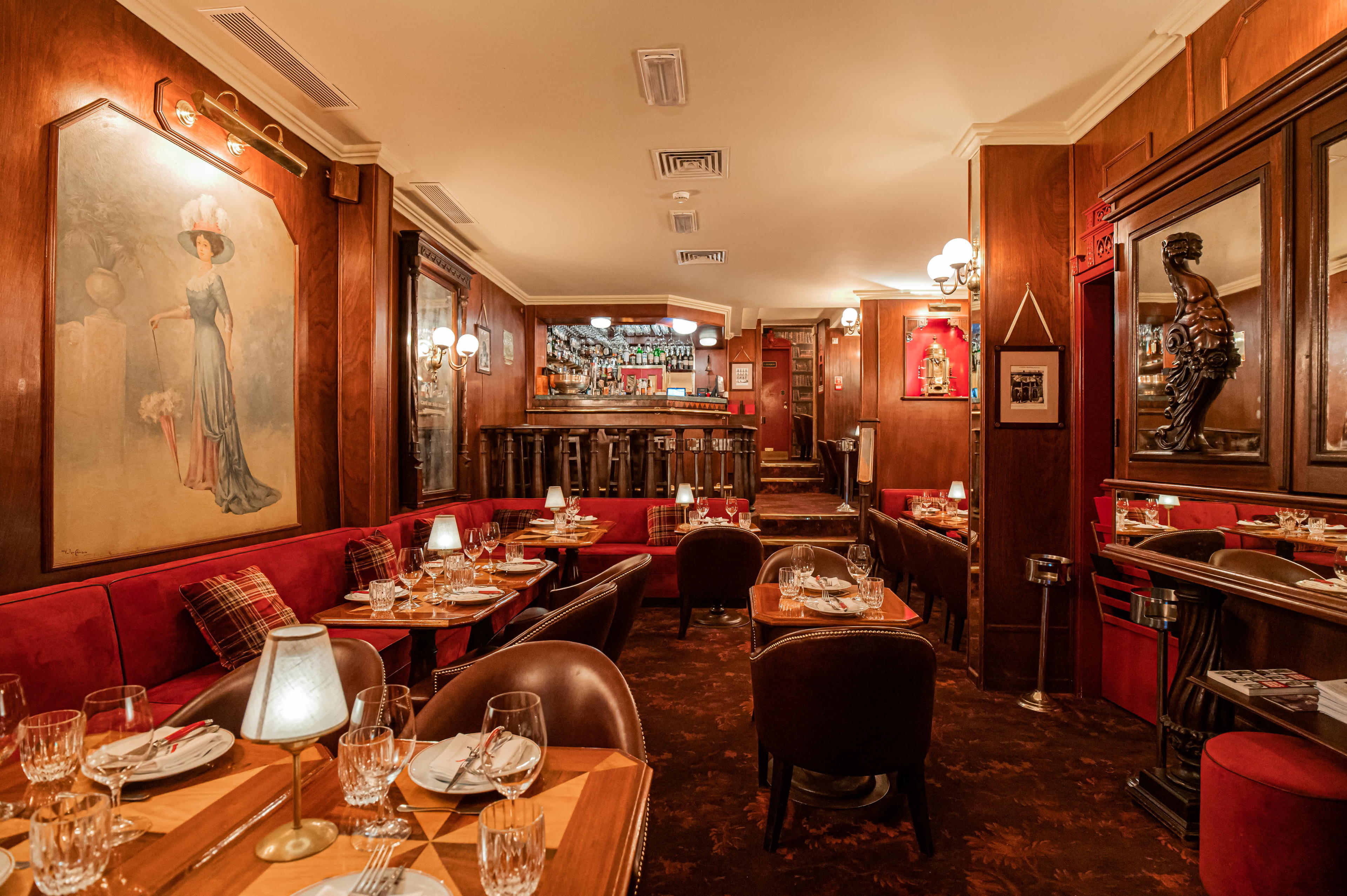
Rua de São Bento and the Case for Classical Portuguese Cooking
The stretch of Rua de São Bento that runs south toward the Assembleia da República has long been associated with antique dealers, political insiders, and the kind of restaurants that don't need a story arc to justify their existence. Café de São Bento sits along this corridor and reads the room correctly: the space announces itself as a traditional Portuguese steakhouse in Lisbon that takes Portuguese cooking seriously without positioning itself as a statement about what Portuguese cooking could become. That distinction matters more than it used to. Lisbon's upper-tier restaurant circuit now runs heavily toward the progressive and the tasting-menu format, Belcanto holds two Michelin stars in the creative modern bracket, while CURA, Eleven, and Feitoria occupy the single-star modern tier. Café de São Bento operates on a different register entirely, one where the kitchen's credibility rests on technique applied to tradition rather than technique applied to reinvention.
Where It Sits in Lisbon's Restaurant Map
Lisbon's casual dining scene has fractured into at least three distinct camps over the past decade. There are the tavern-format places, wine-forward, small-plate, deliberately rustic, represented by restaurants like A Taberna da Rua das Flores. There are the modern Portuguese mid-range spots such as Oficio, which apply current thinking to regional ingredients. And there is the classical restaurant tradition, anchored by places like Solar dos Presuntos and Café de São Bento, where the menu reads as a confident account of what Portuguese cooking has been doing for decades, delivered with professional service rather than informal charm as the primary mode.
The restaurant sits in this third camp. Its recognition from the Opinionated About Dining guide, ranked #812 in the Casual Europe list for 2025, following a Recommended listing in 2023, places it within a peer group that earns OAD attention not through novelty but through consistent execution. That trajectory, from Recommended to a numbered ranking, suggests a kitchen that has tightened rather than drifted.6 across 1,536 reviews adds a volume dimension: this is not a restaurant sustaining its score on a thin sample of enthusiasts.
The Room and the Service Register
Classical Portuguese restaurants of this type tend to treat the dining room as a functional stage for serious eating rather than an architectural gesture. The Rua de São Bento address places the restaurant in a neighbourhood that feels removed from the tourist circuits of Baixa and Alfama without being inaccessible, the area draws a mixed crowd of government-adjacent locals, residents of the Príncipe Real and Campo de Ourique districts, and visitors who have done enough research to find their way off the obvious paths.
In restaurants of this calibre and format, the front-of-house and kitchen relationship determines whether a meal feels cohesive or merely competent. The editorial angle for a place like Café de São Bento is not the chef's personal philosophy in isolation but the way the dining room team translates kitchen decisions into a guest experience. Portuguese classical cooking depends on timing, on knowing when a bacalhau preparation is ready, when a meat dish has rested correctly, and that kitchen-to-table communication is what separates a well-run traditional restaurant from one coasting on reputation. Under chef Miguel Garcia, the kitchen side of that equation has earned external validation. Whether the floor team meets that standard on a given evening is the variable any repeat visitor tracks.
The Portuguese Classics Context
Portugal's classical restaurant tradition is less globally documented than its fine-dining tier, yet it represents a more complete picture of how the country actually eats at the table. The dishes that anchor menus at restaurants like Café de São Bento, bacalhau in its various preparations, grilled meats with precision, rice dishes built on proper stocks, require accumulated knowledge rather than creative license. They are also the dishes against which Portuguese diners hold restaurants to the highest standard, because everyone has a reference point from home or from long-established family restaurants. Earning consistent recognition for this kind of cooking is harder than it looks from outside.
For broader context on Portugal's restaurant range, the country's fine-dining circuit extends well beyond Lisbon: Vila Joya in Albufeira, Antiqvvm in Porto, Casa de Chá da Boa Nova in Leça da Palmeira, Il Gallo d'Oro in Funchal, Ocean in Porches, and The Yeatman in Vila Nova de Gaia each represent different expressions of what Portuguese cuisine can do at the leading level. The restaurant operates below that formal tier by design, not by ambition, occupying the space where classical cooking is the point.
The Portuguese tradition also travels. Albergue 1601 in Macau and Casa da Calçada in Amarante show how the culinary lineage extends across geographies and formats, each adapting the core tradition to a specific context in ways that make Lisbon's own classical restaurants look like the originating point of a much wider conversation.
A contemporary creative note comes from 2Monkeys, which represents the city's more experimental side and serves as a useful counterpoint to understanding exactly what the restaurant is choosing not to do.
Planning a Visit
The kitchen runs a split-service format from Monday through Friday: lunch from noon to 3 pm, and dinner from 7 pm to 1 am. On Saturday and Sunday, only dinner service operates, from 7 pm to 1 am. The late closing time is characteristic of Lisbon's dinner culture, where meals beginning at 9 pm are not unusual and the kitchen remains active well past when most northern European restaurants have closed.
A Minimal comparable set
Comparable venues nearby, for context on price, style, and recognition.
| Venue | Cuisine | Price | Notes |
|---|---|---|---|
| Café de São Bento | Not listed | $$$ | Bairro Alto, Traditional Portuguese Steakhouse |
| Pavilhão Chinês | Bairro Alto, Cocktail Bar & Gastropub | $$$ | Not listed |
| Brick Cafe Lisboa | Estefania, International Brunch Cafe | $$ | Not listed |
| A Cevicheria | Bairro Alto, Modern Peruvian Cevicheria | $$$ | Not listed |
| Varanda | Baixa, Portuguese Fine Dining | $$$ | Not listed |
| Plano | Mouraria, Modern Portuguese Tasting Menu | $$$ | Not listed |
Recognition history
Dated appearances from independent guides and award organizations, with the underlying list record or original source where available.
Opinionated About Dining Casual in Europe Recommended
Opinionated About Dining
Opinionated About Dining Casual in Europe Ranked #812
Opinionated About Dining
Opinionated About Dining Casual in Europe Recommended
Opinionated About Dining
Continue exploring
More in Lisbon
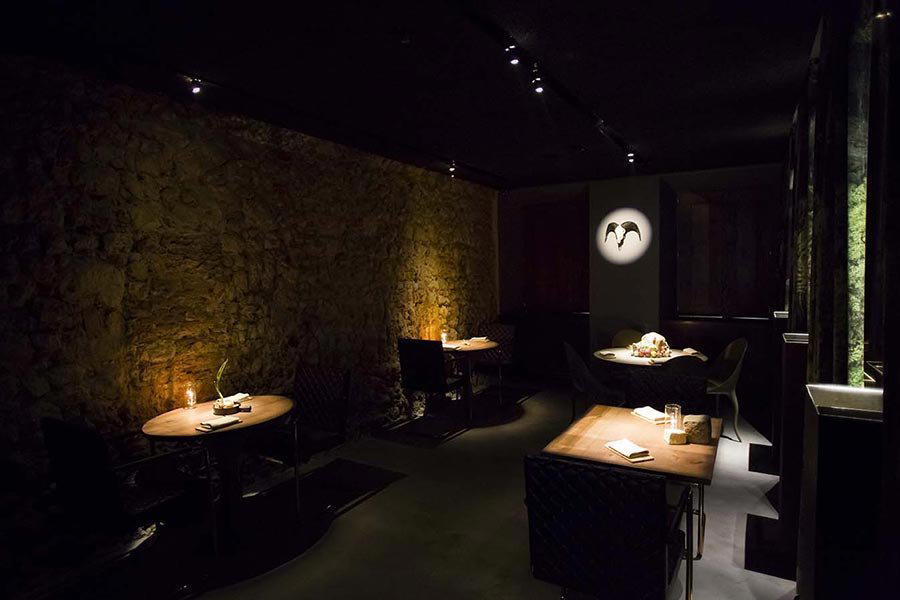
Restaurants in Lisbon
Browse all →
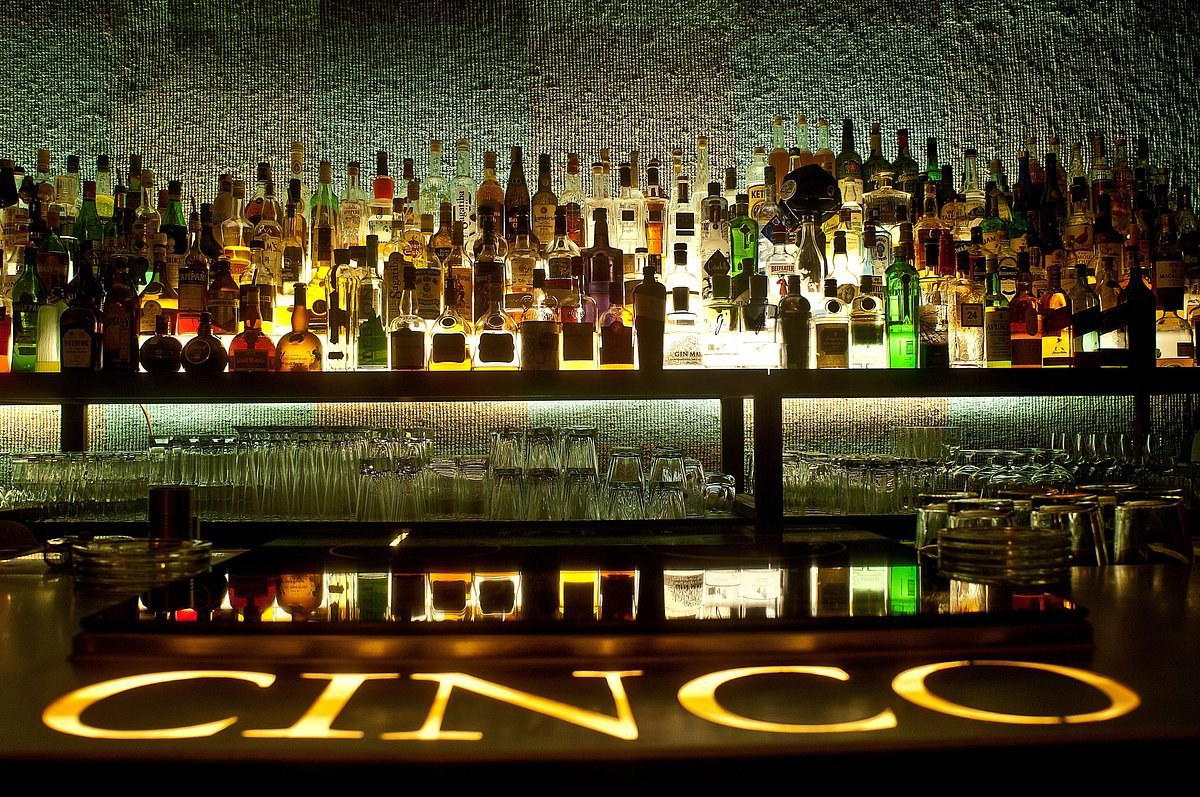
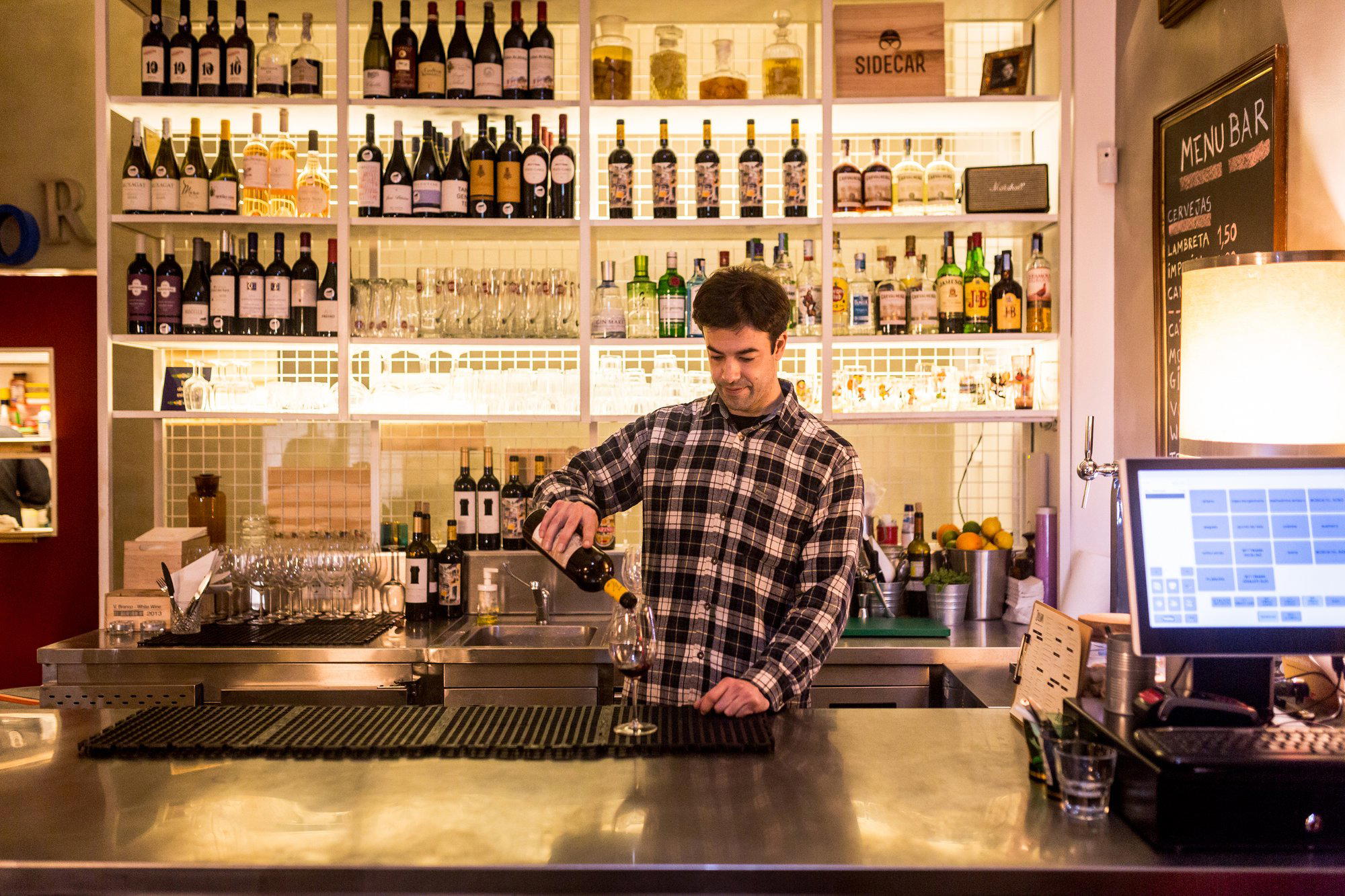
Bars in Lisbon
Browse all →
Hotels in Lisbon
Browse all →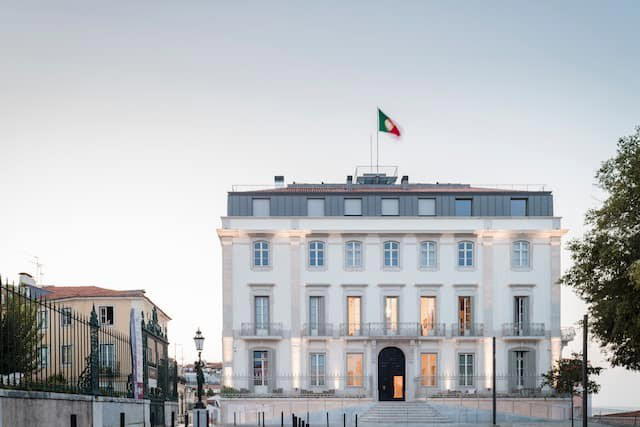

At a Glance
- Classic
- Cozy
- Intimate
- Well Known
- Date Night
- Special Occasion
- Business Dinner
- Historic Building
- Extensive Wine List
Current opening hours
- Monday
- 12–3 PM, 7 PM–1 AM
- Tuesday
- 12–3 PM, 7 PM–1 AM
- Wednesday
- 12–3 PM, 7 PM–1 AM
- Thursday
- 12–3 PM, 7 PM–1 AM
- Friday
- 12–3 PM, 7 PM–1 AM
- Saturday
- 12–3 PM, 7 PM–1 AM
- Sunday
- 12–3 PM, 7 PM–1 AM
Hours can change for holidays and private events. Last verified .
Cozy, dimly lit with dark wood paneling, retro Victorian charm, jazz music, and warm intimate atmosphere.