Cafe Angelino
Our verdict
Cafe Angelino sits on West 3rd Street in Los Angeles, a stretch that has long served as an informal dividing line between Beverly Hills adjacency and the mid-city dining corridor. The cafe operates in a segment of the LA dining scene where neighborhood regularity and ingredient-forward cooking overlap, drawing from Southern California's deep network of growers and producers that feeds the city's broader food culture.

Pearl is the En Primeur Club membership app — saves, bookings, and concierge access live there. Same editors, same standards.
- Address
- 8735 W 3rd St, Los Angeles, CA 90048
- Phone
- (310) 246-1177
- Hours
- Mon–Sat 11 AM–10 PMSun 3–10 PM
- Website
- cafeangelino.com
- Directions
- Get directions
- Booking
- Book on OpenTable
The menu
What to order
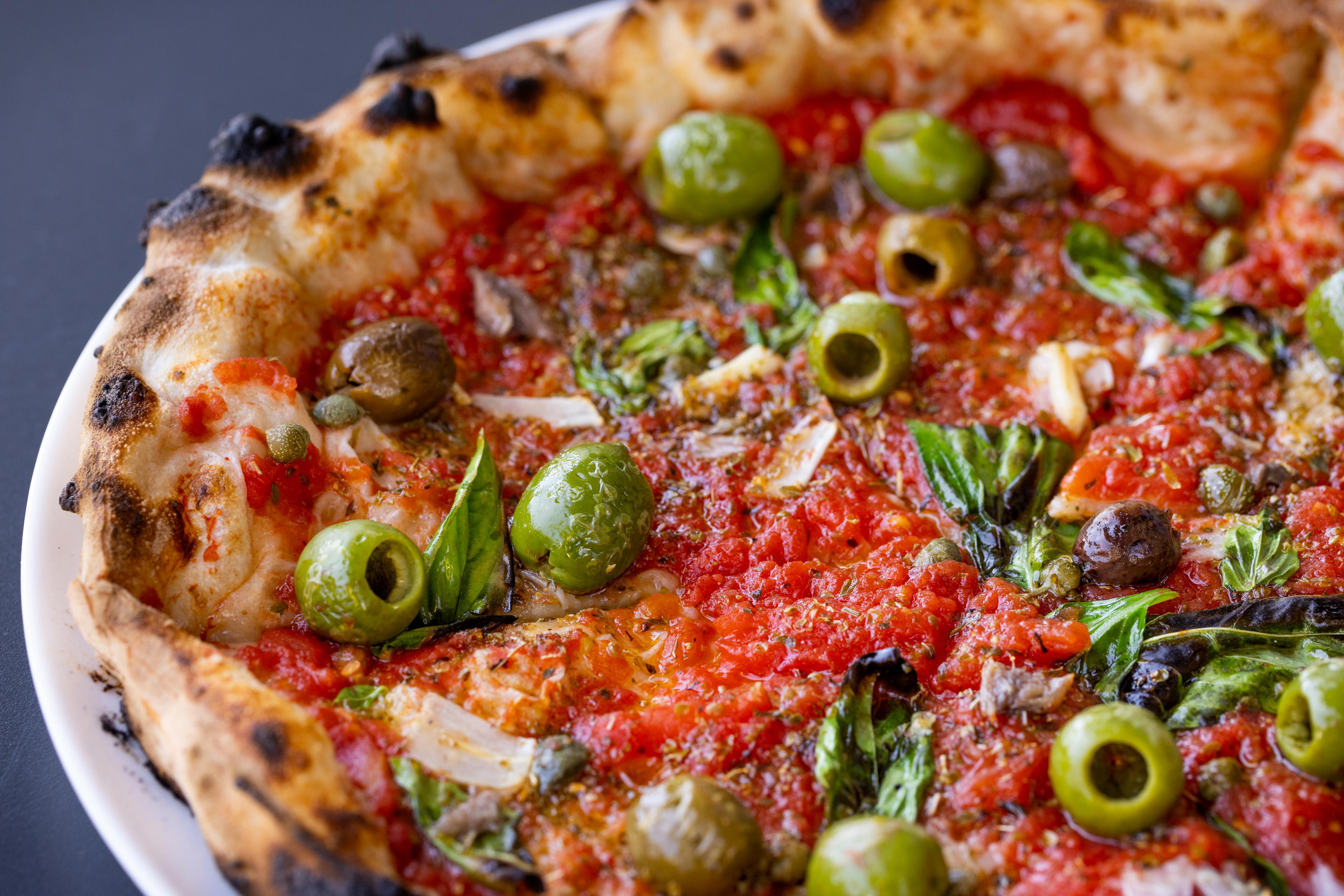
- Margherita Pizza
- Pasta Arrabbiata
- Ravioli di Ricotta e Spinaci
- Branzino
- Chicken Milanese
- Tiramisu
West 3rd Street and the Mid-City Dining Corridor
Los Angeles has never had a single dining district the way Paris has its arrondissements or Tokyo its ward-by-ward culinary identities. Instead, the city's restaurant culture spreads across a loose grid of corridors, each with its own character. West 3rd Street, where Cafe Angelino sits at number 8735, occupies a particular position in that grid: close enough to Beverly Hills to attract a polished clientele, but rooted firmly in the mid-city residential character that has made this stretch a reliable address for daily dining rather than occasion-driven spectacle. The farmers markets at nearby Fairfax and the specialty food shops that line this part of 3rd have long made it a natural convergence point for sourcing-conscious kitchens. That context matters when reading any restaurant on this block.
Southern California's agricultural infrastructure is, by most measures, the most productive in the United States. The region pulls from the Central Valley, the coastal farms of Santa Barbara and Ventura counties, and a growing network of small-plot urban and peri-urban growers whose output feeds the city's more ingredient-attentive kitchens. Restaurants along West 3rd operate in close proximity to that supply chain, both physically and culturally. For a neighborhood cafe in this corridor, the question of sourcing is less a marketing stance than a baseline expectation set by the density of quality product flowing through the area.
Where Cafe Angelino Sits in the LA Dining Conversation
Los Angeles dining has stratified significantly over the past decade. At the leading end, multi-course tasting menus at places like Providence (Contemporary Seafood) and Somni (Molecular) command the kind of critical attention and booking lead times associated with destination dining. A tier below, counters like Hayato (Japanese) and concept-driven rooms like Kato (New Taiwanese, Asian) have carved out loyal followings built on precision and culinary point of view. Cafe Angelino operates in a different register from these venues, one closer to the everyday anchor role that Italian-inflected cafes have historically played in neighborhood food culture across American cities. The comparison set here is less about tasting menus and more about the durable, repeatable dining experience that keeps a block commercially and culturally alive.
That everyday-anchor category is underappreciated in food criticism, which tends to reward novelty and destination credentials. But the mid-price neighborhood cafe is where most of a city's actual food culture lives. In cities like New York, the equivalent tier includes the trattorias and brasseries that survive decades by staying useful to their immediate community. Osteria Mozza (Italian), which sits at a higher price point and with significant critical recognition, illustrates how Italian-leaning cooking in Los Angeles can carry institutional weight when it commits to sourcing and craft. The gap between that register and a neighborhood cafe like Angelino is partly price and partly ambition, but both exist within the same broader Los Angeles conversation about Italian food and its relationship to California produce.
The Sourcing Logic Behind West 3rd Kitchens
The ingredient-sourcing framework that defines serious California cooking did not originate in fine dining rooms. It came from the farmers market movement, the organic agriculture networks that took hold in the 1970s and 1980s, and the broader cultural argument that local, seasonal produce was worth paying attention to. Restaurants operating in proximity to the Original Farmers Market at Fairfax, a short distance from West 3rd, have absorbed that argument over generations. For a cafe on this corridor, access to high-quality produce, cured meats, and artisan goods is a function of geography as much as intent.
This is the same logic that drives more formally recognized sourcing programs at places like Single Thread Farm in Healdsburg and Blue Hill at Stone Barns in Tarrytown, where the farm-to-table relationship is explicit and documented. At the neighborhood cafe level, the same principle applies with less ceremony: the proximity to good product, and a local clientele that knows what good product tastes like, creates its own kind of accountability. Southern California diners, particularly in neighborhoods like this one, have grown accustomed to quality sourcing as a standard rather than a differentiator.
Comparable dynamics operate at celebrated sourcing-forward restaurants elsewhere in the country. Smyth in Chicago, Lazy Bear in San Francisco, and Addison in San Diego each build their menus around a documented relationship with specific producers. At the neighborhood cafe level in Los Angeles, that relationship is less formalized but no less real. The density of high-quality growers accessible to West 3rd kitchens is a structural advantage that shapes what any attentive cook can put on a plate.
Italian Cafe Tradition and Its California Translation
The Italian cafe format translates differently across American cities. In New York, it often skews toward red-sauce tradition or Greenwich Village espresso culture. In Los Angeles, the format absorbs the local agricultural context more readily, partly because California's own produce culture aligns naturally with the Italian emphasis on seasonal, ingredient-led cooking. Pasta made with local flour, antipasti built around California citrus and cured meats, espresso served against a backdrop of West Coast light: the convergence is less forced here than in many other American cities. Restaurants like Frasca Food and Wine in Boulder have demonstrated how Italian regional cooking can root itself successfully in a non-Italian American context when the sourcing logic is sound. The West 3rd corridor has its own version of that argument, operating at a more casual register but drawing from the same Mediterranean-California ingredient affinity.
For readers mapping the broader American fine dining landscape, the distance between a neighborhood cafe and a destination room is worth understanding. Le Bernardin in New York City, The French Laundry in Napa, The Inn at Little Washington, and Atomix in New York City each represent the formal tasting-menu tier, where sourcing narratives are embedded in multi-course storytelling. Cafe Angelino operates well outside that tier, but it occupies a part of Los Angeles dining that the city could not function without. See our full Los Angeles restaurants guide for a broader map of where different dining registers sit across the city.
For sourcing-forward comparison at the fine dining end of Italian and European cooking, Atelier Moessmer Norbert Niederkofler in Brunico offers a benchmark for how far the ingredient-led philosophy can extend when applied with complete formal rigor. Emeril's in New Orleans provides a different regional lens on the relationship between locality and restaurant identity. Neither is a direct peer, but both illustrate the spectrum on which ingredient sourcing operates as a restaurant value.
Planning Your Visit
Address: 8735 W 3rd St, Los Angeles, CA 90048. Timing: West 3rd Street sees consistent foot traffic throughout the week; weekday visits tend to offer a quieter experience than weekend midday. Context: Pair a visit here with the surrounding block's food shops and the proximity to the Fairfax district for a fuller picture of the mid-city food corridor.
Frequently asked questions
What dish is Cafe Angelino famous for?
What is Cafe Angelino known for?
What's the ideal way to book Cafe Angelino?
Can Cafe Angelino handle vegetarian requests?
How does Cafe Angelino fit into the West 3rd Street food corridor compared to other neighborhood options?
Budget and Context
Comparable venues nearby, for context on price, style, and recognition.
| Venue | Cuisine | Price | Notes |
|---|---|---|---|
| Cafe AngelinoThis venue — the venue you are viewing | Authentic Italian Trattoria | $20–30 | Not listed |
| Blair's Restaurant | Italian Trattoria | $30–50 | Silver Lake, Italian Trattoria |
| Cruzer Pizza | 100% Vegan Pizza | Not listed | Echo Park, 100% Vegan Pizza |
| Miceli's Italian Restaurant | Classic Italian | $30–50 | Hollywood, Classic Italian |
| Apollonia's Pizzeria | Artisan Italian Pizza | $20–30 | Mid-Wilshire, Artisan Italian Pizza |
| Cheebo | Italian-American Trattoria with Organic Focus | $20–30 | Hollywood, Italian-American Trattoria with Organic Focus |
Continue exploring
More in Los Angeles
Restaurants in Los Angeles
Browse all →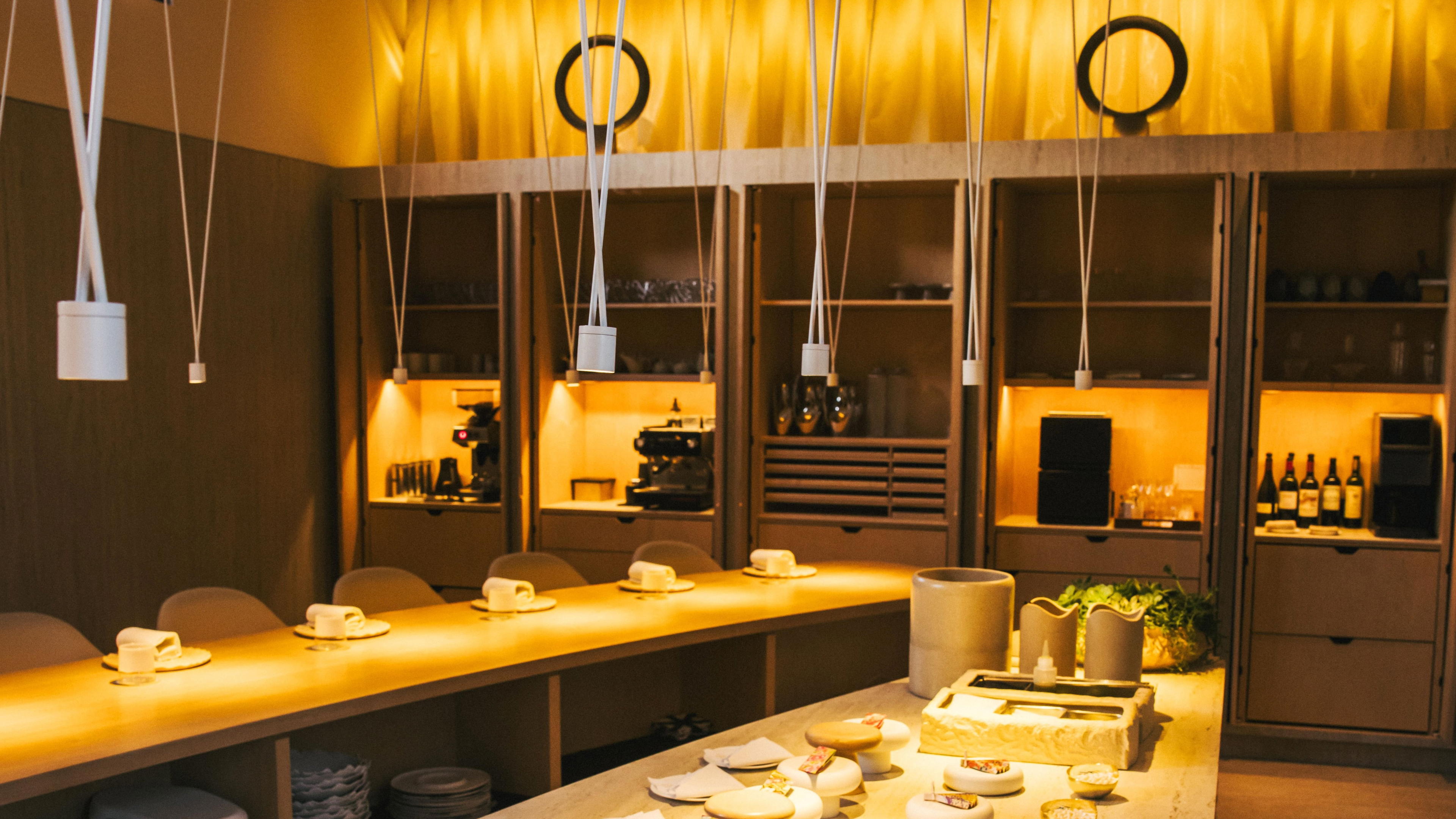
Bars in Los Angeles
Browse all →
Hotels in Los Angeles
Browse all →
Wineries in Los Angeles
Browse all →
Details
- Cozy
- Classic
- Rustic
- Casual Hangout
- Family
- Group Dining
- Date Night
- Standalone
- Terrace
- Beer Program
- Local Sourcing
- A La Carte
- Italian Craft Beers
- Cocktails
- Vegetarian Friendly
- Gluten Free Options
Current opening hours
- Monday
- 11 AM–10 PM
- Tuesday
- 11 AM–10 PM
- Wednesday
- 11 AM–10 PM
- Thursday
- 11 AM–10 PM
- Friday
- 11 AM–10 PM
- Saturday
- 11 AM–10 PM
- Sunday
- 3–10 PM
Hours can change for holidays and private events. Last verified .
Warm and inviting with a cozy, authentic Italian atmosphere; intimate indoor dining and beautiful patio seating create an escape to the heart of Italy.