Our verdict
Wow Momo in Mohali's Phase 3B-2 sits within the city's expanding fast-casual circuit, where momo culture has migrated from street corners into permanent, structured settings. The format here tracks a national chain approach to the Himalayan dumpling, making it one of the more accessible entry points into the category across Sahibzada Ajit Singh Nagar district.

Pearl is the En Primeur Club membership app, where members save venues, book tables and use the concierge.
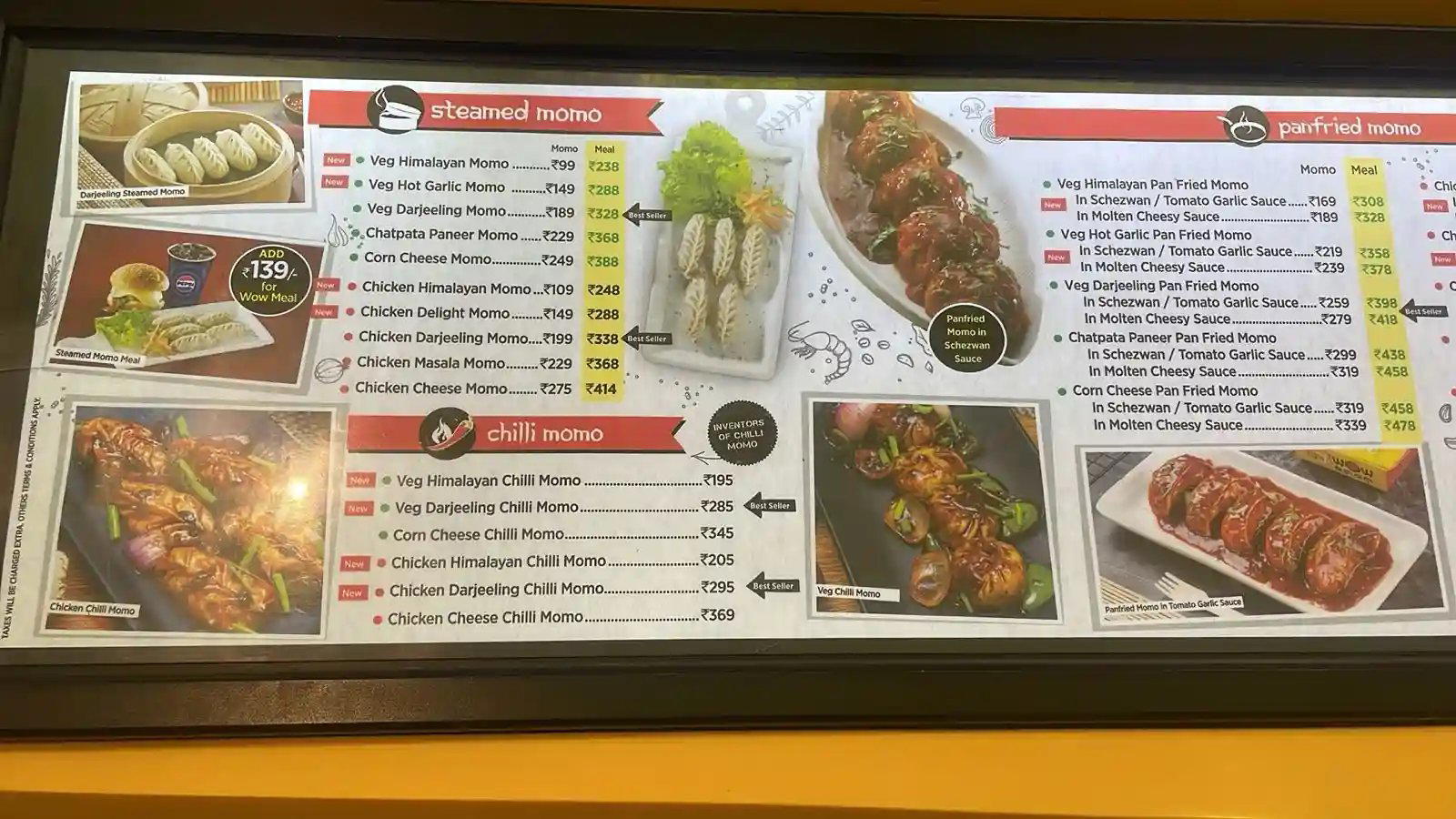
The menu
What to order
- Pahari Momo
- Corn Cheese Korean Spicy Momo
- Sizzlers
Momo Culture in Mohali: Where Street Tradition Meets Chain Format
Across northern India's mid-size cities, the momo has completed a transition that took ramen decades to achieve in the West: from ethnic-community staple to mass-market comfort food with a structured retail footprint. Mohali, as one of the Punjab region's fastest-growing urban corridors, reflects this pattern clearly. The stretch around Sector 60 and Phase 3B-2 houses the kind of casual dining density that follows residential and tech-sector growth, and Wow Momo's presence in Sahibzada Ajit Singh Nagar fits that broader pattern. If you want to understand how a Himalayan street snack becomes a scalable category, this is a useful case study on the ground.
For context on the wider Punjab dining scene and how Mohali's restaurants sit against each other by format and price tier, see our full Mohali restaurants guide.
The Momo as a Sourcing Story
The editorial angle that matters most when thinking about Wow Momo is not the brand itself but the ingredient logic behind the momo category. Traditional momos, as they traveled from Tibet through Nepal and into Darjeeling, Sikkim, and eventually Delhi and beyond, were built around whatever protein or vegetable filling was locally available and affordable. The dumpling wrapper, typically a simple wheat-flour dough, was secondary to the filling's freshness and seasoning.
In a chain setting, that sourcing logic shifts. What a national brand like Wow Momo provides is consistency of ingredient quality across locations, which in the fast-casual tier is a meaningful commitment. The momo format is forgiving enough that a reasonably calibrated kitchen can maintain a decent standard without the hyper-local sourcing that defines, say, Farmlore in Bangalore, where the farm-to-table sourcing chain is the editorial story. At the Mohali outlet, the draw is accessibility and reliability within the category rather than provenance-led cooking.
That distinction matters for the reader deciding where to place Wow Momo in their mental hierarchy. The venue operates in a different register than, for example, Bukhara in New Delhi, where tandoor technique and decades of institutional reputation define the visit, or Esphahan in Agra, where heritage cuisine commands a premium setting. Wow Momo's value is in democratizing a street-food category at a consistent price point, not in reinterpreting it through a fine-dining lens.
The Broader Fast-Casual Tier in Punjab
Punjab's food culture is emphatically protein-forward and seasonally driven at its traditional core, from the tandoori chicken of Amritsar's dhabas, represented at the premium end by places like Beera Chicken House in Amritsar, to the strong wheat-based breads that anchor most households. The momo is, in that context, something of an outsider format: light, steamed, and rooted in a culinary tradition far removed from Punjabi cooking. Its success in cities like Mohali speaks to how younger urban demographics have absorbed northeastern and Himalayan food influences through migration, social media, and the expansion of chains that standardized the category.
Wow Momo, founded in Kolkata and now operating across dozens of Indian cities, is largely responsible for normalizing the momo as a sit-down or takeaway option rather than a strictly street-cart item. The Mohali location follows the same playbook: a structured indoor environment, a menu that extends beyond the basic steamed or fried momo to include soup variants and fusion adaptations, and a price point designed to capture the student and young professional market that dominates Sector 60's daytime traffic.
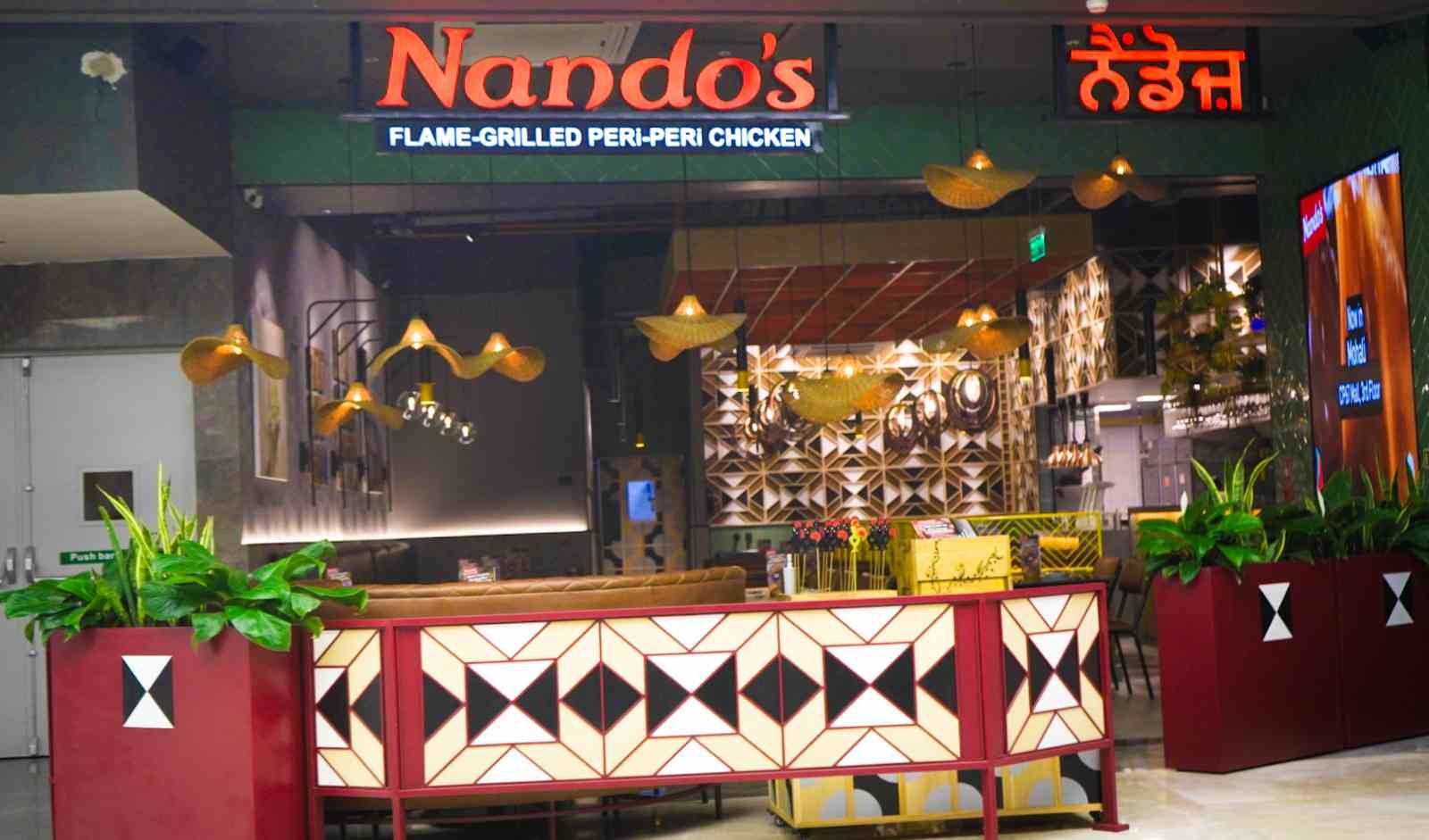
Compare this to how other casual categories have structured themselves regionally. Nando's Flame-Grilled PERi-PERi Chicken in Mohali occupies a similar fast-casual position but with an international brand anchor and a more protein-heavy format. Both venues serve the same demographic, but the momo's lower per-unit cost gives Wow Momo a slightly broader accessibility range. Similarly, Dosa Crepes N More in Mehsana shows how South Indian street formats have taken a comparable journey through chain-driven formalization in western India.
What the Format Delivers
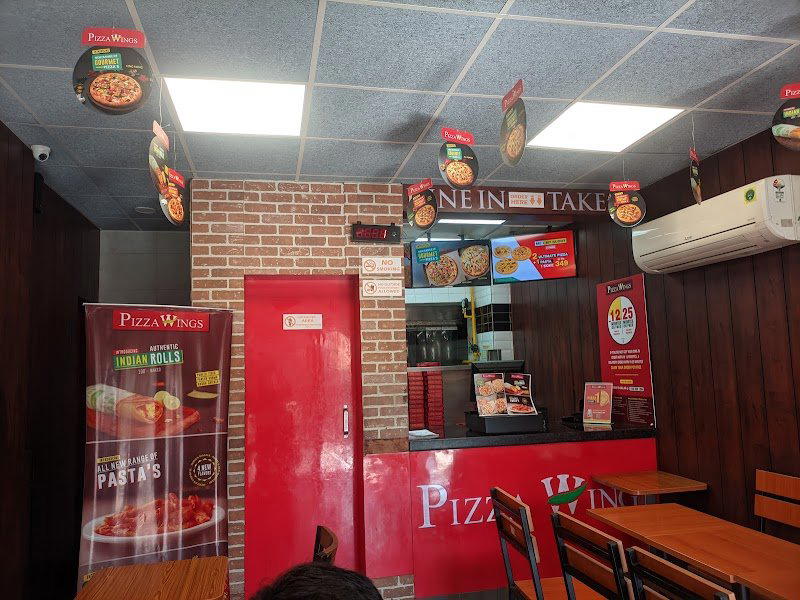
The physical environment at the Phase 3B-2 location follows the Wow Momo chain template: compact, functional, with the kitchen visible or semi-visible and the emphasis on throughput rather than lingering. This is not a venue for a long meal. The format rewards quick decisions: you know what you're getting, the menu communicates clearly, and the expectation is a thirty-to-forty-minute visit. That clarity is its own form of hospitality in a city where the lunch-hour crowd needs options that don't require a commitment of time or attention.
For readers coming from a fine-dining frame of reference, whether from Americano in Mumbai or Atomix in New York City, the Wow Momo experience sits at the opposite end of the deliberation spectrum. There are no tasting menus, no reservation logistics, no dress considerations. The comparison set is other fast-casual chains in the Tricity area, and within that set the brand's national presence and supply chain consistency give it a measurable credibility advantage over independent operators with less purchasing depth.
It is also worth positioning Wow Momo against venues in adjacent categories that prioritize a specific sourcing ethos. Harvest Kitchen Somnath in Veraval and Leela Kerala Terrace in Trivandrum both represent food venues where the ingredient source is the primary narrative. Wow Momo's narrative is volume consistency rather than provenance storytelling, which is not a criticism but a category distinction.
Planning Your Visit
The Sector 60 location in Phase 3B-2 is accessible from the main Mohali arterials and sits within the residential-commercial belt that connects the area to Chandigarh's periphery. No booking is required or expected. The format is walk-in, with peak hours typically running through lunch and early evening when the surrounding office and residential population is most active. Pricing sits firmly in the affordable fast-casual tier, consistent with the brand's national positioning. For broader regional context across the Punjab food circuit, venues like Naar in Kasauli and WelcomCafe Oceanic Restaurant in Visakhapatnam illustrate how different price tiers and formats operate across northern and coastal India respectively.
Frequently asked questions
Is Wow Momo good for families?
The Phase 3B-2 location follows the standard Wow Momo chain format: compact seating, a streamlined menu, and a counter-service model that keeps turnover brisk. That setup works for small family groups or a quick meal with children, though it is not configured for long, leisurely dining. The accessible location within Mohali's residential-commercial belt in Sector 60 makes it a practical stop rather than a destination outing.
What's the overall feel of Wow Momo?
Functional and informal. The Mohali outlet follows the Wow Momo chain template: a compact space with a visible or semi-visible kitchen, hard seating, and a pace that leans toward quick-service rather than sit-down dining. The draw is the product, not the room.
How does Wow Momo in Mohali compare to local independent momo stalls?
Wow Momo's Phase 3B-2 outlet in Mohali offers the consistency of a national chain, with standardised fillings, portion sizing, and preparation methods across every visit. Independent street stalls in northern India often vary by cook, sourcing, and daily supply, which can work for or against the experience depending on timing. The chain format trades that variability for predictability, which is the core reason it has scaled across cities like Mohali in Punjab.
What dish is Wow Momo famous for?
The momo is the entire premise of the brand, served steamed or fried across a range of fillings that have expanded well beyond the Tibetan-Nepali community formats that introduced the dumpling to northern Indian cities. Wow Momo built its chain identity by standardising that street staple into a consistent fast-casual product available across mid-size Indian cities, including this Sector 60 location in Mohali.
Comparable Spots, Quickly
Comparable venues nearby, for context on price, style, and recognition.
| Venue | Cuisine | Price | Awards | Notes |
|---|---|---|---|---|
| Wow MomoThis venue (the venue you are viewing) | Tibetan Momos | $1–10 | Not listed | Not listed |
| Nando's Flame-Grilled PERi-PERi Chicken, Mohali | Flame-Grilled PERi-PERi Chicken | $1–10 | Not listed | Sector 67 |
| Nizam's Kathi Kabab | Indian Kathi Rolls & Kebabs | $1–10 | Not listed | Biden Pura, Malviya Nagar, Defence Colony |
| Bukhara Restaurant | North West Frontier Tandoori | $30–50 | World's 50 Best #37 · La Liste Top Restaurants | Diplomatic Enclave |
| Beera Chicken House | Punjabi Tandoori Chicken | $1–10 | Not listed | Bhawani Nagar |
| Zing | World of Flavors Buffet - Asian, Italian, Indian & Maharashtrian | Not listed | Not listed | Chikalthana MIDC |
Continue exploring
More in Mohali
Details
- Lively
- Trendy
- Casual Hangout
- Family
- A La Carte
- Vegetarian Friendly
Current opening hours
- Monday
- 11 AM–11 PM
- Tuesday
- 11 AM–11 PM
- Wednesday
- 11 AM–11 PM
- Thursday
- 11 AM–11 PM
- Friday
- 11 AM–11 PM
- Saturday
- 11 AM–11 PM
- Sunday
- 11 AM–11 PM
Hours can change for holidays and private events. Hours as of .
Casual fast-food atmosphere in a mall setting with quick service and lively energy from momo lovers.