Café de Gaper

Michelin Bib Gourmand
Our verdict
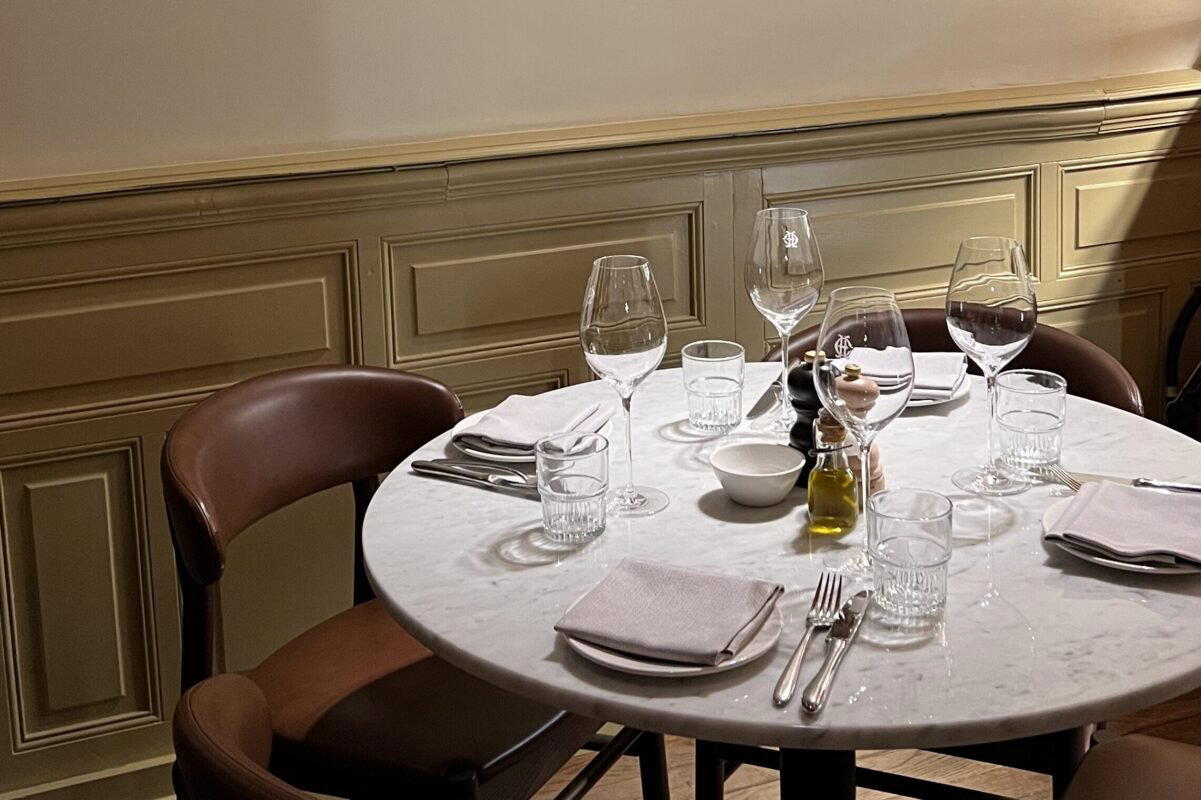
Set inside a historic building on Leiden's celebrated Rapenburg canal, Café de Gaper pairs exposed beam ceilings and an apothecary cabinet backdrop with a menu that grafts Asian seasonings onto European classics. The format — bites, raw, cold, hot, cheese, sweet — keeps things flexible and well-priced for the neighbourhood. A curated wine list rounds out a package that sits comfortably in the mid-tier of Leiden's dining scene.

Pearl is the En Primeur Club membership app — saves, bookings, and concierge access live there. Same editors, same standards.
The menu
What to order
- Slow-cooked pork belly in ginger glaze
- Brioche with salmon farce and chipotle
Where Rapenburg's Architecture Meets the Table
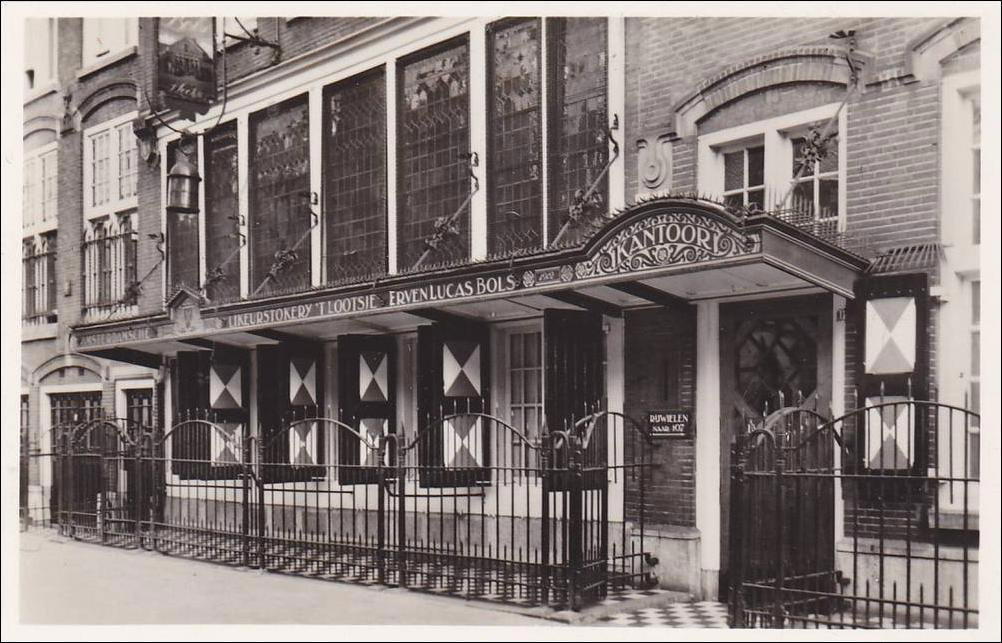
Rapenburg is the address Leiden reaches for when it wants to impress. The canal-facing street runs past the university's oldest buildings and through the kind of preserved Dutch streetscape that reminds you how much the city's 17th-century prosperity shaped its bones. At number 97, Café de Gaper occupies a building with visible layers of that history: exposed beam ceilings overhead, and an apothecary cabinet that signals the space's earlier life as something altogether different from a dining room. In a city where canal-side atmosphere is abundant, the interior here earns its place through material detail rather than renovation gloss.
That physical context matters editorially because it shapes the register of the cooking. Leiden's mid-market dining scene — the tier occupied by venues like Bistro Bord'o (€€ · Contemporary) and Café Visscher (€€ · French) — has generally pushed toward European bistro formats, where the room and the menu share a consistent sensibility. Café de Gaper occupies that same price bracket but diverges on the kitchen's terms of reference.
The Logic of Fusion at This Price Point
Dutch dining has a long, structural relationship with Asian cuisine, rooted in colonial-era trade and immigration patterns that brought Indonesian, Surinamese, and broader pan-Asian ingredients into the everyday pantry decades before fusion became a category name. What Café de Gaper does sits inside that tradition rather than apart from it. The kitchen applies Asian seasonings to European preparations: chipotle in a salmon farce on brioche, dashi in an emulsion that accompanies halibut with a beurre blanc base. These are not dishes that abandon their European architecture; they redirect it at specific moments, using heat or umami as finishing logic rather than structural overhaul.
That approach reflects something broader happening across mid-market European dining, where the binary between French technique and Asian flavour has increasingly dissolved. The more interesting question at this price tier is whether the integration is purposeful or decorative. At Café de Gaper, the evidence points toward purposeful: pairing a beurre blanc with a dashi emulsion requires understanding both the fat-acid balance of classical French sauce work and the glutamate depth of Japanese stock. These are not interchangeable moves. The result is a kitchen with a clear point of view on how these traditions meet, which distinguishes it from venues where fusion is simply a marketing posture.
For a broader view of where this kind of international-leaning cooking sits within the Netherlands, it's useful to compare against a different register entirely. Restaurants like De Librije in Zwolle, Ciel Bleu in Amsterdam, or De Bokkedoorns in Overveen operate at the formal end of that same cultural conversation, technically elaborate, tasting-menu driven, Michelin-oriented. Café de Gaper functions as an accessible entry point to similar flavour logic without the ceremony or price commitment.
Menu Structure as an Editorial Statement
The menu at Café de Gaper is divided into six categories: bites, raw, cold, hot, cheese, and sweet. That architecture is worth pausing on. It resists the conventional starter-main-dessert progression in favour of a format that lets the table build its own meal shape, a few small plates across categories, or a more conventional sequence if preferred. This kind of flexible menu structure has become more common across mid-market European dining in the past decade, partly because it suits smaller kitchen teams, partly because it increases spend-per-head on the lower end, and partly because it aligns with how younger dining rooms in wine-bar adjacent territory tend to operate.
At the €€ price point in a Dutch university city, the combination of technique-driven cooking and a curated wine list represents a strong offer. The wine list is described as nicely curated, which in this context implies selection breadth and thoughtful pairing logic rather than sheer volume, the kind of list that has a point of view without requiring a sommelier consultation to decode.
Within Leiden's own mid-market tier, that combination positions Café de Gaper differently from peers. Bistro Bord'o and Café Visscher both operate in the €€ bracket but with more conventionally European orientations. Those looking for higher-intensity creative cooking at a premium price can find it further up Leiden's dining ladder at venues like In den Doofpot (€€€ · Creative), The Bishop (€€€ · World Cuisine), or Wielinga (€€€ · Modern French). Café de Gaper occupies a specific gap: Asian-inflected technique at bistro prices, in a room that carries architectural weight without dining-room formality.
For comparable international-leaning mid-market formats elsewhere in the Netherlands, Resumé by 6&24 in The Hague and Sizzles at the Park in Apeldoorn offer useful reference points. Closer to the formal end of Dutch creative cooking, Aan de Poel in Amstelveen, 't Nonnetje in Harderwijk, and Brut172 in Reijmerstok show where Dutch kitchen ambition has pushed in recent years, providing context for how accessible venues like Café de Gaper fit into a wider national picture.
Planning Your Visit
Café de Gaper is located at Rapenburg 97, 2311 GL Leiden, on the canal stretch that runs between the university's main buildings and the city centre proper.
For travellers using Café de Gaper as a starting point for broader Leiden exploration, EP Club's full Leiden restaurants guide covers the wider dining picture. Accommodation options are mapped in the Leiden hotels guide, drinking options in the Leiden bars guide, and further context for local producers in the Leiden wineries guide and Leiden experiences guide.
Frequently asked questions
What's the must-try dish at Café de Gaper?
Budget and Context
Comparable venues nearby, for context on price, style, and recognition.
| Venue | Cuisine | Price | Awards | Notes |
|---|---|---|---|---|
| Café de GaperThis venue — the venue you are viewing | Modern European with Asian Twists | $20–30 | Michelin Bib Gourmand | Not listed |
| Café Visscher | French Brasserie | $50–100 | Michelin Bib Gourmand | Stationskwartier, French Brasserie |
| Pannenkoekenhuys Oudt Leyden | Dutch Pancakes | $10–20 | Not listed | d'Oude Morsch, Dutch Pancakes |
| Woods | Modern European Fine Dining | $50–100 | Michelin Plate | Haagweg-Noord, Modern European Fine Dining |
| Just Meet | Modern Steakhouse | $50–100 | Not listed | city center, Modern Steakhouse |
| Paco Ciao | Contemporary Fusion | $20–30 | Not listed | >null, Contemporary Fusion |
Recognition history
Dated appearances from independent guides and award organizations, with the underlying list record or original source where available.
Michelin Bib Gourmand
Michelin
Continue exploring
More in Leiden
Restaurants in Leiden
All restaurants in Leiden →
Bars in Leiden
Browse all →
Hotels in Leiden
Browse all →
Wineries in Leiden
Browse all →
Details
- Cozy
- Elegant
- Date Night
- Special Occasion
- Historic Building
- Street Scene
- A La Carte
Current opening hours
- Monday
- Closed
- Tuesday
- 5:30 PM–12 AM
- Wednesday
- 5:30 PM–12 AM
- Thursday
- 5:30 PM–12 AM
- Friday
- 5:30 PM–12 AM
- Saturday
- 5:30 PM–12 AM
- Sunday
- 5:30–11:30 PM
Hours can change for holidays and private events. Last verified .
Relaxed and elegant atmosphere with cozy, local charm.