Butcher & The Boar
In Minneapolis's North Loop, Butcher & The Boar makes a case for American meat cookery rooted in direct sourcing and whole-animal thinking. The room is built around the open hearth, the list skews heavily toward American whiskey and craft beer, and the general register is confident and loud rather than hushed and formal. For the city's carnivore contingent, it occupies a specific and well-defended position.
Pearl is the En Primeur Club membership app — saves, bookings, and concierge access live there. Same editors, same standards.
- Address
- 901 N 3rd St Suite 195, Minneapolis, MN 55401
- Phone
- +1 612 886 1769
- Website
- butcherandtheboarmpls.com
- Directions
- Get directions
 Saves & bookings on Pearl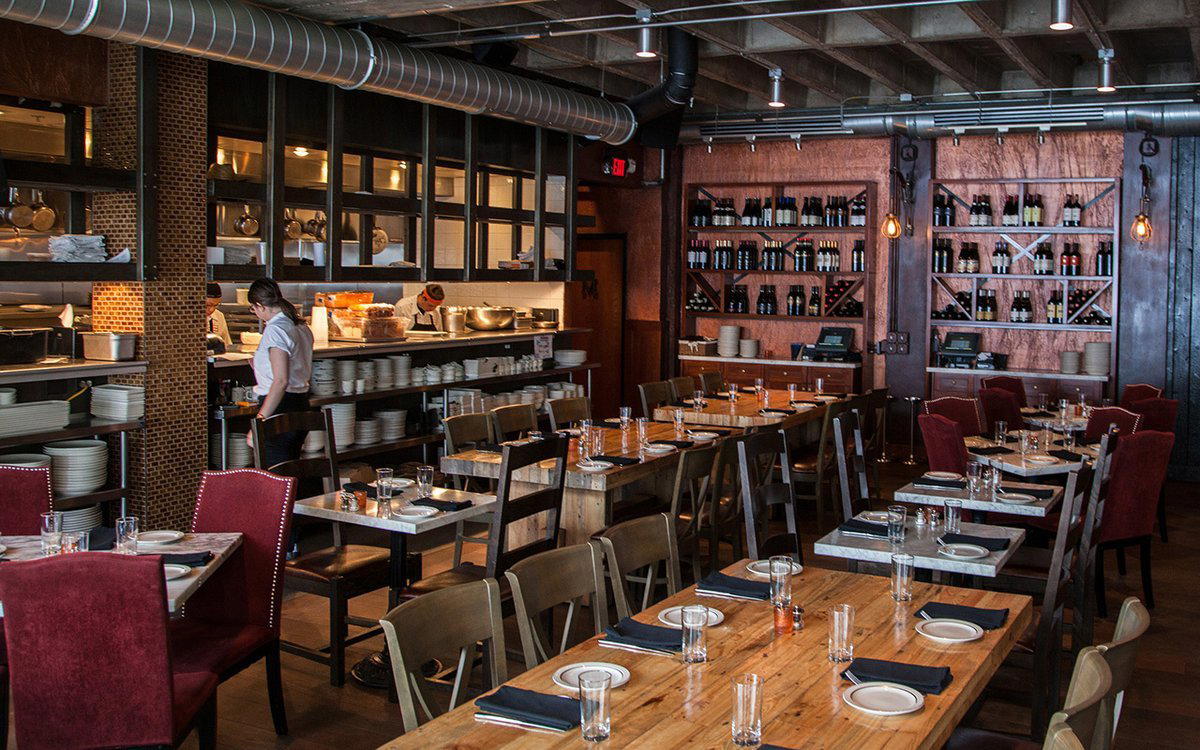
Where the North Loop Does Serious Meat
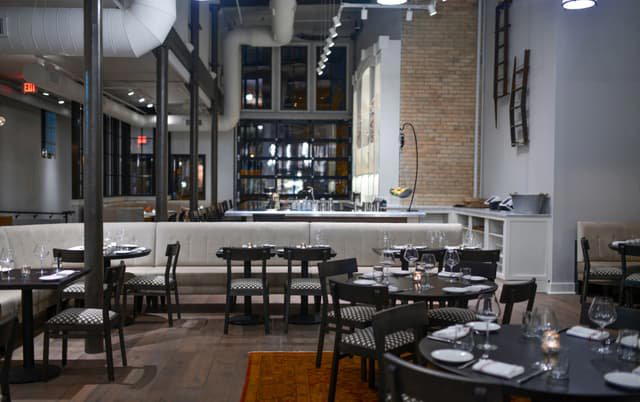
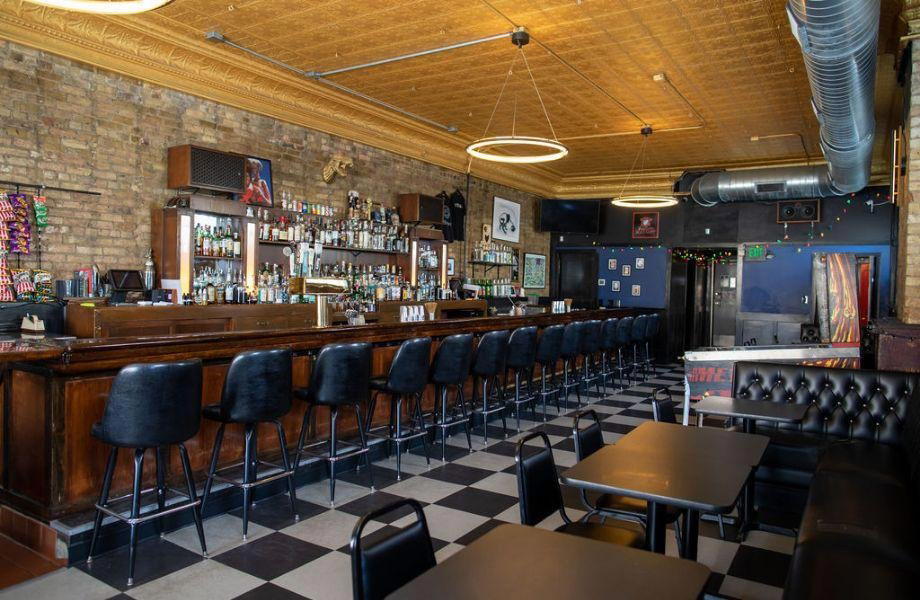
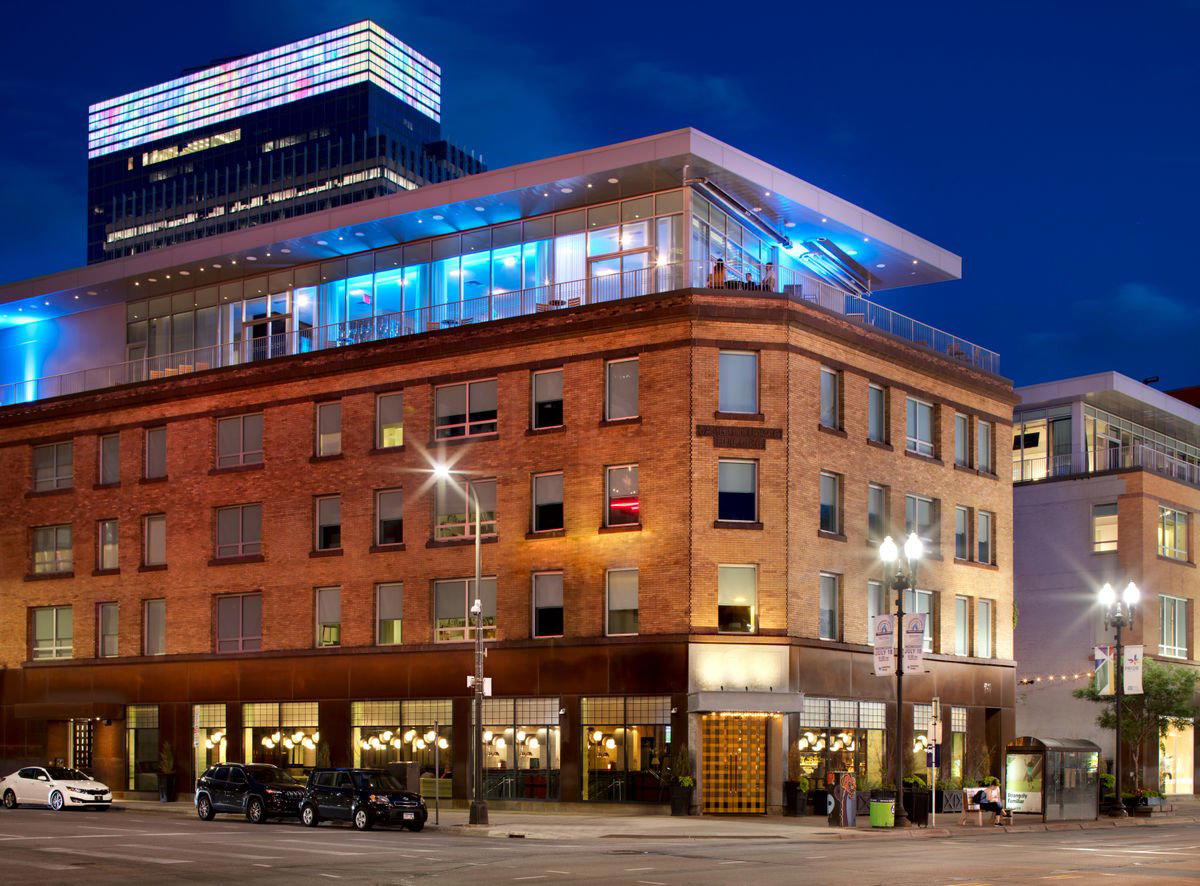
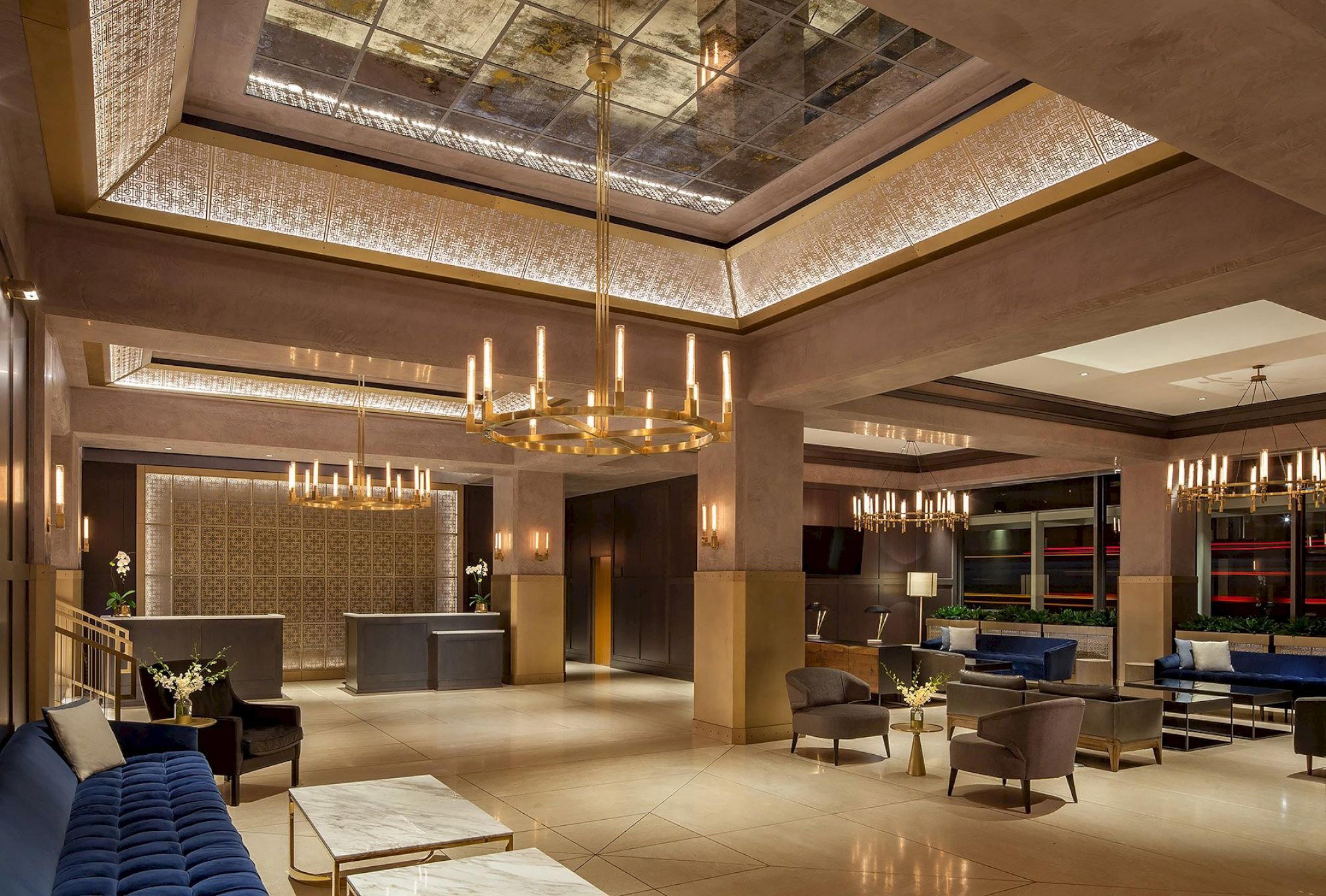
Minneapolis's North Loop has spent the past decade converting warehouse and light-industrial square footage into dining rooms, and the neighbourhood's leading spaces tend to share a certain character: high ceilings, exposed structure, materials that read as raw rather than refined. Butcher & The Boar, at 901 N 3rd St Suite 195, fits that neighbourhood logic. The room reads industrial in scale but warm in execution, anchored by a hearth setup that announces the kitchen's priorities before a menu arrives. This is a place organised around fire and butchery, and the architecture makes that clear from the door.
Within Minneapolis's steakhouse and meat-forward dining tier, the venue occupies a middle position between the old-guard power-dining rooms (Manny's Steakhouse being the reference point most locals default to) and the newer farm-to-table American restaurants that treat sourcing as a design principle rather than a sidebar. Butcher & The Boar pulls from both traditions: the scale and conviviality of the former, the ingredient orientation of the latter.
Sourcing as the Structural Argument
American meat cookery at this tier has increasingly split along a single fault line: venues that buy commodity product and cook it well versus venues that begin the conversation at the farm or the ranch. One considered operations in this category, from Blue Hill at Stone Barns in Tarrytown to Single Thread Farm in Healdsburg, have made provenance the actual subject of the menu. Butcher & The Boar sits closer to that sourcing-conscious end of the spectrum than to the commodity steakhouse model, with a program built around direct relationships with Midwestern producers and a whole-animal butchery approach that makes use of cuts and preparations that commodity-supply kitchens typically bypass.
The Midwest is, in practical terms, among the more producer-dense regions in the United States for beef, pork, and lamb. Operating in Minneapolis means access to a supplier network that coastal restaurants often pay a premium to replicate. That geographic advantage is the underlying logic of a concept like Butcher & The Boar: the sourcing story is not imported or constructed, it is native to the region. Where a restaurant like Emeril's in New Orleans draws on Gulf Coast seafood as its natural regional anchor, or Providence in Los Angeles leans into Pacific waters, the North Loop's version of that regionalism runs through pasture-raised pork and dry-aged beef from Minnesota and Wisconsin farms.
Whole-animal butchery, the practice of breaking down entire carcasses and engineering menus around the full yield rather than cherry-picking premium cuts, represents a different operational model than most steakhouses employ. It demands more technical skill in the kitchen and more flexibility in menu planning, but it produces a more honest relationship between the plate and the animal. At Butcher & The Boar, that thinking extends to house-made charcuterie and preparations that position the restaurant closer to a European boucherie tradition than to the American steakhouse format it superficially resembles.
The Drinks Program and the Room's Register
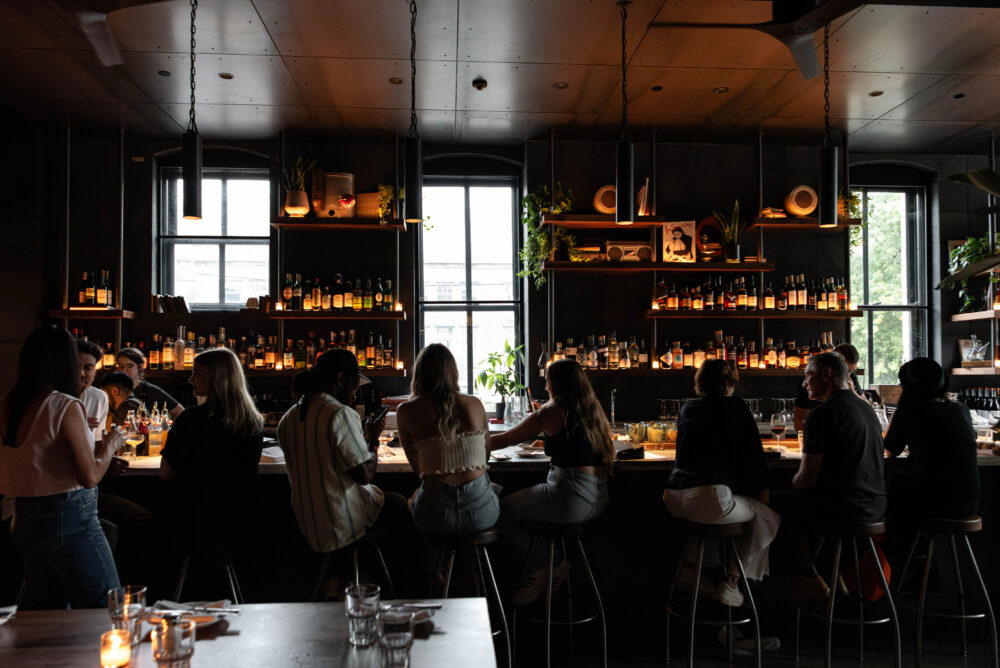
The bar program at Butcher & The Boar is weighted toward American whiskey in a way that mirrors the kitchen's regional sourcing logic. Bourbon and rye selections run deep, which places the venue in conversation with a broader national trend toward American spirits as serious category rather than well-pours. The craft beer list similarly emphasises Midwestern producers, reinforcing the sourcing coherence across categories. This is not a wine-forward room in the way that, say, Smyth in Chicago or Lazy Bear in San Francisco are wine-forward; it is a room that has decided its beverage identity and committed to it.
The noise level and spatial scale push this toward the convivial rather than the contemplative. Large parties and groups read as appropriate here in a way they would not at a twelve-seat counter. The energy is high, the format is generous, and the experience is built around shared plates and a certain American abundance rather than European restraint. That puts it in a different register than Minneapolis's quieter, more technique-led rooms like Spoon & Stable or the James Beard-nominated Hai Hai, which occupy a more refined tier of the city's dining conversation.
Minneapolis Context: Where This Fits
Minneapolis's dining scene has matured considerably in the past decade, producing a more layered set of options than the city's national profile suggests. At the ambitious end, Owamni has built a national conversation around Indigenous ingredients and decolonised sourcing, while 112 Eatery has operated a late-night Italian-American program with sustained critical attention for years. Butcher & The Boar does not compete directly with any of these; it occupies a distinct category. For readers who move between cities and use venues like The French Laundry in Napa, Le Bernardin in New York City, or Atomix in New York City as reference points, Butcher & The Boar is a different kind of room. It is a different argument entirely: American and generous rather than minimal and precise, built around abundance and fire rather than restraint and technique.
That distinction matters when calibrating expectations. Within its own category, specifically Midwestern sourcing-forward meat restaurants with serious bar programs and large-format dining, it makes a strong case. See also 4801 S Minnehaha Dr for a different take on Minneapolis's outdoor-adjacent dining options, or consult our full Minneapolis restaurants guide for broader orientation. For sourcing-conscious American dining that reaches toward farm-level precision, Addison in San Diego, The Inn at Little Washington, or Atelier Moessmer Norbert Niederkofler in Brunico represent the international outer edge of that conversation. Butcher & The Boar is not attempting to compete there. It is making a local argument, confidently and at volume. Also worth noting for comparison within the Midwestern casual-hearth genre: Brasa Rotisserie in Minneapolis offers a lower price point and a more casual register for those who want fire-cooked proteins without the full steakhouse commitment.
Planning Your Visit
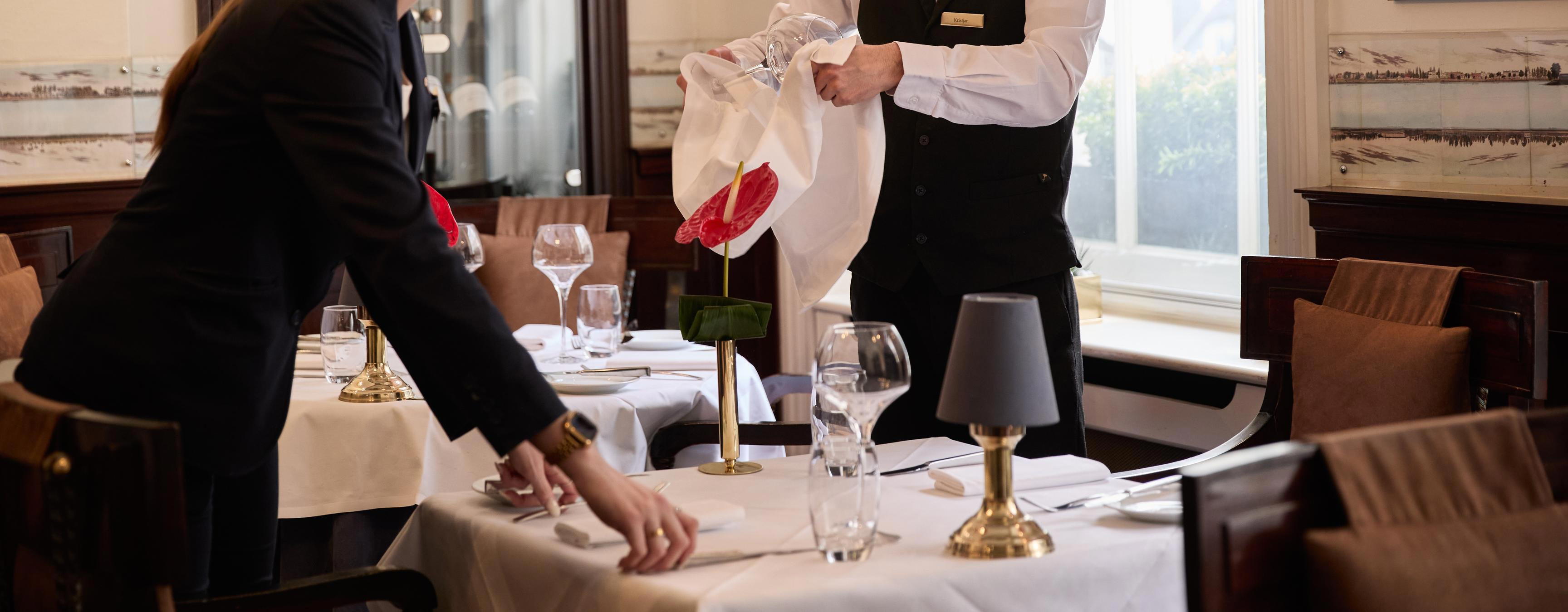
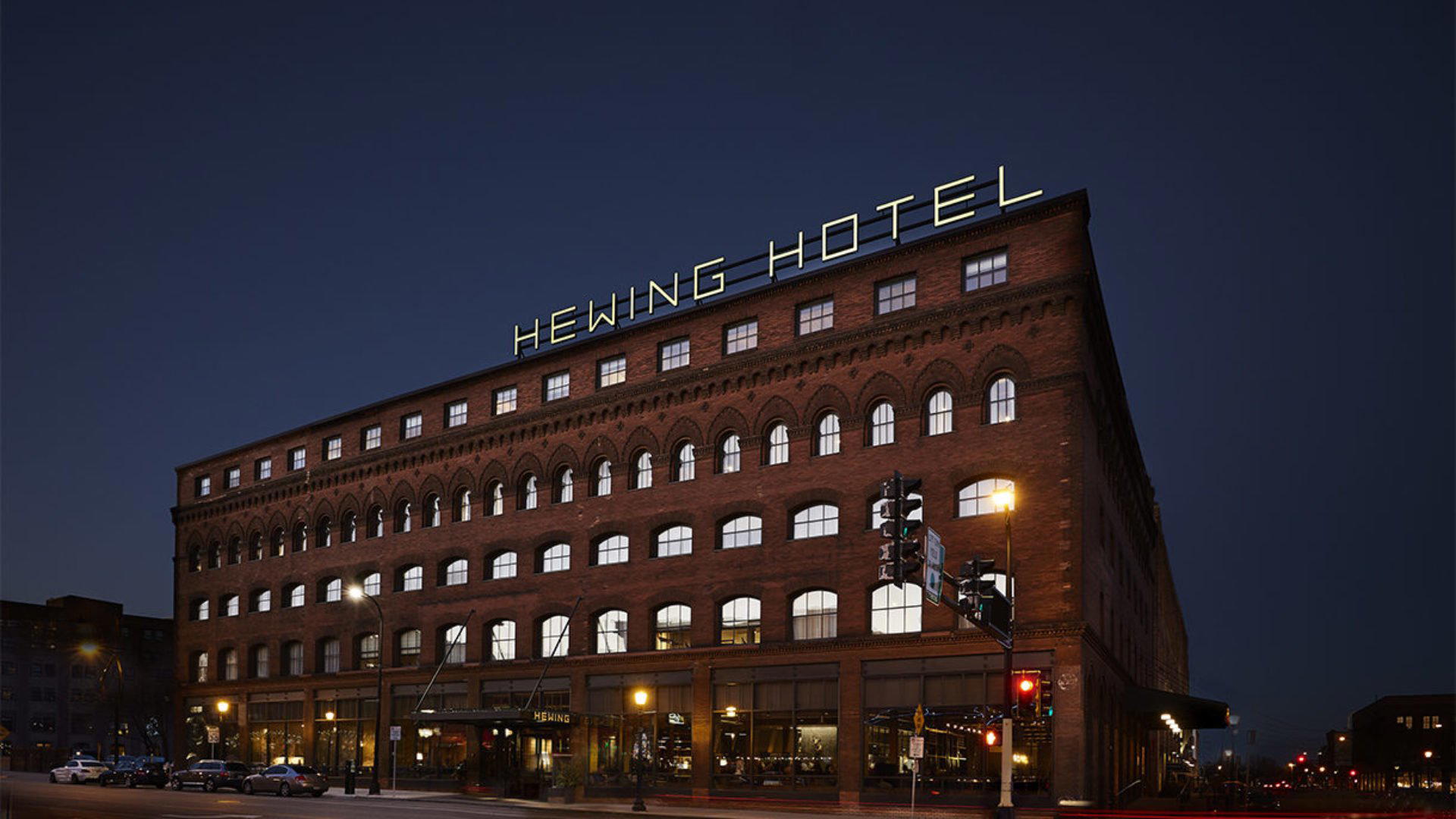
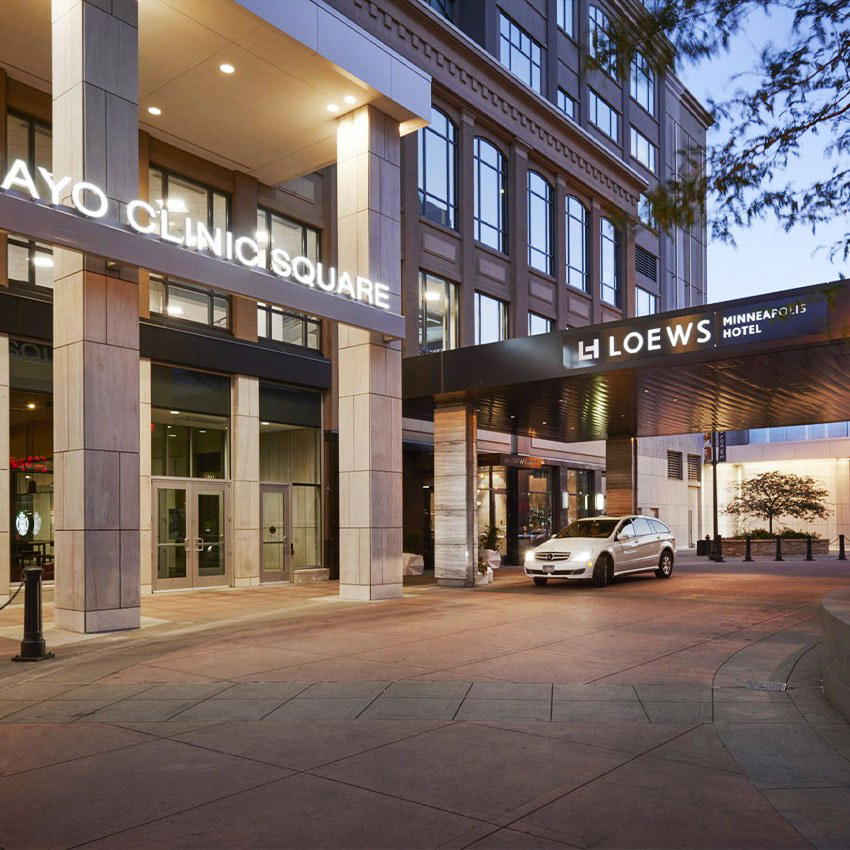
The address is 901 N 3rd St Suite 195, which places it in the North Loop's main dining corridor and within walking distance of several hotels that serve the neighbourhood. Given the venue's group-friendly scale and strong local reputation, reservations are recommended, especially for weekend dinners. The format and noise level are better suited to parties celebrating something than to quiet business dinners. Dress is smart casual.
In Context: Similar Options
Comparable venues nearby, for context on price, style, and recognition.
| Venue | Cuisine | Price | Notes |
|---|---|---|---|
| Butcher & The BoarThis venue — the venue you are viewing | American BBQ & Smoked Meats | $$$ | Not listed |
| Tullibee | Scandinavian-Inspired Midwestern | $$$ | North Loop |
| noa | California-Inspired Modern American Fusion | $$ | WeDo |
| Jax Cafe | Classic American Steakhouse | $$$ | Northeast Minneapolis Arts District |
| Tao Organic Cafe + Herbery | Organic American Cafe | $$ | East Isles |
| Eli's Food & Cocktails | American Pub Fare | $$ | Loring Park |
Continue exploring
More in Minneapolis
Restaurants in Minneapolis
Browse all →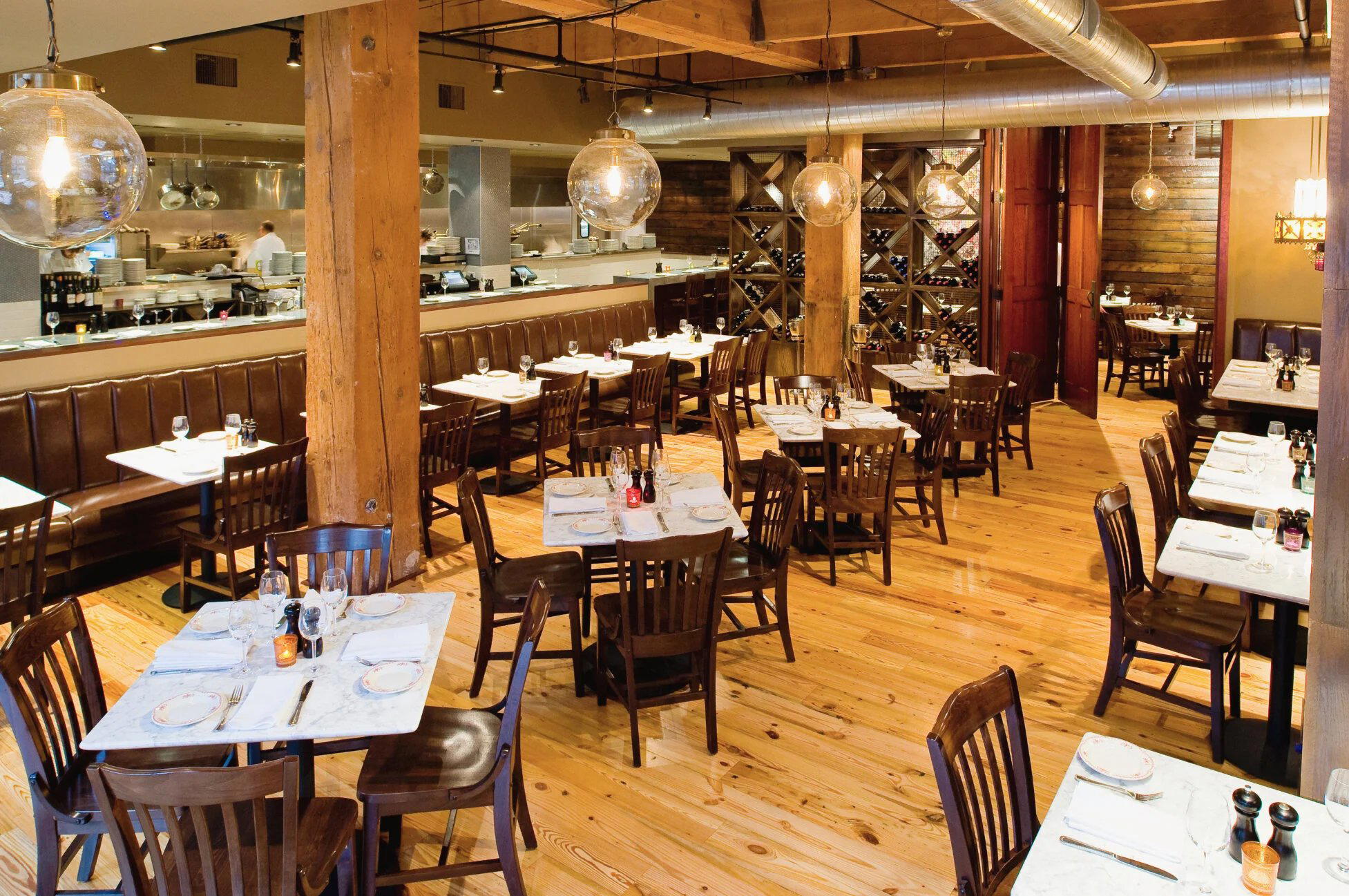
Bars in Minneapolis
Browse all →
At a Glance
- Lively
- Rustic
- Energetic
- Industrial
- Group Dining
- Casual Hangout
- Brunch
- Open Kitchen
- Beer Garden
- Craft Cocktails
- Beer Program
- Local Sourcing
Current opening hours
- Monday
- 4–10 PM
- Tuesday
- 4–10 PM
- Wednesday
- 4–10 PM
- Thursday
- 4–10 PM
- Friday
- 4–11 PM
- Saturday
- 4–11 PM
- Sunday
- 4–10 PM
Hours can change for holidays and private events. Last verified .
Loud, energetic gastropub atmosphere with an open kitchen, bustling bar area, and community-focused vibe highlighted in guest reviews.