Burger Service
Our verdict
Burger Service occupies a prominent address on Revoluční in Prague's Staré Město, placing it steps from the commercial and cultural pulse of the Old Town. The venue sits within a Prague dining scene that has spent the past decade importing global technique while reasserting local produce, a tension that defines the city's most interesting mid-range restaurants. For visitors moving between the tourist corridor and the city's more considered dining options, it represents a practical and accessible reference point.

Pearl is the En Primeur Club membership app, where members save venues, book tables and use the concierge.
The menu
What to order
- Classic Cheeseburger
- Bacon Cheeseburger
- Double Smash Burger
Where Old Town Foot Traffic Meets a Changing Czech Palate
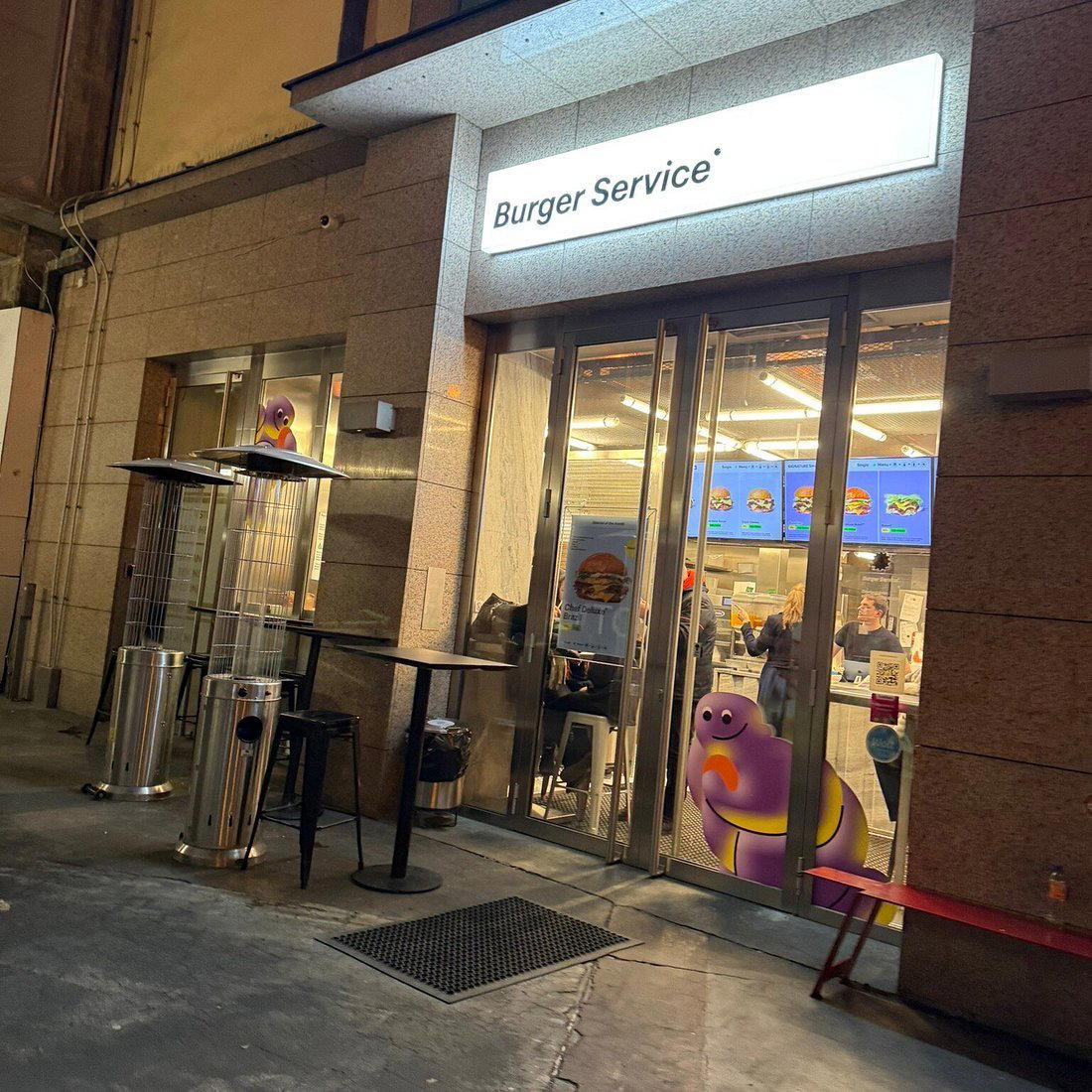
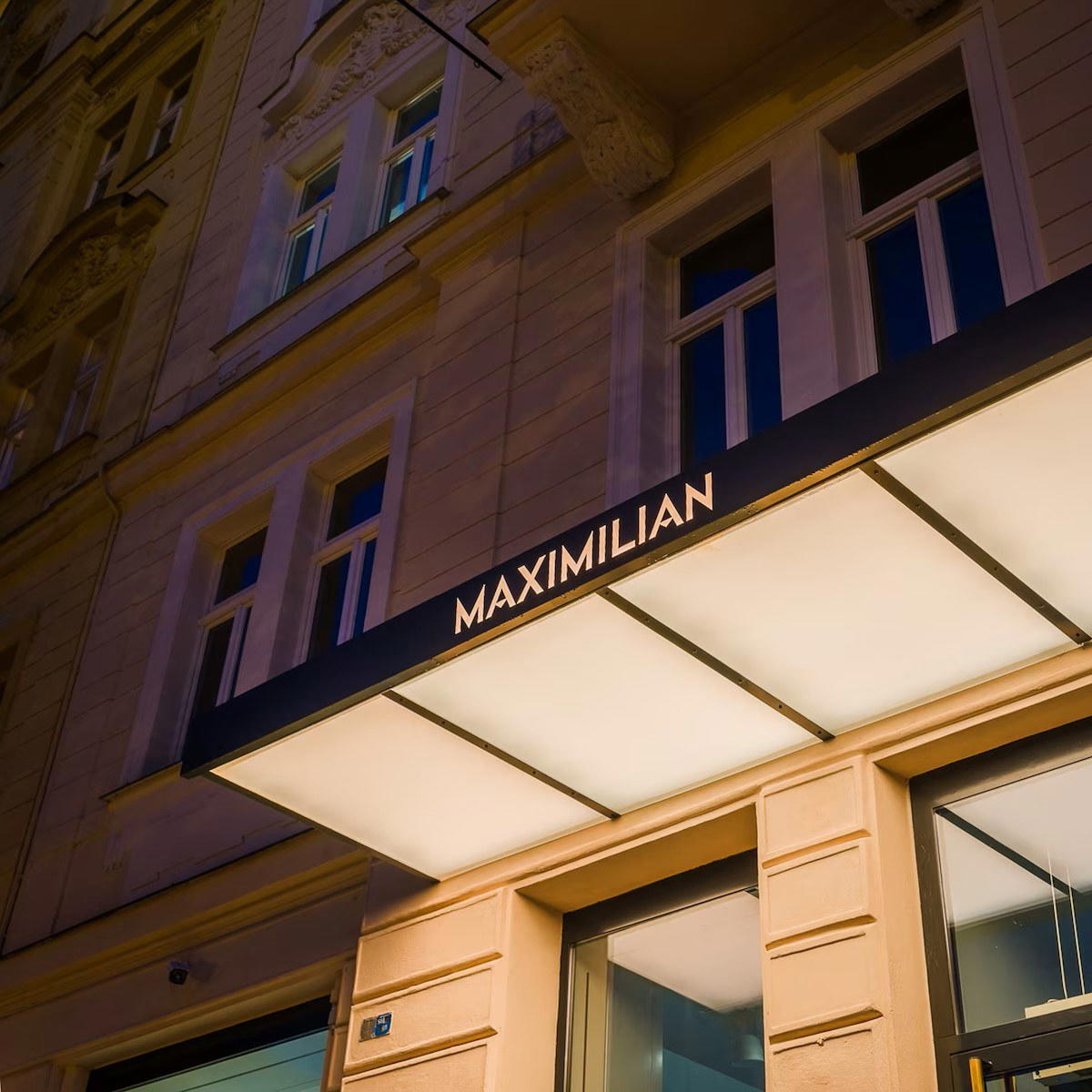
Revoluční is one of those streets that functions as a seam in Prague's urban fabric, it separates the dense medieval grid of Staré Město from the broader, more commercial stretch that runs toward náměstí Republiky. The address at Revoluční 655/1 puts Burger Service directly in that transition zone, where the crowds thicken with a mix of office workers, tourists cutting between the Old Town Square and the Palladium shopping centre, and a growing cohort of Praguers who have started treating the area as a daily dining circuit rather than a place to endure. The physical approach is urban and unglamorous in the way that the leading casual-format restaurants often are: no courtyard theatrics, no elaborate signage designed to signal premium positioning. The name is transactional by design, which in a city where restaurant branding has historically ranged from Soviet-era utility to nouveau-rustic nostalgia, reads as its own kind of statement.
The Prague Burger Scene: Local Produce, Imported Logic
Czech cuisine has a complicated relationship with the burger. The dish arrived in Prague in force during the post-1989 opening, carried largely by American fast-food chains, and spent roughly two decades as either an imported novelty or a shorthand for low-effort gastropub menus. What shifted the conversation was a broader movement across Central European cities, Budapest, Vienna, Warsaw, where independent operators began applying the same sourcing rigour and technical discipline to ground meat cookery that fine dining had applied to tasting menus. The burger, in this context, stopped being a concession to casual appetite and became a vehicle for demonstrating what Czech beef, Czech bread, and Czech dairy could do when handled with intention.
Prague's geography gives it specific advantages in this regard. The Bohemian and Moravian regions produce beef with a distinct fat profile shaped by traditional grazing practices, and the country's dairy infrastructure, which survived and in some cases deepened through the cooperative era, means local cheese and cultured butter are available at quality tiers that most Western European cities would struggle to source at comparable prices. Operators who understand these supply chains can construct a burger programme that reads as globally fluent while remaining materially rooted in Czech production. That intersection of imported method and indigenous product is where the most credible venues in this category operate, and it is the frame through which Burger Service is leading understood.
For broader context on how Prague restaurants are rethinking Central European ingredients through contemporary technique, the contrast with tasting-menu-format venues is instructive. La Degustation Bohême Bourgeoise (French-Czech) represents the high-formality end of this ingredient-technique conversation, where Czech produce is filtered through classical French structure. 420 Restaurant and Alcron (Modern European) occupy different points on the formality spectrum but share the same underlying ambition: to treat Czech raw material as a starting point for serious cooking rather than a folkloric backdrop. Burger Service positions itself at the accessible end of this same axis.
Casual Format, Competitive Context
Prague's casual dining segment has compressed significantly in the past five years. The post-pandemic period accelerated consolidation, with mid-tier restaurants either moving upmarket to justify rising costs or doubling down on volume and speed. Independent burger operations face particular pressure from both directions: above them, the gastropub tier has raised its technical baseline; below them, international QSR chains continue to hold price-sensitive demand. The venues that have found stable ground are those with a clear identity in sourcing or format, something that gives a repeat customer a reason to choose them over the growing number of alternatives along any given Prague street.
The Staré Město location itself is a double-edged advantage. Foot traffic is reliable and the tourist volume provides a floor of demand that insulates against the seasonal swings that affect residential-neighbourhood restaurants more acutely. But it also means competition from every direction, the area has one of the highest restaurant densities in the city, and visitor spending is increasingly channelled through recommendation platforms and aggregators rather than spontaneous street-level discovery. In that environment, a venue's ability to generate repeat local custom is as commercially important as its visibility to first-time visitors.
For reference points elsewhere in the Czech Republic that illustrate what serious casual and mid-range dining looks like outside the capital, Na Spilce in Pilsen anchors its identity in the brewing tradition of its host city, while Pavillon Steak House in Brno applies a more explicitly international framework to Central European beef. Both illustrate how regional operators are engaging with similar ingredient-versus-technique tensions from different geographic and culinary starting points. Further afield, Cattaleya in Čeladná, Tlustá Kachna in Chrudim, and Long Story Short Eatery and Bakery in Olomouc each represent distinct takes on how Czech regional kitchens are absorbing global influence. Chapelle in Písek, Dvůr Perlová voda in Budyně nad Ohří, Perk Restaurant in Šumperk, ARRIGŌ in Děčín, and V Bezovém Údolí in Kryštofovo Údolí round out a Czech dining circuit that rewards travellers willing to move beyond Prague's immediate orbit.
Globally, the technical ambitions that underpin the better casual-format burger programmes share ground with what high-end American kitchens have been doing with refined comfort formats. Lazy Bear in San Francisco is the obvious reference point for tasting-menu-meets-campfire casualness, while Le Bernardin in New York City represents the opposite pole, classical European rigour applied without compromise. Neither is a direct peer, but both illustrate the broad spectrum within which Prague's more serious casual operators are trying to locate themselves.
Planning a Visit: What to Know Before You Go
Burger Service sits at Revoluční 655/1 in Prague 1, close to náměstí Republiky metro station on Line B, making it direct to reach from most parts of the city. The Staré Město address means it falls naturally into a half-day itinerary that combines the Old Town's historic core with the commercial and cultural venues further north along the river. For dining context before or after your visit, Alma and Amano are both within the same general district and represent different points on the Prague mid-range spectrum. Our full Prague restaurants guide covers the broader dining scene across price tiers and neighbourhoods.
Frequently asked questions
What's the address for Burger Service?
Burger Service is located at Revoluční 655/1, Staré Město 1, 110 00 Praha 1, Czechia, Prague.
Is Burger Service a good option for a quick meal between sightseeing in Prague's Old Town?
The Revoluční 655/1 address places Burger Service within a short walk of náměstí Republiky metro on Line B and close to the edge of the Staré Město pedestrian core, making it a practical stop between sites in Prague 1. The counter format implied by the name suits time-limited visits better than a sit-down restaurant would.
What's the signature dish at Burger Service?
What the address tells you is the context: Revoluční 1 puts the place at one of Prague 1's higher-footfall intersections, which typically favours a tight, repeatable menu built around a core burger format rather than seasonal rotation.
How hard is it to get a table at Burger Service?
Casual burger counters at this address tier in Prague 1 typically operate on a walk-in basis, with peak pressure running from midday to early afternoon on weekdays when office and tourist foot traffic converge on Revoluční.
What's Burger Service best at?
The name signals format over ambition: this is a service-first operation positioned at a high-transit point in Staré Město, close to the náměstí Republiky metro. Prague's casual dining segment has tightened considerably post-pandemic, and venues that survive at this location do so by executing a narrow offering consistently rather than competing on range.
Is Burger Service good for vegetarians?
Prague's burger scene has broadly adopted plant-based patty alternatives since roughly 2020, but whether Burger Service on Revoluční follows that pattern would need to be verified directly on arrival or via current local review listings.
Is Burger Service overpriced or worth every penny?
At a Staré Město address with this level of tourist proximity, expect pricing to sit above the Prague residential average but in line with comparable casual spots in Prague 1, the location carries a premium regardless of the operator.
Nearby-ish Comparables
A compact comparison to help you place this venue among nearby peers.
| Venue | Cuisine | Price | Awards | Notes |
|---|---|---|---|---|
| Burger ServiceThis venue (the venue you are viewing) | American Fast Food Burgers | $10–20 | Not listed | Not listed |
| La Degustation Bohême Bourgeoise | Modern Czech Fine Dining | $100–150 | 1 Michelin Star · La Liste Top Restaurants | French-Czech |
| Alcron | Modern Central European with Plant-Forward Focus | $50–100 | Star Wine List | Modern European |
| Benjamin | Modern Czech Tasting Menu | $50–100 | Michelin Plate · Wine Spectator Award of Excellence | Modern Cuisine |
| Café Imperial | Classic Czech Brasserie | $30–50 | Michelin Plate | Traditional Cuisine |
| Dejvická 34 by Tomáš Černý | Modern Italian & Mediterranean | $30–50 | Michelin Bib Gourmand · Falstaff Restaurant - 93 Falstaff Points | Italian |
Continue exploring
More in Prague
Restaurants in Prague
All restaurants in Prague →
Bars in Prague
All bars in Prague →
Details
- Modern
- Cozy
- Trendy
- Casual Hangout
- Solo
- Late Night
- Standalone
- Open Kitchen
- Beer Program
- Local Sourcing
- Street Scene
- Counter Dining
- A La Carte
- Soft Drinks
- Beer
- Vegetarian Friendly
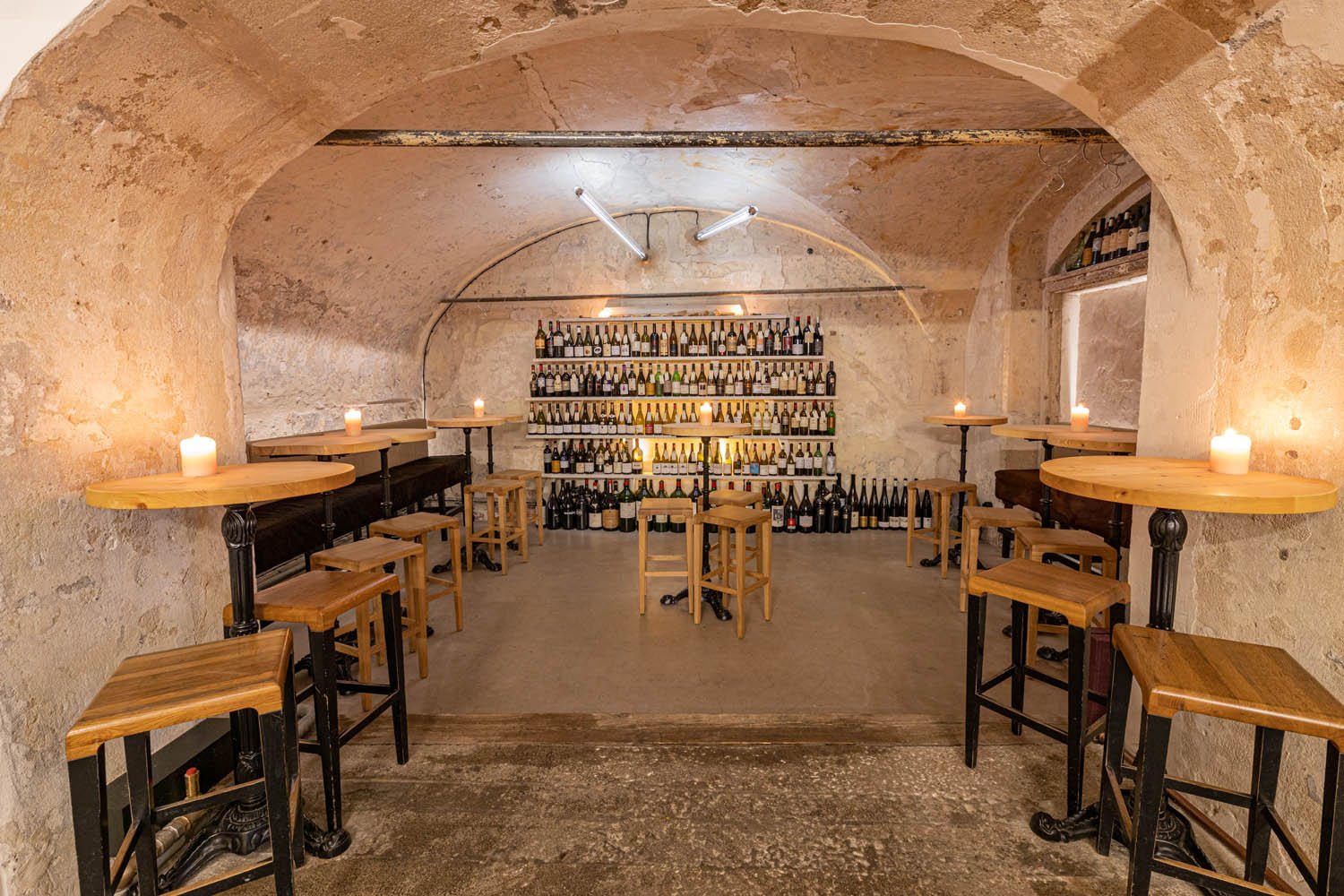
Fast-casual, street-food atmosphere with a small seating footprint and a focus on quick takeaway burgers.