
Bullet puts Osaka’s small-counter Chinese scene in sharp focus: Sichuan and Chinese cooking, a six-seat counter format, and recognition in Tabelog’s Chinese WEST 100 for 2026, with earlier selections in 2024 and 2023. The draw is not scale but concentration, especially for diners who care about how spice, rice, sake, wine, and BYO choices work in a compact room.
Pearl is the En Primeur Club membership app — saves, bookings, and concierge access live there. Same editors, same standards.
- Address
- 1 Chome-9-13 Edobori, Nishi Ward, Osaka, 550-0002, Japan
- Phone
- +81 6-6447-7823
- Website
- bullet0725.com
 Saves & bookings on Pearl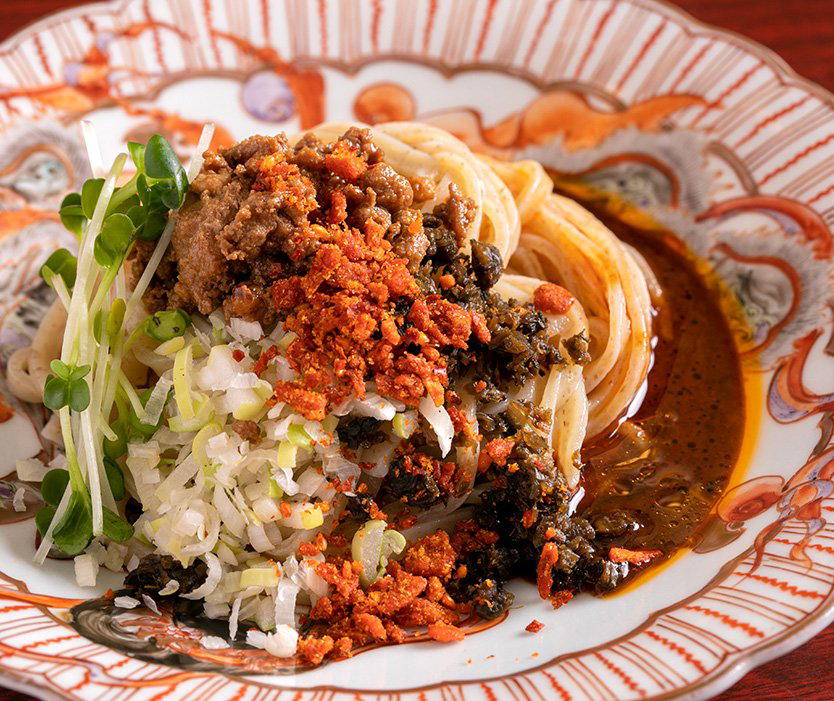
Edobori’s restaurant rhythm is quieter than Osaka’s neon shorthand. Around Higobashi, office blocks, side streets, and small ground-floor rooms reward attention over spectacle. Here, a counter-only Chinese restaurant changes the meal’s terms: cooking and drinking sit close, and the bottle matters as much as heat, oil, rice, and broth.
Bullet belongs to Osaka dining that does not trade on size. Six counter seats, no tables, and a Sichuan and Chinese format place it closer to the city’s specialist counters than the banquet-room tradition many travelers associate with Chinese restaurants in Japan. Selection for Tabelog’s Chinese WEST 100 in 2026, after appearances in 2024 and 2023, gives the room credible Kansai Chinese context without making it a trophy hunt.
Sichuan heat, small-counter discipline, and a drinks program that rewards planning
Osaka likes food that is direct, fast, and pleasure-led, but its more interesting Chinese rooms now split between casual mapo-and-rice shops and compact counters where spice has course-meal structure. The latter asks more from diners. Heat is not just thrill; it sets pace, resets appetite, and changes how sake or wine behaves.
That makes drinks central. The listed drinks focus on sake and wine, with BYO part of the service model. In a Sichuan context, this matters. High-alcohol reds can fight chilli oil and Sichuan pepper; sake with texture, acidity, or restrained sweetness may work better than a prestige label. White wine, sparkling wine, and lighter reds often have more utility than cellar weight. Choose the bottle for friction management, not ceremony.
The category sits apart from Osaka’s broader range. HAJIME operates in the French and innovative fine-dining tier; Nishino represents a Japanese high-spend lane; Daidokoro Kamiya sits in the izakaya register. Bullet’s appeal is narrower: Chinese technique, counter proximity, and a drink strategy that rewards advance thought. For readers mapping the city by appetite rather than checklist, that is more useful than ranking incompatible formats.
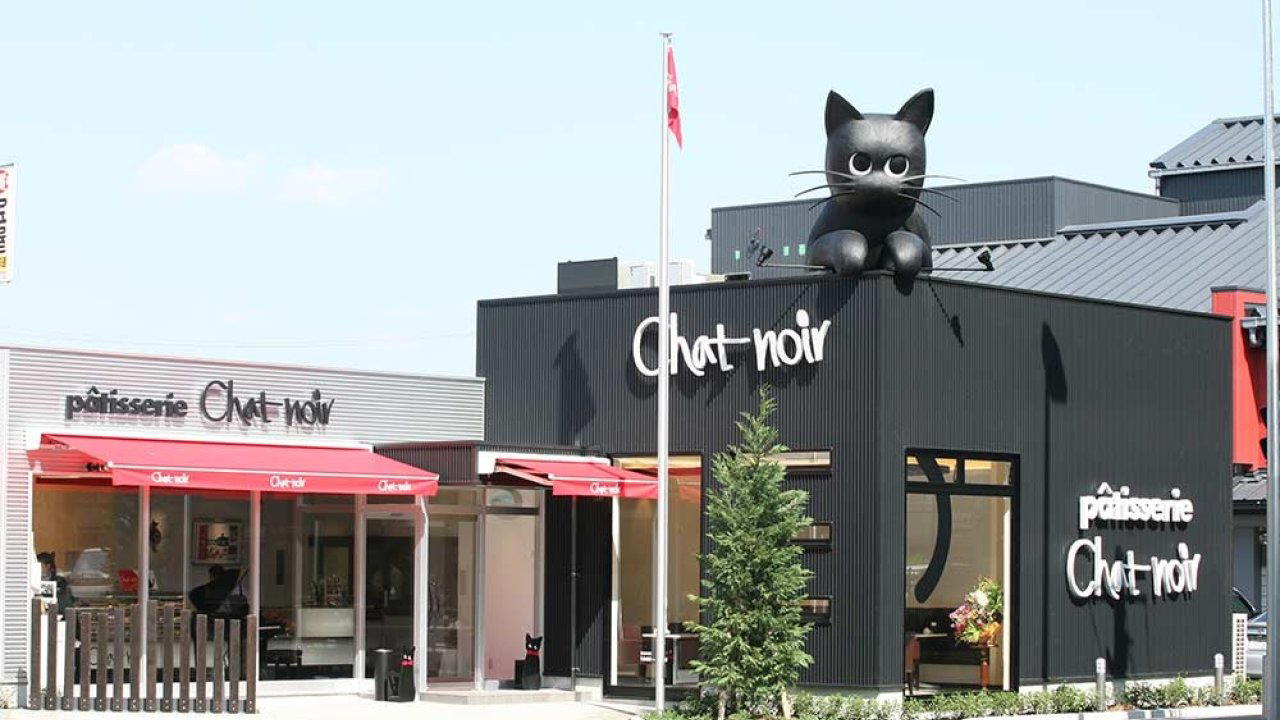
Within EP Club’s Osaka coverage, this address fits beside the city’s wider spread, from coffee and bakeries such as .cafe and 52CHO-ME BAKERY to mass-market local shorthand like 551 Horai (551蓬莱) and niche imports such as 99 Pizza Napoletana Gourmet or a canto (Italian). They do not compete directly; they show Osaka rewarding narrow commitments: buns, bread, Italian structure, or Chinese spice at the counter.
Why the counter changes the way Chinese food reads in Osaka
Chinese dining in Japan often suggests polished hotels or neighbourhood lunch staples. A small counter complicates that split. It removes large-room theatre and pushes attention toward sequence, portion, temperature, and the choreography of eating with a drink close at hand. In Sichuan cooking, where aroma and heat can dominate if bluntly handled, that intimacy clarifies.
The restaurant’s Tabelog score of 3.59 matters less than its recognition pattern. The Chinese WEST 100 list is a regional signal, and repeated selection across multiple years suggests consistency in a category where attention often swings to new openings. For travelers, the useful reading is not “go because it won a badge,” but that the room has been noticed within a specialist field, and its compact format makes planning consequential.
Lunch and dinner appear to play different roles. Public materials point to Sichuan mapo tofu at lunch and a monthly changing noodle lunch, while dinner becomes a reservation-led course format. That split reflects a common Osaka pattern: daytime utility, evening concentration. Read lunch as access to the restaurant’s spice register; dinner belongs to the slower category where drink pairing, BYO decisions, and counter pacing become the meal’s architecture.
The setup carries a useful caution. Counter-only restaurants in Japan can be generous for solo diners, but they are not neutral spaces. They demand punctuality, compact belongings, and willingness to eat at a small kitchen’s pace. Listed family guidance limits the room to elementary-school age and above, aligning with the high-chair counter arrangement rather than a child-friendly table setting. This is not a flaw; it is the operating logic of a small specialist room.
How to place it in a sharper Osaka itinerary
For a food-led Osaka trip, Bullet works better as a precision booking than a casual fallback. Build the day around the Higobashi and Nishi Ward axis, then use the rest of the itinerary for contrast: coffee, bakery stops, bars, or a hotel base that reduces cross-city fatigue. EP Club’s broader city pages help with that sorting: Our full Osaka restaurants guide, Our full Osaka hotels guide, Our full Osaka bars guide, Our full Osaka wineries guide, and Our full Osaka experiences guide.
Set priorities this way: wine and sake first, then spice tolerance, then party size. Diners bringing a bottle should think lift, chill, and aromatic clarity rather than power. Diners ordering from the house selection face the same question in reverse: what will survive chilli oil, Sichuan pepper, and rice without flattening the food? That is the quiet pleasure of this Osaka counter. It makes drink choice practical, not decorative.
Readers comparing Japanese regional dining can use Bullet as one point in a larger pattern: small-format restaurants carrying specific ideas outside obvious tourist circuits. For contrast beyond Osaka, see -Grilled beef Sukiyaki- KAMAKURA TANUKIAN 鎌倉 たぬき庵 in Kamakura. 鮪と炭火焼き うお炭 秋葉原店 in Tokyo.know in Kumamoto, (Shoku) Vietnam in Kawasaki, [Curry Senmon Ten] Maruyama Kyoju. in Sapporo, and [ki:] in Kyoto. For a sake-focused parallel outside Japan, Jōdo Saké Bar in Los Angeles shows how Japanese drinking grammar travels; Onigiri Time in Pasadena shows the other end of the spectrum, where rice and portability lead the format.
The verdict is compact: a small Osaka Chinese counter for diners who care how spice, format, and bottles interact. It rewards planning, restraint in drink choice, and an appetite for regional Chinese cooking interpreted through the tight choreography of a Japanese counter.
- House-special Sichuan mapo tofu
- Course of eight seasonal Chinese dishes
- Crab dishes in winter (Shanghai crab and others)
- Steamed fish with special green sansho sauce
- Foie gras and pork with black vinegar sauce
- Soup-less dan dan noodles
Cuisine-First Comparison
Side-by-side context: comparable cuisine and price.
| Venue | Cuisine | Price | Notes |
|---|---|---|---|
| Bullet | Reservation-only seasonal Chinese course at an 8-seat counter | $$$ | Nishi |
| Tachinomi Izakaya LIBERTY | Chinese Izakaya / Standing Bar | $$ | Kita |
| Miwa Tei | Casual Chinese with Tantanmen & Seafood | $$ | Fukushima |
| Nama Gyoza Seizo Tokoro Tenshin no Kimochi | Handmade Gyoza & Taiwanese Mazesoba Izakaya | $$ | Taishō |
| Yokobori | Creative Chinese Stand-up Bar | $$ | Chūō |
| Kuro Hitsuji Youniku Kushiten BLACK SHEEP | Charcoal-grilled lamb Chinese with natural wine | $$ | Kita |
Recognition history
Dated appearances from independent guides and award organizations, with the underlying list record or original source where available.
Tabelog 100 #35 · No. 35
Tabelog · Tabelog 100 - Chinese cuisine - WEST - 2026
Continue exploring
More in Osaka
Restaurants in Osaka
Browse all →




Bars in Osaka
Browse all →



Hotels in Osaka
Browse all →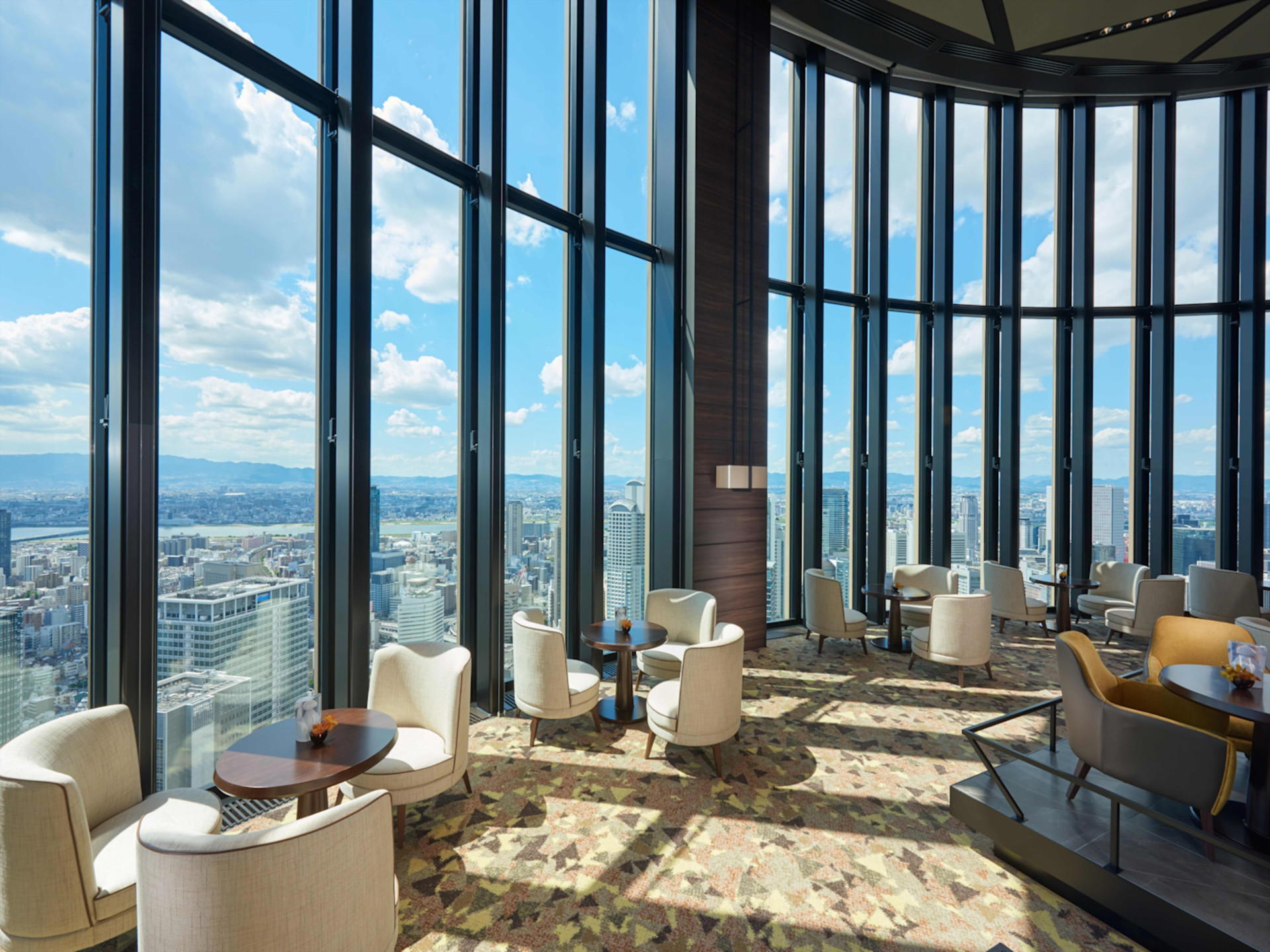




Wineries in Osaka
Browse all →
At a Glance
- Intimate
- Cozy
- Elegant
- Date Night
- Celebration
- Special Occasion
- Business Dinner
- Group Dining
- Private Event
- Chefs Counter
- Private Dining
- Standalone
- Design Destination
- Local Sourcing
Current opening hours
- Monday
- 11:30 AM–2:30 PM
- Tuesday
- 11:30 AM–2:30 PM
- Wednesday
- 11:30 AM–2:30 PM
- Thursday
- 11:30 AM–2:30 PM
- Friday
- 11:30 AM–2:30 PM
- Saturday
- Closed
- Sunday
- Closed
Hours can change for holidays and private events. Last verified .
A discreet adult hideaway on the first floor of a building in Higobashi, with just eight counter seats, low-key elegant decor and a calm, intimate atmosphere suited to relaxed dinners and special occasions.