Bufón
Bufón is a New York City steak, seafood, and raw bar concept operating in a city where the appetite for premium protein has never been purely terrestrial. The menu positions itself at the intersection of land and sea, where aged beef and fresh shellfish share the table. For timing, seasonal availability shapes what arrives at the counter.
Pearl is the En Primeur Club membership app — saves, bookings, and concierge access live there. Same editors, same standards.
- Address
- 78 Rivington St, New York, NY 10002
- Phone
- (201) 839-6701
- Website
- bufonnyc.com
- Directions
- Get directions
 Saves & bookings on Pearl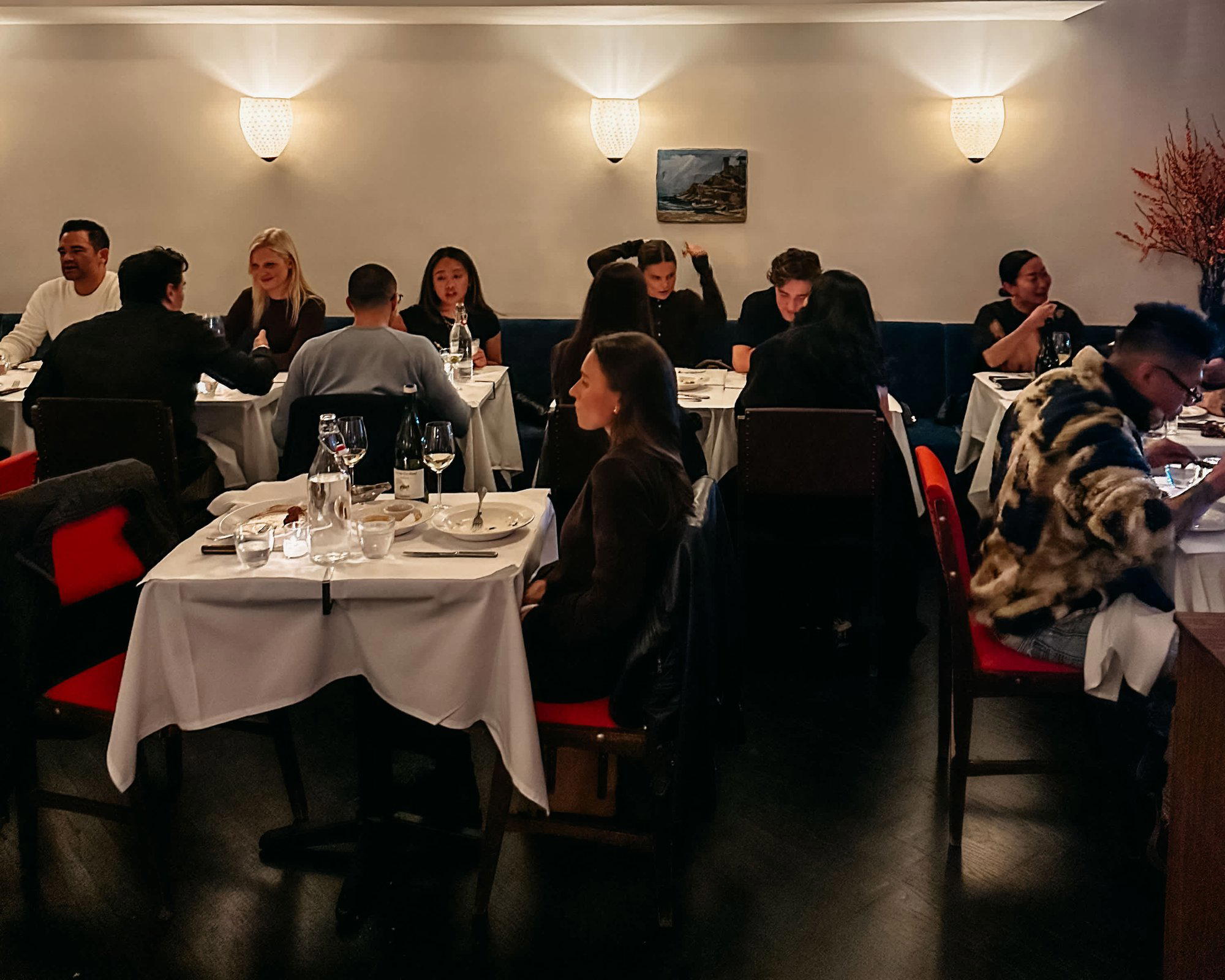
Where Steak Houses Meet the Raw Bar: A New York Tradition
New York's premium dining market has long supported two parallel protein traditions that rarely converge cleanly. The steak house, rooted in the cattle-feeding culture of the mid-twentieth century, and the raw bar, tied to the Northeast's oyster and shellfish history, developed along separate tracks. Bufón occupies the space where those two traditions now overlap, a format that has grown more common as diners expect range across a single sitting rather than a singular focus. That convergence is not accidental. It reflects broader shifts in how premium New York restaurants think about the table: the expectation that aged beef and live shellfish can coexist on a single menu without either being an afterthought.
The Seasonal Logic of Steak and Seafood
The steak-and-seafood format rewards attention to calendar more than almost any other restaurant category. On the seafood side, the Northeast Atlantic runs on distinct biological rhythms. Oysters peak in the colder months, when lower water temperatures concentrate their brininess and glycogen content; summer spawning softens both flavor and texture. The same logic applies further up the menu: East Coast clams and local crustaceans follow predictable seasonal arcs tied to water temperature and spawning cycles, not to the whims of any particular kitchen. Raw bars that source responsibly track these windows closely, and the leading material arrives at the table because the timing is right, not because it is always available.
On the beef side, the seasonal picture is different but equally present. Dry-aging programs extend the window of peak flavor through controlled environments, but the underlying cattle supply does shift with pasture cycles and finishing periods. Restaurants running serious dry-aging programs are, in effect, managing their own version of seasonal availability, pulling product forward in time and controlling the conditions under which it peaks. The convergence of these two seasonal calendars, seafood riding cold-water cycles and beef shaped by aging programs, is one reason the steak-and-seafood format has proven durable at the premium end of the New York market.
New York's position on the Northeast Atlantic coastline places it within reach of some of the most productive cold-water shellfish grounds in North America. Bluepoint and Pemaquid oysters, Wellfleet clams, Maine lobster, and Long Island littlenecks all arrive within a few hours of harvest when supply chains are functioning well. That proximity matters: the raw bar at a serious New York restaurant is not a gesture toward luxury but a direct expression of regional geography. The city's steak houses, by contrast, typically source from the interior, with prime and USDA Prime beef arriving from the Midwest's corn-finishing belts. The combination on a single menu is genuinely cross-regional, pulling from two different American food traditions.
Bufón in the Context of New York's Premium Dining Tier
At the upper end of New York dining, the competitive set for a steak-seafood-raw bar concept includes venues with long institutional histories and significant Michelin recognition. Le Bernardin has defined seafood-forward fine dining in New York for decades, while Masa operates at the extreme of precision and price for raw preparations. At the contemporary fine dining end, Eleven Madison Park, Per Se, and Atomix each hold multi-star status and set the reference points for what serious New York dining looks and costs like. Bufón's steak-plus-raw-bar format situates it somewhat differently: less tasting-menu driven, more à la carte in spirit, with a format that allows for both a quick raw bar stop and a full land-and-sea dinner depending on the occasion.
That flexibility is a deliberate feature of the steak-seafood hybrid format. Where tasting menus at Per Se or Eleven Madison Park commit the diner to a fixed arc, a well-run steak house with a raw bar counter offers optionality: start with oysters at the bar, move to a table for dry-aged beef, or do both simultaneously. That structure has proved commercially durable in New York across multiple decades, and the leading examples of the format hold their own against more architecturally rigid tasting-menu programs.
Across the broader American fine dining map, the protein-focused premium restaurant has found strong footholds in cities well beyond New York. Providence in Los Angeles anchors the seafood-serious end of the West Coast market, while Single Thread Farm in Healdsburg and The French Laundry in Napa define what hyper-seasonal sourcing looks like when a restaurant controls its own agricultural supply. Smyth in Chicago and Blue Hill at Stone Barns in Tarrytown represent the farm-anchored variant of seasonal sourcing. In New Orleans, Emeril's long demonstrated that Gulf Coast seafood traditions could carry a high-profile urban restaurant for decades. The seasonal raw bar component at Bufón places it in a lineage that connects all of these programs, even if its format is more direct and less ceremony-heavy than those venues.
Reading the Menu by Season
For a steak-seafood-raw bar concept in New York, the months between October and April represent the strongest window for shellfish quality. Cold-water oysters reach peak salinity and body during this period, and the raw bar selection typically broadens as local harvests come in from Long Island Sound and New England. Summer months shift the center of gravity: warm-water species become more prominent, bivalve quality softens somewhat, and stone crabs and other warm-weather shellfish fill the gap. The beef side of the menu operates on a different but equally readable seasonal logic; late autumn through winter, when cattle finishing programs peak, tends to produce the most consistent dry-aged supply.
Diners who track these cycles and plan visits accordingly tend to get more from the format than those who treat it as seasonally neutral. The raw bar category rewards the same kind of timing attention that guides visits to Addison in San Diego during peak local produce windows or Frasca Food and Wine in Boulder during Colorado's short summer harvest. The underlying principle is the same: the menu is most coherent when the sourcing is at its seasonal peak.
For further context on New York's premium dining options across cuisine types, see our full New York City restaurants guide. Internationally, the land-and-sea seasonal sourcing philosophy finds a close parallel at Dal Pescatore in Runate and at Atelier Moessmer Norbert Niederkofler in Brunico, both of which treat regional seasonal availability as the primary editorial constraint on the menu. Lazy Bear in San Francisco and The Inn at Little Washington round out the American picture at the seasonal fine dining level.
Know Before You Go
- Cuisine: Steak, seafood, raw bar
- City: New York City
- Leading season for raw bar: October through April for peak cold-water shellfish
- Leading season for beef: Late autumn and winter for peak dry-aged supply
- Walk-ins: Raw bar seating at comparable New York venues typically accommodates walk-ins during off-peak hours; call ahead to confirm policy
How Bufón NYC compares with similar nearby venues.
| Venue | Cuisine | Price |
|---|---|---|
| Bufón | Steak / seafood / raw bar | Not listed |
| Wildair | New American | Not listed |
| Bar Contra | Cocktail Bar | Not listed |
| Russ & Daughters Cafe | Jewish Appetizing, American | $$ |
Continue exploring
More in New York City
Restaurants in New York City
Browse all →
Bars in New York City
Browse all →
Hotels in New York City
Browse all →







At a Glance
- Cozy
- Intimate
- Trendy
- Elegant
- Date Night
- Special Occasion
- Open Kitchen
- Extensive Wine List
- Natural Wine
- Craft Cocktails
Current opening hours
- Monday
- 5–10 PM
- Tuesday
- 5–11 PM
- Wednesday
- 5–11 PM
- Thursday
- 5–11 PM
- Friday
- 5–11 PM
- Saturday
- 5–11 PM
- Sunday
- 5–10 PM
Hours can change for holidays and private events. Last verified .
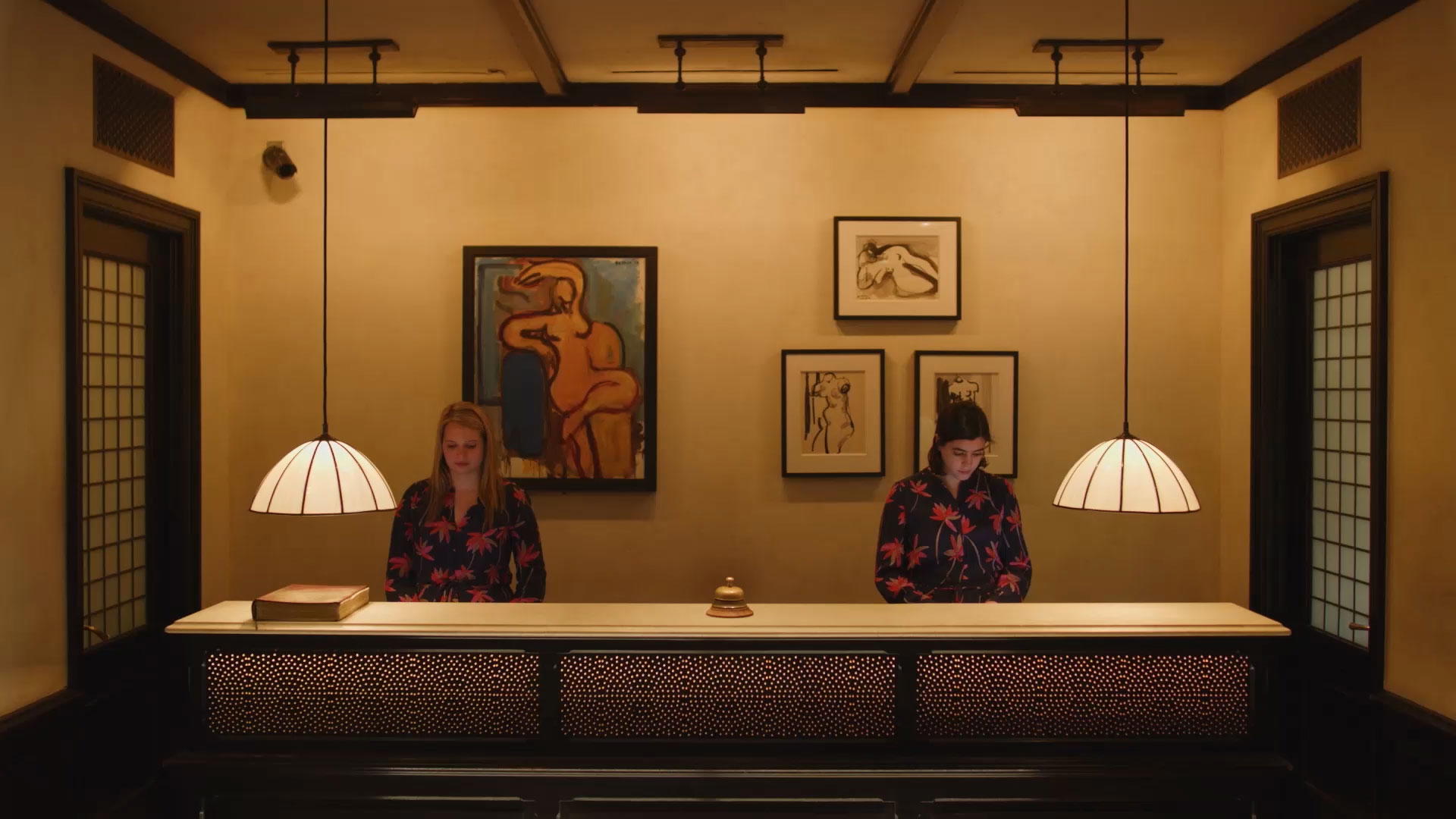
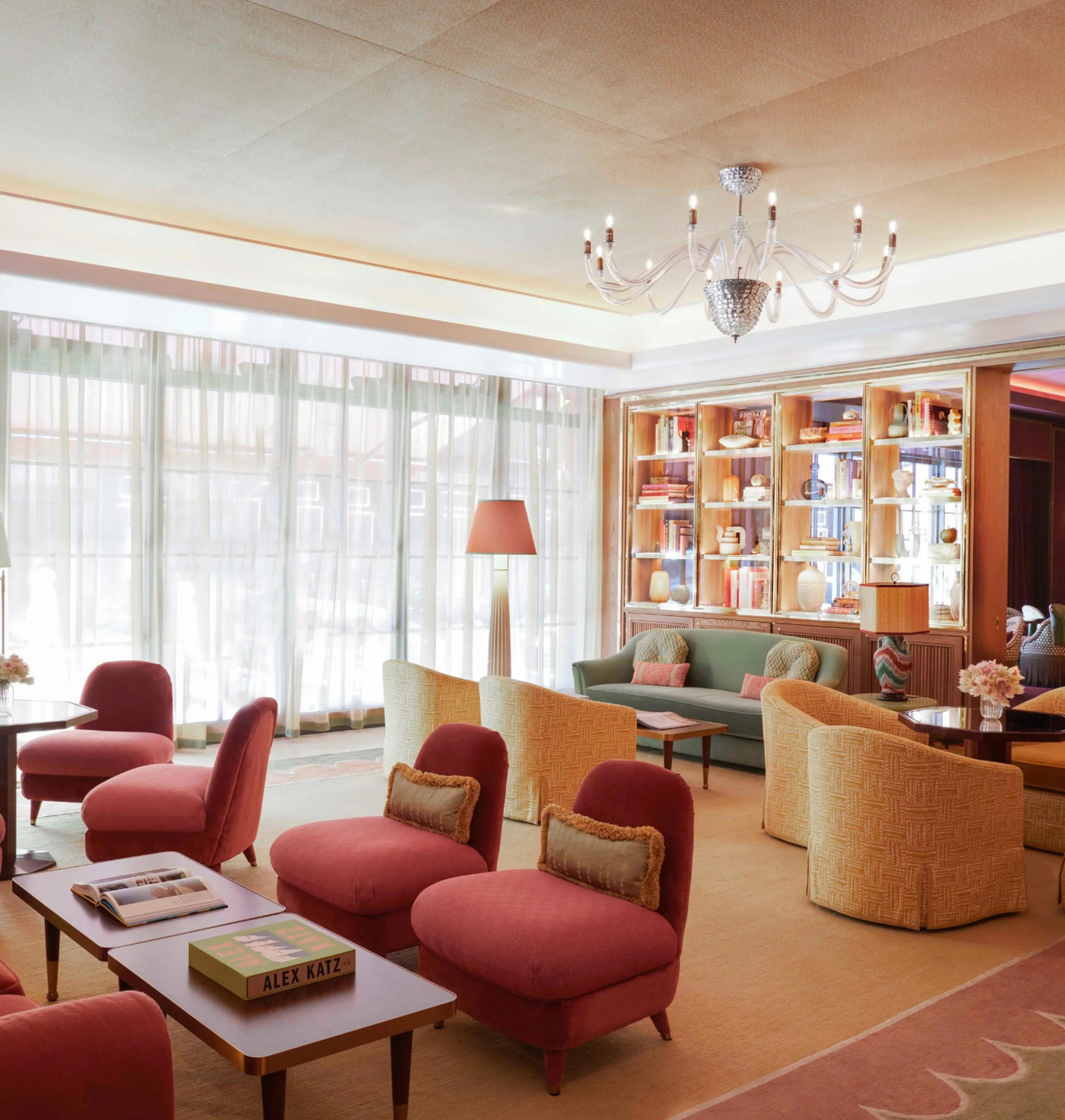
Warm, cozy with warm lighting, blending steakhouse energy and downtown cool, intimate yet buzzy on weekends.
Know Before You Go
- Getting there
- 78 Rivington St, New York, NY 10002